There is a mountain pass in Nagano Prefecture where visitors sit quietly in a forest area known as the ki-ba, a spot popularly called a “zero magnetic field.” The claim has no scientific backing, but the pass lies on a remarkable geological boundary, and the quiet forest is worth the trip on its own.
Bungui Pass (分杭峠, 1,424 m elevation) sits on the Median Tectonic Line, a fault zone that runs the length of the Japanese archipelago from Kanto to Kyushu and is counted among the largest in the country. After TV, radio and magazines featured it as a “zero magnetic field” power spot in 2009, the number of visitors jumped.
Whether you come for the geology, the atmosphere, or simply the peace of sitting in a mountain forest for an hour, this guide covers everything you need to plan your visit.
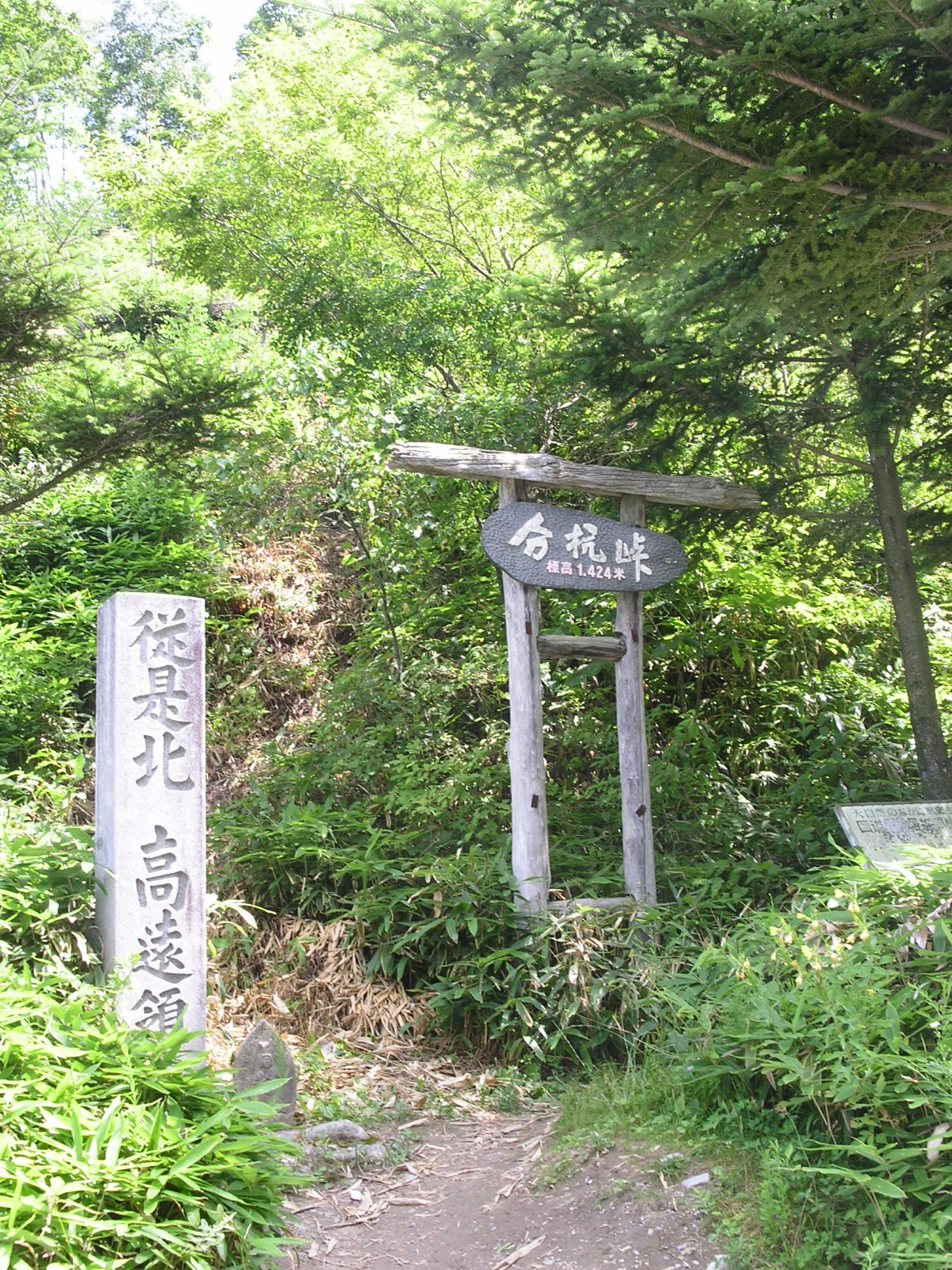
What Makes This Place Special
The “Zero Magnetic Field” Label
The term “zero magnetic field” is a popular label for a place where the fault is said to press rock together and concentrate energy. There is no scientific basis for the idea. The Japanese Wikipedia entry for Bungui Pass cites a curator of the Median Tectonic Line Museum, who points out that a fault with no earthquake in progress behaves, mechanically, like the surrounding rock, and that the idea of rock masses pressing against each other along the fault is geophysically wrong.
What is established is the geology: the pass lies on the Median Tectonic Line (MTL), a major boundary between rock zones of different origins. That is a real and fascinating landscape.
One of Japan’s Largest Fault Zones — Under Your Feet
The Median Tectonic Line is one of the largest fault zones in Japan, running the length of the archipelago from Kanto to Kyushu. Bungui Pass lies along this boundary.
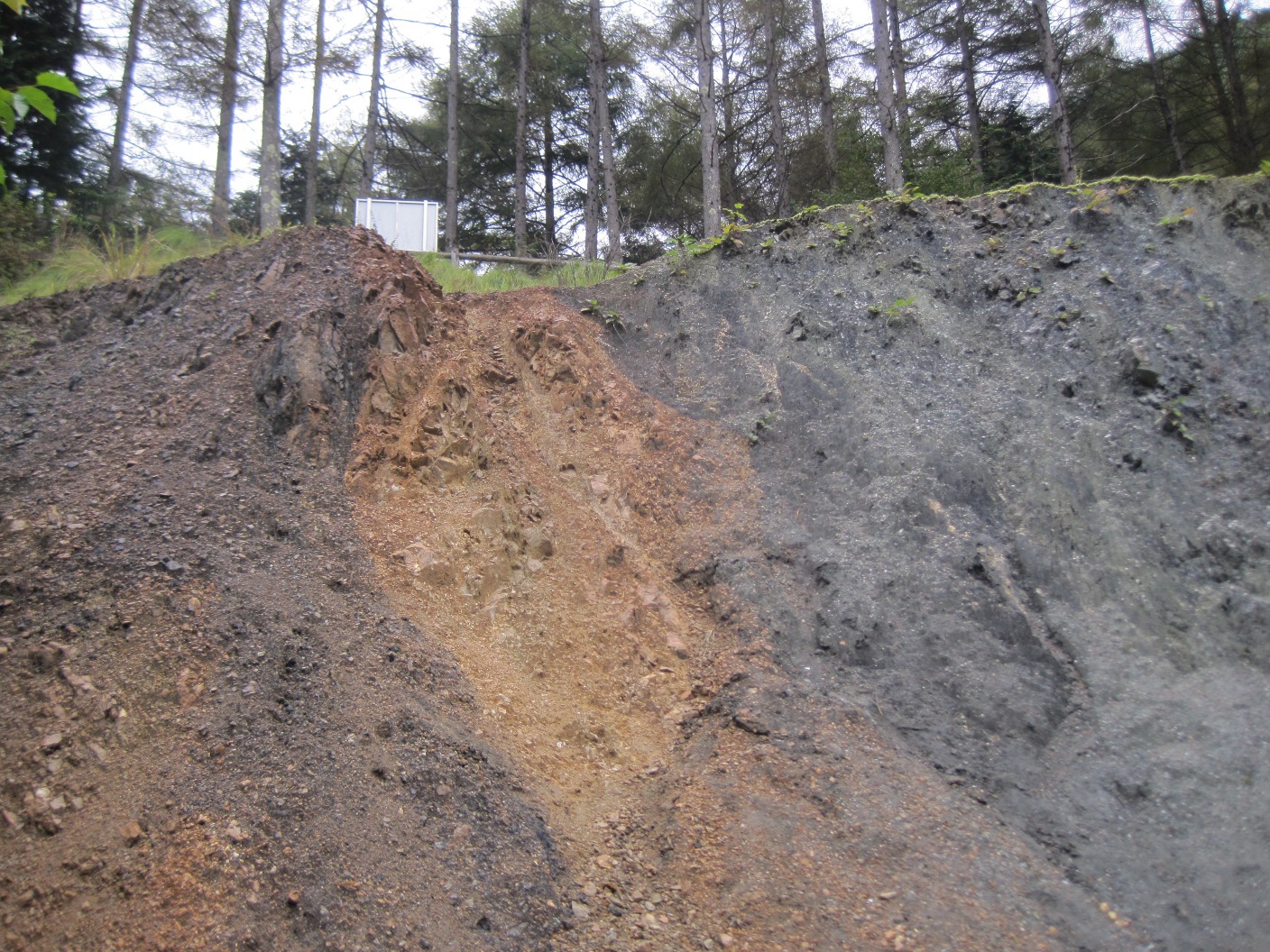
At the nearby Kitagawa Outcrop in Oshika Village, you can see the fault boundary with your own eyes: reddish-brown rock from the “inner zone” meets dark gray rock from the “outer zone,” creating a dramatic geological display that fascinates geology enthusiasts and casual visitors alike. Whether the outcrop can be visited depends on the season (the museum’s news page announces closures, for example when the road is closed in winter), so check before you go.
The Ki-Ba Experience
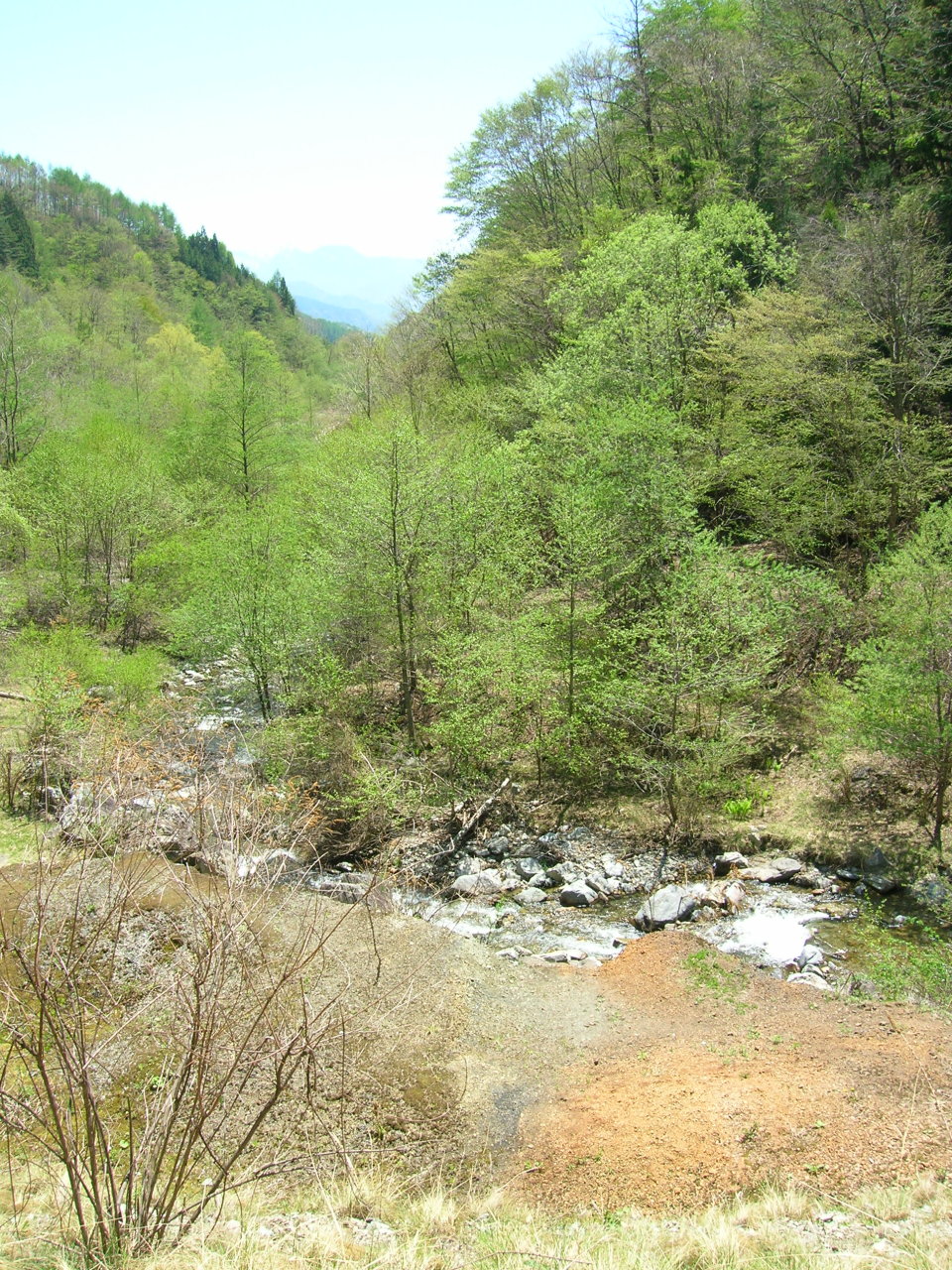
The ki-ba (気場, “qi field”) is the area where visitors go to sit and experience the pass. From the bus stop you walk downhill along an unpaved mountain trail to a forested area where visitors sit quietly.
The standard practice:
- Sit quietly for 30–60 minutes. There is no need to hurry, so leave some slack before your return bus.
- Switch your phone to airplane mode and set an alarm for your return bus. The point is stillness.
- Don’t try too hard. The most common advice is to simply relax and let go of expectations.
Some visitors say they feel calm and mentally clearer afterwards. Others feel nothing at all, and that is perfectly normal.
Best Time to Visit
By Season
Late spring (mid-May – June) — The top recommendation. Fresh green foliage, comfortable temperatures (15–20°C), fewer insects, and moderate crowds. Ideal for a peaceful ki-ba experience.
Summer (July – August) — At 1,424 m elevation, it’s 5–8°C cooler than the lowlands — a natural escape from Japan’s brutal summer heat. However, expect larger crowds during school holidays. Weekdays are recommended.
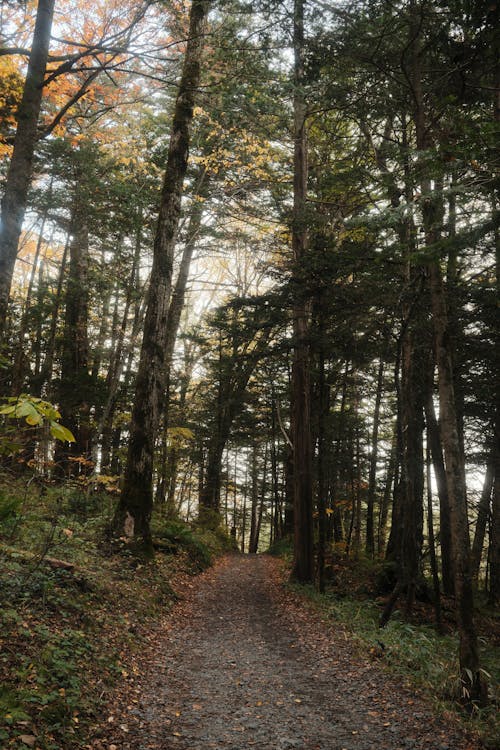
Autumn foliage (mid-October – early November) — Spectacular colors as the mountain turns red and gold. The walk to the ki-ba through autumn foliage is unforgettable. But mornings and evenings can drop to around 5°C or lower — warm layers are essential.
Early season (mid-April) / Late season (November) — The bus starts running on April 12 in 2026, but expect lingering snow or cold. Mid-April, just after the bus starts, is a hidden gem: very few visitors and deep tranquility.
Winter (early December – March) — No shuttle bus service. Snow makes the area inaccessible.
By Time of Day
| Departure | Arrival | Experience |
|---|---|---|
| 9:00 (first bus) | 9:30 | Crisp morning air. About 2.5 hours at the pass if you take the 12:00 bus down. Best for a long, quiet stay. |
| 10:30 | 11:00 | The 12:00 bus down gives you about 1 hour at the pass, which is short once you count the walk to the ki-ba and back (about 1.5 hours with the 12:30 bus on weekends and holidays). Good if you’re not an early riser. |
| 13:00 | 13:30 | Soft afternoon light. The 14:00 bus down gives you about 30 minutes, too short to reach the ki-ba; the 16:00 (last) bus about 2.5 hours. Works for half-day plans. |
Recommended plan: Take the 9:00 first bus from Todai Park (you arrive at the pass at 9:30). The 10:00 downhill bus leaves only about 30 minutes after you arrive, so for an unhurried visit plan on the 12:00 bus back (on weekends and holidays there are also 10:45 and 12:30 departures; check the operating calendar for the running days).
Visitor Guide
Step by Step at the Ki-Ba
1. Check the information board at the bus stop (5 min)
After getting off the shuttle, you’ll see a signboard and map. The ki-ba entrance is right here — you’ll walk downhill on a mountain trail.
2. Walk to the ki-ba
The path is unpaved with some slope. Sturdy shoes are essential — sandals and heels are dangerous. If you have knee or hip concerns, a walking stick helps. The official guides we checked do not say how long the walk takes. The way back is uphill, so start back well before your bus leaves.
3. Sit quietly at the ki-ba (30–60 min)
Find a place to sit, close your eyes, and simply be present. Don’t force anything — just breathe and let the forest do its work.
4. Explore the surrounding area (15–20 min)
Take a short walk around the ki-ba and settle wherever you feel comfortable.
What to Bring
| Item | Priority | Why |
|---|---|---|
| Sturdy walking shoes | Essential | Unpaved mountain trails with slopes |
| Warm layers | Essential | 5–8°C cooler than lowlands at 1,424 m |
| Drinking water | Essential | Not confirmed whether there is a shop at the pass |
| Sitting mat | Helpful | Something to sit on if needed |
| Insect repellent | Essential in summer | Mountain forest environment |
Practical Information
| Detail | Information |
|---|---|
| Name | Bungui Pass (分杭峠 / ぶんぐいとうげ) |
| Location | Border of Ina City and Oshika Village, Nagano Prefecture |
| Elevation | 1,424 m |
| Cost | Shuttle bus fare + facility fee (see below) |
| Facilities | Whether the pass has a shop or restrooms is not stated in the official guides we checked. Bring your own drinks and use the restroom before boarding (the bus office at 0265-98-2821 can answer questions). |
| Contact | Bus operation and fares: Minami Alps Forest Road Bus, 0265-98-2821 (7:30–17:00 during the season) / General tourism: Ina City Tourism Association, 0265-96-8100 |
Access (2026 Information)
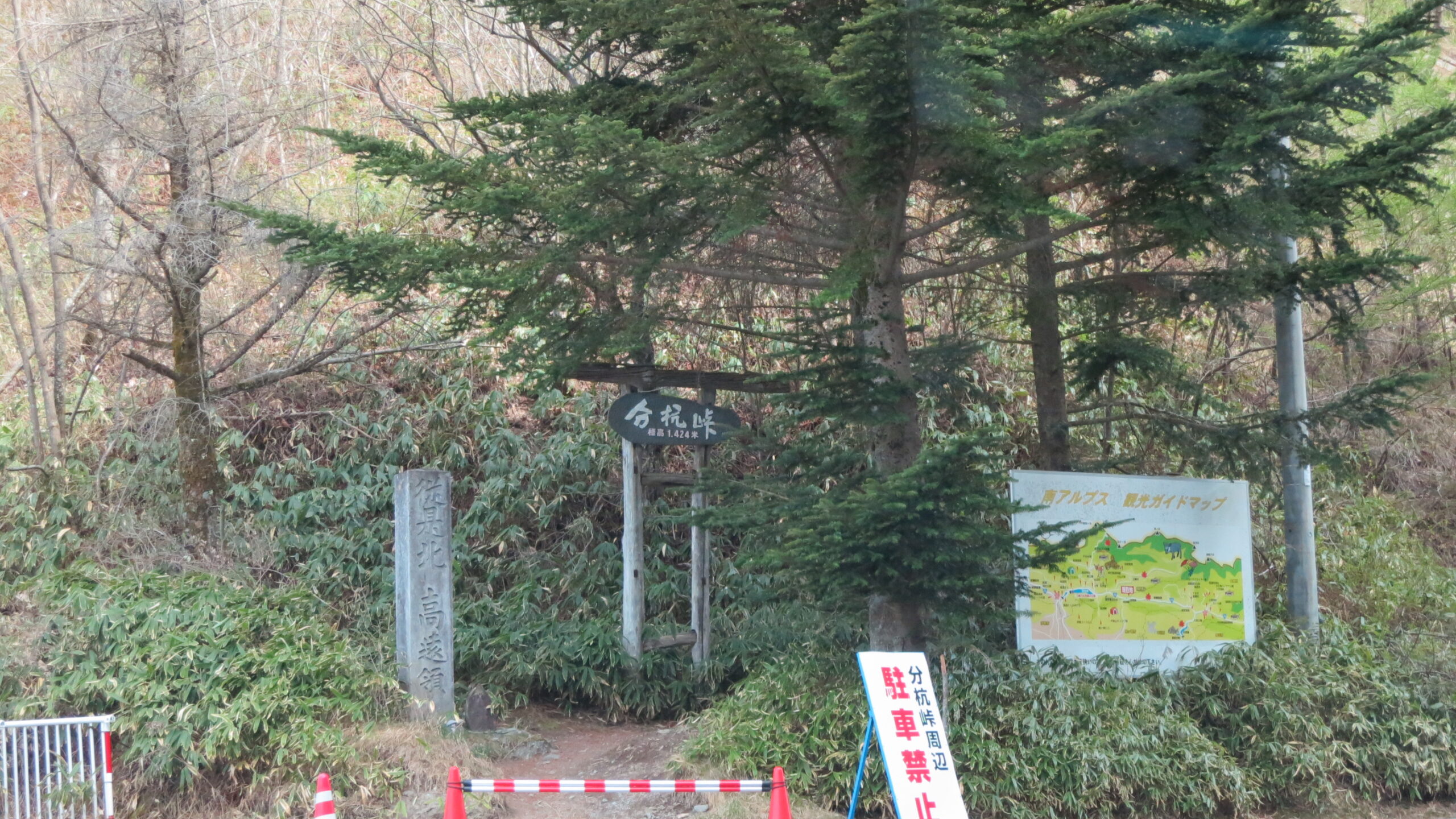
You cannot drive to the ki-ba. There is no parking space near the top of the pass and roadside parking is prohibited, so take the “Bungui Ki-no-Sato Line” bus from Todai Park (if you use a taxi, you still need to transfer to this bus).
Shuttle Bus Details (2026 Season)
| Detail | Information |
|---|---|
| Operating period | April 12 – December 1, 2026 (planned) |
| Departure point | Todai Park (Minami Alps Hase Todai Park) |
| Uphill departures (from Todai Park) | 9:00 / 10:30 / 13:00 / 14:30 (weekends and holidays only: also 9:45 / 11:30 / 14:00) |
| Downhill departures (from the pass) | 10:00 / 12:00 / 14:00 / 16:00 (weekends and holidays only: also 10:45 / 12:30 / 15:00) |
| Adult fare | One-way ¥750 / Round-trip ¥1,500 |
| Child fare | One-way ¥380 / Round-trip ¥760 |
| Facility fee | ¥500 (separate from the fare; the round trip totals ¥2,000 for adults and ¥1,260 for elementary school children) |
| Travel time | Approx. 30 minutes each way |
| Tickets | Ticket machine or bus office counter at Todai Park (Senryuso) (cards, e-money and QR payments accepted) |
| Pets | Allowed in a cage or carrier (¥760 round trip), as long as they do not disturb other passengers |
The days on which the extra weekend and holiday buses run are listed in the operating calendar on the Ina City website.
Getting to Todai Park
The bus leaves from Minami Alps Hase Todai Park (Senryuso). The service moved there in 2024 from the old Awazawa parking lot, which is now closed. For car navigation, enter “長野県伊那市長谷黒河内1847-2” or “仙流荘 (Senryuso),” or search by phone number 0265-98-2312 (Senryuso).
By car: From Ina IC or Ogurogawa Smart IC on the Chuo Expressway, about 25 km and 40 minutes. Parking costs ¥1,000 per car. The route from Komagane IC via Prefectural Route 49 has very narrow sections, so approach through Ina city and Takato (per the Ina City Tourism Association).
By train + bus + taxi (“Takato Station” is the name of a JR Bus stop, not a railway station):
- From JR Iida Line “Ina-shi Station,” walk about 3 minutes to Ina Bus Terminal
- Take the JR Bus Takato line from Ina Bus Terminal to the “Takato Station” bus stop (about 25 minutes)
- From the “Takato Station” bus stop, take a taxi to Todai Park (about 25 minutes, about ¥6,000)
Check the JR Bus Takato line timetable on the Ina City website beforehand to see whether you can make the 9:00 first bus. Mobile phone reception around the pass is poor, which can make it hard to reach a taxi, so book in advance if you plan to use one.
The way home is the same route in reverse. When you book your taxi, include the pick-up time for the return trip from Todai Park to the “Takato Station” bus stop. A round trip by taxi costs about ¥12,000. Check the JR Bus Takato line timetable for the last bus.
Seasonal buses (2026 operating days):
- Minami Alps Geoliner: Chino Station (west exit) to Todai Park, about 65 minutes. July 17 – October 12 on Fridays, Saturdays, Sundays and holidays, and daily July 31 – August 16 and September 18 – 27
- Hase Loop Bus: “Takato Station” bus stop to Todai Park, about 30 minutes. Weekdays only, June 1 – October 31
Operating days change from year to year, so check the Ina City Tourism Association access guide (Japanese) before you go.
Highway bus: Take a highway bus to Ina Bus Terminal, then continue via the “Takato Station” bus stop to Todai Park as above. Reservations are required; ask the Ina Bus reservation center (0265-78-0007) about services from your departure city.
Important Notes
- No parking on roads near the pass. Roadside parking is strictly prohibited.
- Weather changes quickly in the mountains — bring rain gear.
- Cell phone signal is weak or unavailable in some areas.
- The last bus down leaves the pass at 16:00. If you miss it, your options for getting back are limited, so leave some margin.
- National Route 152 near the pass is a narrow forest road, so drive carefully if you head toward Oshika Village. In winter (mid-December to early April) the road at the village border is closed.
Nearby Attractions
Takato Castle Ruins Park (toward Takato)
A park in the Takato area known as a cherry blossom destination. It fits easily into a day with Bungui Pass.
Oshika Village — Median Tectonic Line Museum
A village-run museum dedicated to the Median Tectonic Line, one of Japan’s largest fault zones. The museum’s access page gives a standard 30 minutes by Route 152 from the museum to Bungui Pass. There is no parking space near the top of the pass. It is open 9:30–16:30 and closed on Tuesdays (open on national holidays from April to November). Admission: adults ¥500, junior and senior high school students ¥200, elementary school children free (cash only). See the museum’s official site (Japanese). A visit before or after the pass helps you see how the landscape was formed.
Southern Alps Base Camp
Todai Park also serves as the trailhead for the Southern Japanese Alps (Mt. Senjo and Mt. Kai-Komagatake). Some visitors combine a Bungui Pass visit with alpine hiking.
Suggested Day Itinerary
1. 8:30 — Arrive at Todai Park and park your car (buy your ticket at the machine or counter inside Todai Park (Senryuso))
2. 9:00 — Board the Bungui Ki-no-Sato Line (first bus)
3. 9:30 — Arrive at Bungui Pass
4. 9:30–11:30 — Walk to the ki-ba and sit for 30–60 minutes (including the time on the mountain trail both ways)
5. Around 11:30 — Return to the bus stop and look around the pass
6. 12:00 — Take the downhill bus back to Todai Park (arrive 12:30)
7. 12:30 onward — Drive toward Takato
8. Around 13:00–13:30 — Lunch: Takato soba (local Shinshu buckwheat noodles)
9. Around 14:00–14:30 — Explore Takato Castle Ruins Park
10. Around 15:30 — Head home
Leave some margin on the way home.
Frequently Asked Questions
Q. Can I drive to the ki-ba?
A. No. There is no parking space near the top of the pass and roadside parking is prohibited. Take the “Bungui Ki-no-Sato Line” bus from Todai Park (a transfer is also required if you come by taxi).
Q. Can I visit on a rainy day?
A. If the shuttle bus is running, yes — but the ki-ba is outdoors on a mountain trail, so rain gear and non-slip shoes are essential. In severe weather, the bus may be suspended; check in advance.
Q. Is it suitable for children?
A. Children can visit, but the trail to the ki-ba is unpaved with some steep sections. Small children need careful supervision. Strollers cannot be used.
Q. How long should I plan to stay?
A. If you want to sit at the ki-ba for 30–60 minutes, allow extra time for the walk there and back and choose a downhill bus with some margin. If you take the 9:00 first bus (arriving 9:30), the 12:00 bus down gives you about 2.5 hours at the pass.
Q. Is the ki-ba wheelchair accessible?
A. The official guides we checked do not say whether a wheelchair can be used on the trail to the ki-ba, so please ask the bus office (0265-98-2821) beforehand. One wheelchair each is kept at Todai Park (Senryuso) and at the pass. People with disabilities get a bus fare discount (half price for the person, and for a helper if one is needed; show the certificate at the counter, cash only), and the same counter can give details.
Summary
Bungui Pass is a quiet mountain pass on one of Japan’s largest fault zones, where the forest invites you to simply sit and be still.
There are no temple halls here and no sacred dances. Just the sound of wind through trees, birdsong, and stillness. For anyone seeking a break from the noise of daily life — or simply curious about the geology of the Median Tectonic Line — this is a destination worth the journey.
The access isn’t convenient. You need a bus just to get there. But that very inconvenience is what protects this place and makes it special.
Pack water and warm layers, wear sturdy shoes, and give yourself over to the silence of Bungui Pass.
*Information in this article is current as of April 2026. Bus times, fares, access, and the pet and wheelchair policies were checked against the official pages of Ina City and the Ina City Tourism Association in October 2026, and the museum’s hours and fees against the museum’s official site. Shuttle bus schedules and fares may change — please check the Ina City official website for the latest details before your visit.*