Just 20 minutes by JR Tohoku Line from Sendai Station and a 15-minute walk from Iwanuma Station’s east exit, Takekoma Shrine (*Takekoma-jinja*) in Iwanuma City, Miyagi Prefecture, is one of Japan’s Three Great Inari Shrines alongside Fushimi Inari Taisha and Kasama Inari Shrine.
Founded in 842 CE by Ono no Takamura upon his appointment as Governor of Mutsu Province, Takekoma Shrine was established as a divine protector of northern Japan. For over 1,180 years, it has served as the region’s foremost Inari shrine, receiving patronage from the Fujiwara clan of Hiraizumi and generations of Date clan lords of Sendai Domain. Today, approximately 450,000 visitors come for hatsumode (New Year’s prayers) — making it the second most visited shrine in Tohoku.
What Makes This Place Special
One of Japan’s Three Great Inari Shrines — 1,180 Years of Unbroken Faith
What sets Takekoma Shrine apart is the extraordinary continuity of its Inari worship tradition spanning nearly 1,200 years in the Tohoku region. The three principal deities — Ukanomitama no Kami (grain deity), Ukemochi no Kami (food deity), and Wakumusubi no Kami (growth and creation deity) — together protect all aspects of daily life: food, clothing, shelter, and prosperity.
During the Edo period, the shrine’s Hatsu-uma Festival attracted massive horse markets to the temple grounds, making it a hub of commerce and industry in horse-breeding Tohoku. The Horse Museum (National Registered Tangible Cultural Property) on the grounds preserves this fascinating history.
Mukai-Karamon Gate — Miyagi’s Finest Carved Architecture
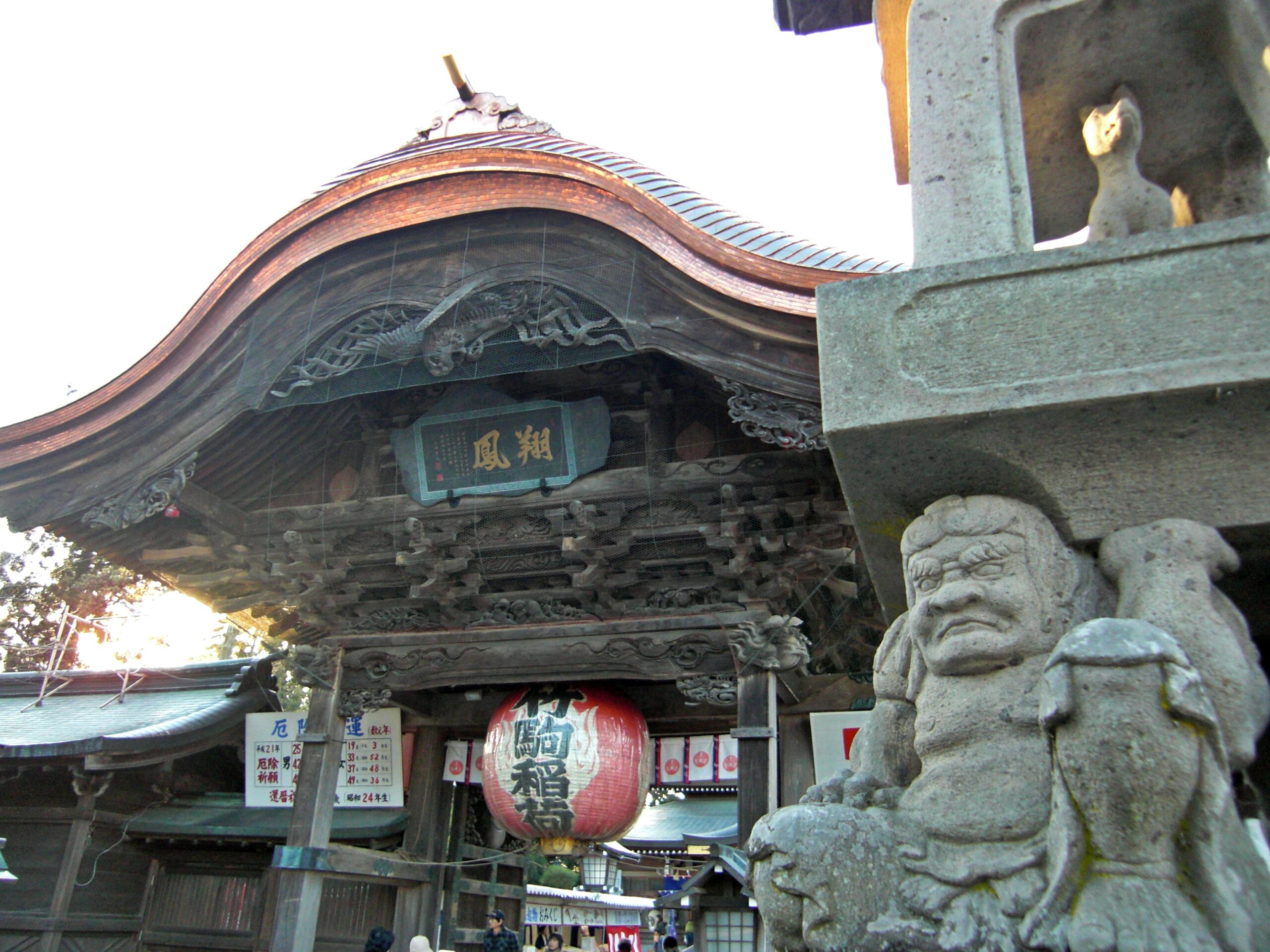
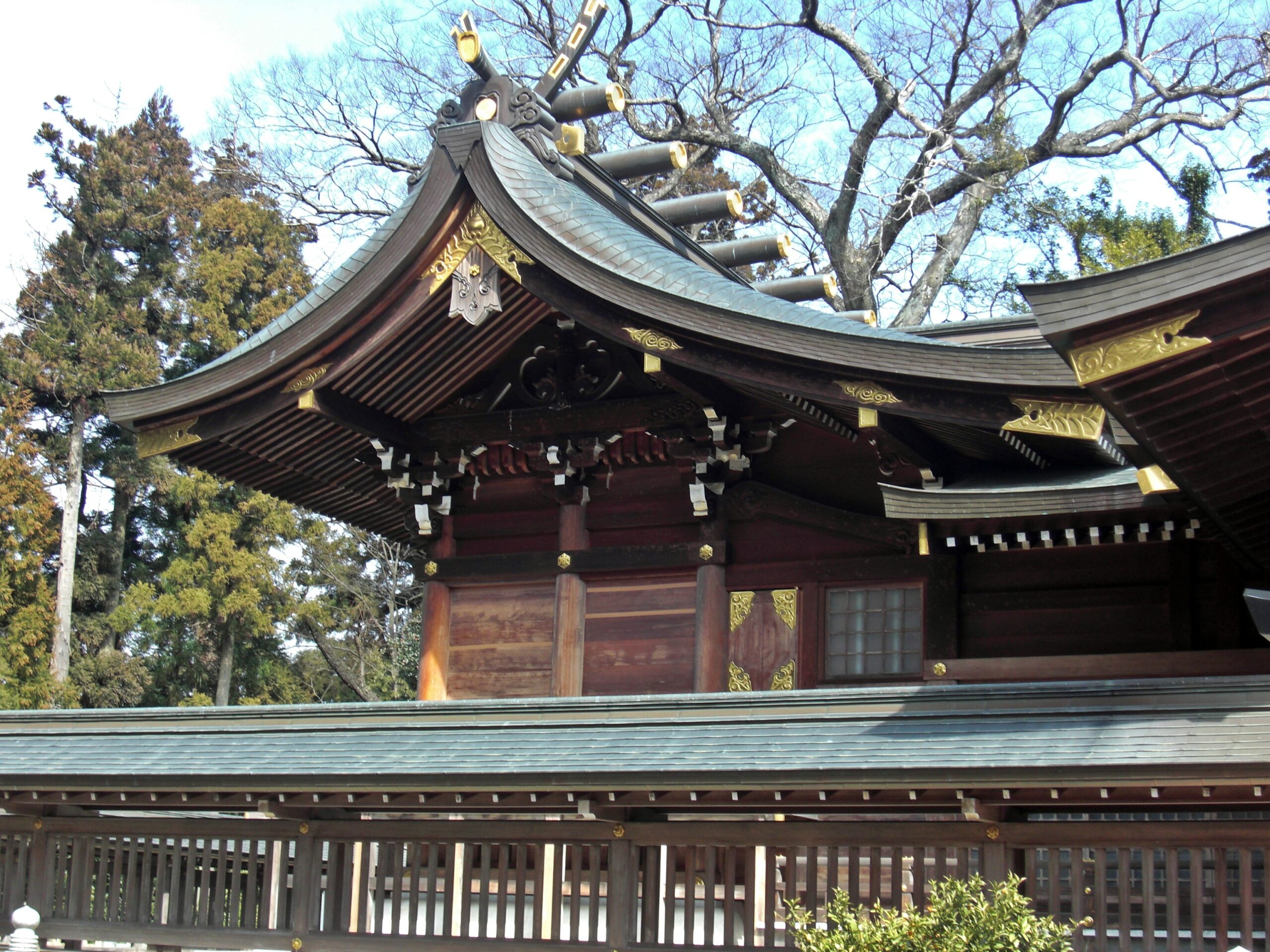
The Mukai-karamon (Chinese-style gate) before the main hall was built in 1842, reportedly to commemorate the shrine’s 1,000th anniversary. Crafted entirely from zelkova wood with intricate dragon carvings, it’s designated a Miyagi Prefectural Tangible Cultural Property. The sweeping curves of the karahafu gable and masterful woodwork create a palpable sense of entering sacred ground.
Zuijin-mon Gate — Welcoming Visitors Since 1812
The Zuijin-mon (guardian gate) dates to 1812 and is designated an Iwanuma City Tangible Cultural Property. This imposing two-story zelkova gate is adorned with large lanterns during the Hatsu-uma Festival, transforming the entrance into a spectacular sight.
Sub-Shrines — Izumo Shrine for Romance
The grounds feature several subsidiary shrines. Most notable is Izumo Shrine, built in the taisha-zukuri style, renowned for romance and good fortune. Kitano Shrine enshrines Sugawara no Michizane, the deity of academic achievement, drawing students during exam season.
Spiritual Benefits
Business Prosperity — The most iconic benefit of one of Japan’s Three Great Inari Shrines. From local shop owners to major corporations, countless visitors pray for commercial success, especially during the Hatsu-uma Festival.
Agricultural Abundance & Industry — As an Inari shrine dedicated to the grain deity, Takekoma protects all forms of industry and productivity.
Romance & Matchmaking — Through the on-site Izumo Shrine and the deity Wakumusubi (creation and connection), visitors increasingly come for romantic fulfillment and good partnerships.
Fortune & Protection — Popular for yakuyoke (warding off bad luck), particularly during one’s unlucky years. Purification prayers peak during New Year’s and the Hatsu-uma Festival.
Safe Childbirth & Family Harmony — The combination of Ukemochi (food deity) and Wakumusubi (creation deity) makes this shrine especially revered for safe delivery and domestic peace.
Best Times to Visit
Hatsu-uma Festival (March) ★★★★★
The year’s grandest celebration. In 2026: March 21–27 (7 days). Highlights include the National Famous Confections Offering (March 21), the mikoshi procession (March 22), and the main ceremony (March 25). Food stalls line the approach and the Horse Museum opens specially (¥200).
Hatsumode / New Year’s (January) ★★★★★
One of Tohoku’s top New Year’s destinations with ~450,000 visitors. The Matsutaki-sai (Donto Festival) on January 14 features spectacular bonfires of New Year decorations. Traffic restrictions apply — use public transport.
Autumn Festival (September) ★★★★☆
Held on the 4th Saturday and Sunday of September. A harvest thanksgiving celebration with the Horse Museum also open.
Fresh Green Season (April–May) ★★★★☆
Peaceful grounds with new growth along the approach. Special agricultural rites: Hashu-sai (seed sowing, April 7) and Otaue-sai (rice planting, May).
Best Hours
Early morning (6:00–8:00): Nearly empty grounds, with morning light highlighting the wooden architecture’s textures. Mid-morning (9:00–11:00): Shrine office opens for goshuin and omamori. Angled sunlight creates dramatic shadows on carved details.
Visiting Guide
Recommended Route (40–60 minutes)
First torii → Zuijin-mon gate (look up to appreciate the carvings) → Approach path → Mukai-karamon gate (note the dragon carvings) → Main hall (prayer, kito requests) → Honden (view from the side) → Izumo Shrine (romance) → Kitano Shrine (academics) → Oku-no-miya / Myōbu-sha (fox spirit shrine) → Leaping Fox Statue (photo spot) → Takekoma-no-Mori CAFÉ Ichiryū Manbai (rest)
Goshuin (Shrine Seal) Information
- Location: Shrine office
- Hours: 9:00–16:00
- Original goshuin-chō: 2 designs (karamon gate motif; white fox with rice ears and full moon)
- Limited goshuin may be available during festivals
Tips & Etiquette
- Gates open 6:00–17:00
- Horse Museum is only open during Hatsu-uma and Autumn Festivals (~10 days total, ¥200)
- Major festivals bring heavy crowds. Traffic restrictions apply; public transport strongly recommended
- Pet policy is not officially stated. Call the shrine office (0223-22-2101) to confirm
Essential Information
| Detail | Information |
|——–|————|
| Official Name | Takekoma Shrine (竹駒神社) |
| Also Known As | Takekoma Inari |
| Location | 1-1 Inari-machi, Iwanuma, Miyagi 989-2443 |
| Principal Deities | Ukanomitama, Ukemochi, Wakumusubi |
| Founded | 842 CE (Jōwa 9) |
| Status | Former Prefectural Shrine / Beppyo Shrine |
| Hours | 6:00–17:00 |
| Admission | Free |
| Parking | Free (150 cars, 17 buses) |
| Official Site | https://takekomajinja.jp/ |
Access
By Train
| Route | Duration | Cost |
|——-|———-|——|
| Tokyo → Sendai (Tohoku Shinkansen) | Approx. 1 hr 30 min | ~¥11,000 (reserved) |
| Sendai → Iwanuma (JR Tohoku Line) | Approx. 20 min | ~¥420 |
| Iwanuma Station East Exit → Shrine | 15 min walk | — |
Total from Sendai: as little as 35 minutes door to door.
By Car
- Sendai Tobu Expressway Iwanuma IC → approx. 10 minutes
- Tohoku Expressway Shiroishi IC → approx. 30 minutes via Route 4
- Free parking: 150 spaces (temporary lots available during major festivals)
By Air
Sendai Airport is adjacent to Iwanuma City — just 15 minutes by car from the airport, making it ideal for a quick pre-flight or post-landing visit.
Nearby Attractions & Food
Nearby Spots
Kanahebisui Shrine — About 15 minutes by car. Famous for wealth and financial fortune. A popular “Iwanuma two-shrine pilgrimage” pairs this with Takekoma Shrine.
Sennen Kibō no Oka (Millennium Hope Hills) — A memorial and disaster-prevention learning center honoring the 2011 Great East Japan Earthquake. About 20 minutes by car along the coast.
Futaki-no-matsu Historic Park — Connected to Matsuo Bashō’s *Oku no Hosomichi* journey. The shrine grounds also contain a Bashō haiku monument (Futaki-zuka).
Local Food
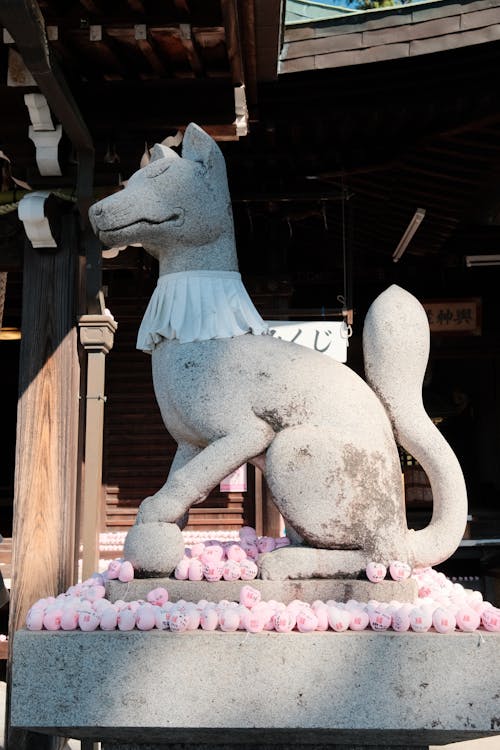
Takekoma-no-Mori CAFÉ Ichiryū Manbai — On-site café serving Fukurai Cream Soda and Fox Cookies. Perfect for a post-worship break.
Iwanuma Ramen — The city officially promotes itself as a “ramen battleground” with distinctive shops near the station.
Temple Gate Sweets — Inari Anmochi, Takekoma Yakko, and Murasaki Tsutsumi — shrine-themed confections popular as souvenirs.
Visitor Reviews
> “Just 20 minutes from Sendai by local train, then a short walk. The karamon gate carvings were incredible — I didn’t expect such craftsmanship. Visited on a weekday morning and had the grounds nearly to myself.”
> — Google Maps review
> “Went for the Hatsu-uma Festival for the first time. The food stalls and festive atmosphere were amazing. Got a business prosperity prayer done and bought omamori. Definitely coming back next year.”
> — Jalan review
Many visitors who come as a “side trip from Sendai” are pleasantly surprised by the historical depth and architectural quality. Compared to Fushimi Inari or Kasama Inari, the quieter atmosphere allows for a more contemplative experience.
FAQ
Is a day trip from Sendai possible?
Absolutely. Sendai Station to the shrine takes about 35 minutes total. Allow 1 hour for worship and grounds exploration, plus café time. Even the “Iwanuma two-shrine” route (with Kanahebisui Shrine) fits easily in a day.
When is the Hatsu-uma Festival?
Seven days starting from the first Horse Day of the second lunar month. In 2026: March 21–27. The mikoshi procession (March 22) and main ceremony (March 25) are the highlights.
Is it wheelchair accessible?
Tourism databases note barrier-free access and wheelchair availability. The main approach is relatively flat, though some areas near cultural property buildings may have steps. Contact the shrine office in advance if concerned.
Can I bring my pet?
No official policy is stated online. Call the shrine office (0223-22-2101) to confirm before visiting.
Photography Guide
Mukai-karamon Gate — The signature shot. Step back for a wide angle to capture the karahafu curves and dragon carvings. Best in morning sidelight.
Zuijin-mon Gate — Dramatic from below on the approach. Especially photogenic with large lanterns during festivals.
Leaping Fox Statue — A popular and iconic Inari shrine shot.
Honden (Main Hall) — Side views showcase the gold fittings and cypress woodwork.
Rainy Day Options
- Wet stone paths and wood surfaces gain a beautiful sheen, making the karamon and zuijin-mon even more photogenic
- Fewer visitors mean a more intimate shrine experience
- Takekoma-no-Mori CAFÉ for warm drinks and fox-themed treats
- If the Horse Museum is open (festival periods only), it’s an ideal indoor stop
Summary
Takekoma Shrine is one of Japan’s Three Great Inari Shrines, carrying 1,180 years of unbroken spiritual tradition in the heart of Tohoku.
The Miyagi Prefectural Cultural Property karamon gate, the Iwanuma City Cultural Property zuijin-mon gate, and the magnificent cypress main hall offer architectural experiences rivaling any shrine in northern Japan. Combined with wide-ranging spiritual benefits — from business success to romance — plus an on-site café and charming local specialties, Takekoma Shrine delivers far more than expected.
At just 35 minutes from Sendai, it’s one of the most accessible yet underrated shrine experiences in Tohoku. Whether you come for the electric energy of the Hatsu-uma Festival or the quiet contemplation of a weekday morning, Takekoma Shrine rewards every visit.
—
We hope this guide helps you plan your visit to Takekoma Shrine.
*Information current as of April 2026. Please verify details on official websites before your visit.*
—
Discover Your Ideal Power Spot
Japan is home to countless spiritual places, each with unique energy. To find the power spot that resonates most with you, try our free compatibility diagnosis (takes just 3 minutes).
あなたに最適なパワースポットを知りたい方へ