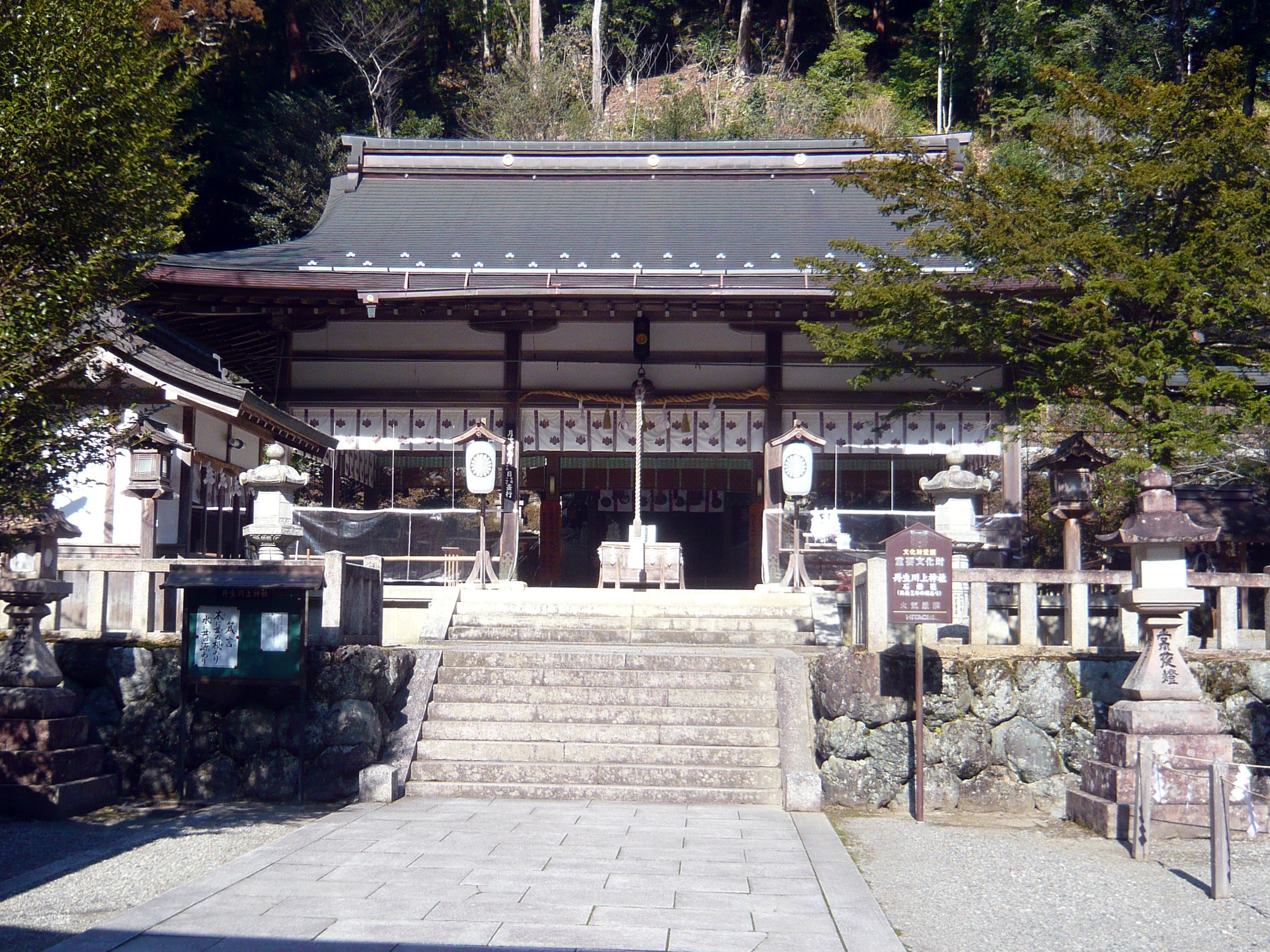
Looking for a shrine of the water deity — a quiet, sacred place where you can almost feel the presence of a dragon god? Then head deep into the mountains of Nara, to Niukawakami Shrine (丹生川上神社), the Middle Shrine (Nakasha).
The shrine enshrines Mizuhanome-no-kami (also written 罔象女神 / 彌都波能売神), the goddess who governs all things water. According to shrine tradition, it was founded in 675 CE, in the reign of Emperor Tenmu. It is listed as a *Myojin Taisha* in the 10th-century *Engishiki*, and from the Heian period onward it was one of the Twenty-Two Shrines that received direct offerings from the imperial court — a rare mark of prestige.
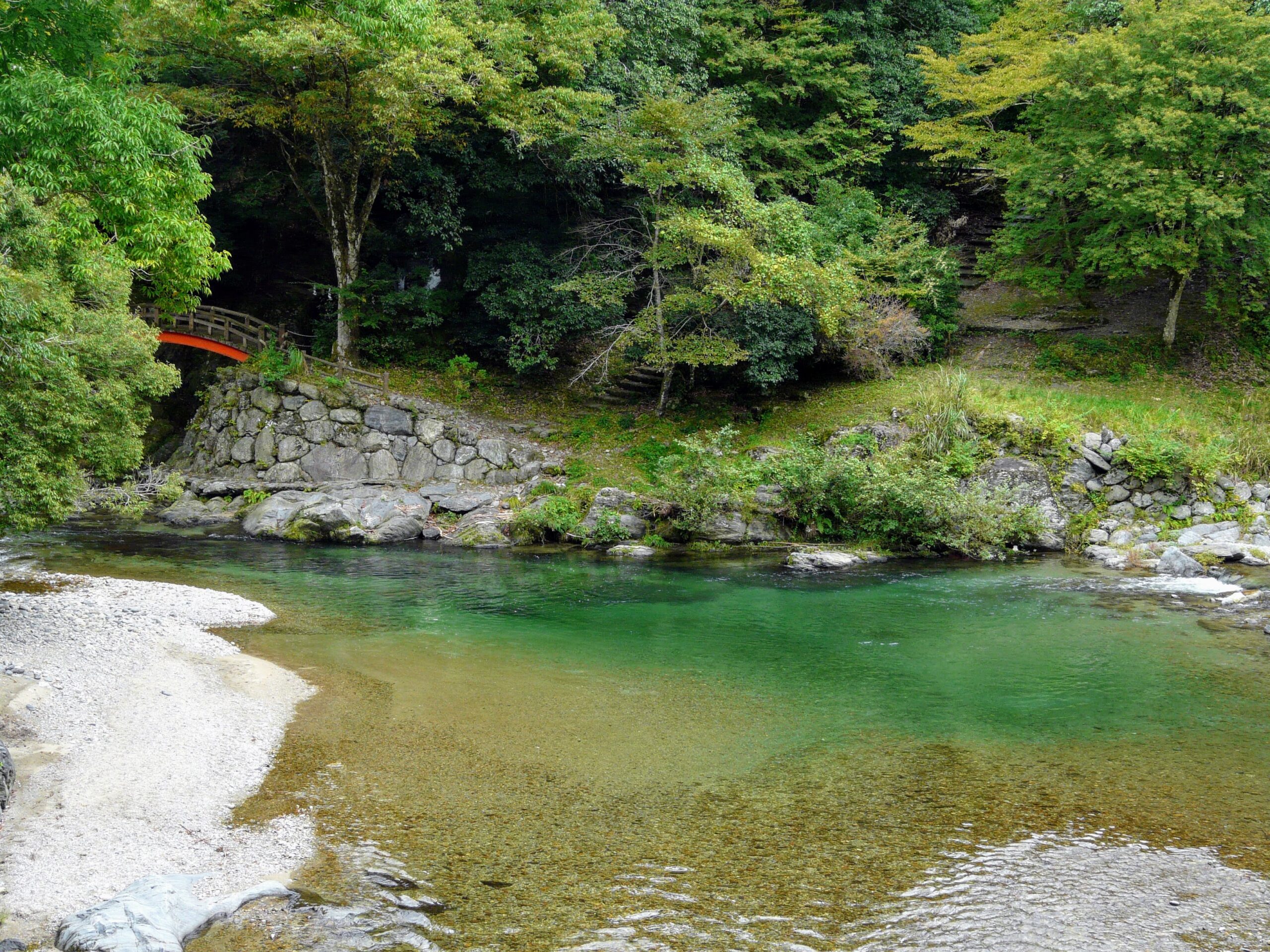
But what truly makes this a Nara power spot is not the shrine buildings. It is the water *around* them: the emerald pool of Yumebuchi, where three mountain rivers meet, and the East Falls (Higashi-no-taki), also called the Dragon Falls, hung with a sacred straw rope. One look and you understand — this is where the god of water dwells.
This guide draws on the shrine’s official information and Nara prefectural tourism sources to cover everything you need: the realistic way to reach this remote mountain village (including the trap that the weekend community bus requires advance reservation), the custom of praying at both the Main Shrine and the “Hongu-san” to avoid a “half-visit,” the three-shrine pilgrimage, seasonal festivals, and goshuin seals.
> Note on the name: The original database lists this spot as “Mitsuhanome Shrine (彌都波能売神社),” a water-deity name. The most accessible, visit-ready shrine enshrining this deity in Nara is Niukawakami Shrine (Nakasha). Its auxiliary shrine, Niu Shrine (“Hongu-san”), enshrines Mizuhanome-no-kami directly.
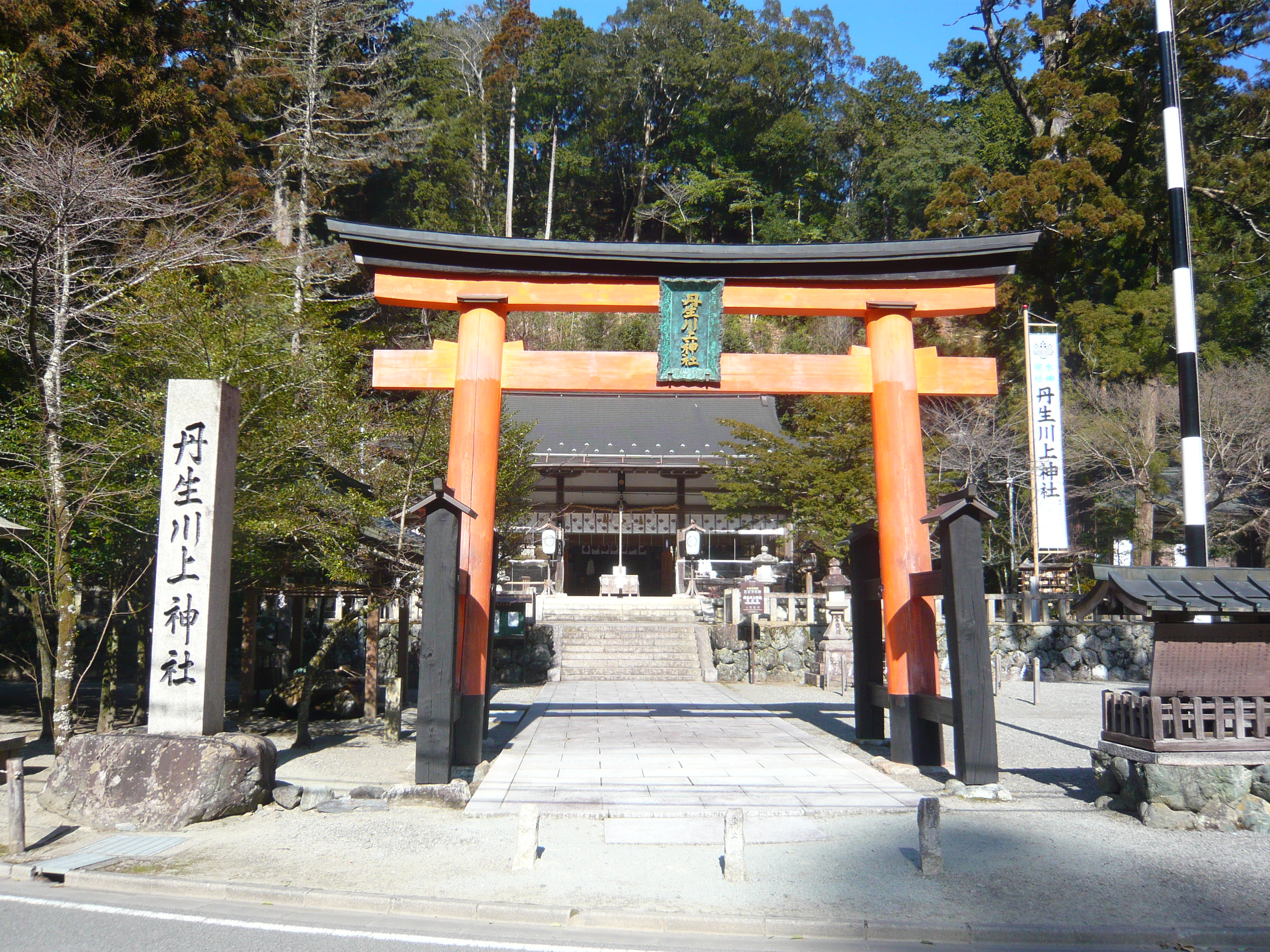
What Makes Niukawakami Shrine Special
Mizuhanome — the Goddess Who Calls the Rain and Stops the Rain
The deity enshrined in the main hall is Mizuhanome-no-kami, born in Japanese myth from Izanami and presiding over water itself. The hall also enshrines Izanagi and Izanami.
Shrine tradition holds that in 675 CE a divine oracle declared: *”If you enshrine me here, deep in the mountains of Yoshino on the Niu River, I will send sweet rain for the realm in time of drought, and stop the long rains when they come.”* From ancient times, then, this has been a shrine of the “rain-master” deity — where the imperial court prayed for rain in droughts and clear skies during endless rain.
In 763 CE a black horse was offered here to pray for rain, and by the time of the Onin War the shrine had reportedly recorded some 96 court offerings praying for rain or for its end. A black horse was offered to pray for rain, a white horse to pray for clear skies — a ritual still re-enacted today at the annual festival. This is why people whose work depends on water — waterworks, hydroelectric power, water transport — still travel from across Japan to worship here.
Niu Shrine (“Hongu-san”) and the Custom of the “Two Visits”
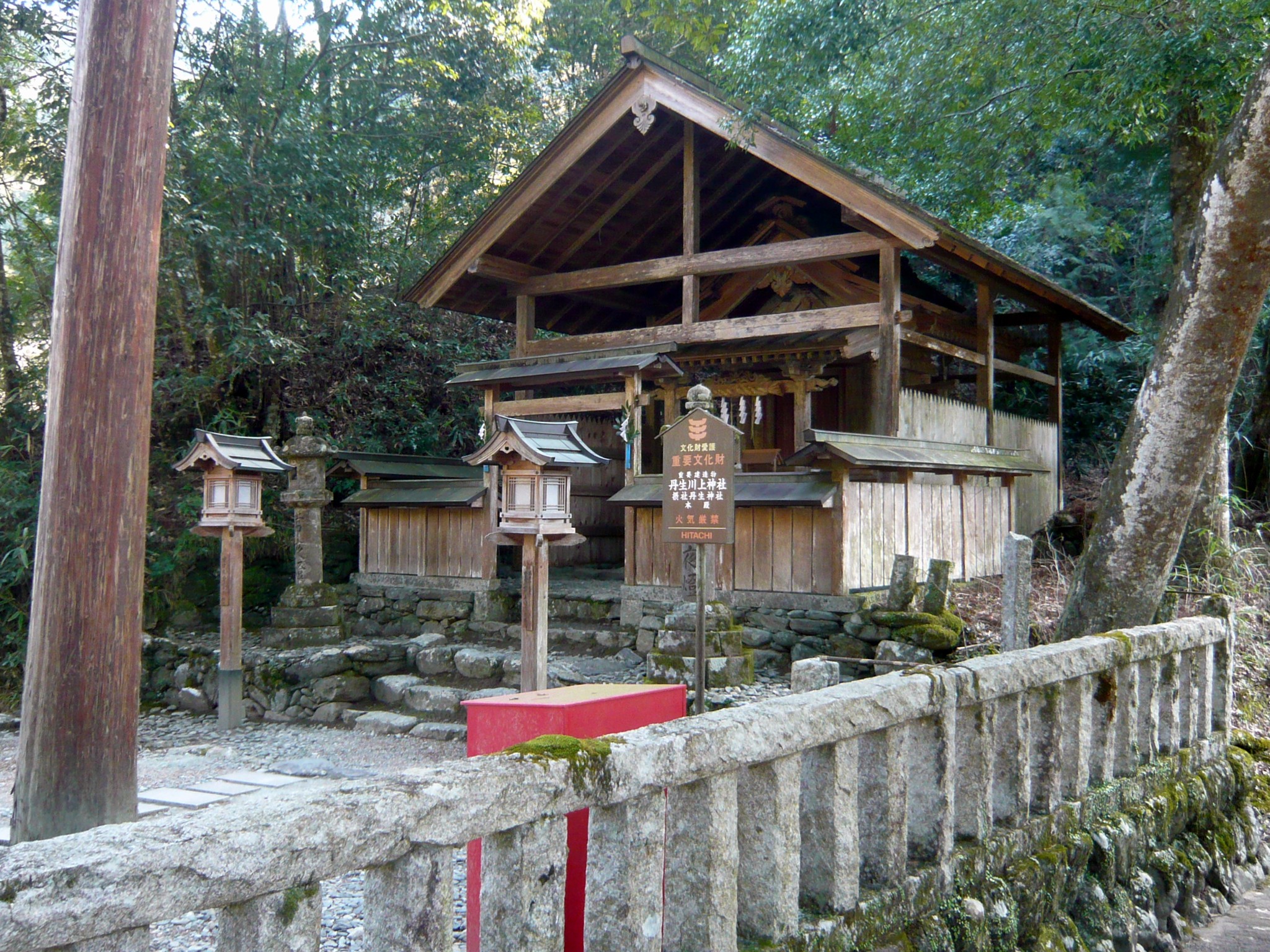
Across the river, a little apart from the main precinct, stands the auxiliary Niu Shrine, known locally as “Hongu-san.” The deity here is Mizuhanome-no-kami (彌都波能売神) — the same goddess of water. It is believed to be the original site of Niukawakami Shrine before its location was lost during the wars of the medieval period.
The shrine officially advises visitors *not* to make a “half-visit” (*kata-mairi*) by praying at only one — the proper custom is to visit both the Main Shrine and Hongu-san. If you are seeking the water goddess of the name “Mitsuhanome,” this is the heart of your visit.
The Dragon Falls and Yumebuchi Pool — Feeling the Water Deity
The reason visitors leave saying “I’m so glad I came” lies just outside the shrine buildings, in the water.
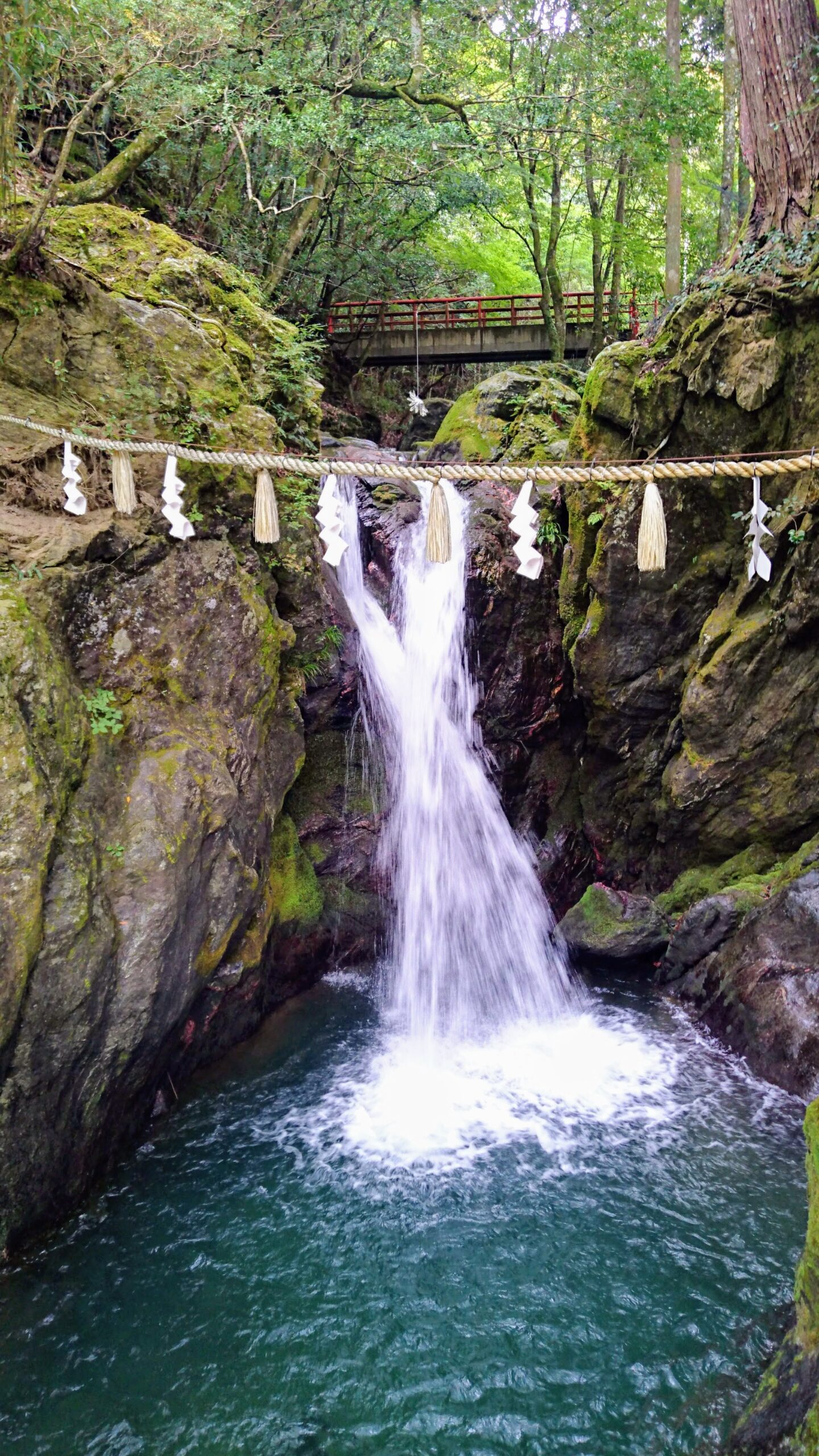
First, the East Falls (Higashi-no-taki), also called the Dragon Falls. A single white ribbon of water drops through mossy rock, and across its face hangs a sacred straw rope (shimenawa) with paper streamers — the waterfall itself is venerated as a divine presence. The cold spray, the green of the moss-covered stone, the unbroken sound of falling water — you sense the realm of the water god with every sense.
Second, Yumebuchi, a pool where three streams — the Takami, Hiura, and Shigo rivers — converge. Its emerald-green water is clear to the bottom, set off by a red bridge. It is an ancient sacred place, said to be linked to legends of Japan’s first emperor.
Sacred Trees and Sacred Water
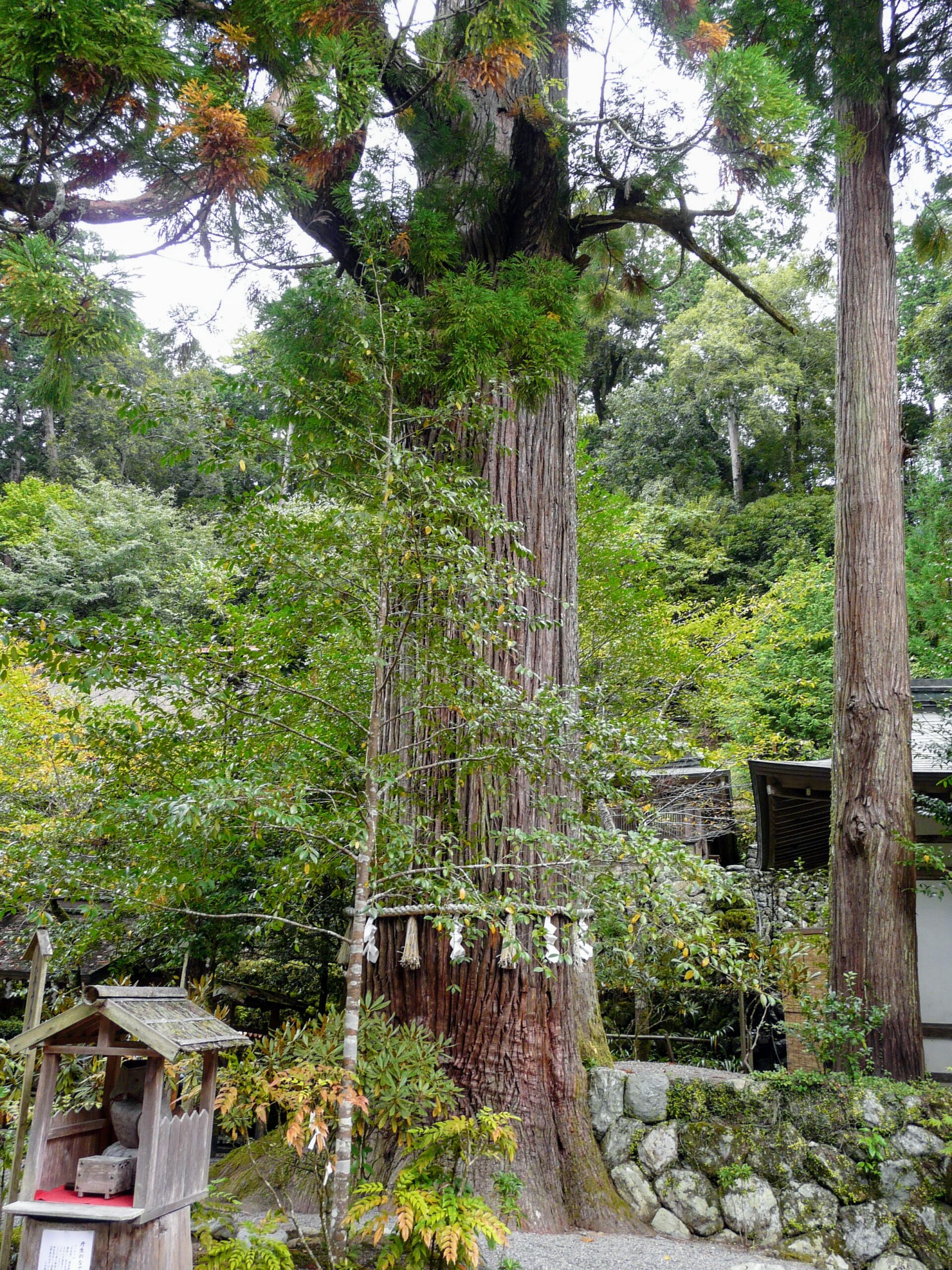
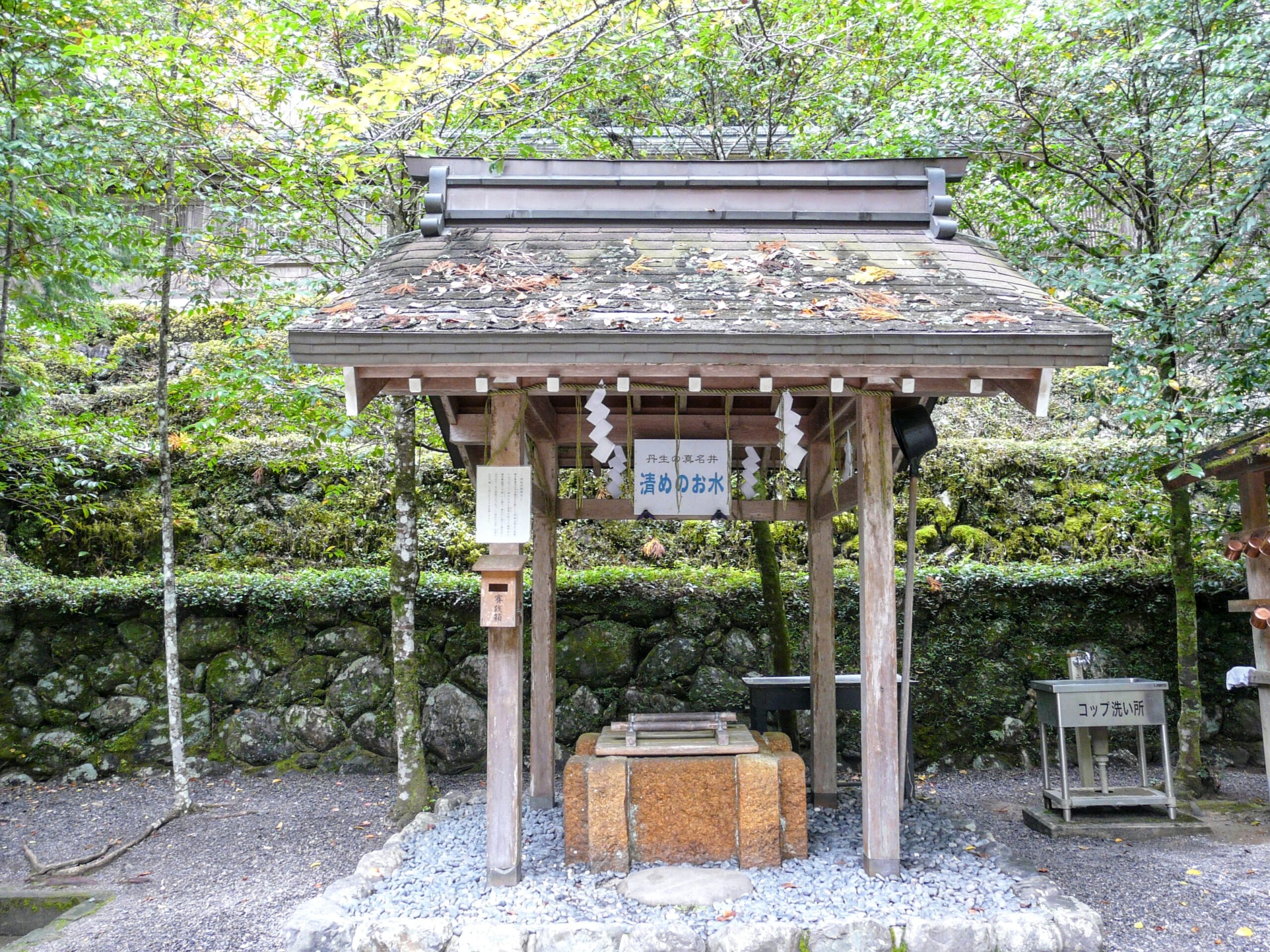
A great sacred cedar wrapped in a straw rope towers in the precinct. Nearby are the “Wish-Granting Cedar,” the Aioi-no-sugi (a “joined” cedar honored for marital harmony and longevity), and the Jiji-Baba stones, also associated with long life and harmonious marriage. Beside the purification basin flows the sacred spring “Niu no Manai,” offered as “water for purification” — a clear, fitting blessing at a shrine of the water god.
Blessings — Centered on “Water”
Because Mizuhanome governs all water, the blessings here radiate outward from that theme. The main ones confirmed in the shrine’s own materials:
| Blessing | Background |
|———-|————|
| Protection for waterworks, water power, water transport | Worshippers in water-related trades come from across Japan |
| Prayers for rain / for clear skies, good harvests | The shrine’s core role as the “rain-master” deity |
| Warding off misfortune, family safety, good health | From water’s power to “purify and cleanse” |
| Business prosperity, fulfillment of wishes | “Dragon of the water god” charms for vigor, momentum, fortune |
| Good relationships (*en-musubi*) | The shrine’s charm for good ties with people, friends, colleagues |
| Marital harmony and longevity | The Aioi cedar and Jiji-Baba stone traditions |
Water *flows, circulates, and washes away stagnation.* This is considered a good match for those who want to clear away stuck energy, or invite new connections and new flow into their lives.
(Note: “easy childbirth” is sometimes associated with water deities in general, but it is not confirmed in this shrine’s official materials, so we don’t claim it here.)
Access — Deep in the Mountains of Higashiyoshino
Niukawakami Shrine (Nakasha) sits in the mountains of Higashiyoshino Village, in southeastern Nara Prefecture. This remoteness is exactly why it feels like a hidden sanctuary — and it is also the shrine’s single biggest challenge. Plan your route carefully, or you may spend half a day just getting there.
By Car (the realistic option)
| From | Rough route |
|——|————-|
| Tenri IC (Nishi-Meihan Expwy) | Route 169 to Sakurai → Route 165 to Ouda → Route 166 toward Higashiyoshino |
| Hari IC (Meihan National Road) | Route 369 to Haibara → Route 370 to Ouda → Route 166 toward Higashiyoshino |
From the village, follow prefectural routes 16 and 220 to the Middle Shrine. Parking is free. Mountain roads can be narrow, so allow extra time.
By Public Transport (mind the bus reservation)
The nearest station is Haibara Station on the Kintetsu Osaka Line. From there you transfer to buses — but the route differs on weekdays vs. weekends, and on weekends the community bus must be reserved in advance.
- Weekdays: Haibara Station → Nara Kotsu bus bound for “Higashiyoshino Village Office” → community bus “Ogawa-Omata Line” → get off at “Aridoshi.”
- Weekends/holidays: Haibara Station → Nara Kotsu bus bound for “Utano” → community bus (small taxi) “Omata-Utano Line” → get off at “Aridoshi.”
- Important: the weekend community bus requires advance reservation. Reserve and check times with the Higashiyoshino Village Office (+81-746-42-0441). Service is infrequent.
Bottom line: public transport is possible, but the transfers and reservation make a car (including a rental) by far the most practical choice — and essentially required if you want to do the three-shrine pilgrimage.
Visitor Information
| Item | Details |
|——|———|
| Precinct | Open, free to enter |
| Shrine office | Summer 8:30–17:00 / Winter 8:30–16:30 |
| Prayer reception | Summer 9:00–16:30 / Winter 9:00–16:00 |
| Admission | Free |
| Goshuin (seal) | Yes (seal books, cut-paper seals; three-shrine pilgrimage board: 1,000 yen first, 500 yen each shrine) |
| Sacred water | Niu no Manai (“water for purification”) |
| Address | 968 Oaza-Ko, Higashiyoshino-mura, Yoshino-gun, Nara 633-2431 |
| Tel | +81-746-42-0032 |
| Parking | Free |
| Official site | niukawakami-jinja.jp |
Goshuin are issued during shrine-office hours. Because the area is remote, aim to visit in the morning or around midday so you don’t arrive just before closing.
Best Time to Visit & Festival Calendar
| When | Event / Highlight |
|——|——————-|
| June 4 | Water God Festival — people in water-related industries attend from across Japan |
| June 30 | Summer Purification (Nagoshi-no-Oharae) — passing through the great grass ring |
| Mid-July – early August | About 1,000 mountain lilies (yamayuri) bloom in the precinct |
| Day before Marine Day | Niukawakami Water Festival (rotating among the three shrines) |
| August 17 | Lantern Offering Festival |
| 2nd Sunday of October | Ogawa Festival — drum floats compete; the shrine’s biggest festival |
| October 16 | Annual Festival — offering of the black and white horses |
The most rewarding times are early summer to summer (fresh greenery, clear streams, the yamayuri lilies) and the lively Ogawa Festival in October. Note that the area around Yumebuchi fills with river-play visitors in summer, so for a quiet visit, choose a weekday morning.
The Three-Shrine Pilgrimage
Niukawakami Shrine is a set of three shrines — Middle (Nakasha), Upper (Kamisha), and Lower (Shimosha) — and visiting all three is the “Sansha-mairi” (three-shrine pilgrimage).
- Middle Shrine (Nakasha), Higashiyoshino: Mizuhanome-no-kami — the focus of this guide
- Upper Shrine (Kamisha), Kawakami Village: Takaokami-no-kami
- Lower Shrine (Shimosha), Shimoichi Town: Kuraokami-no-kami
All three honor deities deeply tied to water and dragon gods. A dedicated pilgrimage board is available (1,000 yen first shrine, 500 yen each). The three shrines are scattered through the mountains, however, so the circuit is a half-day to full-day trip by car — plan it for a day with time to spare.
Guide by Visitor Type
For Photographers
A sanctuary of water means a wealth of photo spots:
1. East Falls (Dragon Falls): the contrast of the sacred rope and the waterfall; overcast or post-rain days bring stronger flow
2. Yumebuchi: emerald water and the red bridge; a sunny morning with light filtering in is loveliest
3. The vermilion torii: set against the deep mountains
4. The great sacred cedar: shoot upward to emphasize its scale
Note: avoid photographing during rituals/prayers, inside the halls, or where other worshippers appear; follow on-site signs. Footing near the falls and pool is wet and slippery — don’t get so absorbed in shooting that you slip or fall in.
For Goshuin Collectors
- Multiple offerings including seal books and cut-paper goshuin
- The three-shrine pilgrimage board (1,000 yen first, 500 yen each) for collecting all three
- Reception within shrine-office hours; service may change on busy days or festival days, so come in the morning if you want to be sure
For Wheelchair Users, Strollers & Those with Limited Mobility
There is no official barrier-free information, and the hall is reached by stone steps from the worship hall to the main hall. The shrine entrance and the areas around Yumebuchi and the East Falls have natural terrain that is hard going for wheelchairs and strollers. Call the shrine office (+81-746-42-0032) in advance to ask what is feasible. Worship from the torii to the front of the worship hall is comparatively accessible.
For Visitors with Pets
The official site does not state a pet policy. Some personal blogs show pets accompanying visitors, but since this is not officially confirmed, contact the shrine office in advance if you hope to bring one. The Yumebuchi area is also a river-play zone, so keep pets leashed and watch their footing.
For Families with Children
Yumebuchi and the East Falls can be a “river-and-waterfall adventure” for kids. But there are pools that drop off suddenly and slick rocks, and the drowning risk is real. Keep an adult holding hands at all times, and bring life jackets and non-slip shoes. Combined with the shrine visit, it makes a memorable way to learn about the water god in nature.
Around the Shrine & Model Courses
Higashiyoshino is a mountain village with few restaurants. It’s practical to combine meals with the Haibara/Ouda area or the Yoshino area.
Half-Day Model Course (by car)
“`
9:30 Arrive at Nakasha, park
9:40 Pray at the worship hall; purify at Niu no Manai
10:00 Visit the great cedar, Aioi cedar, Jiji-Baba stones
10:20 Cross to Niu Shrine (“Hongu-san”) to avoid a half-visit
10:45 Yumebuchi & the East Falls; take your time photographing the water sanctuary
11:30 Receive your goshuin at the shrine office
12:00 Drive to the Ouda/Haibara area for lunch
“`
Full-Day Plan (three-shrine pilgrimage)
“`
Morning Lower Shrine (Shimoichi) → Upper Shrine (Kawakami)
Afternoon Middle Shrine (Higashiyoshino): unhurried worship, Yumebuchi & East Falls
Evening Return toward Haibara for dinner
“`
Higashiyoshino is also known as the place where the last Japanese wolf was caught, and the village has a wolf statue. Pairing the trip with seasonal sights such as Takami-no-sato (a famed weeping-cherry spot) is highly recommended.
Visitor Voices
A few impressions from public Tripadvisor reviews (each reflects the individual reviewer’s personal opinion):
> “An atmosphere that makes you feel the dragon god.”
> — Tripadvisor “Niukawakami Shrine,” posted September 2025
> “A place full of a hidden, secret-spot feeling.”
> — Tripadvisor “Niukawakami Shrine,” posted September 2020
> “My heart felt washed clean.”
> — Tripadvisor “Niukawakami Shrine,” posted May 2019
> “A shrine with very good energy.”
> — Tripadvisor “Niukawakami Shrine,” posted April 2018
What visitors most often share is a sense of sacred air tied to the dragon and water deity, a deep “hidden sanctuary” feeling, and a cleansing purity. Many feel it was worth the trip despite the difficult access.
Notes & Safety
1. Reserve the weekend bus: if coming by public transport, reserve and confirm times with the Higashiyoshino Village Office (+81-746-42-0441)
2. Mountain driving: narrow stretches; take extra care at dusk and in rain, and refuel beforehand
3. Water safety at Yumebuchi & the falls: sudden drop-offs and slippery rocks — never let go of children’s hands
4. Allow time before closing: receive goshuin and prayers in the morning to midday; driving after dark in the mountains is risky
5. Reiwa Grand Reconstruction: the shrine marked 1,350 years since its founding in 2025, and ongoing construction may change parts of the grounds or routes — check official notices before visiting
6. Buy food and supplies in advance: village shops are limited; stock up on drinks and snacks in Haibara or similar
7. Avoid a half-visit: the custom is to pray at both the Main Shrine (Nakasha) and Hongu-san (Niu Shrine)
8. Rest area: there is a rest area in the precinct, but it cannot be used in the rain
Frequently Asked Questions
Q. I was looking for “Mitsuhanome Shrine” — is this the right place?
A. The leading visit-ready shrine in Nara enshrining Mizuhanome (Mitsuhanome / Mizuhanome-no-kami) is Niukawakami Shrine (Nakasha). Its auxiliary Niu Shrine (“Hongu-san”) enshrines Mizuhanome directly. There is a small shrine of the same name in Tawaramoto, but with little visitor information, so Nakasha is the recommended destination for the water deity.
Q. Can I get there without a car?
A. Yes, but it requires bus transfers from Kintetsu Haibara Station, and the weekend community bus must be reserved in advance. Because the transfers and reservation are demanding, a car (including a rental) is the practical choice.
Q. Is there an admission fee?
A. Entering the precinct is free. Goshuin, charms, and formal prayers have set offerings.
Q. How long does the three-shrine pilgrimage take?
A. The Middle, Upper, and Lower shrines are scattered in the mountains — figure half a day to a full day by car.
Q. When is the best season?
A. Early summer to summer for fresh greenery and clear streams, mid-July to early August for the yamayuri lilies, and October for the lively Ogawa Festival. For a quiet visit, choose a weekday morning.
Q. Can I receive a goshuin?
A. Yes — seal books, cut-paper seals, and a three-shrine pilgrimage board are available. Receive them within shrine-office hours.
Conclusion
Niukawakami Shrine (Nakasha) is a water sanctuary where Mizuhanome, goddess of all water, dwells — a place charged with the presence of a dragon god.
Since its founding in 675 CE it has drawn imperial devotion as the “rain-master” deity who calls and stops the rain, and people in water-related work still travel here from across Japan. The rope-hung East Falls, the crystal-clear Yumebuchi, the great sacred cedar, and Hongu-san enshrining Mizuhanome — inside the halls and out, everything here brims with the power of water to cleanse, release, and renew.
Getting here is not easy: deep into the mountains of Higashiyoshino, by car or by reserved bus transfers. But beyond that inconvenience waits air so pure it feels like a cleansing — and a chance to sense the dragon god firsthand.
If you want to clear away stagnation, invite new flow and new connections, or simply sit quietly with yourself, this water sanctuary will show a different face to each visitor.
—
We hope this guide helps you make the most of your visit to Niukawakami Shrine (Nakasha).
*Information is current as of June 2026. Bus reservations and times, shrine-office hours, festival dates, and the status of grounds work during the Reiwa Grand Reconstruction are subject to change — please confirm on the official website before visiting.*
Key sources:
Discover Your Compatibility with Niukawakami Shrine
Power spots resonate differently with different people. Two visitors can stand in the same place and feel completely different things — a result of how your own innate energy meets the character of the spot.
The “water” power of Niukawakami Shrine is said to suit those who want to release stagnation and invite new connections — but whether it truly matches you depends on the personal energy derived from your birth date and time.
あなたに最適なパワースポットを知りたい方へ