“I want to see the Okama crater lake at Zao.” “Is there really a shrine on the summit?” “Can I visit in winter?” If that’s what brought you here, read on.
In short, Kattamine Shrine (刈田嶺神社) is one of the signature power spots of Mt. Zao in Miyagi Prefecture. It consists of two shrines: the Inner Shrine (Okumiya), perched on the summit of Mt. Katta at about 1,758 m, and the Lower Shrine (Satomiya) down in the Togatta Onsen hot-spring town. The enshrined deities are Amenomikumari-no-kami and Kuninomikumari-no-kami, the gods who distribute water. In earlier centuries this was the sacred mountain site of “Zao Daigongen,” drawing pilgrims from across the Tohoku region.
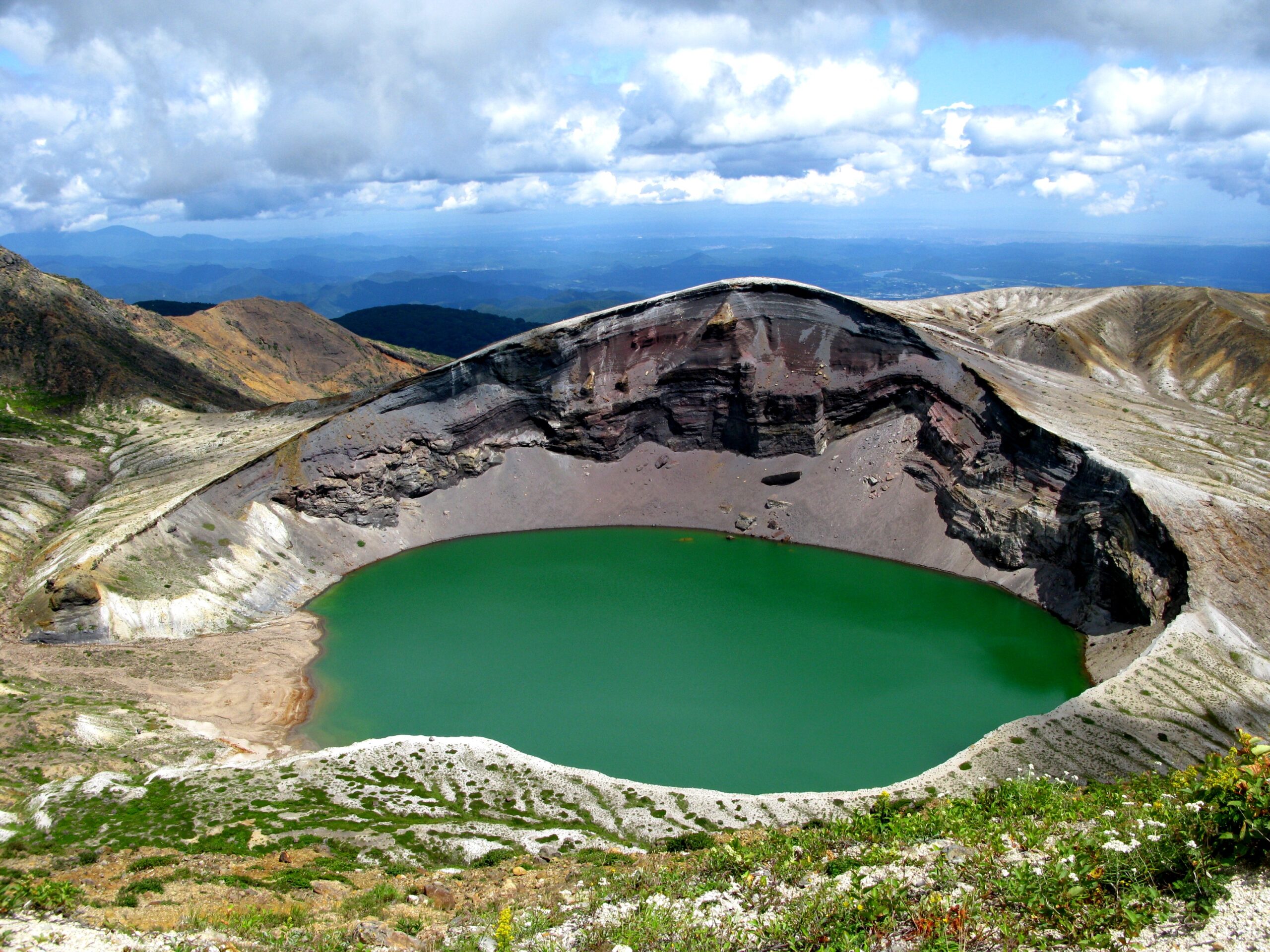
What makes this shrine special is its setting. The Inner Shrine sits right beside Zao’s iconic crater lake, the “Okama” (お釜). You can drive almost all the way to 1,750 m, then it’s a 2–3 minute walk to the Okama observation deck and about a 10-minute walk to the Inner Shrine — perhaps the most effortless “summit view plus mountaintop worship” in Japan.
The one big catch is the winter closure. The roads to the Inner Shrine are closed from early November to late April, and during that time the deity is moved down to the Lower Shrine. This guide draws on the Zao Town Tourism Association, Miyagi Kotsu, the Japan Meteorological Agency, and the Zao Geopark to cover everything you need: the difference between the two shrines, opening seasons, fares, how to view the Okama safely, and how to check volcanic activity.
What Makes Kattamine Shrine Special
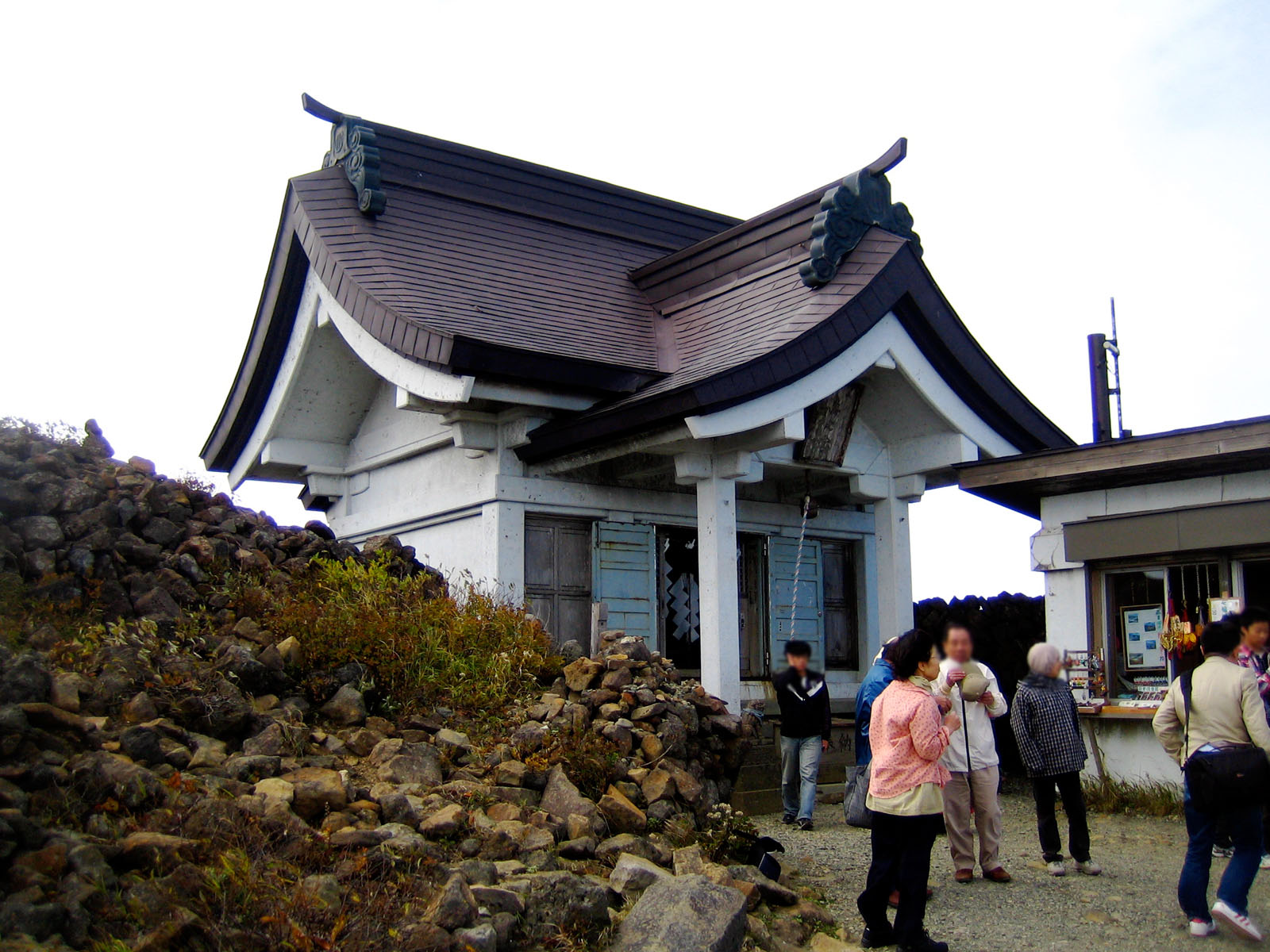
A Hall Above the Clouds at 1,758 m — the “Inner Shrine”
The heart of Kattamine Shrine is the Inner Shrine (Okumiya) on the summit of Mt. Katta. On a peak of tumbled volcanic rock stands a small hall with white walls and a curved roof, braced against the wind — a true “shrine in the sky.” With the Okama behind it and a sea of clouds sometimes below, this is a view earned only by those who make it to the top.
This site once held the Zao Daigongen shrine, the very root of Zao mountain worship. During the great “Zao pilgrimage” boom of the late Edo period, worshipping at Zao Daigongen was the goal of the journey. After the Meiji-era separation of Buddhism and Shinto, it merged with the mountain-ascetic temple Dakenobo, became Mikumari Shrine, and was renamed Zao Kattamine Shrine.
The Water-Distributing Gods — Rain on the Mountain Feeds the Fields
The deities here are Amenomikumari-no-kami and Kuninomikumari-no-kami. *Mikumari* means “to distribute water” — these are the gods of water sources and agricultural water, sending the rain and snowmelt of the mountain down to the rice fields below. Kokugakuin University’s commentary ties Kuninomikumari closely to prayers for rain and bountiful rice harvests; since antiquity these have been revered as “gods of the mountain and the field.”
Water flows, circulates, and washes away stagnation. These deities are considered a good match for those who want to get a stalled situation moving, or invite new flow into their lives. Mt. Zao itself is a vast source of water, and pressing your palms together at its summit before the water gods is an experience of unusually large-scale “energy.”
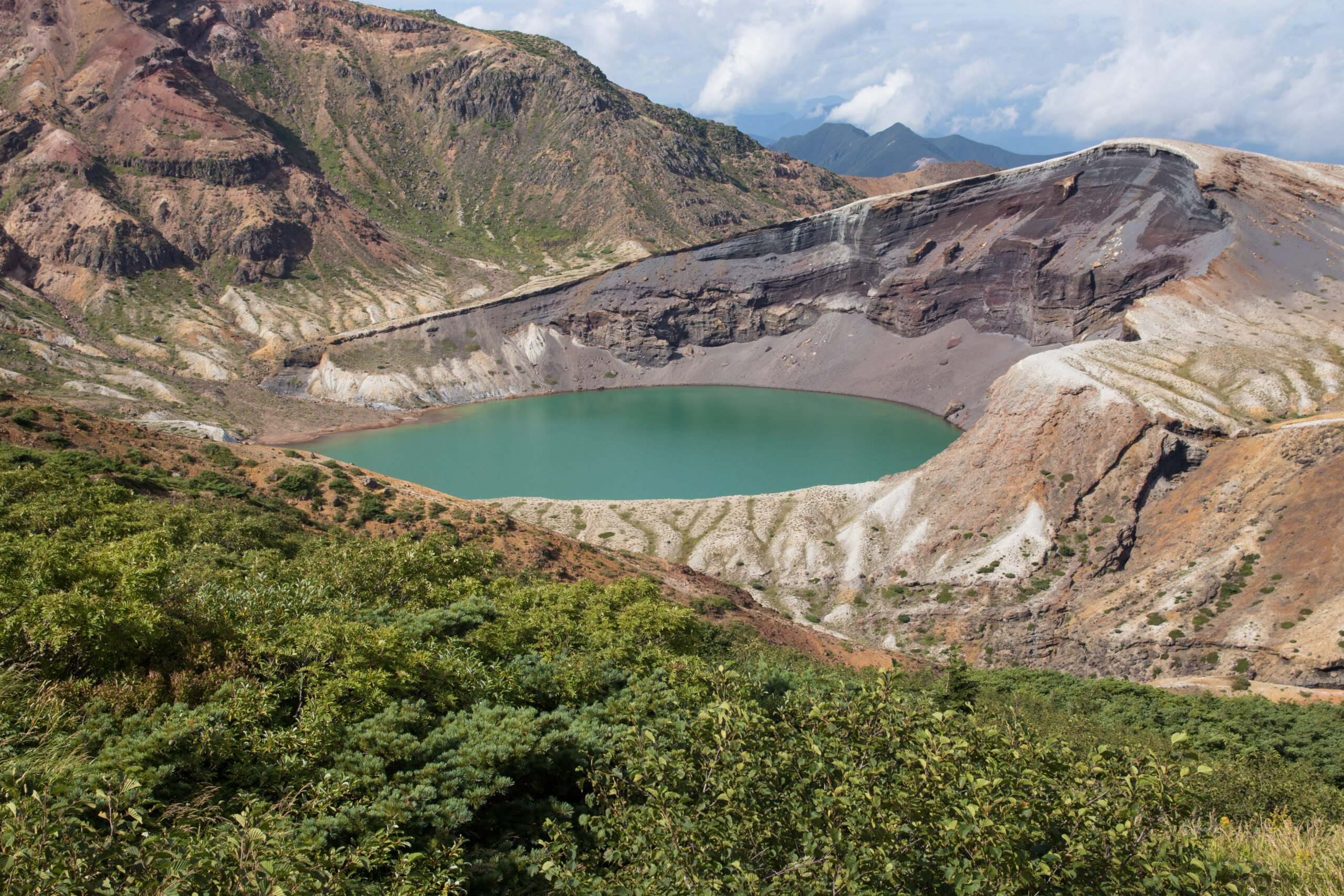
Zao’s Icon — the Emerald Crater Lake “Okama”
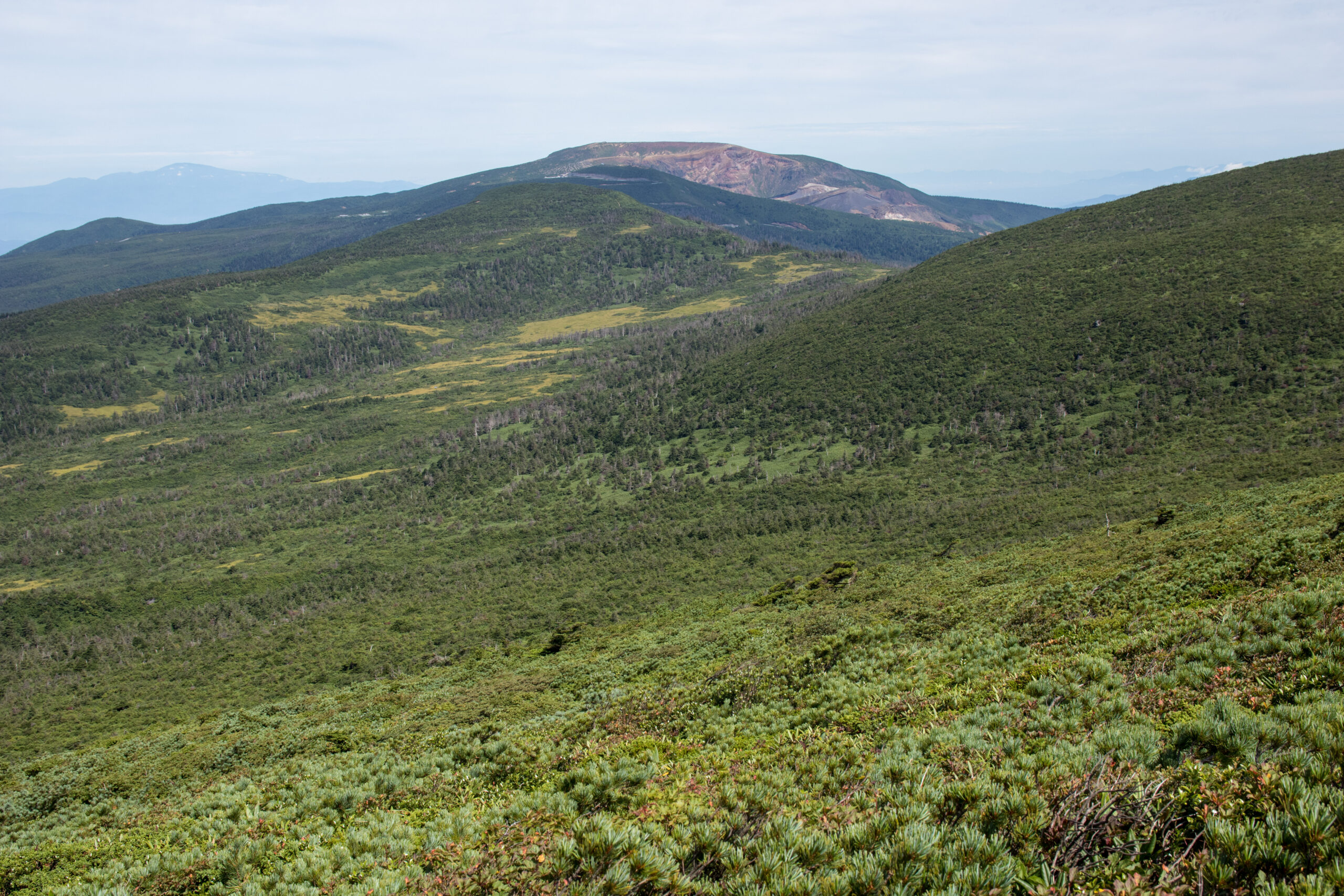
The Inner Shrine pairs naturally with a visit to the Okama (お釜). Cradled by three peaks — Mt. Katta, Mt. Kumano, and Mt. Goshiki — it is a roughly 330-meter-wide circular crater lake, named for its kettle-like shape. Because the surface shifts from emerald green to cobalt blue depending on the sunlight, it is also called the “Five-Color Lake.” Its maximum depth is about 27–30 m. The water is strongly acidic and supports no life, which only deepens its mysterious clarity.
From the Zao Highline terminal parking lot, the Okama observation deck is a paved, barrier-free 2–3 minute walk away. Few places in the country let you look down on a crater lake this easily.
Blessings — Centered on “Water”
Because the Mikumari gods govern the water cycle, the blessings here radiate from water and good harvests.
| Blessing | Background |
|———-|————|
| Bountiful harvests, agricultural protection | The core role of the “water-distributing” gods sending mountain water to the fields |
| Prayers for rain / for clear skies | Worshipped since antiquity as deities of rain and its end |
| Opening fortune, rising momentum | From the image of water “flowing and circulating,” moving stagnation |
| Fulfillment of wishes, warding off misfortune | Inherited from Zao Daigongen sacred-mountain worship |
There is no single official list of Kattamine Shrine’s specific blessings; here we describe only what can be said with confidence from the character of the water gods. For particular prayers, the Lower Shrine office (+81-224-34-2620) can confirm details.
Access — Drive Almost to the Summit, but Only in Season
The Inner Shrine (summit) and the Lower Shrine (town) are reached completely differently. The most important rule is not to head to the wrong one for your purpose.
To the Inner Shrine (and the Okama) — the Zao Echo Line & Zao Highline
For the Inner Shrine and the Okama, take the Zao Echo Line, then the toll road Zao Highline (2.5 km long) up to the terminal parking lot at 1,750 m. The terminal has a prefectural summit rest house and parking; from there it’s a 2–3 minute walk to the Okama deck and a 10-minute walk to the Inner Shrine.
| Item | Details (2026) |
|——|—————-|
| Open season | Zao Highline April 24 – early November (planned) |
| Hours | Usually 7:30–17:00 (8:00–16:00 just after opening and from mid-October; night closure) |
| Toll (Zao Highline) | Standard/light/compact car 600 yen / motorcycle (over 125cc) 450 yen / microbus 1,500 yen |
| Not permitted | Motorcycles 125cc or under, bicycles, and pedestrians cannot use the road |
By public transport, only on weekends and holidays from April 25 to early November, a bus runs once a day between Shiroishi-Zao Station and Zao Katta Sancho (depart Shiroishi-Zao 9:38 → arrive Zao Katta Sancho 11:11; return 13:00 → 14:35; fare 2,100 yen). Service is extremely limited, so confirm times well in advance.
To the Lower Shrine — Togatta Onsen, Year-Round
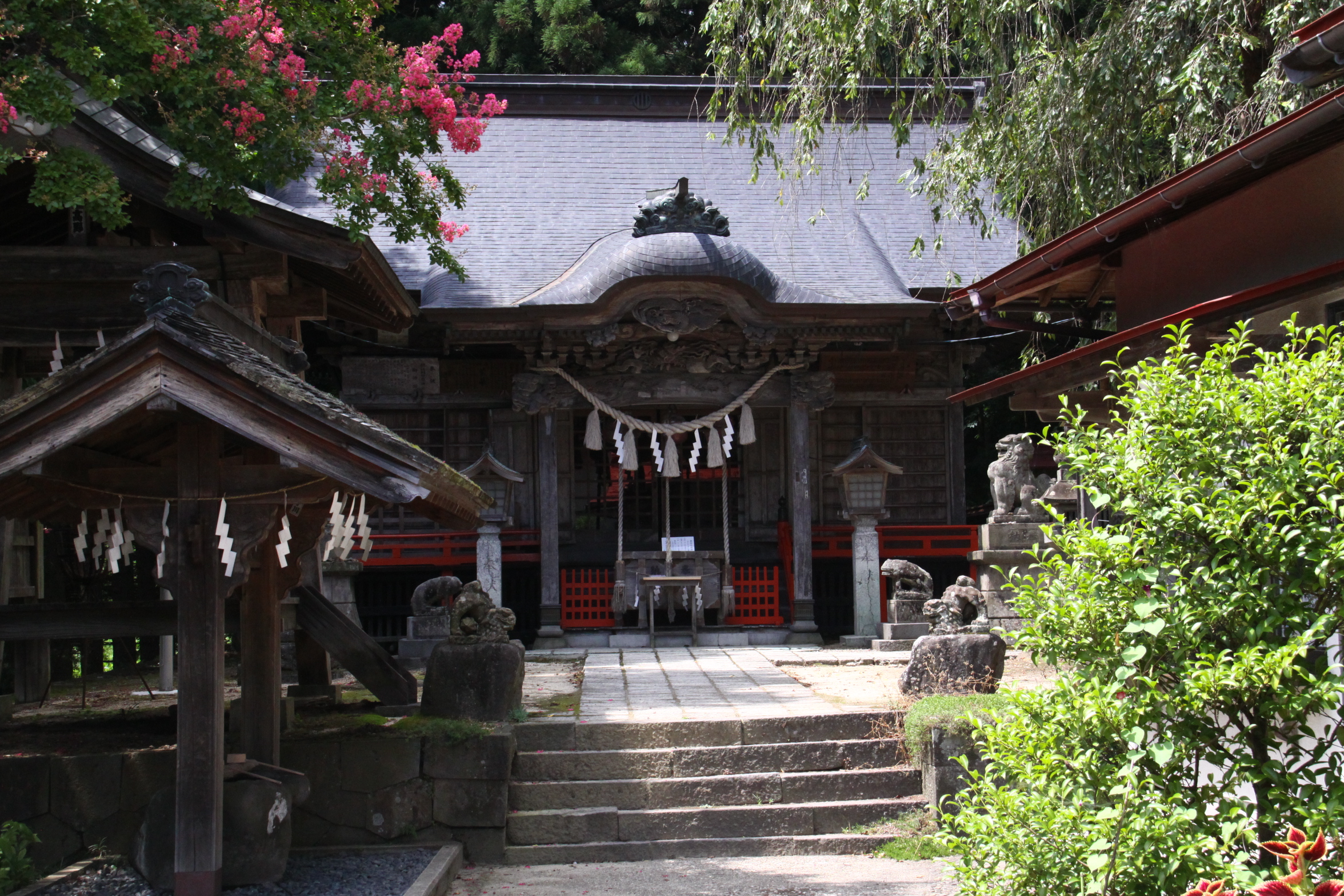
The Lower Shrine is in Togatta Onsen, and it is open year-round. It’s a 2-minute walk from the Miyagi Kotsu “Togatta Onsen” bus stop, with parking available. By car, about 30 minutes from the Shiroishi IC on the Tohoku Expressway via Route 457. If you’re visiting Zao in winter (November–April), or you want to be sure of receiving a goshuin, head to the Lower Shrine first.
You Can’t Reach the Inner Shrine in Winter — the “Seasonal Transfer”
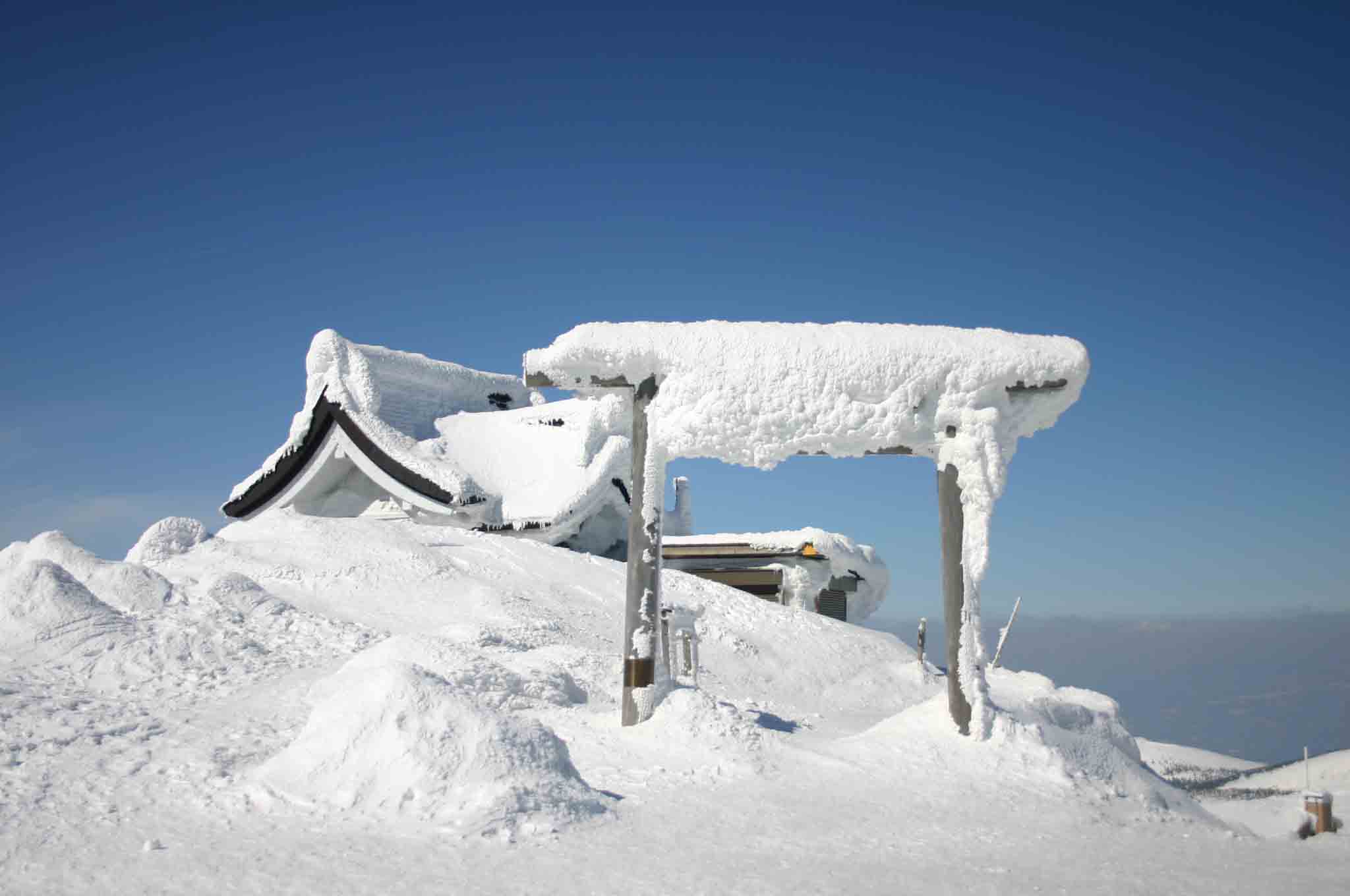
The most common misunderstanding concerns winter access. The Zao Echo Line and Zao Highline close for snow, typically from early November to late April. During that time you cannot worship at the summit Inner Shrine.
This is why the “seasonal transfer” has long been practiced. Traditionally, from October 8 to April 8, the summit deity is moved down and enshrined at the Lower Shrine. In other words, in the Zao winter, the Lower Shrine is the “main body” of Kattamine Shrine. Winter Zao is famous for its “snow monsters” (ice-coated trees), but heading for the summit Inner Shrine in winter only means a closed road. If you visit in winter, go straight to the Lower Shrine in Togatta Onsen.
Best Time to Visit
To enjoy the Inner Shrine and the Okama, the open road season of late April to early November is essential.
| When | Highlight |
|——|———–|
| Late April – mid-May | The “snow corridor” walls along the Zao Echo Line |
| June – August | Fresh greenery and alpine plants; the Okama is most vividly emerald |
| Late September – mid-October | Autumn colors blazing across the slopes |
| Winter (Dec – Mar) | Snow monsters (note: the Inner Shrine is closed; ice-tree viewing is a separate area/route) |
That said, the summit’s weather changes quickly, and there are many days when fog hides the Okama entirely. Checking the day’s visibility on Zao Town’s official Okama live camera (active late April to early November) before you set out is the trick to avoiding a wasted trip. It can be raining below while clear above — and vice versa.
Guide by Visitor Type
For Wheelchair Users, Strollers & Those with Limited Mobility
Kattamine Shrine and the Okama are in fact remarkably accessible for a mountain spot. The Zao Highline takes you by car to the parking lot at 1,750 m, and the Okama observation deck is a paved, barrier-free 2–3 minute walk. Wheelchairs and strollers can comfortably enjoy Zao’s greatest view. Note that the front of the Inner Shrine is rocky with steps, so approaching the hall itself takes care. Even from the observation deck, you can fully feel the “energy” of this place.
For Photographers
1. The Okama: late morning, when there’s less fog and the light comes in, is the peak for that emerald color
2. The Inner Shrine hall vs. a sea of clouds: clouds form more easily in the early hours
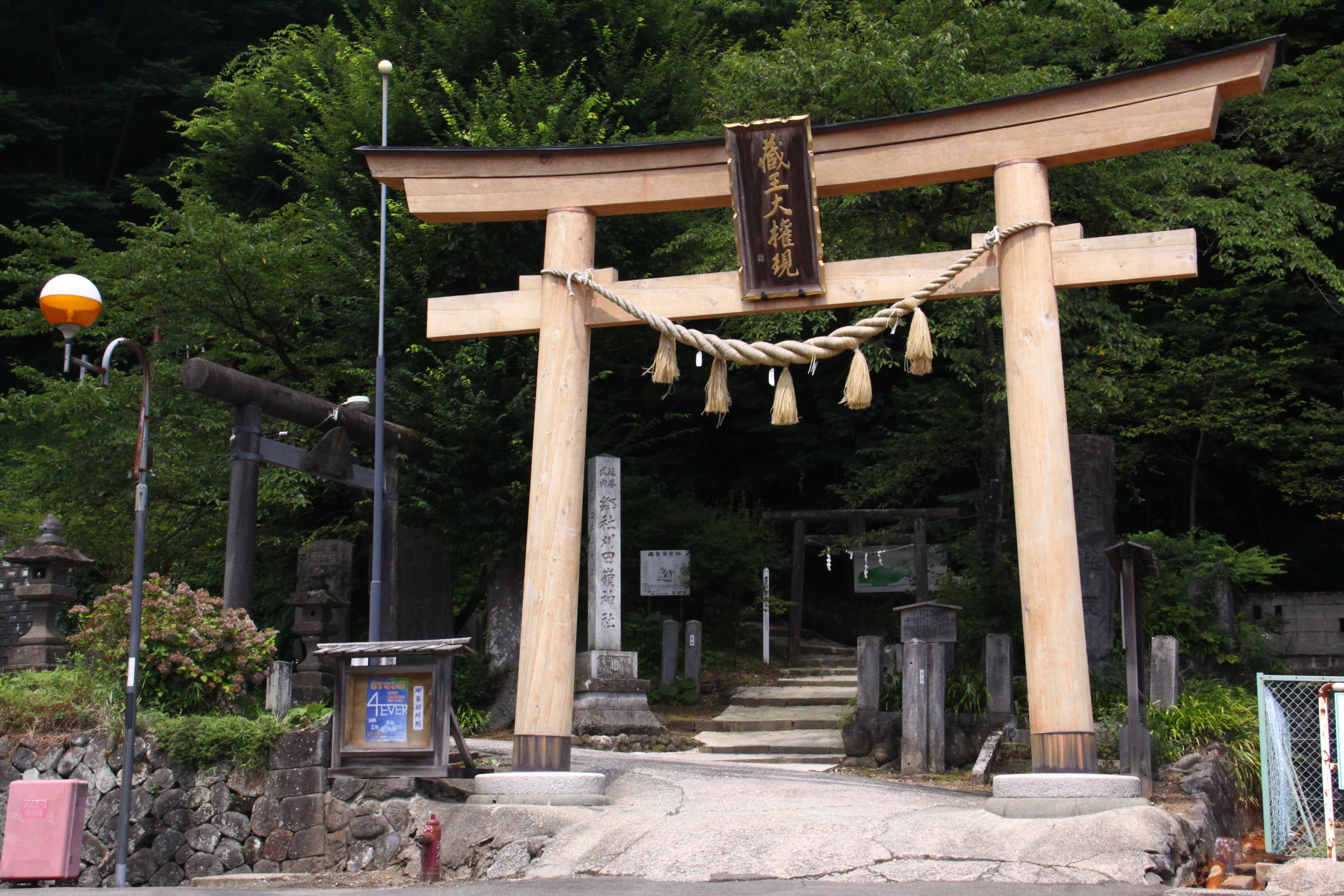
3. The Lower Shrine torii: the “Zao Daigongen” plaque makes for an evocative shot
4. The snow corridor (late April–May): the classic along the Echo Line
Note: the summit is prone to strong wind and low temperatures, with some unstable footing. When using a tripod, take care not to block the path of other visitors.
For Goshuin Collectors
Goshuin are issued mainly at the Lower Shrine office. Whether they are offered at the Inner Shrine in summer, and the fees and hours, are not officially stated, so to be sure, confirm with the Lower Shrine (+81-224-34-2620) in advance. There is also the pleasure of collecting the separate Inner and Lower shrine seals.
For Families with Children
The walk to the Okama deck is short and paved, so it’s relatively safe even with small children. However, the area around the deck has unfenced slopes and nearby drop-offs, and it is especially dangerous in strong wind. Always hold hands and don’t let children run. The summit is chilly even in summer, so a jacket is reassuring.
Around the Shrine & a Model Course
Half-Day Model Course (by car, summer–autumn)
“`
9:00 Leave Togatta Onsen, head up via the Zao Echo Line
10:00 Arrive at the Zao Highline terminal parking lot
10:10 Take in and photograph the view from the Okama deck
10:30 Worship at the Inner Shrine on the summit of Mt. Katta
11:30 Descend the Echo Line; view Sankai Falls from Takimidai
12:30 Lunch in Togatta Onsen, worship at the Lower Shrine, receive a goshuin
14:00 Visit the Miyagi Zao Kokeshi Museum
“`
Nearby Spots
- Togatta Onsen: an old hot spring that flourished as a base for pilgrimage climbs. The public baths “Kami-no-yu” and “Kotobuki-no-yu” run 9:00–20:30 (reception until 20:00). A day-soak soothes tired legs.
- Miyagi Zao Kokeshi Museum: its 5,500 displayed kokeshi dolls are said to be the most in the world. 9:00–16:00 (last entry 15:30). Togatta is one of the birthplaces of kokeshi.
- Takimidai: an overlook of three waterfalls, including Sankai Falls, listed among Japan’s 100 finest waterfalls.
- Miyagi Zao Fox Village (Shiroishi City): meet free-roaming foxes. Summer 9:00–16:30 / winter 9:00–16:00.
- Flavors of Zao: pears (the largest production in Miyagi Prefecture), Zao Sosei beef, JAPAN X (branded pork), and Zao cheese.
Visitor Voices
A few impressions from public Tripadvisor reviews (each reflects the individual reviewer’s personal opinion):
> “About 200 m from the Okama parking to the summit; there’s the Inner Shrine and a summit marker, so you really get that ‘reached the top’ feeling.”
> — Tripadvisor “Mt. Katta,” posted September 2024
> “The Zao Highline gets you close to the summit for an easy climb. I recommend worshipping at the Inner Shrine after the Okama.”
> — Tripadvisor “Mt. Katta,” posted May 2024
> “The view from the shrine was wonderful, and the Okama was magical.”
> — Tripadvisor “O-torii,” from a posted review
> “It was raining below, but clear up top and the Okama was visible.”
> — Tripadvisor “Okama,” from a posted review
What visitors most often share is the satisfaction of an easy summit view-and-worship by car, the mysterious beauty of the Okama, and the luck factor of whether the weather lets you see it. That’s exactly why checking the live camera beforehand makes such a difference.
Notes & Safety
1. The Inner Shrine closes in winter: roads are closed early November–late April. In winter, go to the Lower Shrine.
2. Check volcanic information: Mt. Zao is an active volcano. The alert level has been 1 since March 2018, but fumaroles and volcanic gas are seen at Maruyama-sawa and Furiko-sawa. If you sense anything unusual, leave the caldera promptly and check the latest information from the JMA / Sendai Regional Headquarters.
3. Sudden weather, dress warm: the summit is cool even in summer, with frequent strong wind and dense fog. Bring sturdy shoes and a jacket.
4. The Okama may be invisible: some days fog cuts visibility to zero. Check the live camera in advance.
5. Mind the road hours: the Zao Highline closes at night. Allow plenty of time for your descent.
6. Watch your footing: the area around the Okama deck has nearby unfenced slopes. Keep an eye on children and pets.
Frequently Asked Questions
Q. Can I see the Okama and the Inner Shrine in winter?
A. No. The Zao Echo Line and Zao Highline are closed for snow from early November to late April, so you cannot reach the Inner Shrine or the Okama. In winter, visit the Lower Shrine in Togatta Onsen.
Q. How far is the walk to the Okama?
A. A paved, barrier-free 2–3 minutes from the Zao Highline terminal parking lot. The Inner Shrine is about a 10-minute walk from there.
Q. What is the Zao Highline toll?
A. As of 2026, 600 yen for standard/light/compact cars and 450 yen for motorcycles over 125cc. Motorcycles 125cc or under, bicycles, and pedestrians may not use the road.
Q. Where can I get a goshuin?
A. Mainly at the Lower Shrine office in Togatta Onsen. Summer availability at the Inner Shrine and the fees are not officially stated, so confirm with the Lower Shrine (+81-224-34-2620) in advance.
Q. There seem to be several “Kattamine Shrines”?
A. Zao Town has three: (1) the Inner Shrine on the summit of Mt. Katta, (2) the Lower Shrine in Togatta Onsen, and (3) the Kattamine Shrine in the Miya district (a separate lineage enshrining the “White-Bird Daimyojin,” Yamato Takeru). This guide covers (1) and (2), the Zao Daigongen-lineage water gods.
Q. When is the best season?
A. June–August, when the Okama looks most vivid, and the autumn colors of late September–mid-October are especially recommended. Aim for a clear morning either way.
Conclusion
Kattamine Shrine is a power spot where you can savor a summit of water gods and the spectacular Okama, easily, by car.
The Inner Shrine on 1,758-meter Mt. Katta, the crater lake Okama shifting color right beside it, and the year-round Lower Shrine welcoming you down in Togatta Onsen — inheriting the history of the sacred mountain Zao Daigongen, the “water-distributing gods” who send the mountain’s rain down to the fields watch quietly over every visitor.
The key is the season. The Inner Shrine and the Okama are open only from late April to early November; outside that, head to the Lower Shrine. And because mountain weather is fickle, checking the Okama’s visibility on the live camera before you go is the shortcut to a perfect day.
To press your palms together before the water gods above the clouds and look down on the emerald Okama — that experience will stay in memory with a different face for each person who makes the trip.
—
We hope this guide helps you make the most of your visit to Kattamine Shrine in Zao.
*Information is current as of June 2026. Opening seasons and tolls for the Zao Highline and Zao Echo Line, bus times, goshuin and shrine-office arrangements, and volcanic alert status are subject to change — please confirm with the official information from the Zao Town Tourism Association, Miyagi Kotsu, and the Japan Meteorological Agency before visiting.*
Key sources:
Discover Your Compatibility with Kattamine Shrine
Power spots resonate differently with different people. Two visitors can stand in the same place and feel completely different things — a result of how your own innate energy meets the character of the spot.
The “water” and “sacred-mountain” power of Kattamine Shrine is said to suit those who want to get stagnation moving and invite new flow — but whether it truly matches you depends on the personal energy derived from your birth date and time.
あなたに最適なパワースポットを知りたい方へ