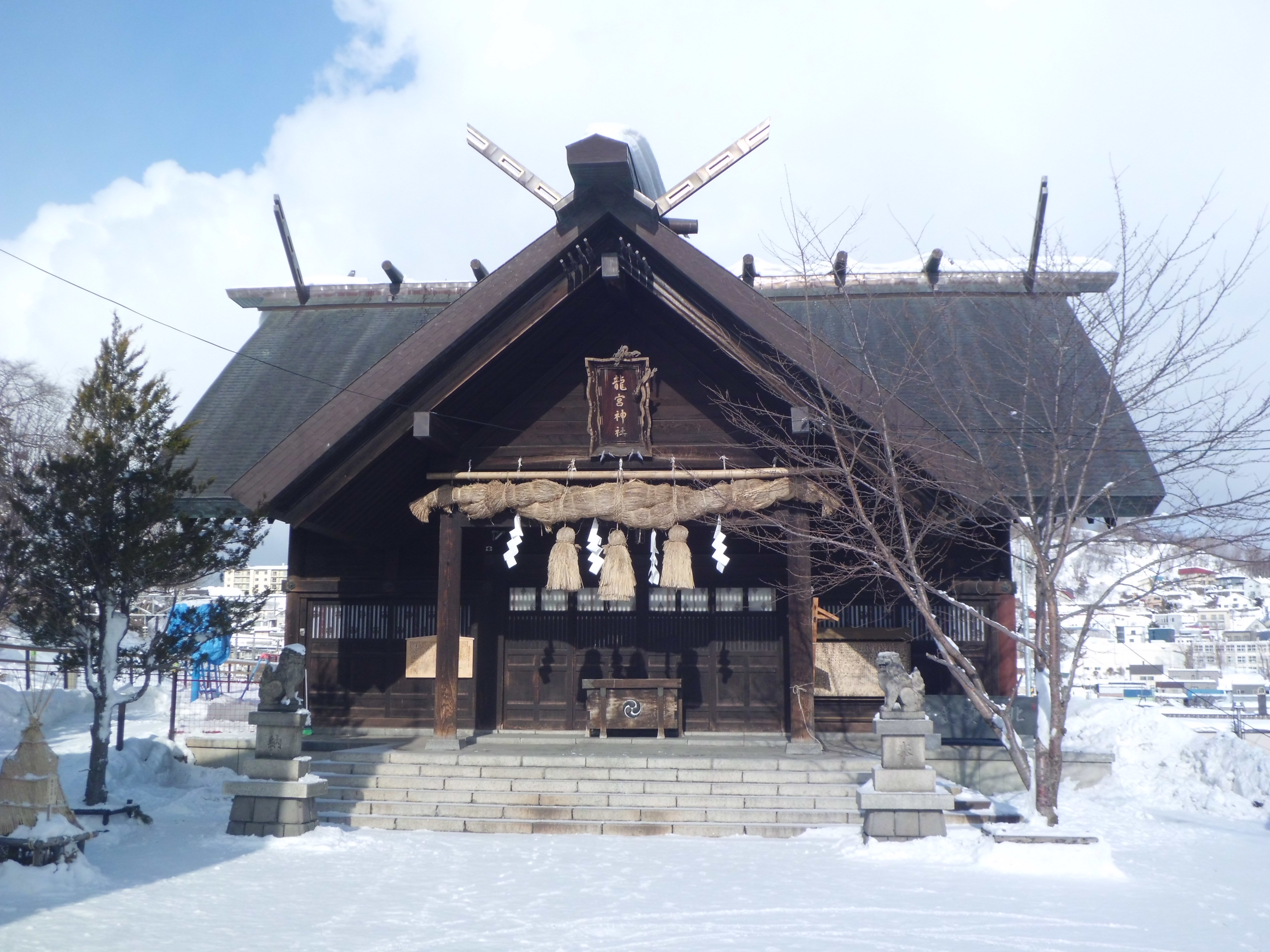
Just a 5-minute walk from JR Otaru Station, in the heart of the port city of Otaru once flourishing with the Kitamaebune (northern-sea trade ships), stands Ryugu Shrine (龍宮神社, Ryūgū-jinja), dedicated to the three pillars of the sea deity Watatsumi. The shrine’s origin traces back to 1869 (Meiji 2), when Bakumatsu-era statesman Enomoto Takeaki built a small shrine here and enshrined his distant ancestor Emperor Kanmu—since then, for over 150 years, it has watched over the development of Hokkaido and the history of the port city of Otaru.
The officially documented divine virtues include bountiful catch, maritime safety, fishing industry prosperity, protection from drowning, abundant harvest, business prosperity, warding off misfortune, and worldly success (rishin-shusse). The shrine’s official site mentions that former Prime Minister Taro Aso visited before becoming Prime Minister—earning the shrine recognition as a power spot for worldly success and career advancement.
This guide is based on first-source information from Ryugu Shrine’s official site, the Hokkaido Shrine Office, Otaru City, and JR Hokkaido. We cover goshuin stamps, the annual festival (one of Otaru’s three great festivals), access from the station, how to combine with the Otaru Canal and the Sankaku Market, and important winter safety precautions—everything you need before your visit.
The Appeal of This Sacred Site
A Shrine Born from Enomoto Takeaki’s “Hokkai Chingo” (Northern Sea Protection)
According to the Hokkaido Shrine Office, Ryugu Shrine’s origin traces back to 1869 (Meiji 2), when Enomoto Takeaki built a small shrine and enshrined his distant ancestor, Emperor Kanmu. In 1876, Enomoto personally dedicated a plaque inscribed “Hokkai Chingo” (Protection of the Northern Sea), and the shrine was formally established when the national land was conveyed.
Enomoto saw Otaru’s natural harbor as a base for trade, coal shipping, and Kitamaebune commerce—a key figure in Hokkaido’s development. The shrine he established as “the deity protecting the northern sea” still stands today, just a 5-minute walk from JR Otaru Station. The grounds feature a statue of Enomoto Takeaki, telling visitors the modern history of Otaru.
The shrine was renamed Owadatsumi Shrine in 1897 and Ryugu Shrine in 1898.
Seven Enshrined Deities Including the Sea Deity Watatsumi
The principal deities of Ryugu Shrine are the three pillars of Watatsumi—gods of the sea. According to the Hokkaido Shrine Office, the enshrined deities number seven in total:
| Deity | Divine Virtues (Official) |
|——-|————————–|
| Sokotsu, Nakatsu, Uwatsu Watatsumi-no-kami (Three Watatsumi deities) | Bountiful catch, maritime safety, fishing industry prosperity, protection from drowning |
| Toyoukehime-no-mikoto | Abundant harvest, business prosperity, warding off misfortune |
| Omononushi-no-kami | Industry, protection from disease, sake brewing |
| Obiko-no-mikoto | Victory, military fortune, traffic safety, longevity |
| Emperor Kanmu | Worldly success, business prosperity, warding off misfortune, academic success, corporate prosperity |
This is a shrine fitting for Otaru—a port city that developed as a Kitamaebune base—serving both “safety at sea” and “business/fortune” simultaneously.
Dragon Carving in the Main Hall
The main hall enshrines a single-block carved dragon deity statue, with a serpent carved on the underside (per the official site). The name “Ryugu” (Dragon Palace) is not officially explained as deriving from the underwater dragon palace legend, but throughout the grounds you’ll find designs befitting a shrine dedicated to the sea deity.
Why Ryugu Shrine Is Called a “Power Spot for Worldly Success”
Ryugu Shrine attracts attention from local and national worshippers because of the divine virtue of “worldly success” attributed to Emperor Kanmu, combined with the documented anecdote of former Prime Minister Taro Aso visiting before assuming office. The shrine’s official site presents this as evidence of “worldly success blessings.”
Despite being a small shrine in a port city, modern politicians and business leaders visit here as a place to face one’s own wishes head-on.
For those starting a business, considering a career change or independence, or taking on a new challenge, Ryugu Shrine—carrying both the spiritual legacy of Enomoto Takeaki (who prayed for the sea’s safety) and Emperor Kanmu’s blessing of worldly success—is worth a visit.
That said, this article does not use guaranteed-outcome phrases like “your wishes will surely come true” or “your fortune will rise.” We rely solely on officially documented divine virtues and verifiable historical anecdotes.
Best Times to Visit & Annual Events
Annual Event Calendar
| Date | Event | Details |
|——|——-|———|
| Jan 1, 0:00 | Ryujin Tenshosai | New Year’s transition ritual from Dec 31, 23:00. Matsumae Kagura performance at 0:15 |
| Jan 1, 8:00 | Saitansai (New Year’s Festival) | — |
| Monthly 20th, 7:00 AM | Otaru Prosperity and Citizens’ Wellness Festival | Open to general attendance—a valuable opportunity for early-morning visits |
| June 20–22 | Annual Festival (One of Otaru’s Three Great Festivals) | Food stalls, mikoshi (portable shrine) procession, Matsumae Kagura performance |
| First Sunday of October | Autumn Festival | Held jointly with Inaho Kindergarten: bazaar, food stalls, children’s sumo tournament |
| Oct 1 – Nov 15 | Shichi-Go-San Ceremonies | — |
Matsumae Kagura is a traditional performance designated as Japan’s National Important Intangible Folk Cultural Property on March 8, 2018, and is performed at Ryugu Shrine’s festivals.
Seasonal Highlights
| Season | Highlights | Cautions |
|——–|———–|———-|
| Spring (Apr–May) | Snowmelt, fresh greenery | Mornings and evenings still cold |
| Summer (June) | Annual Festival (20–22)—the energy of one of Otaru’s three great festivals | Crowds at food stalls |
| Autumn (Sep–Oct) | Autumn Festival (first Sunday of October), foliage | Mornings and evenings near freezing |
| Winter (Dec–Mar) | Snow-covered shrine, New Year’s first visit | Maximum caution for icy paths (see below) |
The official site does not document peak times for cherry blossoms or autumn foliage—use general Otaru season info as a reference.
Best Times of Day
- Early Morning (Monthly 20th only): The 7:00 AM festival is open to general attendance. Official information does not specify whether ordinary days allow early-morning visits.
- Daytime (9:00–17:00): Regular visiting hours (per Otaru City guidance). Combined with goshuin reception (8:30–17:00, per Hokkaido Shrine Office).
- Nighttime: Aside from New Year’s Eve / Day midnight rituals, regular nighttime visiting lighting and safety are not officially documented. Nighttime visits are not recommended.
Trail Guide: How to Explore
Standard Route (Half-Day Course, ~2–3 hours)
1. Arrive at JR Otaru Station → Exit the station and head left, walking straight along the side street next to Inaho Kindergarten—~5 minutes on foot
2. Pass under the torii and walk up the slope to the grounds
3. Visit the main hall (Watatsumi, Emperor Kanmu, and the other deities of the seven pillars)
4. View the dragon carving in the main hall and the statue of Enomoto Takeaki for historical insight
5. If you want a goshuin stamp, visit the reception (8:30–17:00, 600 yen)
6. Per the official site, Sankaku Market is a 3-minute walk—the hub of Otaru cuisine
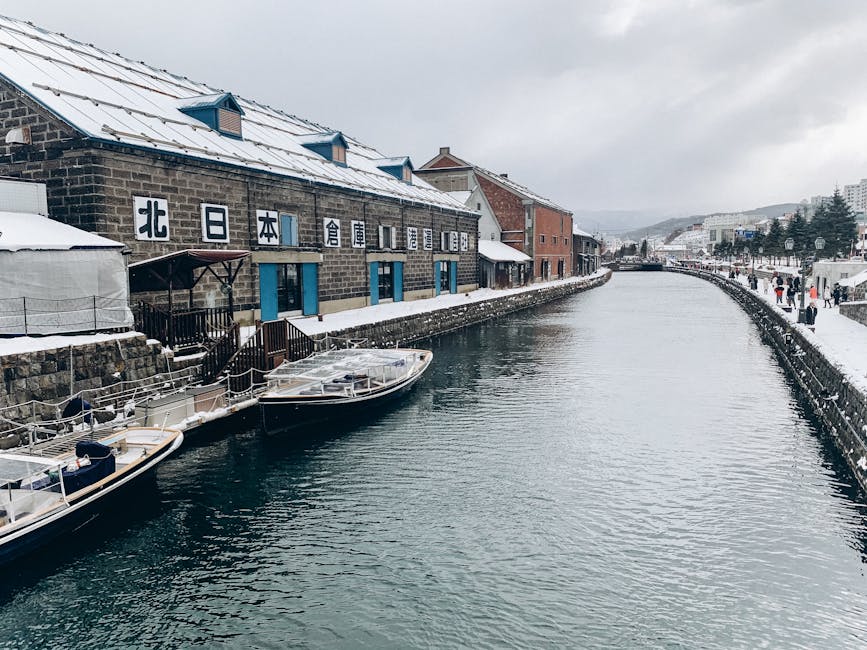
7. Walk ~12 minutes to the Otaru Canal—completed in 1923 (Taisho 12), with stone warehouses and walking paths
8. Former Temiya Line (abandoned railway), Sakaimachi Street (Kitaichi Glass, LeTAO, Music Box Museum)
About *Goshuin* Stamps
| Item | Details |
|——|———|
| Goshuin reception | 8:30–17:00 (per Hokkaido Shrine Office) |
| Ryugu Shrine goshuin | 600 yen |
| Phoenix Protection | 600 yen |
| Dragon Deity Blessing | 600 yen |
| Goshuincho (stamp book) | With name: 2,600 yen / Without: 2,000 yen. Dragon-year limited edition (maki-e style) also available |
Whether the stamp is hand-written or pre-written, and which goshuin are available on-site, varies—please confirm at the shrine directly.
Basic Information & Access
Basic Information (as of May 2026)
| Item | Details |
|——|———|
| Official name | Ryugu Shrine (龍宮神社, Ryūgū-jinja) |
| Address | 3-22-11 Inaho, Otaru, Hokkaido 047-0032 |
| Principal deities | Watatsumi (3 pillars), Toyoukehime, Omononushi, Obiko, Emperor Kanmu |
| Divine virtues | Bountiful catch, maritime safety, fishing prosperity, protection from drowning, abundant harvest, business prosperity, warding off misfortune, worldly success |
| Visiting hours | 9:00–17:00 per Otaru City guidance (confirm with shrine for latest) |
| Goshuin reception | 8:30–17:00 (per Hokkaido Shrine Office) |
| Parking | ~20 spaces on grounds (fee not officially published) |
| Annual festival | June 20–22 each year |
| Phone | 0134-22-4268 |
| Official site | ryugujinja.jp |
Access
On Foot (most common)
| From | Time |
|——|——|
| JR Otaru Station → Ryugu Shrine | ~5 minutes walk (official) |
| Ryugu Shrine → Sankaku Market | ~3 minutes (official) |
| Ryugu Shrine → Otaru Canal | ~12 minutes (official) |
By JR (as of May 2026)
| Route | Time | Fare (regular seat, one-way) |
|——-|——|——|
| Sapporo → Otaru (Rapid Airport) | ~33–41 min | 800 yen |
| Sapporo → Otaru (Local) | ~46 min | 800 yen |
| New Chitose Airport → Otaru (Rapid Airport) | Fastest 73 min | 2,040 yen (reserved seat: 3,040 yen) |
JR Hokkaido raised fares on April 1, 2025—confirm latest fares before your visit.
By Car
- ~20 parking spaces on grounds (fee not officially published)
- Note that the approach requires walking up a slope from the torii
Area Information & Model Itineraries
Major Nearby Attractions
| Spot | Distance | Description |
|——|———-|————-|
| Sankaku Market | 3 min from shrine | Seafood bowls, fresh Hokkaido produce |
| Otaru Canal | 12 min from shrine | Completed 1923, lined with stone warehouses |
| Former Temiya Line | Sushi-ya Street to Otaru Museum, ~1,600m | Abandoned railway walking path, ~15 min from Otaru Station |
| Sushi-ya Street | From Sakaimachi up the hill to Route 5 | Otaru’s representative sushi area |
| Sakaimachi Street | Walk from canal | Kitaichi Glass, LeTAO, Music Box Museum |
| Mt. Tengu Ropeway | ~20 min by bus from Otaru Station | 5-min ropeway from base to summit, night-view spot |
| Otaru Aquarium | From Otaru Station | Jozuzu 3-303-3, combination ticket with Mt. Tengu available |
Model Plan (Half-Day Course)
| Time | Activity |
|——|———-|
| 9:00 | Arrive at JR Otaru Station |
| 9:05 | Seafood bowl breakfast at Sankaku Market |
| 10:00 | Walk to Ryugu Shrine (3 min), visit and get goshuin |
| 11:00 | Walk from Ryugu Shrine to Otaru Canal (12 min) |
| 11:30 | Canal walk, Former Temiya Line |
| 12:30 | Sakaimachi Street (Kitaichi Glass, LeTAO, Music Box Museum) |
| 14:00 | Lunch on Sushi-ya Street |
| 15:30 | Mt. Tengu Ropeway for night views (or return to Sapporo) |
Visitor Voices
Real impressions from 4travel:
> “I visited via a 5-minute walk from Otaru Station, took photos while being careful not to capture the kindergarten children, and received a goshuin.”
> — 4travel “Ryugu Shrine,” YS-11 (July 2023 visit)
The convenience of being near the station and respect for the neighboring Inaho Kindergarten are documented as visitor experiences.
> “Located on high ground, you climb a few stairs to enter the precincts.”
> — 4travel “Ryugu Shrine,” AAAIKO (Sep 2022 visit, posted Nov 2022)
To enter the precincts, you’ll need to navigate a slope/stairs—watch your footing.
> “Touching the statue of Enomoto Takeaki and his calligraphy, I felt the connection to Hokkaido’s development.”
> — 4travel “Ryugu Shrine,” Tabitabi (Nov 2022 visit, posted Apr 2023)
Multiple visitors mention that the historical exhibits in the precincts let you experience the history of Hokkaido’s pioneering era and Otaru Harbor’s development.
Visitor Segment Guides
For Goshuin Collectors
- Hours: 8:30–17:00 (per Hokkaido Shrine Office)
- Fee: Ryugu Shrine goshuin, Phoenix Protection, Dragon Deity Blessing each 600 yen
- Goshuincho: With name 2,600 yen / Without 2,000 yen. Dragon-year limited edition also available
- Online distribution: Listed on the official page
Hand-written availability and current on-site offerings vary—we recommend confirming on the day of visit.
For Photographers
Best Spots:
- Front of the main hall (shinmei-zukuri style)
- Single-block dragon carving
- Statue of Enomoto Takeaki
- “Hokkai Chingo” plaque
Photography Etiquette: The grounds are adjacent to Inaho Kindergarten, so avoid photographing children or worshippers without consent, and be mindful not to obstruct worship.
For Early-Morning/Nighttime Visitors
Early morning: The monthly 20th, 7:00 AM “Otaru Prosperity and Citizens’ Wellness Festival” is open to general attendance. Whether ordinary days allow early-morning visits is not officially documented.
Nighttime: Aside from the Dec 31, 23:00 / Jan 1, 0:00 midnight rituals, regular nighttime visiting access, lighting, and safety are not officially documented. Nighttime visits for scenic views are not recommended.
For Families with Children
The Annual Festival (June) features a children’s dance offering, the Autumn Festival (October) hosts a children’s sumo tournament, and Shichi-Go-San ceremonies (October–November) are officially documented. Inaho Kindergarten is adjacent, making this a shrine well-loved by local children.
However, slopes and stairs lead to the precincts, so strollers may be difficult depending on conditions.
For Wheelchair/Stroller Users
The official precinct guide states “pass under the torii and climb the slope,” and visitor reviews mention stairs. The shrine’s ramp, wheelchair-accessible toilet, and step-bypass routes are not officially documented, so we recommend calling the shrine in advance (0134-22-4268) to confirm.
For International Visitors
There’s no documented permanent English support at Ryugu Shrine’s official site. Otaru International Information Center provides city-wide tourism support—use it as a reference point.
Cautions & Safety Information
Most Important: Winter Icy Surfaces
Otaru City reports that pedestrian falls due to winter icy surfaces occur frequently (Otaru City official advisory). Take particular care on slopes, vehicle access points, crosswalks, and on the shrine’s slope and stairs. For winter visits, prepare anti-slip winter shoes or boots with spikes.
Snowfall, Snow Drop, and Icicles
From mid-December, snow accumulates significantly—watch for sidewalk steps and icicles dropping from eaves.
Traffic Restrictions During Festival
The Annual Festival (June 20–22) features food stalls in the central commercial district and a mikoshi procession. Confirm traffic restrictions and specific 2026 schedule on the shrine’s official site shortly before your visit.
Slopes and Stairs
The precincts are approached via slopes from the torii. Details and alternative routes are not officially documented, so visitors uncertain of footing should contact the shrine in advance.
Nighttime Safety
Regular nighttime lighting, snow clearing, and security on the grounds are not officially documented. Nighttime visits other than midnight ritual days are not recommended.
Summary
Ryugu Shrine offers outstanding access just a 5-minute walk from JR Otaru Station, combined with the historical legacy of Enomoto Takeaki’s “Hokkai Chingo”, and seven enshrined deities including the three pillars of Watatsumi and Emperor Kanmu—making it one of Otaru’s premier power spots.
As a shrine dedicated to the port city’s sea deity, it offers maritime safety and fishing prosperity, while as Emperor Kanmu’s blessing, it offers worldly success and business prosperity—a place that carries 150 years of Hokkaido pioneering spirit and prays for both the safety and development of land and sea.
Conveniently located for half-day exploration combined with the Otaru Canal, Sakaimachi Street, and Sankaku Market; the lively atmosphere of June’s Annual Festival (one of Otaru’s three great festivals); the monthly 20th early-morning prayer ceremony—every season offers new discoveries.
If you’re starting a new challenge, praying for business prosperity, or want to touch Hokkaido’s pioneering history, please visit Ryugu Shrine while you’re in Otaru—say hello to “the sea deity and the deity of worldly success.”
—
We hope this article helps you make the most of your visit to Ryugu Shrine.
*Information in this article is current as of May 2026. Goshuin fees, visiting hours, festival schedule details, and winter snow conditions change frequently. Before visiting, please confirm the latest information with Ryugu Shrine (ryugujinja.jp / 0134-22-4268).*
あなたに最適なパワースポットを知りたい方へ