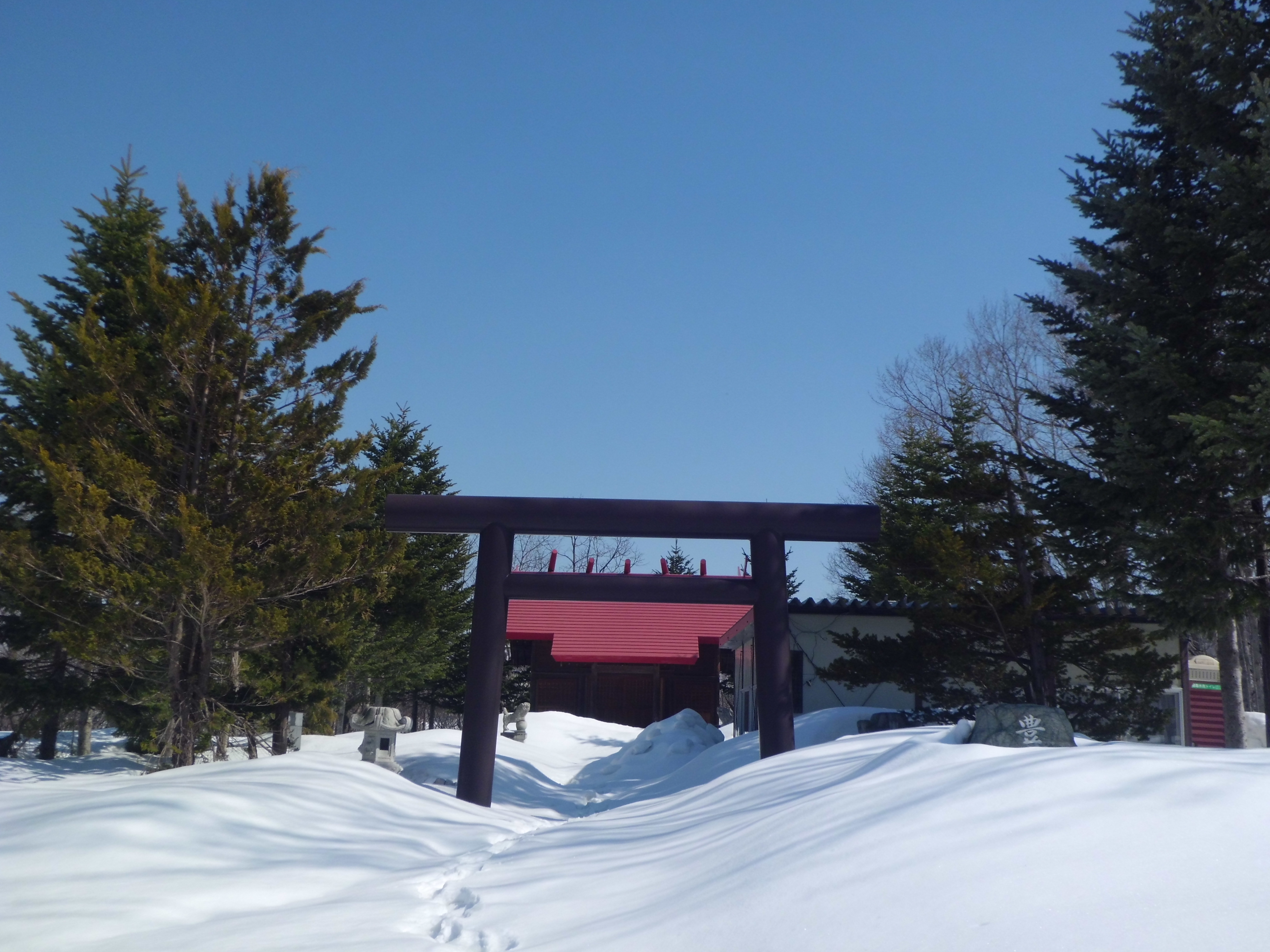
In the southwestern reaches of Sapporo, along National Route 230 toward Jozankei, sits Toyotaki Shrine (豊滝神社, Toyotaki-jinja), about a 10-minute walk from the “Toyotaki Elementary School” bus stop on the Jotetsu Bus line. Founded in September 1908 (Meiji 41) during the development of the Toyotaki area, it enshrines Amaterasu-omikami and Oyamatsumi-no-kami—a local guardian shrine registered with the Hokkaido Shrine Office.
Originally called “Takinosawa Shrine”, it was relocated to its current site (501-2 Toyotaki, Minami-ku, Sapporo) in August 1996 due to the realignment of National Route 230 and renamed “Toyotaki Shrine.” Unlike commercialized major shrines, this small local guardian conveys Hokkaido’s pioneering history and the worship of mountain deities—a shrine cared for by the local community.
This guide is based on first-source information from the Hokkaido Shrine Office, Sapporo City Minami-ku, Jotetsu Bus, and Toyohira Shrine. We cover the goshuin (received at Toyohira Shrine), the annual festival, access, combining the visit with Hakkenzan Orchard and Jozankei Onsen, and important winter/bear safety information—everything you need before your visit.
The Appeal of This Sacred Site
A Local Guardian Born with the Toyotaki Pioneer Era in 1908
According to the Hokkaido Shrine Office, Toyotaki Shrine’s history began as follows. The Toyotaki area saw the start of Hokkaido University experimental forest land development in the late Meiji era, and in September 1908 (Meiji 41), Amaterasu-omikami and Oyamatsumi-no-kami were enshrined—the start of the shrine.
Per Sapporo City Minami-ku’s official description, the founding story is more detailed: Eitatsu Nagata and Otsumatsu Takeda took the initiative, and the shrine was established by branching off from Hanaoka Shrine under the old name “Takinosawa Shrine.” That July, the old Takinosawa Shrine was founded, and on September 7 of the same year, the Mountain Deity Stone Monument was erected.
After development, the Toyotaki area became a place of diversified agriculture: orchards, dry fields, and rice farming. The shrine has continued as a guardian tied to that livelihood until today.
The 1996 Rename and Relocation—History of National Route 230 Construction
Toyotaki Shrine’s relocation to its current site took place on August 31, 1996. According to Sapporo City Minami-ku, the shrine was moved from the old site due to the realignment of National Route 230 and renamed “Toyotaki Shrine.” The history of the shrine’s relocation itself illustrates the relationship between postwar road infrastructure development and mountain villages.
The architectural style is shinmei-zukuri, with a 29.75 m² main hall and 443.51 tsubo (1,466.15 m²) of precincts—a small shrine, but one with its origin in the Old Takinosawa Shrine and the Mountain Deity Stone Monument, a proud local landmark.
Enshrined Deities—Amaterasu and Oyamatsumi
Toyotaki Shrine enshrines two deities (per Hokkaido Shrine Office):
| Deity | General Divine Virtues |
|——-|———————-|
| Amaterasu-omikami | Peace of the land, fortune, household safety (general interpretation) |
| Oyamatsumi-no-kami | Deity of mountains, protection of mountains/hunting/forestry (general interpretation) |
※These are general Shinto interpretations, not officially documented as specific to Toyotaki Shrine.
Information on the internet may suggest the shrine enshrines a “water deity,” “waterfall deity,” “Mizuhanome-no-kami,” or “Seoritsuhime”—but these are NOT included in the official deity records. Please do not confuse this with the separate facility “Toyotaki Ryujin Water” (1173 Toyotaki, Minami-ku, Sapporo) in the same Toyotaki area.
Why Toyotaki Shrine Has Value as a “Small Local Guardian”
Toyotaki Shrine lacks the flashy appeal of commercialized major shrines. But that is precisely its value.
1. A Living Witness to Hokkaido’s Pioneer History — A small shrine built in 1908 on the development land of Hokkaido University’s experimental forest. The subsequent orchard farming, the postwar relocation due to road work—Toyotaki’s journey itself is etched into this shrine.
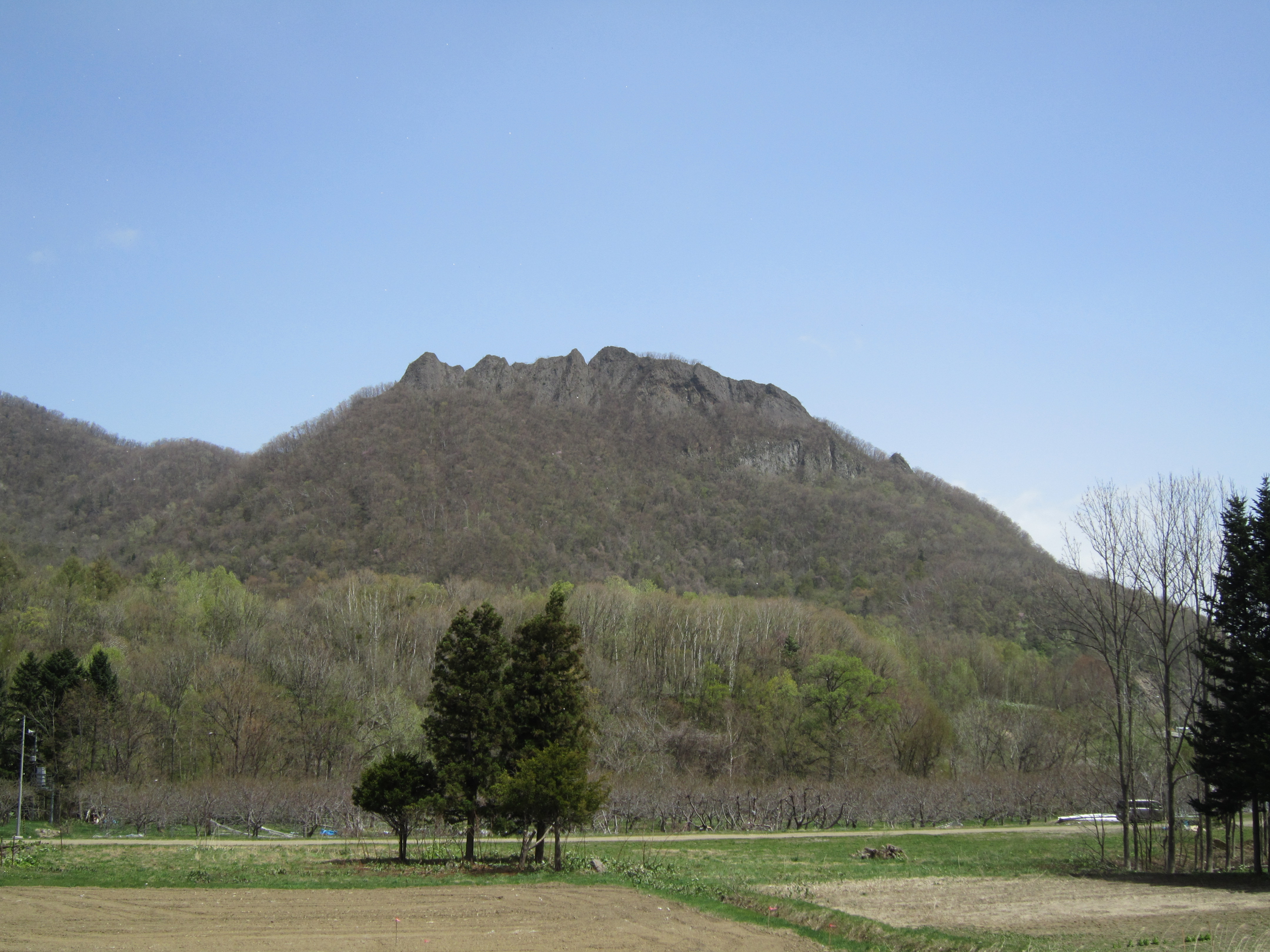
2. Simple Worship of the Mountain Deity — Enshrining Oyamatsumi-no-kami, with the Mountain Deity Stone Monument in the precincts. Located at the foot of Mount Hakkenzan (Mount Kannon-iwa), this shrine still conveys the faith of those who live with Hokkaido’s mountains.
3. Quietness from Few Tourists — A guardian shrine that barely appears in tourist guides, known mainly to locals. For those who want to quietly worship, or touch Hokkaido’s hidden local culture, time here cannot be found at commercialized shrines.
That said, this article does not assert specific blessings like “matchmaking,” “health,” “warding off misfortune,” or “miraculous water” as official information. What we can confirm is: a local guardian shrine founded in 1908, enshrining Amaterasu and Oyamatsumi—nothing more, nothing less.
Best Times to Visit
Annual Events
| Date | Event | Details |
|——|——-|———|
| September 12 | Annual Festival | The largest documented event of the year |
※The festival’s public scope, attendance availability, and specific 2026 schedule are not officially documented. Please confirm before visiting.
Seasonal Atmosphere
| Season | Atmosphere | Cautions |
|——–|———–|———-|
| Spring (Apr–May) | Snowmelt, fresh greenery, area cherry blossoms | Cold mornings/evenings |
| Summer (Jun–Aug) | Greenery, cool mountain climate | Insect repellent |
| Autumn (Sep–Oct) | Annual Festival (Sep 12), foliage | Cold mornings/evenings |
| Winter (Dec–Mar) | Snow-covered torii (as in Wikimedia image) | Maximum caution for ice/snow (see below) |
The official site does not document peak times for cherry blossoms or autumn foliage. Use general Sapporo Minami-ku foliage timing (mid–late October) as a reference.
Best Times of Day
Since official visiting hours are not documented, we recommend a sensible daytime visit (around 9 AM–4 PM). No official information exists on early-morning or nighttime access, lighting, or management. Avoid early-morning or nighttime visits, especially in winter.
Visiting Guide: Goshuin Received at Toyohira Shrine
The most important note for visiting Toyotaki Shrine is that goshuin are not issued at Toyotaki Shrine itself but at Toyohira Shrine (per Hokkaido Shrine Office).
| Goshuin Info | Details |
|————-|———|
| Reception location | Toyohira Shrine (4-13-1-18 Toyohira, Toyohira-ku, Sapporo) |
| Hours | 9:00–17:00 (per Toyohira Shrine official) |
| Phone | 011-811-1049 (Toyohira Shrine) |
| Fee | Toyotaki Shrine’s goshuin fee is not officially documented—contact Toyohira Shrine in advance |
Goshuin issuance at Toyotaki Shrine’s actual site is not confirmed. The flow is to visit Toyotaki Shrine first, then receive the goshuin at Toyohira Shrine. Since travel between the two requires bus and subway transfers, goshuin collectors should plan a full-day course.
Basic Information & Access
Basic Information (as of May 2026)
| Item | Details |
|——|———|
| Official name | Toyotaki Shrine (豊滝神社, Toyotaki-jinja) |
| Former name | Takinosawa Shrine (renamed 1996) |
| Address | 501-2 Toyotaki, Minami-ku, Sapporo, Hokkaido 061-2273 |
| Enshrined deities | Amaterasu-omikami, Oyamatsumi-no-kami |
| Architectural style | Shinmei-zukuri |
| Precinct area | 443.51 tsubo (1,466.15 m²) |
| Annual festival | September 12 |
| Visiting hours | Not officially documented (sensible daytime visits recommended) |
| Goshuin | Issued at Toyohira Shrine (011-811-1049, 9:00–17:00) |
| Parking | Not officially documented |
Access
Public Transportation (Jotetsu Bus)
- From in front of Sapporo Station (Bus Stop 26) or from Makomanai Station on the Subway Namboku Line, take Jotetsu Bus and disembark at Toyotaki Elementary School (豊滝小学校前)
- From the bus stop to Toyotaki Shrine is ~10 minutes on foot (per Hokkaido Shrine Office)
- Jotetsu Bus updated its schedule on April 1, 2026 (confirm latest schedule shortly before visiting)
- Routes: Makomanai Station → Fujino/Toyotaki direction / Sapporo Station Bus Stop 26 → Toyotaki direction (express services available)
By Car
- Along National Route 230 (from Sapporo toward Jozankei/Nakayama Pass) in the Toyotaki area
- ~30–40 minutes by car from Sapporo city center via Route 230 (general estimate, not official)
- Parking availability and capacity are not officially documented—confirmation in advance recommended
From New Chitose Airport
- Official travel time information is unverified. You’ll need to transfer between buses or trains via Sapporo.
Area Information & Model Itineraries
Major Nearby Attractions
| Spot | Details |
|——|———|
| Hakkenzan Orchard | 126 Toyama, Minami-ku, Sapporo. Fruit picking, fishing pond, craft experiences, Genghis Khan/BBQ, direct sales (per Jozankei Tourism Association) |
| Hakkenzan Area | Horseback riding facilities, campsites, Mt. Hakkenzan trailhead (per Jozankei Tourism Association) |
| Jozankei Onsen | Connected to Toyotaki via Jotetsu Bus. Day-trip onsen and overnight stays |
| Hoheikyo Onsen | Same as above, hot spring resort surrounded by nature |
| Toyotaki Ryujin Water | 1173 Toyotaki, Minami-ku. Separate facility from Toyotaki Shrine—known for spring water |
Model Plan (Half-Day Course, Orchard Season)
| Time | Activity |
|——|———-|
| 9:00 | Depart from Sapporo Station Bus Terminal (Jotetsu Bus) |
| 10:00 | Arrive at Toyotaki Elementary School, walk 10 min to Toyotaki Shrine |
| 11:00 | Bus to Hakkenzan Orchard (fruit picking, local cuisine) |
| 13:30 | Bus to Jozankei Onsen |
| 14:00 | Day-trip onsen in Jozankei |
| 16:00 | Return to Sapporo |
Goshuin collectors should plan a separate Toyohira Shrine visit, or stop by Toyohira Shrine on the return.
Visitor Segment Guides
For Photographers
Photo spots:
- Torii and main hall — different faces in each season: snow (winter), greenery (spring/summer), foliage (autumn)
- Mountain Deity Stone Monument — historical monument erected September 7, 1908
- Mountain views from the precincts — Mount Hakkenzan (Kannon-iwa)
Tripod use and commercial photography rules are not officially documented. Follow general worship etiquette and avoid obstructing other visitors.
For Goshuin Collectors
Most important: Goshuin are not received at Toyotaki Shrine’s site. They are received at Toyohira Shrine (4-13-1-18 Toyohira, Toyohira-ku, Sapporo; 011-811-1049; 9:00–17:00).
The fee, same-day issuance availability (possibility of inventory issues), and hand-written vs. pre-written options vary. We recommend contacting Toyohira Shrine in advance.
For Families with Children
No official information exists on safety features, restrooms, or rest facilities in the Toyotaki Shrine precincts. The nearby Hakkenzan Orchard is documented on the Jozankei Tourism Association page as “children may participate,” so families can combine shrine visits with orchard activities.
For Early-Morning/Nighttime Visitors
No official information exists on visiting hours, on-site lighting, or management. Early-morning and nighttime visits are not recommended. Plan around typical daytime hours (9 AM–4 PM).
For Wheelchair/Stroller Users
Information on pavement, steps, parking, restrooms, and barrier-free facilities along the approach is unverified. Accessibility cannot be confirmed, so we recommend confirming conditions before visiting.
For International Visitors
Toyotaki Shrine’s official English page, on-site English signage, and English support are unverified. Based on Hokkaido Shrine Office’s Japanese information, please bring a Japanese-speaking companion or translation app if local guidance is needed.
Cautions & Safety Information
Most Important: Brown Bear Sightings (Sapporo Minami-ku)
Sapporo City’s 2026 Brown Bear Sighting Report lists the following recent sightings:
- May 17, 2026: Brown bear sighted in Koganeyu, Minami-ku
- May 22, 2026: Brown bear or bear-like animal sighted in Jozankei, Minami-ku
While these sightings are not within Toyotaki Shrine’s precincts, they confirm that brown bears are active throughout the Minami-ku mountain area. When visiting Toyotaki Shrine, especially avoid solo travel in early morning or late afternoon, and carry noise-makers (bells, radio). We strongly recommend checking Sapporo City’s official site (city.sapporo.jp) for the latest sighting information shortly before your visit.
Winter Snow and Ice
The Toyotaki area is in the mountainous Sapporo Minami-ku region, with regular snow accumulation and ice from December onward. Snow clearance and surface conditions on the grounds are not officially documented, so for winter visits, prepare anti-slip winter boots or spike attachments.
Jotetsu Bus Operating Status
Bus suspensions or delays may occur during winter or severe weather. Confirm operating status on the Jotetsu Bus official site (jotetsu.co.jp) on the day of visit.
Avoid Confusion with “Toyotaki Ryujin Water”
In the same Toyotaki area, at a separate address (1173 Toyotaki, Minami-ku, Sapporo), there is a spring-water facility called Toyotaki Ryujin Water (Dragon Deity Water). This is an independent facility separate from Toyotaki Shrine and not part of the shrine’s precincts. Confirm addresses and facility names if visiting both.
Nighttime Safety
No official information exists on lighting, management presence, or security. Nighttime visits are not recommended.
Summary
Toyotaki Shrine is a small local guardian shrine in the Toyotaki area of Sapporo’s Minami-ku, founded in September 1908 (Meiji 41). It lacks the flashy appeal of commercialized major shrines, but as a living witness to Hokkaido’s pioneering history, this shrine has continued to enshrine the mountain deity (Oyamatsumi-no-kami) and Amaterasu-omikami—a place loved by locals.
From the former name “Takinosawa Shrine” through the 1996 relocation and renaming; the Mountain Deity Stone Monument; the prayers of pioneer farmers since 1908—rather than a flashy tourist experience, Toyotaki Shrine answers those seeking quiet time to face Hokkaido’s local history.
Keep in mind that goshuin are received at Toyohira Shrine, check the latest brown bear sighting information, and prepare for winter ice and snow—with these precautions, visit the guardian shrine of the Toyotaki mountain village. The “real Hokkaido” that doesn’t appear in tourist guides awaits you here.
—
We hope this article helps you make the most of your visit to Toyotaki Shrine.
*Information in this article is current as of May 2026. Festival details, goshuin fees, bus schedules, brown bear sighting reports, and winter snow conditions change frequently. Before visiting, please confirm the latest information with the Hokkaido Shrine Office, Sapporo City official site (city.sapporo.jp), Toyohira Shrine (011-811-1049), and Jotetsu Bus official site.*
あなたに最適なパワースポットを知りたい方へ