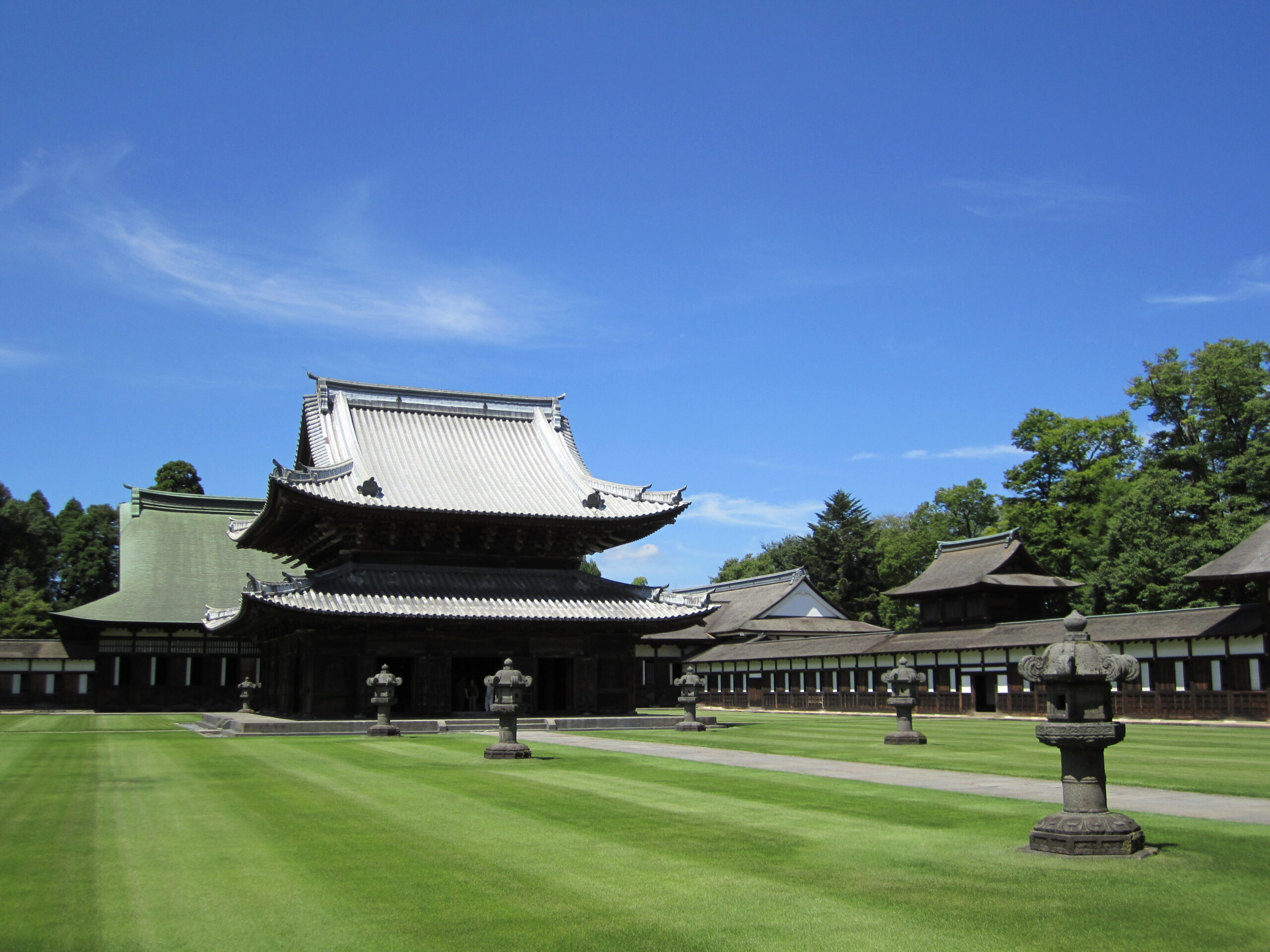
A 10-minute walk from Takaoka Station and 15-20 minutes from the Hokuriku Shinkansen’s Shin-Takaoka Station, hidden in the heart of a quiet provincial city, stands one of Japan’s finest examples of early-Edo Zen architecture: Kozan Zuiryuji. Its Sanmon (mountain gate), Butsuden (Buddha hall), and Hatto (lecture hall) are all designated National Treasures; the Sōmon, Zendo, Daikuri (great kitchen), Daichado, and connecting Kairo (corridor) are Important Cultural Properties. It is the mortuary temple of the Maeda clan, lords of the powerful Kaga Domain that once held 1.2 million koku of rice.
This guide gathers the practical information you need to actually plan a visit that goes well: the best route from Kanazawa via Shin-Takaoka, the unique lead-tile roof and its 47-ton mystery, the Usuusama Myō-ō (Buddhist guardian of toilets) housed in the Hatto, the April-May 2026 night illumination “Kosairikuri”, and the seasonal best times to see snow-covered cloisters or spring cherry blossoms. All sourced from Zuiryuji’s official site, Takaoka City Tourism Navi, Toyama Tourism Federation, and the Agency for Cultural Affairs database.
What Makes This Spot Special
The Pinnacle of Early-Edo Zen Architecture
Zuiryuji is a Sōtō Zen Buddhist temple. It was built by the third Kaga Domain lord, Maeda Toshitsune, to honor the soul of his predecessor and brother Maeda Toshinaga. Construction began in the Shōhō era (1644-) and reached completion in 1663 (Kanbun 3), the year of Toshinaga’s 50th memorial—about 20 years of continuous building. The founding abbot was Kōzan Joyō Zenji.
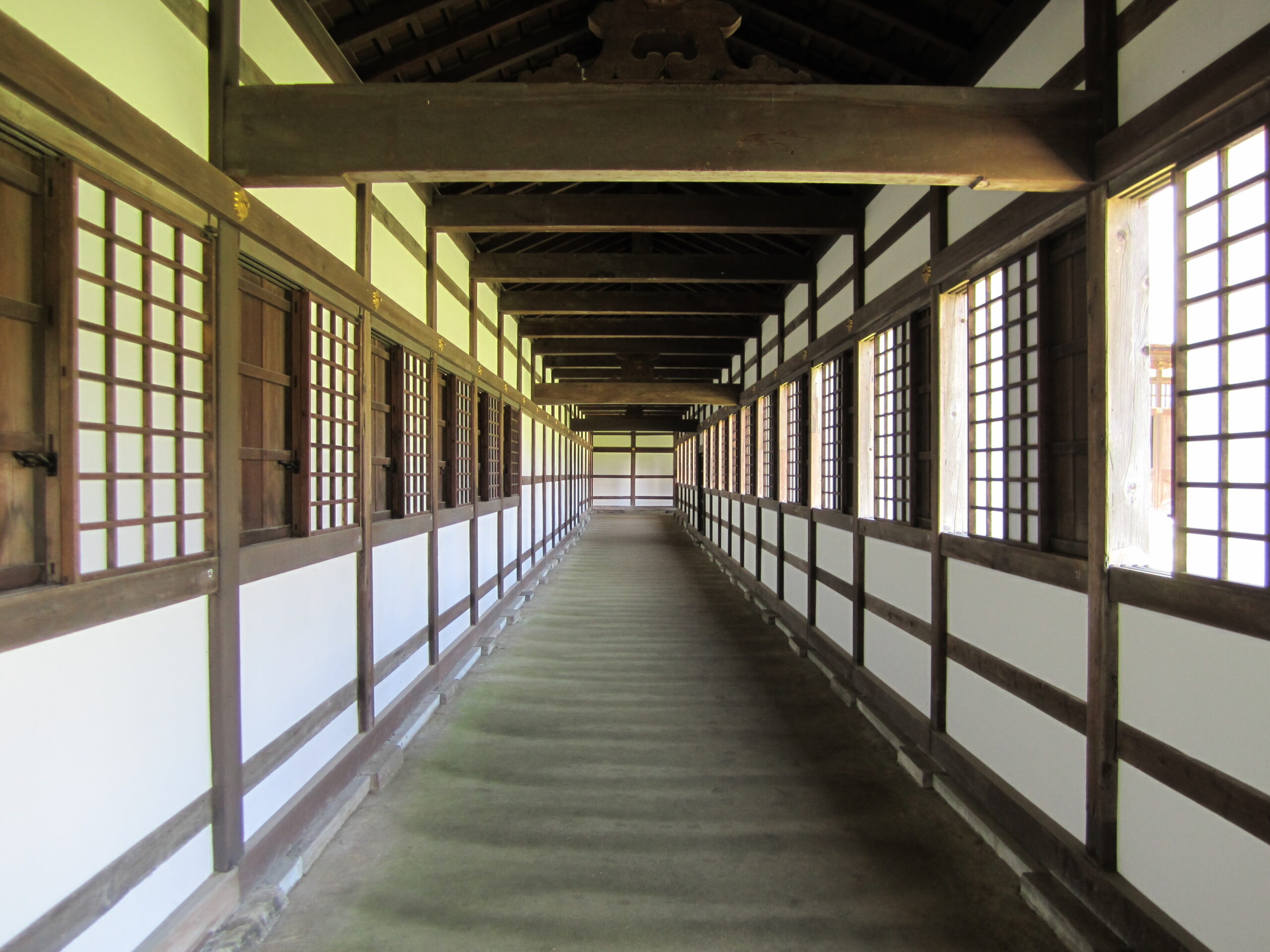
The temple’s defining feature is its seven-hall garan (伽藍) layout: the Sanmon, Butsuden, and Hatto stand in perfect alignment along a central axis, with the Zendo and Daikuri mirrored symmetrically on either side. Long wooden corridors (kairo) connect everything into a single cosmic diagram. Few other Zen temples in Japan have preserved such complete bilateral symmetry from the early Edo period, and in December 1997 the three central halls were designated National Treasures.
| The 3 National Treasures | What to look for |
|———|——|
| Sanmon (Mountain Gate) | An 18-meter-tall two-story gate. Niō guardian statues at the entrance; Shaka Nyorai and the Sixteen Arhats housed in the upper level |
| Butsuden (Buddha Hall) | Lead-tile roof, all-keyaki (zelkova) construction. Enshrines the Shakyamuni Triad (Shaka Nyorai with Manjusri and Samantabhadra) |
| Hatto (Lecture Hall) | The largest building, in shoin-zukuri style. Houses Maeda Toshinaga’s mortuary tablet and ceiling paintings of the four seasons by Kano Yasunobu |
The Mystery of the Lead-Tile Roof
The Butsuden’s roof is covered in lead tiles (namari-gawara)—a material almost unique in Japan. The total weight is said to be about 47 tons, which could theoretically be melted down into 2.5 million matchlock bullets. Historians offer competing theories: that it was designed to serve as a weapons reserve in place of the demolished Takaoka Castle, that the lead-price crash of the Shōhō era made the material affordable, or simply that lead was practical for snow country. Whatever the reason, it stands as a monument to the Maeda clan’s wealth and military engineering.
Experiencing 1.2 Million Koku of Power
The Butsuden’s wooden columns are said to come from 600-year-old zelkova trees from the Noto Peninsula—evidence that the Maeda clan sourced the best timber from across its domain. Because Kanazawa absorbs most of the Hokuriku tourist traffic, Zuiryuji receives far fewer visitors than its national-treasure status warrants. The result, for those who do come, is something almost impossible to find in Kyoto or Nara: the chance to walk a National Treasure temple in near solitude.
Spiritual Significance
Usuusama Myō-ō: The “Toilet Deity”
Zuiryuji’s most distinctive feature is the Usuusama Myō-ō enshrined in the Hatto. In Buddhist tradition this is the guardian of the *tōsu* (Zen temple toilet)—the deity who purifies the most impure of places. The original tōsu burned down approximately 250 years ago, so the deity now resides in the Hatto. It is a Toyama Prefecture Important Cultural Property.
The official Zuiryuji site describes the deity’s blessings as “purifying all impurity”, supporting “healing from illness, safe childbirth, prosperity of descendants, and family fortune”. Cleansing the toilet—purifying daily impurity—has long been associated with health and household prosperity, and pilgrims travel from across Japan to receive the deity’s blessing.
| Offering | Price | Notes |
|——–|——|——|
| Usuusama Myō-ō paper amulet (o-fuda) | ¥800 | To affix in the toilet or entryway |
| Kutabe paper amulet | ¥500 | Charm featuring “Kutabe,” a Toyama prophecy yokai |
| Usuusama o-mamori | ¥800 | Personal amulet against illness and misfortune |
| Goshuin (stamps): Main Deity / Ususama / Idaten | ¥500 each | Direct calligraphy when available; paper versions otherwise |
| Color goshuin | ¥1,000 | Paper-applied design |
| Cut-paper goshuin (Ususama / Dragon) | ¥1,500 / ¥1,000 | Limited intricate designs |
※ Prices were revised on December 1, 2025. Older reviews and articles may quote outdated figures.
The Maeda and Oda Stone Mausoleums
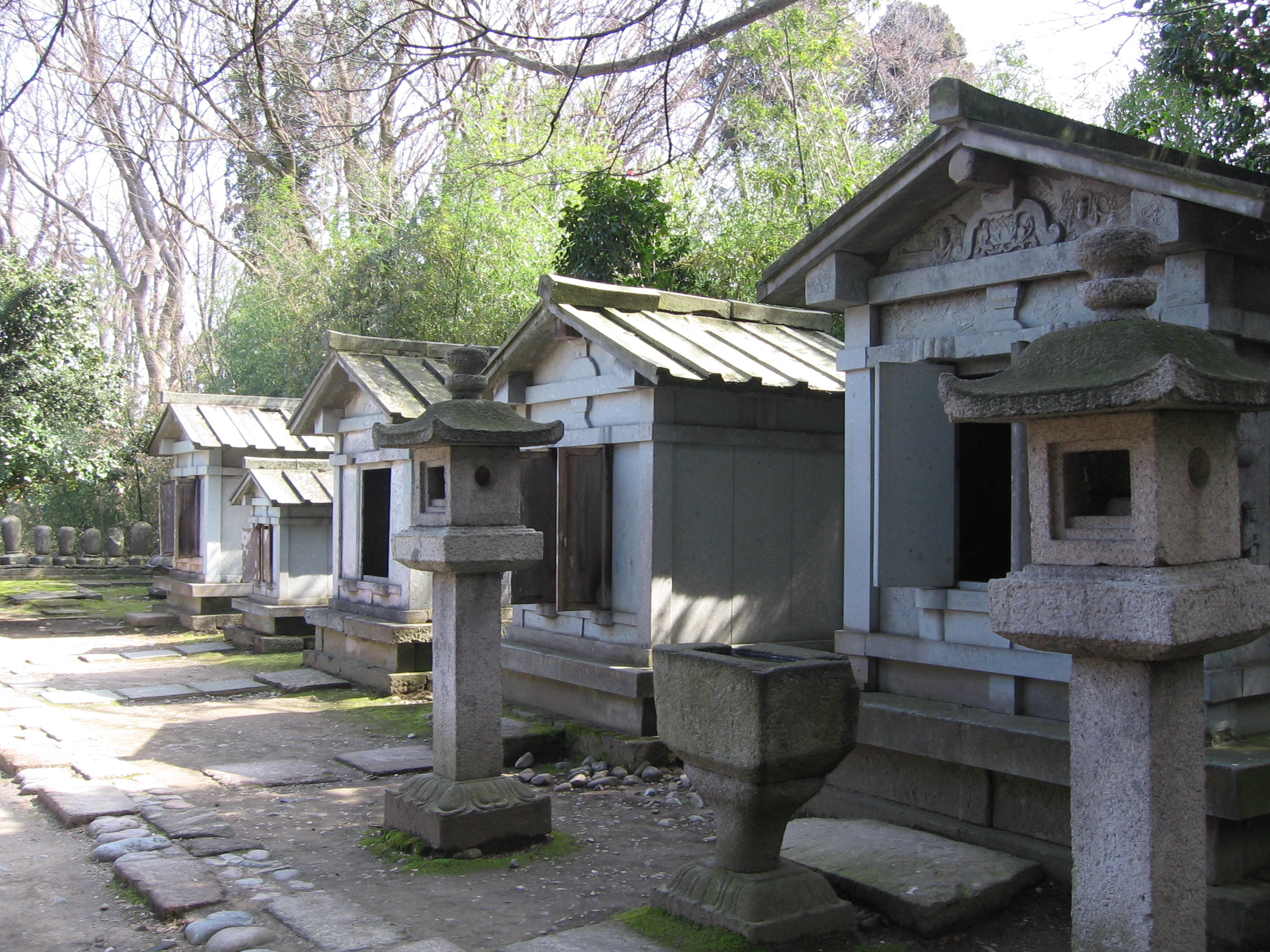
Within the precinct stand five stone mausoleums (sekibyō). From right to left: Maeda Toshinaga, Maeda Toshiie, Oda Nobunaga, Shōkakuin (Nobunaga’s concubine), and Oda Nobutada. Few sites in Japan enshrine the lineages of both the Kaga Domain and the Oda clan side by side. Maeda Toshiie served Oda Nobunaga as a young warrior, and that historical bond is etched in stone here.
Sunday Morning Zazen
Zuiryuji holds free early-morning zazen (seated meditation) every Sunday from 5:15 to 6:10 a.m.. Doors open 15 minutes before. Beginners are welcome, though phoning ahead (0766-22-0179) the day before is recommended. The session is conducted in Japanese, but the practice itself transcends language.
Best Time to Visit
| Season | Highlights | Recommendation |
|——|——|——–|
| Early April | Cherry blossoms (Takaoka city average) | ★★★★ |
| April 22 – May 5, 2026 | Spring Night Illumination “Kosairikuri” | ★★★★★ |
| May – June | Fresh green, very few tourists | ★★★★ |
| Early-mid November | Autumn colors (typical timing; varies by year) | ★★★★ |
| December – February | Snow-covered halls, lead tiles muted under white | ★★★★ |
Spring 2026 Night Illumination “Kosairikuri”
Dates: April 22 (Wed) – May 5 (Tue, holiday), 2026
Hours: 18:00-21:00 (last entry 20:45). April 22 only: 19:00-21:00
Admission: Adults ¥1,000, junior-high age and younger free
Content: Light installations along the cloister and large traditional *andon* lanterns. The Hatto is open for prayer at Toshinaga’s mortuary tablet and the Usuusama Myō-ō
Important rules:
- No parking near the venue. Use public transport or paid parking near Takaoka Station
- No shuttle bus
- Pets not permitted; drones not permitted
- Tripods and selfie sticks must not disturb other visitors
Crowd Patterns
- 9:00 a.m. (opening): Few visitors. Best for photography and undisturbed exploration of the cloisters
- 10:30 – 14:00: Tour groups and school trips arrive
- 15:30 onward: Quieter again (note: winter closing at 16:00)
From December 10 to January 31 the temple closes at 16:00. Watch for icy paths in winter.
Visit Guide (Recommended Route & Time)
Standard time required: 45-60 minutes. Allow 90 minutes if you want to study the architecture in detail.
“`
Sōmon (Important Cultural Property) — entry gate
↓
Sanmon (National Treasure) — admire the Niō guardian statues and Sixteen Arhats
↓
Butsuden (National Treasure) — offer prayer to the Shaka Triad, study the keyaki columns and lead-tile roof
↓
Hatto (National Treasure) — pay respect at Toshinaga’s tablet, pray to Usuusama Myō-ō for purification
↓
Cloister — visit the Zendo and Daikuri (Important Cultural Properties)
↓
Stone Mausoleums — Maeda and Oda clan history in stone
↓
Goshuin / amulet counter
“`
Footwear: Butsuden, Hatto, cloister, and Zendo are shoe-free interiors. Wear shoes that slip on and off easily.
Essential Information
| Item | Details |
|——|——|
| Official Name | Kozan Zuiryuji (高岡山瑞龍寺) |
| Sect | Sōtō Zen Buddhism |
| Main Deity | Shakyamuni Buddha |
| Address | 35 Sekimoto-machi, Takaoka City, Toyama Prefecture |
| Admission | Adults ¥500 / Junior-Senior high ¥200 / Elementary ¥100. Group (30+) discounts apply |
| Hours | 9:00 – 16:30 (Dec 10 – Jan 31: closes at 16:00). Last entry 30 min before closing |
| Closed | No regular closing days (call ahead for events, repairs, or winter conditions) |
| Phone | 0766-22-0179 |
| Official Site | https://www.zuiryuji.jp/ (Japanese; English page available) |
| Parking | Free (approx. 100 cars, 13 buses) |
How to Get There
By Public Transport (Recommended)
| From | Route | Time |
|——–|——–|———-|
| Takaoka Station | South exit, walk | 10-15 min (850m) |
| Shin-Takaoka Station (Hokuriku Shinkansen) | Walk | 15-20 min (1.2 km) |
| Toyama Station | Ainokaze Toyama Railway to Takaoka, walk | 35-45 min |
| Kanazawa Station | Shinkansen “Tsurugi” to Shin-Takaoka (~13 min), walk | ~35 min total |
| Kaetsunō Bus | Takaoka Sta. south exit → “Zuiryuji-guchi” (¥200), 5-min walk | ~10 min |
For international travelers: The Hokuriku Shinkansen’s fastest “Kagayaki” service does not stop at Shin-Takaoka. From Tokyo, change to “Hakutaka” or “Tsurugi” at Toyama or Kanazawa. The smoothest route is to use Kanazawa as your base and take the “Tsurugi” to Shin-Takaoka—a ~13-minute hop that pairs perfectly with a Kenroku-en / Higashi-Chaya morning in Kanazawa.
By Car
- Hokuriku Expressway, Takaoka IC (Noetsu Expwy): ~10 min
- Hokuriku Expressway, Kosugi IC: ~15 min
- Hokuriku Expressway, Tonami IC: ~25 min
Free parking is generous. Note: the Spring Illumination period has no parking near the venue.
Suggested Itineraries
Half-Day: Zuiryuji + Hatchō-michi + Toshinaga’s Tomb
“`
9:00 Arrive at opening — explore the cloisters in silence
10:30 Receive goshuin
11:00 Walk Hatchō-michi (an 870-meter stone-lantern path)
11:20 Maeda Toshinaga’s mausoleum (free, open access) — check access in advance; some areas restricted after the 2024 Noto earthquake
12:00 Lunch near Takaoka Station (try Takaoka korokke, local Chūka soba, or Toyama’s masu-zushi)
“`
Full Day: Inside Takaoka
Combine the morning at Zuiryuji and the tomb with afternoon visits to the Great Buddha of Takaoka (within walking distance—sometimes counted among Japan’s “three great Buddhas”), Yamacho-suji (Edo-era warehouse townscape), Kanaya-machi (the metalwork artisans’ lattice-windowed quarter), and Kojo-koen (Takaoka Castle ruins park). The Takaoka Machinaka Free Pass (¥500) covers all local transit for the day.
A Double-National-Treasure Day (New for 2026)
In 2022, Takaoka City’s other major temple, National Treasure Shōkō-ji (Fushiki area, ~20 min by car) was also designated a National Treasure. Visitors can now experience two National Treasure Buddhist complexes in a single day, all within Takaoka City.
Visitor Voices
Selected feedback from real reviews, capturing varied perspectives:
> “You can feel the wealth of the 1.2-million-koku Kaga Domain in this temple. If you come to Takaoka, you absolutely must visit.”
> — Tripadvisor review (Osaka City, July 2024)
> “Magnificent. The Zen architecture, the Chinese influence—worth the detour.”
> — Tripadvisor review (Tokyo, March 2020)
> “I was overwhelmed by Toyama’s National Treasure.”
> — 4travel review
Recurring themes are the scale of the architecture, the absence of crowds, and the surprise of finding a National Treasure in a city most travelers skip. Some visitors report partial closures during ongoing restoration work, and others note that navigating from Takaoka Station can be confusing the first time. Checking the official website for current construction notices is recommended.
Frequently Asked Questions
Q. Is photography allowed?
A. Photography is generally permitted in the precinct, but follow on-site signage for shrines housing Buddhist statues and for tripod or selfie-stick use. During the Spring Illumination, drones are prohibited and tripods/selfie sticks must not disturb other visitors.
Q. Can I receive goshuin written by hand?
A. Three core goshuin are offered (Main Deity / Usuusama / Idaten). The color and cut-paper versions are paper-applied. Mail-order is available for those who cannot visit. If direct calligraphy matters to you, ask at the counter on arrival.
Q. Can I bring my pet?
A. Pets are explicitly prohibited during the Spring Illumination. Regular visit pet policy is not posted online—call 0766-22-0179 ahead to confirm. Service animals are typically permitted.
Q. Is the site wheelchair or stroller accessible?
A. The Butsuden, Hatto, and connecting cloisters require removing shoes to enter wooden interiors with thresholds and steps. Outer pathways are mostly flat. Contact the temple in advance to discuss accessibility needs.
Q. How long should I plan to stay?
A. 45-60 minutes is standard; 90 minutes if you want to study the architecture closely. Add 15-30 minutes for goshuin or amulets.
Q. Is English signage available?
A. The official website has an English page, and key interpretive signs include English. For a deeper understanding of the architecture and history, downloading a translation app or reading this guide beforehand will significantly enhance your visit.
Q. Can I try sutra copying (shakyō)?
A. Regular shakyō sessions are not listed on the official site. Sunday morning zazen is free and open to beginners. For sutra copying, contact the temple directly.
Final Thoughts
Kozan Zuiryuji is one of Japan’s most complete examples of early-Edo Zen architecture, preserved in nearly perfect bilateral symmetry. It is the National Treasure that the major tourist guides forget to mention.
Because Kanazawa absorbs most of the regional tourism, Zuiryuji offers something rare in modern Japan: a National Treasure you can walk in silence. Pray to the Toilet Deity, pay respect at the Maeda and Oda stone mausoleums, and let the wooden cloisters shelter you from rain or snow as you trace a 360-year-old central axis. The 45-60 minutes you spend here will likely be the most concentrated experience of your Hokuriku trip.
With Shin-Takaoka Station (Hokuriku Shinkansen) and Takaoka Station both within walking distance, Zuiryuji is one of the most accessible National Treasures in Japan. Slot it into a Kanazawa day trip, use it as the anchor of a Toyama exploration, or plan a visit around the spring “Kosairikuri” night illumination—every configuration works.
—
We hope this guide helps you plan a meaningful visit to Zuiryuji.
※ This article is current as of May 2026. Admission, hours, and prices were revised on December 1, 2025; please confirm the latest information on the official website (https://www.zuiryuji.jp/) before your visit.
あなたに最適なパワースポットを知りたい方へ