“Which part of Yatsugatake is the ‘power spot’?” “Do I have to climb a mountain to get there?” “Can I enjoy it with a wheelchair or with kids?” If that’s what brought you here, read on.
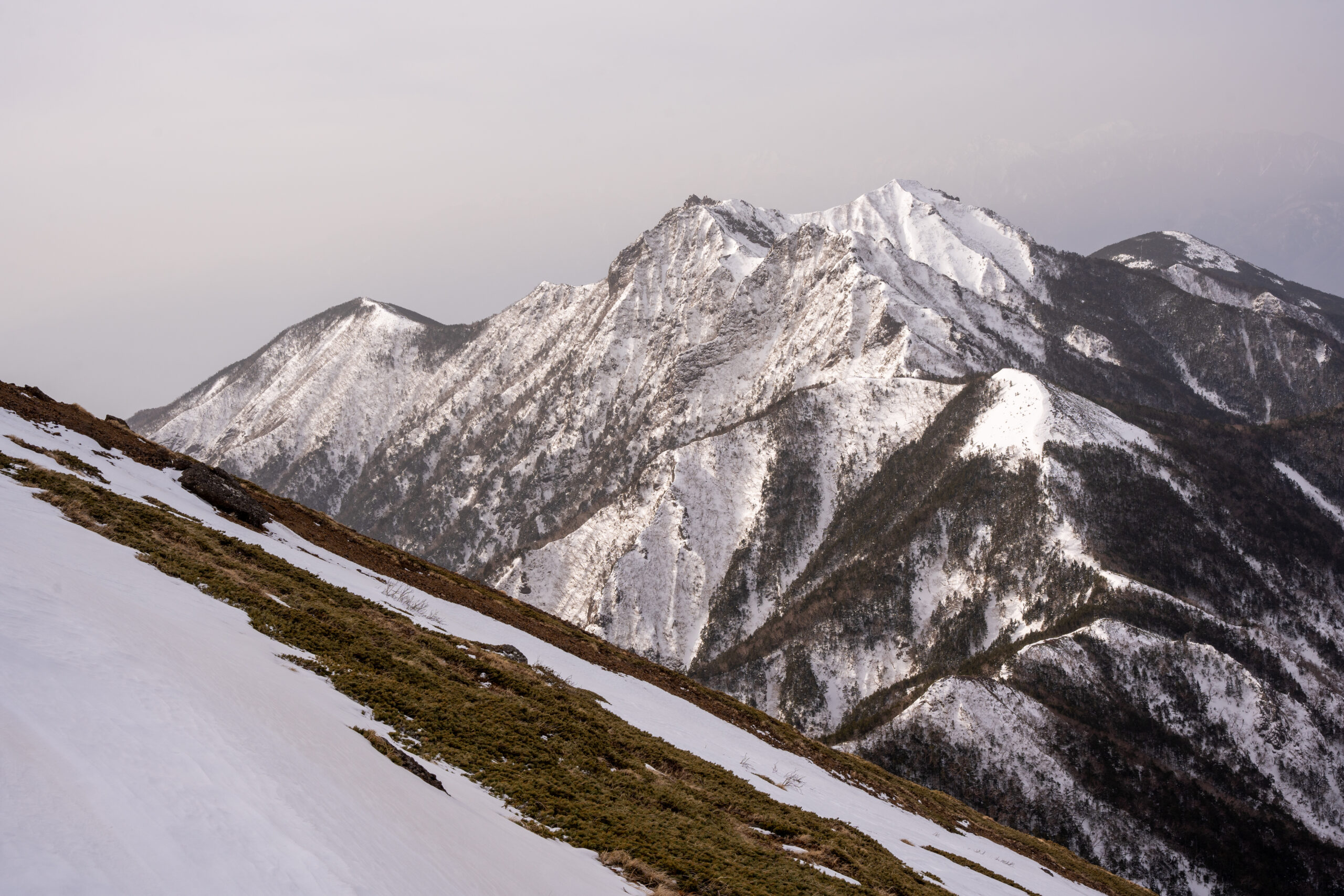
In short, Yatsugatake (八ヶ岳) is not a single shrine or temple. It is a volcanic mountain range straddling Nagano and Yamanashi Prefectures that has been revered as a sacred mountain — a natural power spot — since ancient times. Its highest peak is Mt. Akadake (2,899 m). And on the Nagano side, the single best place to feel Yatsugatake’s “energy” without climbing is Shirakoma Pond (白駒の池) and the “moss forest” that surrounds it, resting quietly in a forest at about 2,100 m.
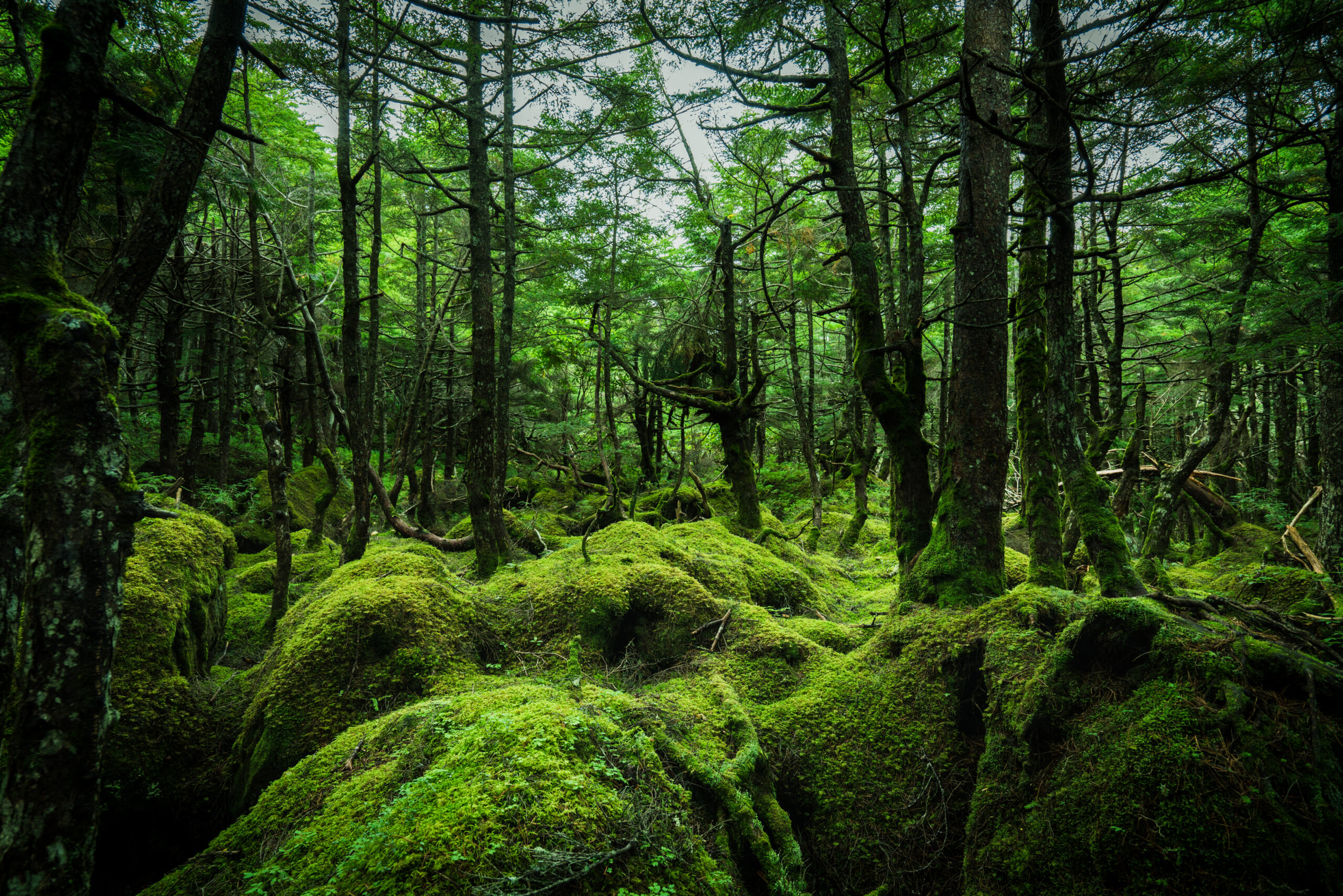
This is one of Japan’s great primeval forests, where countless mosses blanket the rocks and fallen trees. Step inside and the air changes, sound fades, and time seems to slow — “purified by the forest” is exactly the right phrase. Best of all, it’s only about a 15-minute walk along a boardwalk from the parking lot to the pond, no serious mountaineering required.
There are a few things to watch for, though: a winter road closure that comes with the 2,000-meter altitude, the slipperiness of the boardwalk in the moss forest, and terrain that is not suited to wheelchairs or strollers. This guide centers on Shirakoma Pond and the moss forest, but also covers the highlands of Hara Village and the waterside spots of Tateshina — laid out so you can clearly see “where exactly should I go.”
What Makes This Spot Special
The Mountain Itself as an Object of Faith
Yatsugatake is a vast range made up of peaks such as Akadake, Yokodake, Iodake, Tenguidake, and Tateshina. Its grand form has long been a focus of prayer as “mountains where gods dwell.” The Nagano side in particular lies within the sphere of Suwa belief — faith that gives thanks for hunting, farming, and the blessing of water — and because the rain and snow that fall on the mountains nourish the villages below, Yatsugatake has been cherished as a sacred mountain that gives rise to water sources.
Forests, lakes, and springs created by an enormous volcano over immense spans of time — to experience Yatsugatake as a power spot is not only about pressing your palms together before a particular hall, but about placing yourself within the very nature this mountain has nurtured.
A “Moss Forest” at 2,100 m — Shirakoma Pond
On the Nagano side, the easiest and most concentrated way to taste that sacred nature is Shirakoma Pond. Cradled in the primeval forest of North Yatsugatake, this natural lake about 1.4 km around is famous nationwide for the deep green moss forest along its shores. Beneath the firs and hemlocks, the rocks, the fallen logs, and the ground itself are blanketed in soft, plush moss — a scene like a “spirit forest” out of a storybook.
The richness of this moss forest is such that it has been selected by the Bryological Society of Japan as one of “Japan’s precious moss forests.” Damp air, the scent of earth and green, a silence that swallows your footsteps — engaging all five senses, this feeling of being “purified” is Shirakoma Pond’s greatest appeal.
Drifting Mist, Mirrored Water — a Forest That Changes Its Face
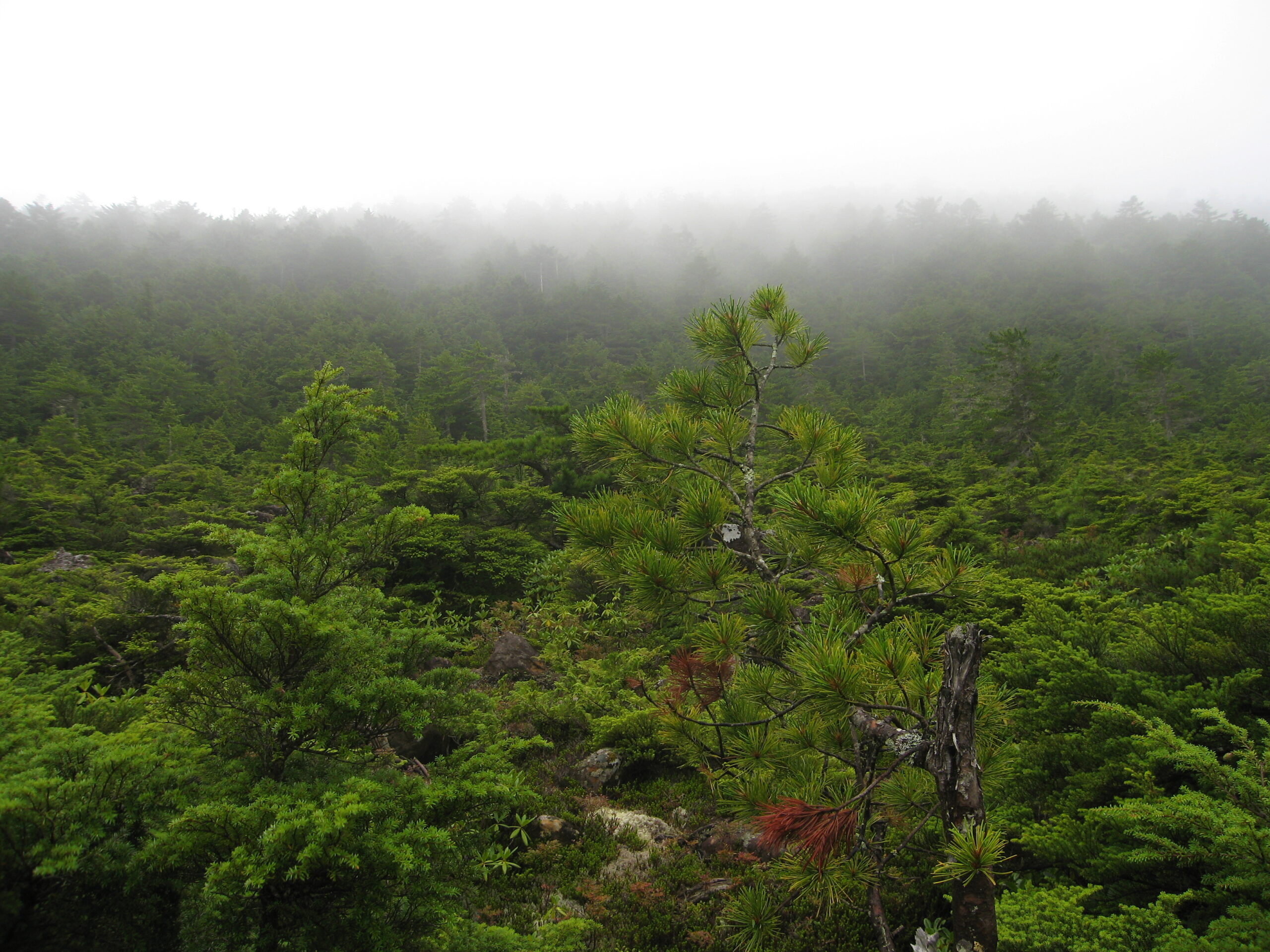
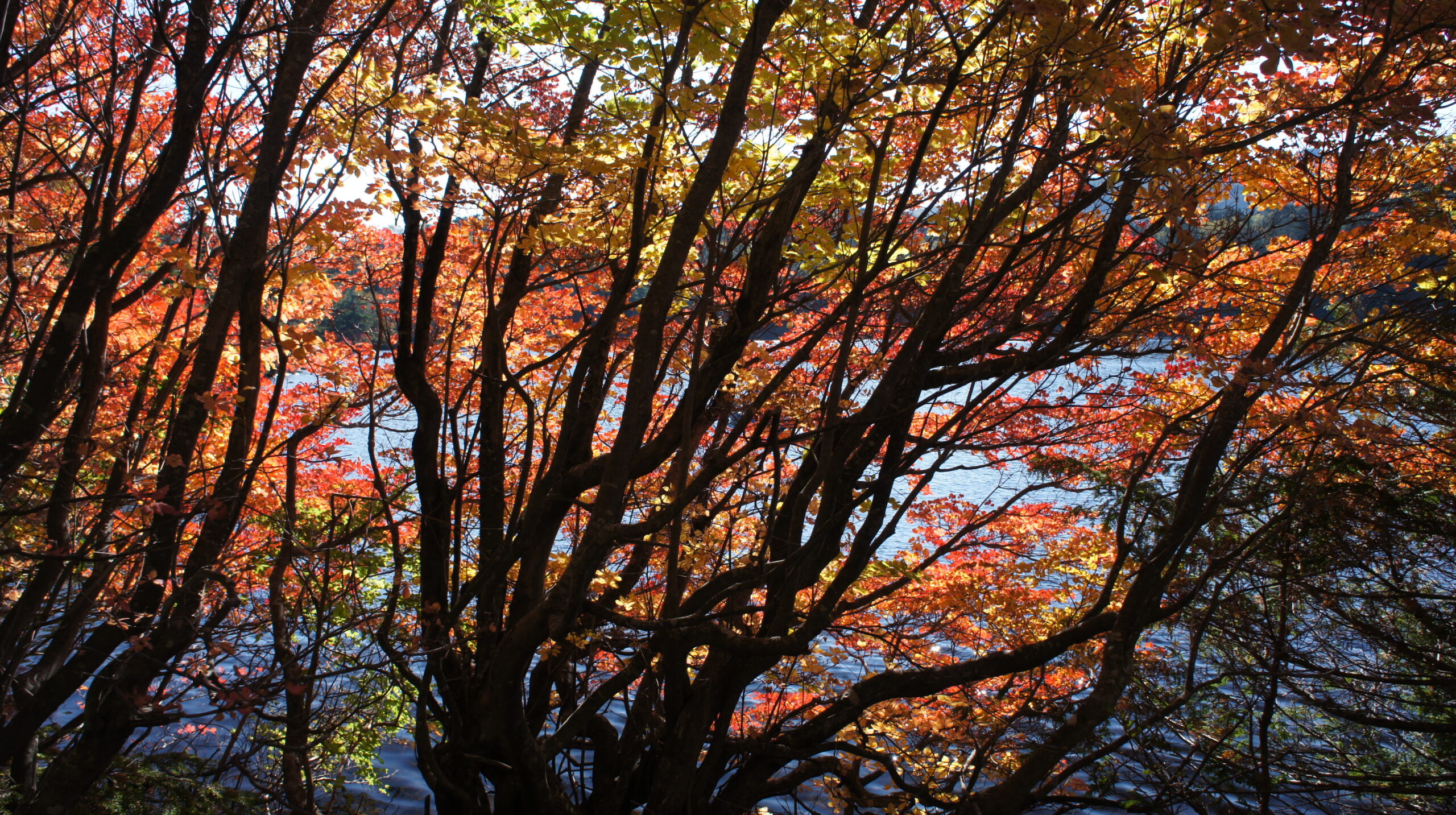
The forest of Shirakoma Pond transforms dramatically with the weather and the hour. On days after rain or under cloud, the moss glows at its most vivid, and when mist rolls in, the silhouettes of the conifers rise up like a dream. On a windless early morning, the pond’s surface can become a “water mirror,” reflecting forest and sky.
Here’s the interesting part: “a clear day is best” doesn’t hold. It’s precisely on misty or drizzly days that the moss forest comes into its own. So even if the weather looks a little less than perfect, don’t be discouraged — go anyway.
Blessings & What to Expect — “Purification” and “Renewal”
Because Yatsugatake is not a single shrine enshrining a particular deity, there is no formal “list of blessings.” Even so, drawing on the history of mountain and water-source worship, and on what visitors actually feel, the experiences this place offers are often described like this.
| What to expect | Background |
|—————-|————|
| Cleansing and resetting the mind | Stray thoughts quiet down amid the moss forest and clear air |
| Release from stress | The stillness and “forest bathing” of a 2,000-meter highland |
| Renewal, a fresh start | The energy of the “cycle of water and forest” born of a volcano |
| Health and vitality | Clean highland air and a gentle forest walk |
As water flows, circulates, and washes away stagnation, Yatsugatake’s sacred nature is said to suit those who want to pause, those who want to settle their hearts, and those who want to reset and take a new step forward. Rather than flashy blessings, this place resonates most deeply with people seeking to “face themselves within the silence.”
Access — the “Märchen Highway” Is the Key to Shirakoma Pond
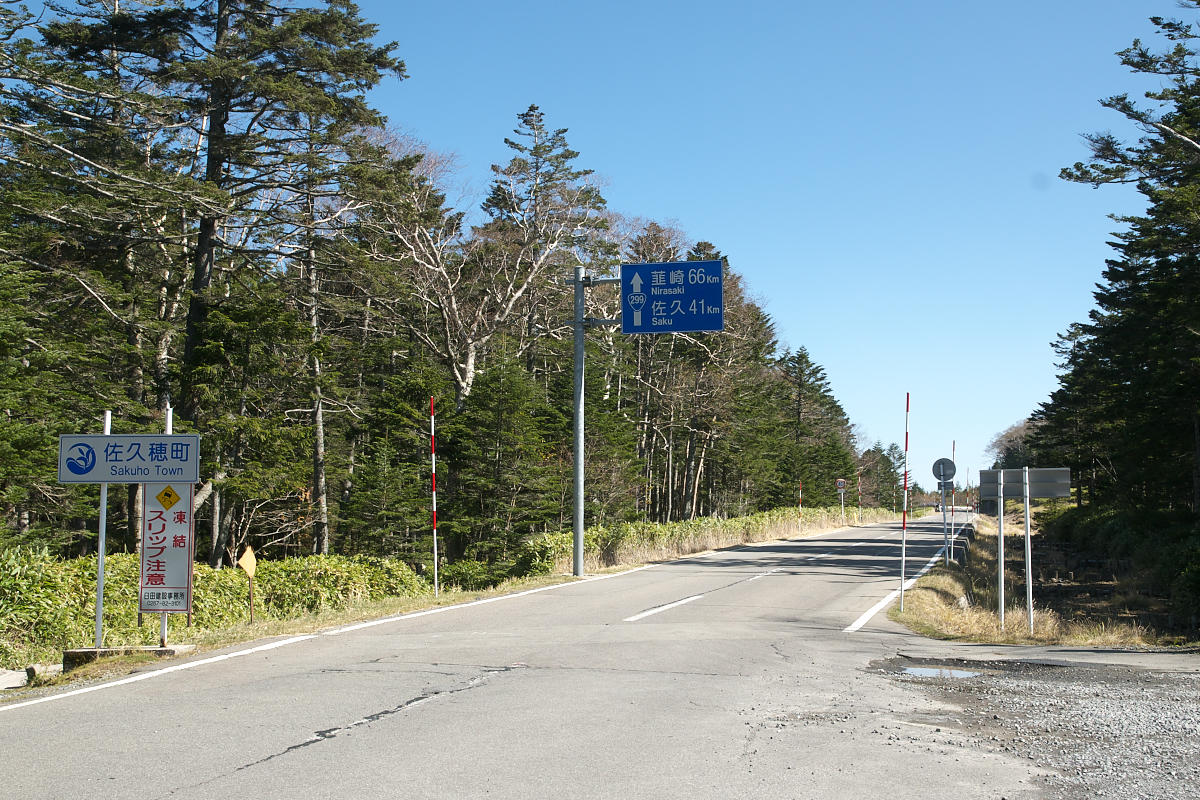
The gateway to Shirakoma Pond and the moss forest is the paid parking lot at the Shirakoma Pond entrance, along National Route 299 (the “Märchen Highway”), which crosses North Yatsugatake. From there, you walk a boardwalk to reach the lakeside.
By Car
| From | Route (guide) |
|——|—————|
| Suwa / Chino side | Chuo Expressway, Suwa IC → (Märchen Highway) → Shirakoma Pond entrance |
| Saku / Kanto side | Chubu-Odan Expressway, Yachiho-Kogen IC → (Märchen Highway) → Shirakoma Pond entrance |
The parking lot at the Shirakoma Pond entrance is paid. During the autumn-foliage season it often fills up by early morning on weekends, so in peak periods an early arrival is strongly recommended. Fees and operating periods change, so check the latest information with the Sakuho and Koumi tourism associations before you go.
By Public Transport
The nearest stations are Chino Station on the JR Chuo Main Line, or Sakudaira / Yachiho Stations on the JR Koumi Line. In some years a seasonal bus runs from these stations toward Mugikusa Pass and Shirakoma Pond. However, service is very limited and the operating period changes from year to year and season to season, so always confirm the latest timetable (Alpico Kotsu, Chikuma Bus, etc.) in advance. Without a car, combining a station with a taxi is a realistic option.
Beware the Winter Road Closure
Route 299 around Mugikusa Pass closes for winter (typically from around late November to late April, varying by year — confirm in advance). While it is closed, Shirakoma Pond is off-limits to general sightseeing; reaching it requires snow-mountain gear and real experience. To enjoy the Yatsugatake area in winter, plan around the facilities and hot springs of Hara Village and Tateshina, described below.
Best Time to Visit
| Season | Highlights / Notes |
|——–|——————–|
| June–August (early summer–summer) | The moss is at its most lush. It’s beautiful in the rainy season, but the boardwalk gets slippery. The highland is cool — ideal for escaping the heat |
| Late September–October (autumn) | The lakeside foliage peaks. The most popular and crowded season; mornings are cold, so dress warmly |
| Spring (May–early June) | The snow has melted and new greenery emerges. A late spring due to the altitude; mind the road-opening dates |
| Winter (late Nov–April) | Shirakoma Pond is closed to general visitors. Turn to the facilities and stargazing of Hara Village and Tateshina |
A timing tip: for the moss forest and the water mirror, early morning — fewer people, more likely mist — is best. Autumn photography also favors the morning, when the light is soft and the air tends to be still.
Guide by Visitor Type — “Where Should I Go?”
Yatsugatake is not “only for those who can climb.” The trick is to choose your destination to match your fitness and your companions.
For Light-Footed Sightseers & Beginner Hikers
The loop around Shirakoma Pond (about 40 minutes to an hour) and a walk through the moss forest are easily enjoyable even for beginners, as long as you have proper shoes and rain gear, because the boardwalks and trails are well maintained. But pushing on to Takamiishi, Futago Pond, or the summit of Mt. Tateshina is mountaineering territory. Don’t continue beyond in light clothing. If you keep it to “as far as the pond and the moss forest,” you can savor Yatsugatake’s sacred nature without strain.
For Wheelchair Users, Strollers & Those with Limited Mobility
To be honest: the boardwalk at Shirakoma Pond has steps and muddy patches and is not suited to wheelchairs or strollers. Don’t force it — head instead for these places:
- Yatsugatake Nature & Culture Park (Hara Village): enjoy the highland air with a view of Yatsugatake from the park’s facilities and lawns. Indoor attractions such as a planetarium make it less weather-dependent.
- Yatsugatake Chuo Agricultural College & farm shop (Hara Village): easy to reach by car, with the Yatsugatake range straight ahead while you enjoy dairy products and highland vegetables.
- Mishaka Pond (Chino City): a photogenic spot where you can take in the pond view from near the parking lot.
If all you want is “the view of Yatsugatake and the highland air,” you can have it fully without any climbing or boardwalk-walking.
For Photographers & Stargazers
1. The moss forest: aim for days after rain, or cloudy or misty days. Wet moss is far more beautiful than under clear skies.
2. The water mirror of Shirakoma Pond: a windless early morning, when the forest reflects on the surface.
3. Autumn foliage: late September–October, in the slanting morning light.
4. Starry skies: the clear air of autumn and winter brings brilliant stars. But in winter, beware road closures and ice; the slightly lower elevations around Hara Village are more realistic.
For Visitors with Pets
Yatsugatake Nature & Culture Park has a dog run, making it a convenient base for pet owners (confirm where in the park dogs are allowed). Many spots around Hara Village and the Yatsugatake highlands suit outdoor walks. By contrast, Shirakoma Pond and the moss forest are a nature-protection area where the boardwalk also gets crowded, so always check local rules on whether pets are permitted, and on etiquette. Note, too, that many mountain huts and restaurants do not allow pets.
For Families with Children
The Yatsugatake Nature & Culture Park (planetarium, lawns, nature activities), Yachiho Highlands (a stroll among white birches), and the Yatsugatake Chuo Agricultural College (farm shop and wide highland) are ideal for families. Shirakoma Pond is also enjoyable for elementary-school-age children and up with proper shoes, but with little ones, watch for muddy, uneven boardwalk and sudden weather changes.
Around the Area & Model Courses
Half-Day Model Course (by car, summer–autumn)
“`
8:00 Arrive at the Shirakoma Pond entrance parking lot (an early arrival before the crowds is the rule)
8:15 Walk the boardwalk to the lakeside
8:30 Stroll the moss forest, loop Shirakoma Pond
10:00 Drive back down the Märchen Highway
10:40 Walk among the white birches at Yachiho Highlands; photos
12:00 Hot spring and lunch at Yahho-no-yu (Koumi Town)
“`
Hara Village Highland Course (for light walkers, families, pets)
“`
10:00 Yatsugatake Nature & Culture Park (nature walk, planetarium)
12:00 Lunch with dairy products at the Yatsugatake Chuo Agricultural College farm shop
13:30 Highland-vegetable souvenirs at Tateshina Jiyu Noen, Hara Village branch
15:00 Stop at Mishaka Pond to photograph the water mirror
“`
Nearby Spots & Food
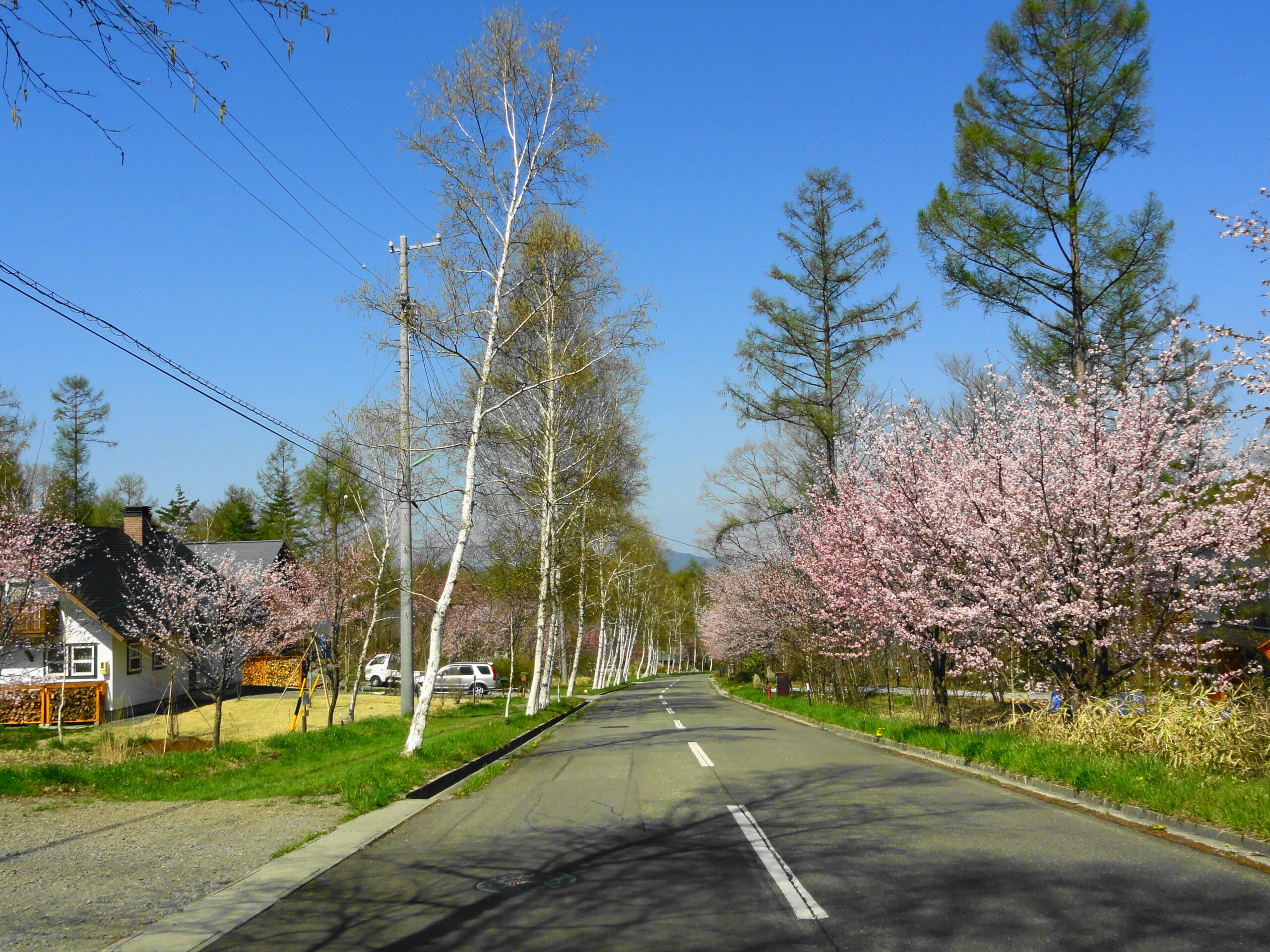
- Yachiho Highlands (Sakuho Town): one of Japan’s great white-birch forests. Lovely new greenery, azaleas, and autumn color, easy to pair with Shirakoma Pond.
- Mishaka Pond (Chino City): a famous photography spot known for its still water mirror. It’s an agricultural reservoir, so mind the off-limits areas and your manners.
- Yokoya Gorge & Tateshina Otaki Falls (Chino City): a waterside walk of moss and waterfalls.
- Yahho-no-yu / Okutateshina Onsen: hot springs to soothe tired legs after a walk. Confirm hours and closed days officially.
- Flavors of Yatsugatake: highland vegetables, Shinshu soba, dairy products like cheese and yogurt, and soft-serve ice cream are local specialties.
Visitor Voices
Here are the general tendencies seen in review sites and hiking logs (individual impressions reflect each poster’s own opinion).
For Shirakoma Pond and the moss forest, comments such as “the moss forest was magical,” “the path to the pond is well maintained and easy to walk,” and “the autumn color is wonderful” appear often. At the same time, practical cautions stand out: “the parking fills up in foliage season,” “the boardwalk is slippery — mind your shoes” (from reviews on Jalan, Google Maps, YAMAP, and the like).
The Yatsugatake Nature & Culture Park draws comments like “easy to spend time with kids,” “the dog run is handy,” “you can enjoy it indoors even in the rain,” while Yachiho Highlands centers on “beautiful white birches,” “easy to stop by on a drive.”
On the whole, many visitors are satisfied to “easily taste the silence and mystery of great nature,” while weather, crowds, and footwear preparation clearly shape how satisfying the experience turns out to be.
Notes & Safety
1. Winter road closure: Route 299 around Mugikusa Pass is closed roughly from late November to late April. Winter Shirakoma Pond requires snow-mountain gear and is off-limits to general sightseeing.
2. 2,000-meter temperature swings: it can be more than 10°C colder than the lowlands. Mornings and evenings are chilly even in summer, so bring a windbreaker, rain gear, and proper shoes.
3. The boardwalk is slippery: especially in rain and early morning. Wear non-slip footwear.
4. The line between walking and climbing: Takamiishi, Futago Pond, the summit of Mt. Tateshina, and the Akadake direction require mountaineering gear. Don’t venture in lightly equipped.
5. Bears and wildlife: bear sightings are sometimes reported at the foot of Yatsugatake. Carry a bear bell and manage your food. Check the latest information with local authorities and tourism associations.
6. Crowd strategy: the Shirakoma Pond parking lot fills early in foliage season. Allow plenty of time.
Frequently Asked Questions
Q. Is Yatsugatake a shrine or a mountain?
A. Yatsugatake is a mountainous area straddling Nagano and Yamanashi Prefectures. The mountains themselves have long been revered, and the Nagano side is tied to Suwa belief and to faith in Mt. Tateshina. This guide focuses on the Nagano-side spots where you can feel Yatsugatake’s sacred nature without climbing — above all, Shirakoma Pond and the moss forest.
Q. Can I go without climbing a mountain?
A. Yes. The lakeside of Shirakoma Pond and the moss forest are about a 15-minute boardwalk from the parking lot. With proper shoes and rain gear, even beginner hikers can stroll there. Going on to Takamiishi, Futago Pond, or the Tateshina summit, however, requires mountaineering gear.
Q. Do I need climbing boots for Shirakoma Pond?
A. You can walk it without full climbing boots, but there are boardwalks, rocks, and mud, so wear non-slip shoes. Sneakers are possible, but trekking shoes are reassuring on rainy days.
Q. Can I get there without a car?
A. In some years a seasonal bus runs from the Chino, Sakudaira, or Yachiho station areas, but service is limited and the operating period changes. Always check the latest timetable, and consider combining a station with a taxi.
Q. When is the best time to visit?
A. To savor the moss forest, June–August; for autumn color, late September–October. The moss looks more beautiful after rain or on misty days than under clear skies.
Q. Can I go in winter?
A. Shirakoma Pond and Mugikusa Pass close in winter and cannot be visited by general sightseers. In winter, it’s best to plan around the facilities, hot springs, and stargazing of Hara Village and Tateshina.
Q. Is it okay with pets or children?
A. Yatsugatake Nature & Culture Park has a dog run and suits families and pet owners. Shirakoma Pond is a nature-protection area, so check local rules about pets. Children of elementary-school age and up can enjoy the lakeside walk.
Conclusion
Yatsugatake (the Nagano side) is a power spot where — without climbing — you can be wrapped in the silence and mystery of great nature and let your mind be cleansed.
Its heart is Shirakoma Pond and the moss forest, asleep in a forest at about 2,100 m. Deep green moss blanketing rocks and fallen trees, a primeval forest where mist drifts through, a water mirror appearing on a windless morning — not flashy blessings, but the experience of “recovering yourself within the silence” is this place’s greatest gift.
The breadth of Yatsugatake means you can choose your destination to match your fitness and companions. Those who want to walk the moss forest, head for Shirakoma Pond; those who want the view and the highland air, head for Hara Village. And as long as you mind the mountain weather and the winter closure, Yatsugatake is sure to give you an unforgettable interval of stillness.
—
We hope this guide helps you make the most of your visit to Yatsugatake.
*Information is current as of June 2026. The winter closure period of the Märchen Highway (Route 299), the fees and operating period of the Shirakoma Pond entrance parking lot, seasonal bus times, and the hours and closed days of each facility are subject to change — please confirm with the tourism associations of Sakuho, Koumi, Hara Village, and Chino, and with each facility’s official information, before visiting.*
Key sources:
Discover Your Compatibility with Yatsugatake
Power spots resonate differently with different people. Two visitors can stand in the same place and feel completely different things — a result of how your own innate energy meets the character of the spot.
The “silence” and “purification” power of Yatsugatake is said to suit those who want to pause and settle their hearts, or take a new step forward — but whether it truly matches you depends on the personal energy derived from your birth date and time.
あなたに最適なパワースポットを知りたい方へ