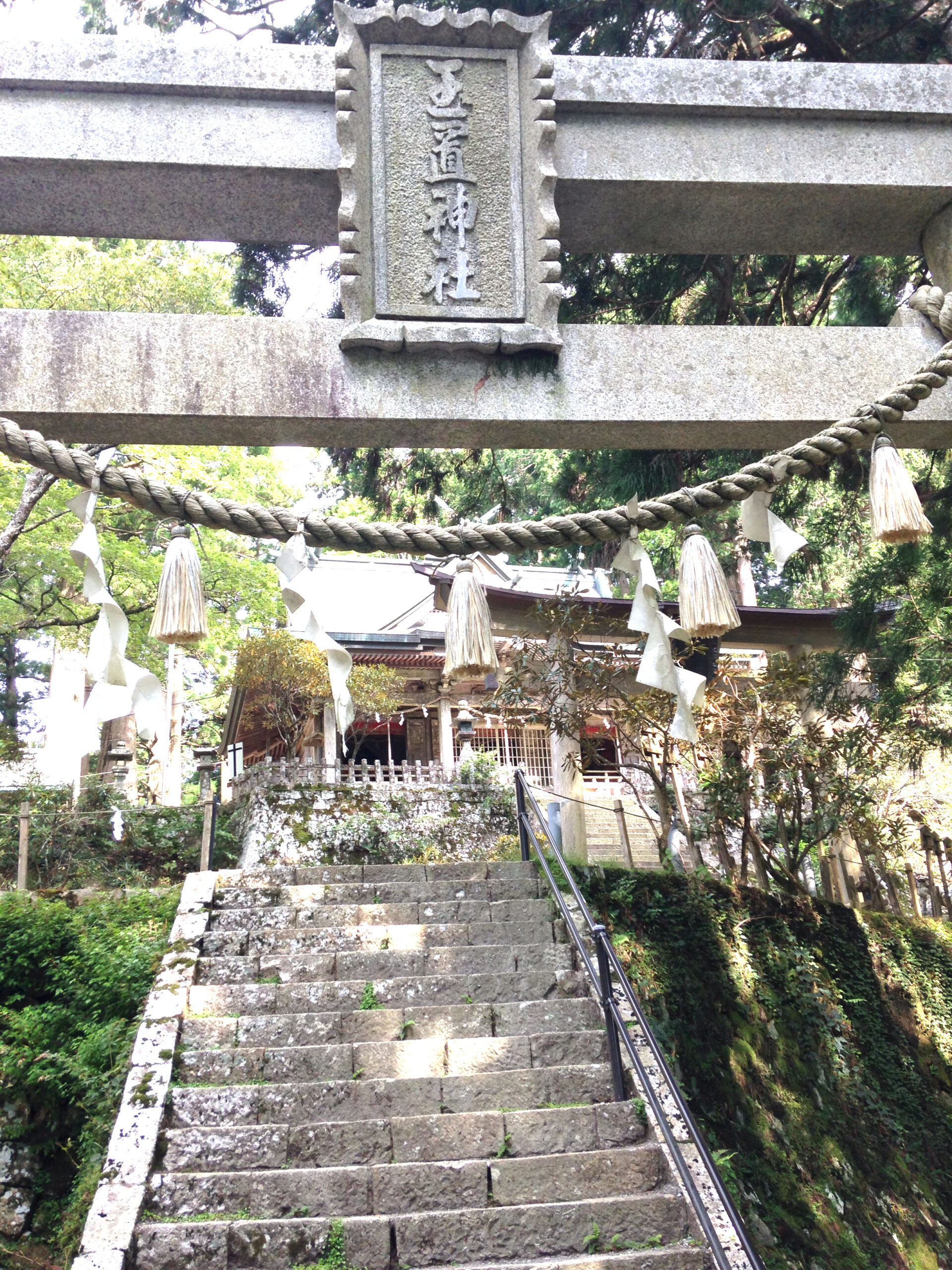
“Is it true that only those who are ‘called’ can reach Tamaki Shrine?”
The short answer: anyone can visit Tamaki Shrine. However, perched near the summit of Mount Tamaki at 1,076 meters elevation, this ancient shrine can only be reached by navigating narrow, winding mountain roads — and many visitors report being unable to reach it due to getting lost, sudden weather changes, or car trouble. These experiences gave birth to the legend that “only those called by the gods can arrive.”
Located in Totsukawa Village, Nara Prefecture, Tamaki Shrine is one of Japan’s oldest shrines, with origins dating back to 37 BC. It’s a UNESCO World Heritage component site as part of the “Sacred Sites and Pilgrimage Routes in the Kii Mountain Range,” and is revered as the inner sanctuary (Okunomiya) of the Kumano Sanzan — the three grand shrines of Kumano. With ancient cedar trees over 3,000 years old and a primeval forest that visitors describe as “breathing different air,” this is a truly extraordinary place.
This guide gives you everything you need to actually get there and have the best experience possible.
—
What Makes Tamaki Shrine Special
The “Called by the Gods” Legend — Explained
The legend exists because of the genuinely difficult access. The final 20 kilometers of road is a narrow, winding mountain path where oncoming cars can barely pass. People have reported their car navigation sending them down impassable forestry roads, sudden fog rolling in, or mechanical issues forcing them to turn back.
But with proper preparation, you will get there. This guide’s access section is your roadmap.
The 3,000-Year-Old Jindai Cedar
The shrine’s most awe-inspiring feature is the “Jindai-sugi” (Divine Age Cedar), estimated to be 3,000 years old. With a trunk circumference of 8.3 meters and standing about 20 meters tall, this tree has been alive since the Jomon period. Designated as a Natural Monument of Nara Prefecture, its presence is something no photograph can fully capture.
Several other giant cedars over 1,000 years old dot the grounds, creating an atmosphere of profound sacredness.
Inner Sanctuary of the Kumano Sanzan
Tamaki Shrine holds the prestigious position of Okunomiya (innermost shrine) of the Kumano Sanzan — the three grand shrines of Kumano (Kumano Hongu Taisha, Kumano Hayatama Taisha, and Kumano Nachi Taisha). In ancient times, yamabushi mountain ascetics would traverse the entire Omine Okugake trail to reach Mount Tamaki. Even today, you may encounter practicing ascetics on these ancient paths.
UNESCO World Heritage Status
In 2004, Tamaki Shrine and the Omine Okugake trail were inscribed as part of the UNESCO World Heritage “Sacred Sites and Pilgrimage Routes in the Kii Mountain Range” — international recognition of this site’s exceptional spiritual significance.
—
Spiritual Benefits
What to Pray For
The principal deity is Kunitokotachi-no-Mikoto, one of the primordial gods of creation in Japanese mythology. The shrine enshrines five deities in total, offering these primary blessings:
Protection from evil & purification: The shrine has been revered since ancient times for its power to ward off evil spirits. Many visitors report improvements in long-standing health issues after visiting.
Fulfillment of heartfelt wishes: Tamaki Shrine is known as a place where people come with their most sincere, deeply-held wishes. The difficulty of reaching the shrine is said to test visitors’ determination.
Romantic connections: The “Tamaishi-sha” sub-shrine within the grounds is particularly popular for love and relationship blessings. It enshrines the local guardian deity of Mount Tamaki and is considered the most sacred spot in the complex.
Business success: Many entrepreneurs and business owners make pilgrimages here to pray for new ventures and career prosperity.
Charms & Souvenirs
| Item | Price | Details |
|——|——-|———|
| Protection charm | ¥800 | The shrine’s signature charm |
| Love connection charm | ¥800 | Connected to the Tamaishi-sha sub-shrine |
| Goshuin (stamp) | ¥500 | Features “Kumano Sanzan Okuin” calligraphy |
| Goshuin book | ¥1,500 | Design featuring the ancient cedar trees |
—
Best Time to Visit
Seasonal Guide
Spring (late April – May): Mountain cherries and fresh green leaves. At this elevation, cherry blossoms bloom 2–3 weeks later than lowland areas. Golden Week is busy; other times are peaceful.
Summer (June – August): Cooler than the lowlands, perfect for an escape from the heat. Caution during rainy season (June – early July) as mountain roads become slippery. Misty mornings create an ethereal atmosphere but require careful driving.
Autumn (late October – mid-November): The most popular season. The contrast of autumn foliage against the evergreen cedars is spectacular. Peak color: last week of October to first week of November. Weekend parking can fill up.
Winter (December – mid-March): NOT recommended. Roads frequently close due to snow and ice. Always check the official website for road conditions before planning a winter visit.
Best Time of Day
| Time | Rating | Why |
|——|——–|—–|
| 7:00–9:00 | Best | Morning mist and dappled light create a mystical atmosphere. Fewest visitors |
| 9:00–12:00 | Good | Bright and easy to walk. Shrine office open |
| 12:00–15:00 | OK | Peak crowds. Parking may be full |
| After 15:00 | Avoid | Mountain roads become dangerously dark on the return |
Critical: Plan to begin your descent at least 2 hours before sunset. Dark mountain roads are extremely dangerous.
—
Visitor’s Guide
How to Visit (Allow 90–120 minutes)
1. Arrive at the parking lot (elevation ~1,000m)
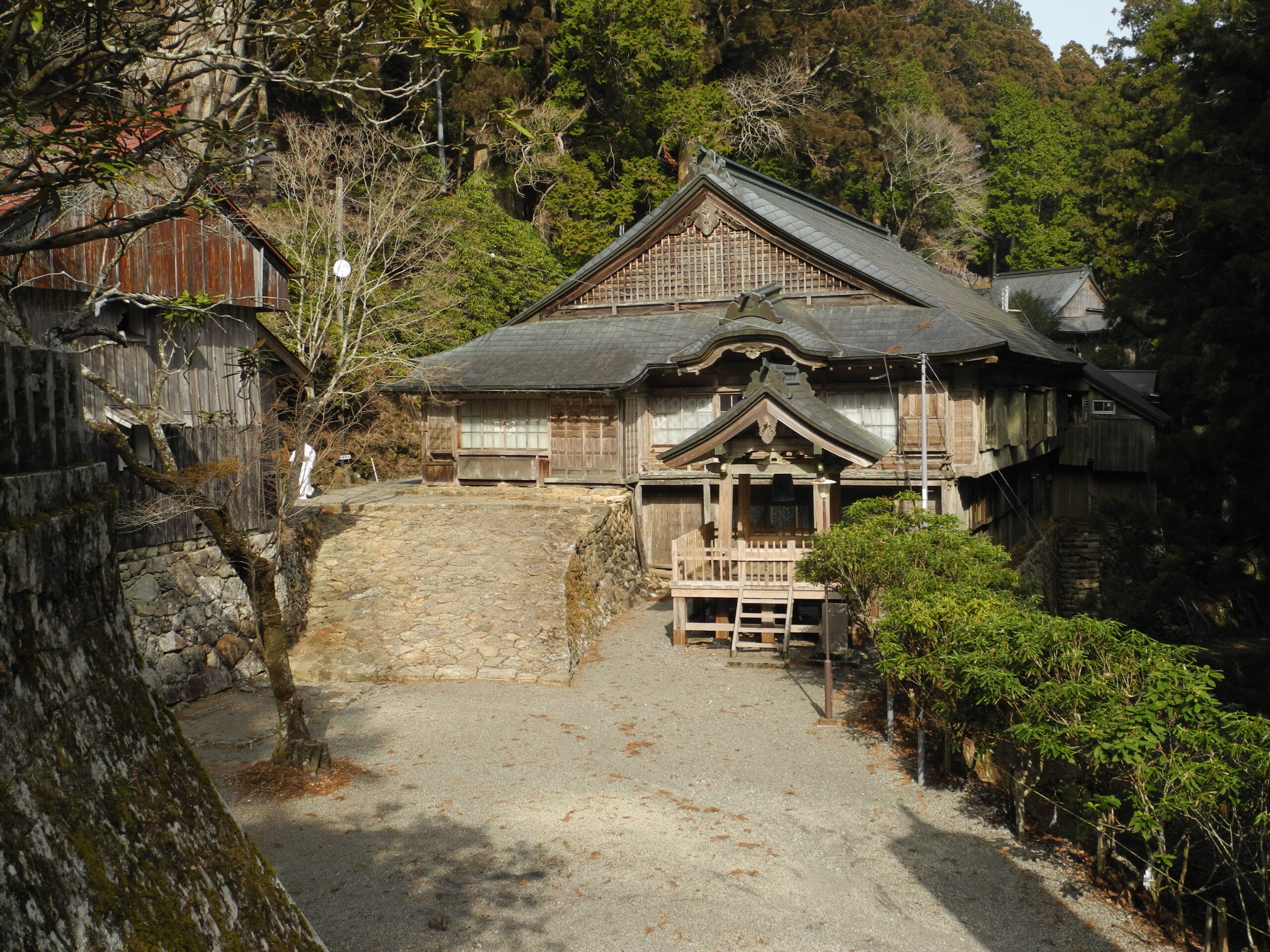
The lot holds about 30 cars. The walk from here to the main hall takes 15–20 minutes along a mountain path. The only restroom is at the parking lot — use it before heading down.
2. Walk the approach (15–20 min)
A path through towering ancient cedars. The trail consists of stone steps and packed earth. Proper walking shoes (sneakers minimum) are essential.
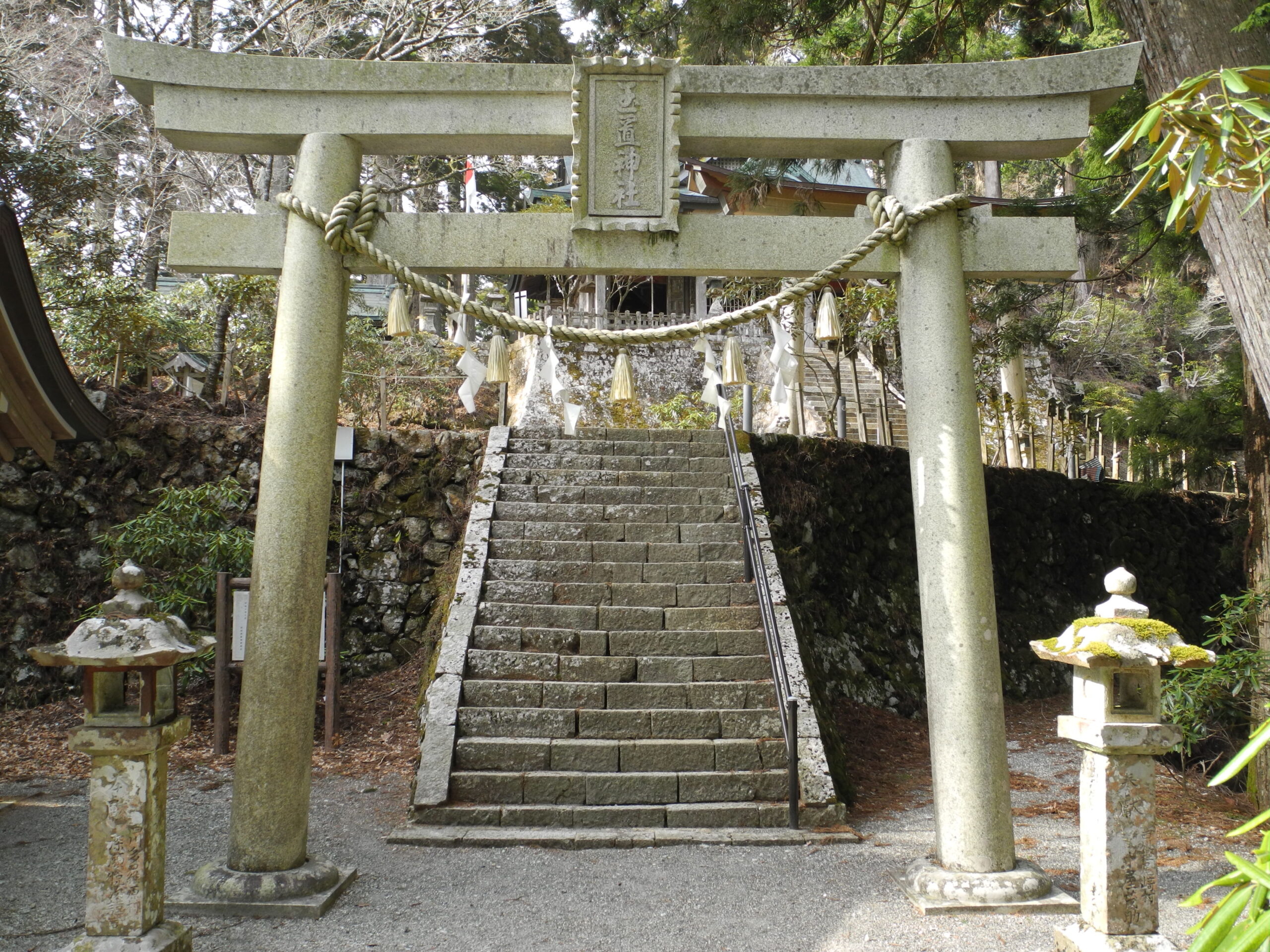
3. Pass through the torii gate
Bow once before passing through the stone torii into the sacred grounds.
4. Pray at the main hall (10 min)
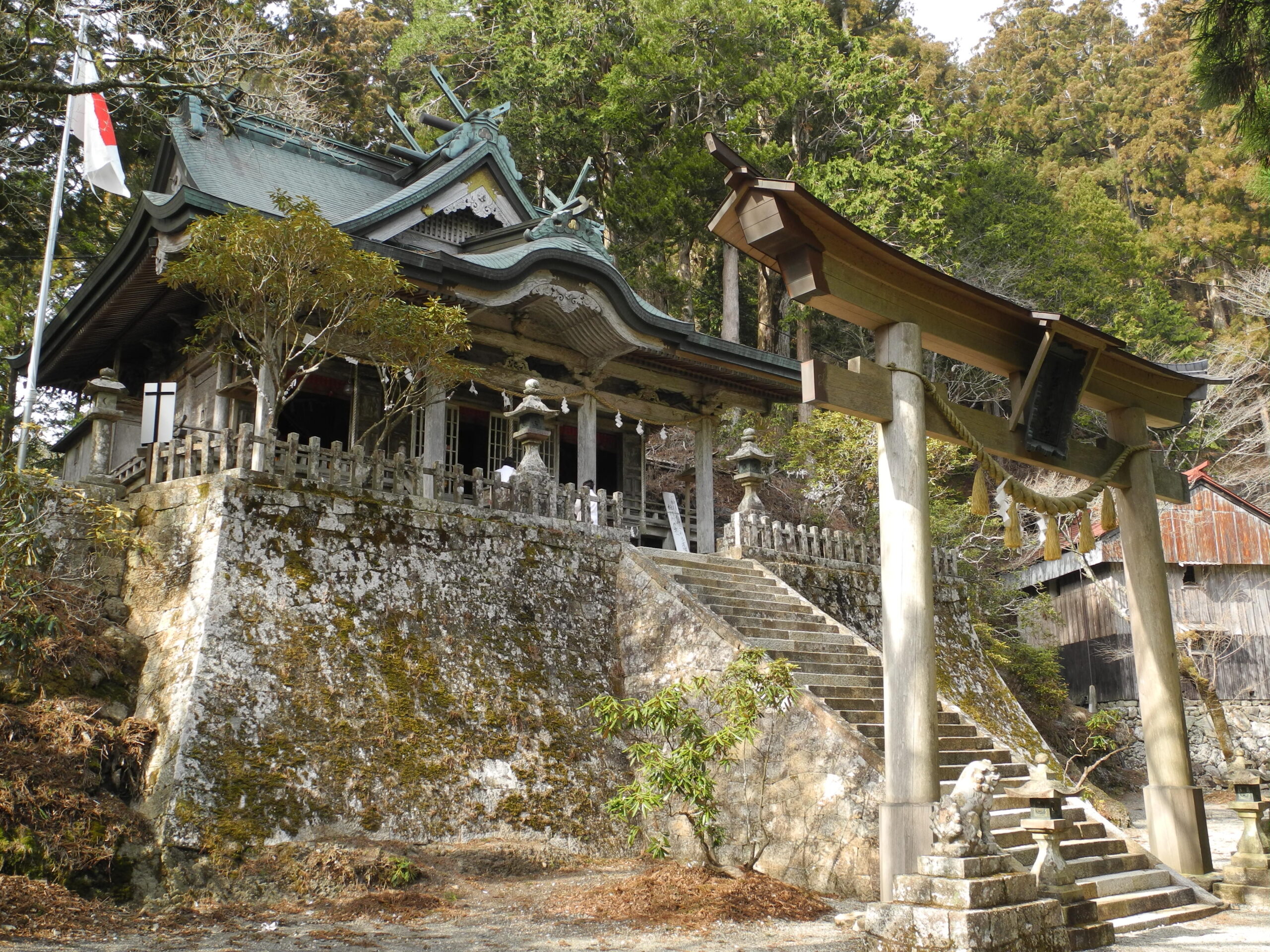
Follow the standard two bows, two claps, one bow protocol. The hall is built against the mountainside, reached by climbing stone stairs.
5. Visit Tamaishi-sha (10 min)
Behind the main hall, this sub-shrine with white sacred stones is the oldest worship site on the mountain. Make your relationship wishes here.
6. See the Jindai Cedar (10 min)
The 3,000-year-old cedar is a must-see. The sheer size and presence of this tree is overwhelming.
7. Shrine office for stamps & charms (10 min)
Open 8:00–16:00. Pre-written goshuin may be offered during busy periods.
What to Wear & Bring
| Essential | Why |
|———–|—–|
| Proper walking shoes (sneakers+) | Mountain trails and stone steps. No heels or sandals |
| Jacket (even in summer) | 5–8°C cooler than lowlands at 1,000m+ elevation |
| Drinks | No vending machines or shops in the shrine grounds |
| Flashlight (autumn/winter) | Sun sets early; return path may be dark |
—
Essential Information
| Detail | Information |
|——–|————-|
| Official name | Tamaki Jinja (Tamaki Shrine) |
| Address | 1 Tamakigawa, Totsukawa, Yoshino, Nara |
| Phone | 0746-64-0500 |
| Hours | Grounds open 24/7 (Shrine office: 8:00–16:00) |
| Closed | Never (but roads may close in winter) |
| Admission | Free |
| Parking | ~30 spaces, free |
| Website | tamakijinja.or.jp |
Getting There (READ THIS CAREFULLY)
By car (strongly recommended):
- From Gojo IC: ~2.5 hours via Route 168
- From Shingu: ~1.5 hours via Route 168
- Mountain road warning: The final ~20km is a narrow, winding road with sections where passing oncoming vehicles is difficult. If you’re not confident driving mountain roads, consider bringing a co-driver
- GPS warning: Older GPS systems may direct you onto impassable forestry roads. Stay on Route 168 to Totsukawa Village, then follow signs for “Tamaki Jinja”
By public transport (challenging):
- JR Gojo Station → Nara Kotsu bus to Totsukawa Onsen (~4 hours)
- Totsukawa Onsen → taxi ~40 min (must be reserved in advance, ~¥6,000–8,000)
- Only 2–3 buses per day — check schedules beforehand
- Realistically, a car is essential
Guided tours (recommended alternative):
If driving mountain roads makes you nervous, day trips from Osaka and Nara are available through various tour companies (¥5,000–12,000). This eliminates driving stress entirely.
Visiting with Pets
Pets are allowed on leash in the grounds. However, the steep stone stairs and narrow paths make it unsuitable for large dogs. Some visitors carry small dogs. Bring your own water for your pet — there are no water facilities in the shrine grounds.
Wheelchair & Stroller Access
Unfortunately, Tamaki Shrine is not wheelchair or stroller accessible. The 15-minute mountain path from the parking lot to the main hall includes steep stone stairs, and no barrier-free modifications have been made. Visitors with limited mobility can reach the approach entrance from the parking lot but will find it difficult to reach the main hall.
—
Nearby Attractions & Dining
Where to Eat
There are no dining facilities within the shrine grounds. Eat beforehand or bring packed snacks.
| Location | Specialty | Access |
|———-|———–|——–|
| Totsukawa Onsen village | Sweetfish dishes, wild boar stew, handmade soba | ~40 min from shrine by car |
| Michi-no-Eki Totsukawa-go | Set meals with local ingredients | Along Route 168 |
| Near Tanize Suspension Bridge | Souvenirs and light meals | Totsukawa tourist spot |
Nearby Attractions
| Place | Travel Time | Highlight |
|——-|————-|———–|
| Totsukawa Onsen | 40 min by car | Natural hot springs — perfect for post-hike recovery |
| Tanize Suspension Bridge | 60 min by car | Japan’s longest pedestrian suspension bridge (297m long, 54m high) |
| Kumano Hongu Taisha | 60 min by car | Grand shrine of Kumano; many visitors combine both |
| Dorokyo Gorge | 90 min by car | Emerald-green gorge with jet boat tours |
Recommended 2-Day Itinerary
Day 1:
1. 8:00 Depart from Osaka/Nara
2. 11:00 Arrive at Totsukawa Onsen, lunch
3. 12:30 Drive to Tamaki Shrine (~40 min)
4. 13:30 Visit Tamaki Shrine (~2 hours)
5. 15:30 Begin descent
6. 16:30 Check into Totsukawa Onsen ryokan, enjoy hot springs
Day 2:
1. 9:00 Visit Tanize Suspension Bridge
2. 11:00 Visit Kumano Hongu Taisha
3. 13:00 Lunch and head home
—
Visitor Reviews
> “Arrived at 7 AM. The shrine grounds were shrouded in mist, like stepping into another world. Standing before the Jindai Cedar, I felt something indescribable — a connection to something far older than myself.”
> — Google Maps review
> “It took me three attempts to reach Tamaki Shrine. The first time I got lost, the second time bad weather forced me to turn back. When I finally arrived on the third try, the emotion was overwhelming.”
> — Google Maps review
Visitors consistently describe the atmosphere as “completely different from anywhere else.” Practical feedback includes “the mountain road was harder than expected” and “the only restroom is at the parking lot,” reinforcing the importance of preparation.
—
Frequently Asked Questions
Q. Can anyone really visit, or do I need to be “called”?
A. Anyone can visit. The legend comes from the genuinely difficult access. With proper route planning and good weather, you will arrive. Check road conditions on the official website before departing.
Q. How long does a visit take?
A. The walk from parking lot to main hall is 15–20 minutes. Including shrine exploration, allow 90–120 minutes. With driving from the nearest town, budget half a day.
Q. Are there restrooms?
A. Only at the parking lot. There are none within the shrine grounds. Use the facilities before starting down the approach path.
Q. Can I visit in winter?
A. Not recommended. From December to mid-March, roads frequently close due to snow and ice. Always check the official website for current road conditions.
—
Summary
Tamaki Shrine is a place where the journey itself becomes part of the spiritual experience. At 1,076 meters elevation, surrounded by 3,000-year-old cedars and primeval forest, this UNESCO World Heritage site offers something that few places in the world can match — a genuine sense of stepping outside of ordinary time and space.
As the inner sanctuary of the Kumano Sanzan, it holds a unique position in Japan’s spiritual geography. Whether you seek protection, wish fulfillment, romantic blessings, or simply the experience of standing in a forest that has remained unchanged for millennia, Tamaki Shrine delivers profoundly.
Whether or not the gods “called” you, if you feel drawn to visit after reading this guide, perhaps that’s calling enough. Prepare well, choose a clear day, and make the journey.
—
We hope this guide helps you plan your visit to Tamaki Shrine.
*Information in this article is current as of April 2026. Please check the official website for the latest details before your visit.*
—
Want to discover your ideal power spot?
Did you know that different people resonate with different spiritual places? The same shrine can create vastly different experiences depending on the visitor.
Discover which power spots match your unique spiritual profile with our free compatibility diagnosis (takes just 3 minutes).
あなたに最適なパワースポットを知りたい方へ