Located in the heart of Hokkaido within Daisetsuzan National Park, Sounkyo Gorge is a magnificent canyon formed by a massive eruption of Mount Daisetsu approximately 30,000 years ago. Stretching about 24 kilometers along the Ishikari River, the towering cliffs rise 100 to 200 meters high, overwhelming visitors with their sheer scale.
The Ainu people called this place “Souunbetsu” (river with many waterfalls) and revered it as a sacred site from ancient times. The columnar joint cliffs that line the canyon resemble stone pillars reaching toward the heavens. The twin waterfalls known as “Ginga Falls” (Galaxy Falls) and “Ryusei Falls” (Meteor Falls) are designated among Japan’s 100 Famous Waterfalls.
With the onsen town as a base, visitors can enjoy the spectacular views of Daisetsuzan via ropeway while taking in the canyon’s beauty. Sounkyo Gorge is a healing and regenerative power spot where you can experience the full force of Hokkaido’s natural power.
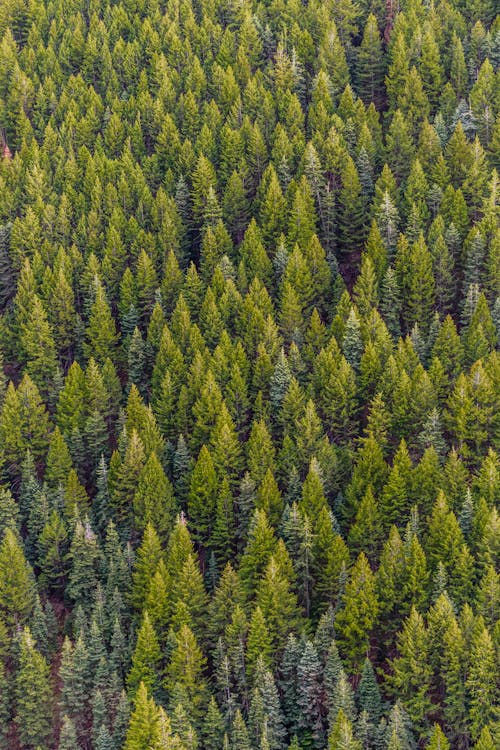
The Allure of This Sacred Site
History and Origins
Sounkyo Gorge’s history began with a massive eruption of Mount Daisetsu approximately 30,000 years ago. As the erupted lava cooled rapidly, it formed the distinctive columnar joints. Subsequently, erosion by the Ishikari River carved out the canyon landscape we see today.
The name “Sounkyo” was given by travel writer Keigetsu Omachi when he visited in 1921 (Taisho 10). Meaning “gorge where clouds rise in layers,” it describes the mystical scenery created by mist covering the canyon and the columnar joint cliffs.
The Ainu people called this place “Souunbetsu” (river with many waterfalls) and revered it as a sacred site. Particularly, Ginga Falls and Ryusei Falls appear in Ainu mythology and were objects of spiritual worship.
Hot springs were discovered in the Meiji era, and development as a tourist destination began in the Taisho period. Since being designated part of Daisetsuzan National Park in 1934 (Showa 9), it has attracted numerous tourists as one of Hokkaido’s premier scenic spots.
Architecture and Natural Features
Sounkyo Gorge’s most striking feature is the columnar joint cliffs that extend for approximately 24 kilometers. As the lava cooled, regular fractures formed, creating a distinctive terrain of bundled pentagonal and hexagonal pillars. The cliffs reach heights of 100 to 200 meters, presenting an awe-inspiring spectacle.
The most famous attractions are Ginga Falls (Galaxy Falls) and Ryusei Falls (Meteor Falls). Ginga Falls has a drop of 120 meters, flowing down in thin white threads like silk, earning it the nickname “Female Falls.” Meanwhile, Ryusei Falls has a 90-meter drop, cascading powerfully in one great rush, known as the “Male Falls.” The view from “Sobakudai” observation platform, where both waterfalls can be seen simultaneously, is breathtaking.
From Sounkyo Onsen, a ropeway and lift system takes visitors up to the 7th station (7-gome) of Mount Kurodake (elevation 1,984 meters). From the summit, a magnificent panorama of the Daisetsu mountain range spreads out. In July, Japan’s earliest autumn colors appear, and spectacular fall foliage can be enjoyed from late September.
What Makes This Spot Special
What sets Sounkyo Gorge apart from other scenic locations is the intersection of three natural forces: “volcano,” “water,” and “hot springs.”
The columnar joint cliffs born from volcanic activity, the waterfalls cascading down these cliffs, and the hot springs welling up from deep underground—it is extremely rare to find all of these concentrated in one place.
Sounkyo is also famous for offering “Japan’s earliest autumn colors.” At higher elevations on Daisetsu, fall foliage begins as early as late August, with the entire mountain turning red and gold by mid-September. As the saying goes, “Autumn in Japan begins at Daisetsuzan,” drawing visitors from across the country seeking autumn colors.
In winter, the “Sounkyo Hyobaku (Ice Waterfall) Festival” is held, creating a fantastical world of frozen waterfalls and illuminated ice sculptures.
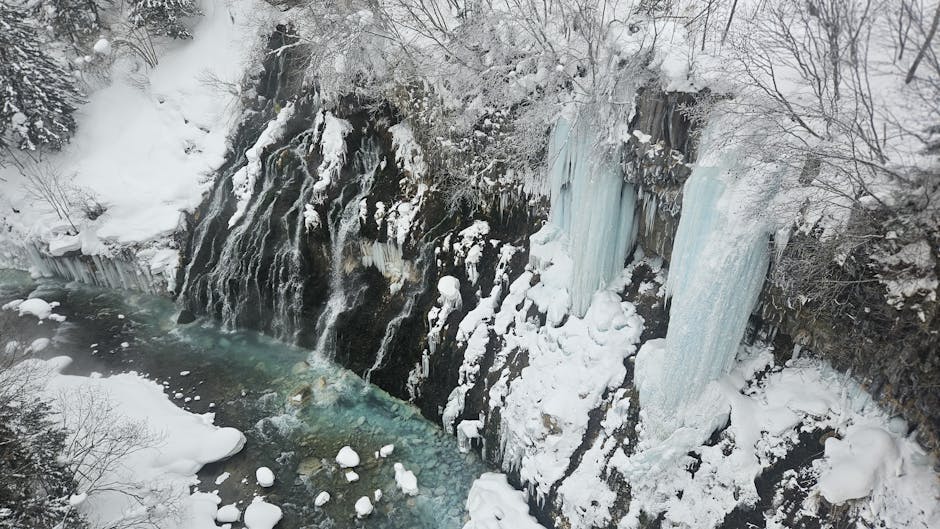
Spiritual Benefits and Effects
Known Spiritual Benefits
Though Sounkyo Gorge is not a shrine or temple but a natural power spot, it has been said since ancient times to offer the following effects:
Mind-Body Purification & Refreshment: The negative ions released from the waterfalls, the fresh forest air, and the healing properties of the hot springs combine to purify and refresh both mind and body.
Stress Relief & Healing: Being surrounded by magnificent nature releases you from daily stress and provides deep healing. Many report that standing before the waterfalls makes their worries seem insignificant.
Renewal & New Beginnings: The land born from volcanic activity is filled with energy of “destruction and regeneration.” Many visit during life transitions, and it is said that one can receive the power to make new starts.
Enhanced Vitality: Daisetsuzan is called “Kamui Mintara” (the playground of the gods) and is considered a place full of life force. Sounkyo Gorge, located at its base, is also believed to have strong life energy.
The Unique Energy of This Site
What many visitors sense at Sounkyo Gorge is the “overwhelming sense of scale” and “the Earth’s life force.”
When looking up at the cliffs exceeding 100 meters, one realizes their own smallness while simultaneously being overwhelmed by the power of the land formed over millions of years. This experience has the effect of putting daily worries into perspective and lightening the heart.
Additionally, many people feel a sense of physical and mental purification from experiencing the roar and spray of the waterfalls with their whole body. There are numerous accounts of tears flowing spontaneously when standing before Ginga Falls and Ryusei Falls.
Visitor Testimonials
> “The gorge in autumn is absolutely stunning—covered in vibrant reds and yellows with snow-capped peaks in the background. The ropeway ride offers amazing views you can’t get anywhere else.”
> — TripAdvisor review
> “Makes a great day trip from Asahikawa! The cable car ride is spectacular, and soaking in the onsen while staring at the snow-covered gorge was an unforgettable experience.”
> — TripAdvisor review
(Based on visitor reviews from TripAdvisor)
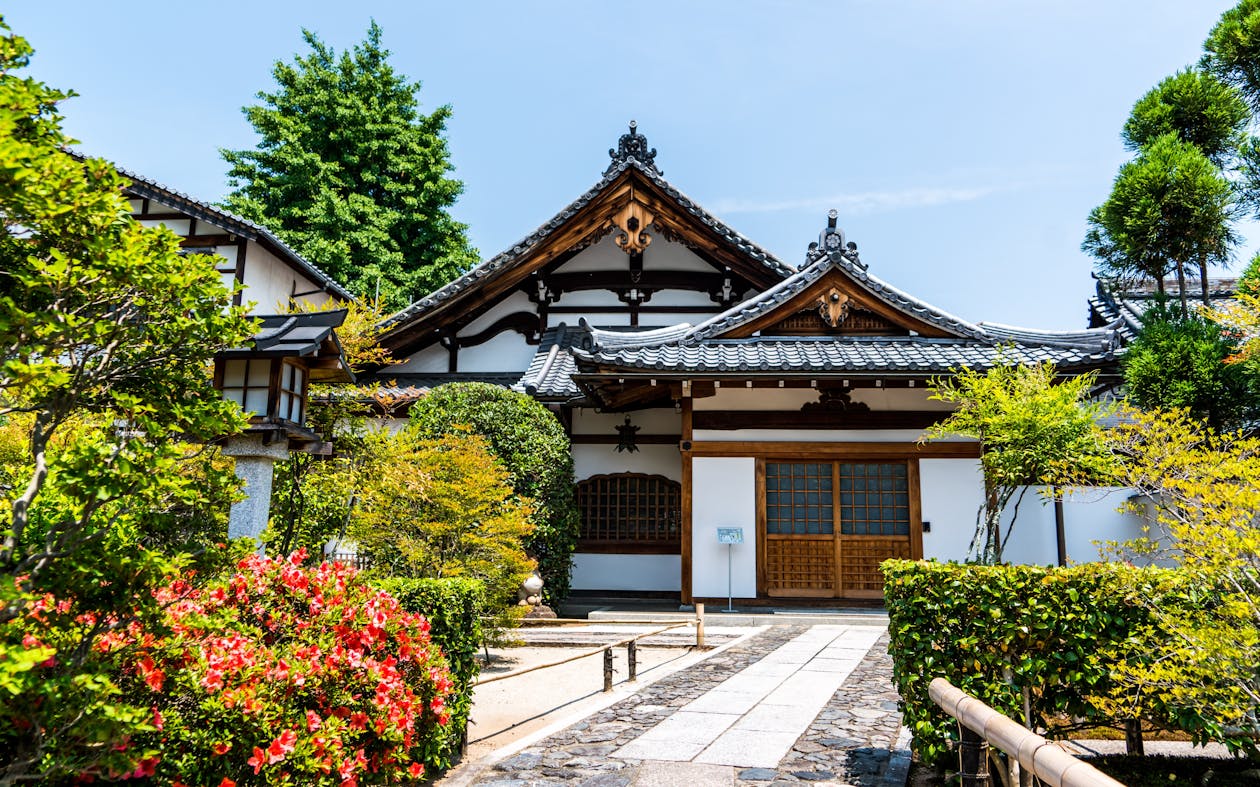
Best Times to Visit
Spring (May–June)
The ropeway resumes operation in early May. The contrast between lingering snow on Daisetsuzan and fresh greenery is beautiful. Fewer tourists make for peaceful nature viewing. Alpine flowers begin blooming in June.
Recommendation: ★★★★☆
Summer (July–August)
Best season for Daisetsuzan mountain climbing. In early July, Japan’s earliest autumn colors begin with chinguruma (avens) and other alpine plants. Full-scale fall foliage starts from late August near the summit. The cool climate also makes it ideal for escaping summer heat.
Recommendation: ★★★★★
Autumn (September–October)
Peak autumn foliage season. Mid to late September is the peak for Daisetsuzan fall colors, with the entire mountain draped in gradients of red, yellow, and green. By early October, the entire gorge is wrapped in autumn colors. Crowded but worth seeing.
Recommendation: ★★★★★
Winter (November–April)
The Sounkyo Hyobaku Festival runs from late January to mid-March. The illuminated frozen waterfalls and ice sculptures are fantastical. Despite the severe cold, the combination of hot springs and winter experiences is unique. The ropeway operates in winter (may close in bad weather).
Recommendation: ★★★☆☆
Best Times of Day
Early Morning (5:00–7:00 AM): The gorge wrapped in morning mist is mystical. You can witness the scenery true to the name “Sounkyo” (layered clouds gorge).
Morning (8:00 AM–12:00 PM): Ropeway begins operation. Views of Daisetsuzan are best in the morning.
Afternoon (1:00–5:00 PM): Ideal for waterfall viewing and gorge walks. The lighting makes the waterfalls shine beautifully.
Evening–Night: Relax in the onsen town. During the Hyobaku Festival, night illuminations are available.
Visitor’s Guide
How to Enjoy Sounkyo Gorge
Since Sounkyo Gorge is a natural power spot, there are no specific worship rituals. Here are recommended ways to fully experience Sounkyo’s power.
1. View Ginga Falls and Ryusei Falls
About 5 minutes by car from Sounkyo Onsen. A short walk from the parking area leads to both waterfalls. A 20-minute trail leads to “Sobakudai” observation platform for stunning simultaneous views of both falls. Let the waterfall’s negative ions wash over you.
2. Kurodake Ropeway
From the ropeway station (5-minute walk from Sounkyo Onsen), reach the 5th station (elevation 1,300 meters) in 7 minutes. Transfer to the lift to reach the 7th station (elevation 1,520 meters). The summit station has an observation deck with panoramic views of the Daisetsu mountain range.
3. Gorge Walking
Walking trails are maintained throughout Sounkyo Onsen town. Walk along the Ishikari River while viewing the columnar joint cliffs up close. Takes about 30 minutes to 1 hour.
4. Purify in the Hot Springs
Sounkyo Onsen features simple sulfur springs. Said to be effective for neuralgia, muscle pain, and fatigue recovery. The outdoor baths overlooking great nature are exceptional. Day-use bathing facilities are plentiful.
Spending Time as a Power Spot
Deep Breathing Before the Waterfalls: Stand before Ginga Falls and Ryusei Falls, close your eyes, and breathe deeply. Feel the sound and spray of the falls with your whole body for purification.
Take Time to Look Up at the Cliffs: Gaze up at the columnar joint cliffs and feel the flow of tens of thousands of years. You should realize how small your worries are.
Meditate in the Hot Springs: Soak in the outdoor baths and take time to face yourself. Let the energy of great nature seep into your body and mind.
Dress Code and What to Bring
- Clothing: Bring long sleeves even in summer as it’s cool. Temperatures drop further on the ropeway. Comfortable walking shoes are essential.
- What to Bring: Camera, warm clothing (spring/autumn/winter), rain gear, drinks
- Note: This is bear country, so carry a bell or bear spray for peace of mind. Stay on marked trails only.
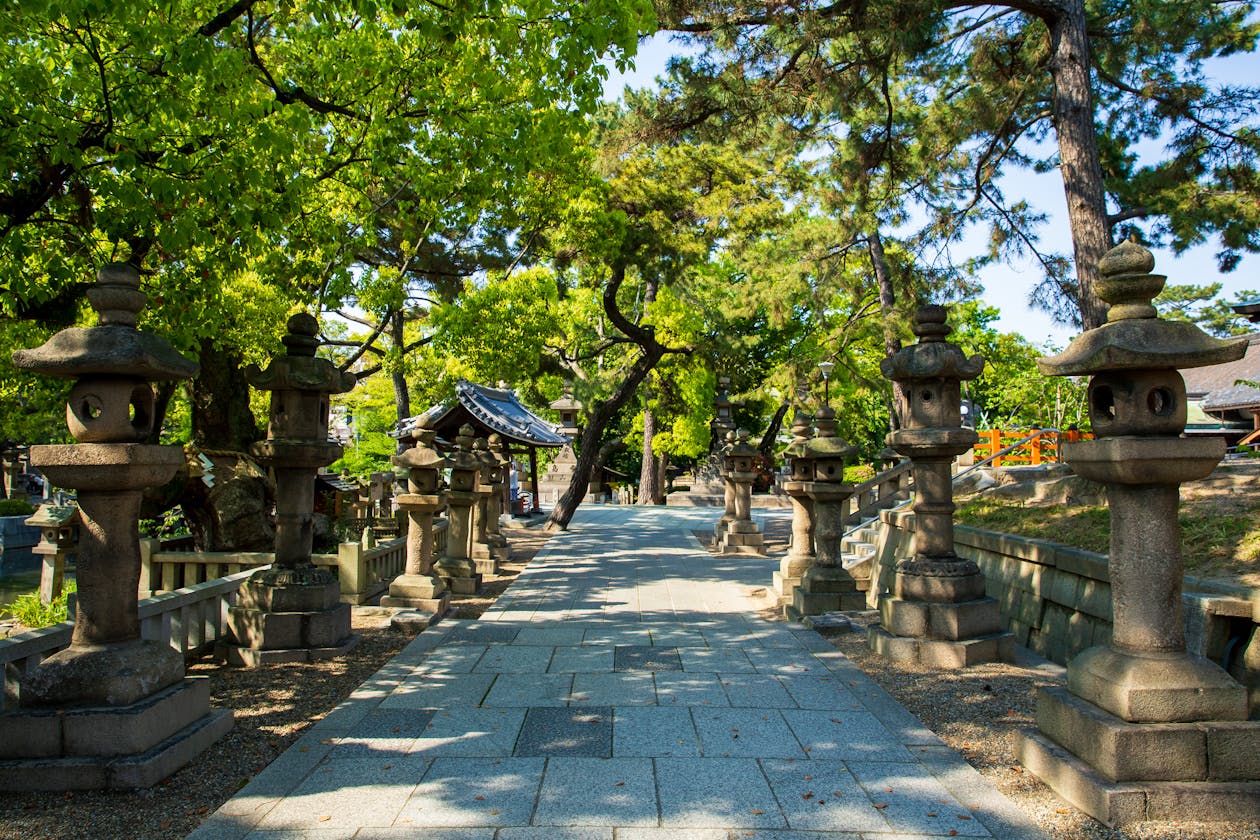
Basic Information
Access
Address: Sounkyo, Kamikawa-cho, Kamikawa-gun, Hokkaido
By Car:
- Approximately 1 hour from Asahikawa City (via Route 39)
- Approximately 2 hours 30 minutes from Sapporo City (via Hokkaido Expressway → Asahikawa-Monbetsu Expressway)
- Parking: Multiple lots in onsen town (free to ¥500)
By Public Transportation:
- Dohoku Bus from JR Sekihoku Line “Kamikawa Station,” approximately 30 minutes to “Sounkyo”
- Dohoku Bus “Sounkyo-bound” from Asahikawa Station, approximately 1 hour 50 minutes
Visiting Information
- Kurodake Ropeway: Operates June–October (round trip ¥2,600, 7 minutes)
- Lift: Operates late June–late September (round trip ¥800)
- Ginga Falls & Ryusei Falls: Free viewing (parking ¥300)
- Admission: Gorge walking is free
- Duration: 1 hour for waterfall viewing, 3–4 hours including ropeway
- Official Website: https://www.sounkyo.net/
- Contact: Sounkyo Tourism Association 01658-2-1811
Area Information
Nearby Attractions
Obako and Kobako (10 min by car)
The most beautiful viewpoint for columnar joint cliffs. The 200-meter vertical walls are spectacular. Observation platforms are along the national highway.
Asahiyama Zoo (1 hour by car)
One of Japan’s most popular zoos. Famous for behavioral exhibits, including the popular penguin parade. Many tourists visit together with Sounkyo.
Mount Asahidake (1 hour 30 min by car)
Hokkaido’s highest peak (elevation 2,291 meters). A ropeway takes you to Sugatami Pond, and both serious mountaineering and day hikes are available.
Recommended Restaurants
Sounkyo Onsen Choyo Resort Hotel (walking distance)
- Large resort with day-use bathing available
- Lunch buffet: from ¥2,000
- Day bathing: ¥1,000
Daisetsuzan Shokudo (5-min walk)
- Popular local restaurant
- Specialties: Sounkyo Ramen (¥900), Jingisukan Set Meal (¥1,300)
- Hours: 11:00 AM–7:00 PM
Kurodake no Yu (3-min walk)
- Day-use bathing facility
- Admission: ¥600
- Hours: 10:00 AM–9:00 PM
Beer Grill Canyon (in onsen town)
- Taste local “Taisetsu Craft Beer”
- Specialty: Taisetsu Craft Beer Tasting Set (¥1,200)
- Hours: 11:30 AM–9:00 PM
Souvenirs & Local Products
- Taisetsu Craft Beer: Craft beer brewed with Daisetsuzan snowmelt water
- Shiroi Koibito: Hokkaido’s classic souvenir, available in Sounkyo
- Bear Oil: Traditional Hokkaido skincare product
- Salmon Toba: Hokkaido delicacy, perfect with sake
Model Itineraries
Half-Day Course (approx. 4 hours)
10:00 AM Arrive at Sounkyo Onsen
10:15 AM Kurodake Ropeway to 5th station (1 hour round trip)
11:30 AM Ginga Falls & Ryusei Falls viewing (1 hour)
12:30 PM Lunch (Sounkyo Ramen)
1:30 PM Hot spring bathing (Kurodake no Yu)
2:30 PM Depart
Full-Day Course (approx. 8 hours)
9:00 AM Arrive at Sounkyo Onsen
9:15 AM Ropeway + Lift to 7th station (2 hours round trip)
11:30 AM Gorge walking (1 hour)
12:30 PM Lunch
1:30 PM Ginga Falls & Ryusei Falls viewing (1 hour)
2:30 PM Obako & Kobako scenic drive
3:30 PM Hot spring bathing
5:00 PM Depart (or stay overnight)
Visitor Reviews and Experiences
> “Go only at the height of summer or autumn—the scenery is breathtaking. In winter, the ice waterfall festival is worth seeing but be prepared for extreme cold.”
> — TripAdvisor review
Practical tips from reviewers: weather in the gorge is significantly colder than other parts of Hokkaido, so bring warm layers. If visiting in early season (June), confirm the upper ropeway station is clear of snow and clouds before going up. The visitor center has excellent wildlife displays that children enjoy. Midweek visits offer a much quieter experience.
(Based on visitor reviews from TripAdvisor and Google Maps)
Frequently Asked Questions
Q: When is the best time for autumn foliage?
A: Near the Daisetsuzan summit is mid-September; around Sounkyo Onsen is early October. Timing varies by year, so check the tourism association website for the latest information.
Q: Do I need a reservation for the ropeway?
A: No reservation needed; same-day boarding is available. However, during autumn foliage season it gets crowded, so earlier times are recommended. May close in bad weather.
Q: Are there bears?
A: Daisetsuzan is brown bear habitat. When walking the trails, ring a bell and travel in groups. The area around the onsen town is relatively safe.
Q: Can I visit in winter?
A: Hot springs and ropeway (may close in bad weather) operate in winter. The Hyobaku Festival from late January to March is a popular winter event.
Summary
Sounkyo Gorge is a magnificent canyon created by volcanic activity 30,000 years ago. With columnar joint cliffs, the “Ginga Falls” and “Ryusei Falls” designated among Japan’s 100 Famous Waterfalls, and healing hot springs—it is a power spot that concentrates the full power of Hokkaido’s great nature.
The autumn foliage season in September, when the entire mountain seems ablaze with color, is particularly stunning, truly embodying the phrase “Autumn in Japan begins at Daisetsuzan.” The winter Hyobaku Festival is equally enchanting, making this a destination to enjoy year-round.
With access just about 1 hour from Asahikawa, it’s conveniently located. When traveling to Hokkaido, be sure to stop at Sounkyo Gorge and feel the Earth’s life force with your whole body. Standing before the waterfalls, soaking in the hot springs, being embraced by great nature—this time will surely heal your heart and give you renewed vitality.
—
Want to discover the power spot that’s right for you?
Beyond this location, Japan is home to countless power spots. To find the one most suited to you, try our free compatibility assessment (takes just 3 minutes).
→ Take the Free En Profile Assessment
—
Information in this article is current as of December 2025. Please verify the latest details via the official website before visiting.
あなたに最適なパワースポットを知りたい方へ