Nestled in the heart of Jozankei Onsen—known as “Sapporo’s inner parlor”—Jozankei Shrine has stood as the guardian deity of this hot spring village since its founding in 1905. Approximately 30,000 visitors come each year to this special power spot where the blessings of thermal waters meet the spiritual energy of the surrounding mountains.
Surrounded by the scenic beauty of the Toyohira River valley and primeval forests of Yezo spruce and Sakhalin fir, the shrine grounds feel worlds away from Sapporo’s city center, despite being just 50 minutes by car. The autumn foliage season from early to mid-October is particularly spectacular, when the fiery reds of Japanese maples create a stunning contrast with the shrine’s traditional architecture. The unique practice of “Toji Sanpai”—combining hot spring bathing with shrine worship—has become a beloved Hokkaido tradition for rejuvenating both body and soul.
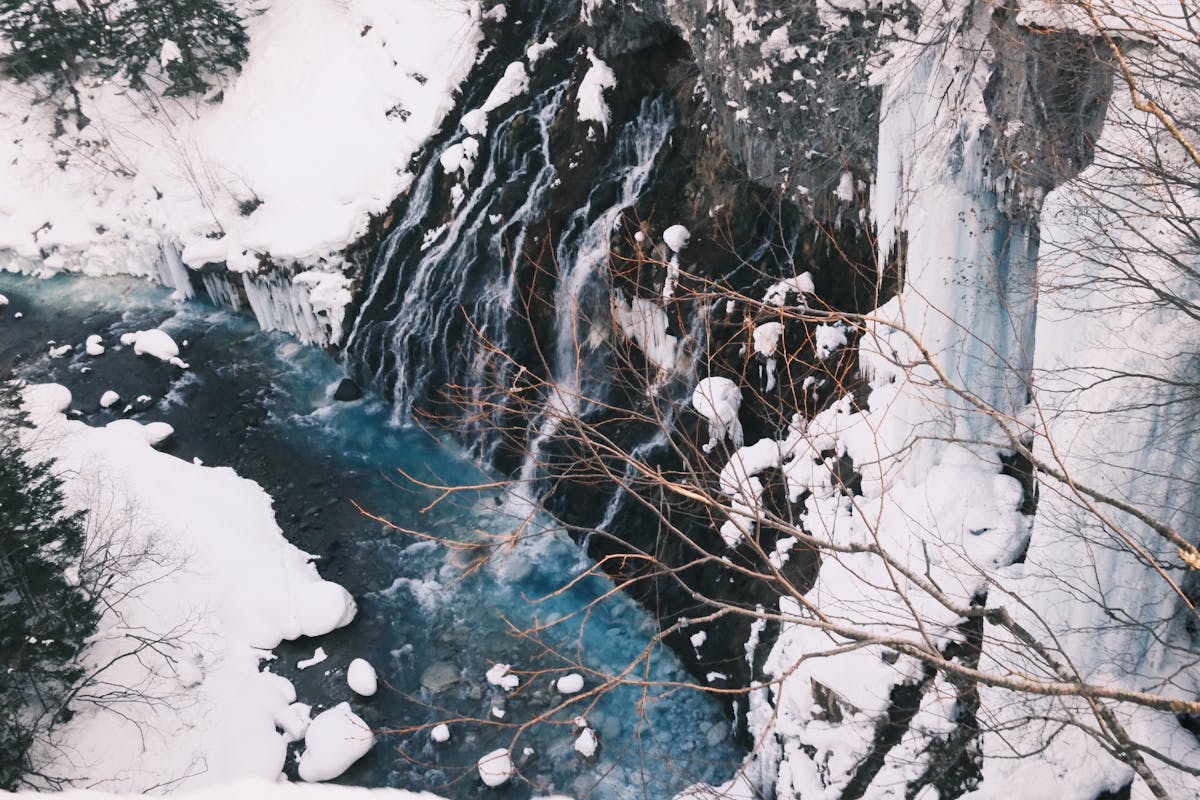
The Allure of This Sacred Site
History and Origins
Jozankei Shrine was established in 1905 as the hot spring village grew and prospered. The shrine was built to honor Jozan Miizumi, the monk who discovered the hot springs, and to express gratitude for the thermal blessings that sustain the community.
The shrine enshrines two principal deities: Okuninushi-no-Kami and Sukunahikona-no-Kami. In Japanese mythology, these two gods worked together to develop the land and are revered as deities of medicine and hot springs—perfectly suited to watch over this thermal resort town.
The current shrine buildings were reconstructed in 1954, with major renovations completed in 2005 to mark the shrine’s centennial anniversary. A monument honoring Jozan Miizumi, founder of Jozankei Onsen, stands within the grounds, preserving the history of this hot spring village for future generations.
Architecture and Natural Features
The shrine architecture follows the Shinmei-zukuri style in accordance with the Hokkaido Shrine Association. The unpainted wooden buildings blend beautifully with the surrounding greenery, while in winter, the snow-covered structures take on a divine beauty. The main hall, worship hall, and purification fountain are all constructed from hinoki cypress, and the fresh woody fragrance creates a refreshing atmosphere for worshippers.
The shrine grounds cover approximately 3,000 square meters, situated along a tributary of the Toyohira River and surrounded by primeval forests of Yezo spruce and Sakhalin fir. Visitors can enjoy cherry blossoms in spring, lush greenery in summer, autumn colors in fall, and snow-covered landscapes in winter. The view of the valley from within the shrine grounds is particularly spectacular and popular among photographers.
The stone stairway approach consists of 108 steps—the same number as the Buddhist concept of earthly desires. Climbing these stairs one by one is said to purify the heart and mind. Moss-covered stone lanterns line both sides of the stairway, creating a mystical experience as you walk through the deep forest.
What Makes This Spot Special
Jozankei Shrine’s greatest distinction is the ability to combine hot spring bathing with shrine worship. According to local tradition, bathing in the onsen after praying at the shrine amplifies the spiritual benefits—a practice known as “Toji Sanpai” that has become uniquely associated with Jozankei.
The shrine grounds also feature spots connected to the local “Kappa legend.” Ancient folklore tells of water sprites (kappa) living in Jozankei’s waters, and the shrine offers popular amulets and ema (votive tablets) featuring these mythical creatures. The kappa are considered water spirits that symbolize the blessings of the hot springs.
Affectionately called “Jozankei-san” by locals, the shrine’s annual Grand Festival in June transforms the entire hot spring village into a celebration of community and tradition.
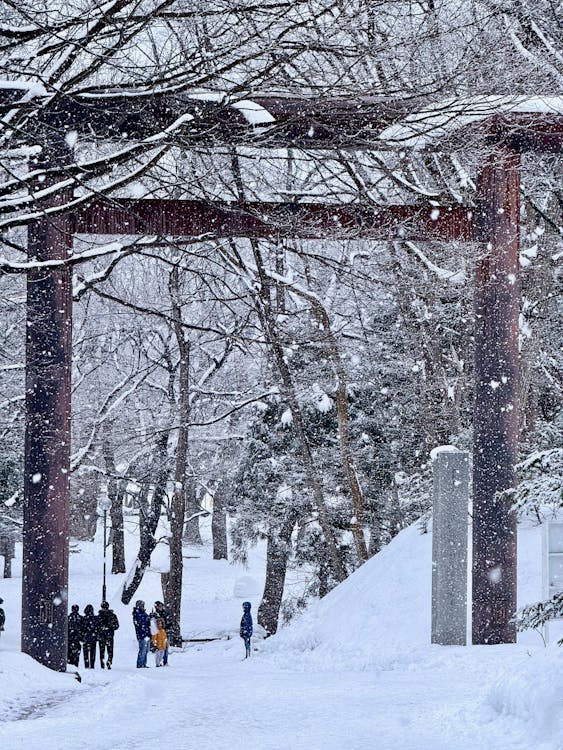
Spiritual Benefits and Effects
Known Spiritual Benefits
Jozankei Shrine offers a wide range of blessings:
Health and Longevity: As Sukunahikona-no-Kami is revered as a deity of medicine and hot springs, the shrine is especially known for health-related blessings. Combining worship with hot spring bathing is said to enhance these benefits.
Matchmaking and Romance: Okuninushi-no-Kami is the same deity enshrined at Izumo Taisha, famous throughout Japan for matchmaking blessings. Many couples visiting the hot springs and singles seeking romantic connections come to pray here.
Business Prosperity: As the guardian deity of the hot spring village, the shrine also offers blessings for business success. Local inn and shop owners regularly visit to pray for prosperity.
Warding Off Evil and Good Fortune: Climbing the 108 steps of the approach is said to cleanse away misfortune, making this a popular destination for those in their unlucky years (yakudoshi).
The Unique Energy of This Site
Jozankei Shrine is said to be filled with energy of “purification and renewal.” At this place where hot spring steam meets mountain spiritual energy, visitors find a special power that washes away the old and bestows fresh vitality.
Visitors frequently report that “the fog in my mind cleared” or “I found the courage to start fresh.” The shrine is particularly popular among those at turning points in life or seeking to refresh their mind and body.
Visitor Testimonials
> “A quiet, small but beautiful shrine—you’ll probably have the entire place to yourself. Not many people stop by, which is a shame as it’s a very pretty area.”
> — TripAdvisor review
> “The winter Snow Light Path event at the shrine is magical. Locals create snow lanterns, and the lights are so beautiful—it feels like stepping into a fairy tale.”
> — TripAdvisor review
> “There is a 1-1.5 hour walking trail in nature that starts from the shrine, highly recommended especially in autumn when the trees turn deep red and yellow.”
> — Travel blog review
(Based on visitor reviews from TripAdvisor and travel blogs)
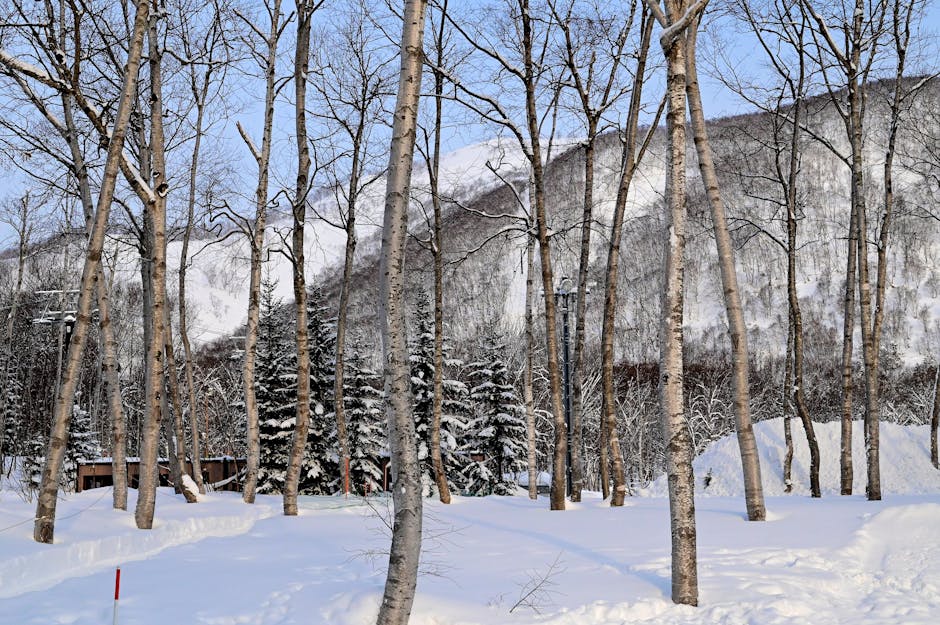
Best Times to Visit
Spring (Late April–May)
Spring arrives with the melting snow. Cherry blossoms bloom in early May, creating a uniquely Hokkaido scene against the backdrop of still snow-capped mountains. Temperatures of 10-18°C (50-64°F) are comfortable, and with fewer tourists, this is a hidden gem season. Mid-May when fresh green leaves begin to emerge is especially recommended.
Recommendation: ★★★★☆
Summer (June–August)
The shrine grounds, enveloped in deep green, stay cool—typically 3-5°C (5-9°F) lower than central Sapporo, making it perfect for escaping the heat. The Grand Festival on June 15th is the year’s biggest event, featuring portable shrine processions and traditional performances. July and August bring peak tourist season, but early morning visits offer peaceful worship.
Recommendation: ★★★★☆
Autumn (September–October)
The best season for Jozankei Shrine. From early to mid-October, the autumn colors are breathtaking—the brilliant red maples against the shrine architecture create unforgettable views. During the autumn illumination period, evening visits are also possible. Temperatures of 8-15°C (46-59°F) require warm clothing.
Recommendation: ★★★★★
Winter (November–March)
The snow-covered grounds take on a mystical atmosphere. Approximately 5,000 visitors come for New Year’s prayers. The Yukiakari (Snow Lantern) event in February illuminates the grounds with candles, creating a magical winter wonderland. Temperatures drop to -5 to -10°C (14-23°F), so proper winter gear is essential. The stairs are cleared of snow but can be slippery.
Recommendation: ★★★☆☆
Best Times of Day
Early Morning (7:00-9:00 AM): Few tourists, allowing you to have the sacred atmosphere to yourself. The grounds shrouded in morning mist are particularly ethereal.
Morning (9:00 AM-Noon): The shrine office is open for amulets and goshuin (shrine stamps). Visiting in the morning followed by lunch in the hot spring village is recommended.
Late Afternoon (3:00-5:00 PM): The shrine buildings bathed in western light are beautiful. During autumn foliage season, this hour offers especially stunning views.
Visitor’s Guide
Basic Worship Etiquette
1. Before passing through the torii gate: Bow once, then pass through along either side (not the center, which is reserved for the deities).
2. The approach (108 stone steps): Climb each step mindfully. It’s perfectly acceptable to rest partway if you need to catch your breath.
3. Purification at the temizuya:
– Hold the ladle in your right hand and rinse your left hand
– Transfer to your left hand and rinse your right hand
– Transfer back to your right hand, cup water in your left palm, and rinse your mouth
– Finally, hold the ladle vertically to rinse the handle
4. Worship at the main hall:
– Quietly place your offering (5 or 50 yen coins are considered auspicious)
– Ring the bell
– Bow twice, clap twice, bow once (nihai-nihakushu-ichihai)
– Silently convey your prayers
Special Points of Interest
Jozan Miizumi Monument: Located to the right of the worship hall. Take a moment to express gratitude to the discoverer of the hot springs.
Kappa Ema: Votive tablets featuring the legendary water sprites of Jozankei. Write your wish and dedicate it to the shrine (¥500).
Kappa Luck Charm: An adorable amulet shaped like a kappa. Said to protect against water-related misfortune and bring business prosperity (¥800).
Goshuin (Shrine Seal): Available at the shrine office. Regular version (¥500) and seasonal limited editions (¥700). The autumn foliage limited edition is especially popular. Hours: 9:00 AM-4:00 PM.
Dress Code and Etiquette
- Comfortable walking shoes are essential due to the 108 steps
- In winter, warm clothing and non-slip footwear are necessary
- Photography is permitted in the grounds, but not inside the shrine buildings
- Pets are allowed if carried in your arms
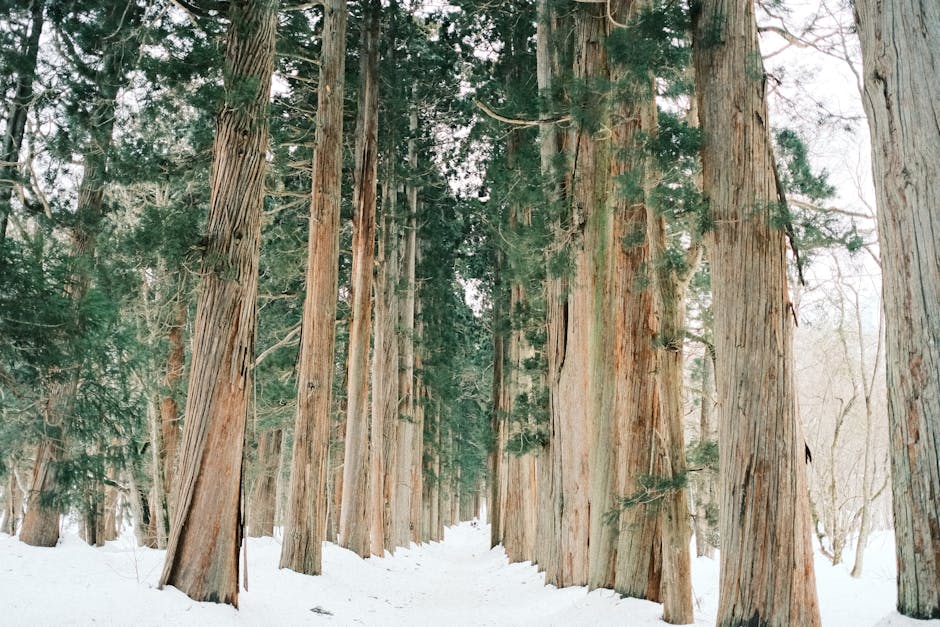
Basic Information
Access
Address: Jozankei Onsen Higashi 3-chome, Minami-ku, Sapporo, Hokkaido
By Bus:
- From Sapporo Station Bus Terminal, take the Jotetsu Bus bound for Jozankei Onsen (approximately 75 minutes)
- Get off at “Jozankei Jinja-mae” stop, 2-minute walk
- Fare: ¥790 one way
By Car:
- Approximately 50 minutes from central Sapporo via Route 230 (about 26 km)
- Approximately 60 minutes from Kitahiroshima IC on the Do-o Expressway
Facility Information
- Visiting Hours: Open 24 hours (shrine office: 9:00 AM-4:00 PM)
- Closed: None
- Admission: Free
- Suggested Duration: 30 minutes for worship only; 60 minutes including grounds exploration
- Parking: 15 spaces at shrine parking lot (free); additional public parking in hot spring village
- Official Website: None
- Phone: 011-598-2012
Area Information
Nearby Attractions
Jozankei Onsen Village (5-minute walk): One of Hokkaido’s premier hot spring resorts with over 20 ryokan (inns) and hotels. Many facilities offer day-use bathing.
Futami Suspension Bridge (10-minute walk): A vermillion suspension bridge spanning the valley. The view from the bridge is spectacular, especially popular during autumn foliage season.
Jozankei Dam (10-minute drive): A 117.5-meter gravity dam with a free visitor center and museum.
Hoheikyo Dam (15-minute drive): Famous for its autumn colors. Accessible only by electric bus, adding to its secluded charm.
Recommended Restaurants
Jozankei Tsuruga Resort Spa Mori no Uta – Lunch Buffet
- Cuisine: Buffet
- Features: Approximately 50 Japanese, Western, and Chinese dishes using Hokkaido ingredients
- Budget: From ¥3,500
- 8-minute walk from shrine
- Hours: 11:30 AM-2:00 PM (reservations required)
Soba Dokoro Torikayuki
- Cuisine: Soba noodles
- Specialties: 100% buckwheat soba, tempura soba
- Budget: From ¥1,200
- 5-minute walk from shrine
- Hours: 11:00 AM-3:00 PM (closed Wednesdays)
Café Gake no Ue
- Cuisine: Café
- Features: Terrace seating overlooking the valley
- Specialty: Onsen tamago pudding (¥550)
- 7-minute walk from shrine
- Hours: 10:00 AM-5:00 PM
Daikokuya Shoten
- Cuisine: Hot spring manjū (sweet buns)
- Specialty: Jozankei Manjū (6 pieces, ¥650)
- 3-minute walk from shrine
- Hours: 8:00 AM-6:00 PM
Souvenirs and Local Products
- Jozankei Manjū: The classic hot spring village souvenir—gentle sweetness of smooth red bean paste
- Kappa Goods: Stuffed toys, keychains, and other water sprite-themed souvenirs
- Onsen Bath Salts: Recreate the Jozankei hot spring experience at home
Accommodation
- Jozankei View Hotel: Large resort hotel with pool. From ¥15,000/night with two meals
- Jozankei Daiichi Hotel Suizantei: Luxury ryokan with rooms featuring private open-air baths. From ¥30,000/night with two meals
- Hotel Shikanoyu: Traditional onsen inn with natural flowing hot springs. From ¥12,000/night with two meals
Model Itineraries
Half-Day Course (Approximately 4 hours)
10:00 AM Depart Sapporo Station (by bus)
11:15 AM Arrive Jozankei, visit shrine
12:00 PM Lunch (soba at Torikayuki)
1:00 PM Futami Suspension Bridge walk
1:30 PM Day-use hot spring bath
3:00 PM Return to Sapporo
Full-Day Course (Approximately 8 hours)
9:00 AM Depart Sapporo Station (by bus)
10:15 AM Visit Jozankei Shrine
11:00 AM Explore hot spring village, souvenir shopping
12:00 PM Lunch buffet (Mori no Uta)
2:00 PM Hoheikyo Dam sightseeing
4:00 PM Leisurely day-use hot spring
6:00 PM Return to Sapporo
Visitor Reviews and Experiences
> “Nice to see this shrine set in a beautiful winter scene, so peaceful. Combined with the Jozankei onsen experience, it’s the perfect day trip from Sapporo.”
> — TripAdvisor review
> “In early October, the trees on the shrine precincts turn deep red and yellow. The autumn foliage combined with the hot spring town atmosphere is something you won’t find anywhere else.”
> — Travel blog review
Practical tips from reviewers: combine your visit with a day-bathing onsen experience in the town. The shrine is a short walk uphill from the main hot spring street. Visit in early October for peak autumn foliage.
(Based on visitor reviews from TripAdvisor and travel blogs)
Frequently Asked Questions
Q: How much time should I allow for worship?
A: About 30 minutes for worship only; approximately 60 minutes including exploration of the grounds. Note that there are 108 steps, so those with mobility concerns should allow extra time.
Q: Does the parking lot get crowded?
A: The shrine parking lot is small with only 15 spaces. It can fill up on weekends during autumn foliage season. Using the public parking in the hot spring village (5-minute walk) is recommended.
Q: Can I receive a goshuin?
A: Yes, available at the shrine office from 9:00 AM-4:00 PM. Regular version ¥500, seasonal limited edition ¥700. The autumn foliage limited edition is especially popular.
Q: Are pets allowed?
A: Yes, if carried in your arms. Please keep your pet on a leash within the grounds and be considerate of other worshippers.
Q: Can I visit in winter?
A: Yes, the shrine is open year-round. However, there is snow accumulation in winter and the stairs can be slippery. Please wear non-slip footwear and dress warmly.
Summary
Jozankei Shrine stands as a power spot of healing and purification in Jozankei Onsen, one of Hokkaido’s most celebrated hot spring villages.
Climbing the 108 steps of the approach, offering prayers to the deities of hot springs, then cleansing body and soul in the thermal waters—this “Toji Sanpai” is a unique experience found only in Jozankei. The blessings of health, longevity, matchmaking, and business prosperity granted by Okuninushi-no-Kami and Sukunahikona-no-Kami have been revered by worshippers for over a century.
Just 75 minutes by bus from central Sapporo, the shrine is easily accessible for day trips, though an overnight stay at one of the hot spring inns allows for a more leisurely experience. Early to mid-October during autumn foliage season is particularly magnificent—the fiery maples against traditional shrine architecture create views that must be seen to be believed.
Whether seeking to refresh mind and body, standing at a crossroads in life, or simply wanting to add a special spiritual dimension to your hot spring getaway, Jozankei Shrine warmly welcomes all who seek its blessings.
—
Want to discover the power spot that’s right for you?
Beyond this location, Japan is home to countless power spots. To find the one most suited to you, try our free compatibility assessment (takes just 3 minutes).
→ Take the Free En Profile Assessment
—
Information in this article is current as of December 2025. Please verify the latest details on official websites before visiting.
あなたに最適なパワースポットを知りたい方へ