Standing majestically in Osaka’s Sumiyoshi Ward, Sumiyoshi Taisha serves as the head shrine of approximately 2,300 Sumiyoshi shrines throughout Japan. With over 1,800 years of history, this beloved sanctuary—affectionately called “Sumiyossan” by locals—welcomes approximately 2.3 million visitors annually. During the first three days of the New Year alone, nearly 2 million worshippers pass through its sacred gates, making it Osaka’s most important spiritual destination.
Founded in 211 CE during the reign of Empress Jingu, the shrine enshrines the three Sumiyoshi deities (Sokotsutsunoo-no-Mikoto, Nakatsutsunoo-no-Mikoto, and Uwatsutsunoo-no-Mikoto) along with Empress Jingu herself. Since ancient times, the shrine has been revered as the protector of sea voyages and patron of poetry. Before every mission, the imperial envoys to Tang China would pray here for safe passage across the treacherous seas.
Upon entering the grounds, the vermillion Taiko-bashi (Arched Drum Bridge) immediately captures your attention. With a maximum incline of 48 degrees, crossing this iconic bridge is believed to purify visitors of impurities, preparing them to approach the deities with a cleansed spirit. The four main sanctuary buildings represent the oldest form of Shinto shrine architecture, known as “Sumiyoshi-zukuri,” and all four are designated National Treasures. The sacred atmosphere preserved across 1,800 years quietly purifies the hearts of all who visit.
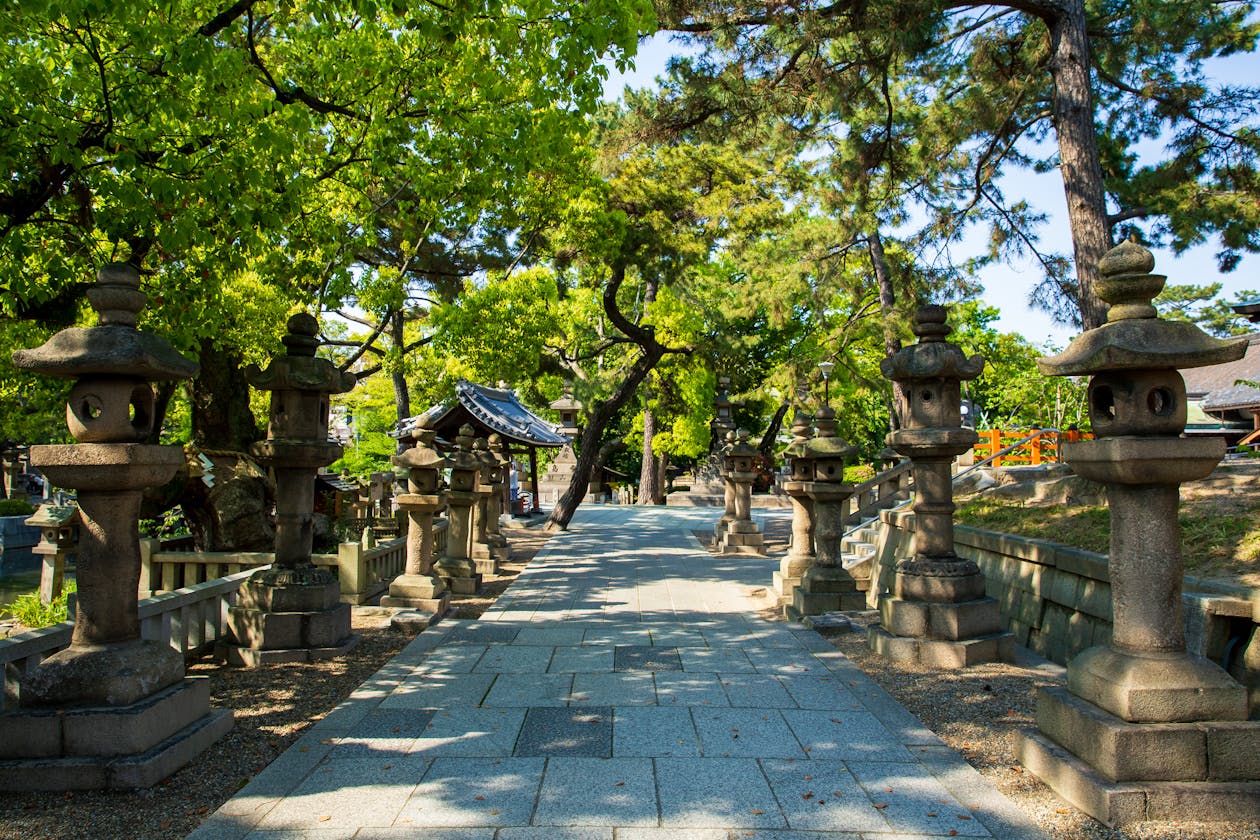
The Allure of This Sacred Site
History and Origins
Sumiyoshi Taisha’s founding dates to 211 CE, when Empress Jingu, returning from her campaign to the Korean Peninsula, received a divine message from the three Sumiyoshi deities directing her to establish a shrine at this location. These three deities were born when Izanagi-no-Mikoto performed purification rituals at the orange grove of Awagihara in Hyuga, Tsukushi, after returning from the land of the dead.
During the Nara period, the shrine became the guardian deity of the imperial envoys to Tang China, with every mission beginning with prayers for safe voyage at Sumiyoshi Taisha. In the Heian period, the shrine also gained prominence as a deity of poetry, attracting visits from renowned poets including Ki no Tsurayuki and Fujiwara no Shunzei. Numerous poems about Sumiyoshi Taisha appear in the Man’yoshu and Kokin Wakashu poetry anthologies.
Medieval warriors also deeply revered the shrine, with both Minamoto no Yoritomo and Ashikaga Takauji paying their respects. During the Edo period, Osaka merchants increasingly worshipped here for business prosperity, and the shrine’s reputation as a deity of commercial success grew. Today, the Toka Ebisu festival on January 10th continues to draw throngs of business people seeking blessings.
Architecture and Natural Features
Sumiyoshi Taisha’s most remarkable feature is that all four main sanctuary buildings are designated National Treasures. The “Sumiyoshi-zukuri” architectural style they represent is among the oldest forms of shrine architecture. Characterized by gabled roofs with the entrance on the gable end, cypress bark roofing, vermillion-painted pillars, and white plaster walls, the buildings present a distinctive and striking appearance.
The four main sanctuaries are arranged in an unusual configuration—three in a row from west to east, with the fourth alongside—creating a formation said to resemble a fleet of ships approaching from the sea. This arrangement reflects the worship of the three Sumiyoshi deities plus Empress Jingu.
The Taiko-bashi (Drum Bridge), the shrine’s iconic symbol, spans approximately 20 meters with a maximum incline of 48 degrees. While the current bridge was rebuilt in 1961, its graceful arch—said to have been originally donated by Lady Yodo—continues to welcome worshippers. During evening illumination, the bridge’s reflection on the water creates a mystical scene.
Throughout the approximately 3-hectare grounds stand ancient camphor trees over 1,000 years old, with the “Meoto Kusu” (Husband and Wife Camphor Trees) particularly famous as a power spot for matchmaking. The extensive grounds also contain over 30 auxiliary shrines, offering various blessings to visitors.
What Makes This Spot Special
Sumiyoshi Taisha is particularly renowned as a deity of “purification.” At the Goshogonzen area within the grounds, stones inscribed with the characters “Go” (five), “Dai” (great), and “Riki” (power) are scattered about. Finding stones bearing all three characters and keeping them as talismans is believed to grant the fulfillment of heartfelt wishes.
The shrine also observes “Hattatsumori”—a unique pilgrimage tradition exclusive to Sumiyoshi Taisha. On the first Day of the Dragon each month, worshippers visit four auxiliary shrines in sequence: Tanekashi-sha, Nankunsu-sha, Asazawa-sha, and Otoshi-sha. Completing 48 visits over four years achieves the full pilgrimage and is said to bring blessings of business prosperity and family safety. This practice remains especially popular among Osaka’s business community.
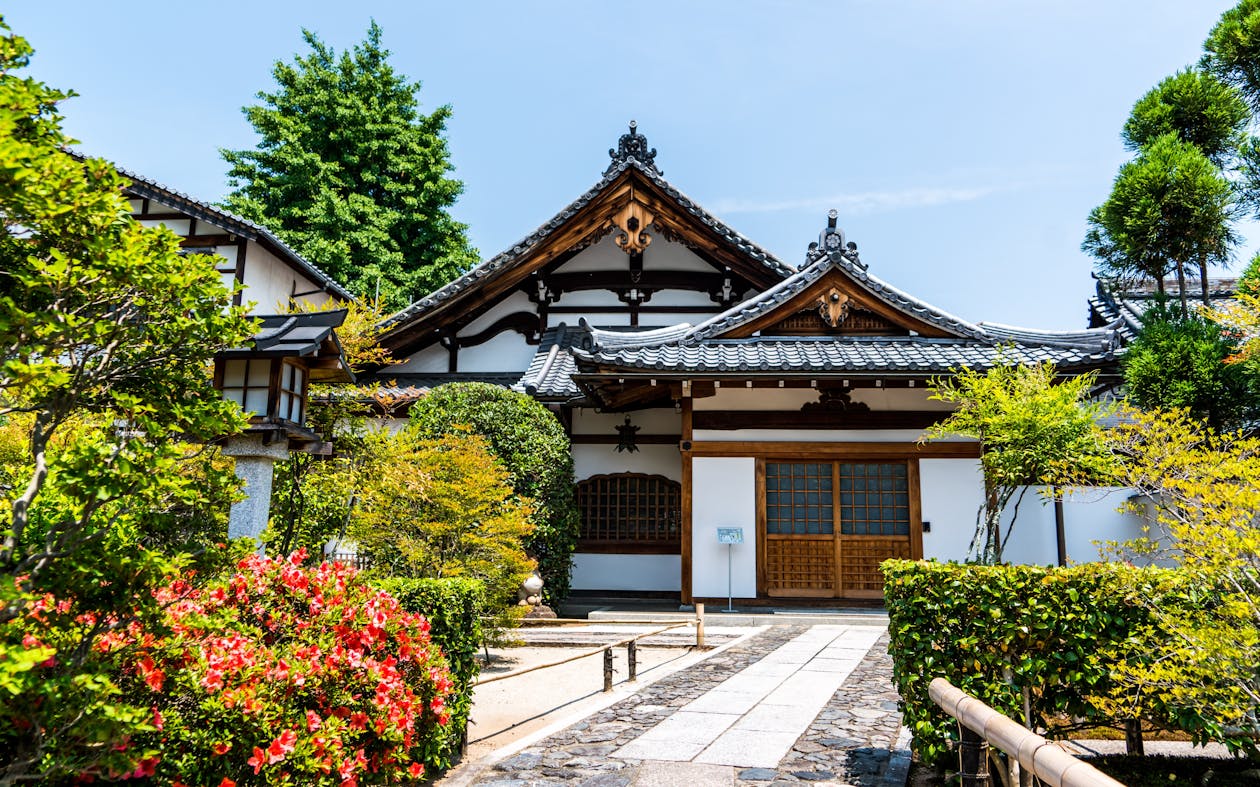
Spiritual Benefits and Effects
Known Spiritual Benefits
The three Sumiyoshi deities each govern different aspects of blessing:
Safe Voyages and Traffic Safety: As deities of the sea, the Sumiyoshi gods have protected sailors and travelers since ancient times. Today, they are equally popular for blessing motor vehicle safety.
Purification and Protection: As deities of ritual purification, they offer protection from misfortune and cleansing of daily impurities. Purification ceremonies are conducted daily at the Haraiden Hall within the grounds.
Business Prosperity: Connected to Osaka’s merchant culture, the shrine is revered for commercial success. The Hattatsumori pilgrimage is considered essential for anyone doing business in Osaka.
Poetry and Learning: Revered since the Heian period as a deity of poetry, the shrine now also offers blessings for academic success and artistic accomplishment.
The Unique Energy of This Site
Sumiyoshi Taisha is said to possess strong energy for “cleansing” and “new beginnings.” Crossing the Taiko-bashi is believed to wash away impurities of body and mind, granting power to embark on fresh starts.
The Godairiki stones at Goshogonzen are considered to hold particularly powerful energy for wish fulfillment. Many visitors search for these stones, keeping them in charm pouches. Tradition holds that when a wish is granted, one should return double the number of stones.
Visitor Testimonials
“I visited when I had decided to change jobs. The moment I crossed the Taiko-bashi, my heart felt lighter and I gained courage to take that new step forward.” (Man in his 30s, Tokyo)
“It took over 30 minutes to find all three Godairiki stones, but the sense of achievement was incredible. Afterward, I passed the professional certification exam I had been working toward.” (Woman in her 40s, Osaka)
Best Times to Visit
Spring (Late March–May)
Cherry blossom season in early April is especially recommended. Approximately 200 Somei Yoshino cherry trees create stunning views against the Taiko-bashi backdrop. Comfortable temperatures of 15-22°C (59-72°F) make for pleasant visiting. Spring festivals include the Jinmu Tenno Festival on April 3rd and the Unohana Festival in early May.
Recommendation: ★★★★★
Summer (June–August)
The Sumiyoshi Festival from July 30th to August 1st is one of Osaka’s three great summer festivals. The mikoshi procession featuring approximately 10,000 participants is spectacular. The Nagoshi Oharae on June 30th offers the chance to walk through a sacred grass ring for mid-year purification. Temperatures reach around 30°C (86°F), but abundant shade makes visits manageable.
Recommendation: ★★★★☆
Autumn (September–November)
From mid to late November, the grounds’ maple and ginkgo trees display brilliant autumn colors, creating magnificent views with the Taiko-bashi. Families celebrating Shichi-Go-San add to the festive atmosphere. Comfortable temperatures of 12-20°C (54-68°F) make this ideal visiting weather.
Recommendation: ★★★★★
Winter (December–February)
New Year’s visits bring approximately 2 million worshippers during the first three days—Osaka’s largest hatsumode gathering. The Toka Ebisu on January 10th also draws crowds seeking business prosperity. To avoid crowds, visit after mid-January. Bundle up warmly, but the crisp air creates a dignified atmosphere for worship.
Recommendation: ★★★☆☆
Best Times of Day
Early Morning (6:00-8:00 AM): Right after opening, visitors are few and the sacred atmosphere is strongest. The Taiko-bashi bathed in morning light makes for excellent photography.
Morning (9:00 AM-Noon): The shrine office is open for goshuin and amulets. Relatively uncrowded.
Late Afternoon (4:00-6:00 PM): The vermillion buildings glow beautifully in western light. Crowds thin out for peaceful worship.
Visitor’s Guide
Basic Worship Etiquette
1. Taiko-bashi (Drum Bridge): Crossing purifies you of impurities. Watch your step on the steep incline.
2. Temizuya (Purification Fountain):
– Hold the ladle in your right hand and rinse your left hand
– Transfer to your left hand and rinse your right hand
– Return to your right hand, pour water into your cupped left palm, and rinse your mouth
– Finally, tilt the ladle vertically to rinse the handle
3. Main Sanctuary Worship:
– Quietly offer your monetary offering
– Bow twice, clap twice, bow once (nihai-nihakushu-ichihai)
– Convey your gratitude and wishes silently
Highlights and Recommended Route
Suggested Route (Approximately 90 minutes)
1. Taiko-bashi (Drum Bridge) (10 min): Purify yourself before entering
2. First through Fourth Main Sanctuaries (20 min): Worship at all four National Treasure buildings
3. Goshogonzen (15 min): Search for the Godairiki stones
4. Hattatsumori Four Shrines (20 min): Tanekashi-sha → Nankunsu-sha → Asazawa-sha → Otoshi-sha
5. Meoto Kusu (Couple’s Camphor Trees) (5 min): Matchmaking power spot
6. Amulet Office (10 min): Receive goshuin and charms
7. Return via Taiko-bashi (10 min)
Goshuin and Amulet Information
Goshuin (Shrine Seal):
- Fee: ¥300
- Hours: 9:00 AM-5:00 PM
- Multiple varieties available, including auxiliary shrine seals
Popular Amulets:
- Maritime Safety Charm (¥800): Also effective for traffic safety
- Hattatsumori Lucky Cat (¥500~): Lucky charm for business prosperity
- Godairiki Charm (¥1,000): For wish fulfillment
- Matchmaking Charm (¥800): Inspired by the Meoto Kusu trees
Dress Code and Items to Bring
- Comfortable walking shoes (grounds are extensive with many gravel areas)
- Hat, parasol, and water in summer
- Warm clothing essential in winter
- Work gloves helpful for searching Godairiki stones
Basic Information
Access
Address: 2-9-89 Sumiyoshi, Sumiyoshi-ku, Osaka
By Train:
- 3-minute walk from Nankai Main Line “Sumiyoshi-Taisha Station”
- 5-minute walk from Nankai Koya Line “Sumiyoshi-Higashi Station”
- Directly adjacent to Hankai Tramway “Sumiyoshi-Toriimae” stop
By Car:
- 10 minutes from Hanshin Expressway Route 15 Sakai Line “Tamade Exit”
- 15 minutes from Hanshin Expressway Route 14 Matsubara Line “Komagawa Exit”
Parking: Paid parking available (approximately 200 spaces, ¥200 for first hour, ¥100 per 30 minutes thereafter)
Visiting Information
- Hours: 6:00 AM-5:00 PM (6:00 AM-6:00 PM April-September)
- Closed: None
- Admission: Free (some facilities charge fees)
- Suggested Duration: 1-1.5 hours
Contact
- Phone: 06-6672-0753
- Official Website: https://www.sumiyoshitaisha.net/
Area Information
Nearby Attractions
Osaka City Nagai Botanical Garden (15 min by car)
A vast 24-hectare botanical garden featuring seasonal flowers throughout the year. The rose garden with approximately 7,000 roses is spectacular. Admission ¥200.
Sumiyoshi Park (5-min walk)
A historic park adjacent to Sumiyoshi Taisha. Known for cherry blossoms and perfect for leisurely strolls. Free admission.
Sakai City (15 min by train)
Home to the UNESCO World Heritage Mozu-Furuichi Kofun Group, including Emperor Nintoku’s tomb. Experience Sen no Rikyu’s tea culture.
Recommended Restaurants
Kohama Shopping Street (10-min walk)
- Retro Showa-era atmosphere
- Specialty: Handmade prepared foods and croquettes from various shops
- Perfect for eating while walking
Kanbukuro (15 min by train, Sakai City)
- Historic Japanese confectionery shop established over 700 years ago
- Specialty: Kurumi-mochi walnut rice cakes (¥400 per serving)
- Hours: 10:00 AM-5:00 PM
- Closed: Tuesdays & Wednesdays
Sumiyoshi (5-min walk)
- Traditional udon and soba restaurant
- Specialty: Kitsune Udon (¥550)
- Hours: 11:00 AM-3:00 PM
- Closed: Irregular
Café Renoir Sumiyoshi Branch (3-min walk)
- Perfect for post-worship relaxation
- Specialty: Blend Coffee (¥500)
- Hours: 8:00 AM-8:00 PM
Souvenirs
- Sumiyoshi Taisha Sacred Sake: Sake offered to the deities—also for home purification
- Hattatsumori Lucky Cats: Business prosperity charms; collect 48 for full wish fulfillment
- Godairiki Stone Pouch: Charm bag for holding the sacred stones
- Sumiyoshi Senbei: Local specialty crackers as pilgrimage mementos
Model Itineraries
Half-Day Course (Approximately 4 hours)
10:00 AM Sumiyoshi Taisha worship
11:30 AM Grounds exploration and Godairiki stone search
12:30 PM Street food lunch at Kohama Shopping Street
2:00 PM Sumiyoshi Park stroll
2:30 PM Depart
Full-Day Course (Approximately 7 hours)
9:00 AM Sumiyoshi Taisha worship (including Hattatsumori)
11:00 AM Visit auxiliary shrines throughout grounds
12:00 PM Lunch at Sumiyoshi
1:30 PM Train to Sakai
2:00 PM Emperor Nintoku’s Tomb Visitor Center
3:00 PM Kurumi-mochi at Kanbukuro
4:00 PM Sakai city exploration and souvenir shopping
5:00 PM Return journey
Visitor Reviews and Experiences
“The go-to power spot in Osaka” (Man in his 50s, Business owner)
“I’ve continued the Hattatsumori pilgrimage for 10 years now. I believe my business success is thanks to Sumiyossan. If you’re doing business in Osaka, this shrine is absolutely essential.”
“Crossing the Taiko-bashi resets my spirit” (Woman in her 30s, Office worker)
“I visited when I was struggling at work. The moment I crossed the Drum Bridge, my heart mysteriously lightened and I felt more positive. It’s a place I want to visit regularly.”
“Searching for Godairiki stones was so much fun” (Couple in their 40s, Tourists)
“My husband and I searched for the Godairiki stones together. It took over 30 minutes, but the joy when we found them was extraordinary. We carried them home, filled with our wishes.”
Frequently Asked Questions
Q: How crowded is New Year’s worship?
A: Over 2 million people visit during the first three days, with waits of 2-3 hours on New Year’s Day. To avoid crowds, visit after January 4th or in the early morning.
Q: Can I do Hattatsumori every month?
A: Yes, it takes place on the first Day of the Dragon each month. Check the official website for dates. Completing 48 visits (4 years) achieves full wish fulfillment.
Q: Will I definitely find the Godairiki stones?
A: With patience, you will find them. Look for stones marked “Go,” “Dai,” and “Riki” to keep as charms. Allow plenty of time for your search.
Q: Does the parking lot get crowded?
A: Weekends, holidays, and festival days see heavy traffic. Public transportation is recommended—Sumiyoshi-Taisha Station on the Nankai Main Line is just a 3-minute walk.
Nearby Power Spots
- [Fushimi Inari Taisha](https://k005.net/en/powerspot/fushimi-inari-day-trip-osaka-en/)
- [Kiyomizu-dera](https://k005.net/en/powerspot/kiyomizu-dera-en/)
- [Nachi Falls](https://k005.net/en/powerspot/nachi-falls-en/)
- [Seimei Shrine](https://k005.net/en/powerspot/seimei-shrine-kyoto-day-trip-en/)
- [Atsuta Shrine](https://k005.net/en/powerspot/atsuta-jingu-en/)
Summary
Sumiyoshi Taisha, with over 1,800 years of history, stands as Osaka’s premier power spot.
As the head shrine of approximately 2,300 Sumiyoshi shrines nationwide, it offers diverse blessings including safe travels, purification, and business prosperity. Highlights include the four National Treasure main sanctuary buildings, the iconic Taiko-bashi drum bridge, and the wish-granting Godairiki stones. Unique traditions like Hattatsumori and the Sumiyoshi Festival add to its appeal.
Conveniently accessible from central Osaka—just 3 minutes on foot from Nankai Main Line Sumiyoshi-Taisha Station—the surrounding area offers plenty of post-worship diversions including Kohama Shopping Street and Sumiyoshi Park.
When you want to take a new step forward, cleanse your body and spirit, or pray for business success—Sumiyoshi Taisha answers all manner of wishes as Osaka’s guardian deity. Experience the power woven through 1,800 years of history at this shrine affectionately called “Sumiyossan.”
—
Want to discover the power spot that’s right for you?
Beyond this location, Japan is home to countless power spots. To find the one most suited to you, try our free compatibility assessment (takes just 3 minutes).
→ [Take the Free En Profile Assessment](https://enguide.info)
—
*Information in this article is current as of December 2025. Please verify the latest details via the official website before visiting.*
あなたに最適なパワースポットを知りたい方へ