Just 30 minutes from Sendai by JR Senseki Line, Shiogama Shrine stands atop a hill in Shiogama City as the Ichinomiya (highest-ranking shrine) of the former Mutsu Province — a guardian of the entire Tohoku region for over 1,200 years. Climb the iconic 202 stone steps of the front approach and you’ll emerge into a sacred precinct with sweeping views of Shiogama Harbor and a profound sense of peace.
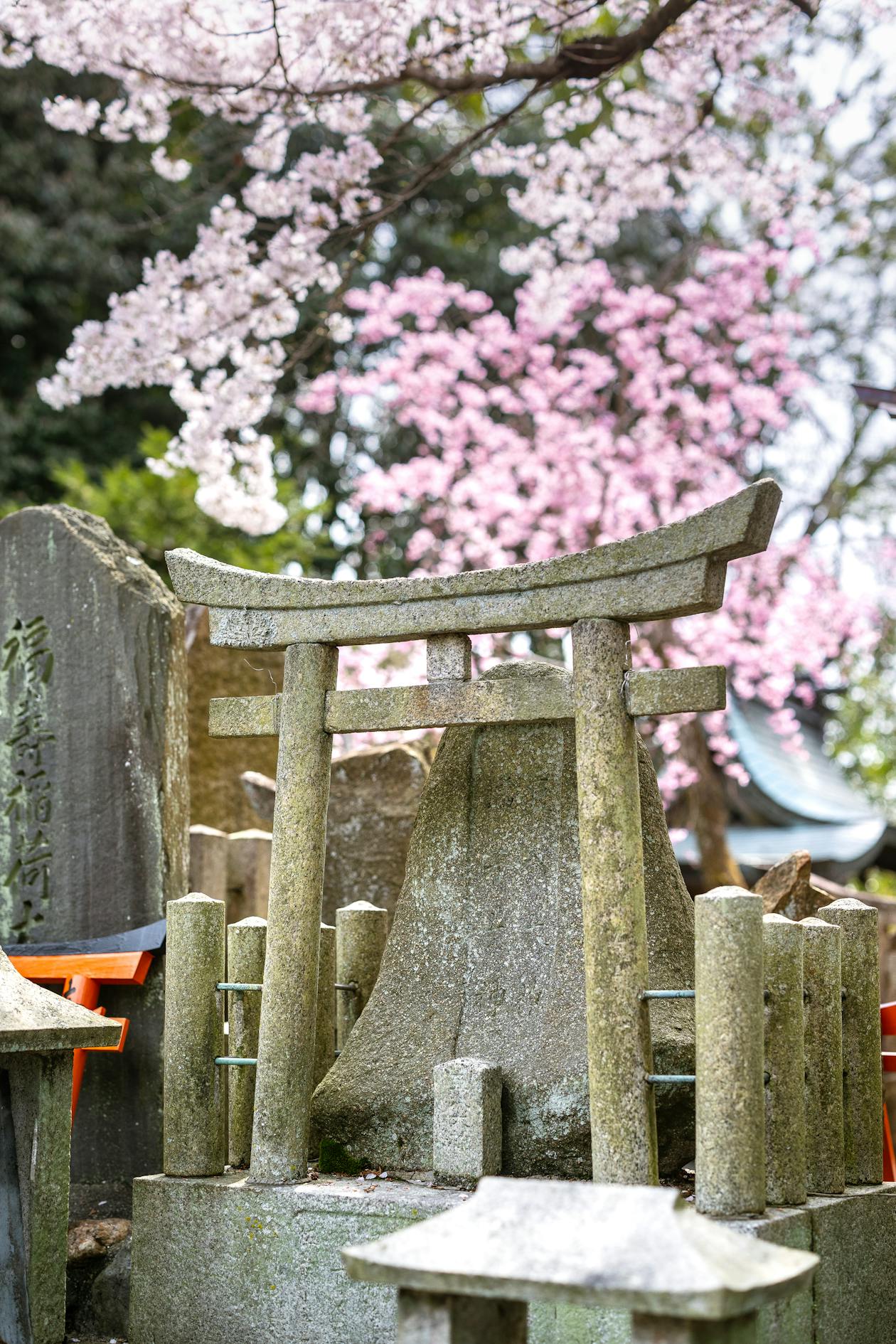
The principal deity, Shiotsuchi-no-Oji (the God of Salt), is said to have remained in this land to teach the people the art of salt-making — giving the city its very name. The magnificent shrine buildings, constructed over nine years by the Date clan, are designated Important Cultural Properties. In late April, the grounds are graced by the Shiogama Cherry Blossom, a National Natural Monument with 40–50 delicate petals per bloom.
What Makes This Place Special
Ichinomiya of Mutsu — The Highest-Ranking Shrine in Tohoku
The exact founding date of Shiogama Shrine is unknown, but the early Heian-period document *Konin-shiki* already records offerings of “10,000 bundles for the Shiogama deity,” proving that the shrine commanded deep reverence well before the Nara period. It served as the spiritual pillar of Tagajo (the ancient administrative center of the north) and has been honored by the Imperial Court, samurai, and common people alike.
During the Edo period, the Date clan devoted nine years to constructing the current shrine buildings, completing them in 1704. These buildings are designated National Important Cultural Properties.
The Salt God’s Legacy — Origin of the City’s Name
Shiotsuchi-no-Oji, a god of navigation and tides, guided the warrior gods Takemikazuchi and Futsunushi to pacify the Tohoku region. He then remained in this land and taught the people how to make salt. “Shiogama” literally means “salt cauldron,” and the nearby Okama Shrine still performs salt-making rituals to this day.
202 Stone Steps — A Test of Spirit
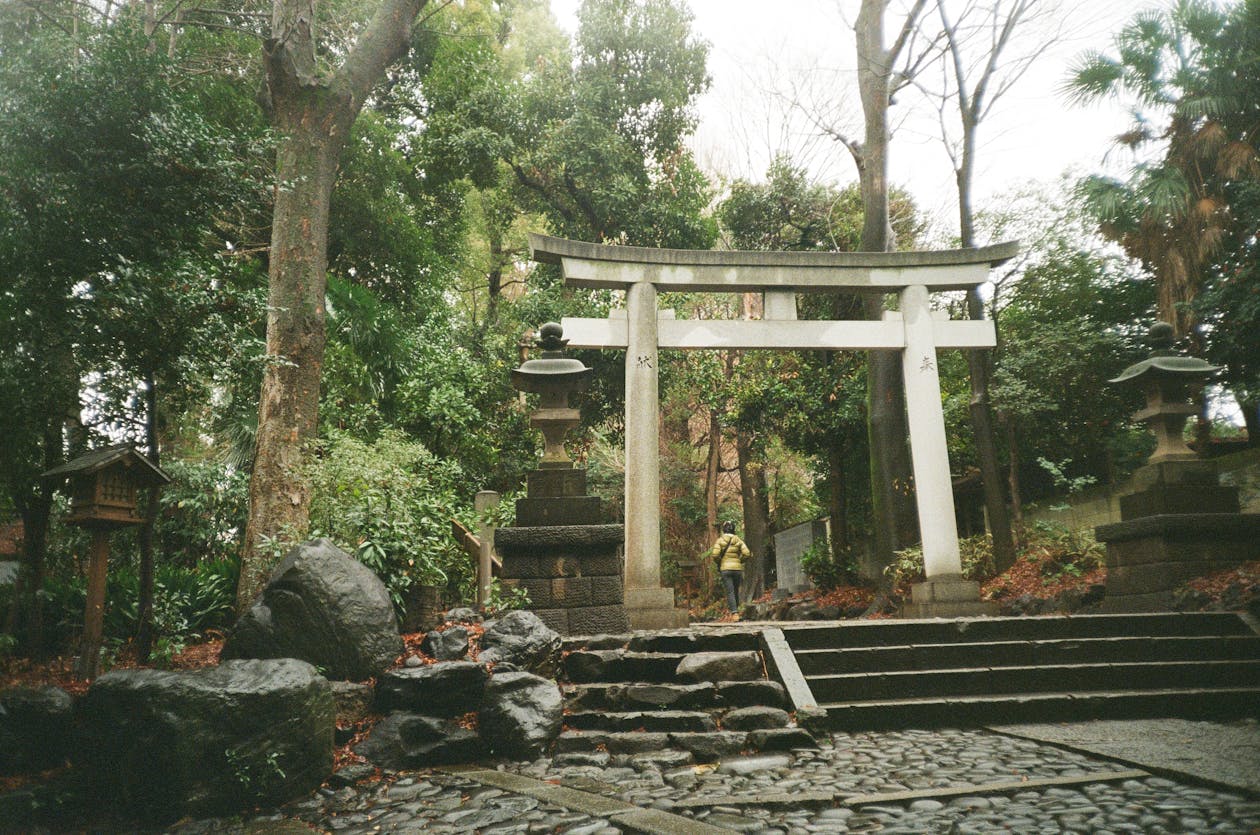
The front approach features 202 steep stone steps that have become the shrine’s iconic symbol. Each step upward is a form of purification. At the top, passing through the grand Zuijin-mon Gate, you’re rewarded with fresh mountain air and panoramic views of the harbor below.
A National Natural Monument — Shiogama Cherry Blossom
The Shiogama Cherry Blossom blooms about two weeks later than Somei Yoshino, reaching peak beauty from late April to early May. This extraordinary double-flowered cherry with 40–50 petals per bloom has been celebrated in poetry since ancient times.
Spiritual Benefits
Safe Childbirth — Shiotsuchi-no-Oji is revered as a deity who guides the path of birth. Safe childbirth prayers are the most popular form of prayer at Shiogama Shrine, and locals say “for safe delivery, go to Shiogama-san.”
Maritime Safety & Bountiful Catch — As the guardian deity of the port town, the shrine has deep ties to the fishing industry. The annual Shiogama Minato Festival with its sea procession is a living testament to this connection.
Protection from Misfortune — Takemikazuchi and Futsunushi are warrior gods with the power to ward off calamity. Year-round, visitors come for *yakuyoke* (misfortune-dispelling) prayers.
Longevity & Family Prosperity — Shiotsuchi-no-Oji is also revered as a deity of long life, drawing visitors who pray for the health and flourishing of their families.
Best Time to Visit
Spring — Shiogama Cherry Blossom Season (Late April–Early May) ★★★★★
The absolute best time. The National Natural Monument cherry trees reach full bloom in late April to early May. The Hana Matsuri (Flower Festival) around the fourth Sunday of April combines cherry blossoms with a sacred palanquin procession.
Winter — New Year’s Pilgrimage (January) ★★★★☆
The New Year visit to the Ichinomiya of Mutsu is deeply special. However, expect enormous crowds during the first three days. From January 4th onward, the atmosphere calms. Traffic restrictions apply during this period — take the train.
Summer — Shiogama Minato Festival (Third Monday of July) ★★★★☆
Held on Marine Day, the festival features a magnificent sea procession with sacred boats. Experience a port town summer festival alongside your shrine visit.
Autumn (October–November) ★★★★☆
Fall foliage and uncrowded grounds make autumn ideal for a quiet, contemplative visit.
Early Spring — Hotematsu Festival (Around March 10) ★★★★☆
A fire-prevention ritual marking the start of spring. A massive portable shrine weighing over one ton is carried down all 202 steps — a breathtaking sight.
Best Time of Day
Early morning (5:00–7:00 AM): Few visitors, beautiful morning light on the shrine buildings. Climbing the stone steps in the quiet of dawn is an unforgettable experience.
Visitor’s Guide
Recommended Route (60–90 minutes)
Front approach (Omote-zaka) stone torii → Climb 202 steps (10–15 min) → Zuijin-mon Gate → Kara-mon Gate → Main Hall (Left & Right Shrine) → Separate Shrine (Betsu-gū) — dedicated to Shiotsuchi-no-Oji, the principal deity → Shiogama Cherry Trees (in season) → Shiwahiko Shrine (vermillion and black lacquer buildings) → Shiogama Shrine Museum (if time permits) → Descend via East Approach
If the Stone Steps Are Difficult
The East Approach (Higashi Sando) allows car access to near the main buildings. The walk from the parking lot to the shrine precincts is relatively gentle — recommended for wheelchair users, stroller families, and elderly visitors.
Key Highlights
Left & Right Shrine Halls: Important Cultural Properties built by the Date clan over 9 years. The Separate Shrine (Betsu-gū) enshrines the principal deity and is the spiritual heart of the visit.
Shiwahiko Shrine: Striking vermillion and black lacquered buildings that contrast beautifully with the more restrained Shiogama Shrine. Visiting both together is the proper form.
Shiogama Shrine Museum: ¥200 admission. Houses historical materials on fishing, salt-making, and Date clan artifacts.
Okama Shrine (off-site subsidiary shrine): A 15-minute walk away. Salt-making rituals are still performed here around four iron cauldrons that serve as the shrine’s sacred objects.
Essential Information
| Detail | Information |
|——–|————|
| Official Name | Shiwahiko Shrine & Shiogama Shrine |
| Address | 1-1 Ichimoriyama, Shiogama, Miyagi 985-8510 |
| Hours | Mar–Oct: 5:00–18:00 / Nov–Feb: 5:00–17:00 |
| Closed | Open year-round |
| Admission | Shrine grounds: Free / Museum: Adults ¥200, Jr/Sr high ¥150, Elementary ¥80 |
| Parking | Free (4 lots, ~300 spaces) |
| Official Website | https://shiogamajinja.jp/ |
Getting There
By Train:
- JR Senseki Line “Hon-Shiogama Station” → 15 min walk to front approach / 7 min walk to east approach
- JR Tohoku Main Line “Shiogama Station” → 25 min walk
- Sendai to Hon-Shiogama: ~30 min by JR Senseki Line
By Car:
- Sanriku Expressway: ~10 min from Rifu-Naka IC or Rifu-Shiogama IC
- ~15 min from Sendai-Kohoku IC
Practical Advice: During the New Year period, roads around the shrine are subject to traffic restrictions. The train is strongly recommended during this time.
Nearby Spots & Model Itinerary
Half-Day Course: “Shrine + Port Town Gourmet”
1. 9:00 AM Arrive at Hon-Shiogama Station, climb 202 steps, visit shrine (60 min)
2. 10:00 AM Shiwahiko Shrine & Museum (30 min)
3. 10:30 AM Walk to Okama Shrine (15 min)
4. 11:00 AM Shiogama Seafood Wholesale Market — Build your own seafood rice bowl from ~115 vendors
5. 12:30 PM Souvenirs at Marine Gate Shiogama
Full-Day Course: “Shrine + Matsushima”
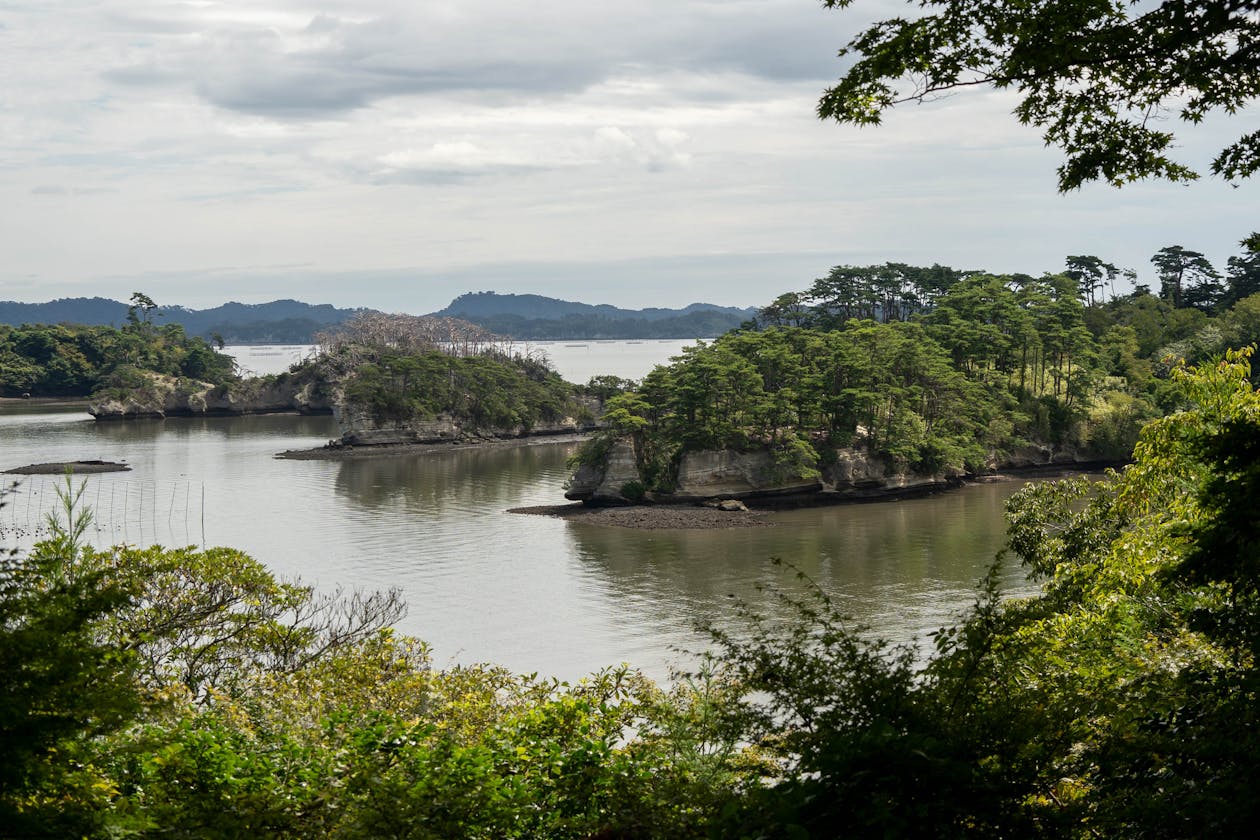
After exploring the shrine in the morning, catch a sightseeing cruise from Marine Gate Shiogama to Matsushima (~50 min). Experience one of Japan’s Three Scenic Views and the Ichinomiya of Mutsu in a single day.
Shiogama Gourmet — Japan’s Sushi Capital
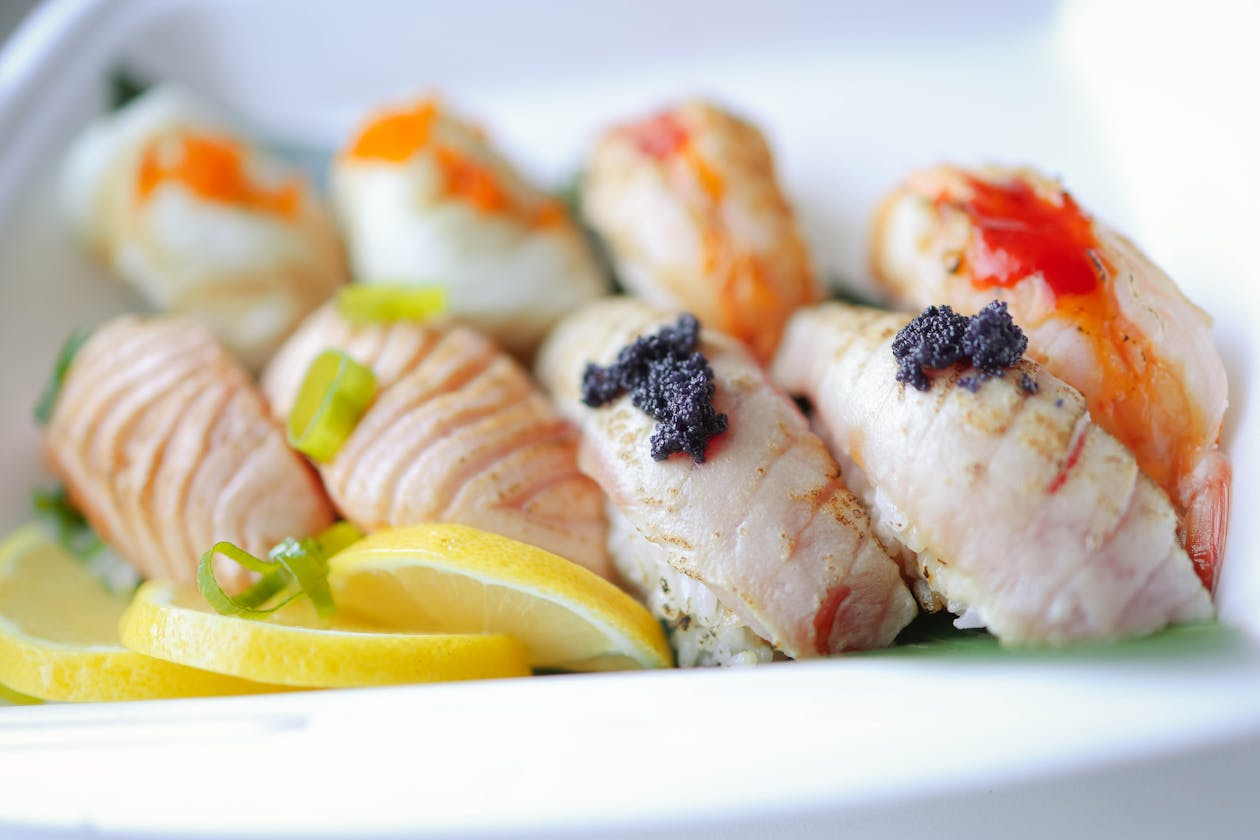
Shiogama boasts one of the highest per-capita concentrations of sushi restaurants in Japan, serving the finest Sanriku seafood.
- Sushi-Tetsu: The most popular local institution
- Kameki Sushi: A long-established classic
- Shiogama Seafood Wholesale Market: Pick your own toppings and build a custom seafood bowl
Recommended Souvenirs
- Sasa-kamaboko: Traditional fish cake — Takeda brand is a local favorite
- Shiogama: Traditional wagashi confection from Tanrokuen, a gate-front sweet shop since the Edo era
- Moshio (seaweed salt) products: Salt products honoring the shrine’s “Salt God” legacy
Guide for Different Visitors
Wheelchair & Stroller Access
The 202 stone steps are not accessible by wheelchair or stroller. Use the East Approach by car to reach the shrine buildings. The walk from the parking area to the main precincts is relatively level. A baby care room (nursing, diaper changing) is available in the prayer waiting room.
Visiting with Pets
There is no official statement on pet policy. If you plan to bring a pet, contact the shrine office in advance (022-367-1611).
Photography Tips
- Front approach stone steps: The classic upward-looking shot from the bottom. Morning side-light is ideal
- Zuijin-mon Gate: The grand entrance to the sacred grounds
- Shiogama Cherry Trees: Late April–early May only. Morning light makes the petals glow
- Shiwahiko Shrine: The vermillion and black lacquer buildings are highly photogenic
Rainy Day Visit
The stone steps become slippery in rain — wear non-slip shoes or rain boots. On rainy days, consider using the East Approach by car instead. The rain-soaked greenery of the shrine grounds can be strikingly beautiful for photography.
Frequently Asked Questions
Q: How long does it take from Sendai?
A: About 30 minutes by JR Senseki Line to Hon-Shiogama Station, then a 15-minute walk. Total: about 45 minutes to 1 hour.
Q: Do I have to climb the 202 steps?
A: No — the East Approach allows car access to near the main buildings. That said, climbing the front approach is a quintessential part of the Shiogama Shrine experience, so try it if you can.
Q: Can I visit Matsushima on the same day?
A: Absolutely. Sightseeing boats from Marine Gate Shiogama to Matsushima run regularly, making a combined half-day to full-day itinerary easy.
Q: Are there *goshuin* (shrine stamps)?
A: Yes. Stamps for both Shiogama Shrine and Shiwahiko Shrine are available at the shrine office during business hours.
Summary
Shiogama Shrine is the Ichinomiya of Mutsu — the highest-ranking shrine in all of Tohoku — where the legendary Salt God once taught the art of salt-making. The 202 stone steps lead to a sacred precinct of Important Cultural Properties, a National Natural Monument cherry tree, and breathtaking harbor views.
After your visit, indulge in Shiogama’s legendary sushi scene, then cruise to Matsushima for one of Japan’s Three Scenic Views. All of this within easy day-trip distance from Sendai. For anyone visiting Tohoku, this historic shrine is unmissable.
—
We hope this guide helps you plan your visit to Shiogama Shrine.
*Information in this article is current as of April 2026. Please check the official website for the latest details before your visit.*
あなたに最適なパワースポットを知りたい方へ