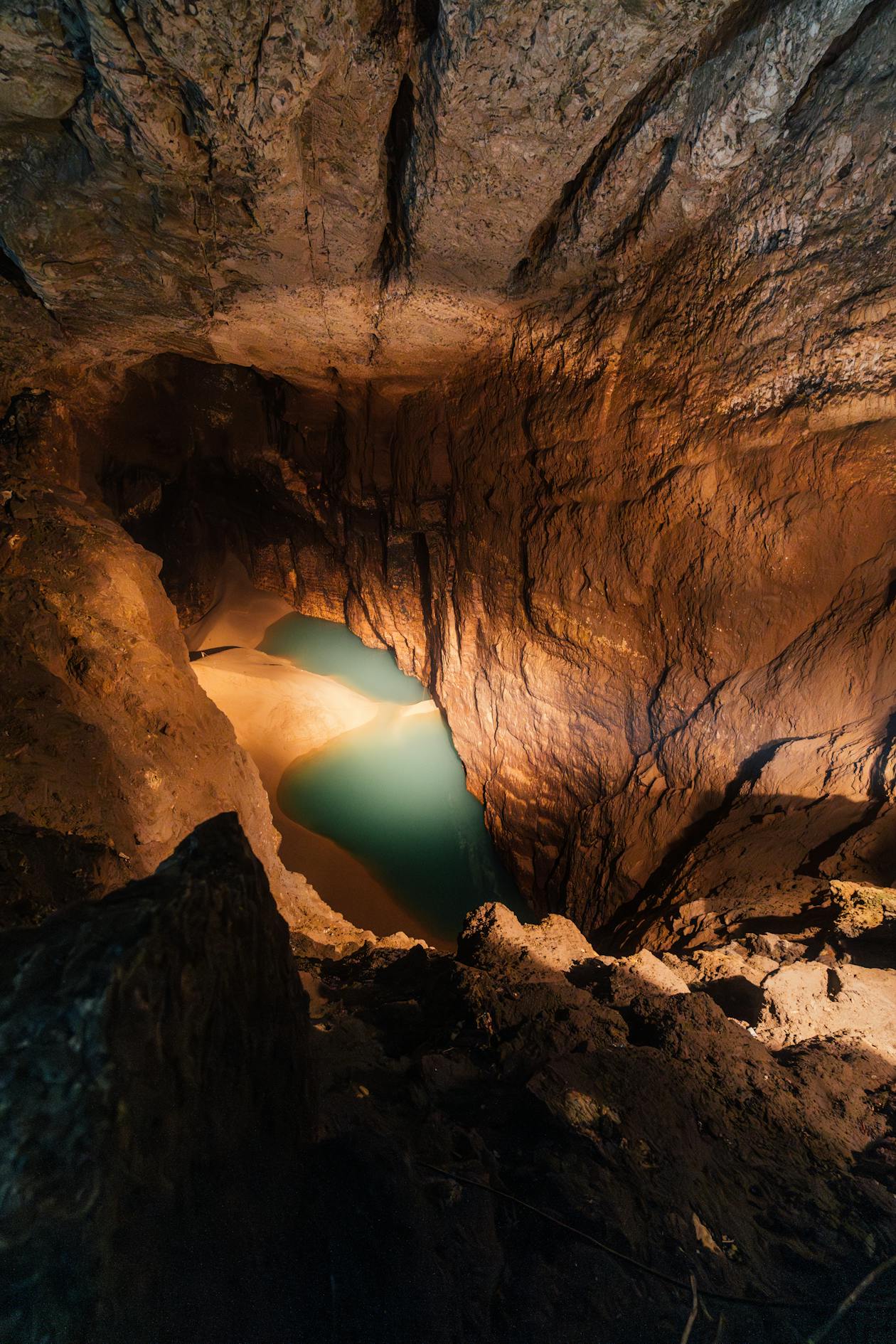
About 110 minutes by car from Morioka, deep in the mountains of Iwaizumi Town, Iwate Prefecture, lies a world of blue that locals call “Dragon Blue.” Ryusendo is one of Japan’s Three Great Limestone Caves alongside Akiyoshido and Ryugado, and the transparent cobalt blue of its Third Underground Lake — plunging to a depth of 98 meters — is a sight that stays with you long after you leave.
The known total length of the cave is 4,088 meters, but estimates suggest over 5,000 meters of unexplored passages remain hidden beneath the earth. A corridor said to have been carved by a dragon, a spring that promises three extra years of life per sip — the entire cave is steeped in dragon legends and geological wonder, making it a natural power spot unlike any other.
What Makes This Place Special
One of Japan’s Three Great Limestone Caves
Ryusendo was designated a National Natural Monument on December 14, 1938, as “Iwaizumi Limestone Cave and Its Bats.” The first president of the Japan Caving Association conducted extensive surveys of three caves that came to be known as the “Three Great Limestone Caves of Japan” — Akiyoshido in Yamaguchi, Ryugado in Kochi, and Ryusendo in Iwate.
Eight underground lakes have been confirmed within the cave, three of which are open to the public. The Third Underground Lake reaches a depth of 98 meters — one of the deepest in Japan. The water that springs from within is ultra-soft, naturally filtered through limestone, and the sheer volume of this underground water system is what makes Ryusendo truly extraordinary.
A Century of Exploration
Locals had long known of this cave as a place where vast amounts of water emerged from the earth. On August 18, 1930, a team of 18 explorers organized the first formal expedition. A 10-day public viewing that followed drew 546 visitors and made headlines.
The First Underground Lake was surveyed in 1959. In 1962, diver Kenichiro Ochi discovered the Second Underground Lake. The Third Underground Lake, 98 meters deep, was finally revealed during a 1967 diving survey. A full century of exploration speaks to the unfathomable depth of this cave.
Dragon Legends That Live in the Stone
The “Hyakken Corridor” is a straight passage running along a geological fault, with a legend saying a dragon once passed through and carved this path. At “Dragon’s Pool,” the rock formation resembles a dragon’s head — a fitting symbol for the cave that bears the dragon’s name.
Spiritual Benefits
Ryusendo is not a shrine or temple, and it doesn’t officially promote specific spiritual benefits. However, as a space where ancient dragon legends and primordial nature converge, visitors often describe a profound sense of renewal.
Spring of Longevity — An underground spring within the cave. Legend says one sip adds three years to your life. It’s the most popular stopping point along the route, and the water is safe to drink.
Purification & Renewal — The cave maintains a constant 10°C year-round, creating a space completely removed from the outside world. Facing the blue of the underground lakes offers a rare moment of mental and physical reset.
Dragon Energy — Dragons have traditionally symbolized water and abundance in Japanese culture. The stretch from Hyakken Corridor to Dragon’s Pool is where visitors most strongly sense this mythical energy.
Best Time to Visit
Winter (December–March) ★★★★★
The official recommendation for the clearest underground lakes. With less rainfall and snowmelt influence, water transparency peaks in winter. The cave interior stays around 10°C, so it actually feels warm compared to the freezing temperatures outside.
Summer (June–August) ★★★★☆
The cave’s natural 10°C temperature is a perfect escape from summer heat. However, Golden Week through Obon sees heavy crowds, and one-way traffic flow may be enforced.
Autumn (September–November) ★★★★☆
Fall foliage around the cave grounds creates a beautiful contrast with the underground world. The Ryusendo Autumn Leaves Festival is sometimes held in early November. Fewer crowds than peak summer.
Spring (April–May) ★★★☆☆
Fresh greenery pairs nicely with the cave visit, but Golden Week (late April to early May) brings peak crowds with one-way traffic enforcement. Avoid Golden Week for a peaceful experience.
Best Time of Day
Right at opening (8:30 AM): Beat the tour groups for a quiet, intimate cave experience. The lake surfaces are still and the blue is at its most vivid.
Visitor’s Guide
Recommended Route (40–60 minutes)
Entrance → Hyakken Corridor (the dragon’s passage) → Bat Cave (home to 5 bat species) → Spring of Longevity (don’t forget to take a sip) → Dragon’s Pool (dragon-head rock) → Moon Palace (LED-lit stalactite chamber) → First Underground Lake (35m deep) → First Lake Observation Deck (iconic photo spot from above) → Second Underground Lake (38m deep) → Mihara Pass → Third Underground Lake (98m deep, end of the route) → Exit
Key Highlights
Hyakken Corridor: A straight passage along a fault line. Legend says a dragon carved this path. It sets the mood for the adventure ahead.
Spring of Longevity: Natural limestone-filtered water. The “three years per sip” legend has been passed down for generations. Safe to drink.
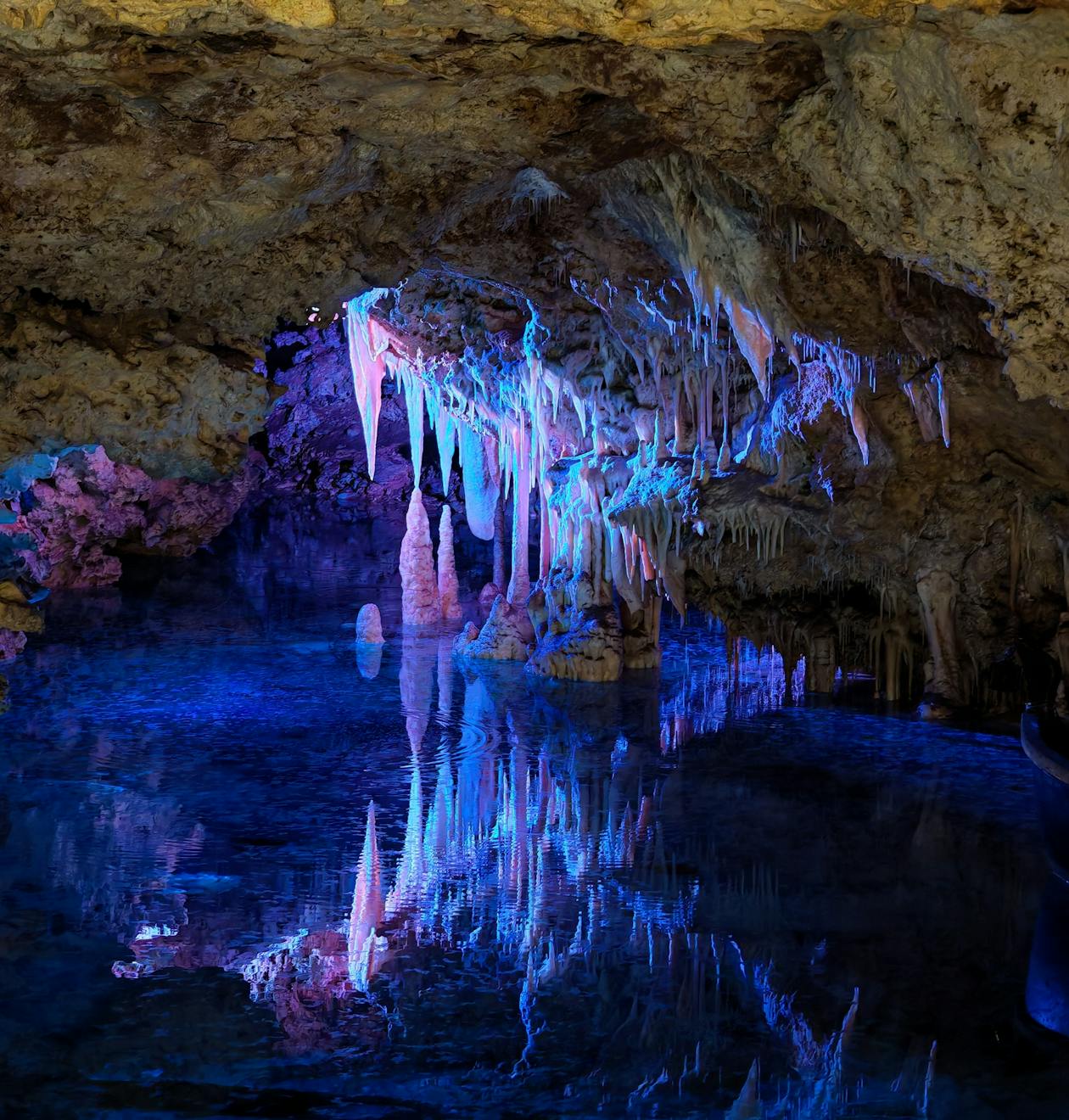
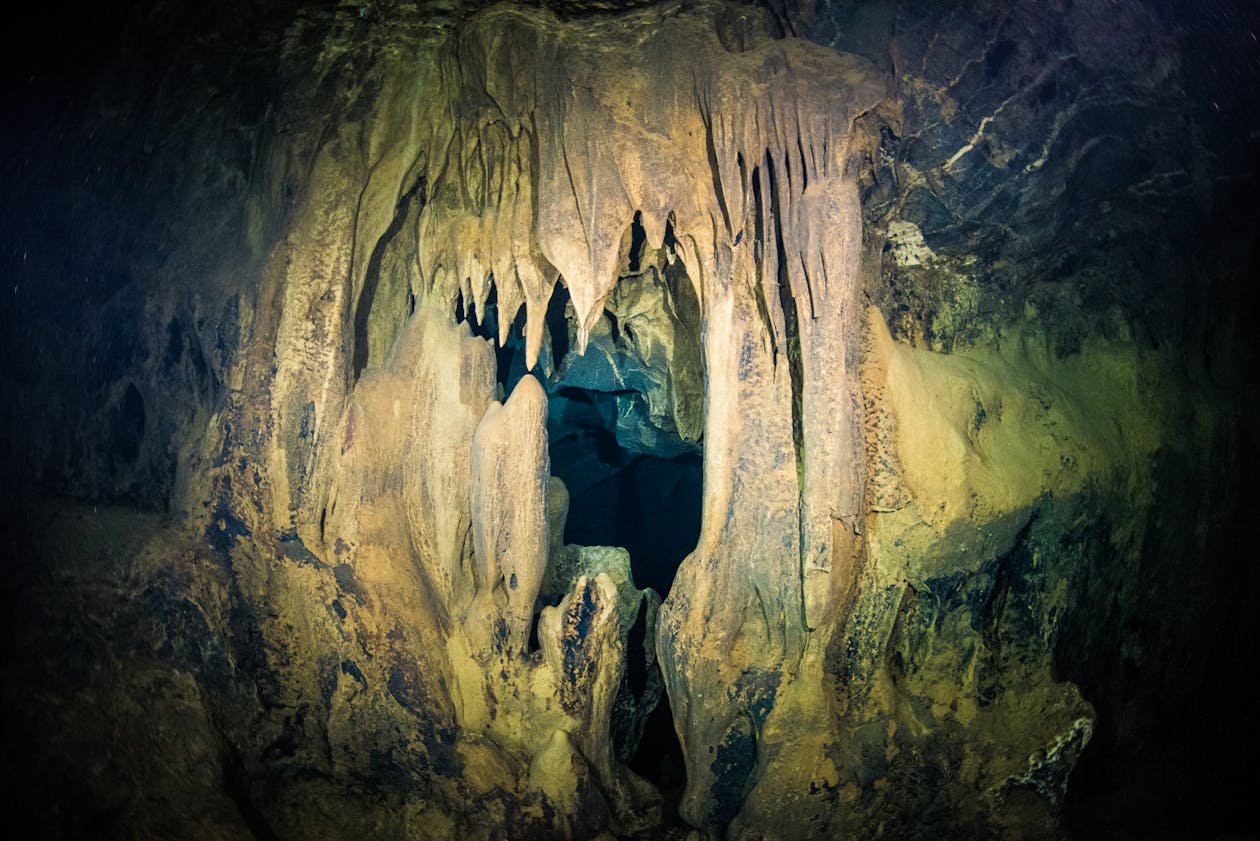
Moon Palace: A chamber of white stalactites resembling a lunar landscape, enhanced by LED lighting. One of the best photo spots in the cave.
Third Underground Lake: 98 meters deep. The cobalt blue surface is the climax of the entire route — a breathtaking reward at the journey’s end.
Beating the Crowds
- Golden Week (late April–early May): One-way traffic flow enforced; entry and exit points are separated. Expect about 60 extra steps
- Obon (mid-August): Similar crowd management measures
- Best strategy: Visit on weekdays right at opening (8:30 AM), or 90 minutes before closing
Essential Information
| Detail | Information |
|——–|————|
| Official Name | Ryusendo (龍泉洞) |
| Address | 1-1 Shinsei, Iwaizumi, Shimohei District, Iwate 027-0501 |
| Hours | Oct–Apr: 8:30–17:00 / May–Sep: 8:30–18:00 |
| Closed | Open year-round (may close temporarily due to flooding) |
| Admission | Adults (high school+): ¥1,100 / Elementary & junior high: ¥550 / Preschool: Free |
| Duration | 40–60 minutes |
| Public section | Approx. 700m |
| Parking | Available (442 spaces total across 4 lots) |
| Official Website | https://www.iwate-ryusendo.jp/ |
One ticket covers both Ryusendo Cave and the Ryusendo New Cave Science Museum.
Getting There
By Car:
- From Morioka: ~110 min via Route 455
- From Miyako: ~60 min
- From Kuji: ~60 min
- From Hachinohe: ~120 min
By Public Transport:
- JR Bus Tohoku from Morioka: ~120 min to Ryusendo area
- From the Sanriku Coast: Sanriku Railway to Iwaizumi-Komoto Station → local bus to Ryusendo-mae
Practical Advice: Public transport options from the Sanriku Coast are very limited in frequency. If possible, rent a car. Even the JR Bus from Morioka runs only a few times per day — always check the timetable in advance.
What to Wear & Bring
The cave is a constant 10°C (50°F) year-round — even in summer, bring a jacket.
- Hooded jacket or rain gear: Water drips from the ceiling throughout the cave
- Hat or towel: Additional drip protection
- Non-slip shoes: The walkways are wet
- Camera: Tripods not allowed; hand-held only
- Note: The cave does not lend jackets or rain gear. Walking sticks are available to borrow.
Nearby Spots & Model Itinerary
Half-Day Course (4 hours)
1. 9:00 AM Enter Ryusendo (beat the crowds at opening)
2. 10:00 AM Ryusendo New Cave Science Museum (a cave turned into a museum — discovered during a 1967 road construction project)
3. 10:40 AM Ryusendo Wakka (souvenir shop with craft beer, Iwaizumi Yogurt, and snacks)
4. 11:30 AM Stroll the cave grounds and relax at the foot bath
Full-Day Course (Cave Hopping)
After exploring Ryusendo in the morning, drive about 20 minutes to Akkado Cave — at 23.7km total length, one of the longest limestone caves in Japan. It offers a wilder, more rugged experience compared to Ryusendo.
Recommended Souvenirs
- Ryusendo Water: Bottled ultra-soft natural water from within the cave
- Ryusendo Coffee: Coffee brewed with Ryusendo water
- Iwaizumi Yogurt: Low-temperature, long-fermented yogurt with a rich, creamy texture — famous nationwide
- Wild Grape Products: Local specialty — juice, wine, and jam
Guide for Different Visitors
Wheelchair & Stroller Access
Ryusendo is not fully wheelchair accessible. The cave contains stairs and narrow passages.
- Wheelchair entry is conditionally possible (contact the office in advance)
- At the narrowest points, you must transfer to one of the office’s wheelchairs (2 available)
- Due to stairs, wheelchair visitors must turn back before the First Underground Lake
- Wheelchair entry is not available on days with one-way traffic flow (Golden Week, Obon)
- Accessible restrooms available; powered lift to the 2nd floor of the tourism center
Visiting with Pets
Pets are not allowed inside the cave. You can walk with your pet on a leash in the outdoor grounds. Check with nearby accommodations like Ryusendo Onsen Hotel for pet policies before booking.
Photography Tips
- First Lake Observation Deck: The signature photo spot — looking down at the lake from above
- Moon Palace: LED lighting creates dreamy, atmospheric shots
- Third Underground Lake: The cobalt blue surface. A camera with good low-light performance helps
- Tripods are not allowed. Use high ISO or optical image stabilization
- Flash photography is possible, but natural LED cave lighting captures the water’s blue better
Rainy Day Visit
The cave interior is unaffected by weather, making Ryusendo an ideal rainy-day destination. However, prolonged heavy rain can cause flooding and temporary closure. Check the official website or call before visiting.
Frequently Asked Questions
Q: What’s the temperature inside?
A: About 10°C (50°F) year-round. Bring a light jacket even in summer. Water drips from the ceiling, so water-resistant clothing is ideal.
Q: How long does a visit take?
A: The 700m public section takes 40–60 minutes. Add time for photography, and about 70 minutes. Including the Science Museum, budget about 2 hours.
Q: Can you drink the cave water?
A: Yes — the Spring of Longevity water is safe to drink. You cannot drink directly from the underground lakes.
Q: How crowded does it get during Golden Week and Obon?
A: Crowded enough for one-way traffic control. Early morning visits or weekdays outside peak periods are recommended.
Q: Is it suitable for children?
A: Absolutely. The blue underground lakes are mesmerizing for kids. However, the walkways are wet and slippery, and there are steep stairs, so hold hands with young children.
Summary
Ryusendo Cave is one of Japan’s premier natural wonders — from the cobalt blue of the 98-meter-deep Third Underground Lake to the dragon legends of Hyakken Corridor and the life-extending Spring of Longevity.
At a constant 10°C, it’s a natural escape from summer heat and reaches its visual peak in winter when lake transparency is at its highest. Combined with Iwaizumi’s famous yogurt, Ryusendo water souvenirs, and nearby Akkado Cave, it makes for an unforgettable day of underground exploration.
The blue world hidden deep beneath the mountains of Iwate is something no photograph can fully capture. Visit in person and experience the art that millions of years of geology have created.
—
We hope this guide helps you plan your visit to Ryusendo Cave.
*Information in this article is current as of April 2026. Please check the official website for the latest details before your visit.*
あなたに最適なパワースポットを知りたい方へ