Nestled in Hiraizumi, Iwate Prefecture, Motsuji Temple is an ancient temple renowned for its Pure Land garden—a UNESCO World Heritage Site registered in 2011 as part of “Hiraizumi: Temples, Gardens and Archaeological Sites Representing the Buddhist Pure Land.”
Built during the Heian period under the direction of Motohira, the second lord of the Oshu Fujiwara clan, this temple once boasted a magnificent temple complex described as having “over forty halls and towers, and over five hundred monks’ quarters.” Though many buildings were lost to repeated fires over the centuries, the Pure Land garden remains almost entirely in its original state, continuing to soothe countless hearts as “paradise on earth.”
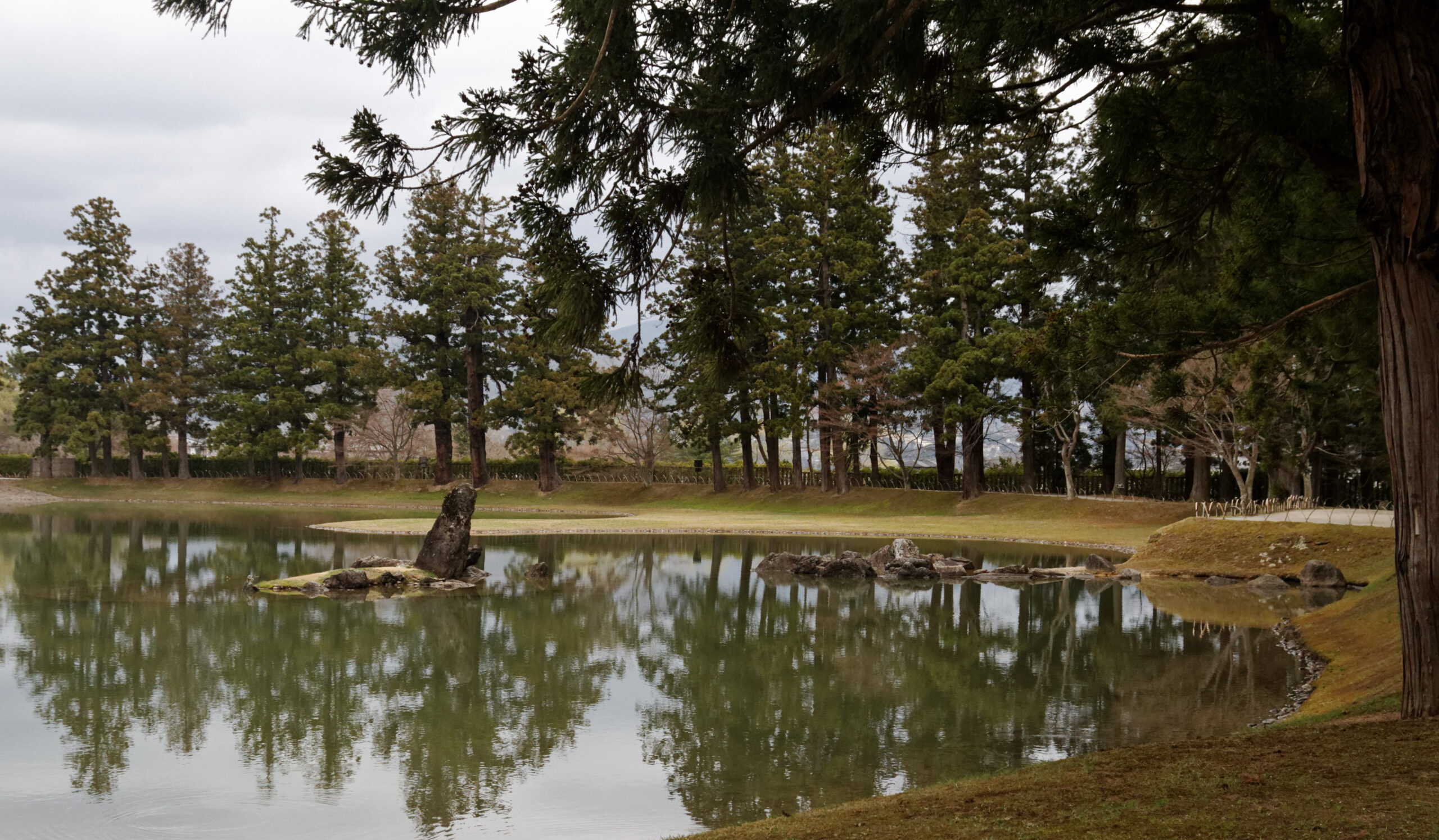
The garden, centered around Oizumi Pond, captivates visitors with its beauty through all four seasons. The sky and greenery reflected in the pond, the sound of wind through the trees, birdsong—here flows a special time for leaving daily life behind and quietly facing oneself.
The Allure of This Sacred Site
History and Origins
Motsuji’s founding dates to 850 CE (Kasho 3), traditionally attributed to Jikaku Daishi Ennin. Legend tells that Ennin, guided by a white deer through deep mountain mist, encountered a white-haired old man in this place who entrusted him with building a temple here.
The temple reached its zenith in the 12th century during the era of the Oshu Fujiwara clan. Under the second lord Motohira and third lord Hidehira, a magnificent temple complex was developed that rivaled Chusonji Temple in scale. The historical chronicle “Azuma Kagami” records it as “unparalleled in our realm for its sacred magnificence,” praising it as the most beautiful temple in Japan.
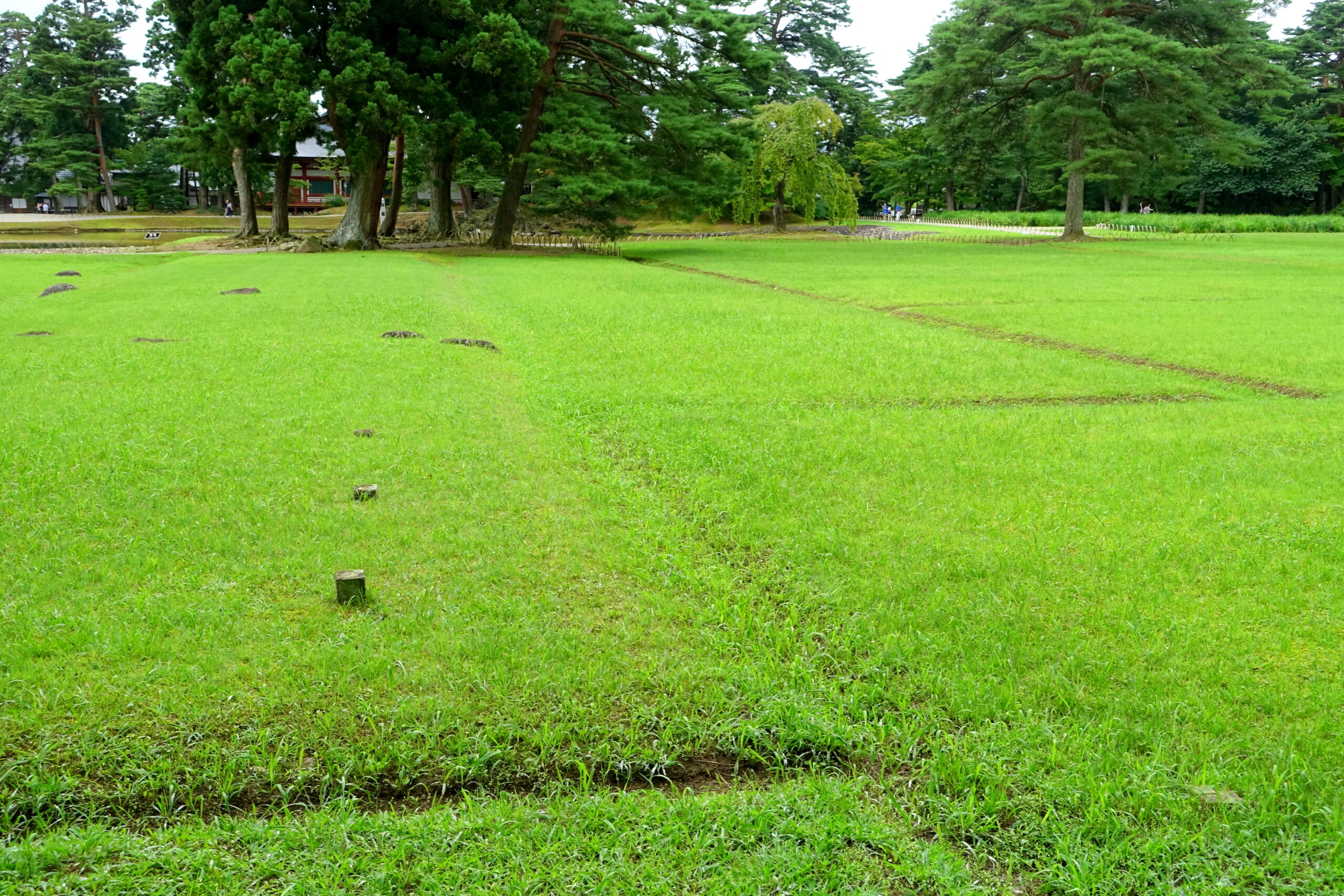
However, the Oshu War of 1189 and subsequent fires destroyed most of the buildings. Today, only the Pure Land garden and several foundation stones remain. Yet this garden is Motsuji’s true essence—the finest surviving example of Heian-period garden design in Japanese garden history.
In 2011, the temple was registered as a UNESCO World Heritage Site as part of “Hiraizumi’s Cultural Heritage.” It has received worldwide recognition as a rare cultural property that expressed an ideal world based on Pure Land Buddhist thought in the physical realm.
Architecture and Natural Features
At Motsuji’s heart lies “Oizumi Pond,” measuring approximately 180 meters east to west and 90 meters north to south. The pond symbolizes the sea, with islands, peninsulas, and standing stones arranged to represent the landscape of the Pure Land paradise.
Particularly noteworthy is the “Suhama”—a sandy shoreline. The beautiful curves lined with cobblestones represent a gentle coastline, preserving the finest techniques of Heian-period garden design. To the northwest of the pond lies a water channel called “Yarimizu,” where the elegant “Kyokusui no En” poetry event is held each May, recreating the refined pastimes of Heian aristocracy.
The current main hall was reconstructed in 1989 and enshrines a seated statue of Yakushi Nyorai (Medicine Buddha). Throughout the grounds stand the Founder’s Hall, Jogyodo Hall, bell tower, and other structures that evoke the original temple layout.
Approximately 300 lotus plants grow in the garden, with large blooms known as “Pure Land flowers” coloring the pond surface from mid-July to early August.
What Makes This Spot Special
What sets Motsuji apart from other temples is its creation based on the clear philosophy of “recreating the Pure Land paradise on earth.”
The Pure Land garden is not merely beautiful scenery. It is an expression of the Western Pure Land where Amida Buddha dwells, made visible for people to see, walk through, and experience. The Enryuji golden hall that once stood across the pond was meant to be the palace of the Pure Land paradise itself.
Walking through the garden means walking through the Pure Land—Heian-period people believed this and found peace of mind in this place. We who live in the modern age can have the same “Pure Land experience” that people had 900 years ago simply by being present in this garden.
Spiritual Benefits and Effects
Known Spiritual Benefits
Motsuji’s principal deity is Yakushi Nyorai (Medicine Buddha). Also called the “King of Healing,” Yakushi Nyorai is known as a Buddha who heals ailments of body and mind, offering these blessings:
Healing & Longevity: Yakushi Nyorai’s original vow is to “remove the suffering of illness from all beings.” Particularly beneficial for those praying for physical and mental health.
Mental Purification & Healing: The healing power of the Pure Land garden. Many experience a sense of their hearts being cleansed while gazing at the sky and greenery reflected in the pond.
Protection from Illness & Disaster: Deep faith exists for prayers to avoid calamity and maintain peaceful daily life.
Memorial Services: As a temple based on Pure Land thought, many visitors come to pray for the repose of departed loved ones.
The Unique Energy of This Site
What many visitors sense at Motsuji is “profound silence and peace of heart.”
Standing by Oizumi Pond, visitors are enveloped in a sensation of time slowing down. The blue of the sky reflected in the water, the green of trees swaying in the breeze, the sound of wind crossing the water’s surface—all five senses experience the “Pure Land.”
Especially in the early morning quiet hours before tourists arrive, many experience a mysterious sensation of standing in the same space as Heian aristocrats from 900 years ago.
“When I come here, my everyday worries seem to fade away.” “I felt an indescribable peace.”—such testimonials never cease at this power spot.
Visitor Testimonials
Many visitors report a profound sense of calm after spending time by Oizumi Pond, describing a feeling of everyday worries fading away. The garden is widely regarded as a place for mental reset and reflection, with visitors frequently noting that simply sitting on one of the benches and watching the water brings a meditative stillness rarely found elsewhere. Those visiting during personal hardships often describe leaving with renewed clarity and peace of mind.
Best Times to Visit
Spring (April–May)
Cherry blossoms peak from mid to late April. The contrast of cherry blossoms and Oizumi Pond is beautiful. “Kyokusui no En” is held on the fourth Sunday of May, when poets in Heian costume compose waka poetry by the Yarimizu water channel—a chance to observe this elegant event. Golden Week is crowded, so weekdays are recommended.
Recommendation: ★★★★★
Summer (June–August)
Lotus flowers bloom in Oizumi Pond from mid-July to early August. The combination of lotus—called “Pure Land flowers”—with the garden is truly paradise on earth. The best time for lotus viewing is 6:00–9:00 AM. Special viewings during the Obon period (August 14–16) are also available.
Recommendation: ★★★★★
Autumn (September–November)
Autumn foliage peaks from late October to mid-November. The reflection of autumn leaves in the pond is called “inverted autumn colors” and is popular with photographers. Though crowded with tourists, early mornings are relatively quiet for garden enjoyment. The “Autumn Fujiwara Festival” runs November 1–3.
Recommendation: ★★★★★
Winter (December–March)
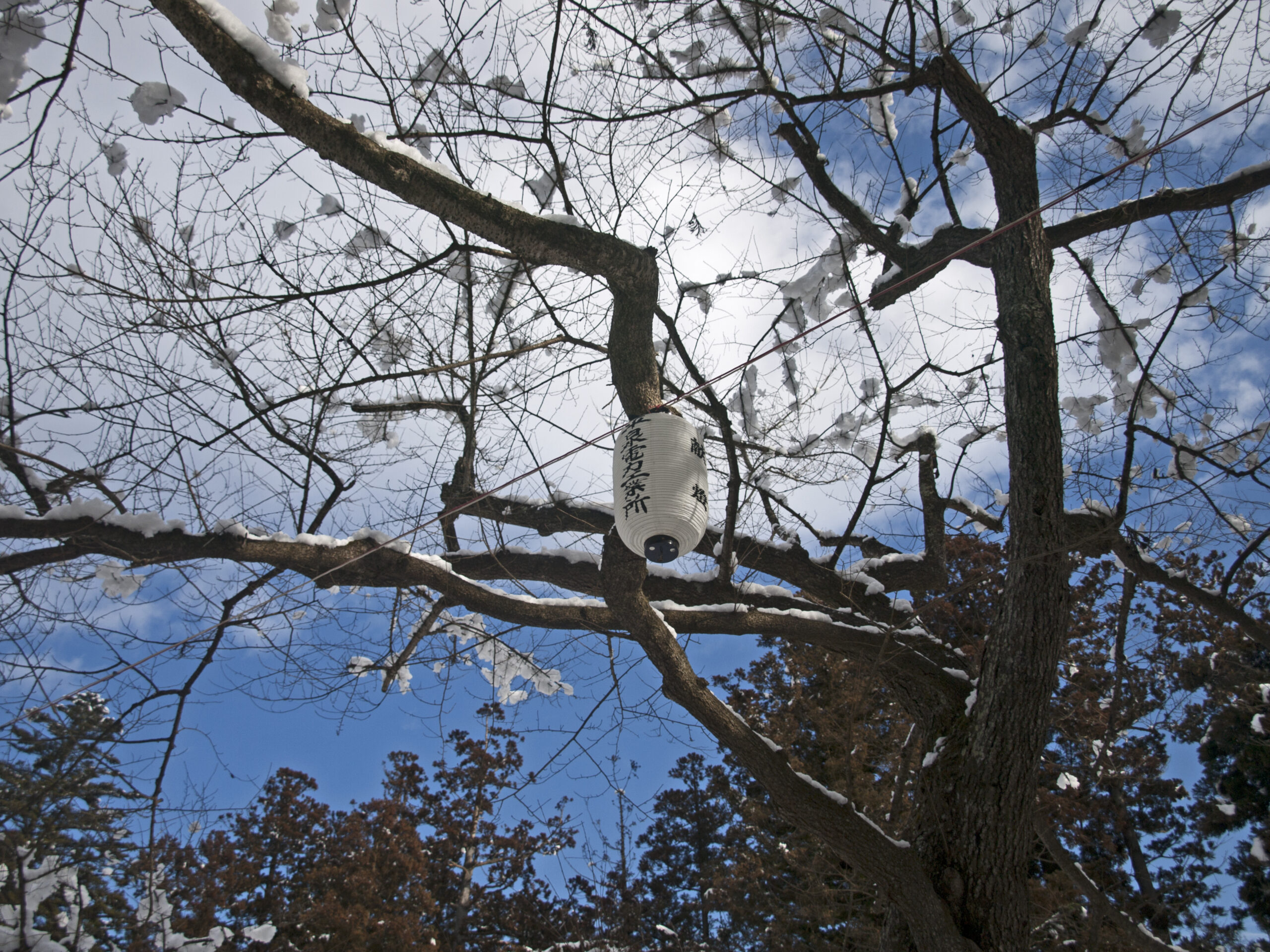
The quietest tourist season. The snow-covered Pure Land garden has its own special charm. Warm clothing is essential, but ideal for those who want to contemplate the garden in solitude. The temple bustles with New Year’s visitors January 1–3.
Recommendation: ★★★☆☆
Best Times of Day
Early Morning (right after 8:30 opening): Fewest tourists and quietest time. The garden wrapped in morning mist is dreamlike.
Morning (9:00 AM–12:00 PM): Light streams into the garden, and the pond surface sparkles beautifully.
Afternoon (1:00–4:00 PM): Group tours increase, but the spacious grounds minimize crowding.
Evening (before closing): The garden bathed in sunset light is also beautiful. Note that closing times vary by season.
Visitor’s Guide
Basic Worship Etiquette
1. Bow at the Mountain Gate: Before entering the grounds, bow with hands together.
2. Purify at Temizuya: Hold the ladle in your right hand and purify left hand → right hand → mouth → ladle handle in order.
3. Worship at the Main Hall: Place offering and pray quietly with hands together. As this is a Buddhist temple, do not clap hands.
4. Walk the Garden: Walking counterclockwise around the garden is customary. Stop at various points to appreciate the scenery.
This Spot’s Special Points
Meditate by Oizumi Pond: Benches line the pond shore where you can sit and quietly contemplate the garden. Whether 10 or 20 minutes, taking time here deepens your “Pure Land experience.”
Observe the Suhama: The beautiful curves of the shoreline are masterpieces of Heian-period garden design. Each cobblestone placement has meaning.
Visit the Yarimizu: The water channel used for Kyokusui no En. Stroll while imagining the elegant diversions of Heian aristocracy.
Receive Goshuin: Temple stamps are available at the sutra office next to the main hall (¥500). Two types: “Motsuji” and “Yakushi Nyorai.”
Visit the Treasure Hall: Exhibits Heian-period Buddhist statues and artifacts. Additional admission (¥300) required but recommended for those wanting deeper historical understanding.
Dress Code and What to Bring
- Clothing: The garden is paved but comfortable walking shoes are recommended. Bring a hat in summer for strong sunlight.
- What to Bring: Camera (many photo spots), goshuin stamp book, beverages
- Note: Tripods are prohibited. Drone photography is also not permitted.
Basic Information
Access
Address: 58 Osawa, Hiraizumi, Hiraizumi-cho, Nishiiwai-gun, Iwate Prefecture
By Train:
- Approximately 10-minute walk from JR Tohoku Main Line “Hiraizumi Station”
- Approximately 1 hour 40 minutes from Sendai Station via Tohoku Main Line
By Car:
- Approximately 10 minutes from Tohoku Expressway “Hiraizumi-Maesawa IC”
- Parking: Municipal parking available (¥300/car)
Visiting Information
- Hours: 8:30 AM–5:00 PM (until 4:30 PM November 5–March 4)
- Closed: Open year-round
- Admission: Adults ¥700, High School ¥400, Elementary/Junior High ¥200
- Treasure Hall: Adults ¥300 (additional)
- Duration: Garden circuit approx. 40 minutes; thorough viewing 1.5 hours
- Official Website: https://www.motsuji.or.jp/
- Contact: 0191-46-2331
Area Information
Nearby Attractions
Chusonji Temple (5 min by car)
Also a UNESCO World Heritage component. The Golden Hall (Konjikido) is a must-see. Most tourists visit together with Motsuji. Allow 3–4 hours for both temples.
Takkoku no Iwaya Bishamon-do (10 min by car)
A Bishamon hall said to have been founded by Sakanoue no Tamuramaro. The hall built into the cliff face is impressive.
Genbikei Gorge (15 min by car)
A scenic spot with unusual rocks and rapids. Famous for “Flying Dango” (dumplings delivered by rope across the gorge).
Recommended Restaurants
Basho-kan (5-min walk)
- Popular restaurant for Hiraizumi’s specialty “wanko soba”
- Specialties: Wanko Soba (¥2,500), Maesawa Beef Set (¥3,500)
- Hours: 11:00 AM–3:00 PM, 5:00 PM–8:00 PM
Restaurant Gen (8-min walk)
- Casual dining featuring Maesawa beef
- Specialties: Maesawa Beef Steak Bowl (¥2,200), Maesawa Beef Hamburger (¥1,500)
- Hours: 11:00 AM–2:30 PM, 5:00 PM–8:30 PM
Ekimae Basho-kan (in front of Hiraizumi Station)
- Convenient station-front location
- Specialty: Hiraizumi Wanko Soba (¥2,200)
- Hours: 10:00 AM–5:00 PM
Yumenokaze (3-min walk)
- Creative cuisine using local ingredients
- Specialties: Hatto Soup Set (¥1,100), Mochi Set (¥1,400)
- Hours: 11:00 AM–3:00 PM
Souvenirs & Local Products
- Hidehira Nuri: Traditional lacquerware representing Hiraizumi, featuring gold leaf
- Maesawa Beef Products: Processed products from Iwate’s premium beef brand
- Benkei Mochi: Hiraizumi specialty rice cakes with various fillings including anko and zunda
- Motsuji Original Omamori: Yakushi Nyorai amulets are popular
Model Itineraries
Half-Day Course (approx. 4 hours)
9:00 AM Arrive JR Hiraizumi Station
9:15 AM Motsuji worship and garden stroll (1.5 hours)
10:45 AM Move to Chusonji, worship (1.5 hours)
12:15 PM Wanko soba lunch at Basho-kan (1 hour)
1:15 PM Return
Full-Day Course (approx. 7 hours)
9:00 AM Motsuji worship and garden stroll (1.5 hours)
10:30 AM Chusonji worship (2 hours)
12:30 PM Lunch
1:30 PM Takkoku no Iwaya Bishamon-do (1 hour)
2:30 PM Genbikei Gorge stroll and Flying Dango (1 hour)
3:30 PM Return
What Visitors Say
Motsuji consistently receives high praise for its serene atmosphere. Many first-time visitors arrive expecting “just a garden” after visiting the more architecturally dramatic Chusonji, but frequently describe being moved by an unexpected sense of peace upon standing by the pond. The autumn foliage season draws photographers from across Japan, with the “inverted autumn colors” reflected in the pond being one of the most celebrated views.
Local residents and repeat visitors particularly recommend the lotus season (mid-July to early August), noting that early morning visits around 7:00 AM offer the best lotus blooms. The experience of seeing lotus flowers—traditionally called “Pure Land flowers”—floating on the pond is widely described as the closest one can come to the garden’s original spiritual purpose.
Frequently Asked Questions
Q: Should I visit Chusonji or Motsuji first?
A: Either is fine, but to avoid crowds, visiting Motsuji first thing in the morning then Chusonji is recommended. Chusonji has more tourists, so quiet morning Motsuji is exceptional.
Q: Is wheelchair access available?
A: The garden is paved and wheelchair accessible. However, there are some steps, so an attendant is recommended.
Q: Can I bring pets?
A: Only small dogs carried or in carriers are permitted. Walking on leash only is not allowed.
Q: Can I receive goshuin stamps?
A: Available at the sutra office next to the main hall (¥500). Two types: “Motsuji” and “Yakushi Nyorai.”
Nearby Power Spots
- [Chusonji Konjikido](https://k005.net/en/powerspot/chusonji-konjikido-en/)
- [Ryusendo Cave](https://k005.net/en/powerspot/ryusendo-en/)
- [Mt. Chokai](https://k005.net/en/powerspot/chokaisan-en/)
- [Mt. Haguro](https://k005.net/en/powerspot/haguro-san-en/)
- [Matsushima](https://k005.net/en/powerspot/matsushima-en/)
Summary
Motsuji is a UNESCO World Heritage Site that preserves Heian-period Pure Land Buddhist thought. The garden, “recreating the Pure Land paradise on earth,” continues to heal visitors’ hearts even after 900 years.
Standing by Oizumi Pond, you’ll feel time slowing down. The sky reflected in the water, the swaying breeze, birdsong—all five senses can experience the “Pure Land” at this rare power spot.
Most visitors come together with Chusonji, but Motsuji deserves 1–2 unhurried hours to savor the garden alone. Early mornings, summer mornings when lotus bloom, and autumn foliage season are especially beautiful.
“Surrendering to beautiful scenery without thinking about anything”—why not spend such luxurious time at Motsuji?
—
Want to discover the power spot that’s right for you?
Beyond this location, Japan is home to countless power spots. To find the one most suited to you, try our free compatibility assessment (takes just 3 minutes).
→ [Take the Free En Profile Assessment](https://enguide.info)
—
*Information in this article is current as of December 2025. Please verify the latest details via the official website before visiting.*
あなたに最適なパワースポットを知りたい方へ