Nestled in the mountains of Hakusan City, Ishikawa Prefecture, Kinkengu Shrine stands as one of Japan’s most revered sanctuaries for wealth and financial fortune. With a history spanning over 2,100 years, this hidden gem has quietly attracted Japan’s top business leaders, including legendary entrepreneurs like Masayoshi Son of SoftBank and Tadashi Yanai of Uniqlo, who have reportedly made pilgrimages here seeking blessings for success.
Founded in 95 BCE during the reign of Emperor Sujin, Kinkengu enshrines Ninigi-no-Mikoto—the grandson of the Sun Goddess Amaterasu who descended from the heavens to rule the mortal realm. The shrine’s name, meaning “Golden Sword Palace,” evokes the divine blade carried during this celestial descent. As you step through the ancient torii gate and ascend the moss-covered stone steps, you’ll understand why this place is considered one of Japan’s Three Great Shrines for Financial Fortune.
Unlike commercialized tourist destinations, Kinkengu maintains an atmosphere of profound tranquility. The 800-year-old sacred cedar tree, the 108 stone steps representing Buddhist earthly desires, and the mysterious Otsurugisha sub-shrine—said to be the true source of wealth blessings—create an experience that feels genuinely transformative.
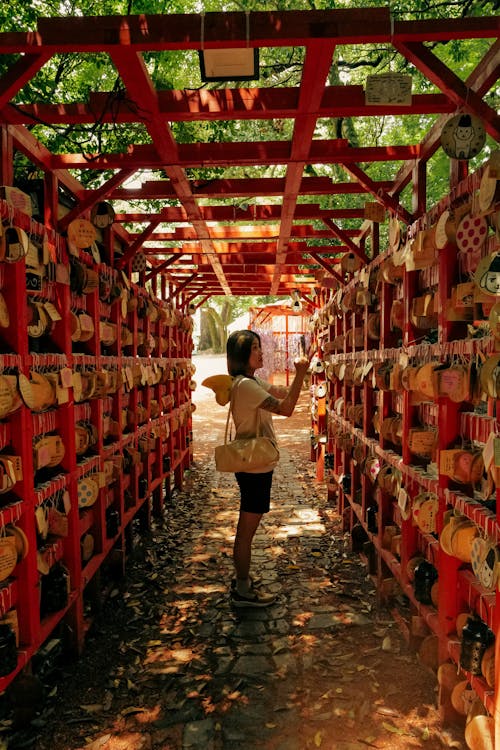
The Allure of This Sacred Site
History and Origins
Kinkengu’s founding dates to 95 BCE, making it the oldest shrine in the Hokuriku region. Emperor Sujin established it to pray for the development and prosperity of the northern territories. The name “Kinken” (Golden Sword) is believed to derive from the legendary Ama-no-Murakumo-no-Tsurugi (Sword of the Gathering Clouds of Heaven), one of Japan’s Three Imperial Regalia.
During the Heian period (794-1185), the shrine became intertwined with the Hakusan mountain worship tradition and flourished as a center for Shugendo mountain asceticism. Though the Kaga Ikko-ikki uprising during the Warring States period caused temporary decline, the powerful Maeda clan of Kaga Domain restored the shrine during the Edo period. The current main hall, reconstructed in 1661, showcases exquisite carvings by master craftsmen of the Maeda domain.
Through the Meiji-era separation of Buddhism and Shinto, Kinkengu emerged in its present form—a shrine that has commanded devotion for over two millennia, testament to its enduring spiritual power.
Architecture and Natural Features
The main hall exemplifies the elegant “nagare-zukuri” (flowing style) architecture, featuring a gracefully curved cypress bark roof. The worship hall’s entrance displays intricate dragon and lion carvings, demonstrating the exceptional craftsmanship of Kaga domain artisans.
The most striking feature is the sacred cedar tree, estimated to be over 800 years old. With a trunk circumference of approximately 7 meters and towering 40 meters high, this majestic giant seems to pierce the heavens. Visitors report feeling a sense of calm and renewed energy when touching or standing near this ancient tree.
The approach extends about 300 meters through a cedar forest, with 108 moss-covered stone steps—the same number as Buddhist earthly desires, suggesting that climbing them purifies the soul. Early morning visits, when sunlight filters through the canopy, offer particularly mystical atmospheres.
What Makes This Spot Special
Kinkengu’s distinguishing characteristic is its specialization in wealth and financial fortune. The name “Golden Sword” itself suggests abundance, and the shrine is counted among Japan’s Three Great Shrines for Financial Fortune.
The most important destination within the grounds is “Otsurugisha”—a small sub-shrine located behind the main hall. This unassuming structure is considered the true source of wealth blessings, and those seeking financial success make it their priority. Word-of-mouth among business leaders has spread stories of ventures taking off after praying here, drawing entrepreneurs and investors from across Japan.
The shrine also observes “Tsukinami-sai” (monthly festivals) on the 1st and 15th of each month, considered especially auspicious times for worship. Local tradition of “Tsuitachi-mairi” (first-day worship) remains strong in the community.
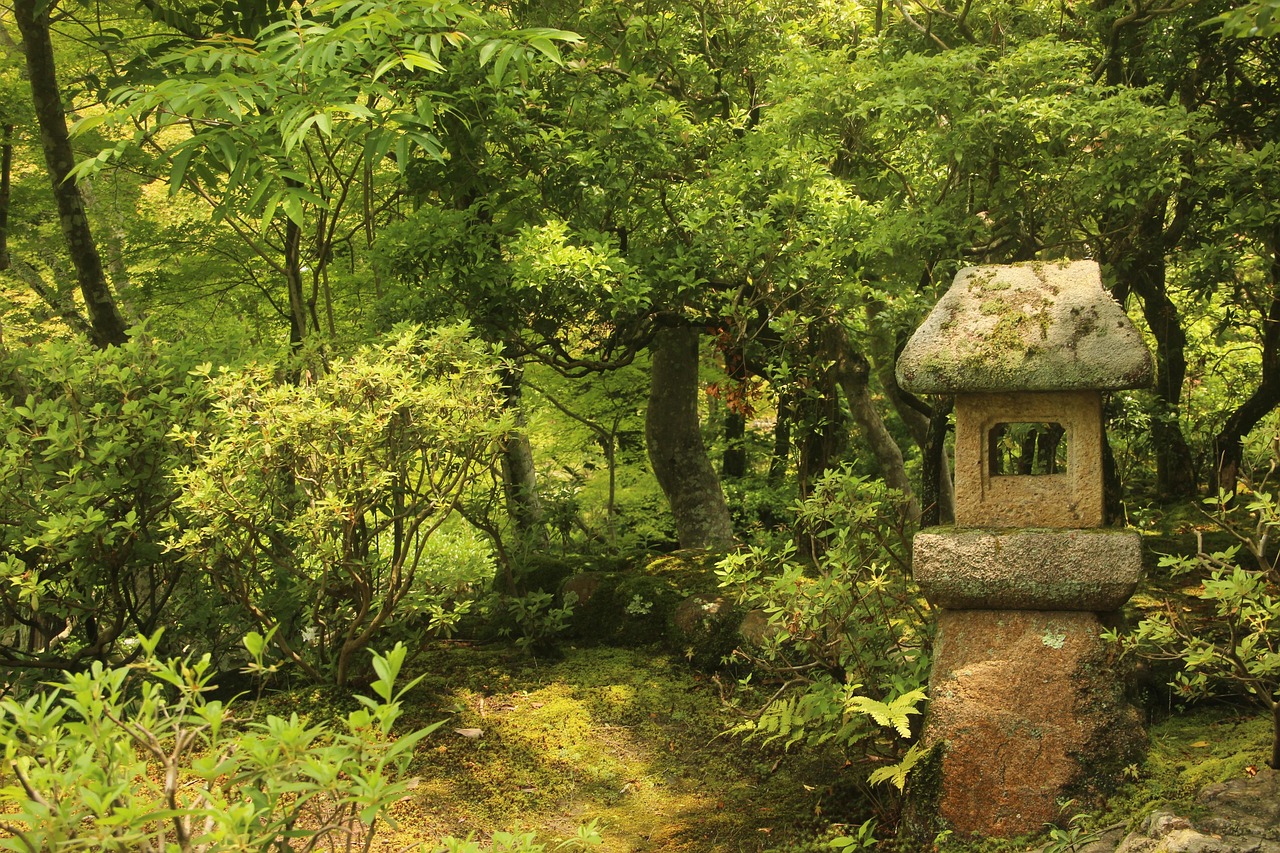
Spiritual Benefits and Effects
Known Spiritual Benefits
Kinkengu enshrines three deities: Ninigi-no-Mikoto, Okuninushi-no-Kami, and Oyamakui-no-Kami. Each deity offers distinct blessings:
Wealth and Financial Fortune: The shrine’s most famous benefit. Business success, commercial prosperity, investment luck—all financial wishes are said to find powerful response here.
Abundant Harvest: Okuninushi-no-Kami serves as an agricultural deity, and many pray for bountiful crops.
Matchmaking and Marital Harmony: As the same deity enshrined at Izumo Taisha, Okuninushi also offers blessings for romantic connections.
Protection from Misfortune: The sword power of Ninigi-no-Mikoto is believed to cut through disasters and ward off evil.
The Unique Energy of This Site
Kinkengu is said to harbor energy that “strengthens decision-making ability.” The many business leaders who visit may seek not only financial fortune but also support when facing crucial decisions.
The area around Otsurugisha is considered particularly powerful. Sensitive visitors report feeling warmth or tingling sensations in their palms. The recommended practice is to close your eyes quietly and visualize your specific goals clearly.
Visitor Testimonials
“I visited before launching my business and prayed earnestly at Otsurugisha. The company grew faster than I ever imagined. I now return on the first of every month.” (Man in his 40s, Tokyo)
“I’ve been coming for New Year’s prayers annually. Since I started, I’ve noticed a strange increase in unexpected income.” (Woman in her 50s, Kanazawa)
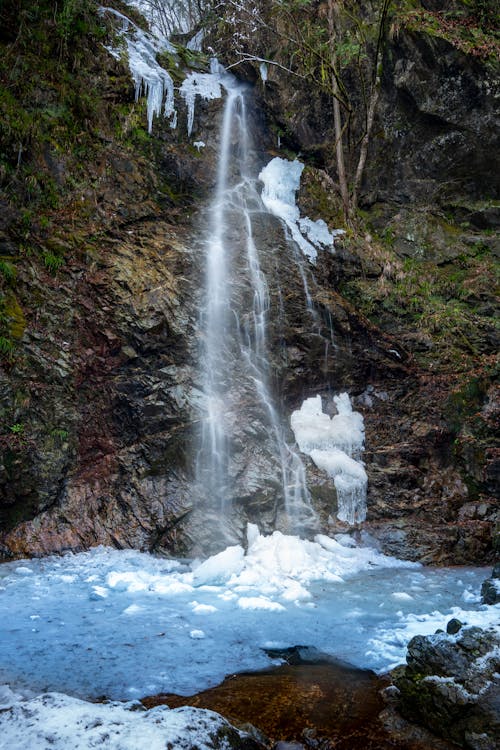
Best Times to Visit
Spring (Late March–May)
Cherry blossoms paint the grounds in soft pink. Early April, when the approach’s cherry trees reach full bloom, offers spectacular views. Comfortable temperatures of 15-20°C (59-68°F) make this ideal for visits, and many come to pray for financial fortune at the start of the new fiscal year.
Recommendation: ★★★★☆
Summer (June–August)
The grounds, wrapped in deep green, offer cooling respite from the heat. Early mornings bring mystical mist. The July 1st Grand Festival is the year’s largest event, drawing many worshippers. Note that the stone steps can be slippery.
Recommendation: ★★★☆☆
Autumn (September–November)
The autumn foliage from late October to mid-November is particularly recommended. Maples and ginkgos color the grounds beautifully, contrasting magnificently with the sacred cedar. Temperatures of 10-18°C (50-64°F) make for pleasant worship conditions. Many families visit for Shichi-Go-San celebrations.
Recommendation: ★★★★★
Winter (December–February)
Snow-covered grounds exude solemn beauty. The first three days of January draw New Year’s worshippers. Winter gear and non-slip footwear are essential. The January 1st New Year Festival and February 3rd Setsubun Festival attract many visitors.
Recommendation: ★★★☆☆
Best Times of Day
Early Morning (6:00-8:00 AM): The most sacred atmosphere. Local morning worshippers create a quiet environment. The sunlight filtering through the approach makes for excellent photography.
Morning (9:00 AM-Noon): The shrine office is open for goshuin and amulets. Relatively few visitors allow for unhurried worship.
Afternoon (1:00-4:00 PM): Group tours increase during this time. Those avoiding crowds should visit at other times.
Visitor’s Guide
Basic Worship Etiquette
1. First Torii Gate: Bow before passing through. Walk along the sides—the center is the path of the gods.
2. Temizuya (Purification Fountain):
– Hold the ladle in your right hand and rinse your left hand
– Transfer to your left hand and rinse your right hand
– Return to your right hand, pour water into your cupped left palm, and rinse your mouth
– Finally, tilt the ladle vertically to rinse the handle
3. Main Hall Worship:
– Quietly offer your monetary offering
– Ring the bell
– Bow twice, clap twice, bow once (nihai-nihakushu-ichihai)
– Convey your gratitude and wishes silently
Highlights and Recommended Route
Suggested Route (Approximately 45 minutes)
1. First Torii Gate (5 min): Majestic entrance surrounded by 400-year-old cedars
2. Approach & 108 Stone Steps (10 min): Slowly climb the moss-covered stairs
3. Temizuya (3 min): Purify body and mind
4. Worship & Main Hall (10 min): Pay respects to the principal deities
5. Otsurugisha (10 min): The heart of wealth blessings—don’t miss this
6. Sacred Cedar Tree (5 min): Receive power from the 800-year-old giant
7. Amulet Office (5 min): Obtain goshuin and protective charms
Goshuin and Amulet Information
Goshuin (Shrine Seal):
- Fee: ¥500
- Hours: 9:00 AM-4:00 PM
- Original goshuin book (¥1,500) also popular
Popular Amulets:
- Kinun-mamori/Wealth Charm (¥800): The most popular item
- Shoubai-hanjo-mamori/Business Prosperity Charm (¥1,000): Favored by business owners
- Kaiun-tsurugi-mamori/Fortune Sword Charm (¥1,200): Special charm featuring a golden sword motif
Dress Code and Items to Bring
- Comfortable walking shoes (many stone steps)
- Winter gear essential in cold months
- Raincoat more practical than umbrella on rainy days
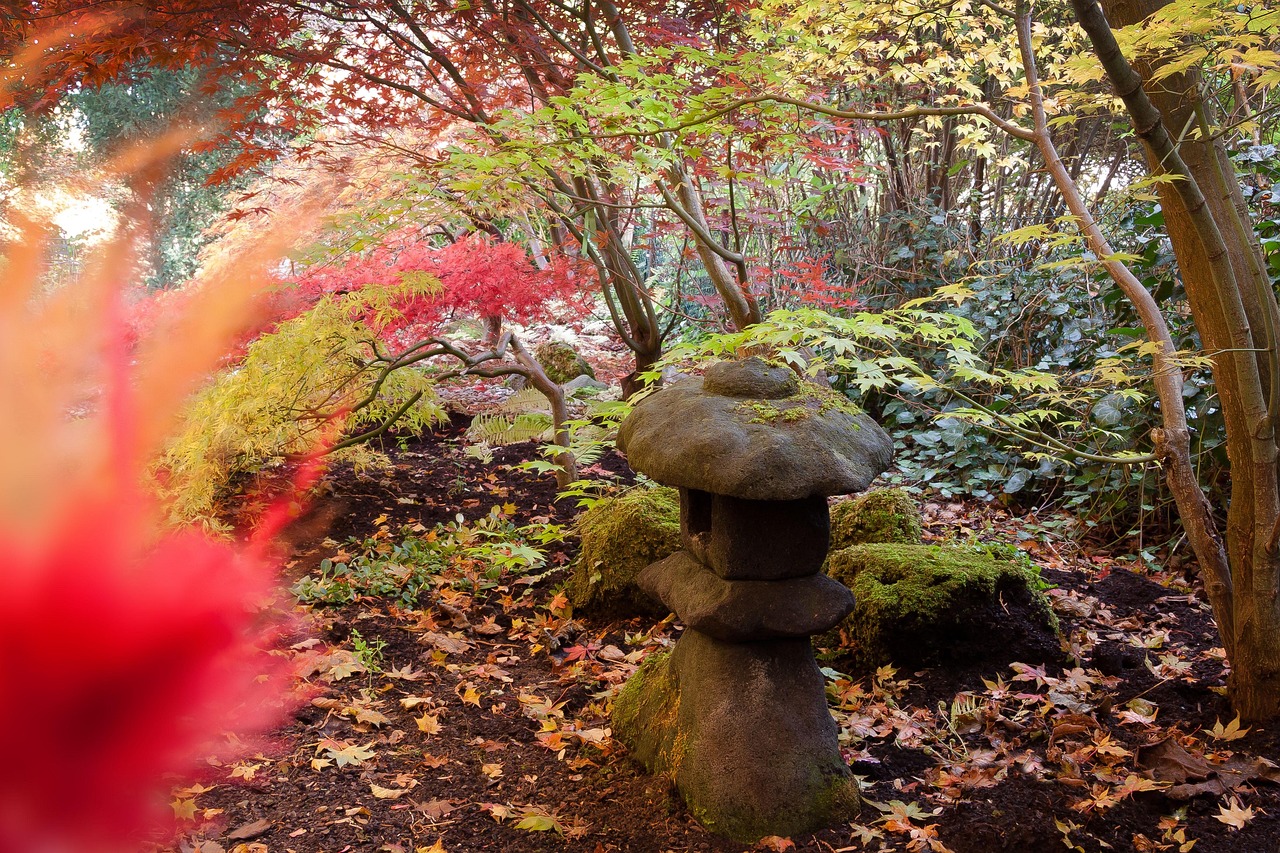
Basic Information
Access
Address: 118-5 Tsurugi Hizume-machi, Hakusan City, Ishikawa Prefecture
By Train/Bus:
- 15-minute walk from “Tsurugi Station” on the Hokuriku Railroad Ishikawa Line
- 40 minutes by bus from Kanazawa Station to “Tsurugi,” then 15-minute walk
By Car:
- 15 minutes from Hakusan IC on the Hokuriku Expressway
- 30 minutes from central Kanazawa
Parking: Free lot available (approximately 30 spaces)
Visiting Information
- Hours: Grounds open 24 hours (shrine office: 9:00 AM-4:00 PM)
- Closed: None
- Admission: Free
- Suggested Duration: 45 minutes to 1 hour
Contact
- Phone: 076-272-0131
- Official Website: None (phone inquiries recommended)
Area Information
Nearby Attractions
Shirayama Hime Shrine (10 min by car)
The head shrine of all Hakusan shrines nationwide with over 2,000 years of history. Combined worship with Kinkengu—called “Hakusan-moude”—is highly recommended.
Hakusan Dinosaur Park Shiramine (30 min by car)
A museum in the Shiramine district where many dinosaur fossils have been discovered. Popular with families.
Shishiku Highlands (15 min by car)
Known as a paragliding paradise. Take the gondola to the summit for spectacular views of the Hakusan mountain range.
Recommended Restaurants
Teuchisobacafe Soan (10-min walk)
- Cuisine: Handmade 100% buckwheat soba
- Specialty: Tempura Seiro Soba (¥1,400)
- Hours: 11:00 AM-2:00 PM (until sold out)
- Closed: Wednesdays
Torinoyasai Miso Matsuya Honten (20 min by car)
- Cuisine: Ishikawa’s soul food “Torinoyasai Miso” hot pot
- Specialty: Torinoyasai Miso Nabe (¥980/person)
- Hours: 11:00 AM-9:00 PM
- Closed: Tuesdays
Enpachi (15 min by car)
- Cuisine: Traditional Japanese sweets (established 180 years)
- Specialty: Ankoromochi rice cakes (6 pieces, ¥600)
- Hours: 8:00 AM-6:00 PM
- Closed: Irregular
Cafe HIMITO (10 min by car)
- Cuisine: Renovated traditional farmhouse café
- Specialty: Seasonal Parfait (¥850)
- Hours: 10:00 AM-5:00 PM
- Closed: Mondays & Tuesdays
Souvenirs
- Kinkengu Wealth Charm: The most popular souvenir—an auspicious item in a golden pouch
- Ankoromochi: Enpachi’s specialty—soft rice cakes wrapped in smooth red bean paste
- Torinoyasai Miso: Ishikawa’s home-style flavor, perfect for gifts
Model Itineraries
Half-Day Course (Approximately 4 hours)
9:00 AM Depart Kanazawa Station
9:40 AM Kinkengu Shrine worship
10:40 AM Shirayama Hime Shrine worship
11:40 AM Soba lunch at Soan
1:00 PM Return to Kanazawa Station
Full-Day Course (Approximately 7 hours)
9:00 AM Depart Kanazawa Station
9:40 AM Kinkengu Shrine worship
10:40 AM Shirayama Hime Shrine worship
12:00 PM Soba lunch at Soan
1:30 PM Shishiku Highlands (gondola to summit)
3:00 PM Café break at HIMITO
4:00 PM Return to Kanazawa Station
Visitor Reviews and Experiences
“Overcame a business crisis” (Man in his 50s, Business owner)
“When my company’s performance was declining, a friend recommended this shrine. I prayed desperately at Otsurugisha, and the following month, a major contract came through that saved us. I’ve visited on the first of every month since.”
“A quiet, calming shrine” (Woman in her 30s, Office worker)
“It feels like an authentic power spot that hasn’t been commercialized. Just walking the approach made me feel like my spirit was being cleansed. The goshuin is beautiful too.”
“Kinkengu in winter is exceptional” (Man in his 40s, Photographer)
“I visited in winter, and the snow-covered grounds were breathtakingly beautiful. With few other visitors, I had the sacred atmosphere all to myself. Winter gear is essential, but I highly recommend a winter visit.”
Frequently Asked Questions
Q: Does the parking lot get crowded?
A: Usually it’s empty, but the first three days of January and the 1st of each month can be crowded. Early morning visits are recommended.
Q: Can I get a goshuin anytime?
A: Available during shrine office hours (9:00 AM-4:00 PM). As staff may be absent occasionally, calling ahead ensures availability.
Q: Where is Otsurugisha located?
A: Behind and to the right of the main hall. It’s a small shrine, but signage makes it easy to find.
Q: How much time should I allow?
A: About 30 minutes for worship only; plan for about an hour if leisurely exploring the grounds.
Q: Are pets allowed?
A: Visitors are asked to refrain from bringing pets into the shrine grounds.
Nearby Power Spots
- [Tojinbo Cliffs](https://k005.net/en/powerspot/tojinbo-en/)
- [Atsuta Shrine](https://k005.net/en/powerspot/atsuta-jingu-en/)
- [Fushimi Inari Taisha](https://k005.net/en/powerspot/fushimi-inari-day-trip-osaka-en/)
- [Ise Grand Shrine](https://k005.net/en/powerspot/ise-jingu-access-en/)
- [Lake Kawaguchiko](https://k005.net/en/powerspot/kawaguchiko-en/)
Summary
Kinkengu Shrine boasts 2,100 years of history as the oldest shrine in the Hokuriku region and recognition as one of Japan’s Three Great Shrines for Financial Fortune.
The sacred air preserved across millennia, the life force radiating from the 800-year-old sacred cedar, and the mysterious Otsurugisha said to be the source of wealth blessings—this shrine possesses an enigmatic power to move visitors’ hearts.
Maintaining quiet dignity without flashy commercialization, Kinkengu exudes the authentic presence of a true power spot. At this shrine where Japan’s leading entrepreneurs reportedly make secret pilgrimages, perhaps you too will find the catalyst to transform your life.
Just 30 minutes by car from Kanazawa and accessible by train, the location is another appeal. Combining your visit with Shirayama Hime Shrine for the “Hakusan-moude” pilgrimage will make for an even more fulfilling spiritual journey.
—
Want to discover the power spot that’s right for you?
Beyond this location, Japan is home to countless power spots. To find the one most suited to you, try our free compatibility assessment (takes just 3 minutes).
→ [Take the Free En Profile Assessment](https://enguide.info)
—
*Information in this article is current as of December 2025. Please verify the latest details via phone inquiry before visiting.*
あなたに最適なパワースポットを知りたい方へ