There is a mountain pass in Nagano Prefecture where compasses spin erratically, where visitors sit quietly on wooden benches in a forest clearing and report feeling warmth spreading through their palms — and where the geological explanation is as remarkable as the experience itself.
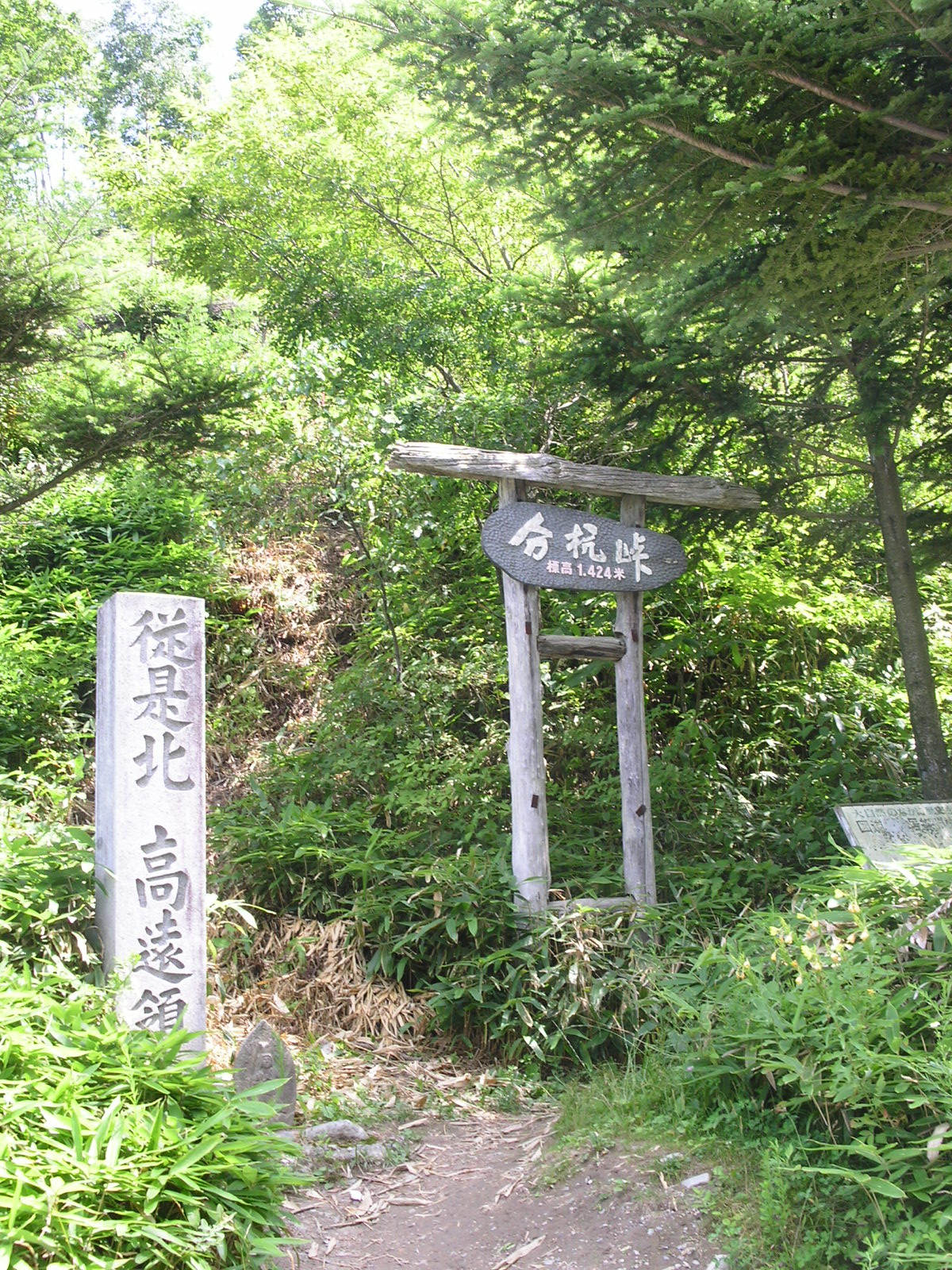
Bungui Pass (分杭峠, 1,424 m elevation) sits directly on the Median Tectonic Line, Japan’s largest fault system stretching 1,000 km from Kyushu to Kanto. In 1995, Chinese qigong master Zhang Zhixiang, officially recognized by the Chinese government, visited this site and declared it “the greatest qi field in Japan.” Since then, the pass has drawn tens of thousands of visitors seeking what is popularly called a “zero magnetic field” — a point where opposing magnetic forces allegedly cancel each other out.
Whether you come for the geology, the spiritual experience, or simply the peace of sitting in a pristine alpine forest for an hour, this guide covers everything you need to plan your visit.
—
What Makes This Place Special
The “Zero Magnetic Field” Phenomenon
The term “zero magnetic field” refers to a theoretical point where the Earth’s magnetic N and S poles push against each other with equal force, creating a zone where the magnetic field approaches zero. At Bungui Pass, compass needles have been observed behaving erratically — spinning, wobbling, or pointing in unexpected directions.
The scientific explanation remains incomplete. What is established is the geological reality: Bungui Pass sits on the Median Tectonic Line (MTL), a major tectonic boundary where rocks of fundamentally different origins and properties collide. Some researchers speculate that the stress and energy generated at this boundary could affect local magnetic fields, though this has not been conclusively proven.
What matters to visitors is this: the experience is real for many people, even if the mechanism isn’t fully understood. And even skeptics find value in spending an hour in meditative stillness at 1,424 meters above sea level.
Japan’s Largest Fault Line — Right Under Your Feet
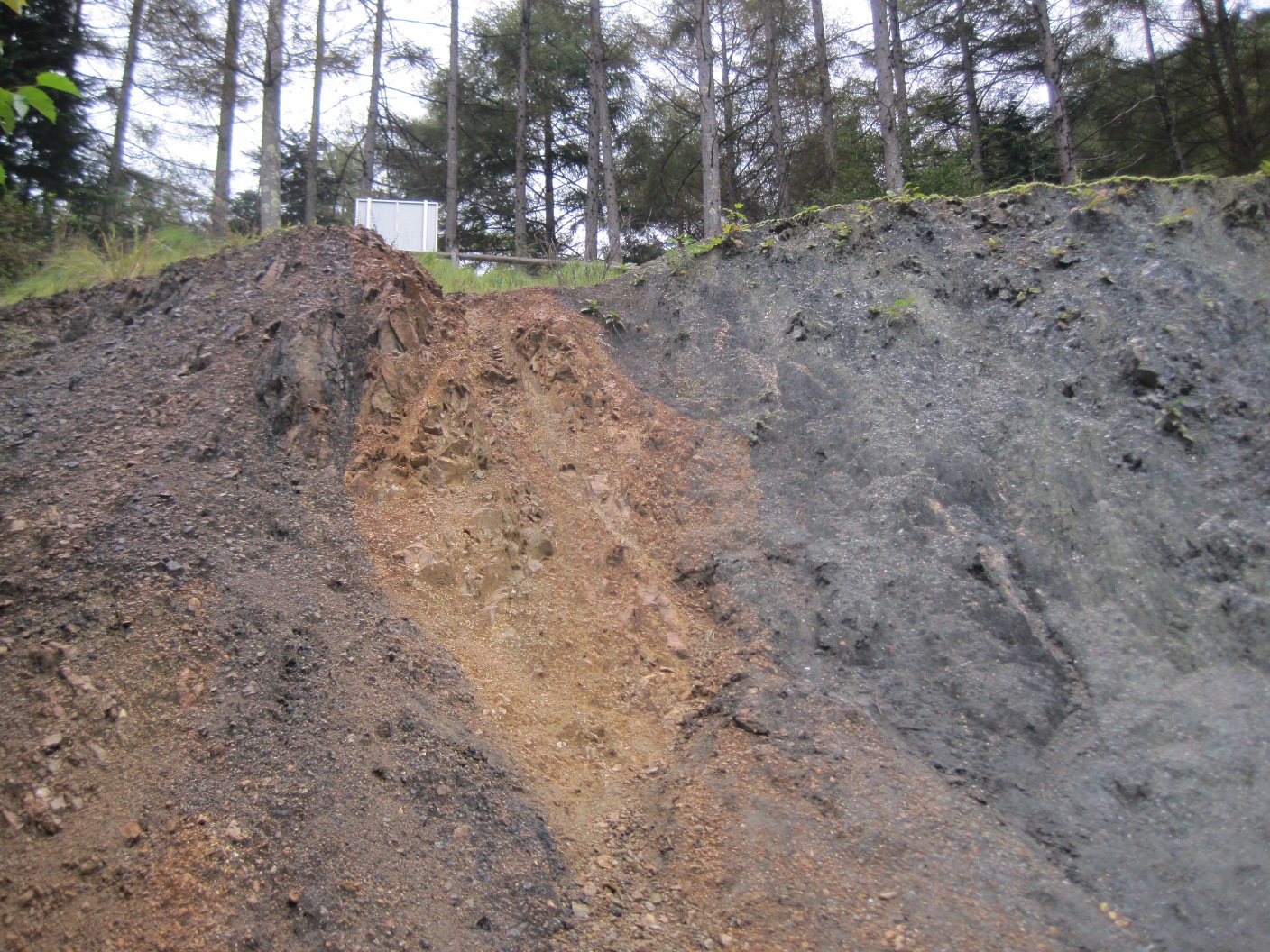
The Median Tectonic Line is the largest tectonic fault in Japan, running approximately 1,000 km through the Japanese archipelago. At Bungui Pass, you are standing directly on this boundary.
At the nearby Kitagawa Outcrop in Oshika Village, you can see the fault boundary with your own eyes: reddish-brown rock from the “inner zone” presses against dark gray rock from the “outer zone,” creating a dramatic geological display that fascinates geology enthusiasts and casual visitors alike.
The Ki-Ba Experience
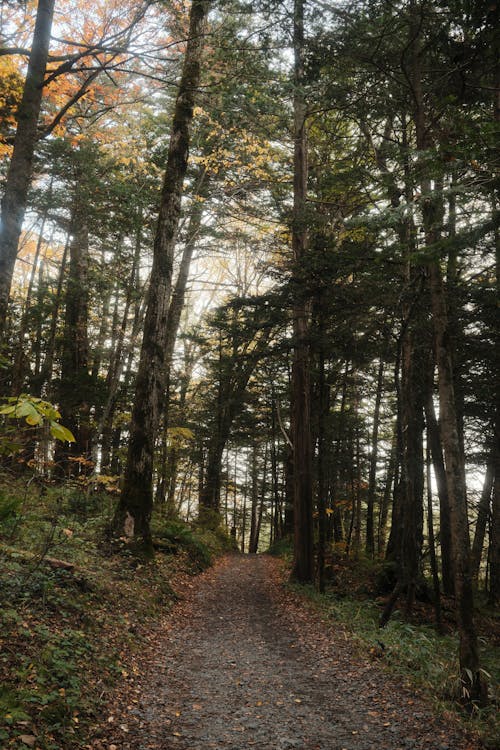
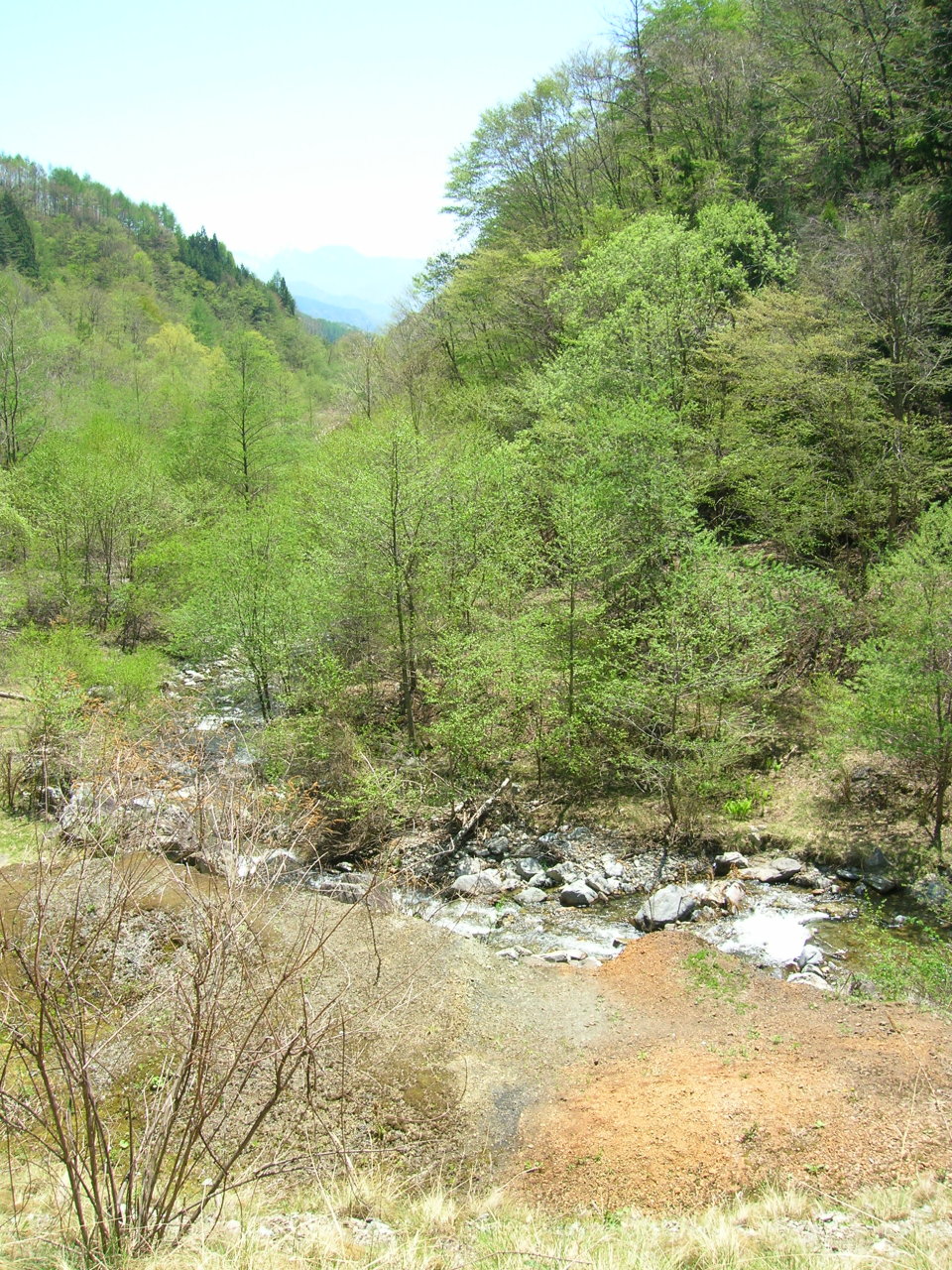
The ki-ba (気場, “qi field”) is the specific area where visitors go to experience the zero magnetic field. It’s a roughly 5-minute walk downhill from the bus stop along an unpaved mountain trail, leading to a forested clearing with wooden benches and log seats.
The standard practice:
- Sit quietly for 30–60 minutes. Regular visitors agree: “You won’t feel anything if you rush.”
- Turn off your phone or switch to airplane mode. The point is stillness.
- Don’t try too hard. The most common advice is to simply relax and let go of expectations.
Commonly reported experiences include warmth in the palms, a lightening sensation in the shoulders and neck, and a feeling of mental clarity. However, it’s equally important to note that many visitors feel nothing at all — and that’s perfectly normal. The experience varies greatly from person to person.
—
Best Time to Visit
By Season
Late spring (mid-May – June) — The top recommendation. Fresh green foliage, comfortable temperatures (15–20°C), fewer insects, and moderate crowds. Ideal for a peaceful ki-ba experience.
Summer (July – August) — At 1,424 m elevation, it’s 5–8°C cooler than the lowlands — a natural escape from Japan’s brutal summer heat. However, expect larger crowds during school holidays. Weekdays are strongly recommended.
Autumn foliage (mid-October – early November) — Spectacular colors as the mountain turns red and gold. The walk to the ki-ba through autumn foliage is unforgettable. But mornings and evenings drop below 5°C — warm layers are essential.
Early season (April) / Late season (November) — Within the shuttle bus operating period but with lingering snow or cold. Mid-April, just after the shuttle starts, is a hidden gem: very few visitors and deep tranquility.
Winter (December – March) — No shuttle bus service. Snow makes the area inaccessible.
By Time of Day
| Departure | Arrival | Experience |
|———–|———|————|
| 9:00 (first bus) | ~9:15 | Fewest visitors, crisp morning air. Best for meditation. |
| 10:30 | ~10:45 | Slightly busier. Good if you’re not an early riser. |
| 13:00 | ~13:15 | Soft afternoon light. Works for half-day plans. |
Recommended plan: Take the 9:00 first bus, spend 1–3 hours at the ki-ba, and return on the 10:00 or 12:00 bus.
—
Visitor Guide
What to Do at the Ki-Ba (Allow 60–90 minutes)
1. Check the information board at the bus stop (5 min)
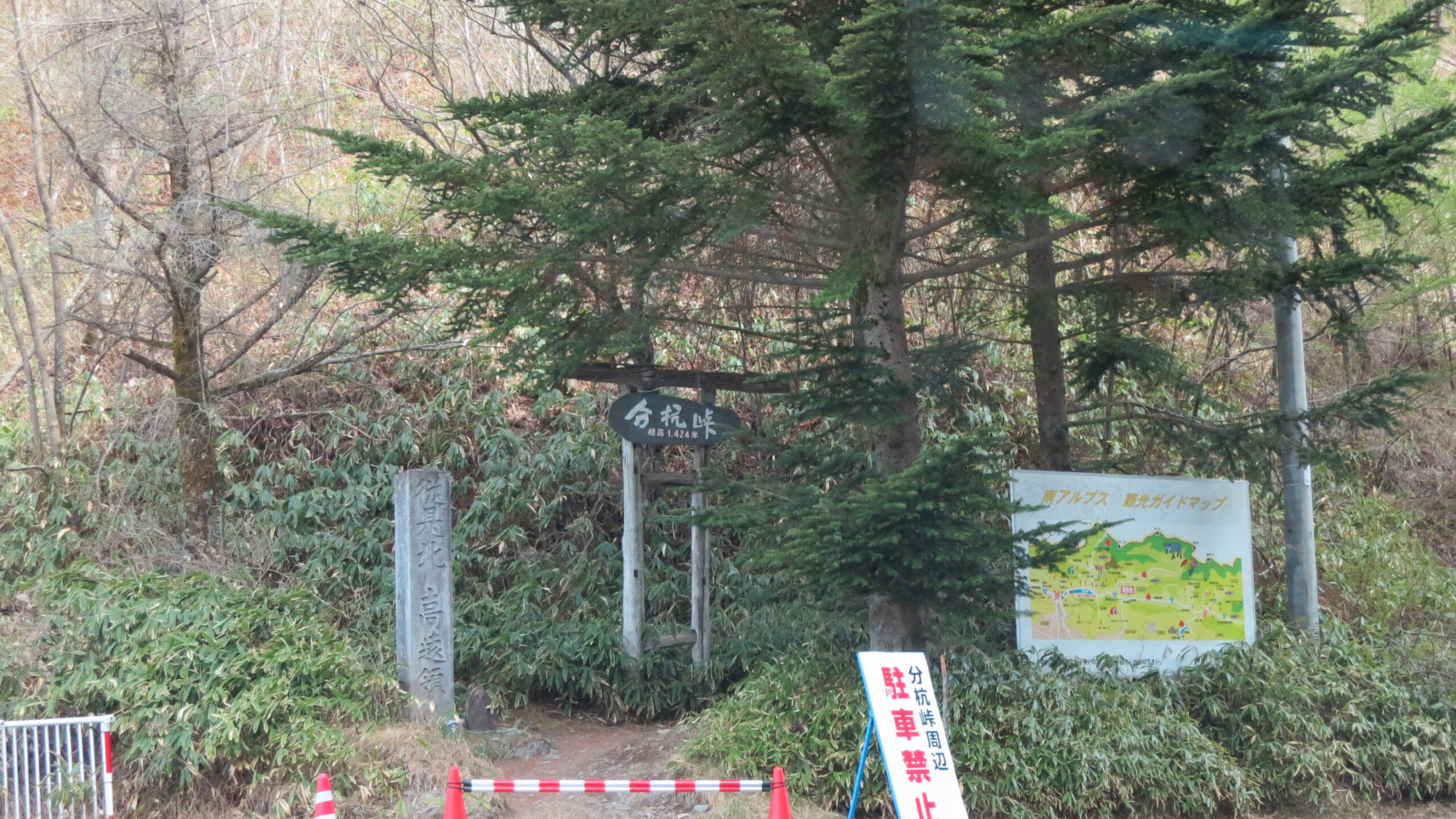
After getting off the shuttle, you’ll see a signboard and map. The ki-ba entrance is right here — you’ll walk downhill on a mountain trail.
2. Walk to the ki-ba (5–10 min)
The path is unpaved with some slope. Sturdy shoes are essential — sandals and heels are dangerous. If you have knee or hip concerns, a walking stick helps.
3. Sit quietly at the ki-ba (30–60 min)
Find a bench or log seat, close your eyes, and simply be present. Don’t force anything — just breathe and let the forest do its work.
4. Explore the surrounding area (15–20 min)
There are multiple spots around the ki-ba. Some visitors report different sensations in different locations, so walk around and find your own spot.
What to Bring
| Item | Priority | Why |
|——|———-|—–|
| Sturdy walking shoes | Essential | Unpaved mountain trails with slopes |
| Warm layers | Essential | 5–8°C cooler than lowlands at 1,424 m |
| Drinking water | Essential | No shops at the pass |
| Sitting mat | Helpful | In case benches are occupied |
| Insect repellent | Essential in summer | Mountain forest environment |
| Compass | Optional fun | Watch the needle behave strangely near the ki-ba |
—
Practical Information
| Detail | Information |
|——–|————-|
| Name | Bungui Pass (分杭峠 / ぶんぐいとうげ) |
| Location | Border of Ina City and Oshika Village, Nagano Prefecture |
| Elevation | 1,424 m |
| Cost | Shuttle bus fare + facility fee (see below) |
| Facilities | Restrooms at the pass. No shops — bring your own drinks. |
| Contact | Ina City Tourism Association: 0265-96-8100 |
Access (2026 Information)
You cannot drive to the pass. The shuttle bus “Bungui Ki-no-Sato Line” is the only way up.
Shuttle Bus Details (2026 Season)
| Detail | Information |
|——–|————-|
| Operating period | April 12 – December 1, 2026 (planned) |
| Departure point | Todai Park (Minami Alps Hase Todai Park) |
| Uphill departures | 9:00 / 10:30 / 13:00 / 14:30 |
| Downhill departures | 10:00 / 12:00 / 14:00 / 16:00 |
| Adult fare | One-way ¥750 / Round-trip ¥1,500 |
| Child fare | One-way ¥380 / Round-trip ¥760 |
| Facility fee | ¥500 |
| Travel time | Approx. 15 minutes each way |
Getting to Todai Park
By car: From Ina IC on the Chuo Expressway, take National Routes 361 and 152 — approximately 50 minutes. Parking is available at Todai Park (paid).
By train + taxi: From JR Iida Line “Ina-shi Station,” taxi approximately 50 minutes. Or from “Takato Station,” taxi approximately 30 minutes. Public transit alone is difficult — a car is strongly recommended if possible.
Highway bus from Tokyo: Shinjuku to Ina Bus Terminal, approximately 3.5 hours (Chuo Highway Bus). From Ina, take a taxi or rental car to Todai Park.
Important Notes
- No parking on roads near the pass. Roadside parking is strictly prohibited.
- Weather changes quickly in the mountains — bring rain gear.
- Cell phone signal is weak or unavailable in some areas.
- Check pet policies in advance before bringing animals.
—
Nearby Attractions
Takato Castle Ruins Park (30 min by car)
Famous as the home of “Japan’s finest cherry blossoms.” Approximately 1,500 Takato Kohigan cherry trees bloom in early-to-mid April. If you visit during cherry blossom season, combining Bungui Pass with Takato is ideal.
Oshika Village — Median Tectonic Line Museum (40 min by car)
A specialized museum dedicated to the Median Tectonic Line. Learn the geological science behind why Bungui Pass is called a “zero magnetic field.” Admission ¥200. Visiting before or after the pass deepens your understanding of the experience.
Southern Alps Base Camp
Todai Park also serves as the trailhead for the Southern Japanese Alps (Mt. Senjo and Mt. Kai-Komagatake). Some visitors combine a Bungui Pass visit with alpine hiking.
Suggested Day Itinerary
1. 8:30 — Arrive at Todai Park, park your car
2. 9:00 — Board the Bungui Ki-no-Sato Line (first bus)
3. 9:15 — Arrive at Bungui Pass, walk to the ki-ba
4. 9:20–10:30 — Spend time at the ki-ba (~70 min)
5. 10:30 — Leave the ki-ba, explore the pass area
6. 12:00 — Take the downhill bus back to Todai Park
7. 12:30 — Drive toward Takato
8. 13:00 — Lunch: Takato soba (local Shinshu buckwheat noodles)
9. 14:00 — Explore Takato Castle Ruins Park (a must during cherry blossom season)
10. 15:30 — Head home
—
Visitor Reviews
What real visitors have said:
> “I didn’t feel anything at first, but after sitting for about 30 minutes, my palms gradually became warm. A strange sensation. My stiff shoulders seemed to feel lighter too.”
> — Google Maps review
> “Honestly, I didn’t feel anything special. But spending an hour quietly in a forest at 1,400 meters was a luxury in itself. A refreshing break you can’t get in daily life.”
> — Google Maps review
> “I brought a compass, and the needle definitely moved erratically near the ki-ba. Whether science can explain it or not, it’s a phenomenon you won’t see anywhere else.”
> — Jalan review
The experience varies from person to person, but one thing visitors consistently agree on: the value of spending quiet time in the forest itself is undeniable.
—
Frequently Asked Questions
Q. Can I drive directly to Bungui Pass?
A. No. Parking is prohibited near the pass. You must take the “Bungui Ki-no-Sato Line” shuttle bus from Todai Park.
Q. Can I visit on a rainy day?
A. If the shuttle bus is running, yes — but the ki-ba is outdoors on a mountain trail, so rain gear and non-slip shoes are essential. In severe weather, the bus may be suspended; check in advance.
Q. Is it suitable for children?
A. Children can visit, but the trail to the ki-ba is unpaved with some steep sections. Small children need careful supervision. Strollers cannot be used.
Q. How long should I plan to stay?
A. At minimum, allow 1 hour for a relaxed ki-ba experience. Most visitors stay 1.5–3 hours, timed with the shuttle bus schedule.
Q. Is the ki-ba wheelchair accessible?
A. Unfortunately, the mountain trail to the ki-ba is unpaved with steep slopes and is not wheelchair accessible. The bus stop area at the top of the pass is accessible.
—
Summary
Bungui Pass is a place unlike any other in Japan — a point where the country’s largest tectonic fault runs directly beneath your feet, where compass needles wander, and where the forest invites you to simply sit and be still.
There are no temple halls here, no shrine gates or sacred dances. Just the sound of wind through trees, birdsong, and the quiet energy of the earth itself. For anyone seeking a break from the noise of daily life — or simply curious about a geological phenomenon that science hasn’t fully explained — this is a destination worth the journey.
The access isn’t convenient. There are no shops. You need a shuttle bus just to get there. But that very inconvenience is what protects this place and makes it special.
Pack some water, wear sturdy shoes, and give yourself over to the silence of Bungui Pass.
—
*Information in this article is current as of April 2026. Shuttle bus schedules and fares may change — please check the Ina City official website for the latest details before your visit.*
—
Want to discover the power spot that suits you best?
Did you know that different people have different “compatibility” with different power spots? The same location can feel completely different depending on who visits.
If you’d like to find the power spot that resonates most with you, try our free compatibility diagnosis — it takes just 3 minutes.
あなたに最適なパワースポットを知りたい方へ