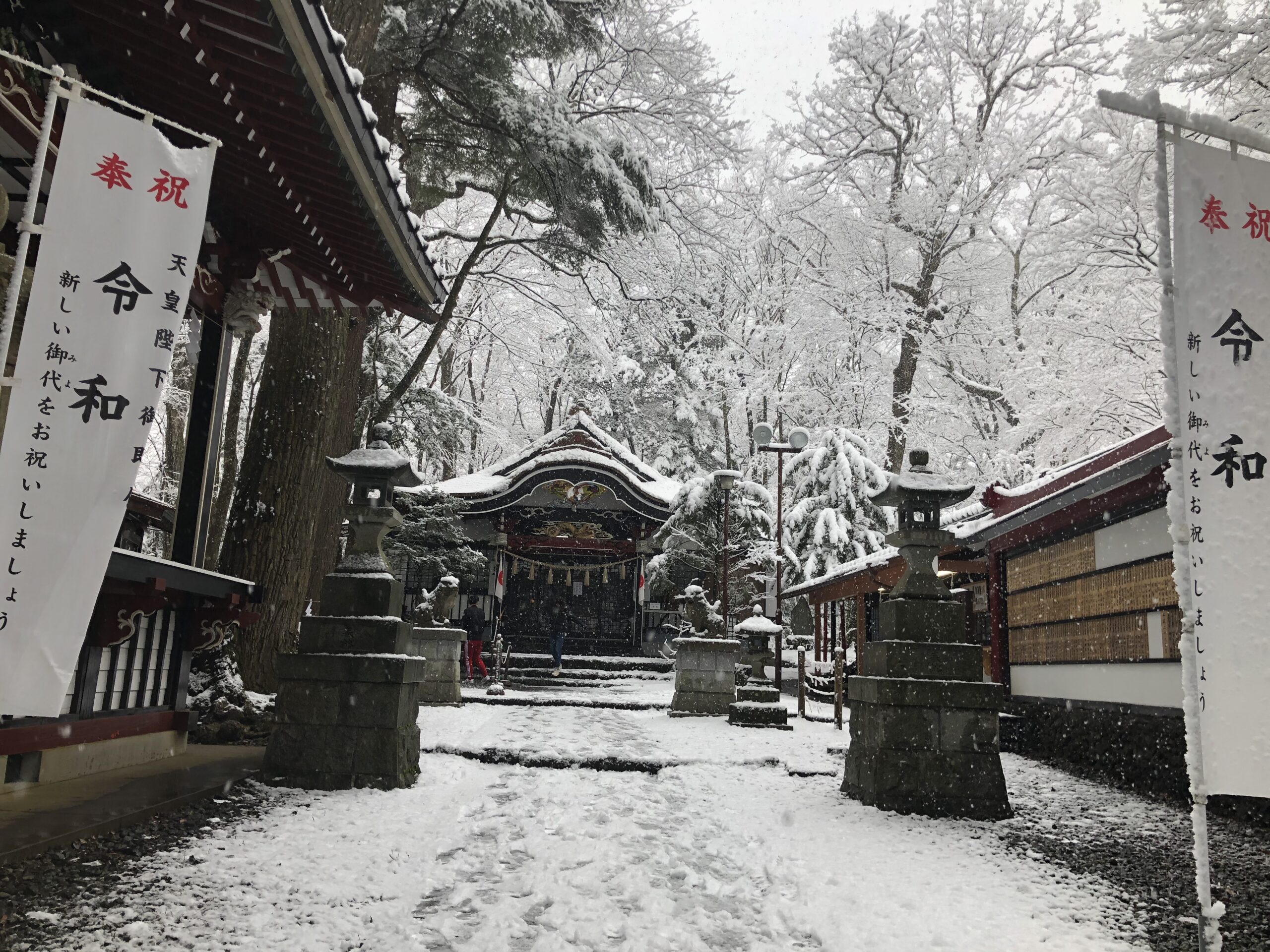
Just 10 minutes by car from Kawaguchiko IC, Arayama Shrine (新屋山神社, Araya Yama Jinja) sits at the foot of Mount Fuji in Fujiyoshida City, Yamanashi Prefecture. Known as one of Japan’s “Big Three Money Luck Shrines,” it draws visitors from across the country seeking financial fortune and business prosperity.
The shrine gained national fame after Yukio Funai, founder of the Funai Research Institute and renowned management consultant, declared: “If you don’t want to worry about money, go to this shrine.” Since then, business leaders, entrepreneurs, and investors have made it a pilgrimage site. Beyond the main shrine, an inner sanctuary (Okumiya) perched at 1,700 meters on the second station of Mount Fuji offers an even more powerful spiritual experience — surrounded by ancient forest and pristine mountain air.
What Makes This Shrine Special
One of Japan’s “Big Three Money Luck Shrines”
Arayama Shrine was founded in 1534 during the Muromachi period. The principal deity is Oyamatsumi-no-Mikoto, the god of mountains and guardian of all industries. Amaterasu Omikami and Konohanasakuya-hime are also enshrined here.
For centuries, the shrine served as a place of worship for local forestry workers, farmers, and craftsmen who revered the mountain deity. The turning point came when Yukio Funai featured the shrine in his book *Iyashirochi*, describing it as a place rich in negative ions and powerful healing energy. Word spread through the business community, and Arayama Shrine became established alongside Awa Shrine (Chiba) and Kinkengū (Ishikawa) as one of Japan’s three most potent shrines for financial fortune.
The Okumiya — A Sacred Space at 1,700 Meters
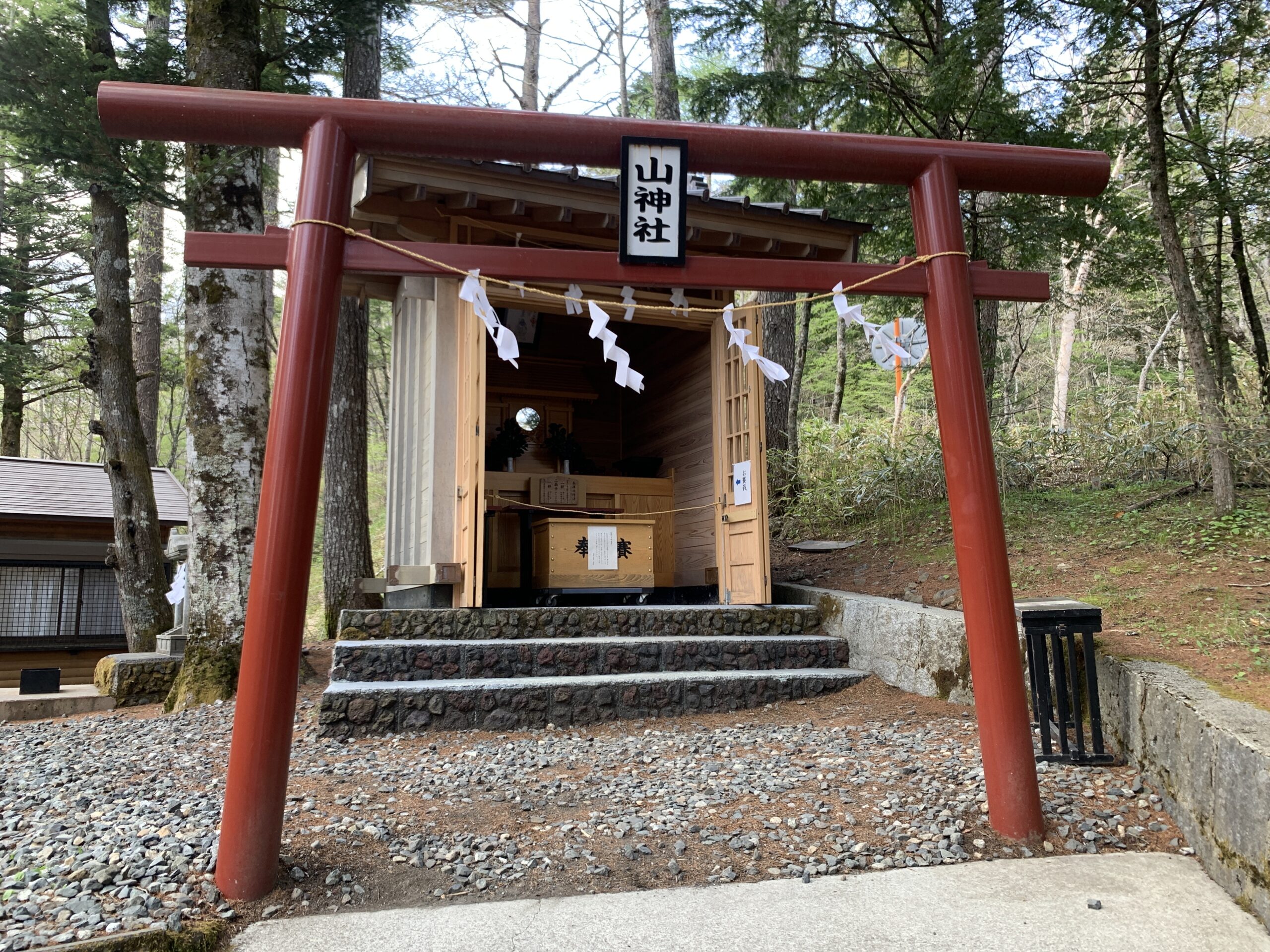
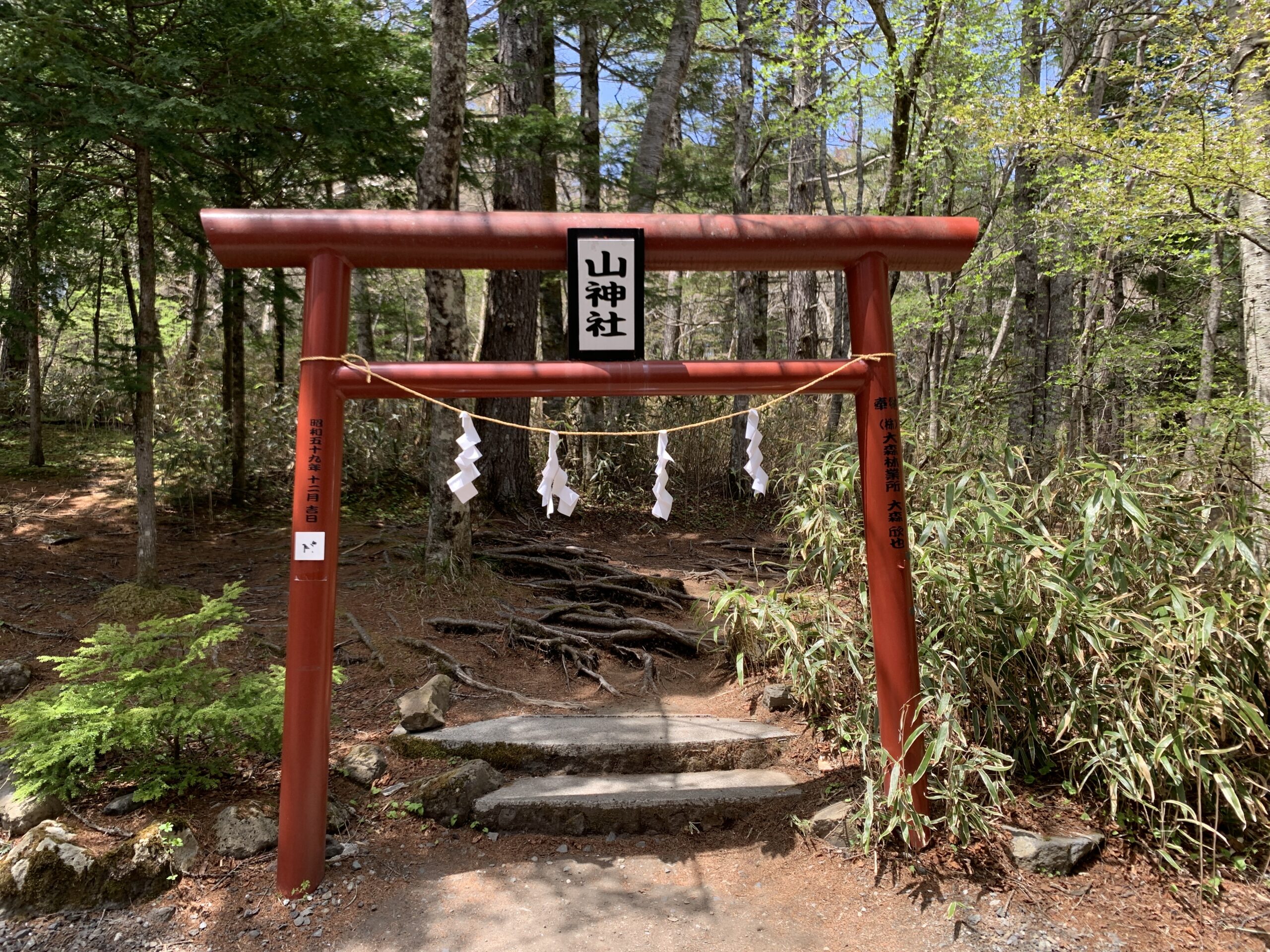
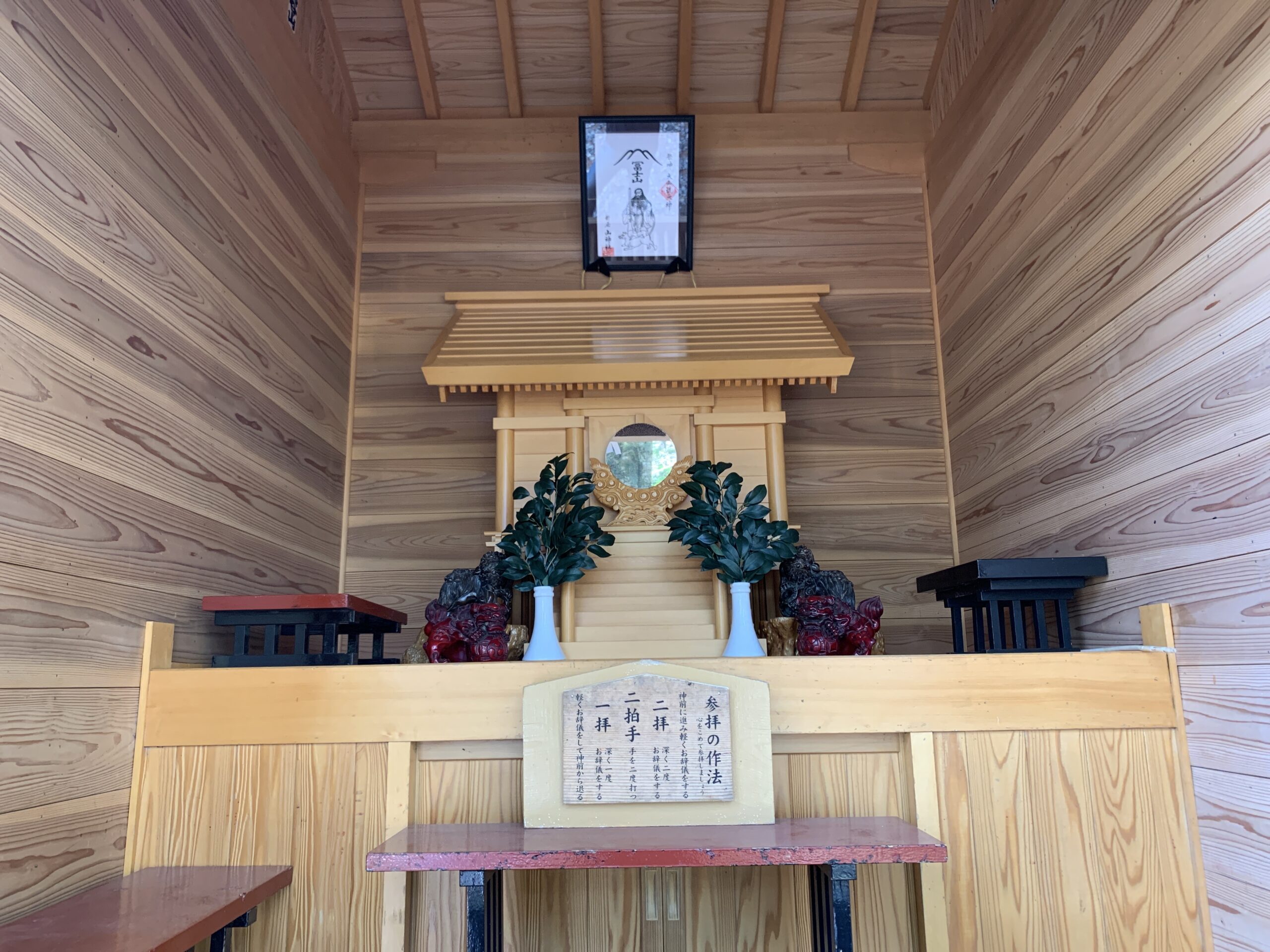
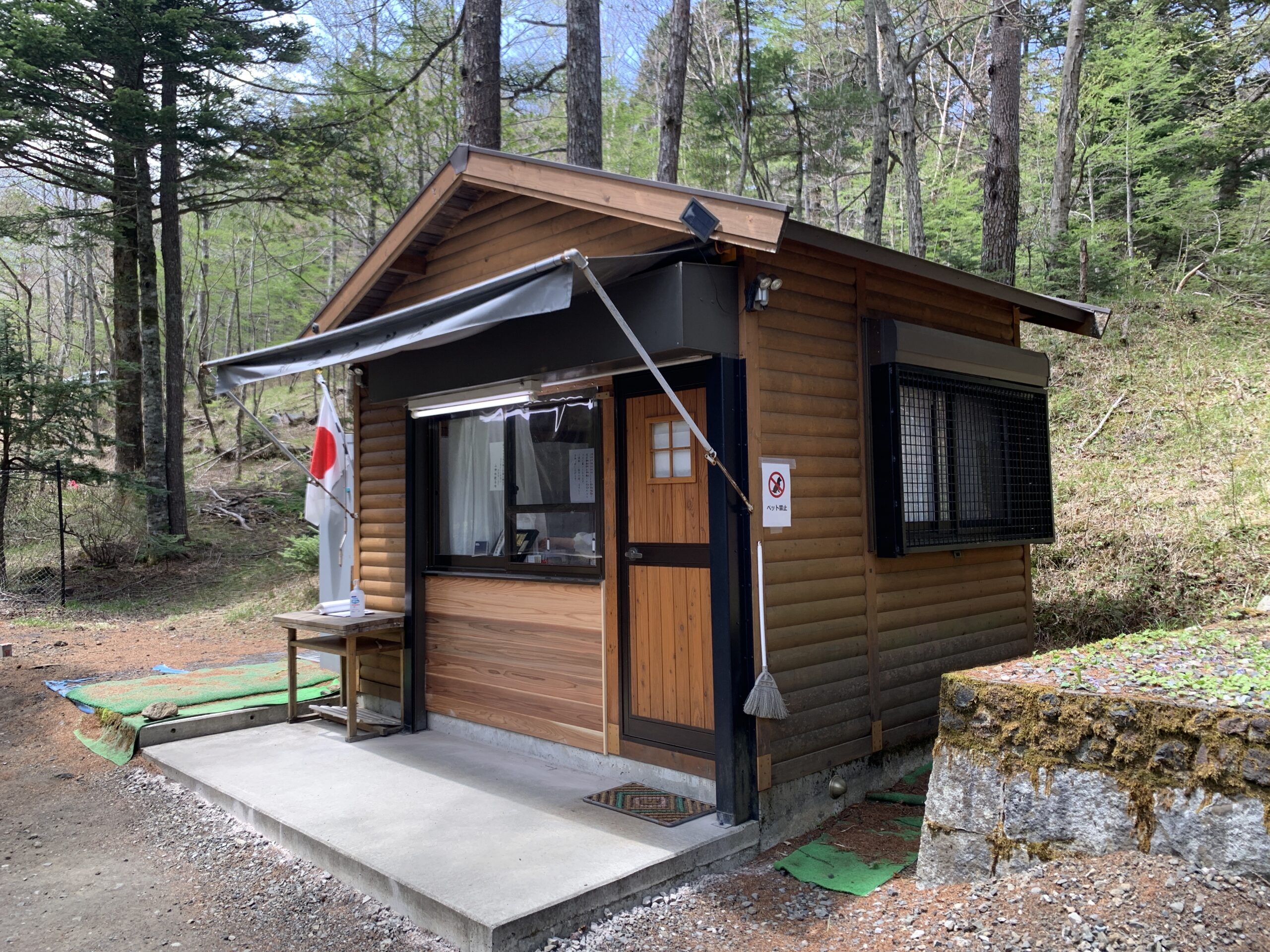
The most distinctive feature of Arayama Shrine is its inner sanctuary (Okumiya), located at the second station of Mount Fuji. A 50-minute drive from the main shrine via the Fuji Subaru Line takes you to an elevation of approximately 1,700 meters, where three small shrine buildings stand quietly among ancient forest.
Dappled sunlight filters through the canopy, birdsong echoes through the silence, and the air feels impossibly clean. Many visitors report that “the spiritual energy at the Okumiya is far stronger than at the main shrine,” and the drive up the mountain road is well worth it.
A Pilgrimage for Business Leaders
The visitor profile at Arayama Shrine is distinctive. Beyond individual fortune-seekers, the shrine attracts company presidents, investors, and aspiring entrepreneurs. The parking lot fills with cars bearing license plates from across Japan, and tour buses arrive on weekends. Stories of “landing a major contract after visiting” or “experiencing a business turning point” have spread through executive networks, with many first-time visitors coming on recommendations from business associates.
Spiritual Benefits
Financial Fortune — Arayama Shrine’s signature blessing. The Okumiya is said to be especially potent for money luck, and visiting both the main shrine and Okumiya is believed to maximize the benefit.
Business Prosperity — As the deity Oyamatsumi-no-Mikoto guards all industries, business owners from sole proprietors to corporate executives come to pray for growth and success.
Industrial Development — The shrine’s original blessing since its founding. As a mountain deity, it protects forestry, agriculture, and all forms of industry.
Family Safety & Traffic Safety — Beyond financial blessings, many visitors pray for family well-being and safe travels.
The most popular charm is the Kinun Card (¥1,500) — a credit-card-sized amulet designed to fit in your wallet. It is only available for purchase in person at the main shrine or Okumiya; online or mail orders are not accepted.
Best Times to Visit
Fresh Green Season (May – June) ★★★★★
The Okumiya opens for the season, and the new foliage is stunning. The air at 1,700 meters is crystal clear, and the temperature is comfortable for exploring both shrines in a single day.
Autumn Colors (Late September – October) ★★★★★
The foliage around Mount Fuji’s base is spectacular. The main shrine’s grounds turn vibrant shades of red and gold. Consider timing your visit with the annual festival on October 17.
New Year Period ★★★★☆
Extremely popular for New Year money luck prayers. However, the first three days of January are the most crowded. Visit after January 4 on a weekday for a calmer experience.
Best Time of Day
Weekday mornings (9:00 – 11:00) are the least crowded. Weekends and holidays can see tour bus groups, so arrive early. The Okumiya’s charm office operates from 10:00 to 15:00, so an ideal schedule is: main shrine in the morning, then Okumiya before noon.
Okumiya Opening Season (Important)
The Okumiya is accessible only from early May to early November. The mountain road closes from late November through late April due to snow. Additionally, the road is closed on Japan Self-Defense Forces training days. Always confirm access by checking the official website or calling 0555-24-0932 before your visit.
Worship Guide
Correct Order of Worship
The recommended order is main shrine first, then Okumiya.
Step 1: Main Shrine (approx. 30 – 60 minutes)
1. Pass through the torii gate and walk along the approach
2. Purify your hands and mouth at the temizu-sha
3. Pray at the worship hall: bow twice, clap twice, bow once
4. Visit the charm office for amulets and goshuin stamps (9:00 – 16:00)
Step 2: Okumiya (approx. 30 minutes + 50-minute drive)
1. Drive from the main shrine via the Fuji Subaru Line (approx. 50 minutes)
2. The shrine is a short walk from the parking area
3. Visit the shrine buildings, the small hokora shrine, then the sacred tree, in that order
4. The charm office sells amulets and ofuda talismans (10:00 – 15:00)
Important Notes
- Do not walk around the shrine buildings — worship from the front only
- The mountain road to the Okumiya has many curves; bring motion sickness medicine if needed
- Okumiya parking is limited; arrive early on weekends
Essential Information
| Detail | Information |
|——–|————|
| Address | 1230 Araya Jinja Kawahara, Fujiyoshida City, Yamanashi |
| Phone | 0555-24-0932 |
| Main Shrine Charm Office | 9:00 – 16:00 |
| Okumiya Charm Office | 10:00 – 15:00 (May – November only) |
| Admission | Free |
| Parking | Available at both main shrine and Okumiya (free) |
| Official Website | http://www.yamajinja.jp/ |
By Car
- From Kawaguchiko IC (Chuo Expressway): approx. 10 minutes
- From Fujiyoshida IC (Higashi-Fuji Five Lakes Road): approx. 10 minutes
By Train & Bus
- Take the Fuji Kyuko Line to Fujisan Station
- Bus to “Araya Kominkan Iriguchi” stop, then a 5-minute walk
Nearby Attractions & Dining
Yoshida Udon — Fujiyoshida’s Signature Dish
After your visit, try the local specialty Yoshida udon — thick, firm noodles with a rustic, satisfying flavor.
- Miura: A local favorite. Beef udon (large) ¥650. Open 10:00 – 14:00
- Fujiya: Known for firm noodles with yuzu pepper. About 5 minutes’ walk from Fujisan Station
- Fumotoya: A traditional hand-made udon shop with a light, gentle broth
Nearby Attractions
| Spot | Distance | Highlights |
|——|———-|————|
| Kitaguchi Hongu Fuji Sengen Jinja | 5 min by car | UNESCO World Heritage Site, linked to Yamato Takeru |
| Arakurayama Sengen Park | 10 min by car | Iconic photo spot with Mt. Fuji and the Chureito Pagoda |
| Oshino Hakkai | 20 min by car | Spring-fed pools, UNESCO constituent asset |
| Lake Kawaguchi | 15 min by car | Hot springs, museums, Mt. Fuji views |
| Fuji-Q Highland | 10 min by car | Thrill rides, Thomas Land for families |
Suggested Itineraries
Half-Day Course (Main Shrine Only)
1. 9:00 Arrive at Fujisan Station
2. 9:30 Visit Arayama Shrine main hall
3. 10:30 Yoshida udon lunch
4. 11:30 Kitaguchi Hongu Fuji Sengen Jinja
5. 13:00 Arakurayama Sengen Park for Mt. Fuji photos
Full-Day Course (Main Shrine + Okumiya, May – November only)
1. 8:30 Visit Arayama Shrine main hall
2. 9:30 Drive to Okumiya (approx. 50 minutes)
3. 10:30 Visit Okumiya
4. 12:00 Descend and enjoy Yoshida udon
5. 13:30 Explore Oshino Hakkai or Lake Kawaguchi
Visitor Reviews
Here’s what actual visitors have to say:
> “The main shrine is quiet and sacred, surrounded by trees. A business associate recommended it, and I can see why — there’s a special energy here.”
> — Google Maps review
> “The Okumiya at Mount Fuji’s second station feels like another world. Completely different from any urban shrine. Worth the drive, but beware of the winding mountain road.”
> — Google Maps review
> “I visited in winter and the Okumiya was closed for the season. Definitely check the official website before you go. The main shrine alone is still worth visiting, but I want to come back for the Okumiya.”
> — Google Maps review
A common thread among visitors is the sense that “the atmosphere here is different.” The Okumiya, at 1,700 meters surrounded by forest, offers a particularly distinctive experience far removed from everyday life. However, checking the Okumiya’s opening period and JSDF training days in advance is essential.
FAQ
Q: Is visiting only the main shrine worthwhile?
A: Absolutely. The main shrine alone is considered to offer significant blessings. However, many visitors say that worshipping at both locations maximizes the spiritual benefit.
Q: Can I reach the Okumiya by public transport?
A: No public transportation serves the Okumiya. Access is by car, taxi, or tour bus only. A taxi from Fujisan Station costs approximately ¥5,000 – ¥6,000 one way.
Q: Can I buy the Kinun Card online?
A: No. It is available only for in-person purchase at the main shrine or Okumiya. The offering is ¥1,500.
Q: Are pets allowed?
A: Pets are generally not permitted in the shrine grounds. If traveling with a pet, please arrange for them to wait in your vehicle during your visit.
Summary
Arayama Shrine is one of Japan’s “Big Three Money Luck Shrines,” standing at the foot of Mount Fuji with a history dating back to 1534. From the serene main shrine to the powerful Okumiya at 1,700 meters on Mount Fuji’s second station, this is a place where Japan’s natural beauty and spiritual tradition converge.
Whether you’re seeking financial fortune, business success, or simply the experience of praying in an ancient forest on the slopes of Japan’s most sacred mountain, Arayama Shrine offers something truly special.
—
We hope this guide helps you plan your visit to Arayama Shrine.
*Information in this article is current as of April 2026. Okumiya opening dates and closures due to JSDF training vary by year. Please check the official website for the latest information before your visit.*
—
Discover Your Ideal Power Spot
Did you know that different power spots resonate differently with different people? Beyond Arayama Shrine, there may be a power spot that’s an even better match for you.
Our free compatibility diagnosis analyzes your spiritual profile based on the Five Elements and suggests your ideal power spots from 60 different connection types (takes just 3 minutes).
あなたに最適なパワースポットを知りたい方へ