Just 15 minutes by car from Gifu-Hashima IC on the Meishin Expressway, Chiyoho Inari Shrine (*Chiyoho Inari-jinja*) in Kaizu City, Gifu Prefecture, is affectionately known as “Ochobo-san” — one of the most beloved commercial-prosperity shrines in central Japan.
The shrine’s origins trace back to the Heian period, when Minamoto no Yoshiie entrusted sacred relics to his descendants with the command to “preserve them for a thousand generations” (*chiyo ni tamote*) — giving the shrine its name. In the Bunmei era (1469–1487), Yoshiie’s descendant Mori Hachikai settled this land and enshrined the relics, founding the shrine we know today. What makes Ochobo-san truly unique is its 700-meter temple street with approximately 120 shops lining the approach — creating a year-round festival atmosphere where street food and worship blend into one unforgettable experience.
What Makes This Place Special
No Charms, No Goshuin — A Unique Faith
The most distinctive feature of Chiyoho Inari Shrine is that it does not offer omamori (charms), ofuda (talismans), or goshuin (seal stamps) — at all. The official website states: “By ancient tradition, this shrine does not confer amulets, charms, or seal-stamp inscriptions.”
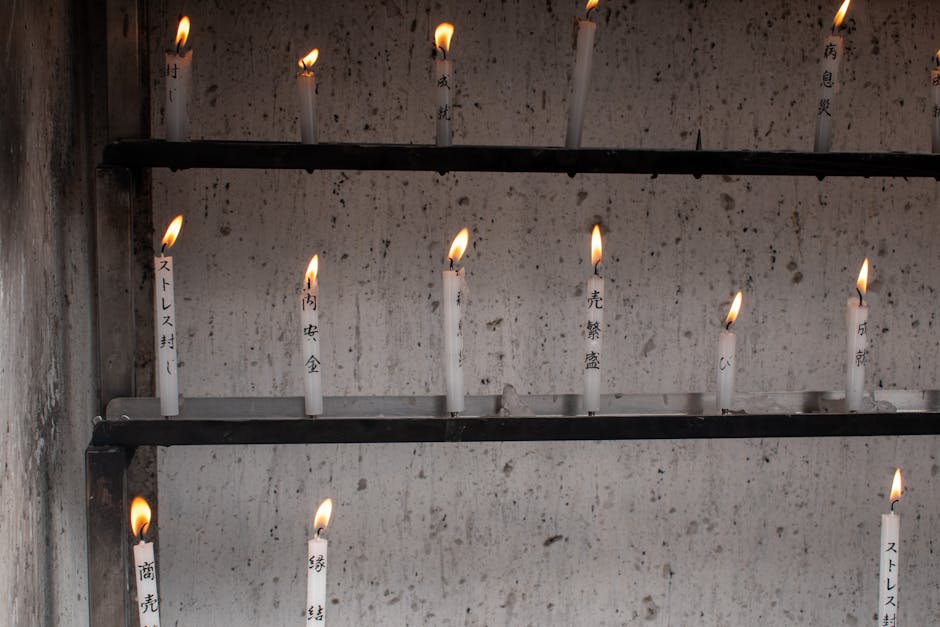
Instead, worshippers offer abura-age (fried tofu) and candles. You purchase a set at shops near the shrine entrance, light a candle at the *tomyoba* (candle hall), and place the fried tofu at the main hall as your offering. This stripped-down, direct approach to prayer — no intermediary objects, just you and the deity — is what makes Ochobo-san unlike any other Inari shrine in Japan.
Tsukigoshi-mairi — Monthly Midnight Pilgrimage
The Tsukigoshi-mairi (month-crossing pilgrimage), held from the last day of each month through the 1st, is Ochobo-san’s signature tradition. Worshippers come to give thanks for the past month and pray for the month ahead — a practice deeply rooted among merchants and business owners.
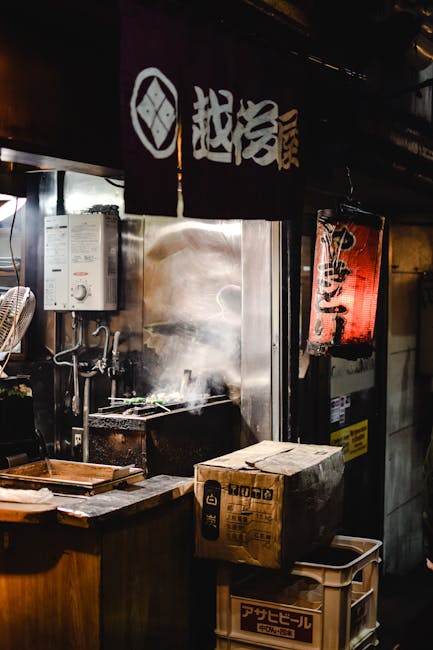
On these nights, the temple street stays open late into the night, and the approach buzzes with visitors well past midnight. The smoke from kushikatsu stalls, the glow of lanterns, the energy of the crowd — it’s an experience you won’t find at any other Japanese shrine.
700 Meters of Temple Street — Every Day Is a Festival
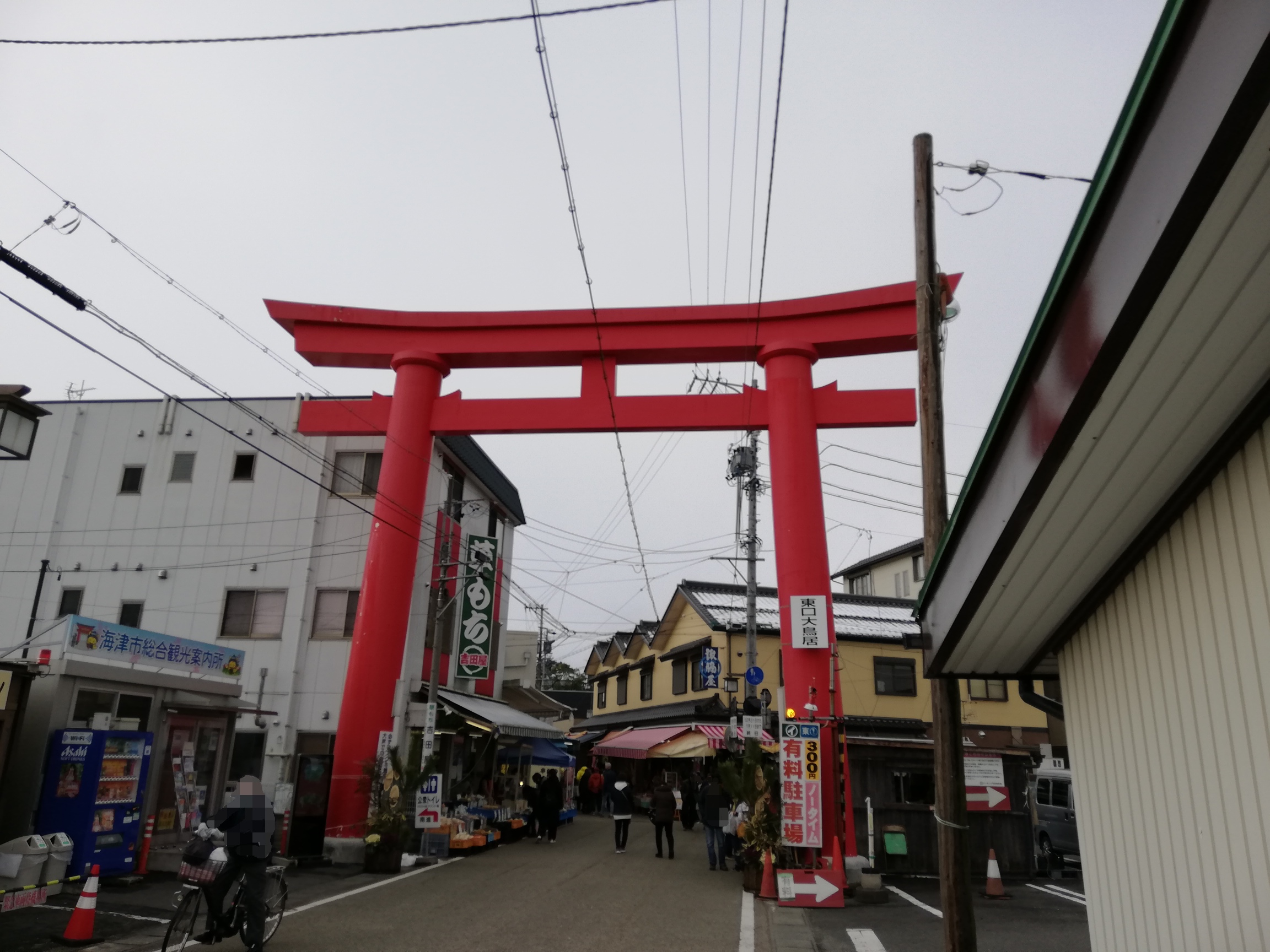
From the east torii to the south torii, approximately 120 shops line a 700-meter stretch, creating what locals describe as “every day is a festival.” Kushikatsu (deep-fried skewers) is the signature dish, along with dote-ni (miso-stewed beef tendon), yomogi mochi (mugwort rice cakes), river fish dishes, and pickled vegetables. This seamless blend of eating and praying is the Ochobo-san experience itself.
Onko Shuseikan — A Free Art Museum
The Onko Shuseikan museum on the shrine’s north side displays art from the shrine’s collection, completely free of charge. A hidden gem worth visiting between worship and street food.
Spiritual Benefits
Business Prosperity — Ochobo-san’s most famous blessing. From local shopkeepers to corporate executives, worshippers flock here — especially during the monthly Tsukigoshi-mairi — to pray for commercial success through the unique offering of fried tofu and candles.
Family Safety — Alongside business prosperity, family harmony and wellbeing are core benefits that draw regular worshippers.
Agricultural Abundance & Industry — As an Inari shrine dedicated to the grain deity, Chiyoho protects all forms of productivity and industry.
Fulfillment of Wishes — The shrine accepts formal prayer requests (*kito*) for heartfelt wishes. Ascending prayer services run daily from 9:00–12:00 and 13:00–14:30 (mornings only on the last two days of each month).
Fortune & Protection — Yakuyoke (warding off bad luck) prayers are also available, particularly popular around New Year and during unlucky years.
Best Times to Visit
Tsukigoshi-mairi (Last day of each month) ★★★★★
The monthly highlight. From early evening through dawn, the temple street transforms with late-night vendors and a festive atmosphere. The December 31–January 1 session, overlapping with New Year, is the most spectacular. Regular visitors — especially business owners — come monthly.
Hatsumode / New Year (January) ★★★★★
The first three days draw massive crowds. The temple street operates in full New Year mode. For a calmer visit, try January 4th or later on weekdays.
Hatsu-uma Festival (Early March, lunar calendar) ★★★★☆
The most important day in the Inari shrine calendar. A celebration of the grain deity, typically falling in March. Check dates annually.
Autumn Festival (2nd Monday of October) ★★★★☆
A harvest thanksgiving festival. Pleasant autumn weather makes this an ideal time for both worship and temple-street strolling.
Best Hours
Morning (9:00–12:00): Shops open with fresh kushikatsu and warm mochi. The shrine office begins accepting prayer requests. Tsukigoshi-mairi nights (20:00–2:00): Experience the temple street’s unique after-dark energy — completely different from daytime visits.
Visiting Guide
Recommended Route (60–90 minutes)
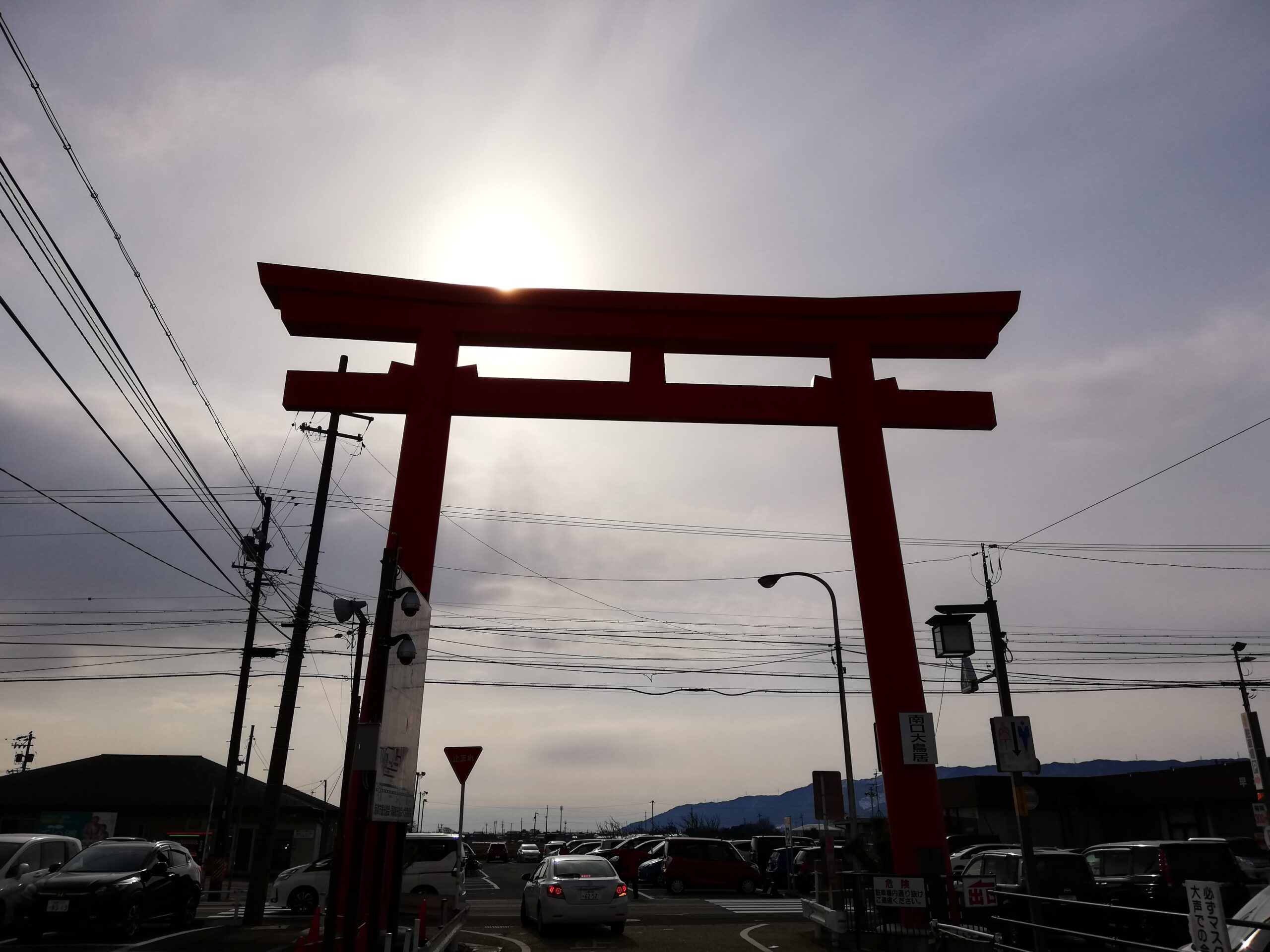
East Torii Gate (photo spot) → Walk the temple street with street food (kushikatsu, mochi) → Shrine entrance shops to buy fried tofu & candles → Tomyoba (candle hall) to light your candle → Main Hall to offer fried tofu and pray → Reiden (view antique guardian fox statues) → Onko Shuseikan (free art museum) → Return through the temple street for souvenir shopping → Exit via South Torii Gate
How to Worship (Unique Style)
1. Purchase fried tofu and candle set at shops near the shrine entrance
2. Light and place your candle at the Tomyoba (candle hall)
3. Offer the fried tofu at the Main Hall and pray (two bows, two claps, one bow)
4. For specific wishes, formal ascending prayer is available (9:00–17:00)
About Goshuin (Shrine Seals)
Chiyoho Inari Shrine does not offer goshuin, omamori, or ofuda. This is a longstanding tradition — please do not expect seal-stamp services.
Tips & Etiquette
- Open 24 hours for worship (shop hours vary)
- Tsukigoshi-mairi nights and New Year bring heavy crowds. Free parking fills quickly
- Pet policy: The official stance is “please refrain.” Call the shrine office (0584-66-2613) to confirm
Essential Information
| Detail | Information |
|——–|————|
| Official Name | Chiyoho Inari Shrine (千代保稲荷神社) |
| Also Known As | Ochobo-san |
| Location | 1980 Migo, Hirata-cho, Kaizu, Gifu 503-0312 |
| Principal Deities | Oso-no-Okami, Inari-no-Okami, Soshin |
| Founded | Bunmei Era (1469–1487) |
| Hours | 24 hours |
| Admission | Free |
| Parking | Free (East: ~50 cars, South: ~20 cars) + private lots (¥300–500) |
| Goshuin | Not available (by tradition) |
| Official Site | https://www.chiyohoinari.or.jp/ |
Access
By Car (Recommended)
| Route | Duration |
|——-|———-|
| Meishin Expressway Gifu-Hashima IC → Shrine | Approx. 15–20 min |
| Meishin Expressway Ogaki IC → Shrine | Approx. 15–20 min |
| Anpachi Smart IC → Shrine | Approx. 10 min |
Note: During Tsukigoshi-mairi and New Year, free lots fill quickly. Use private parking (¥300–500) or arrive early.
By Train & Bus
| Route | Duration | Cost |
|——-|———-|——|
| Nagoya → Gifu-Hashima (Tokaido Shinkansen Kodama) | Approx. 15 min | ~¥3,000 (reserved) |
| Gifu-Hashima/Shin-Hashima → Ochiyobo Inari (Kaizu City bus) | Approx. 20 min | Check locally |
| Yoro Railway Ishizu Sta. → Ochiyobo Inari (city bus) | Approx. 22 min | Check locally |
Practical tip: Community bus service is limited. Driving is by far the most convenient option. Many visitors come as a day trip from Nagoya (~40 minutes by car).
Nearby Attractions & Food
Nearby Spots
Kiso Sansen Park Center — Famous for its observation tower and seasonal flower gardens. Great for families. About 15 minutes by car.
Chisui Shrine — Dedicated to the Satsuma samurai who sacrificed their lives in the historic Horeki flood-control project. A moving historical site about 10 minutes by car.
Hayakawa Residence — A nationally designated Important Cultural Property — a wealthy farmer’s estate in Migo, within walking distance of Chiyoho Inari.
Temple Street Food Guide
Kushikatsu (Deep-fried skewers) — The undisputed star of Ochobo-san. Multiple shops compete for the title of best kushikatsu, served with miso dipping sauce.
Dote-ni (Miso-stewed beef tendon) — Rich, slow-cooked comfort food. Often paired with kushikatsu.
Yomogi Mochi (Mugwort rice cakes) — Fragrant, earthy, and satisfying. Available at multiple shops. Great for souvenirs.
River Fish Cuisine — Moroko (gudgeon) simmered in sweet soy, salt-grilled sweetfish — Kaizu specialties from the nearby rivers.
Pickled Vegetables — A Kaizu specialty. Sample freely at the pickle shops lining the approach.
Visitor Reviews
> “Eating kushikatsu while walking, then praying, then more kushikatsu. There’s no other shrine this fun. I went on a month-end night and was amazed how crowded it was even at midnight.”
> — Google Maps review
> “The offering style with fried tofu and candles is totally unique — nothing like other Inari shrines. Including the lively temple street, it felt like seeing the ‘original form’ of a Japanese power spot.”
> — Jalan review
Overall, visitors consistently praise Ochobo-san not just as a shrine but as a complete experience combining worship, street food, and temple-town exploration. It ranks #1 among Kaizu City attractions on TripAdvisor with over 780 reviews on Jalan.
FAQ
Is a day trip from Nagoya possible?
Absolutely. About 40 minutes by car via the Meishin Expressway. Allow 2–3 hours for worship and eating. Combine with Kiso Sansen Park for a full day.
Can I get goshuin (shrine seal stamps)?
No. Chiyoho Inari does not offer goshuin, omamori, or ofuda by ancient tradition. This is a unique aspect of the shrine’s character, not an oversight.
When should I go for Tsukigoshi-mairi?
Arrive from 20:00 onward on the last day of the month. The temple street shifts to late-night mode, and the atmosphere is completely different from daytime. Peak crowds: 22:00–midnight.
Is it wheelchair accessible?
The temple street is relatively flat, but the shrine grounds include stone steps near the main hall. Contact the shrine office in advance (0584-66-2613) for specific accessibility needs.
Photography Guide
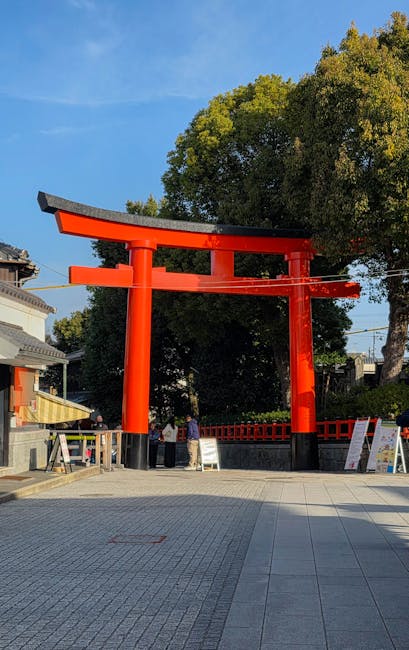
East Torii Gate — Capture the red gate framed by the bustling temple-street shops. Best upon arrival.
South Torii Gate — Dramatic silhouette shots, especially in late afternoon with backlighting.
Tomyoba (Candle Hall) — Rows of flickering prayer candles create an atmospheric shot. Stunning during nighttime Tsukigoshi-mairi.
Temple Street Scene — Smoke from kushikatsu stalls, lanterns, crowds — street photography heaven.
Main Hall Offerings — Rows of fried tofu offerings create a uniquely Ochobo-san composition.
Rainy Day Options
- Many temple-street shops have covered areas, making kushikatsu and mochi runs perfectly viable in rain
- Onko Shuseikan (free art museum) provides an excellent indoor stop
- Focus on souvenir shopping — mochi, pickles, and preserved fish make great rain-day activities
- Outside Tsukigoshi-mairi nights, rain reduces crowds for a more intimate temple-town atmosphere
Summary
Chiyoho Inari Shrine — Ochobo-san — is unlike any Inari shrine you’ve visited. No charms, no goshuin, no talismans. Instead: fried tofu, flickering candles, and a direct, unadorned conversation with the deity.
The 700-meter, 120-shop temple street is where worship meets street food in Japan’s most entertaining fusion. Kushikatsu smoke, the scent of mugwort mochi, the clatter of pickle shops — this is a shrine experience that engages all five senses.
Just 40 minutes from Nagoya by car, Ochobo-san is an easy and rewarding day trip. For the full experience, visit during a Tsukigoshi-mairi night and discover why generations of merchants have kept coming back, month after month, for centuries.
—
We hope this guide helps you plan your visit to Chiyoho Inari Shrine.
*Information current as of April 2026. Please verify details on official websites before your visit.*
—
Discover Your Ideal Power Spot
Japan is home to countless spiritual places, each with unique energy. To find the power spot that resonates most with you, try our free compatibility diagnosis (takes just 3 minutes).
あなたに最適なパワースポットを知りたい方へ