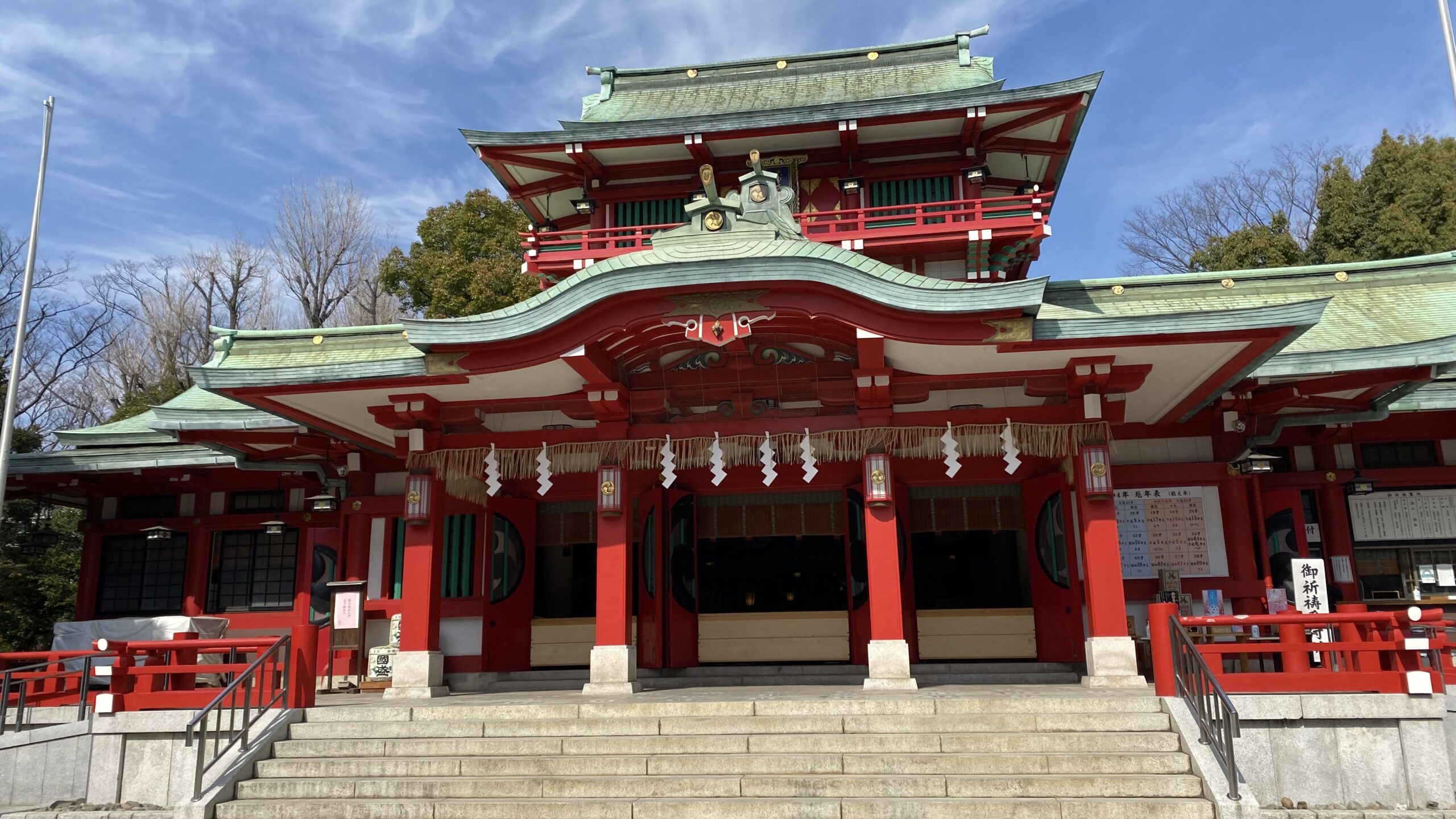
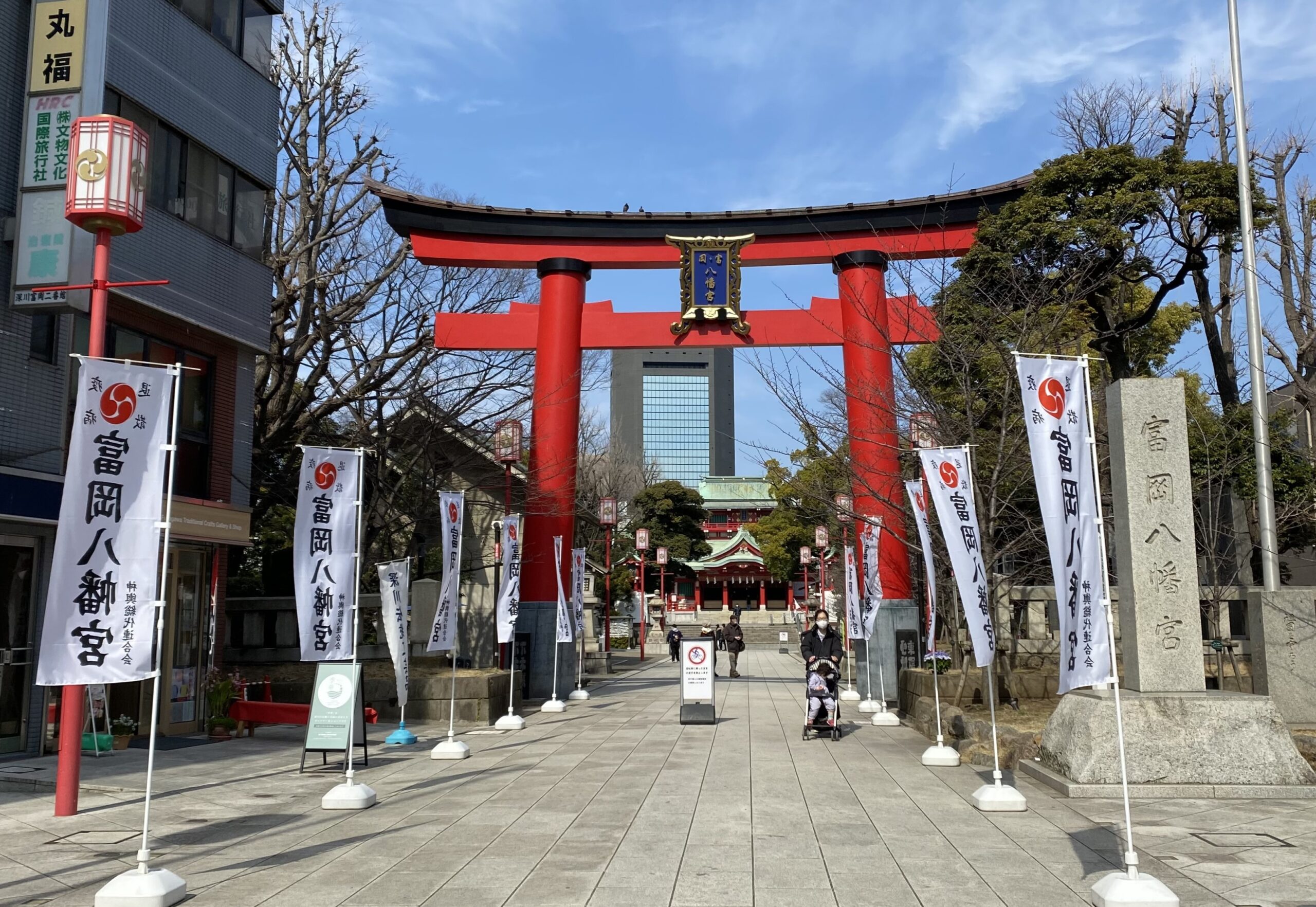
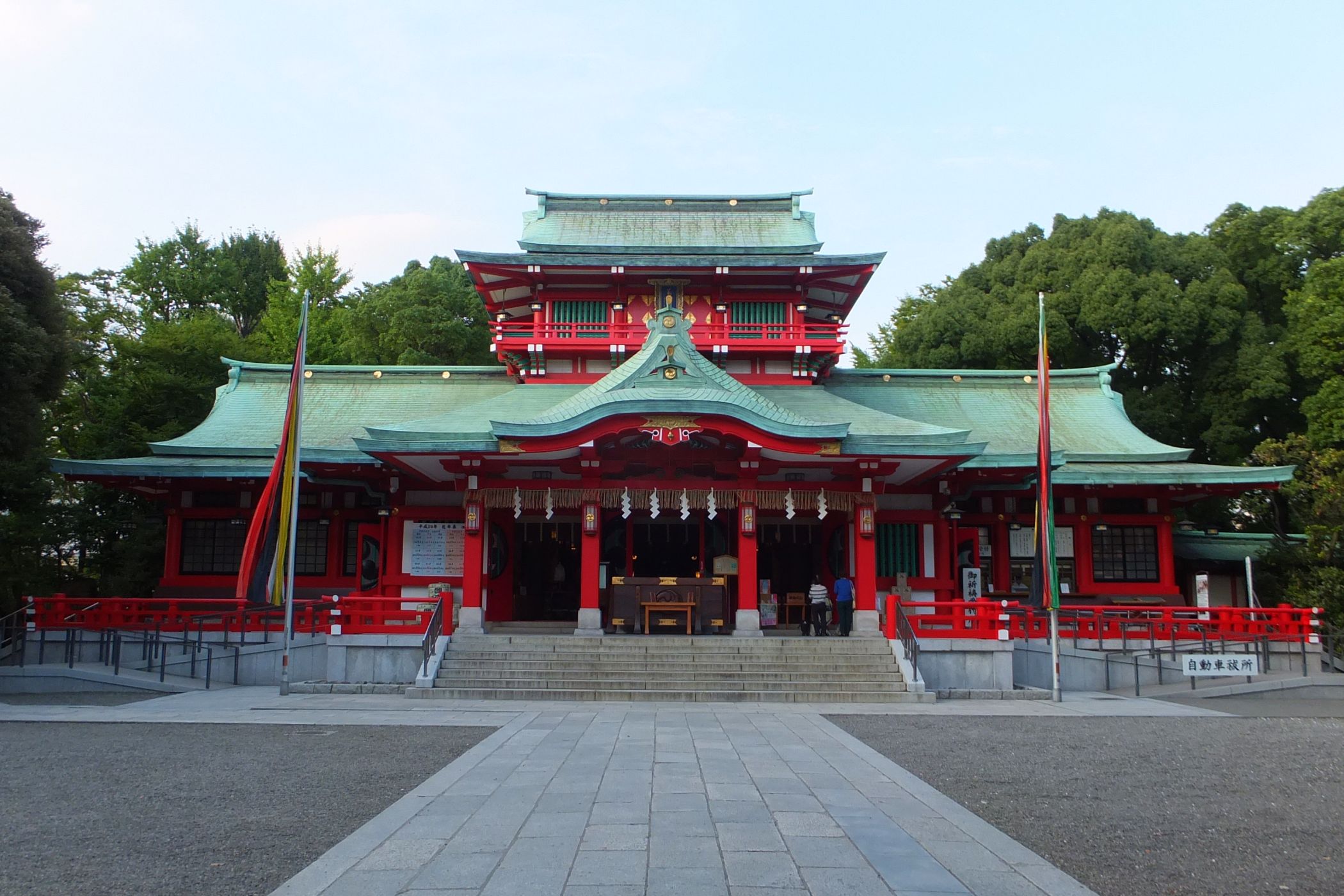
Just 3 minutes on foot from Monzen-Nakacho Station on the Tokyo Metro Tozai Line, Tomioka Hachimangu stands as “Edo’s Greatest Hachimangu” — a shrine founded in 1627 that has served as the spiritual heart of Tokyo’s Fukagawa district for nearly 400 years. Under the patronage of the Tokugawa shoguns, this shrine became one of the most beloved in old Edo.
Home to one of Tokyo’s Three Great Festivals (the famous “water-throwing” Fukagawa Hachiman Matsuri), the birthplace of Edo-era sumo wrestling, and a monument to Japan’s legendary mapmaker Ino Tadataka, Tomioka Hachimangu offers a uniquely layered cultural experience found nowhere else in Tokyo.
What Makes This Spot Special
Edo’s Greatest Hachimangu — A Shogun’s Shrine
Tomioka Hachimangu was founded in 1627 (Kan’ei 4) when the priest Chosei Hoin received a divine revelation to build a shrine on Eitaijima, a sandbar in what is now Koto Ward. The surrounding wetlands were reclaimed to create both the shrine grounds and residential land, making Tomioka Hachimangu inseparable from the development of Fukagawa itself.
As Hachiman is the patron deity of the Minamoto (Genji) clan — from which the Tokugawa shoguns claimed descent — the shrine received lavish official patronage throughout the Edo period. After the Meiji Restoration, it was designated a Jun-Chokusai-sha (quasi-imperial shrine), reflecting its elevated status.
Birthplace of Edo Sumo
In 1684, the Tokugawa shogunate granted permission to hold kanjin-zumo (charity sumo) on the shrine grounds — an event that eventually evolved into today’s professional sumo tournaments. The Yokozuna Rikishi Monument (donated in 1900) bears the names of every yokozuna in sumo history, and the engraving ceremony for each new yokozuna is a major event.
Additional sumo monuments include the Ozeki Rikishi Monument and the Monument for Wrestlers with Over 50 Consecutive Wins — making this a pilgrimage site for sumo enthusiasts.
Ino Tadataka — The Father of Japanese Cartography
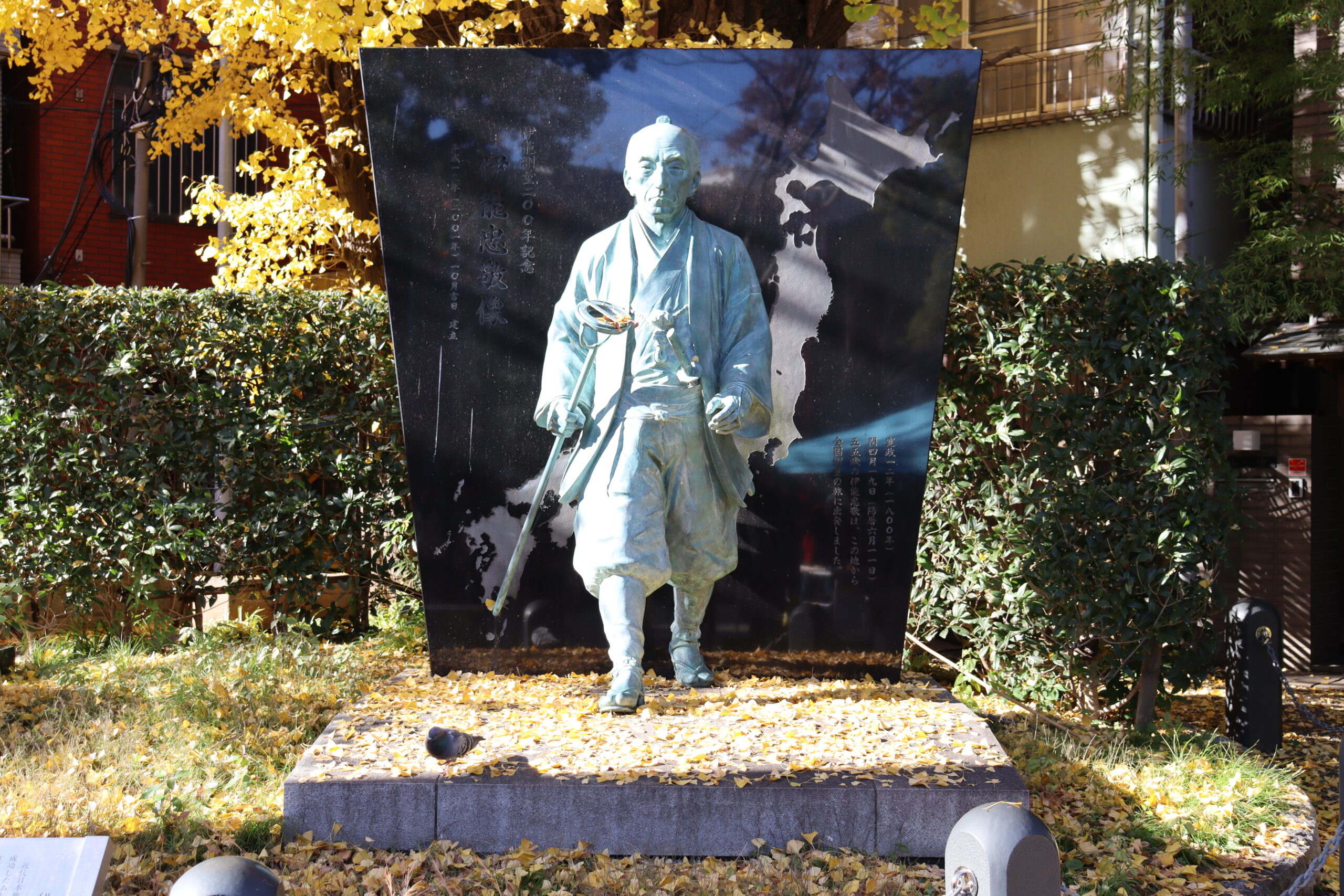
Ino Tadataka, who created the first accurate map of Japan through decades of walking surveys, lived near Tomioka Hachimangu. He reportedly prayed at this shrine before every surveying expedition. A bronze statue of Ino Tadataka was erected in the grounds in 2001, alongside Japan’s first third-order triangulation point monument.
Japan’s Golden Mikoshi
The shrine’s mikoshi storehouse houses the “finest golden mikoshi in Japan” — the ichi-no-miya and ni-no-miya portable shrines. The ichi-no-miya mikoshi weighs approximately 4.5 tons and features diamonds set in the eyes of its phoenix ornament.
Spiritual Benefits
The principal deity is Emperor Ojin (Hachiman Okami), the god of martial prowess. Tomioka Hachimangu is celebrated for these blessings:
Protection from Evil & Good Fortune: Drawing on Hachiman’s martial power for comprehensive protection and luck improvement. Also renowned for directional protection (kata-yoke).
Business Prosperity & Career Success: Beloved by merchants and craftsmen since the Edo period. Prayers for business growth and professional advancement are especially popular.
Victory & Success: As the birthplace of Edo sumo, the shrine is a natural destination for those seeking victory in competitions, sports, and business ventures.
Financial Fortune: The Nanawatari Benten Shrine within the grounds, dedicated to the goddess of wealth at the benten pond, is particularly famous for improving financial luck.
Family Safety & Good Health: Year-round visitors pray for their families’ well-being and health.
Safe Childbirth: Maternity charms are available, and safe-delivery prayers (anzan kigan) are offered.
Best Time to Visit
Summer (August) ★★★★★
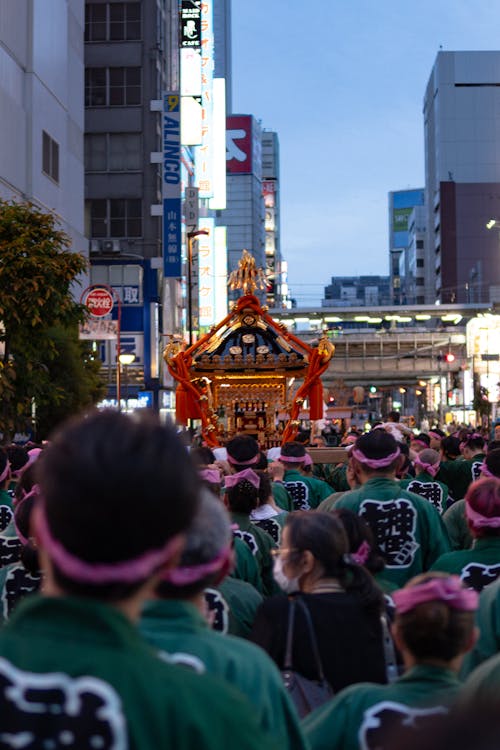
The Fukagawa Hachiman Matsuri (mid-August, centered on August 15) is the undisputed highlight. Known as the “water-throwing festival” (mizukake matsuri), spectators drench mikoshi bearers with water from the sidelines. The “hon-matsuri” (main festival), held once every three years, features over 50 neighborhood mikoshi in a massive procession attracting approximately 300,000 visitors.
Spring (March–May) ★★★★☆
Pleasant weather perfect for exploring the shrine grounds and strolling through Monzen-Nakacho’s shopping street. The area comes alive with spring energy.
Autumn (September–November) ★★★★☆
The Tori-no-Ichi fair on November’s “rooster days” draws crowds seeking decorative kumade rakes for good fortune. The autumn antique markets are also atmospheric.
Winter (December–February) ★★★☆☆
New Year’s hatsumode brings local crowds. The Setsubun bean-throwing ceremony in February and the Kenhari-sai (Needle Memorial) on February 8 offer traditional seasonal experiences.
Best Times of Day
Morning (9:00–11:00 AM): The shrine office is open, crowds are thin, and the light is ideal for photography.
Antique Market Days (1st, 2nd, 4th, 5th Sundays monthly): Browse vintage finds while visiting the shrine — a uniquely Fukagawa experience.
Festival Days (1st, 15th, 28th monthly): Monthly rites bring extra vitality to the grounds. Flea markets on the 15th and 28th add to the atmosphere.
Visitor Guide
Recommended Route
1. Pass through the grand torii gate and walk the approach
2. Purify at the temizusha (purification fountain)
3. Pray at the worship hall — two bows, two claps, one bow
4. Visit the Yokozuna Rikishi Monument — find the names of legendary sumo champions
5. See the Ino Tadataka statue and triangulation point monument
6. Pray at Nanawatari Benten Shrine for financial fortune
7. View the golden mikoshi in the mikoshi storehouse
8. Get your goshuin and charms at the shrine office (9:00 AM–5:00 PM)
Goshuin (Shrine Stamps)
- Types: Tomioka Hachimangu regular stamp, special stamps during festivals
- Location: Shrine office (right side of worship hall)
- Hours: 9:00 AM – 5:00 PM
- Fee: ¥500
- Stamp books: Original goshuin-cho available (approximately ¥1,200)
What to Know
- Shrine grounds are open 24 hours; shrine office hours are 9:00 AM–5:00 PM
- The Main Hall may be undergoing renovation as part of the 400th Anniversary Project (as of April 2026). Check the official website before visiting
- Parking is available but limited. Public transportation strongly recommended
Basic Information
Access
- Address: 1-20-3 Tomioka, Koto-ku, Tokyo 135-0047
- Train: Tokyo Metro Tozai Line “Monzen-Nakacho Station” Exit 1 (3-minute walk), Toei Oedo Line “Monzen-Nakacho Station” (6-minute walk)
- Bus: Toei Bus “Tomioka 1-chome” stop (2-minute walk)
- By Car: About 5 minutes from Shuto Expressway Kiba Ramp, 10 minutes from Hakozaki IC
- Parking: Available on shrine grounds (limited spaces, especially during construction)
Hours & Fees
- Shrine Grounds: Open 24 hours
- Shrine Office / Goshuin: 9:00 AM – 5:00 PM
- Admission: Free
- Suggested Duration: 20 minutes for prayer; about 1 hour including full grounds
- Official Website: https://www.tomiokahachimangu.or.jp/
- Phone: 03-3642-1315
Accessibility
- Slopes installed at key points; wheelchair worship is possible (some slopes have moderate inclines)
- Wheelchair-accessible restroom available
- Stone paths are well-maintained for easy navigation
Nearby Attractions & Dining
Nearby Spots
Fukagawa Fudodo (1-minute walk) — The Tokyo branch of Naritasan Shinshoji Temple. Visiting both the shrine and this temple is the classic Fukagawa combination. The goma fire ritual is especially impressive.
Kiyosumi Garden (15-minute walk) — A traditional strolling garden built by Mitsubishi founder Iwasaki Yataro. A serene contrast to the shrine’s lively atmosphere.
Fukagawa Edo Museum (10-minute walk) — A life-size recreation of an Edo-period Fukagawa neighborhood. Provides vivid context for the shrine’s history.
Monzen-Nakacho Shopping Street (immediate area) — A classic shitamachi (downtown) street lined with eateries and shops perfect for exploring on foot.
Food & Souvenirs
Fukagawa-meshi: The signature local dish — clams and green onions simmered in miso, served over rice. Fukagawa-juku (inside the shrine grounds) is the most convenient spot, with meals around ¥1,000–1,500.
Kanmidokoro Irie: A long-established sweet shop near Monzen-Nakacho. Famous for anmitsu and mitsumame — quintessential shitamachi desserts.
Souvenirs: Fukagawa-meshi products, traditional Japanese sweets, and local crafts from Monzen-Nakacho.
Suggested Itineraries
Half-Day Course (About 3 hours)
10:00 AM Monzen-Nakacho Station → 10:05 Tomioka Hachimangu (60 min) → 11:05 Fukagawa Fudodo (30 min) → 11:35 Fukagawa-meshi lunch (40 min) → 12:15 Monzen-Nakacho shopping & souvenirs (45 min) → 1:00 PM Return
Full-Day Course (About 5 hours)
9:30 AM Monzen-Nakacho Station → 9:35 Tomioka Hachimangu & goshuin (60 min) → 10:35 Fukagawa Fudodo (30 min) → 11:05 Fukagawa-meshi lunch (50 min) → 12:00 Kiyosumi Garden (60 min) → 1:00 PM Fukagawa Edo Museum (60 min) → 2:00 PM Sweets at Monzen-Nakacho → 2:30 PM Return
Visitor Reviews
“The Yokozuna Rikishi Monument with all the yokozuna names carved in stone was incredibly moving. If you’re even slightly interested in sumo, this is an absolute must-visit. The Ozeki monument nearby adds even more depth.” (Google Maps review)
“We visited Tomioka Hachimangu and Fukagawa Fudodo together — they’re literally a 1-minute walk apart. Getting both shrine and temple experiences in one trip felt wonderfully efficient. The Fukagawa-meshi afterward was the perfect finishing touch.” (Google Maps review)
“Came on an antique market day and the grounds were filled with stalls. Just browsing old kimono and ceramics was entertaining enough. Love that you can combine worship and treasure hunting in one visit.” (Google Maps review)
FAQ
Q: What are the visiting hours?
A: The shrine grounds are open 24 hours. The shrine office, charms, and goshuin are available from 9:00 AM to 5:00 PM.
Q: When is the Fukagawa Hachiman Matsuri?
A: The festival is held annually around August 15. The grand “hon-matsuri” with the massive mikoshi procession occurs once every three years. Check the official website for exact dates.
Q: Is parking available?
A: Yes, on the shrine grounds, but spaces are limited. Construction related to the 400th Anniversary Project may further reduce availability. Monzen-Nakacho Station is just 3 minutes away on foot, making public transport the best option.
Q: Are pets allowed?
A: There is no explicit pet policy on the official website. Pet-related charms are available, but for on-site pet access, contact the shrine office (03-3642-1315) in advance.
Q: Is the shrine wheelchair accessible?
A: Yes. Slopes are installed at key points and paths are well-maintained. Some slopes have moderate inclines. Wheelchair-accessible restrooms are available.
Summary
Tomioka Hachimangu, founded in 1627 as “Edo’s Greatest Hachimangu,” has stood for nearly 400 years as the spiritual anchor of Tokyo’s Fukagawa district. Its unique blend of attractions — the Yokozuna Rikishi Monument tracing sumo history, the Ino Tadataka statue honoring Japan’s greatest cartographer, and Japan’s most magnificent golden mikoshi — sets it apart from any other shrine in Tokyo.
With blessings spanning protection, business prosperity, victory, financial fortune, and family safety, the shrine serves diverse spiritual needs. The Fukagawa Hachiman Matsuri — one of Edo’s Three Great Festivals — with its exhilarating water-drenched mikoshi procession is a summer experience like no other.
Just 3 minutes from Monzen-Nakacho Station, pair your visit with Fukagawa Fudodo temple and a bowl of Fukagawa-meshi for the ultimate shitamachi power spot experience.
—
We hope this guide helps you plan a wonderful visit to Tomioka Hachimangu.
*Information in this article is current as of April 2026. Please check the official website for the latest details before your visit.*
—
Discover Your Ideal Power Spot
Japan is home to countless spiritual places, each with unique energy. Want to find the power spot that resonates best with you personally? Try our free compatibility diagnosis — it takes just 3 minutes.
あなたに最適なパワースポットを知りたい方へ