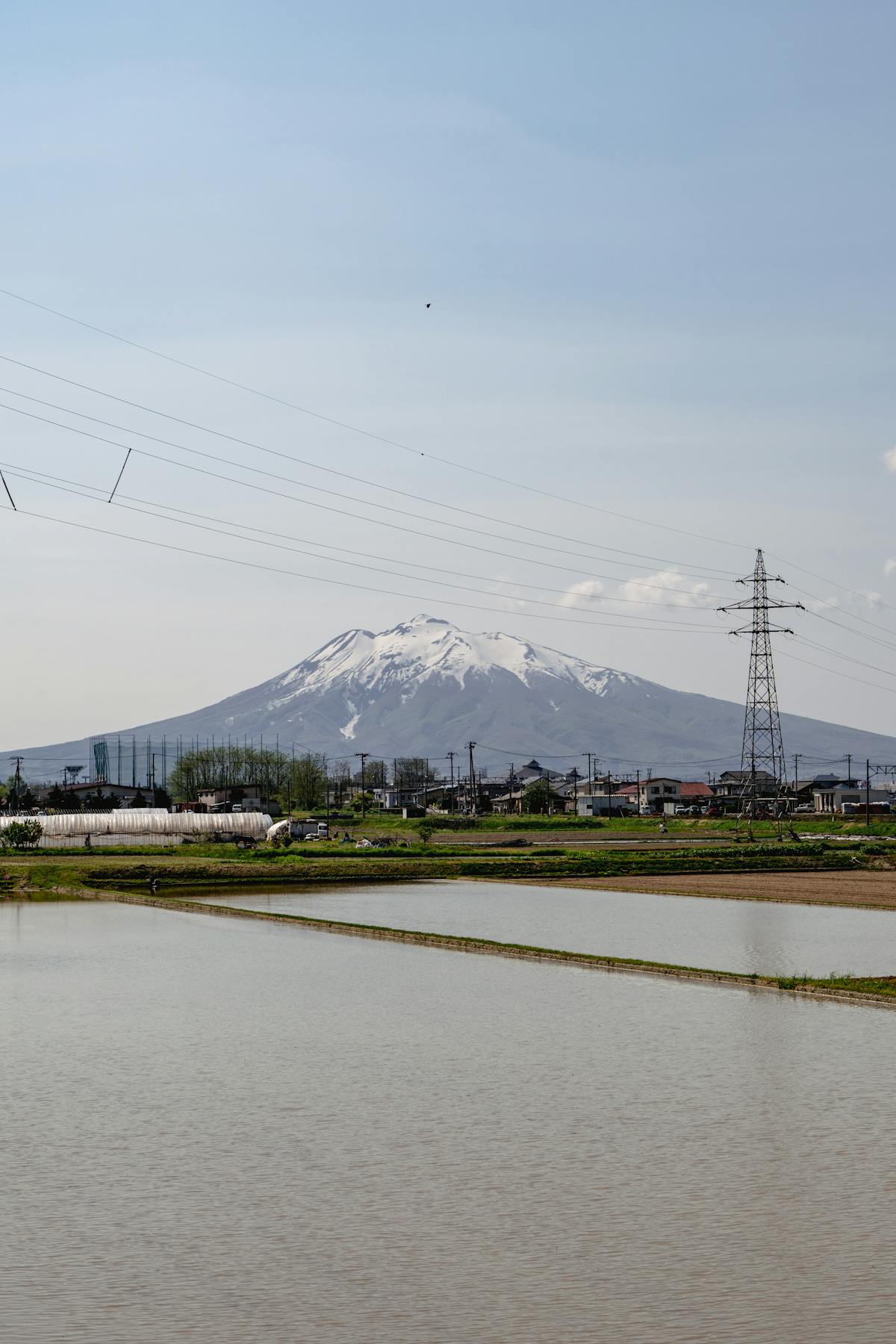
Rising on the border between Akita and Yamagata Prefectures, Mount Chokai stands at 2,236 meters as Tohoku’s second-highest peak. Its beautiful conical shape has earned it the name “Dewa Fuji,” and it has been revered as a sacred site of mountain worship since ancient times.
At the summit sits the main hall of Omonoimi Shrine, enshrining Ukanomitama-no-Mikoto, the deity of food and harvests. Despite being an active volcano with a history of eruptions, its mystical presence has captivated people’s hearts, and it has gathered over 1,400 years of faith as “the Mountain of the Gods.”
The spectacular views unique to this solitary peak facing the Sea of Japan, abundant alpine flora, and spring water sources dotting the mountain base—Mount Chokai offers a special experience to all who seek nature’s blessings and sacred energy, not just mountaineers.
The Allure of This Sacred Site
History and Origins
Mountain worship at Mount Chokai dates back to 564 AD, the 25th year of Emperor Kinmei’s reign. A major eruption occurred that year, and the imperial court bestowed a divine rank upon the mountain deity to pacify it. This is considered the origin of Omonoimi Shrine, and for over 1,400 years it has been revered as a “mountain of national protection.”
The principal deity, Omonoimi-no-Okami, is identified with Ukanomitama-no-Mikoto, the deity of food, and is worshipped as a god who brings abundant harvests. Also venerated as a deity with the power to calm eruptions, it holds the highest rank as the Ichinomiya (primary shrine) of Dewa Province.
During the Heian period, it flourished as a sacred site for Shugendo mountain asceticism, with many practitioners aiming for the summit. In the Edo period, pilgrimage associations called “Chokai-ko” were formed throughout the region, spreading faith among common people. Even today, the grand Omonoimi Shrine Festival is held every July.
Architecture and Natural Features
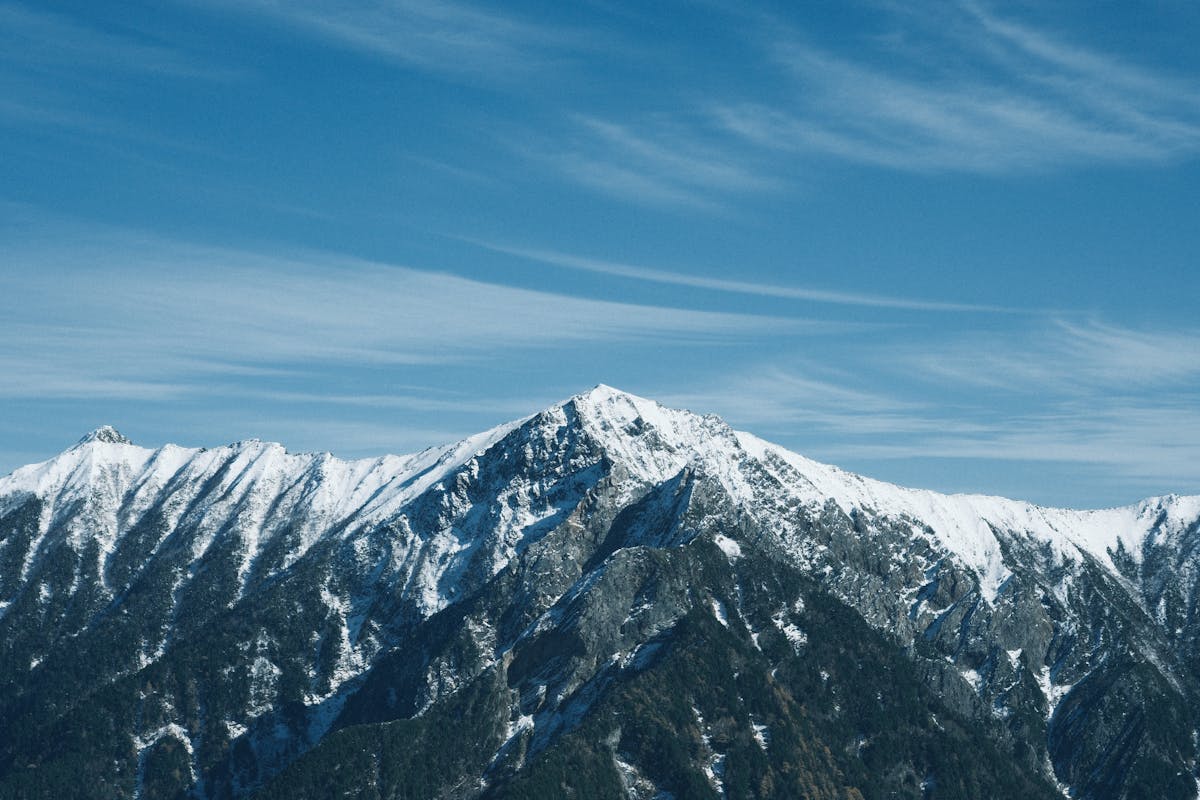
Mount Chokai is an active volcano that has been erupting for approximately 600,000 years, with the most recent eruption in 1974. The summit area features a lava dome called Shinzan (2,236m), surrounded by outer rim mountains including Shichikoyama (2,229m).
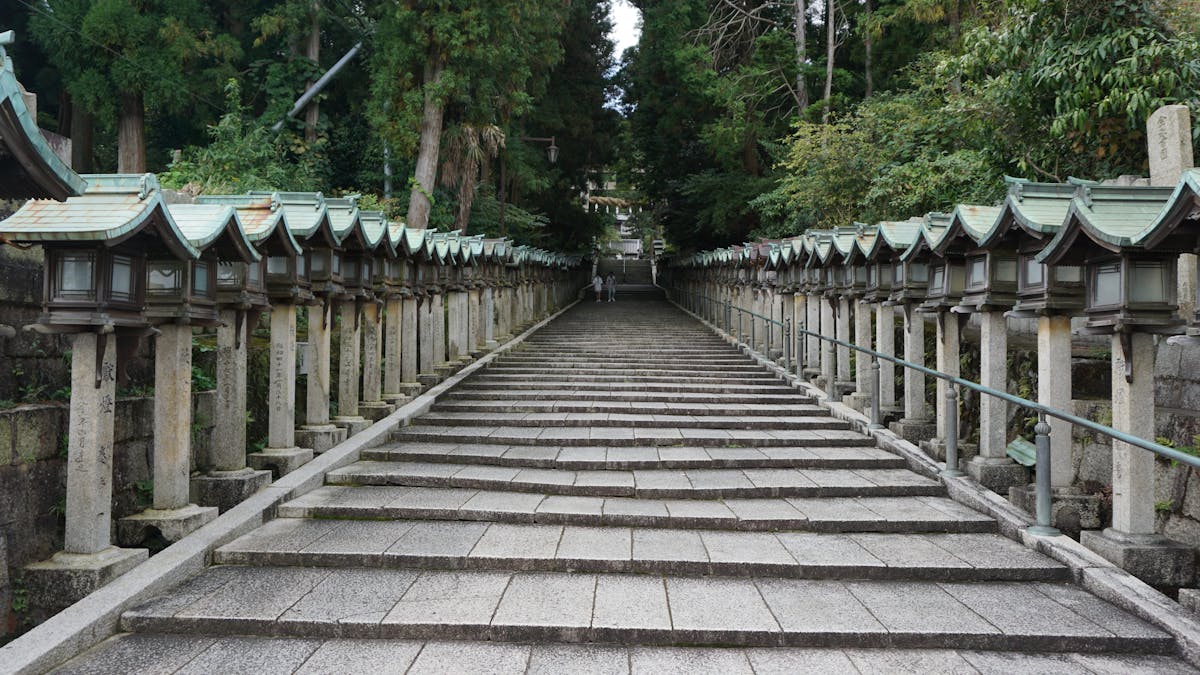
Omonoimi Shrine has a three-shrine structure with the main hall at Shinzan summit, and two Kuchi-no-miya (entrance shrines) at Fukura and Warabioka at the base. The summit main hall is a small shrine built on rocky ground, but the pilgrimage route leading there is filled with sacred atmosphere.
The vegetation is also rich, with different plant zones forming at various elevations. From July to August in particular, approximately 300 species of alpine plants bloom, including Chokai Fusuma (a species endemic to Mount Chokai), day lilies, and Hakusan windflowers. On the mountainside, famous waterfalls and springs created by Mount Chokai’s snowmelt can be found, including “Naso-no-Shirataki” and “Mototaki Fukuryusui.”
What Makes This Spot Special
Mount Chokai’s greatest appeal is being a solitary peak directly facing the Sea of Japan. From the summit, a 360-degree panorama spreads out, and on clear days you can see as far as Sado Island and the Oga Peninsula. Sunsets over the Sea of Japan are exceptional, and if you stay at a mountain hut, you can enjoy watching the sun melt into the sea and the starry sky overhead.
The phenomenon called “Kage-Chokai” (Shadow Chokai) is also famous. At sunrise, Mount Chokai’s shadow appears as a triangular silhouette floating on the Sea of Japan—a mystical sight. Many photographers and climbers visit seeking this precious moment that can only be seen a few times per year.
The spring water sources at the mountain base are also not to be missed. “Mototaki Fukuryusui” is water from rain and snow that fell on Mount Chokai emerging after about 80 years, with a daily volume of 50,000 tons. The way it flows down the rock face across a width of about 30 meters is truly natural art.
Spiritual Benefits and Effects
Known Spiritual Benefits
Abundant Harvest & Business Prosperity: The principal deity Omonoimi-no-Okami is the deity of food, drawing devout faith from those in agriculture and food service industries.
National Peace & Disaster Protection: As a deity who calms eruptions, many worshippers come to pray for protection from disasters.
Climbing Safety & Travel Safety: As a mountain deity, it watches over the safety of climbers and travelers.
Mind-Body Purification & Evil Warding: The pure air of this sacred peak over 2,000 meters is said to cleanse impurities from body and mind.
Matchmaking & Fertility: “Ohama-ike” pond near the summit is known as a power spot for matchmaking.
The Unique Energy of This Site
Mount Chokai is known as a place filled with the energy of “purification and rebirth.” The underground energy of this active volcano, winds from the Sea of Japan, and abundant snowmelt water create a unique atmosphere that resets visitors’ body and mind.
The summit area in particular is called “the boundary between heaven and earth,” an ideal place to leave the secular world behind and face oneself. Many climbers say “the moment I stood at the summit, my worries vanished” or “I was able to make a life decision.”
Spring water spots at the base like Mototaki Fukuryusui are also said to have strong purification power. Many worshippers feel their body and mind refreshed by touching the spring water.
Visitor Testimonials
> “Chokaisan is one of my favorite mountains in all of Japan. You can see so many different kinds of landscapes—from lush green valleys to volcanic crevices—and at the very top, huge boulders you have to scale to reach the summit.”
> — TripAdvisor review
> “The views of the Shonai Plain were amazing. Everyone who has climbed this mountain seems to agree it was an incredible experience.”
> — TripAdvisor review
> “The scenery and plants you can only see because you pushed through the climb have a special quality to them. You truly feel the mountain’s charm with your whole body.”
> — Japanese hiking blog review
(Based on visitor reviews from TripAdvisor and hiking forums)
Best Times to Visit
Spring (May–June)
Hiking trails begin opening from mid-May, but much snow remains and snow gear is required. By June, snowmelt progresses and skunk cabbage and dogtooth violets begin blooming. The spring water spots at the base are beautiful with fresh greenery.
Recommendation: ★★★☆☆
Summer (July–August)
Peak season. After the July 1st mountain opening, alpine flowers reach their best viewing. From mid-July to early August, colonies of Chokai Fusuma and day lilies are beautiful, and the mountain bustles with many climbers. Summit temperatures are around 10-15°C (50-59°F). The Omonoimi Shrine Grand Festival is held in July.
Recommendation: ★★★★★
Autumn (September–October)
Autumn colors begin in late September, with rowan trees and Erman’s birch turning vivid colors. Peak viewing is in early October, when the mountainside becomes a patchwork of red, yellow, and green. After mid-October, there’s possibility of snowfall, so proper equipment is needed.
Recommendation: ★★★★★
Winter (November–April)
Entry is difficult for general climbers due to snow cover. Worship at the Kuchi-no-miya shrines (Fukura, Warabioka) at the base is possible. Viewing the snow-covered Mount Chokai from afar is beautiful, but winter climbing is for veterans only.
Recommendation: ★★☆☆☆
Best Times of Day
Sunrise (4:00-5:00 AM): With mountain hut accommodation to summit. The sun rising from the Sea of Japan and Shadow Chokai will become lifetime memories.
Early Morning (5:00-8:00 AM): Few people, allowing quiet climbing and worship in crisp air.
Daytime (9:00 AM-2:00 PM): Peak time with most climbers. Clear visibility allows enjoying views from the summit.
Evening: Spectacular sunset over the Sea of Japan. A must-see for those staying at mountain huts.
Visitor’s Guide
Basic Worship Etiquette
Worship at Omonoimi Shrine follows standard Shinto customs.
1. Bow Before Passing Through the Torii: At Fukura Kuchi-no-miya, Warabioka Kuchi-no-miya, or the summit main hall, bow once before entering the sacred grounds.
2. Purify at the Chozuya: The entrance shrines have purification fountains. Since there’s none at the summit, purify beforehand at the entrance shrine.
3. Two Bows, Two Claps, One Bow: At the main hall, bow twice, clap twice, then bow once.
4. Offer Silent Prayer: Express gratitude to the mountain deity and convey your wishes in your heart.
Main Hiking Routes
Kisakata Entrance (Hokotate) Route: The most popular route. About 5 hours from Hokotate trailhead to summit. Well-maintained and recommended for beginners.
Fukura Entrance Route: The pilgrimage path from Fukura Kuchi-no-miya. About 6 hours. For those wanting to follow the historic route.
Yashima Entrance Route: Route from Akita Prefecture side. About 4 hours from Haraikawa Hut. Enjoy walking on snow fields.
Yunodai Entrance Route: Shortest route, about 3.5 hours to summit. For intermediate to advanced climbers.
Highlights and Recommended Points
Three Shrine Pilgrimage: Visiting Fukura Kuchi-no-miya → Warabioka Kuchi-no-miya → Summit Main Hall in order is said to increase blessings.
Ohama-ike Pond: A crater lake inside the summit outer rim. Known as a matchmaking power spot, some worshippers pray quietly by the shore.
Charms & Goshuin: Available at Fukura and Warabioka Kuchi-no-miya (year-round). Summit main hall is summer only. Goshuin ¥500 at each shrine.
Dress Code and Items to Bring
- Clothing: Even in summer, summit is around 10°C (50°F). Warm layers (fleece, windbreaker) essential. Don’t forget rain gear.
- Footwear: Hiking boots required. Rocky terrain and snow fields make sneakers unsuitable.
- Essentials: Drinking water (at least 1L), trail snacks, map, headlamp, sunscreen.
- For mountain hut stays: Some huts require sleeping bags, mats, and food. Confirm in advance.
Basic Information
Access
Location: Nikaho City and Yurihonjo City, Akita Prefecture; Yuza Town and Sakata City, Yamagata Prefecture
By Car (Hokotate Trailhead):
- About 15 minutes from “Kisakata IC” on Nihonkai-Tohoku Expressway
- Parking: Hokotate Parking (free, approx. 300 spaces)
By Public Transport:
- From JR Uetsu Main Line “Kisakata Station,” shared taxi (reservation required) to Hokotate trailhead, about 25 minutes
- Summer bus service from Kisakata Station (confirm schedule)
Omonoimi Shrine Fukura Kuchi-no-miya:
- About 10-minute walk from JR Uetsu Main Line “Fukura Station”
Omonoimi Shrine Warabioka Kuchi-no-miya:
- About 10 minutes by taxi from JR Uetsu Main Line “Yuza Station”
Visiting Information
- Climbing Season: Early June to late October
- Mountain Opening: July 1
- Admission: Free
- Duration: Day hike 6-10 hours (varies by route)
- Mountain Huts: Ohama Hut, Shichikoyama Emergency Shelter, etc. (confirm in advance)
- Official Website: https://www.omonoimijinja.jp/ (Omonoimi Shrine)
- Contact: Nikaho City Tourism Association 0184-43-6608
Area Information
Nearby Attractions
Mototaki Fukuryusui (30 min by car)
Mystical spot where Mount Chokai’s snowmelt emerges after about 80 years. The spring water flowing down about 30 meters of rock face, contrasting with green moss, is beautiful and full of negative ions.
Naso-no-Shirataki Falls (25 min by car)
Impressive waterfall with 26m drop and 11m width. Designated a National Place of Scenic Beauty with walking trail to the basin.
Kisakata Ninety-Nine Islands (20 min by car)
Scenic spot once visited by haiku master Matsuo Basho. The 103 small islands floating in rice paddies are remnants of what was once sea.
Nakajimadai Recreation Forest (15 min by car)
Mystical forest featuring giant beech trees including “Agariko Daioh” and clusters of uniquely shaped beech trees.
Recommended Restaurants
Michi-no-Eki Kisakata Nemunoki
- Near Kisakata IC
- Specialties: Rock oyster set meal (market price, summer), Inaniwa udon (¥900)
- Hours: 9:00 AM-6:00 PM
- Also features “Chokai-no-Yu” observation bath
Tsuchida Farm
- In Nikaho City, at Mount Chokai’s base
- Specialties: Jersey milk soft serve (¥400), Cheese fondue (¥1,500)
- Hours: 9:00 AM-5:00 PM
- Enjoy meals while viewing Mount Chokai
Chokaisan-so Lodge
- Yurihonjo City, near 5th station
- Specialties: Kiritanpo hot pot (¥1,800), mountain vegetable dishes
- Accommodation available. Day bathing ¥500
- Ideal base before and after climbing
Sakata Seafood Market
- Sakata City, Yamagata side
- Specialties: Seafood rice bowl (from ¥1,500), Shonai coast seafood
- Hours: 6:00 AM-5:00 PM (varies by shop)
- Recommended for seafood feast after climbing
Souvenirs
- Omonoimi Shrine Charms: Climbing safety, abundant harvest charms are popular (¥500-800)
- Chokai Kogen Yogurt: Rich and smooth local specialty
- Iburigakko: Akita’s famous smoked pickled radish
- Sakata Local Sake: Many fine brews including “Hatsumago” and “Jokigen”
Model Itineraries
Day Hike Course (about 10 hours)
5:00 AM Kisakata Station or Hokotate parking
5:30 AM Start climb (Kisakata entrance route)
8:30 AM Ohama Hut (rest)
10:30 AM Summit, worship at Omonoimi Shrine main hall
11:30 AM Begin descent
3:00 PM Return to Hokotate parking
4:00 PM Visit Mototaki Fukuryusui
5:00 PM Bathe and dine at Michi-no-Eki Kisakata
2-Day Course
【Day 1】
9:00 AM Worship at Fukura Kuchi-no-miya
10:00 AM Visit Mototaki Fukuryusui
12:00 PM Lunch at Tsuchida Farm
2:00 PM Start climb from Hokotate
5:00 PM Stay at Ohama Hut
【Day 2】
4:00 AM Head to summit (sunrise)
5:00 AM Summit worship at Omonoimi Shrine
7:00 AM Begin descent
10:30 AM Return to Hokotate
11:30 AM Worship at Warabioka Kuchi-no-miya
1:00 PM Seafood lunch in Sakata
Visitor Reviews and Experiences
> “The Hokotate route offers excellent views throughout—as you gain altitude, the Sea of Japan spreads out behind you with the horizon clearly visible. The alpine flower fields around Chokai Lake are stunning.”
> — Japanese hiking review
> “This sacred mountain has long been venerated as a holy peak. For local people, it has a strong presence as a ‘mountain of the gods,’ supporting a lifestyle in harmony with nature.”
> — Japan Travel review
Practical tips from hikers: start early (before 6 AM) to allow enough daylight, bring at least 1 liter of water, and check weather conditions carefully as mountain weather changes rapidly. The Hokotate route is best for first-timers.
(Based on visitor reviews from TripAdvisor, AllTrails, and hiking forums)
Frequently Asked Questions
Q: Can beginners climb it?
A: The Kisakata entrance (Hokotate) route is possible for beginners with good fitness. However, with 1,200m elevation gain and over 10 hours round trip, it’s suited for those who exercise regularly. For others, we recommend worship at the base shrines and spring water tours.
Q: Day trip or mountain hut stay—which is better?
A: Mountain hut stay is recommended for seeing sunrise or Shadow Chokai. A day trip is also enjoyable but requires early morning departure.
Q: Can I receive goshuin at the summit Omonoimi Shrine?
A: Only during summer (around July-September) at the summit main hall. Other times, available at Fukura Kuchi-no-miya or Warabioka Kuchi-no-miya.
Q: Is snow field walking required?
A: Depends on route and timing. Kisakata entrance route has almost no snow fields after July. Yashima entrance route has snow fields even in August. Check latest information about crampon necessity.
Q: Can I enjoy just the base area?
A: Yes. There are many spots to feel Mount Chokai’s power without climbing, including Mototaki Fukuryusui, Naso-no-Shirataki Falls, and Nakajimadai Forest. Combine with worship at the entrance shrines.
Summary
Mount Chokai is the sacred peak of Omonoimi Shrine, Ichinomiya of Dewa Province, with over 1,400 years of history—a beautiful solitary peak worthy of the name “Dewa Fuji.” The spectacular views unique to its location facing the Sea of Japan, approximately 300 species of alpine plants, and the mystical spring water sources at its base offer diverse attractions.
Standing at the summit, the 360-degree panorama and pure air away from the secular world will reset your body and mind. If you encounter mystical phenomena like Shadow Chokai or sunrise, it will become an unforgettable experience.
For those who find climbing difficult, worship at the base entrance shrines and spring water tours like Mototaki Fukuryusui allow you to fully receive Mount Chokai’s power. Please visit this sacred peak known for blessings of abundant harvest, disaster protection, and mind-body purification.
—
Want to discover the power spot that’s right for you?
Beyond this location, Japan is home to countless power spots. To find the one most suited to you, try our free compatibility assessment (takes just 3 minutes).
→ Take the Free En Profile Assessment
—
Information in this article is current as of December 2025. Please verify the latest details via the official website before visiting.
あなたに最適なパワースポットを知りたい方へ