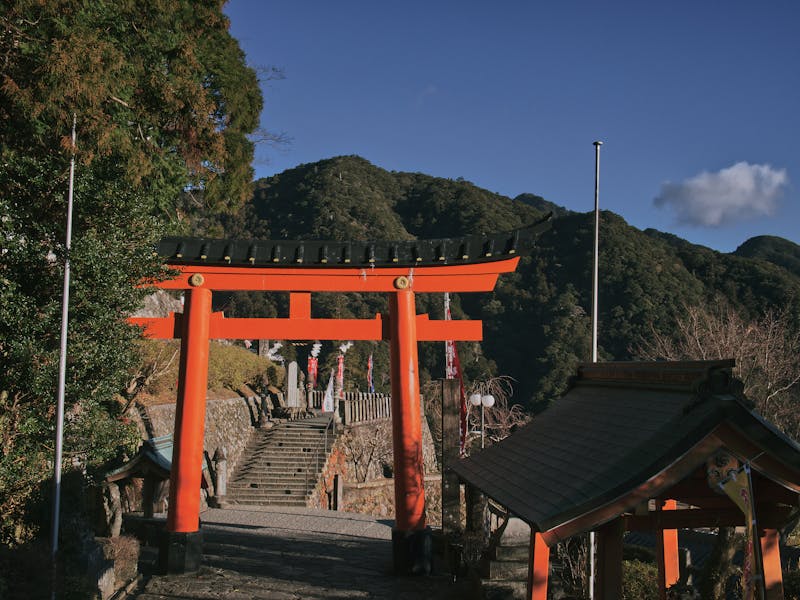
Perched on a plateau 300 meters above sea level overlooking Lake Shikotsu, one of Hokkaido’s most powerful spiritual sites awaits. Tarumaesan Jinja Shrine venerates the active volcano Mount Tarumae as its sacred deity, drawing approximately 400,000 visitors annually to this revered sanctuary of the Dooh region.
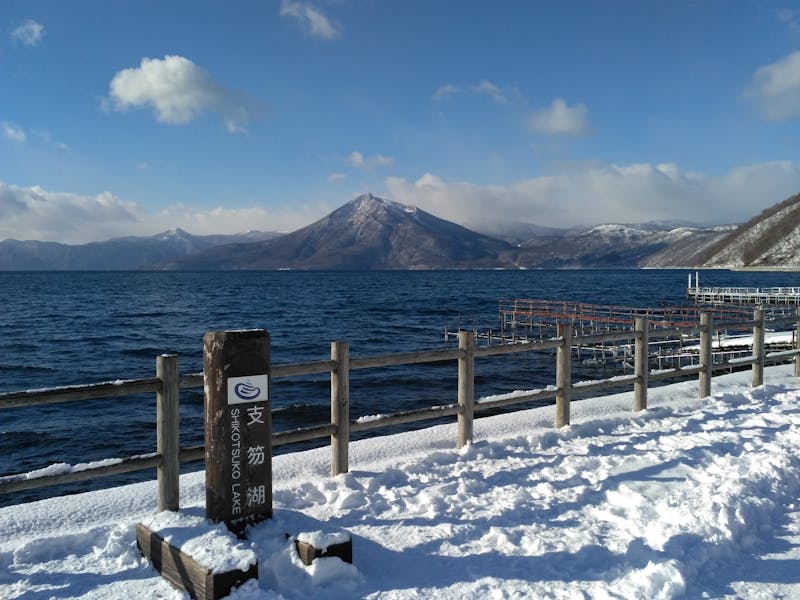
Upon entering the shrine grounds, visitors are enveloped by pristine mountain air as panoramic views of Lake Shikotsu and Mount Tarumae unfold before them. On clear days, the volcano’s distinctive lava dome can be seen releasing wisps of steam, a visceral reminder of the raw natural power that infuses this sacred space.
Here, the mountain deity Oyamatsumi no Kami and other gods of mountain worship are enshrined, particularly renowned for blessings of good fortune, matchmaking, and business prosperity. This shrine, which has witnessed Hokkaido’s pioneering history, overflows with energy that encourages bold new beginnings.
The Allure of This Sacred Site
History and Origins
Tarumaesan Jinja’s founding dates to 1875 (Meiji 8), during the early years of Hokkaido’s colonization. The settlers developing the Tomakomai region established this shrine to seek protection from the active volcano Mount Tarumae and its potential eruptions.
The principal deity is Oyamatsumi no Kami, the great god of mountains, accompanied by Kukunochi no Kami (god of trees) and Kayanohime no Kami (goddess of fields). Oyamatsumi no Kami is the same deity enshrined at Oyamazumi Shrine in Ehime, the head shrine of mountain worship throughout Japan.
Through the Meiji and Showa periods, the shrine underwent several relocations and reconstructions, settling at its current location in 1936. The present buildings, rebuilt in 1983, feature robust construction designed to withstand Hokkaido’s harsh climate.
Architecture and Natural Features
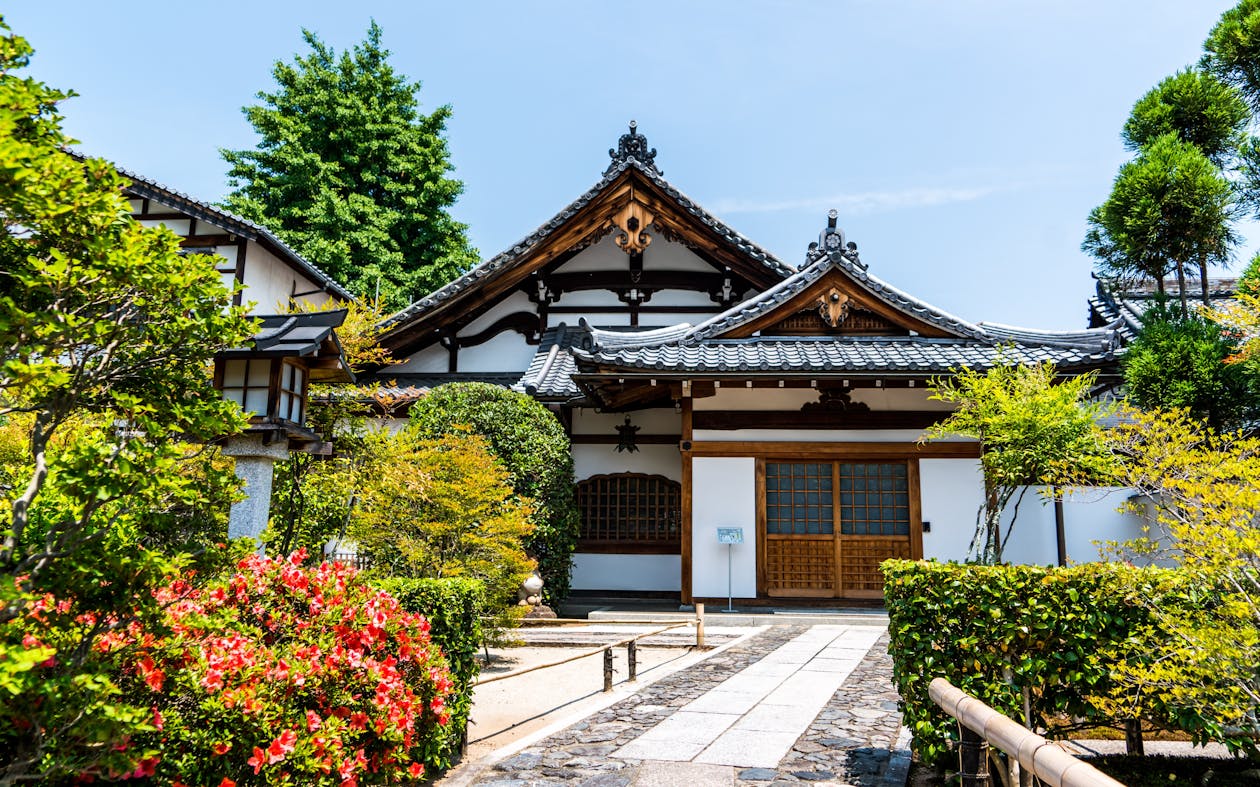
The shrine buildings follow the shinmei-zukuri style foundation while incorporating distinctively steep roof angles—a regional adaptation to heavy snowfall. The main hall, worship hall, and shrine gate are all constructed from Japanese cypress, welcoming visitors with the pure fragrance of fresh wood.
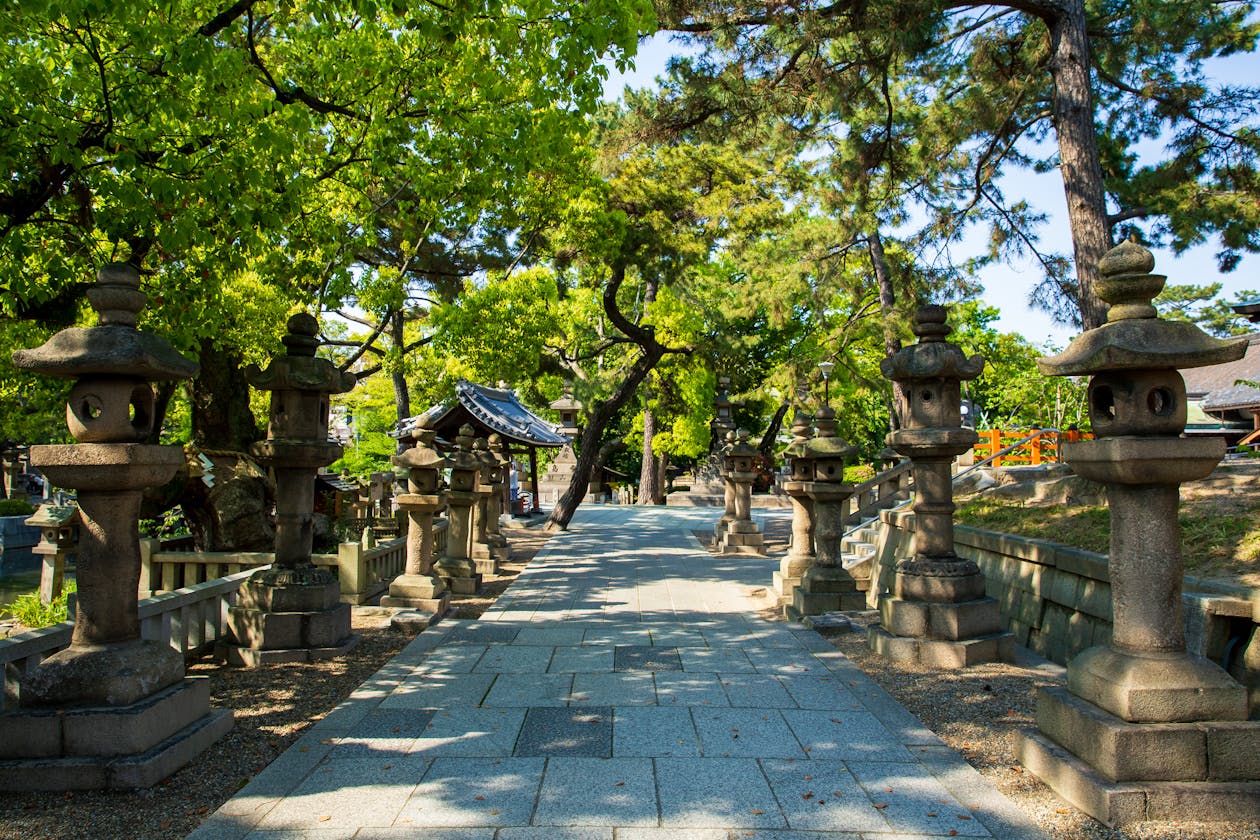
The grounds encompass approximately 100,000 square meters (about 25 acres) surrounded by virgin forests of Ezo spruce and Sakhalin fir. Walking along the approach, visitors hear wild birds singing and may even encounter Ezo squirrels darting among the trees.
Most remarkable are the views from within the grounds. On clear days, visitors can see Lake Shikotsu, Mount Tarumae, and even the distant Pacific Ocean. The sight of Mount Tarumae illuminated by early morning light is particularly divine, attracting photography enthusiasts from far and wide.
What Makes This Spot Special
What makes Tarumaesan Jinja exceptional is its veneration of an active volcano as its sacred body. Mount Tarumae is designated a Rank A active volcano by Japan’s Meteorological Agency, maintaining ongoing volcanic activity. This energy from a “living mountain” is said to permeate the entire shrine.
As a shrine that has watched over the pioneering history of Hokkaido, Tarumaesan Jinja is believed to possess power that supports “new beginnings” and “overcoming difficulties”—embodying the pioneer spirit. This is why so many people at life’s crossroads—those changing careers, starting businesses, or relocating—come here to pray.
Spiritual Benefits and Effects
Known Spiritual Benefits
Tarumaesan Jinja is particularly known for the following blessings:
Good Fortune and Protection: The powerful purifying energy of the active volcano is said to dispel misfortune and improve one’s fate. Many people visit during their unlucky years, with over 5,000 purification rituals performed annually.
Matchmaking: Oyamatsumi no Kami, who gave his daughter Konohanasakuya-hime in marriage to the deity Ninigi, is also revered as a god who brings good relationships.
Business Prosperity: Having watched over Tomakomai—a center of Hokkaido’s development—the shrine is believed to bless business success and commercial prosperity. Many local business owners are regular worshippers.
The Unique Energy of This Site
Tarumaesan Jinja is said to possess energy of “rebirth and restart.” The active volcano symbolizes cycles of destruction and creation, and this energy is believed to help visitors “release the old and embrace the new.”
This shrine’s energy resonates particularly strongly with those at life’s turning points, or those seeking to clear away the past and make a fresh start.
Visitor Testimonials
> “We came across this shrine and were surprised to see that it had such big grounds. The shrine was beautiful, and you can get a nice view of the surrounding area from the elevated grounds.”
> — TripAdvisor review
> “A beautiful traditional shrine in a quiet area—lovely and neat. Very calm and relaxing feeling to walk around the spacious grounds.”
> — TripAdvisor review
(Based on visitor reviews from TripAdvisor)
Best Times to Visit
Spring (Late April–May)
Cherry blossoms begin blooming around Golden Week, painting the grounds in soft pink. Approximately 200 Ezo mountain cherry trees line the approach, creating a magnificent scene against the backdrop of snow-melting Mount Tarumae. Temperature: 10-18°C, clear weather rate approximately 60%.
Recommendation: ★★★★☆
Summer (June–August)
The most comfortable season for visits. The grounds, wrapped in deep green, stay cool, and many visitors combine their trip with Lake Shikotsu sightseeing. The annual festival in July draws approximately 30,000 worshippers with portable shrine processions and dedication ceremonies. Temperature: 18-25°C.
Recommendation: ★★★★★
Autumn (September–October)
Peak autumn colors occur mid to late October. Maples and mountain ash within the grounds turn brilliant red, creating stunning contrast with Mount Tarumae’s first snow. Sea of clouds may appear in early morning.
Recommendation: ★★★★★
Winter (November–March)
Snow cover continues from December through March. The approach is cleared but can be slippery—caution required. About 120,000 visitors come for New Year’s worship, with the shrine open all night on New Year’s Eve. The snow-covered shrine buildings possess mystical beauty.
Recommendation: ★★★☆☆
Best Times of Day
Early Morning (6-8 AM): Few visitors allow for worship in serene tranquility. On clear days, Mount Tarumae illuminated by morning light reveals its divine presence.
Morning (9 AM-Noon): The shrine office opens at 9:00, making this ideal for receiving goshuin and prayers.
Late Afternoon (4-5 PM): The grounds glow golden in western light, particularly spectacular in autumn.
Visitor’s Guide
Basic Worship Etiquette
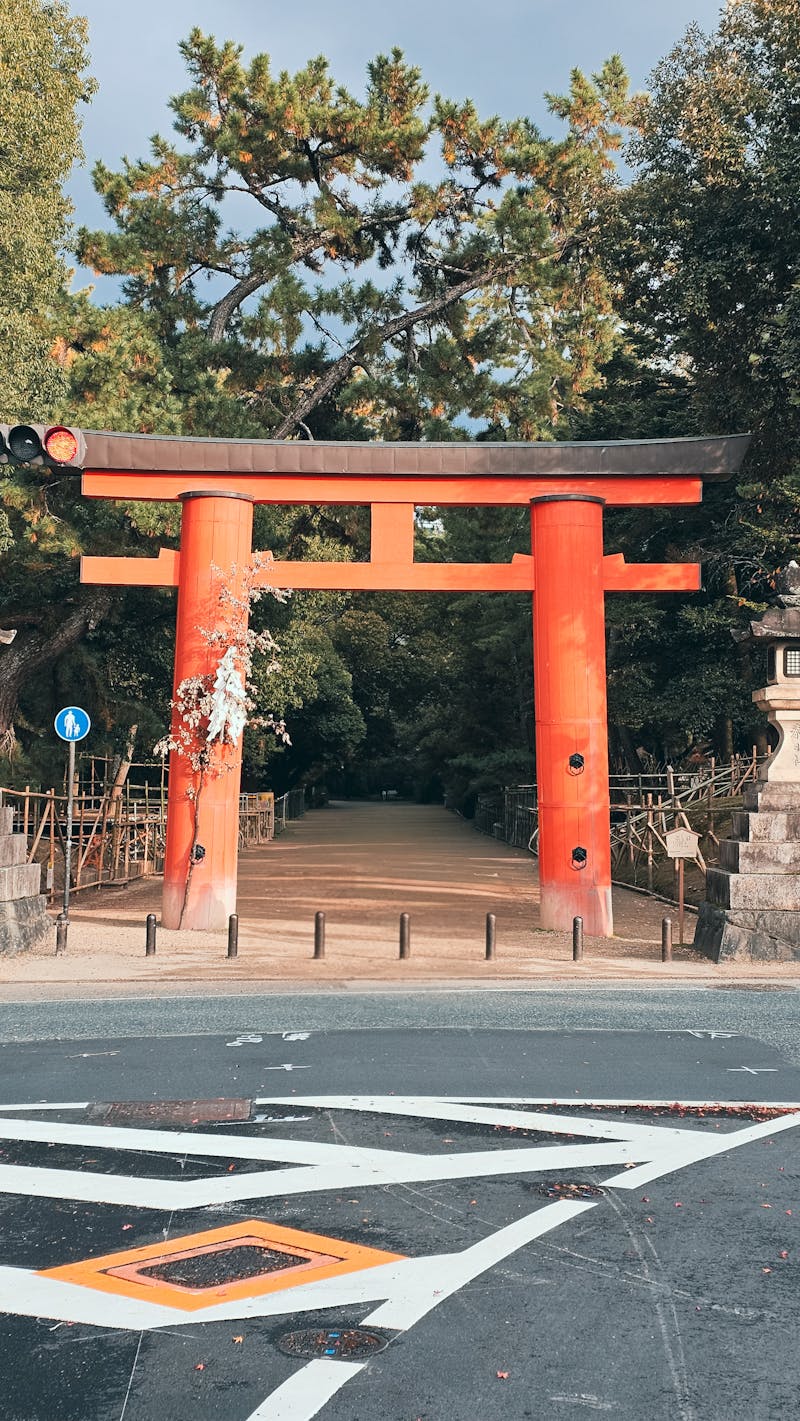
1. Bow at the torii gate: Compose your mind before entering the sacred grounds
2. Walk along the sides: The center path is reserved for the deities
3. Purify at the temizuya: Rinse left hand, right hand, mouth, then left hand again
4. Two bows, two claps, one bow: At the worship hall, bow deeply twice, clap twice, then bow once
5. Exit quietly: Bow again when passing through the torii gate
Special Points of Interest
Main Hall and Worship Hall: Magnificent shrine buildings from 1983. The fragrance of cypress pervades the solemn atmosphere.
Mount Tarumae Viewing Platform: A spot within the grounds offering direct views of Mount Tarumae. “Distant worship” facing the mountain is popular here.
Sacred Tree: An Ezo spruce estimated at 300 years old. Many visitors touch the trunk to receive its power.
Inari Shrine: An auxiliary shrine within the grounds, popular among those praying for business prosperity.
Goshuin (Temple Seal) Information
- Fee: ¥500
- Hours: 9:00-17:00
- Standard version plus seasonal limited editions (cherry blossoms, autumn leaves, snow scenes) are popular with collectors
- Original goshuin books (¥1,500) feature designs of Mount Tarumae and Lake Shikotsu
Dress Code and Etiquette
- Comfortable walking shoes recommended due to gravel paths throughout
- Non-slip shoes or attachable spikes essential in winter
- Bring a light jacket even in summer—mountain winds can be cool
- Insect repellent useful, especially June-August
Basic Information
Access
Address: 6-49 Takaoka, Tomakomai, Hokkaido
By Car:
- 15 minutes from Dooh Expressway “Tomakomai-Higashi IC”
- 30 minutes from New Chitose Airport
- Free parking for approximately 300 vehicles
By Public Transportation:
- From JR Tomakomai Station, Donan Bus to “Tarumaesan Jinja” (approximately 25 minutes), alight at terminus
- Taxi from JR Tomakomai Station approximately 15 minutes (around ¥2,000)
Facility Information
- Visiting Hours: Grounds open freely (Shrine office 9:00-17:00)
- Closed: Open year-round
- Admission: Free
- Suggested Duration: 30 minutes for worship only; 60-90 minutes including grounds exploration
- Parking: Approximately 300 spaces (free)
- Official Website: https://tarumaesan.jp/
- Phone: 0144-36-6661
Area Information
Nearby Attractions
Lake Shikotsu (25 minutes by car): A caldera lake boasting Japan’s highest water transparency. Canoeing and SUP experiences are popular. Glass-bottom boats reveal underwater scenery.
Northern Horse Park (20 minutes by car): A theme park offering horseback riding and horse shows, popular with families.
Mount Tarumae (40 minutes by car + 1-hour hike): The sacred mountain itself. Drive to the 7th station, then approximately 1 hour to the summit. The views of the crater area are breathtaking.
Recommended Restaurants
Marutoma Shokudo
- Cuisine: Seafood rice bowls, set meals
- Specialty: Hokki Curry (¥1,200), Marutoma Don (¥1,800)
- Address: Minatomachi, Tomakomai
- Hours: 5:00-14:00 (closed Sundays)
- Popular restaurant near Tomakomai Port serving fresh seafood
Butaichi Tomakomai
- Cuisine: Pork rice bowl
- Specialty: Charcoal-grilled Pork Don (regular ¥880)
- Address: Omotemachi, Tomakomai
- Hours: 11:00-21:00
- Famous Obihiro-style pork bowl available in Tomakomai
Coffee House Specialty
- Cuisine: Café
- Specialty: House-roasted coffee (¥500), homemade cakes
- Address: Takaoka, Tomakomai
- Hours: 9:00-18:00
- 5 minutes by car from the shrine—perfect for post-worship relaxation
Souvenirs and Local Products
- Yoitomake: Tomakomai’s signature confection—a roll cake made with haskap berries
- Hokki Clam Products: Tomakomai boasts Japan’s largest hokki clam catch
- Shrine Original Sweets: “Tarumae Monaka” available only within the grounds
Model Itineraries
Half-Day Course (Approximately 4 hours)
9:00 Tarumaesan Jinja worship
10:00 Grounds exploration and goshuin
10:30 Rest at Coffee House
11:30 Seafood lunch at Marutoma Shokudo
13:00 Souvenir shopping near Tomakomai Station
Full-Day Course (Approximately 8 hours)
8:00 Tarumaesan Jinja worship
9:30 Drive to Lake Shikotsu
10:00 Lake Shikotsu walk and glass-bottom boat
12:00 Lunch at lakeside
14:00 Northern Horse Park
16:30 Dinner in Tomakomai city
18:00 Return journey
Visitor Reviews and Experiences
> “The shrine sits gracefully on a hillside, as if watching over the city of Tomakomai. It’s a peaceful spot worth visiting if you’re in the area or driving to Lake Shikotsu.”
> — Travel blog review
Practical tips from reviewers: the shrine is best combined with a visit to nearby Lake Shikotsu. Public transport access is limited, so driving is recommended. The elevated location provides good views of the surrounding area, and the grounds are spacious enough for a pleasant stroll.
(Based on visitor reviews from TripAdvisor and travel blogs)
Frequently Asked Questions
Q: How long does worship take?
A: About 30 minutes for worship only; 60-90 minutes including grounds exploration. Lines for goshuin can be long during busy seasons, so allow extra time.
Q: Is the shrine open in winter?
A: Yes, it’s open year-round. However, be sure to wear non-slip footwear as paths can be slippery with snow and ice.
Q: Are pets allowed?
A: Pets are not permitted within the shrine grounds.
Q: Should I climb Mount Tarumae before visiting the shrine?
A: If time permits, climbing Mount Tarumae is recommended, but the shrine alone offers sufficient sacred energy. For those concerned about physical ability, worshipping from the distant worship platform within the grounds is said to be equally effective.
Summary
Tarumaesan Jinja Shrine, venerating the active volcano Mount Tarumae as its sacred body, stands as one of Hokkaido’s premier power spots.
This shrine, which has walked alongside the pioneering history of Hokkaido, overflows with powerful energy that encourages new challenges. Approximately 400,000 visitors come annually seeking blessings for good fortune, matchmaking, and business prosperity.
The spectacular views of Mount Tarumae and Lake Shikotsu from the grounds purify visitors’ hearts and grant courage to move forward. For those at life’s turning points, or those wanting to begin something new, this shrine offers special power to support your journey.
With easy access from Lake Shikotsu and New Chitose Airport, please consider visiting during your Hokkaido travels. You’re certain to feel the earth’s energy born from the active volcano and receive the blessings of the pioneering deities.
—
Want to discover the power spot that’s right for you?
Beyond this location, Japan is home to countless power spots. To find the one most suited to you, try our free compatibility assessment (takes just 3 minutes).
→ Take the Free En Profile Assessment
—
Information in this article is current as of December 2025. Please verify the latest details on official websites before visiting.
あなたに最適なパワースポットを知りたい方へ