As morning mist rises over Matsushima Bay, more than 260 islands emerge from the water like a mystical painting come to life. This breathtaking scenery, celebrated as one of Japan’s Three Most Beautiful Views (Nihon Sankei), has captivated visitors for over a millennium.
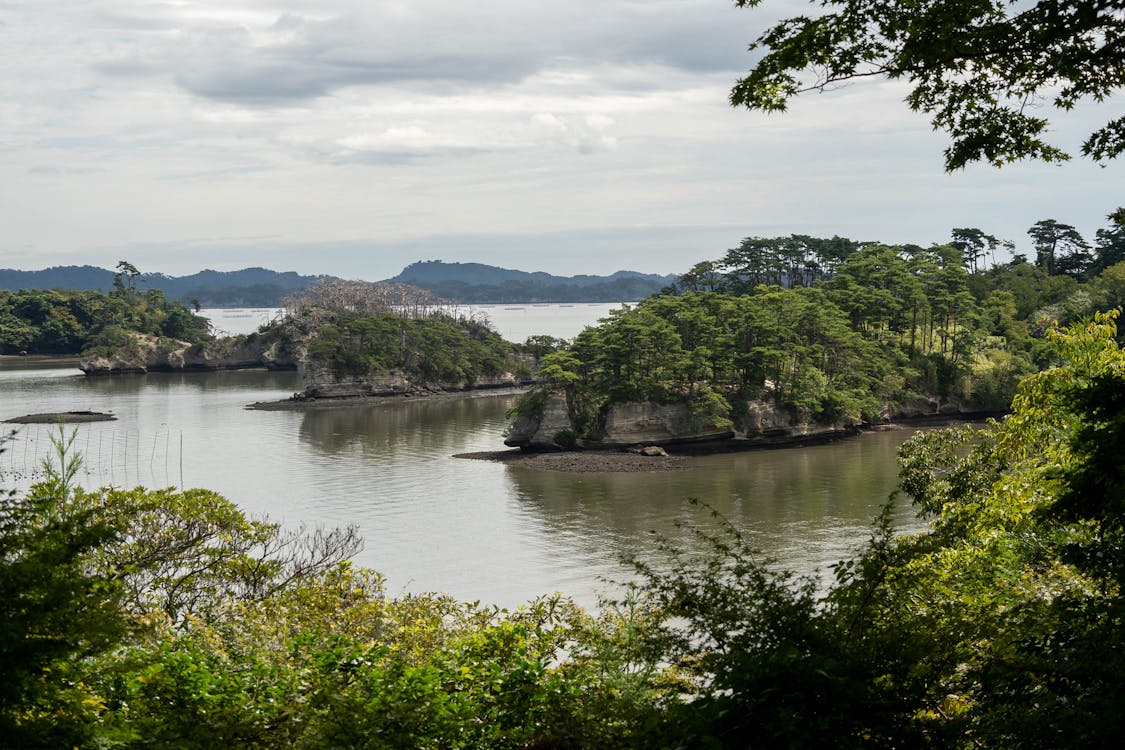
Matsushima is far more than a scenic destination—it is a profound spiritual site where nature and faith have harmonized for 1,200 years. The area is home to historic temples including Zuiganji, Godaido, and Entsuuin, each carrying centuries of prayers and traditions. The islands themselves are believed to form a natural “barrier” that protects the bay’s sacred energy.
Visitors often describe feeling an overwhelming sense of peace and renewal upon seeing Matsushima’s panoramic beauty. The famous haiku poet Matsuo Basho was so moved by the view that he reportedly could not compose a single verse—the beauty simply transcended words.
The Allure of This Sacred Site
History and Origins
Matsushima’s spiritual history dates back approximately 1,200 years to the Heian period. In 807, the legendary general Sakanoue no Tamuramaro visited during his military campaigns and was reportedly moved to tears by the scenery. In 828, the Buddhist monk Ennin (Jikaku Daishi) founded Enpukuji Temple, the predecessor to today’s Zuiganji, establishing Matsushima as a center of faith.
During the Kamakura period, the regent Hojo Tokiyori praised Matsushima’s beauty. In the Muromachi era, the poet Sogi declared it “the finest scenery in Japan.” The golden age came during the Edo period when Date Masamune, the powerful lord of Sendai, undertook a massive reconstruction of Zuiganji Temple. He invested five years and employed 1.3 million workers to create the magnificent structures that stand today.
In 1643, the Confucian scholar Hayashi Shunsai officially designated Matsushima as one of Japan’s Three Most Beautiful Views, alongside Amanohashidate and Miyajima.
Architecture and Natural Features
Matsushima Bay contains approximately 260 islands, each covered with pine trees and vegetation, resembling natural bonsai floating on the water. The islands bear poetic names like Niojima (Deva King Island), Kaneshima (Bell Island), and Senganshima (Thousand Kan Island), each with its own legend.
Zuiganji Temple’s main hall is designated a National Treasure and represents the pinnacle of Momoyama period architecture. The sliding door paintings decorated with gold leaf and vibrant colors reflect Date Masamune’s aesthetic sensibilities and power.
Godaido Hall, the iconic symbol of Matsushima, was originally built in 807 by Sakanoue no Tamuramaro. The current structure, rebuilt by Date Masamune in 1604, is the oldest Momoyama-style building in the Tohoku region and is designated an Important Cultural Property.
What Makes This Spot Special
The most distinctive feature of Matsushima is the natural “spiritual barrier” formed by its 260 islands. These islands encircle the bay, believed to block negative energies from the open sea while preserving peaceful, purifying energy within.
Remarkably, during the 2011 Great East Japan Earthquake and tsunami, Matsushima’s islands absorbed much of the tsunami’s force, resulting in significantly less damage compared to neighboring coastal areas. Local residents speak of how “the islands protected us,” reinforcing belief in Matsushima’s mystical protective power.
The famous story of Matsuo Basho being rendered speechless by Matsushima’s beauty during his “Narrow Road to the Deep North” journey speaks to the transcendent nature of this place—a beauty that defies description.
Spiritual Benefits and Effects
Known Spiritual Benefits
The Matsushima area contains multiple temples and shrines, each offering different blessings:
Zuiganji Temple: Protection from misfortune, good fortune, fulfillment of wishes
Godaido Hall: Matchmaking, romantic relationships, family harmony
Entsuuin Temple: Love and relationships (famous for its “Matchmaking Kannon”)
Ojima Island: Purification, peace for ancestors, memorial services
Entsuuin’s Matchmaking Kannon is particularly popular among young women, who tie red thread around their fingers while making wishes for love.
The Unique Energy of Matsushima
The predominant energy throughout Matsushima is one of “purification” and “renewal.” Many visitors report feeling their worries and daily stress naturally dissolving as they gaze upon the bay’s island-dotted expanse.
Matsushima is also known for supporting “new beginnings.” Many people visit during life transitions—career changes, marriage decisions, or starting new ventures—and report feeling encouraged to move forward with confidence.
Visitor Testimonials
> “I’ve been all over this country and this is one of my favorite places. Absolutely beautiful!”
> — TripAdvisor review
> “More than 260 islands, each of a different shape, making this place a very beautiful, calm, and interesting area to visit.”
> — TripAdvisor review
> “The peaceful and majestic nature was beautiful. Worth it for the breathtaking views from the bay cruise!”
> — TripAdvisor review
(Based on visitor reviews from TripAdvisor)
Best Times to Visit
Spring (Late March–May)
Cherry blossom season is spectacular. From Saigyo Modoshi no Matsu Park, the view of 260 cherry trees against Matsushima Bay is breathtaking. Peak bloom occurs around mid-April, with temperatures of 15-20°C (59-68°F) making it ideal for sightseeing. Cherry blossom viewing from sightseeing boats is especially popular.
Recommendation: ★★★★★
Summer (June–August)
The Matsushima Lantern Festival and Fireworks in August features approximately 8,000 fireworks illuminating the night sky. Sea breezes keep temperatures comfortable, and boat cruises are refreshing. Weekends in July-August can be crowded; weekday visits are recommended.
Recommendation: ★★★★☆
Autumn (September–November)
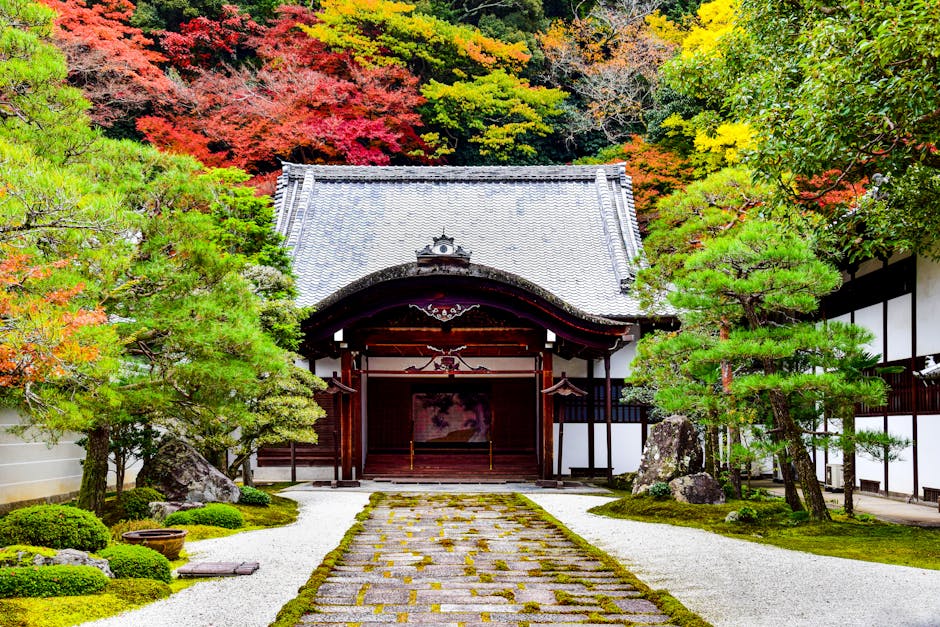
Entsuuin Temple is renowned for autumn foliage. Night illuminations in mid-November create a magical atmosphere with colored leaves reflected in garden ponds. Temperatures of 10-18°C (50-64°F) make this an ideal season for temple visits.
Recommendation: ★★★★★
Winter (December–February)
Fewer tourists mean peaceful temple visits. Snow-covered Matsushima resembles a traditional ink painting. Oyster huts open during this season, offering the famous Matsushima oysters—a winter delicacy not to be missed.
Recommendation: ★★★☆☆
Best Times of Day
Early Morning (6-8 AM): Matsushima Bay wrapped in morning mist is mystical. Few tourists; perfect for peaceful walks around Zuiganji.
Morning (9 AM-Noon): Sightseeing boats begin operation. Best lighting conditions for photography.
Evening (4-6 PM): Islands bathed in sunset colors are magnificent. Views from Sokanzan Observatory are particularly stunning.
Visitor’s Guide
Basic Etiquette
Matsushima’s temples follow Buddhist practices:
1. At the temple gate: Bow once before entering; don’t step on the threshold
2. At the main hall: Quietly press palms together in prayer
3. Offerings: Amount is not important; offer with sincerity
4. When leaving: Turn and bow once before departing
Special Points of Interest
Godaido’s Sukashi-bashi Bridge: The vermillion bridge leading to Godaido has gaps between the planks, allowing you to see the sea below. This design reminds worshippers to “approach with a pure and focused mind.” Those uncomfortable with heights should proceed carefully.
Rosary-Making at Entsuuin: Create your own unique Buddhist rosary using natural stones of your choice. Sessions take about one hour and cost from ¥1,000. These handmade rosaries serve as personal talismans.
Ojima Island (Togetsukyo Bridge): Once a training ground for Buddhist monks, Ojima is considered the most spiritually powerful location in Matsushima. The island contains 108 rock caves historically used for memorial services. Explore with reverence and quietude.
Temple Seals (Goshuin) Information
- Zuiganji: ¥300, two types available (Main Hall and Kitchen)
- Godaido: ¥300, obtained at Zuiganji
- Entsuuin: ¥300, available at the reception near the main gate
Dress Code and Etiquette
- Wear comfortable walking shoes (many stone paths and gravel areas)
- Socks required for Zuiganji Main Hall (shoes must be removed)
- Bring a light jacket even in summer (temple interiors can be cool)
- Eating, drinking, and smoking prohibited in many areas
Basic Information
Access
Location: Matsushima-machi, Miyagi-gun, Miyagi Prefecture
By Train:
- JR Senseki Line to “Matsushima-Kaigan Station,” 5-minute walk to Godaido
- JR Tohoku Main Line to “Matsushima Station,” 20-minute walk
- Approximately 40 minutes from Sendai Station via JR Senseki Line (¥410)
By Car:
- Approximately 5 minutes from Sanriku Expressway “Matsushima-Kaigan IC”
- Approximately 25 minutes from Tohoku Expressway “Taiwa IC”
Facility Information
Zuiganji Temple:
- Hours: 8:00-17:00 (varies by season)
- Admission: Adults ¥700, Children ¥400
- Open daily
Entsuuin Temple:
- Hours: 8:30-17:00 (varies by season)
- Admission: Adults ¥500, Children ¥200
- Special rates during autumn illumination
Godaido Hall:
- Hours: Open 24 hours (freely accessible)
- Admission: Free
Parking: Municipal parking available (¥500/day), approximately 300 spaces
Standard Visit Duration: 3-4 hours for main attractions
Area Information
Nearby Attractions
Within Walking Distance:
- Fukuura Island (10-minute walk): A nature park accessed via a 252-meter vermillion bridge. Walking trails allow a complete circuit in about 30 minutes (bridge toll ¥200)
- Kanrantei Tea House (5-minute walk): A tea pavilion gifted to Date Masamune by Toyotomi Hideyoshi. Enjoy matcha tea and sweets for ¥700 while overlooking Matsushima Bay
15-minute Drive:
- Shiogama Shrine: The principal shrine of Mutsu Province, known for blessings of safe childbirth and maritime safety
Recommended Restaurants and Cafés
Matsushima Sakana Ichiba (Fish Market)
- Cuisine: Seafood
- Specialties: Kaisendon (seafood rice bowl), grilled seafood
- Budget: ¥1,500-2,500
- 3-minute walk from Godaido
- Hours: 8:00-17:00, irregular holidays
Gyutan Sumiyaki Rikyu Matsushima
- Cuisine: Beef tongue (Sendai specialty)
- Specialties: Gyutan set meal (from ¥1,650)
- 5-minute walk from Godaido
- Hours: 11:00-21:00
Café Albert
- Cuisine: Café
- Specialties: Homemade cakes, coffee
- Budget: ¥800-1,200
- 2-minute walk from Matsushima-Kaigan Station
- Hours: 10:00-17:00, closed Wednesdays
Matsushima Kamaboko Honpo
- Specialty: Hand-grilled fish cake experience (¥250)
- 1-minute walk from Godaido
- Hours: 9:00-17:00
Souvenirs and Local Products
- Sasa-kamaboko: Traditional fish cake shaped like bamboo leaves; Matsushima’s signature souvenir
- Matsushima Koren: Traditional rice flour confection
- Smoked Oysters: Popular winter-only product
- Zunda Mochi: Sweet rice cakes with edamame paste (Sendai specialty)
Model Itineraries
Half-Day Course (Approximately 4 hours)
10:00 Arrive at Matsushima-Kaigan Station
10:10 Visit Godaido Hall
10:40 Sightseeing boat cruise of Matsushima Bay (approximately 50 minutes, ¥1,500)
11:40 Visit Zuiganji Temple
12:30 Lunch at Matsushima Sakana Ichiba
13:30 Visit Entsuuin Temple, rosary-making experience
14:30 Souvenir shopping, depart
Full-Day Course (Approximately 7 hours)
9:00 Arrive at Matsushima-Kaigan Station
9:10 Visit Godaido Hall
9:40 Sightseeing boat cruise
10:40 Explore Ojima Island
11:30 Visit Zuiganji Temple
12:30 Lunch
13:30 Visit Entsuuin Temple
14:30 Explore Fukuura Island
15:30 Tea break at Kanrantei
16:30 Sunset viewing from Saigyo Modoshi no Matsu Park
17:30 Depart
Visitor Reviews and Experiences
> “The most sublime place to visit in Japan. The bay cruise lets you see the pine-clad islands up close—each one uniquely shaped and absolutely beautiful.”
> — TripAdvisor review
> “Beautiful at sunset. The view from the teahouse offers a stunning panorama of the bay below.”
> — TripAdvisor review
Practical tips from reviewers: take the bay cruise to see the islands up close (about 50 minutes), visit Zuiganji Temple while in the area, and try the famous grilled oysters at the waterfront stalls. Early morning or sunset offers the most dramatic views.
(Based on visitor reviews from TripAdvisor and travel forums)
Frequently Asked Questions
Q: How much time should I allow for Matsushima?
A: Allow 3-4 hours for main attractions (Godaido, Zuiganji, Entsuuin). Including a boat cruise and surrounding areas, plan for 5-7 hours.
Q: Do I need to book sightseeing boats in advance?
A: Reservations are generally not required. However, autumn weekends and holidays can be crowded; morning departures are recommended.
Q: Does the parking lot get full?
A: On weekends and holidays, especially during cherry blossom and autumn foliage seasons, parking can fill by 10 AM. Arrive early or use public transportation.
Q: Can I enjoy Matsushima on rainy days?
A: Yes! Zuiganji and Entsuuin have excellent indoor exhibits. Rain-shrouded Matsushima has its own atmospheric beauty.
Q: Are pets allowed?
A: Pets are not permitted on sightseeing boats or inside Zuiganji and Entsuuin. Godaido and the seaside promenade allow pets.
Summary
Matsushima stands as one of Japan’s Three Most Beautiful Views and as a sacred power spot that has soothed and renewed human spirits for over 1,200 years.
The magnificent scenery created by more than 260 islands, the historic Zuiganji Temple with its millennial heritage, and the romantic Entsuuin Temple famous for matchmaking—here, nature and faith exist in perfect harmony, radiating energies of “purification” and “new beginnings.”
Whether you’re at a crossroads in life, seeking relief from stress, or hoping to deepen bonds with loved ones, Matsushima welcomes you with gentle embrace and quiet encouragement.
Please come and experience for yourself the beauty that left even the great poet Basho speechless.
—
Want to discover the power spot that’s right for you?
Beyond this location, Japan is home to countless power spots. To find the one most suited to you, try our free compatibility assessment (takes just 3 minutes).
→ Take the Free En Profile Assessment
—
Information in this article is current as of December 2025. Please verify the latest details on official websites before visiting.
あなたに最適なパワースポットを知りたい方へ