Saijo Inari, located in Okayama City, Okayama Prefecture, is one of Japan’s Three Great Inari sites alongside Fushimi Inari Taisha and Toyokawa Inari. This massive spiritual complex attracts over 3 million visitors annually, making it the largest religious site in the Chugoku region. Officially known as “Saijo Inariyama Myokyo-ji,” it is a Nichiren Buddhist temple that uniquely preserves the ancient practice of shinbutsu-shugo (the fusion of Shinto and Buddhism).
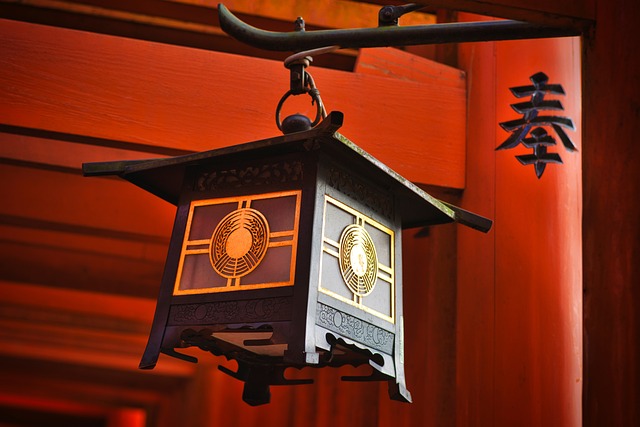
Upon entering the grounds, visitors are immediately struck by the massive torii gate standing 27.5 meters tall—one of the largest in Japan. The approach leading to the main hall is lined with red banners and stone lanterns, creating an atmosphere charged with spiritual energy. The principal deity enshrined here, Saijo-i Keio Daibosatsu, is renowned for blessings of business prosperity and good fortune, drawing approximately 600,000 worshippers during the New Year period alone.
Historical figures including Shimizu Muneharu, lord of Bicchu-Takamatsu Castle during the Warring States period, and the Ikeda clan lords of Bizen domain during the Edo period all paid reverence to this sacred site. Located just 20 minutes by car from Okayama Station at the gateway to the historic Kibi Road—land of the legendary Momotaro (Peach Boy)—Saijo Inari offers visitors powerful blessings for business success and good fortune.
Highlights and Attractions
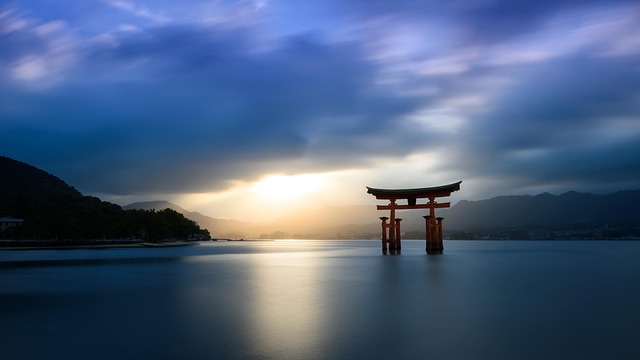
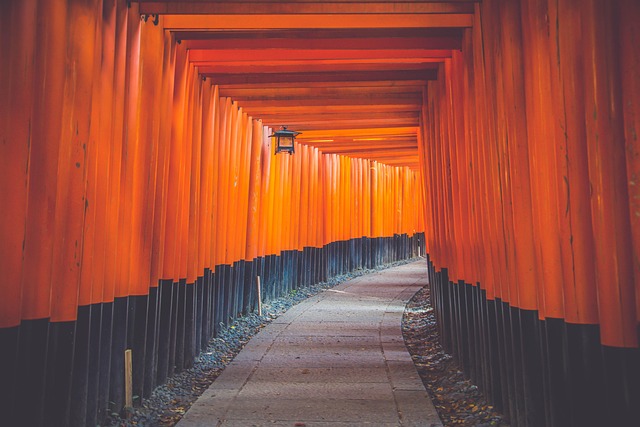
Saijo Inari’s most distinctive feature is its preservation of shinbutsu-shugo—the ancient fusion of Shinto and Buddhism. Despite being a Nichiren Buddhist temple, worshippers pass through Shinto torii gates to pray. When the Meiji government ordered the separation of Shinto and Buddhism in the 1870s, most religious sites were forced to choose one identity. Saijo Inari received special permission to maintain both traditions, making it an exceptionally rare spiritual site in Japan.
The temple was founded in 752 CE by the monk Hoon Daishi. The principal deity, Saijo-i Keio Daibosatsu, is believed to derive from Lakshmi, the Indian goddess of fortune and wealth. Associated with white foxes as divine messengers, the deity became linked with Inari worship over the centuries. With over 1,270 years of history, this sacred site carries the accumulated spiritual power of generations of faithful devotees.
The symbol of Saijo Inari is its massive torii gate, standing 27.5 meters tall with pillars 4.6 meters in diameter—among the largest in Japan. Constructed in 1972, this imposing gate is visible from great distances and fills approaching visitors with a sense of spiritual anticipation.
Beyond the main hall, the temple grounds offer numerous attractions. The “En no Massha” (Shrine of Bonds) is particularly popular for its dual blessings of severing bad connections (en-kiri) and creating good ones (en-musubi). As a power spot for cutting ties with negative influences and attracting positive relationships, it draws countless visitors seeking romantic fulfillment. The “Old Main Hall” preserves Muromachi-period architectural styles and is designated an Important Cultural Property of Okayama Prefecture.
The Kibi Road where Saijo Inari is located was once the heartland of the ancient Kibi Kingdom. The surrounding area is dotted with historical sites including Kibitsu Shrine and Kibitsuhiko Shrine—both dedicated to Kibitsuhiko-no-mikoto, the legendary figure believed to be the model for Momotaro (Peach Boy). The ancient mountain fortress of Kinojo (Demon’s Castle) is also nearby.
Combining Saijo Inari with visits to other Kibi Road shrines and temples allows visitors to experience Japan’s religious history from ancient times through the medieval period to the present day. The “Kibi Road Cycling Route” connecting these Momotaro-legend sites is a popular course combining worship with sightseeing.
Spiritual Benefits
Saijo Inari’s most famous blessing is business prosperity and success. The principal deity, Saijo-i Keio Daibosatsu, is revered as a goddess governing fortune and wealth, and has long attracted devotion from merchants and business owners. Every New Year, business people from across the Chugoku and Shikoku regions flock here to pray for commercial success.
The “Business Prosperity Charm” is particularly popular—carrying it in your wallet is believed to enhance financial fortune.
The “En no Massha” within the temple grounds is known for the rare dual blessing of severing bad connections and creating good ones. Visitors can first pray to cut ties with negative relationships or bad habits, then pray to attract new positive connections. Whether for romance, work, or personal relationships, these blessings are especially popular among women visitors.
Saijo Inari is also known for traffic safety blessings, with many visitors bringing their vehicles for purification. Protection ceremonies (yakuyoke) for those in unlucky years are also popular.
“Three years into running my business, I visited during a difficult period. Mysteriously, after my visit, new clients started appearing and now my company is growing steadily. I never miss my annual gratitude visit.” (40s, Male, Hiroshima)
“I prayed at En no Massha to cut ties with a toxic relationship. After that, the relationship actually ended, and six months later I met my current husband. Our annual gratitude visits are a must.” (30s, Female, Okayama)
Best Times to Visit
From early to mid-April, approximately 500 cherry trees burst into bloom throughout the grounds. The combination of cherry blossoms and the great torii creates a spectacular scene unique to Saijo Inari. The pleasant weather makes this an ideal time for worship. Golden Week can be crowded, but weekdays offer a more relaxed experience.
The “Saijo Inari Grand Festival” in August draws many visitors. However, Okayama summers are extremely hot—heat stroke precautions are essential. Early morning or evening visits are recommended. While there is shade throughout the grounds, be sure to stay hydrated.
From mid to late November, autumn colors transform the grounds. Maple and ginkgo trees display beautiful fall foliage, creating a picturesque atmosphere. The comfortable temperatures make this an ideal time to combine worship with Kibi Road sightseeing for a full day of exploration.
The first three days of New Year see the busiest period, with approximately 600,000 visitors. New Year’s Day in particular sees long queues throughout the day—visiting from January 2nd onward is recommended. Mid-January brings quieter conditions for peaceful worship. The Setsubun Festival on February 3rd features bean-throwing ceremonies.
- Early Morning (6:00-8:00): Few visitors; enjoy the serene atmosphere in refreshing morning air
- Mid-Morning (9:00-11:00): Temple office opens for charms and goshuin
- Afternoon (1:00-3:00): Combine worship with lunch in the temple town
- Evening (4:00-5:00): The great torii bathed in evening light is beautiful
Worship and Visitor Guide
Saijo Inari is a Buddhist temple, but visitors pass through torii gates in the shinbutsu-shugo tradition. Worship etiquette is as follows:
1. At the Great Torii: Bow slightly before entering
2. At the Temizuya: Purify hands and mouth (left hand → right hand → mouth → left hand)
3. At the Main Hall: Either place palms together and bow (Buddhist style), or bow twice, clap twice, bow once (Shinto style)—both are acceptable here
4. Incense Offering: Light incense at the burner in front of the main hall; wafting the smoke over yourself is believed to purify the body
Great Torii
Standing 27.5 meters tall with 4.6-meter diameter pillars, this massive torii gate welcomes visitors as the symbol of Saijo Inari.
Main Hall (Reiko-den)
The main hall enshrining Saijo-i Keio Daibosatsu. The current structure was rebuilt in 1979 and displays magnificent architecture.
En no Massha
A rare shrine offering both en-kiri (severing bonds) and en-musubi (creating bonds) blessings. Many visitors come to pray for good relationships.
Old Main Hall
A precious structure preserving Muromachi-period architectural styles, designated an Important Cultural Property of Okayama Prefecture.
Oku-no-in (Inner Sanctuary)
Located about a 20-minute mountain path walk from the main hall. Recommended for those seeking deeper prayer and meditation.
- Goshuin: Three varieties available, 300 yen each. Both pre-written and hand-written options
- Business Prosperity Charm: For financial and business success (800 yen)
- En-musubi Charm: For romantic fulfillment (800 yen)
- En-kiri Charm: For severing bad connections (800 yen)
- Traffic Safety Charm: Vehicle-hanging type also popular (1,000 yen)
Basic Information
Address: 712 Takamatsu-Inari, Kita-ku, Okayama City, Okayama Prefecture 701-1331
By Train/Bus:
- 5-minute taxi ride from JR Momotaro Line “Bicchu-Takamatsu Station”
- 30-minute bus ride from JR Okayama Station (Saijo Inari-bound), alight at terminus
- About 20 minutes by car from Okayama Station
By Car:
- About 15 minutes from Sanyo Expressway “Okayama IC”
- About 10 minutes from Okayama Expressway “Okayama-Soja IC”
General Information
- Visiting Hours: Grounds open 24 hours (Main Hall: 5:30-16:30)
- Closed: Never
- Admission: Free
- Recommended Time: 60-90 minutes
- Parking: Paid parking available (500 yen for regular vehicles) *Special rates during New Year
- Official Website: https://www.inari.ne.jp/
- Phone: 086-287-3700
Nearby Attractions and Dining
Kibitsu Shrine (10 minutes by car)
Dedicated to Kibitsuhiko-no-mikoto, the model for Momotaro. Its 360-meter corridor is a must-see. The “Narukama Shinji” (Sounding Pot Ceremony) is designated a National Important Intangible Folk Cultural Property.
Kibitsuhiko Shrine (15 minutes by car)
Also dedicated to Kibitsuhiko-no-mikoto. Called “Shrine of the Morning Sun,” on the summer solstice, sunlight shines directly through the front torii—a mystical sight.
Bicchu-Takamatsu Castle Ruins (5 minutes by car)
Famous as the site of Toyotomi Hideyoshi’s water siege. Popular with history enthusiasts as the tragic stage of Shimizu Muneharu’s final stand.
Kinojo (Demon’s Castle) (20 minutes by car)
Ancient mountain fortress ruins. Said to be the model for the “Demon” in the Momotaro legend.
Monzen Chaya Sakura-tei (1-minute walk)
- Genre: Japanese food, Udon
- Specialties: Kitsune Udon (750 yen), Inari Sushi Set (900 yen)
- Hours: 9:00-16:00
- Closed: Irregular
Kibi-ji Motenashi no Yakata (10 minutes by car)
- Genre: Local cuisine
- Specialties: Kibi Set Meal (1,500 yen), Momotaro Set Meal (1,800 yen)
- Hours: 11:00-14:30
- Popular restaurant serving Kibi Road local specialties
Ramen Ikkyu (15 minutes by car)
- Genre: Ramen
- Specialties: Okayama Ramen (750 yen)
- Hours: 11:00-14:00, 17:00-21:00
- A beloved local ramen institution
Café Momotaro (10 minutes by car)
- Genre: Café
- Specialties: Peach Parfait (seasonal, 1,200 yen), Kibi-dango Set (600 yen)
- Hours: 10:00-17:00
- Perfect for a rest after worship
Local Souvenirs
- Kibi-dango: Okayama’s signature sweet; a Momotaro-legend souvenir
- Saijo Inari Manju: Buns stamped with a fox design
- Bizen-yaki: Okayama’s traditional pottery; tea cups and vases are popular
- White Peaches: Okayama’s premium fruit (summer only)
Model Courses
Half-Day Course (About 3 hours)
9:00 Saijo Inari worship (90 min)
10:30 Light meal in temple town (30 min)
11:00 Kibitsu Shrine worship (60 min)
Full-Day Course (About 7 hours)
9:00 Saijo Inari worship (90 min)
10:30 Brunch in temple town (45 min)
11:30 Kibitsu Shrine worship (60 min)
12:30 Lunch at Kibi-ji Motenashi no Yakata (60 min)
14:00 Kibitsuhiko Shrine worship (45 min)
15:00 Bicchu-Takamatsu Castle Ruins (45 min)
16:00 Souvenir shopping in Okayama City
Visitor Reviews
“I Truly Felt Business Prosperity” (50s, Male, Hiroshima)
“I run a restaurant. Ever since I started visiting every New Year, my sales have mysteriously stabilized. Every time I pass through the great torii, I feel my spine straighten with purpose.”
“En no Massha Changed My Life” (30s, Female, Hyogo)
“I visited En no Massha wanting to end a bad romantic relationship. The relationship actually ended afterward, and six months later I met my current husband. Our annual gratitude visits are essential now.”
“Great Combined with Kibi Road Sightseeing” (40s, Male, Tokyo)
“I stopped by during a business trip and was amazed by the scale beyond my expectations. Combining it with Kibitsu Shrine, I could feel the romance of ancient history.”
Frequently Asked Questions
Q: Does the parking lot get crowded?
A: The first three days of New Year see extreme congestion, including traffic jams on surrounding roads. Public transportation is recommended. Weekdays usually offer smooth parking.
Q: Can I receive a goshuin?
A: Three types of goshuin are available for 300 yen each. Both pre-written and hand-written options are offered.
Q: Are pets allowed?
A: Pets are not permitted on the temple grounds.
Q: Is wheelchair access available?
A: The area around the main hall is barrier-free. However, the path to Oku-no-in includes stairs and is not accessible.
Q: How long does a visit take?
A: About 30-40 minutes for just the main hall. Allow 60-90 minutes if visiting En no Massha and the Old Main Hall as well.
Summary
Saijo Inari stands as one of Japan’s Three Great Inari sites alongside Fushimi Inari Taisha and Toyokawa Inari, boasting over 1,270 years of history as the largest spiritual complex in the Chugoku region. As a rare sanctuary preserving the ancient shinbutsu-shugo tradition, it is renowned for blessings of business prosperity and the severing and creation of bonds.
From the 27.5-meter great torii gate to En no Massha and the Muromachi-period Old Main Hall, there is no shortage of attractions. Revered by Warring States-era lord Shimizu Muneharu and the Bizen domain’s Ikeda lords, this sacred site carries centuries of accumulated spiritual power.
Just 20 minutes by car from Okayama Station, access is convenient. Combined with visits to Momotaro-legend sites like Kibitsu Shrine and Kibitsuhiko Shrine, you can experience Japan’s religious history from ancient times to the present in a single day.
Whether you’re seeking business success, searching for good relationships, or wanting to cut ties with negative influences, Saijo Inari awaits to bless you with fortune and prosperity.
—
💡 Want to Find Your Ideal Power Spot?
Beyond this location, Japan has countless power spots waiting to be discovered. If you’d like to find the power spot that matches you best, try our free compatibility diagnosis (takes only 3 minutes).
→ [Take the Free En-Profile Diagnosis](https://enguide.info)
—
*Information in this article is current as of January 2025. Please check the official website for the latest information before your visit.*
💡 あなたに最適なパワースポットを知りたい方は
無料の相性診断をお試しください(3分で完了)
📚 この記事を読んだ方におすすめ
※ 関連記事はWordPress管理画面で設定してください