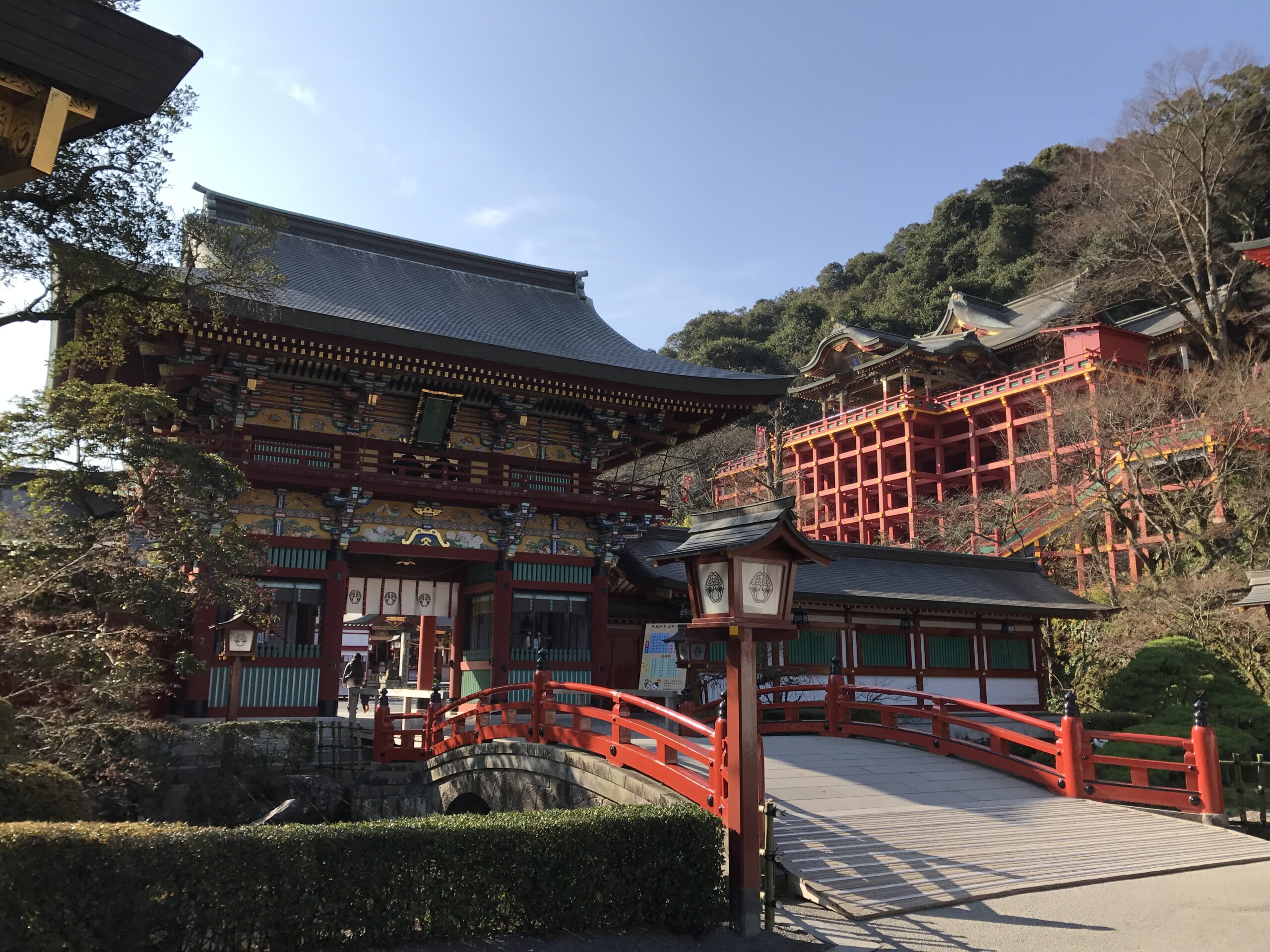
One of “Japan’s Three Great Inari Shrines” alongside Fushimi Inari Taisha and Kasama Inari Shrine, Yutoku Inari Shrine is a magnificent sanctuary nestled in the mountains of Kashima City, Saga Prefecture. Approximately 3 million worshippers visit annually, making it second only to Dazaifu Tenmangu in Kyushu for visitor numbers. The vermillion-lacquered tower gate and main hall are so beautiful they are called “Chinzei Nikko” (the Nikko of Western Japan).
The shrine was founded in 1687 (Jokyo 4) when Mankohime, wife of Kashima Domain lord Nabeshima Naotomo, invited a divided spirit of the Inari deity from the imperial palace’s prayer hall. Known for blessings of business prosperity, family fortune, and traffic safety, the shrine is affectionately called “Yutoku-san” by locals.
With spectacular views of the Ariake Sea from the stage-construction main hall reminiscent of Kyoto’s Kiyomizu-dera, grounds colored by seasonal flowers, and mystical air along the path to the inner shrine—won’t you refresh body and spirit at one of Kyushu’s premier power spots?
The Allure of This Sacred Site
History and Origins
Yutoku Inari Shrine was founded in 1687 (Jokyo 4). It began when Mankohime (later known as Yutokuin), who married Kashima Domain lord Nabeshima Naotomo, invited a divided spirit of the Inari deity from the Kyoto Imperial Palace. Mankohime was the daughter of Kazanin Sadayoshi, and through her connection to the imperial court, she received special divine power.
In her later years, Mankohime took Buddhist vows and received the religious name “Yutokuin.” In 1705 (Hoei 2), she passed away at age 83, but through people who admired her virtue, the shrine greatly developed as “Yutoku-san.” The current shrine name “Yutoku Inari Shrine” derives from Mankohime’s Buddhist name.
The principal deities are Ukanomitama-no-Okami, Omiyame-no-Okami, and Sarutahiko-no-Okami. As the deity of rice, they bring abundant harvests and are worshipped as a god of business prosperity.
Architecture and Natural Features
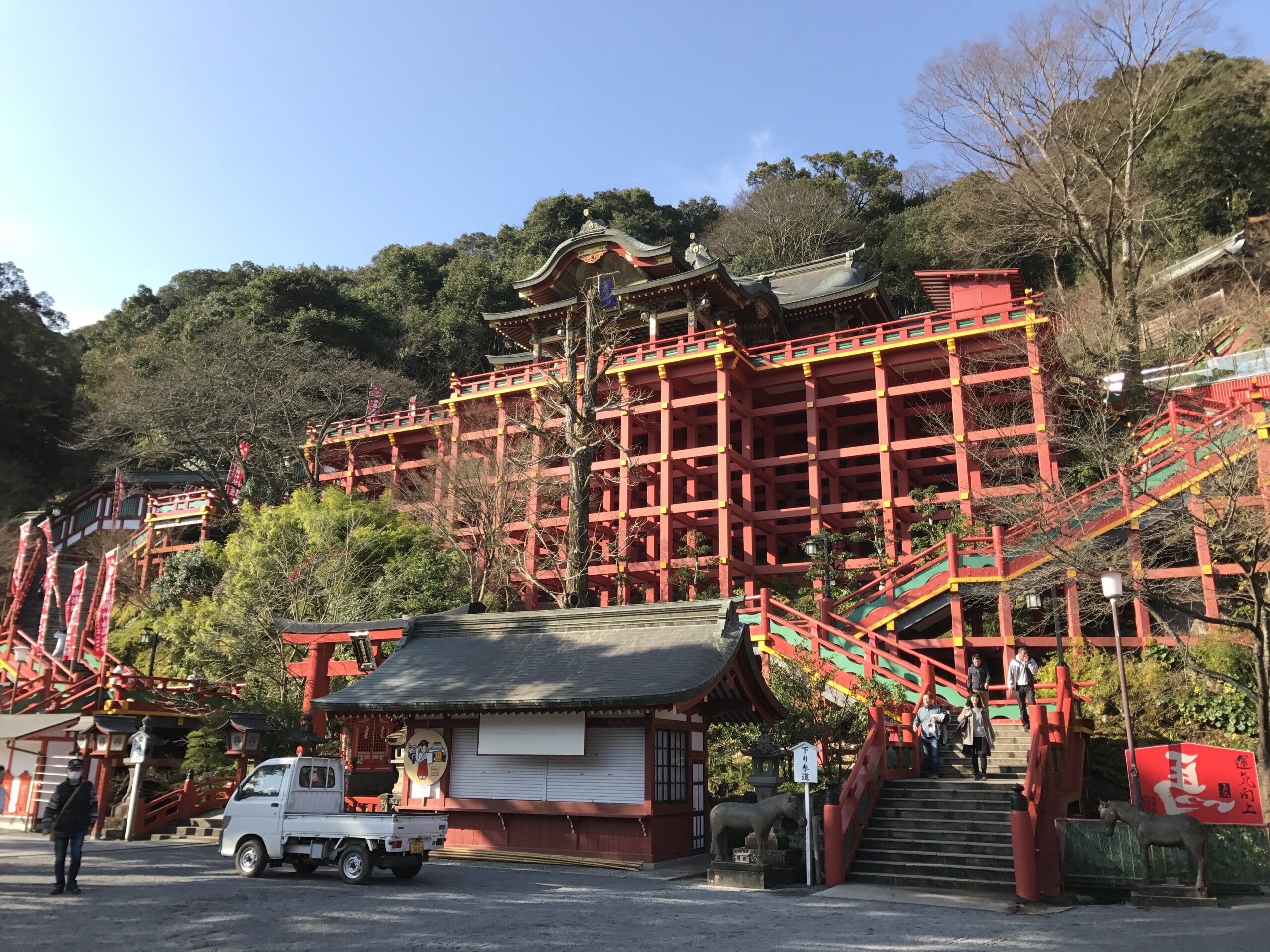
Yutoku Inari Shrine’s greatest highlight is its gorgeously decorated shrine buildings with complete lacquer coating. The tower gate stands magnificently at approximately 18m tall, with naruto (whirlpool) carvings on all four sides. Passing through this gate reveals vermillion corridors and the main hall built on the mountainside.
The main hall features “stage construction” similar to Kyoto’s Kiyomizu-dera, built at a height of approximately 18m above ground. The view of the Ariake Sea and Saga Plain from this stage is spectacular—so beautiful it’s praised as “Chinzei Nikko.” The current shrine buildings were reconstructed in 1957 (Showa 32), faithfully reproducing traditional architectural styles.
Approximately 50,000 azaleas are planted throughout the grounds, coloring the entire slope pink from mid-April to early May. With about 300 cherry trees and magnificent autumn foliage, flowers and nature can be enjoyed throughout all seasons.
What Makes This Spot Special
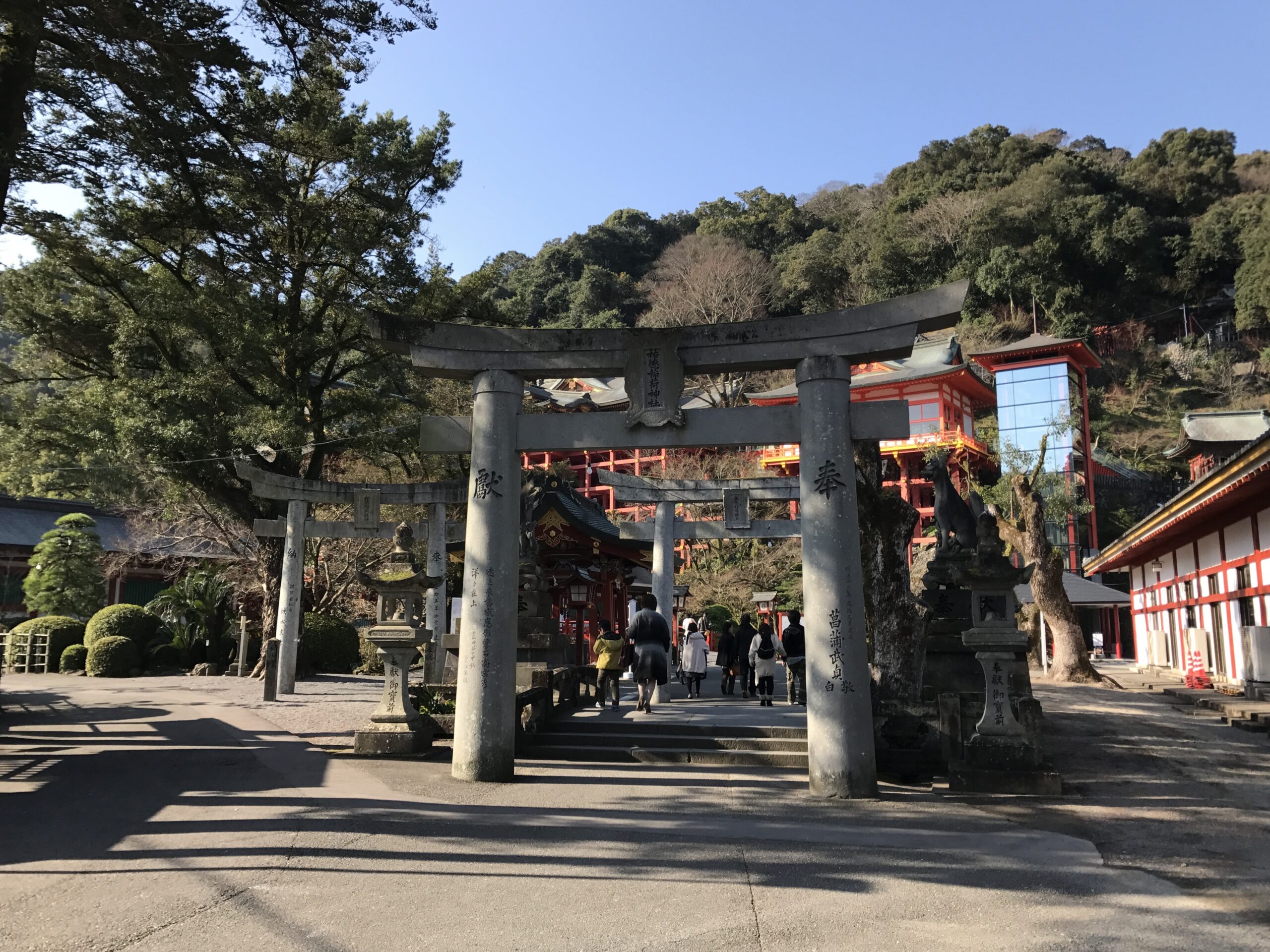
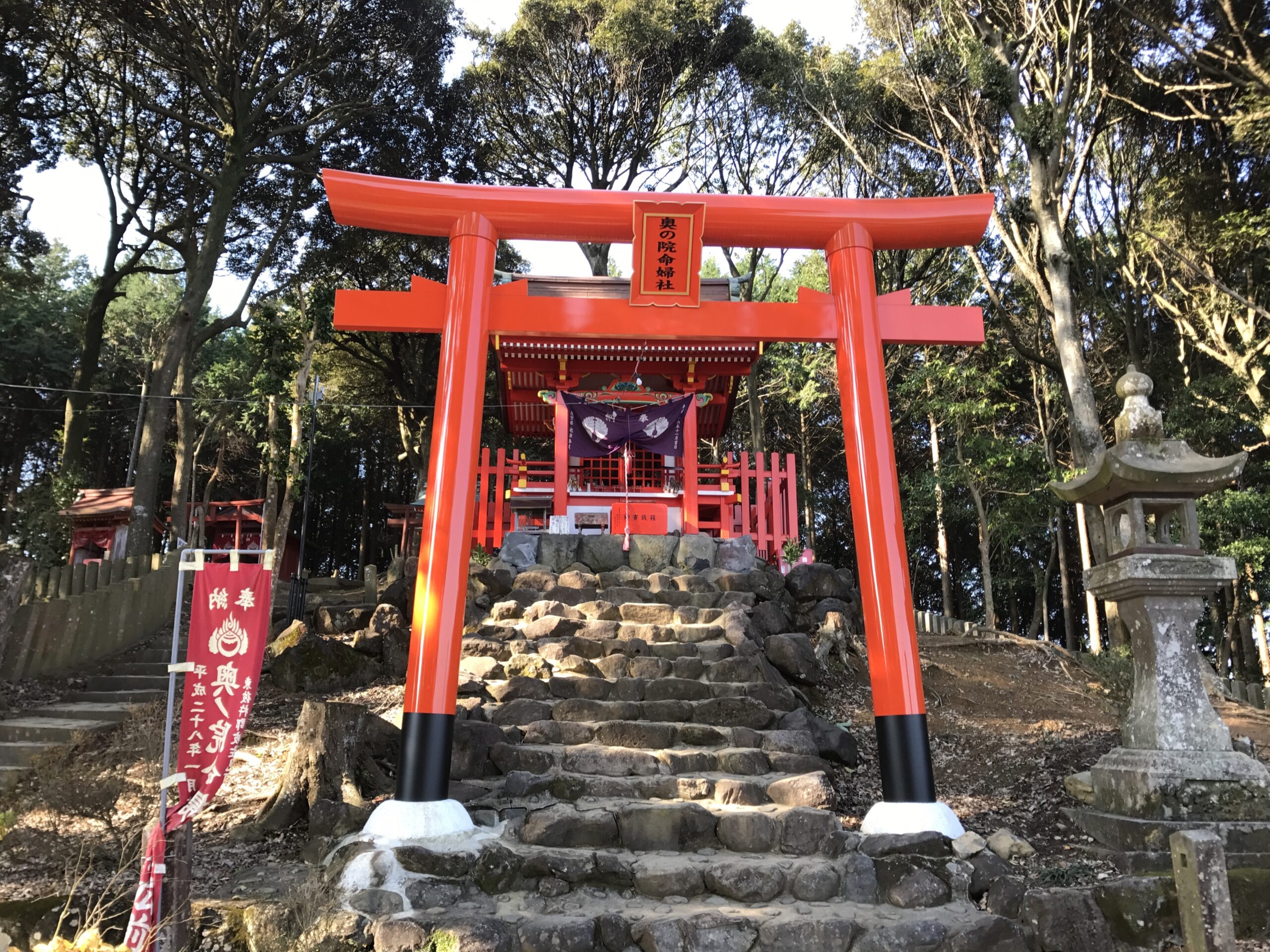
A distinctive feature of Yutoku Inari Shrine is the path to the “Oku-no-in” (inner shrine) continuing beyond the main hall. Climbing approximately 300 stone steps leads to the inner shrine near the mountain summit. Along this path, vermillion torii gates line up in rows, creating mystical scenery reminiscent of Fushimi Inari’s thousand torii gates.
The view from the inner shrine is exceptional, with panoramic vistas extending to the Ariake Sea, Mount Tara, and Mount Unzen. Along the path, subsidiary shrines such as “Myobu-sha” and “Iwamoto-sha” are scattered, each said to offer different blessings.
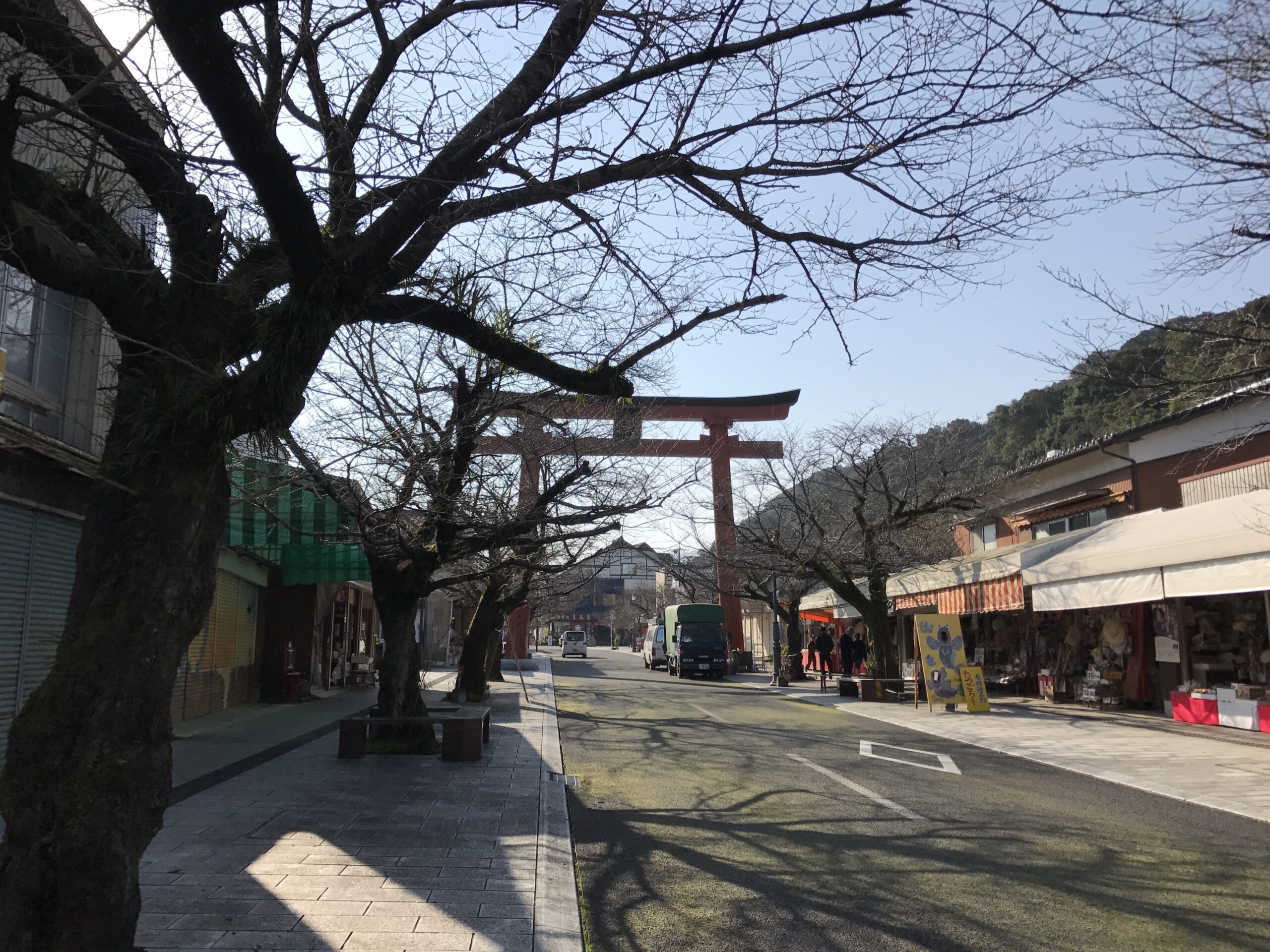
The lively temple town is another attraction. Along the approximately 400m approach, souvenir shops and restaurants line up, where visitors can enjoy local specialties like “Inari Yokan” (sweet bean jelly) and “Goma Saba” (sesame mackerel).
Spiritual Benefits and Effects
Known Spiritual Benefits
Business Prosperity: The quintessential blessing of Inari shrines. Entrepreneurs, business owners, and shopkeepers visit continuously.
Abundant Harvests and Industry Prosperity: Ukanomitama-no-Okami is the deity of rice. They are said to govern the development of not just agriculture but all industries.
Family Fortune: As a shrine founded by Mankohime wishing for the Nabeshima family’s prosperity, many also pray for household happiness.
Traffic Safety: Sarutahiko-no-Okami is the deity of road guidance. Worshippers come to pray for travel and commuting safety.
Matchmaking: Omiyame-no-Okami is also known as a matchmaking deity, drawing many who seek good relationships.
The Unique Energy of This Site
Yutoku Inari Shrine is a place filled with energies of “ascent” and “development.” The shrine buildings constructed along the mountainside seem to stretch toward heaven. This location is said to generate power that supports business growth and life breakthroughs.
Many worshippers report feeling “achievement” and “refreshment” upon completing the climb to the inner shrine. The act of climbing the stone steps one by one is considered symbolic of striving toward goals and is said to grant the power to fulfill wishes.
Visitor Testimonials
Many worshippers report a sense of renewed determination after completing the climb to the inner shrine. The physical effort of ascending 300 stone steps, combined with the panoramic view from the summit, often inspires visitors to approach their goals with fresh energy.
Business owners in particular are drawn to Yutoku Inari Shrine’s reputation for prosperity blessings. With approximately 3 million annual visitors, the shrine consistently ranks among Kyushu’s most popular worship destinations—a testament to the deep trust people place in its spiritual power.
Best Times to Visit
Spring (March–May)
Cherry blossoms bloom late March to early April; azaleas from mid-April to early May. The sight of approximately 50,000 azaleas coloring the slopes is spectacular. Temperatures of 15-22°C (59-72°F) are ideal for worship. Golden Week is extremely crowded; early morning visits recommended.
Recommendation: ★★★★★
Summer (June–August)
The grounds have abundant shade, allowing relatively cool worship. However, the path to the inner shrine requires stamina, so avoid midday heat—early morning or evening is best. The Obon period sees crowds of returning visitors.
Recommendation: ★★★☆☆
Autumn (September–November)
Autumn foliage season is mid to late November. The contrast between the tower gate and fall colors is stunning. The autumn festival (late October) features yabusame (horseback archery) rituals. Temperatures of 12-20°C (54-68°F) are ideal for worship.
Recommendation: ★★★★★
Winter (December–February)
Approximately 700,000 visitors come for New Year worship—among the highest in Kyushu. January to February is relatively uncrowded, recommended for those wanting peaceful worship. Temperatures 3-10°C (37-50°F); dress warmly.
Recommendation: ★★★★☆
Best Times of Day
Early Morning (8:00-9:00 AM): Few worshippers allow worship in refreshing air. Ideal for inner shrine visits.
Morning (9:00 AM-Noon): Amulet office is open; ideal time for goshuin and charms.
Afternoon (1:00-3:00 PM): Tour groups increase. The main hall stage may be crowded.
Late Afternoon (3:00-5:00 PM): Evening sun beautifully illuminates the main hall. The twilight view of the Ariake Sea is exceptional.
Visitor’s Guide
Basic Worship Etiquette
1. Passing Through the Tower Gate: Bow once before entering and walk along the edge. Note the gate’s carvings as well.
2. Purification at the Temizuya: Take the ladle in your right hand to rinse your left, switch hands to rinse your right, switch again to pour water into your cupped left palm for rinsing your mouth, then rinse the ladle handle.
3. Worship: Two bows, two claps, one bow. When praying for business prosperity, it’s said to be good to silently recite specific goals.
Highlights and Recommended Route
Recommended Order:
1. Pass through tower gate, purify at temizuya
2. Climb stone steps, worship at main hall
3. View Ariake Sea from main hall stage
4. Climb path to inner shrine (approximately 15-20 min)
5. Worship at inner shrine
6. After descending, visit subsidiary shrines like Iwasaki-sha
7. Souvenirs and dining in temple town
Goshuin Information:
- Regular goshuin (¥500)
- Seasonal limited goshuin (¥800)
- Reception hours: 8:30 AM-4:30 PM
Popular Amulets:
- Business Prosperity Charm (¥1,000): Most popular amulet
- Victory Charm (¥800): For competitions and contests
- Matchmaking Charm (¥800): For seeking good relationships
- Traffic Safety Charm (¥800): Popular with drivers
Dress Code and Items to Bring
- Comfortable walking shoes essential if going to inner shrine (no heels or sandals)
- Wear movable clothing for climbing approximately 300 stone steps
- In summer: hat, towel, beverage for hydration
- In winter: warm clothing (winds are strong near summit)
Basic Information
Access
Address: 1855 Furueda-otsu, Kashima City, Saga Prefecture
Train & Bus:
- From JR Nagasaki Line “Hizen Kashima Station”: Taxi approximately 10 minutes
- Yutoku Bus to “Yutoku Inari Shrine” terminus (approximately 15 minutes)
By Car:
- From Nagasaki Expressway “Takeo Kitagata IC”: Approximately 40 minutes
- From Nagasaki Expressway “Ureshino IC”: Approximately 30 minutes
Parking:
- Shrine parking approximately 3,000 spaces (free)
- Temporary parking available during New Year and Golden Week
Visiting Information
- Hours: Grounds freely accessible (Amulet office 8:30 AM-4:30 PM)
- Closed: Open year-round
- Admission: Free
- Duration: About 1 hour for main hall only; about 2 hours including inner shrine
- Phone: 0954-62-2151
- Official Website: https://www.yutokusan.jp/
Area Information
Nearby Attractions
Yutoku Museum (5-min walk)
Exhibits shrine treasures and materials related to the Kashima Domain. Items connected to Mankohime can be viewed. Admission ¥300.
Kashima Sake Brewery Street (10 min by car)
Atmospheric street lined with sake breweries continuing from the Edo period. Tastings available at 6 breweries. “Kashima Sake Brewery Tourism” held annually in March.
Hizen Hamashuku (15 min by car)
Important Preservation District for Groups of Traditional Buildings retaining Edo and Meiji era townscapes. Sake brewery tours and traditional house cafés are popular.
Ariake Sea (20 min by car)
Famous for the mud flat experience “Gatarinpick.” Rare creatures like mudskippers and fiddler crabs can be observed.
Recommended Restaurants
Monzencho Inari Chaya
- Along shrine approach
- Specialties: Inari Udon (¥700), Kitsune Soba (¥750)
- Hours: 9:00 AM-5:00 PM
- Closed: Irregular
Kappo Matsuo
- 5 min by car from shrine
- Specialties: Ariake Sea Goma Saba set (¥1,500), Mudskipper Kabayaki (market price)
- Hours: 11:30 AM-2:00 PM, 5:30 PM-9:00 PM
- Closed: Tuesdays
Ideguchiya
- Long-established sweets shop in temple town
- Specialties: Inari Yokan (¥600), Marubolo (¥300)
- Hours: 8:30 AM-6:00 PM
- Closed: Irregular
Cafe Tsuru no Ya
- Traditional house café in Hizen Hamashuku
- Specialties: Matcha Parfait (¥850), Sake Lees Cheesecake (¥600)
- Hours: 10:00 AM-5:00 PM
- Closed: Wednesdays
Souvenirs
- Inari Yokan: Temple town specialty, auspicious sweet bean jelly
- Kashima Local Sake: Japanese sake from 6 breweries including Nogomi and Sachihime
- Ariake Sea Delicacies: Dried mudskipper, warasubo
- Kitsune Udon Set: Souvenir udon with fried tofu
Model Itineraries
Half-Day Course (Approximately 4 hours)
9:00 AM Arrive at Yutoku Inari Shrine
9:15 AM Main hall worship, view from stage (30 min)
9:50 AM Inner shrine visit (40 min round trip)
10:40 AM Tour subsidiary shrines (20 min)
11:10 AM Lunch and souvenirs in temple town (60 min)
12:30 PM Depart
Full-Day Course (Approximately 7 hours)
9:00 AM Yutoku Inari Shrine worship (2 hours)
11:15 AM Drive to Hizen Hamashuku (15 min)
11:30 AM Hizen Hamashuku stroll, brewery tour (90 min)
1:00 PM Lunch in Hamashuku
2:30 PM Kashima Sake Brewery Street stroll (60 min)
3:45 PM Ariake Sea mudflat observation deck
4:30 PM Head home
Visitor Reviews and Experiences
Yutoku Inari Shrine consistently earns high praise from visitors. Common themes in reviews include:
The breathtaking architecture: Many visitors are struck by how the vermillion shrine buildings against the green mountainside create a scene unlike anything else in Kyushu. The stage-construction main hall draws frequent comparisons to Kiyomizu-dera.
The rewarding inner shrine climb: While the 300 stone steps challenge visitors physically, the panoramic view from the summit—stretching to the Ariake Sea and Mount Unzen—is frequently cited as the trip’s highlight.
The temple town experience: Beyond worship, visitors enjoy exploring the lively approach lined with shops selling local specialties like Inari Yokan and Ariake Sea delicacies. Many describe it as a complete day-trip destination rather than just a shrine visit.
Frequently Asked Questions
Q: Do I need to go to the inner shrine?
A: The main hall alone provides sufficient worship. However, the view from the inner shrine is exceptional, so if you’re confident in your stamina, please try. It’s approximately 300 stone steps, about 40 minutes round trip.
Q: Is parking free?
A: Yes, approximately 3,000 spaces are free. However, New Year and Golden Week are crowded, so early morning arrival is recommended.
Q: Are goshuin books sold?
A: Yes, original goshuin books (¥2,000) can be purchased at the amulet office.
Q: Is wheelchair access available?
A: An elevator to the main hall is available (¥300 fee). The inner shrine is difficult due to stone steps.
Q: Are pets allowed?
A: Worship while holding or in carriers is permitted. Walking on leash only through the grounds is not allowed.
Nearby Power Spots
- [Usa Jingu](https://k005.net/en/powerspot/usa-jingu-en/)
- [Ishizuchi Shrine](https://k005.net/en/powerspot/ishizuchi-jinja-en/)
- [Itsukushima Shrine](https://k005.net/en/powerspot/itsukushima-jinja-en/)
- [Izumo Taisha](https://k005.net/en/powerspot/izumo-taisha-2/)
- [Kotohira-gu](https://k005.net/en/powerspot/kotohira-gu-2/)
Summary
Yutoku Inari Shrine, one of Japan’s Three Great Inari Shrines, is a business prosperity power spot boasting the highest visitor numbers in Kyushu. With magnificent vermillion shrine buildings called “Chinzei Nikko,” spectacular views of the Ariake Sea from the main hall, and the mystical path to the inner shrine, attractions are endless.
This shrine, born from Mankohime’s deep faith, has continued fulfilling people’s wishes for over 300 years. Three million visitors annually come seeking various blessings including business prosperity, family fortune, and matchmaking.
With spring azaleas, autumn foliage, and temple town cuisine, there’s much to enjoy beyond shrine worship. When visiting Saga or Nagasaki, please make time to visit.
—
Want to discover the power spot that’s right for you?
Beyond this location, Japan is home to countless power spots. To find the one most suited to you, try our free compatibility assessment (takes just 3 minutes).
→ [Take the Free En Profile Assessment](https://enguide.info)
—
*Information in this article is current as of December 2025. Please verify the latest details via the official website before visiting.*
あなたに最適なパワースポットを知りたい方へ