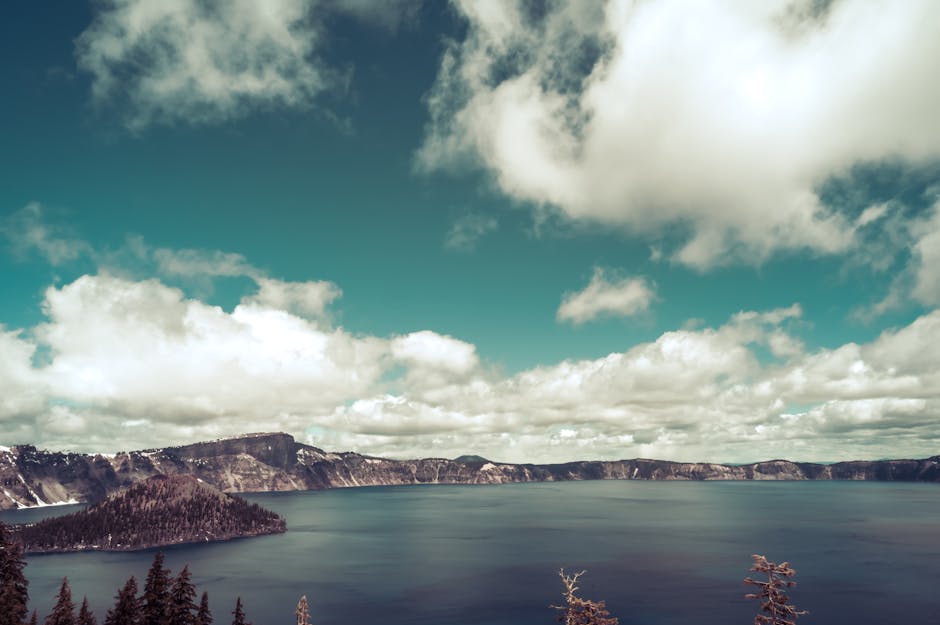
Located in southwestern Hokkaido, Lake Toya is a caldera lake formed by a massive volcanic eruption approximately 110,000 years ago. With a circumference of about 43 kilometers and maximum depth of 180 meters, this beautiful lake was certified as the “Toya-Usu UNESCO Global Geopark” in 2009, drawing attention as a mystical power spot where visitors can feel the Earth’s living breath.
Nakajima Island floating in the center of the lake, the still-active Mount Usu, and the abundant hot springs welling up along the lakeshore—Lake Toya is a special place where the “blessings of fire and water” interweave. The Ainu people have long called this lake “Toya” (lake shore) and revered it as a sacred place.
Beautiful scenery can be enjoyed throughout all four seasons, with the reflection of Mount Yotei in the lake surface particularly famous as the “Ezo Fuji” (Fuji of Hokkaido). In 2008, it served as the venue for the G8 Summit, broadcasting its beauty to the world.
The Allure of This Sacred Site
History and Origins
Lake Toya’s birth dates back approximately 110,000 years. A large-scale volcanic eruption caused the summit to collapse, forming a massive caldera about 11 kilometers in diameter. Water then accumulated in the crater, creating the present-day Lake Toya.
The name “Toya” derives from the Ainu words “To-Ya” meaning “lake-shore.” For the Ainu people, this lake was a sacred place that provided abundant blessings—fish from the lake, wild vegetables from surrounding forests, and hot springs. People have lived in this area while giving thanks for nature’s bounty.
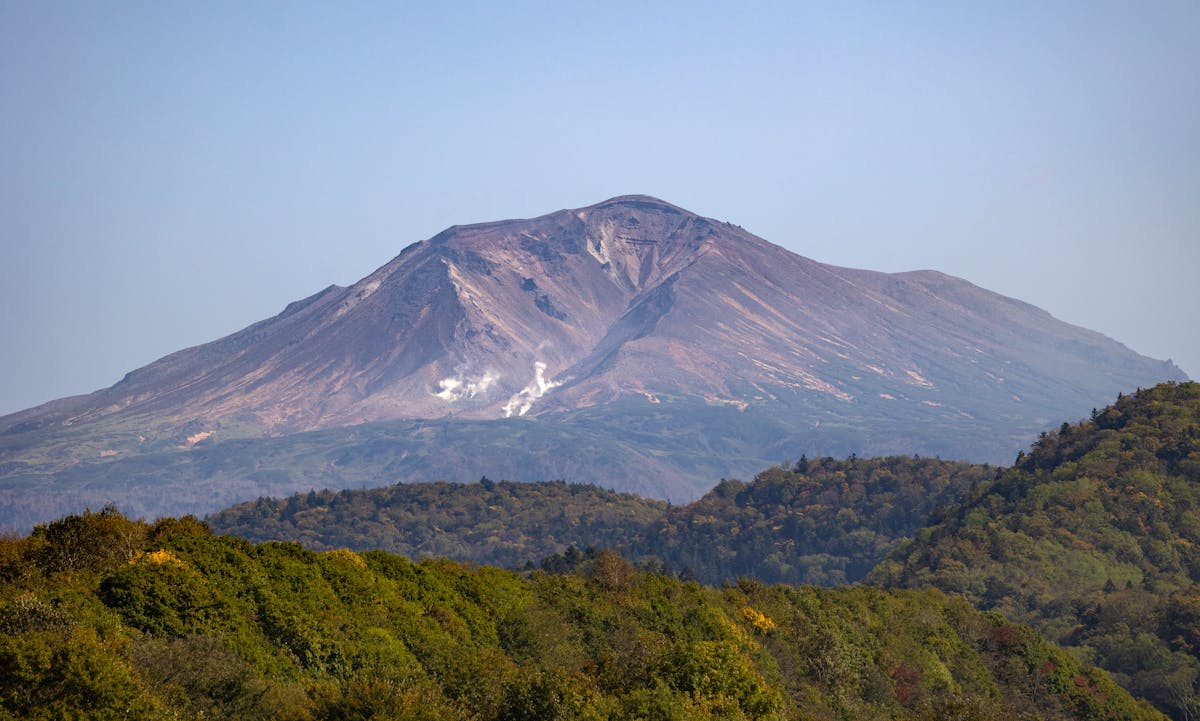
Mount Usu, located on the lakeshore, is one of the world’s most active volcanoes, having erupted four times in the past 100 years. The 1977 eruption and the 2000 eruption caused significant damage, but simultaneously blessed this region with rich hot springs and fertile land. People have lived here in coexistence with the volcano, receiving its benefits.
In 2009, this “coexistence between volcanoes and humans” was recognized, and the area was certified as Japan’s first UNESCO Global Geopark under the name “Toya-Usu Geopark.”
Architecture and Natural Features
Lake Toya is a caldera lake with a circumference of approximately 43 kilometers, surface area of 70.7 square kilometers, and maximum depth of 180 meters. It is Japan’s ninth largest lake and third largest in Hokkaido.
Its greatest feature is “Nakajima”—four islands floating in the center of the lake: Oshima, Kannon Island, Benten Island, and Manju Island. These islands are lava domes formed by volcanic activity about 50,000 years ago and are now a natural treasure trove where wild Ezo deer live.
From Mount Usu (737 meters elevation) located northwest of the lake, visitors can enjoy panoramic views of Lake Toya. A ropeway takes you near the summit, where on clear days you can see steaming Showa Shinzan and even the distant Pacific Ocean.
Additionally, Lake Toya is known as a “non-freezing lake” that never freezes even in winter. Its beautiful surface can be enjoyed year-round, another major attraction of Lake Toya.
Mount Yotei (1,898 meters elevation) viewed from the lakeshore is called “Ezo Fuji,” and its beautiful conical silhouette reflected in the lake surface is Lake Toya’s signature scenic view.
What Makes This Spot Special
What sets Lake Toya apart from other lakes is being alongside a “living volcano.”
Mount Usu continues its activity today, and during the 2000 eruption, despite a hot spring resort being located only about 1 kilometer from the crater, early prediction and evacuation resulted in zero deaths—a miracle. This experience has attracted worldwide attention as a model case for “coexistence with volcanoes.”
Additionally, the “Lake Toya Long Run Fireworks Festival” held from late April through October features fireworks launched over the lake every night for about half a year—an event unlike any other. The fireworks reflected on the lake surface with mountain silhouettes behind create dreamlike beauty.
Spiritual Benefits and Effects
Known Spiritual Benefits
As a natural power spot, Lake Toya is believed to offer these effects:
Mind-Body Purification & Refreshment: The environment surrounded by the vast lake and majestic mountains releases daily stress and resets body and mind.
Renewal & New Beginnings: The power of Mount Usu, which has recovered from repeated eruptions, conveys energy of “renewal” and “new beginnings.” Many visit during life’s turning points.
Health Fortune: Toya Onsen has long been known for its “beauty bath” waters, believed to heal physical and mental fatigue and restore health through bathing.
Creativity & Inspiration: Many report that touching majestic nature brings forth new ideas and inspiration.
The Unique Energy of This Site
What many visitors sense at Lake Toya is “the Earth’s life force” itself.
Mount Usu, an active volcano, is an existence that makes you truly feel that “the Earth is alive.” Gazing at the steam-emitting mountain, you experience a strange sense of scale that makes human worries seem insignificant.
Meanwhile, Lake Toya, quietly holding its waters, has an enveloping gentleness. Fire (Mount Usu) and water (Lake Toya), motion and stillness—this place where contrasting energies coexist is especially recommended for those wanting to restore balance.
Visitor Testimonials
“I visited before quitting my job to start my own business. Watching Mount Usu’s steam, I felt that ‘no matter what happens, I can rise again.'” (Man in his 40s, Tokyo)
“I come to Lake Toya Onsen for therapeutic bathing every year. The time spent gazing at the lake while soaking in hot springs resets my entire year.” (Woman in her 60s, Sapporo)
Best Times to Visit
Spring (April–May)
The “Lake Toya Long Run Fireworks Festival” starts in late April. During Golden Week, you can enjoy cherry blossoms and fireworks simultaneously. Mountain cherry blossoms around Mount Usu also reach their peak in May. Mount Yotei is clearly visible in the clear spring air.
Recommendation: ★★★★☆
Summer (June–August)
Best season for sightseeing. All activities including lake cruises, Nakajima exploration, and Mount Usu Ropeway are available. Fireworks every night. However, the summer vacation period is crowded, so June or early September is recommended.
Recommendation: ★★★★★
Autumn (September–November)
Autumn foliage peaks from mid to late October. Lakeside trees turn colors, with beautiful contrast between Mount Yotei’s snow cap and autumn leaves. Fireworks festival runs through late October. Fewer tourists than summer for more relaxed enjoyment.
Recommendation: ★★★★★
Winter (December–March)
As a “non-freezing lake,” Lake Toya’s beautiful surface can be enjoyed even in winter. The “Lake Toya Onsen Winter Festival” in February features illuminations and fireworks. Ideal season for relaxing in hot springs.
Recommendation: ★★★☆☆
Best Times of Day
Early Morning (5:00–7:00 AM): Dreamlike lake wrapped in morning mist. Stunning when morning sun hits Mount Yotei.
Morning (8:00 AM–12:00 PM): Cruise boats begin operating. Views from Mount Usu Ropeway are best in morning.
Afternoon (1:00–5:00 PM): Ideal for Nakajima exploration and lakeside drives.
Night (8:45–9:05 PM): Long Run Fireworks Festival (late April–October). About 450 fireworks color the lake.
Visitor’s Guide
How to Enjoy Lake Toya
As Lake Toya is a natural power spot rather than a shrine or temple, there is no specific worship etiquette. Here are recommended ways to fully experience Lake Toya’s power.
1. Lakeside Stroll
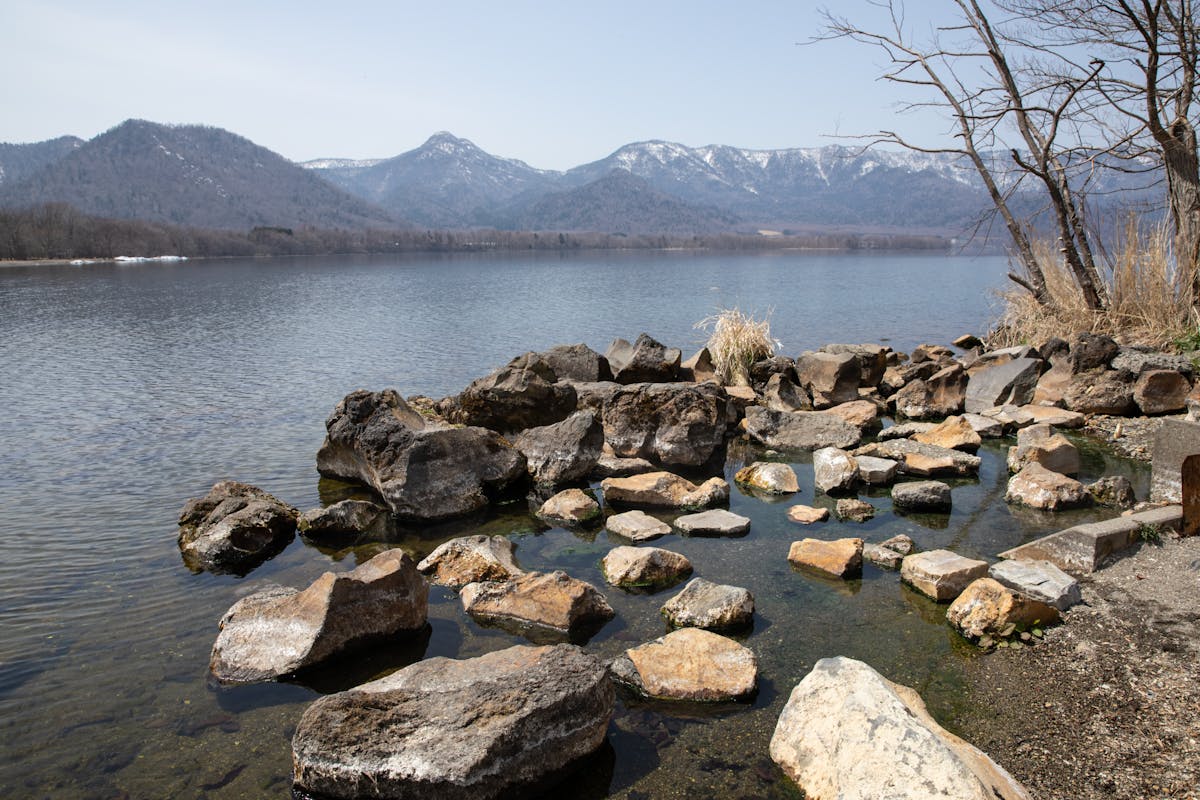
The “Ukimido Park” area extending from Toya Onsen town toward Nakajima is a spot where you can feel the lake up close. Sit on a bench and spend quiet time gazing at the lake.
2. Cruise to Nakajima
Nakajima has the “Nakajima Lake Forest Museum” where you can learn about Lake Toya’s nature and history. You may encounter wild Ezo deer. Round trip takes about 50 minutes.
3. Mount Usu Ropeway
About 7 minutes’ walk from the summit station to the observation deck. A 360-degree panorama spreads out—Lake Toya, Showa Shinzan, the crater, the Pacific Ocean. A spot where you can feel the volcano’s power with your whole body.
4. Relax in Toya Onsen
Many hot spring inns line the lakeshore. Day-use bathing facilities are plentiful, and bathing while viewing the lake is exceptional. “Manseikaku” and “Nonokaze Resort” are popular.
Spending Time as a Power Spot
Take Time to Quietly Gaze at the Lake: Put away your phone and spend even just 30 minutes simply watching the lake surface. The water’s energy calms the heart.
Feel the “Fire” Energy at Mount Usu: Seeing the steam-emitting crater lets you truly sense Earth’s life force. Courage to start something new wells up.
“Purify” in Hot Springs: Hot springs welling from the earth wash away physical and mental fatigue. If possible, stay overnight and bathe morning and evening.
Dress Code and What to Bring
- Clothing: Winds can be strong by the lake, so bring a light jacket even in summer. Mount Usu is higher elevation, so bring an extra layer.
- What to Bring: Camera, sunscreen (summer), warm clothing (spring/autumn/winter)
- Note: There are restricted areas around Mount Usu. Follow posted signs.
Basic Information
Access
Address: Toya Onsen, Toyako-cho, Abuta-gun, Hokkaido
By Car:
- Approximately 2 hours from New Chitose Airport (via Hokkaido Expressway)
- Approximately 2 hours from Sapporo City
- Parking: Multiple lots in Toya Onsen town (free to ¥500)
By Public Transportation:
- Donan Bus from JR Muroran Main Line “Toya Station,” approximately 20 minutes to “Toya Onsen”
- Highway bus “Toya Onsen” from Sapporo, approximately 2 hours 45 minutes
Visiting Information
- Cruise Boat Operation: Late April–October (departures every 30 minutes, approx. 50 minutes, ¥1,500)
- Mount Usu Ropeway: Year-round operation (round trip ¥1,800, 9:00 AM–5:00 PM, varies by season)
- Lake Toya Long Run Fireworks: April 28–October 31 (nightly 8:45 PM, approx. 20 minutes)
- Admission: Lakeside walks free
- Official Website: https://www.laketoya.com/
- Contact: Toya Onsen Tourism Association 0142-75-2446
Area Information
Nearby Attractions
Showa Shinzan (10 min by car)
A mountain that suddenly rose from a field during the 1943 eruption. 398 meters elevation. The sight of steam still rising from reddish-brown slopes is a must-see. A bear ranch is at the foot.
Usu Volcano Science Museum (walking distance)
Facility where you can learn about the 2000 eruption through recorded footage and volcanic mechanisms. Admission ¥600. Understanding volcanoes before visiting Mount Usu deepens the experience.
Niseko (40 min by car)
A resort area offering summer rafting and trekking, and world-class powder snow skiing in winter. Located on the opposite side of Mount Yotei.
Recommended Restaurants
Boyotei (5-min walk)
- Established Western-style restaurant in Toya Onsen
- Specialties: Pork Chop (¥1,400), Hamburg Steak (¥1,500)
- Hours: 11:00 AM–8:30 PM
Wakasaimo Honpo Toya Lake Main Store (3-min walk)
- Main store of Hokkaido’s famous confection “Wakasaimo”
- Specialties: Wakasaimo (6 pieces ¥750), Imo-ten (¥200 each)
- Hours: 9:00 AM–6:00 PM
Lake Hill Farm (15 min by car)
- Farm on a hill overlooking Lake Toya
- Specialties: Gelato (various ¥400), Soft Serve (¥350)
- Hours: 9:00 AM–6:00 PM (varies by season)
Toya Manseikaku Hotel Lakeside Terrace (10-min walk)
- Restaurant with lake views
- Lunch Buffet: from ¥2,500
- Day-use bathing: ¥1,500
Souvenirs & Local Products
- Wakasaimo: Representative Hokkaido confection with a candied sweet potato-like flavor
- Lake Toya Wooden Sword: Made famous by the manga/movie “Gintama.” Popular as a novelty souvenir
- Mount Usu Eruption Manju: Unique local confection
- Lake Toya Vegetables: Sweet vegetables grown in volcanic ash soil
Model Itineraries
Half-Day Course (approx. 4 hours)
10:00 AM Arrive at Toya Onsen
10:15 AM Mount Usu Ropeway to summit (1 hour)
11:30 AM Showa Shinzan sightseeing (30 min)
12:00 PM Lunch at Boyotei
1:00 PM Cruise to Nakajima (50 min)
2:00 PM Lakeside stroll and souvenir shopping
Full-Day Course (approx. 8 hours)
9:00 AM Mount Usu Ropeway
10:30 AM Volcano Science Museum
11:30 AM Showa Shinzan and Bear Ranch
12:30 PM Lunch and gelato at Lake Hill Farm
2:00 PM Cruise to Nakajima
3:30 PM Day-use bathing at Toya Onsen
5:00 PM Lakeside stroll
8:45 PM Watch Long Run Fireworks Festival
Visitor Reviews and Experiences
“Moved by the Volcano’s Power” (Man in his 50s, Kanagawa Prefecture)
“The contrast between the crater and Lake Toya seen from Mount Usu Ropeway was overwhelming. I was also impressed by the wisdom and strength of people living with the volcano.”
“Nightly Fireworks Were the Best” (Couple in their 30s, Osaka)
“We visited in September and didn’t know fireworks went up every night. The luxury of watching fireworks reflected on the lake from our hot spring inn became an unforgettable memory.”
“My Heart Was Reset” (Woman in her 40s, Tokyo)
“I visited when completely exhausted from work. Walking along the deserted lakeshore early morning, tears naturally came. I felt I found myself again in the great outdoors.”
Frequently Asked Questions
Q: Should I see Lake Toya or Mount Usu first?
A: If weather is good, enjoy the views from Mount Usu Ropeway in the morning, then cruise the lake in the afternoon. Clouds tend to develop in the afternoon, so mountain views are better in the morning.
Q: Do fireworks require reservations?
A: No reservation needed. Watch free from anywhere on the lakeshore. Some hot spring inns have terraces, and there’s a “Fireworks Cruise” from the boat.
Q: Can I visit in winter?
A: Since Lake Toya doesn’t freeze, cruise boats operate even in winter (some periods suspended). Mount Usu Ropeway runs year-round. February’s Winter Festival features fireworks and illuminations.
Q: Is it suitable for families with children?
A: Cruise boats, the bear ranch, and Lake Hill Farm are great for children. Many hot spring inns have family-friendly facilities.
Nearby Power Spots
- [Lake Akan](https://k005.net/en/powerspot/akan-lake-en/)
- [Chitose Shrine](https://k005.net/en/powerspot/chitose-jinja-en/)
- [Hokkaido Jingu](https://k005.net/en/powerspot/hokkaido-jingu-en/)
- [Jozankei Shrine](https://k005.net/en/powerspot/jozankei-jinja-en/)
- [Kamui Kotan](https://k005.net/en/powerspot/kamui-kotan-en/)
Summary
Lake Toya is a mystical caldera lake created by volcanic activity 110,000 years ago. The coexistence with still-active Mount Usu is a power spot that truly makes you feel that “the Earth is alive.”
Fire (Mount Usu) and water (Lake Toya), motion and stillness—this place where contrasting energies coexist is ideal for those wanting to restore mind-body balance. Soaking in hot springs, gazing at majestic nature, enjoying lakeside fireworks at night—time at Lake Toya will surely heal your heart and give you new vitality.
About 2 hours from New Chitose Airport, it’s also day-trip accessible from Sapporo. When traveling Hokkaido, be sure to stop at Lake Toya and feel the Earth’s living breath with your whole body.
—
Want to discover the power spot that’s right for you?
Beyond this location, Japan is home to countless power spots. To find the one most suited to you, try our free compatibility assessment (takes just 3 minutes).
→ [Take the Free En Profile Assessment](https://enguide.info)
—
*Information in this article is current as of December 2025. Please verify the latest details via the official website before visiting.*
あなたに最適なパワースポットを知りたい方へ