Tosa Shrine, located in Ichinomiya, Kochi City, is a sacred sanctuary with over 1,400 years of history as the Ichinomiya (first-ranked shrine) of Tosa Province. Affectionately called “Shinane-sama” by locals, this shrine attracts numerous visitors during the annual “Shinane Festival” held every August.
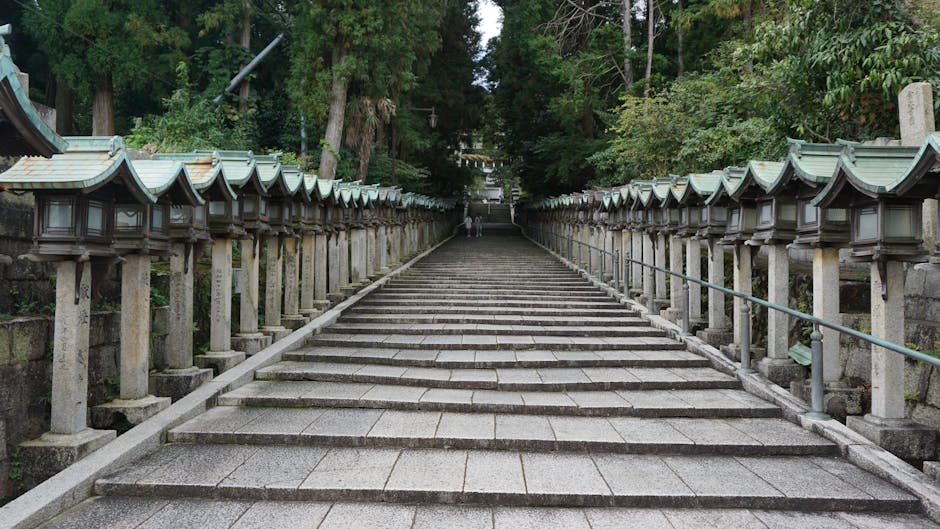
The moment you step into the precincts, you’re enveloped by a solemn atmosphere created by ancient trees hundreds of years old. The main hall features a unique architectural style called “Iri-tombo-shiki” (entering dragonfly style), found nowhere else in Japan and designated as an Important Cultural Property. During the Warring States period, the legendary warlord Chosokabe Motochika prayed here for victory, and even the famous samurai Sakamoto Ryoma is said to have visited during the Bakumatsu era.
Come experience the eternal flow of time and the spirit of Tosa at this guardian shrine that has protected the Pacific-facing land of Kochi.
Highlights and Attractions
Guardian of Tosa for 1,400 Years
Tosa Shrine was founded during the reign of Emperor Yuryaku (late 5th century) and has been revered as the chief shrine of Tosa Province. The enshrined deities are Ajisukitakahikone-no-kami and Hitokoto-nushi-no-kami. Ajisukitakahikone-no-kami, a son of Okuninushi-no-mikoto, is known for blessings related to agriculture, industrial development, and protection from lightning. Hitokoto-nushi-no-kami is worshipped as a deity who grants wishes “with a single word.”
Listed in the Engishiki Jinmyocho (ancient shrine registry), Tosa Shrine holds the prestigious rank of Ichinomiya of Tosa Province. During the Warring States period, Chosokabe Motochika rebuilt the shrine buildings, and subsequent lords of the Tosa Domain, including Yamauchi Kazutoyo, continued to venerate it. The current main hall, offering hall, and worship hall were rebuilt by Chosokabe Motochika in 1587 and are all designated as Important Cultural Properties of Japan.
Japan’s Only “Iri-Tombo-Shiki” Architecture
The most distinctive feature of Tosa Shrine is its architectural style. The “Iri-tombo-shiki” (entering dragonfly style) is a unique structure found only at this shrine, where the worship hall connects to the main hall like a dragonfly diving forward.
Dragonflies were favored by samurai as “victorious insects” (kachi-mushi) because they only fly forward, never backward. It’s believed that the warlord Chosokabe Motochika adopted this style with prayers for victory embedded in its design. The cypress bark roof of the main hall draws beautiful curves, and its dignified presence, having weathered over 400 years of elements, deeply moves all who visit.
Sacred Forest of Ancient Giants
The shrine grounds are home to numerous giant trees, including a sacred camphor tree over 400 years old. Of particular note is the mysterious “Tsubute Stone” (throwing stone). This conglomerate rock is said to have been formed when stones thrown by Empress Jingu during her expedition to the Three Korean Kingdoms fell here.
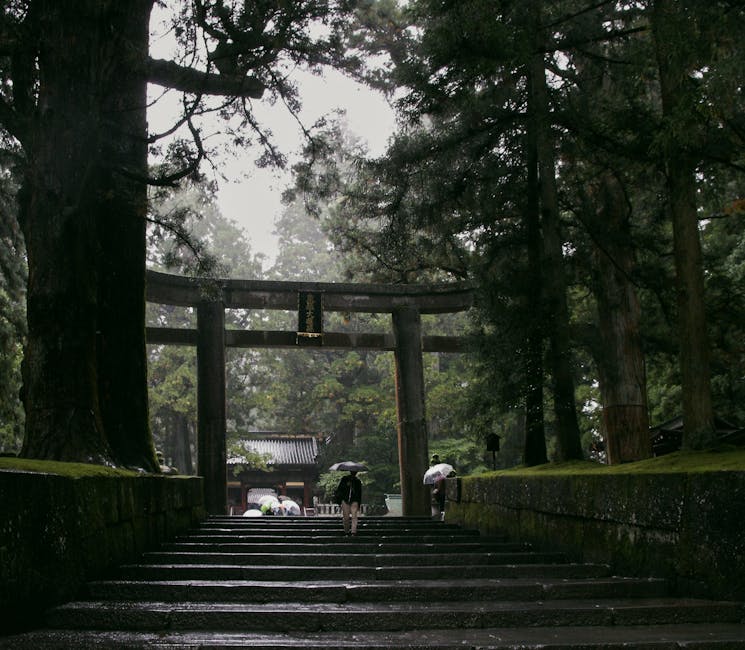
The approach from “Shinko-mon Gate” to the main hall is a mystical space flanked by towering trees on both sides. On early mornings when mist rises, sunlight filters through the canopy in an almost divine display, making visitors feel as if they’ve wandered into another world. In the silence of the precincts, only birdsong and the sound of footsteps on gravel can be heard—a truly luxurious moment of peace.
Spiritual Benefits
Fortune and Business Prosperity
Ajisukitakahikone-no-kami, the enshrined deity, is known as a god governing agriculture and industry. Consequently, an endless stream of visitors come to pray for business success, commercial prosperity, and bountiful harvests. Merchants of Tosa have long prayed at this shrine for business success, and many have achieved great prosperity.
Granting Wishes with a Single Word
Hitokoto-nushi-no-kami is known as the deity who “grants wishes with a single word.” It’s said that rather than complex requests, simple and clear wishes allow you to receive the maximum divine blessing. Try visiting with a single-word wish in your heart—”success,” “health,” or “good fortune.”
Protection from Misfortune
Ajisukitakahikone-no-kami, with divine powers of protection from lightning, is also believed to have the power to guard against disasters. Many visitors come for yakuyoke (purification from bad luck during unlucky years) and hoiyoke (protection when moving or building a new home), reflecting the deep-rooted faith among the people of Tosa.
Visitor Testimonials
“I visited when I decided to change careers. I made just one simple wish to Hitokoto-nushi-no-kami for ‘good connections,’ and the very next month, I received an offer from my ideal company.” (40s, Male, Kochi City)
“The moment I entered the grounds, I felt the air change. After praying, my mind felt strangely clear, and what had been troubling me seemed trivial.” (30s, Female, Osaka)
Best Times to Visit
Spring (March-May) ★★★★★
Late March to early April, when the cherry blossoms are in full bloom, is one of the most beautiful seasons. About 100 Somei-Yoshino cherry trees burst into flower, creating a stunning contrast with the Important Cultural Property buildings. The regular festival is held in April, offering a chance to observe sacred rituals. The mild climate makes this the ideal season for worship.
Summer (June-August) ★★★★☆
The “Shinane Festival” held on August 24th and 25th is one of Tosa’s three great festivals. “Shinane” means “festival of the rice deity,” an important ritual praying for abundant harvests. Many visitors from both within and outside the prefecture come during this period, so be prepared for crowds. The summer grounds are surprisingly cool thanks to abundant shade from the trees.
Autumn (September-November) ★★★★★
Mid to late November, when the camphor and ginkgo trees begin to change color, is highly recommended. Tourist numbers are relatively low, allowing for peaceful worship. On clear autumn days, the contrast between the blue sky and shrine buildings is beautiful, perfect for photography.
Winter (December-February) ★★★★☆
While New Year’s visits bring many worshippers, the quiet returns after mid-January. Thanks to Kochi’s mild climate, even mid-winter is relatively comfortable, and worship in the crisp air brings a sense of clarity and focus.
Recommended Times of Day
- Early Morning (6:00-8:00): Few visitors; enjoy the mystical, mist-shrouded grounds almost to yourself
- Mid-Morning (9:00-11:00): Shrine office is open for goshuin (shrine stamps) and amulets
- Afternoon (14:00-16:00): Beautiful dappled sunlight through the trees
- Evening (Around 17:00): The shrine buildings bathed in sunset create a solemn atmosphere
Worship and Visitor Guide
Basic Worship Etiquette
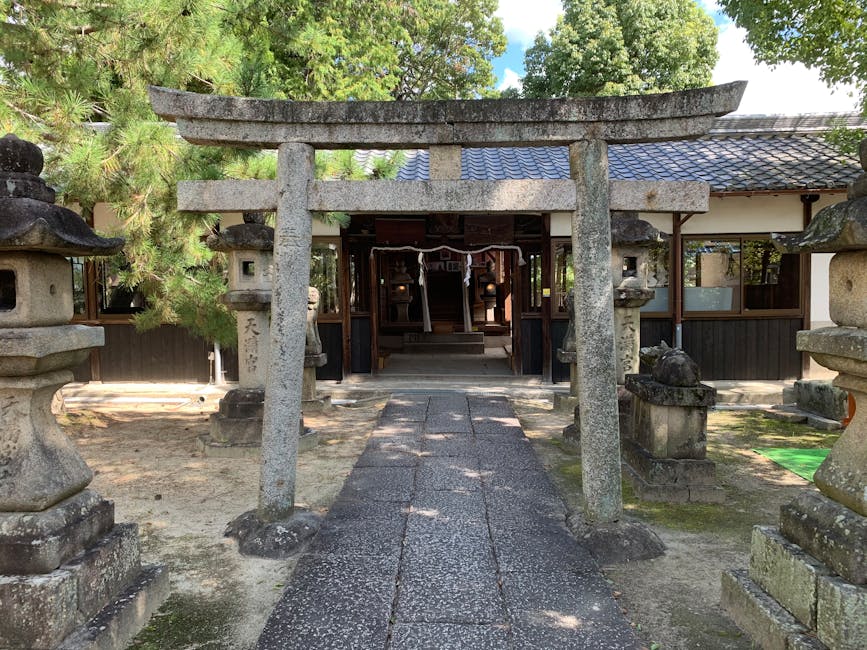
1. Before Passing Through the Torii: Bow once before passing through. Walk along the edges of the approach, as the center is considered the path of the gods.
2. Purification at the Temizuya: Take the ladle in your right hand and rinse your left hand. Switch hands and rinse your right. Take the ladle in your right hand again, pour water into your left palm, rinse your mouth, then stand the ladle upright to let water run down the handle to purify it.
3. Worship at the Haiden: Place your offering in the box, ring the bell, then bow twice, clap twice, and bow once more.
Must-See Highlights
Main Hall, Offering Hall, and Worship Hall (Important Cultural Properties)
Take your time to observe the unique “Iri-tombo-shiki” architectural style. The curves of the main hall’s roof are particularly impressive.
Tsubute Stone
A mysterious conglomerate rock with legends of Empress Jingu. Visitors can touch it, and many try to feel its spiritual power.
Sacred Tree
A massive camphor tree over 400 years old. With a trunk circumference of about 8 meters, its magnificent presence stands as a witness to centuries of history.
Shinane Forest
The sacred grove surrounding the precincts. This forest of approximately 20,000 square meters is home to various native plants and is designated as a Kochi Prefecture Natural Monument.
Amulets and Goshuin Information
- Goshuin: 300 yen. Available at the shrine office from 9:00-16:30
- Hitokoto Mamori: Amulet with the divine blessings of Hitokoto-nushi-no-kami (500 yen)
- Kachi Mamori: Amulet for victory in competitions (500 yen)
- Traffic Safety Amulet: For protection on Tosa’s roads (800 yen)
Basic Information
Access
Address: 2-16-1 Ichinomiya Shinane, Kochi City, Kochi Prefecture 781-8131
By Train/Bus:
- 15-minute walk from JR Dosan Line “Tosa-Ichinomiya Station”
- Tosaden Kotsu Bus “Ichinomiya Jinja-mae” stop, immediate access (about 25 minutes from JR Kochi Station, 360 yen)
By Car:
- About 15 minutes from Kochi Expressway “Kochi IC”
- About 25 minutes from Kochi Ryoma Airport
General Information
- Visiting Hours: Grounds open 24 hours (Shrine office: 9:00-16:30)
- Closed: None
- Admission: Free
- Recommended Time: 30 minutes to 1 hour
- Parking: Free parking available (approximately 50 spaces)
- Official Website: https://tosajinja.i-tosa.com/
- Phone: 088-845-1096
Nearby Attractions and Dining
Nearby Tourist Spots
Chikurin-ji Temple (10 minutes by car)
The 31st temple of the 88 Shikoku Pilgrimage. Famous for its five-story pagoda and beautiful garden, it’s also known as the birthplace of the “Yosakoi” song. Many visitors combine this with Tosa Shrine.
Makino Botanical Garden (15 minutes by car)
A botanical garden commemorating Dr. Tomitaro Makino, the “Father of Japanese Botany.” Home to about 3,000 plant species. Gained attention as the setting for the 2023 NHK morning drama “Ranman.”
Kochi Castle (20 minutes by car)
One of only 12 castles in Japan with an original tower. This famous castle was built by Yamauchi Kazutoyo, and its tower offers panoramic views of Kochi City.
Recommended Restaurants and Cafés
Udon Dokoro Sanuki-an (Near the shrine)
- Genre: Udon and Soba
- Specialties: Nabeyaki Udon (750 yen), Zaru Soba (600 yen)
- Hours: 11:00-14:00
- Closed: Wednesdays
Tosa Ryori Tsukasa Kochi Honten (15 minutes by car)
- Genre: Tosa Cuisine
- Specialties: Straw-grilled Bonito Tataki Set (2,200 yen)
- Hours: 11:30-14:00, 17:00-22:00
- The place to fully enjoy Kochi cuisine
Hirome Market (20 minutes by car)
- Genre: Food Court (about 60 vendors)
- Specialties: Tosa cuisine from various stalls, local sake
- Hours: 10:00-23:00 (varies by vendor)
- A famous Kochi spot where locals and tourists enjoy together
Coffee-kan Ki no Ha (10 minutes by car)
- Genre: Café
- Specialties: House-roasted Coffee (450 yen), Homemade Cake (400 yen)
- Hours: 9:00-18:00
- Perfect for a rest after worship
Local Souvenirs
- Kanzashi: Kochi’s signature sweet with yuzu-flavored bean paste
- Imo-kenpi: Sweet potato snack originating from Kochi
- Tosa Nikki: Traditional Tosa manju (sweet buns)
- Katsuobushi: Traditional Tosa dried bonito flakes
Model Courses
Half-Day Course (About 3 hours)
9:00 Tosa Shrine worship (60 min)
10:00 Chikurin-ji Temple (45 min)
11:00 Makino Botanical Garden (90 min)
12:30 Lunch nearby
Full-Day Course (About 7 hours)
9:00 Tosa Shrine worship (60 min)
10:00 Chikurin-ji Temple (60 min)
11:00 Makino Botanical Garden (120 min)
13:00 Lunch at Hirome Market (60 min)
14:30 Kochi Castle (90 min)
16:00 Shopping at Obiyamachi Shopping Street
Visitor Reviews
“A Shrine with the Weight of History” (50s, Male, Tokyo)
“I stopped by during my Shikoku trip. Learning about the Iri-tombo-shiki architecture for the first time, I was moved by its unique structure. Seeing locals worship so earnestly made me realize how precious this shrine is to the people of Tosa.”
“A Quiet, Peaceful Place” (40s, Female, Hiroshima)
“I visited on a weekday morning and had the place almost to myself. Surrounded by giant trees, the grounds were truly serene, and I felt my spirit being cleansed. The goshuin was written with great care.”
“The Shinane Festival is a Must-See” (30s, Male, Kochi)
“I visit every year for the August Shinane Festival. The mikoshi procession is powerful, conveying the passion of Tosa natives. With many food stalls, it’s a festival enjoyable for children and adults alike.”
Frequently Asked Questions
Q: Does the parking lot get crowded?
A: On regular worship days, there’s plenty of space. However, during the first three days of New Year and the August Shinane Festival, it gets very crowded, so public transportation is recommended.
Q: Can I receive a goshuin?
A: Available at the shrine office from 9:00-16:30. The offering is 300 yen.
Q: Are pets allowed?
A: Pets are not permitted on the shrine grounds.
Q: Is wheelchair access available?
A: The approach paths include gravel sections that may be difficult for wheelchairs. Please contact the shrine in advance.
Q: How long does a visit take?
A: About 30 minutes for just worship at the main hall; allow about 1 hour if leisurely exploring the grounds.
Nearby Power Spots
- [Ishizuchi Shrine](https://k005.net/en/powerspot/ishizuchi-jinja-en/)
- [Kotohira-gu](https://k005.net/en/powerspot/kotohira-gu-2/)
- [Oyamazumi Shrine](https://k005.net/en/powerspot/oyamazumi-jinja-en/)
- [Fushimi Inari Taisha](https://k005.net/en/powerspot/fushimi-inari-day-trip-osaka-en/)
- [Itsukushima Shrine](https://k005.net/en/powerspot/itsukushima-jinja-en/)
Summary
Tosa Shrine has been the spiritual home of Kochi Prefecture residents for over 1,400 years as the Ichinomiya of Tosa Province. From Japan’s only “Iri-tombo-shiki” architecture to the 400-year-old sacred tree and the legendary Tsubute Stone, there is no shortage of attractions.
The divine blessing of Hitokoto-nushi-no-kami to “grant wishes with a single word” has encouraged countless people with simple, clear wishes. Both the warlord Chosokabe Motochika and the samurai Sakamoto Ryoma prayed at this guardian shrine of Tosa—why not entrust your own wish to this sacred place?
Just 15 minutes by car from central Kochi City, the shrine is easily accessible. Combined with visits to Chikurin-ji Temple and Makino Botanical Garden, you can enjoy a full day immersed in Tosa’s history and nature.
—
Want to Find Your Ideal Power Spot?
Beyond this location, Japan has countless power spots waiting to be discovered. If you’d like to find the power spot that matches you best, try our free compatibility diagnosis (takes only 3 minutes).
→ [Take the Free En-Profile Diagnosis](https://enguide.info)
—
*Information in this article is current as of January 2025. Please check the official website for the latest information before your visit.*
あなたに最適なパワースポットを知りたい方へ