Find Your Guide
| If you are… | Read this guide |
|—————|—————–|
| Onmyoji/FGO/anime fan | [Onmyoji Fan Pilgrimage Guide](/en/powerspot/seimei-shrine-onmyoji-pilgrimage-en/) |
| Interested in history & blessings | Continue reading below |
—
Seimei Shrine, dedicated to Abe no Seimei—the most powerful onmyoji (yin-yang master) of the Heian period—is known as one of Kyoto’s premier power spots for warding off evil. Located beside Ichijo Modori Bridge on the site of Seimei’s former residence, this shrine attracts approximately 500,000 visitors annually seeking protection from evil and misfortune.
The grounds, featuring the five-pointed star (Seimei Kikyo) as its symbol, are dotted with attractions related to onmyodo (the way of yin and yang), including the “Seimei Well” said to have been made to spring forth by Seimei’s spiritual powers, and stone statues of shikigami (spirit servants). With the popularity of Abe no Seimei surging through films, dramas, and manga, the shrine has gained passionate support from younger generations as well.
Conveniently located within walking distance of Kyoto Imperial Palace, it’s easy to combine with other tourist attractions. Won’t you experience the power of this legendary onmyoji that continues to captivate people across a thousand years?
The Allure of This Sacred Site
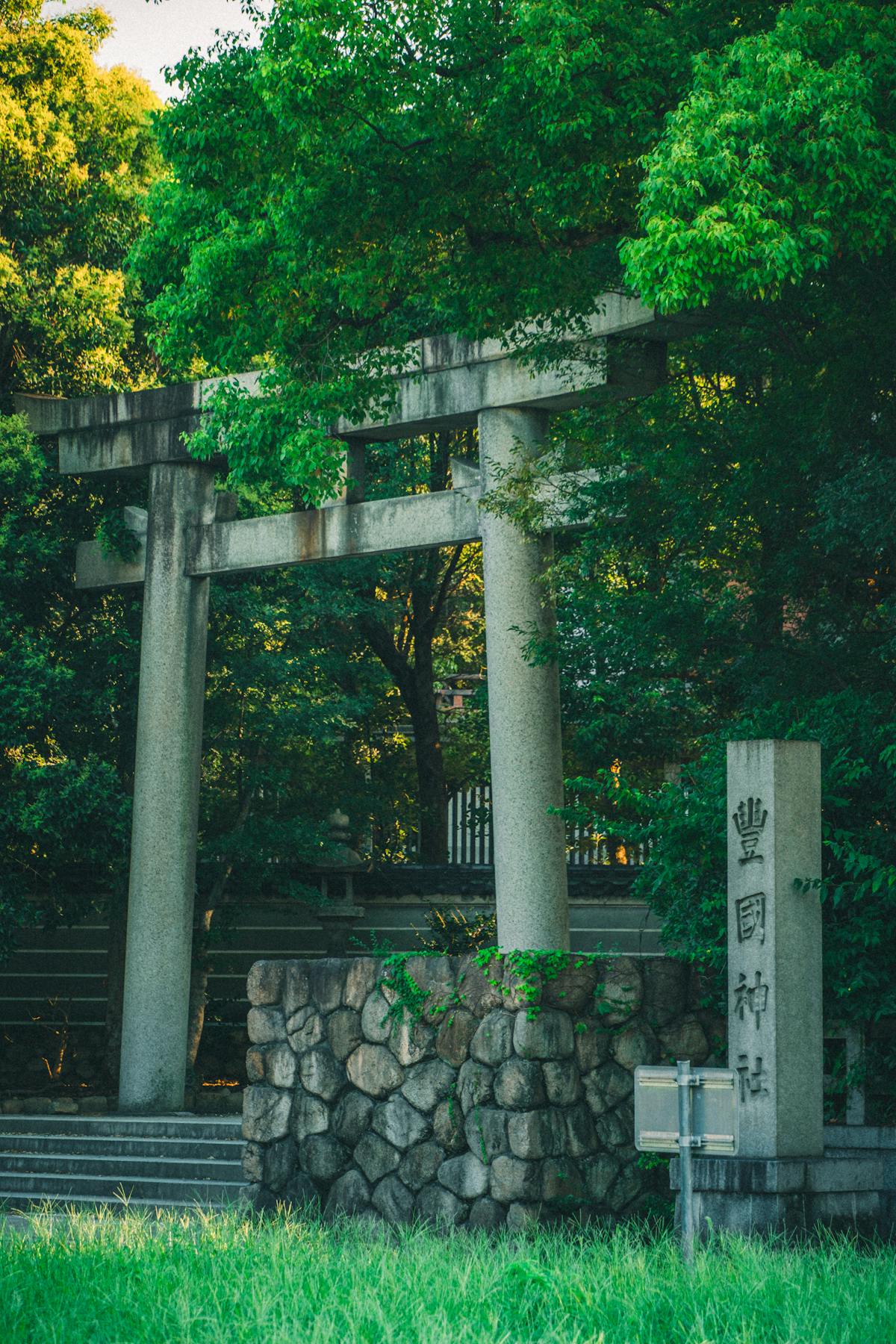
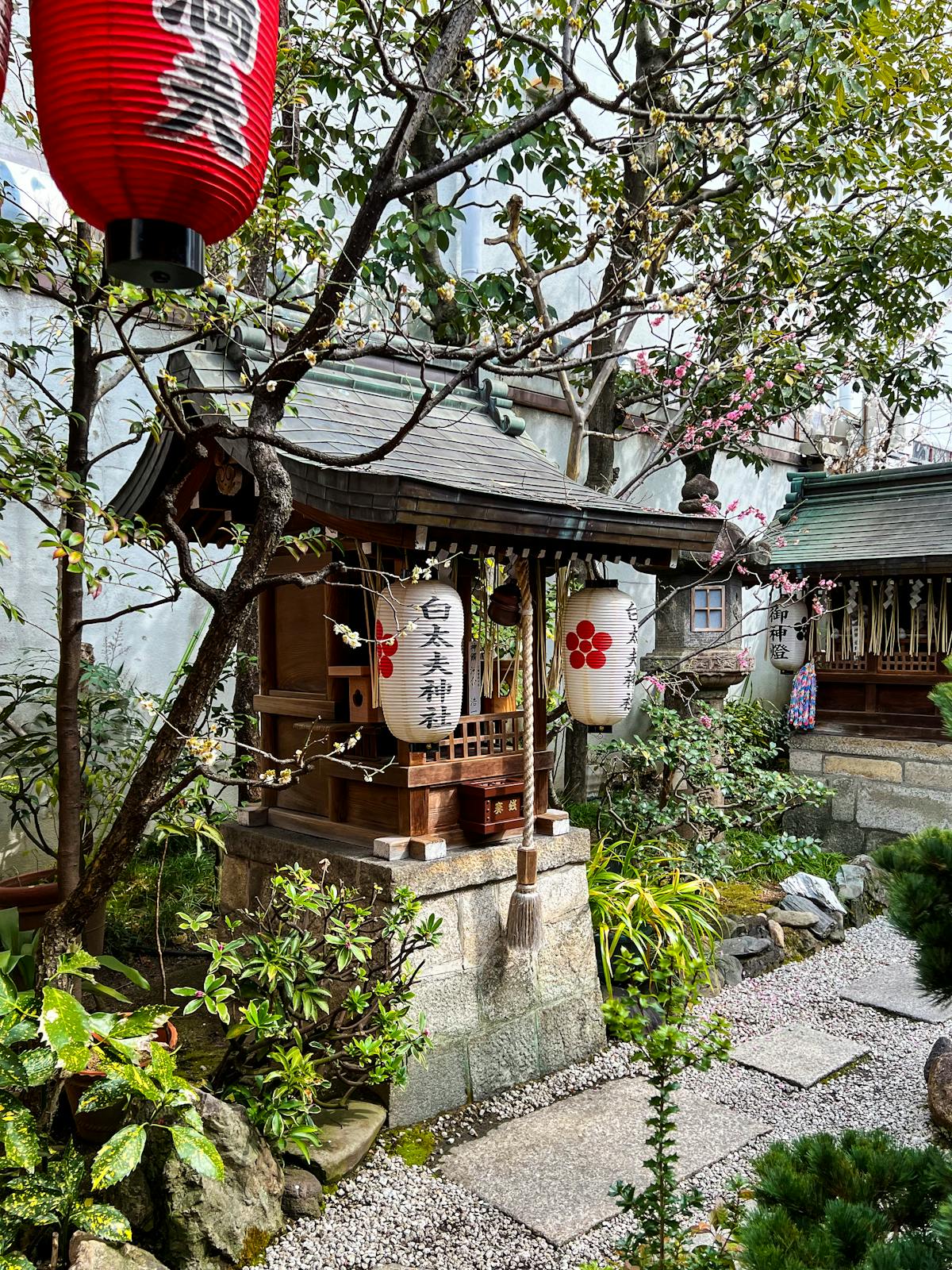
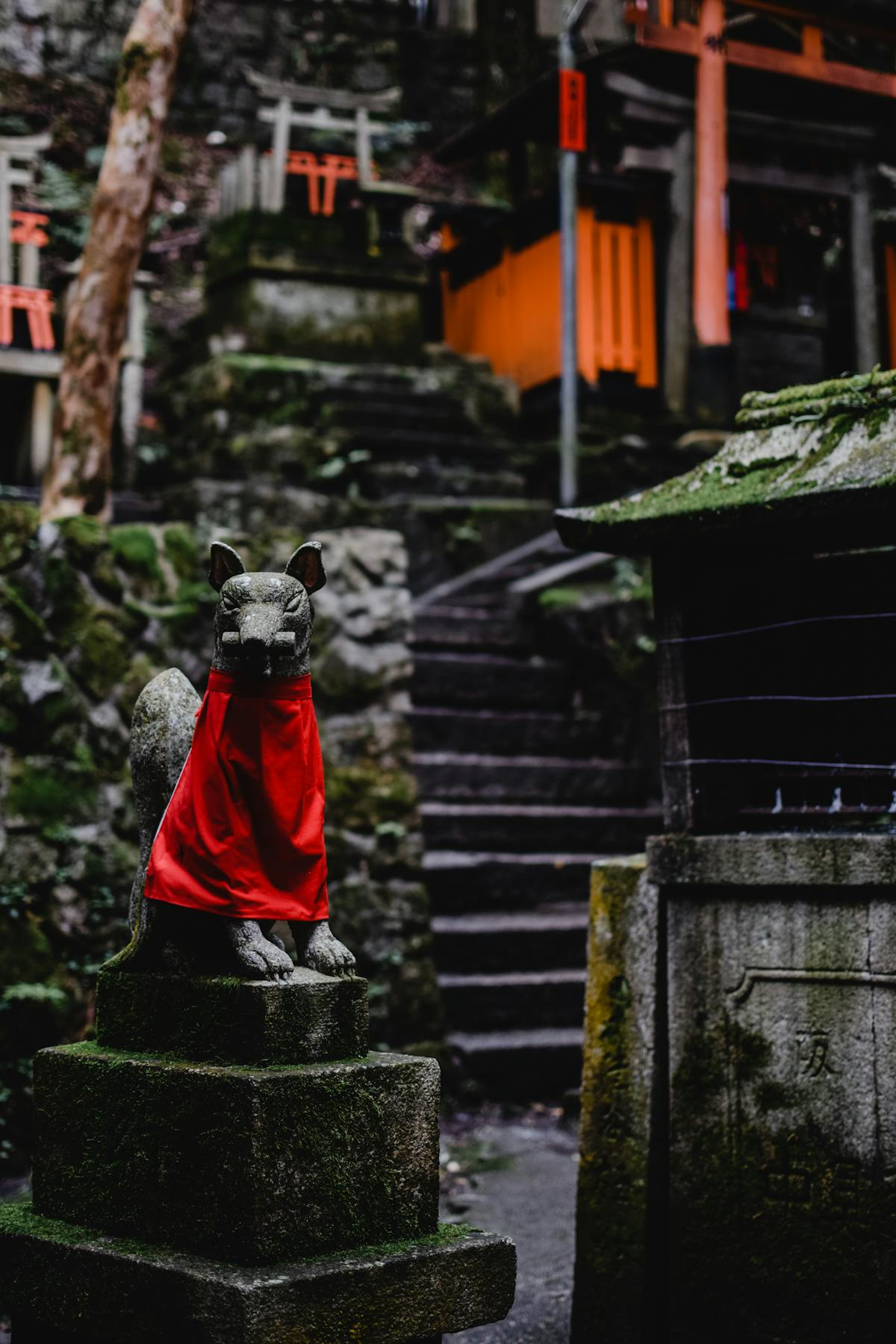
Seimei Shrine was founded in 1007 (Kanko 4) by order of Emperor Ichijo on the site of Abe no Seimei’s residence. Abe no Seimei (921-1005) was an onmyoji active during the mid-Heian period, well-versed in astronomy, calendar science, and divination, serving for many years in the imperial court’s Onmyoryo (Bureau of Yin and Yang). Seimei is surrounded by numerous legends. He is said to have possessed spiritual powers from childhood and could freely control demons and shikigami. Particularly famous are his prediction of Emperor Kazan’s abdication through divination, his prayers to dispel epidemics, and his healing of Emperor Ichijo’s illness. His mystical powers have been passed down as the “Seimei Legends.” The shrine fell into disrepair during the Onin War (1467-1477) but was restored during the Edo period. In recent years, the hit film “Onmyoji” (2001) and Abe no Seimei’s popularity in manga and games have drawn worshippers from across the nation. At the entrance to Seimei Shrine stands a torii gate displaying the five-pointed star known as the “Seimei Kikyo.” This pentagram is considered a symbol of protection against evil in onmyodo and can be seen throughout the grounds. Upon entering the grounds, visitors first encounter the “First Torii” and “Second Torii.” Passing through the Second Torii, stone statues of shikigami—spirit servants said to have been commanded by Seimei—greet visitors. Legend has it that these shikigami normally hid beneath the bridge. The main hall, while relatively small, exudes a solemn atmosphere. The worship hall displays a portrait of Seimei, whose sharp gaze watches over worshippers. Within the grounds stands a sacred tree approximately 300 years old, with power said to dwell at its roots. Seimei Shrine’s greatest highlight is the “Seimei Well.” This well, said to have been made to spring forth by Seimei’s spiritual powers, is believed to be particularly efficacious for healing illness. The well’s water outlet faces that year’s lucky direction (eho) and is changed annually at the beginning of spring (Risshun). “Ichijo Modori Bridge” is also not to be missed. While the current bridge is a small reconstruction within the grounds, the actual Ichijo Modori Bridge is located approximately 100m south of the shrine. This bridge is legendary as a place where “the dead return to life” and was known as the place where Seimei hid his shikigami. Additionally, the grounds contain a statue of the yakuyoke (evil-warding) peach. Peaches have been considered to have protective powers against evil since ancient times, and rubbing this statue is said to remove misfortune. It’s a popular spot with visitors often forming lines.Architecture and Natural Features
What Makes This Spot Special
Spiritual Benefits and Effects
Protection from Evil and Misfortune: Seimei Shrine’s greatest blessing. Through the power of Seimei, who defeated demons as an onmyoji, worshippers are believed to be protected from calamities. Healing from Illness: The water from Seimei Well has long been considered effective for curing diseases, and many people come to draw water. Direction Protection (Kata-yoke): Blessings to ward off directional disasters when moving or traveling—a blessing unique to Seimei as an expert in onmyodo. Academic Success and Exam Passing: Many students pray for academic improvement, following the example of Seimei who was versed in astronomy and calendar science. Breaking Bad Ties: The shrine is also known for cutting off bad relationships and attracting good ones. Seimei Shrine is a place filled with energies of “purification” and “protection.” The power of Seimei, who has been worshipped as a deity of protection against evil for over a thousand years, is said to dispel negative energy from visitors’ bodies and minds, filling them with pure energy. The five-pointed star (Seimei Kikyo) motif is particularly a powerful symbol of evil-warding. Many worshippers report feeling the air change the moment they enter the grounds. Many voices report feeling lighter when visiting during times of worry or trouble with personal relationships. “I visited when troubled by workplace relationships. After rubbing the yakuyoke peach and purifying my hands with Seimei Well water, I mysteriously felt lighter. Later, the person causing problems was transferred, and the environment greatly improved.” (Woman in her 30s, Osaka) “I came for exam prayers before my entrance exams. Praying to benefit from Seimei’s wisdom, I performed beyond my abilities on the actual test. I still treasure the amulet.” (Man in his 20s, Hyogo)The Unique Energy of This Site
Visitor Testimonials
Best Times to Visit
Cherry blossoms within the grounds bloom beautifully. Peak viewing is early April. Temperatures of 15-22°C (59-72°F) are ideal for strolling. Golden Week is crowded; weekdays recommended. Preparation period for the “Seimei Festival” near the autumn equinox in September. Temperatures often exceed 30°C (86°F) and it’s hot, but early morning worship is cool and refreshing. The Summer Purification (Nagoshi no Oharae) on June 30 features walking through a chinowa (grass ring) to remove misfortune. The “Seimei Festival” (around the autumn equinox in September) is the year’s greatest ritual. Mikoshi processions and kagura performances are held. Autumn foliage is mid to late November. Temperatures of 15-22°C (59-72°F) are ideal for worship. At Risshun (around February 4), there is a ritual to change the direction of Seimei Well, and water drawn on that day is said to be particularly efficacious. Temperatures 2-10°C (36-50°F); dress warmly. Approximately 30,000 visitors come for New Year worship. Early Morning (9:00-10:00 AM): Just after opening, there are few visitors, allowing worship in a quiet atmosphere. Morning (10:00 AM-Noon): Amulet office is open; ideal for obtaining goshuin and charms. Afternoon (2:00-4:00 PM): Tour groups increase during this time. Lines may form at the yakuyoke peach. Late Afternoon (4:00-6:00 PM): Tends to clear out before closing. Evening sun beautifully illuminates the grounds.
Recommendation: ★★★★☆Summer (June–August)
Recommendation: ★★★☆☆Autumn (September–November)
Recommendation: ★★★★★Winter (December–February)
Recommendation: ★★★★☆Best Times of Day
Visitor’s Guide
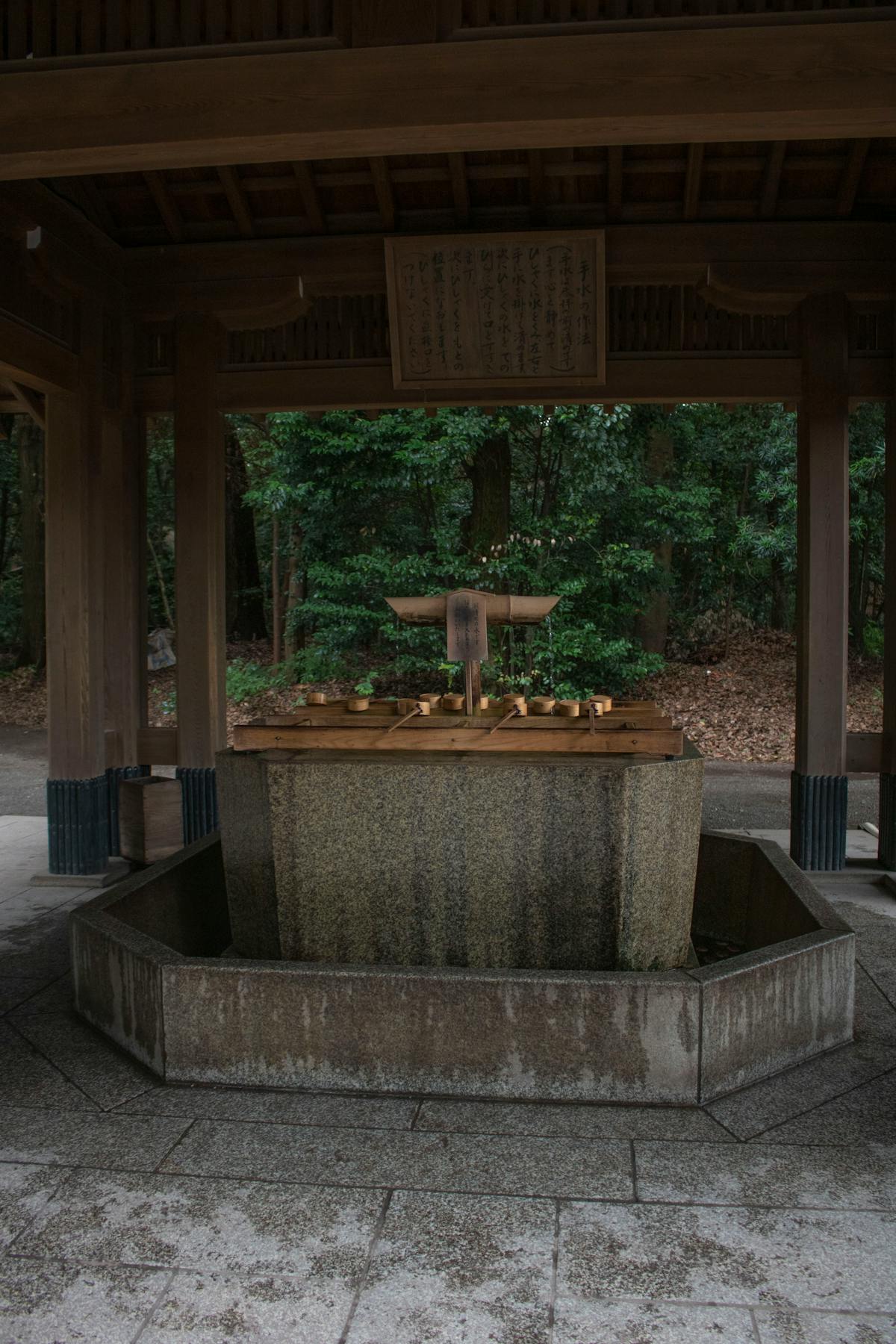
1. Passing Through the Torii: Bow once before entering and walk along the edge. Be sure to look up at the five-pointed star on Seimei Shrine’s torii. 2. Purification at the Temizuya: Take the ladle in your right hand to rinse your left, switch hands to rinse your right, switch again to pour water into your cupped left palm for rinsing your mouth, then rinse the ladle handle. 3. Worship: Two bows, two claps, one bow. At Seimei Shrine, it is considered good to silently recite your worries and wishes for protection from evil. Recommended Order: Goshuin Information: Popular Amulets:Highlights and Recommended Route
1. Pass through First Torii and Second Torii
2. Purify at temizuya
3. View shikigami stone statues
4. Worship at main hall
5. Draw water from Seimei Well (drinkable)
6. Rub the yakuyoke peach
7. Pay respects at the sacred tree
8. Receive charms at the amulet office
Dress Code and Items to Bring
Basic Information
Address: 806 Seimei-cho, Kamigyo-ku, Kyoto City, Kyoto Prefecture Train & Bus: By Car:
Visiting Information
Area Information
Kyoto Imperial Palace (15-min walk) Kitano Tenmangu Shrine (10 min by bus) Nishijin Textile Center (10-min walk) Nijo Castle (15 min by bus) Demachi Futaba (15-min walk) Tori-iwaro (10-min walk) Toraya Karyo Kyoto Ichijo (5-min walk) Sarasa Nishijin (12-min walk) Half-Day Course (Approximately 4 hours) Full-Day Course (Approximately 7 hours)
Former residence of the Emperor. The vast grounds can be freely explored, with beautiful cherry blossoms in spring and autumn foliage. No reservation required for viewing (free).
Shrine dedicated to Sugawara no Michizane, the god of learning. Bustling with students during exam season. Also famous for plum blossoms.
Facility for learning about Kyoto’s traditional Nishijin weaving industry. Kimono shows and weaving experiences available.
World Heritage Site built by Tokugawa Ieyasu. The “nightingale floors” and Kano school wall paintings are must-sees.Recommended Restaurants
Souvenirs
Model Itineraries
10:00 AM Seimei Shrine worship (40 min)
10:50 AM Walk to Kyoto Imperial Palace
11:00 AM Kyoto Imperial Palace stroll (60 min)
12:15 PM Buy mamemochi at Demachi Futaba
12:30 PM Lunch along Kamo River
2:00 PM Shimogamo Shrine worship
9:30 AM Seimei Shrine worship (40 min)
10:30 AM Bus to Kitano Tenmangu
10:50 AM Kitano Tenmangu worship (50 min)
12:00 PM Lunch in Kamishichiken
1:30 PM Kinkaku-ji worship (60 min)
3:00 PM Ryoan-ji worship (45 min)
4:30 PM Ninna-ji worship
5:30 PM Randen train toward Shijo area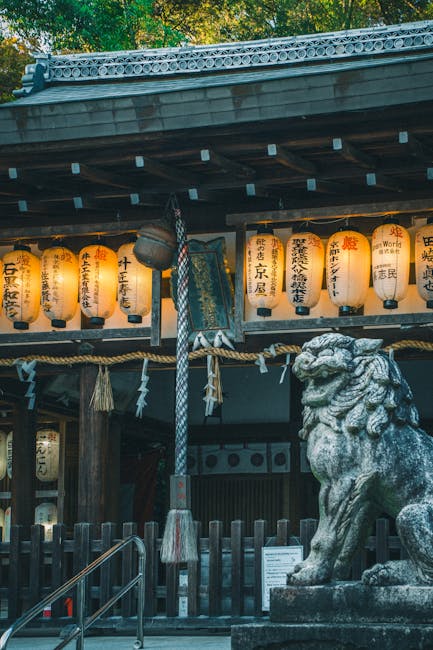
Visitor Reviews and Experiences
“Safely Got Through My Unlucky Year” (Man in his 40s, Tokyo)
“I visited at the start of my unlucky year and received a yakuyoke charm. That year did have difficulties, but I avoided major disasters and got through safely. I returned the following year to express gratitude.”
“Bad Ties Were Cut” (Woman in her 30s, Kyoto)
“When suffering from stalker harassment, I visited in desperation. I received an enkiri (tie-cutting) charm and prayed daily, and the person ended up moving far away, resolving the problem.”
“Holy Ground for Onmyoji Fans” (Woman in her 20s, Kanagawa)
“I learned about Abe no Seimei from manga and visited as a pilgrimage. Though smaller than expected, the space surrounded by five-pointed stars had a unique atmosphere. I took photos in front of the shikigami statues.”
Frequently Asked Questions
Q: Are reservations required?
A: No reservations needed for regular worship. Advance reservations recommended for prayer services.
Q: Can you drink the Seimei Well water?
A: Yes, it’s drinkable. Many people bring bottles to take water home.
Q: Are goshuin books sold?
A: Yes, original goshuin books featuring the five-pointed star (¥2,000) are popular.
Q: Is wheelchair access available?
A: The grounds have few steps and are mostly barrier-free.
Q: How long does it take to visit?
A: About 30 minutes for worship only. Including goshuin waiting and photography, about 1 hour is a good estimate.
Summary
Seimei Shrine, dedicated to Abe no Seimei—the most powerful onmyoji of the Heian period—is one of Kyoto’s premier power spots for warding off evil. The grounds, protected by the five-pointed star (Seimei Kikyo), feature unique attractions related to onmyodo including Seimei Well, the yakuyoke peach, and shikigami stone statues.
The blessings of protection from evil and misfortune have not faded across a thousand years and are believed to protect modern visitors from worries and calamities. Worshippers with various concerns visit—relationship troubles, health issues, exam and work worries, and more.
Conveniently located within walking distance of Kyoto Imperial Palace, it’s easy to combine with other tourist attractions. Please visit to experience the power of this legendary onmyoji.
—
Want to discover the power spot that’s right for you?
Beyond this location, Japan is home to countless power spots. To find the one most suited to you, try our free compatibility assessment (takes just 3 minutes).
→ [Take the Free En Profile Assessment](https://enguide.info)
—
*Information in this article is current as of December 2025. Please verify the latest details via the official website before visiting.*
💡 あなたに最適なパワースポットを知りたい方は
無料の相性診断をお試しください(3分で完了)
📚 この記事を読んだ方におすすめ
※ 関連記事はWordPress管理画面で設定してください