Sefa Utaki: The Supreme Sacred Site of the Ryukyu Kingdom
Sefa Utaki (斎場御嶽), nestled in the lush forests of Nanjo City in southern Okinawa, stands as the most sacred site of the ancient Ryukyu Kingdom. So revered was this place that even kings approached it with fear and reverence. In 2000, it was inscribed as a UNESCO World Heritage Site as part of the “Gusuku Sites and Related Properties of the Kingdom of Ryukyu.”
The word “utaki” refers to sacred sites in Ryukyuan spiritual belief, and Sefa Utaki holds the highest position among all such places. This was where the Kikoe-okimi, the highest-ranking priestess of the Ryukyu Kingdom, underwent her inauguration ceremony—making it the spiritual center of Ryukyuan faith.
As you step into this forest sanctuary, you’re immediately embraced by an atmosphere unchanged for centuries: dappled sunlight filtering through the canopy, moss-covered stone paths beneath your feet, and the distant sound of ocean waves. To this day, local people continue to protect and pray at this site, making it not merely a tourist attraction but a “living sanctuary” that still breathes with spiritual significance.
The Allure of This Sacred Site
![Sefa Utaki | Complete Guide to Okinawa’s Most Sacred Power Spot [UNESCO World Heritage, Access & Nearby Attractions] – Image 1](https://k005.net/wp-content/uploads/2025/12/pixabay-6584637-2.jpg)
![Sefa Utaki | Complete Guide to Okinawa’s Most Sacred Power Spot [UNESCO World Heritage, Access & Nearby Attractions] – Image 1](https://k005.net/wp-content/uploads/2025/12/pixabay-6584637.jpg)
The history of Sefa Utaki is believed to stretch back beyond the 14th century, predating the unification of the Ryukyu Kingdom. After the kingdom’s consolidation in the 15th century, it served as the central site for national rituals and ceremonies.
The deity worshipped here is Amamikiyo, a goddess from Ryukyuan creation mythology. Amamikiyo descended from the heavens and is said to have created the islands of Ryukyu. Sefa Utaki is believed to be the very place where this creation deity first touched down on earth.
Particularly significant is Sefa Utaki’s role within the Ryukyu Kingdom’s political-religious system. Ryukyu had a unique belief in “onari-gami” (sister spirits), where female priestesses protected the spiritual power of the male king. The fact that the inauguration ceremony of the Kikoe-okimi—the highest-ranking of these priestesses—was held here speaks to the immense spiritual importance of this place.
Sefa Utaki comprises six major sacred areas called “ibi,” each possessing distinct spiritual roles. Visitors follow a designated path to experience each sacred space in sequence.
The journey begins at “Ujō-guchi,” the gate to the sacred realm. Here, visitors compose their minds and proceed with reverence into the forest. The stone-paved path stretches approximately 300 meters, gently ascending and descending through the deep woodland.
“Yuinchi” is the first prayer spot, featuring a small clearing before a rock formation where many visitors offer their prayers. The contrast between the white Ryukyuan limestone and the deep green vegetation covering it creates a striking impression.
Most famous is “Sangui” (Three Storehouses)—a triangular space naturally formed by massive Ryukyuan limestone, from which the sacred island of Kudaka can be seen in the distance. Standing beneath the approximately 10-meter-high rock formations with light streaming through the gap, gazing at the mystical distant view of Kudaka Island—regarded as the island of the gods—leaves visitors speechless. This is also a place where prayers are offered while looking toward Kudaka Island in the distance.
“Ufugui” (Great Storehouse) sits adjacent to Sangui, also offering views of Kudaka Island. This is said to be where rain-invoking rituals were performed.
Deepest within lies the “Shikiyodayuru and Amadayuru Pots,” two vessels symbolizing abundance and the source of life, from which sacred water once flowed.
Finally, “Chō-no-hana” represents the most sacred precinct of Sefa Utaki. Ordinary visitors cannot enter this special place where only designated priestesses may offer prayers.
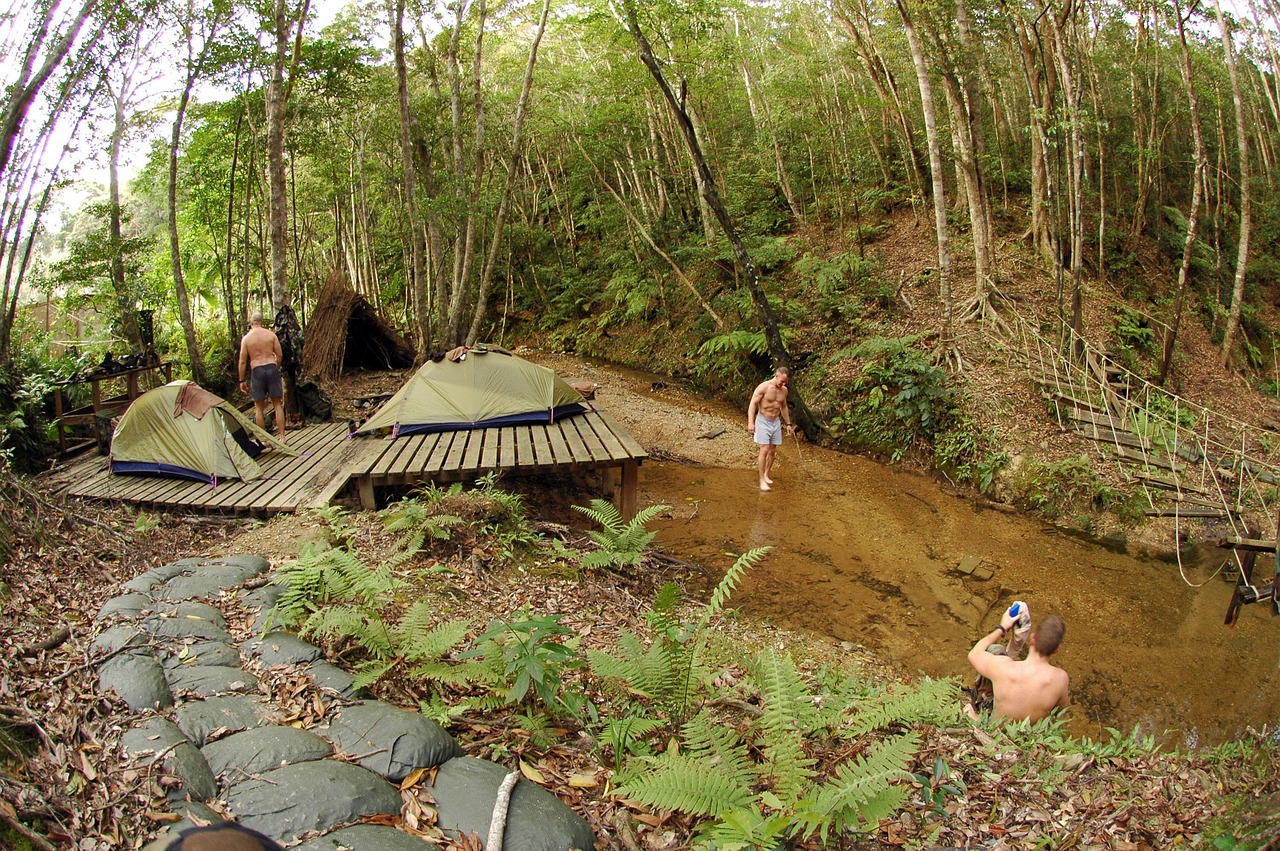
What makes Sefa Utaki unique is that the sacred space is formed not by buildings but by nature itself. Massive Ryukyuan limestone boulders, covered with banyan trees and ferns, carpeted with moss underfoot, and adorned with subtropical plants along the pathways.
Particularly striking is the green moss covering the rock surfaces and the ferns peeking through. Okinawa’s humid climate creates this distinctive landscape, where stone and greenery have merged as if nature itself has been protecting the sanctuary through the ages.
Along the pathways, centuries-old banyan trees extend their roots to embrace the rocks. Their canopy shields visitors from Okinawa’s intense sunlight, maintaining a pleasant coolness within the forest.
Depending on the season, you may spot small wildflowers blooming beside the path or colorful wild birds flitting between the trees. Early morning visits are particularly special, when only birdsong and ocean waves break the silence, allowing you to feel at one with nature.
Spiritual Benefits and Blessings
As the most sacred site of the Ryukyu Kingdom and the landing place of the creation goddess Amamikiyo, Sefa Utaki is believed to possess the “power of beginnings”—the source of all blessings.
Traditional blessings associated with this site include good fortune and protection from misfortune. It’s said to be particularly beneficial when embarking on new ventures or at life’s turning points. Since ancient times, Ryukyuan people have offered prayers here before making important decisions.
Marriage blessings and finding good relationships are also famous. As the place where the Kikoe-okimi and other priestesses offered prayers during the Ryukyu Kingdom era, women’s wishes are said to be especially well-received here. This applies not only to romantic relationships but also to beneficial connections in work and friendship.
Family safety and prosperity of descendants represent another important blessing. As Amamikiyo is the creator of the Ryukyu islands and people, she is believed to bestow the power of life’s source and prosperity.
Fulfillment of sincere wishes is also known as one of the blessings. As a site where national ceremonies of great importance were conducted, earnest prayers are believed to receive particularly powerful support.
Many visitors to Sefa Utaki speak of energies of “purification” and “renewal.”
Standing in the rock-enclosed spaces amid the deep forest silence, many feel their anxieties and mental clutter being washed away. Particularly when standing in the gap of Sangui’s rocks gazing at distant Kudaka Island, visitors often realize how small their worries are in the grand flow of nature and history.
The site is also said to possess strong energy for “new beginnings.” Given its origins as the landing place of the creation deity, it’s known as a place that grants courage to start something new and the determination to take that first step.
“The moment I entered the forest, I felt the air change. The heaviness in my heart lifted, and tears naturally began to flow.” (30s, Female, Tokyo)
“When I saw Kudaka Island from Sangui, a conviction welled up inside me: ‘This is the right path.’ That moment gave me the courage to decide on a career change I’d been agonizing over for a year.” (40s, Male, Osaka)
“It’s a place where my heart finds peace. Whenever I travel to Okinawa, I make sure to visit. Coming here, I feel like I can reconnect with myself.” (50s, Female, Kanagawa)
Best Times to Visit
Spring is the most comfortable season for visiting Sefa Utaki. Temperatures range from 20-25°C (68-77°F) with relatively low humidity, making the walk through the forest pleasantly cool.
From April to May, fresh greenery adorns the forest with vibrant shades. Early morning visits around 6 AM are recommended, when you might encounter the mystical sight of morning mist enveloping the forest.
Crowds are relatively sparse, and except for Golden Week, you can worship in peace. However, the holiday period brings more tourists, so weekday mornings are best.
During this season, traditional Ryukyuan rituals are sometimes performed. If lucky, you may be able to observe local people offering prayers from a respectful distance (general access is restricted during ceremonies).
June marks the rainy season. With frequent rain, the paths become slippery, so caution is needed. However, the forest after rain sparkles with vivid green moss, creating a uniquely mystical atmosphere.
July through August sees temperatures exceed 30°C (86°F) with very high humidity. Avoid midday visits; early morning (5:30-7:00 AM) right after opening or late afternoon (after 4:00 PM) is recommended. Though the forest provides shade, you’ll sweat considerably walking the paths, so hydration is essential.
Summer shows Kudaka Island at its most beautiful, with the ocean visible from Sangui displaying exceptional blue hues. On clear days, the sacred island floating in the cobalt blue sea appears remarkably vivid.
Tourist season brings crowds from 9 AM onward. Particularly avoid the 10 AM – 2 PM window.
Autumn rivals spring as the ideal season for visiting Sefa Utaki. September retains summer heat, but October through November sees temperatures drop to around 25°C (77°F), becoming very pleasant.
During typhoon season (September to early October), the path may close during severe weather, so advance confirmation is necessary. Conversely, on clear days following typhoons, the air becomes crystal clear and Kudaka Island appears sharper than usual.
November brings autumn sensations even to Okinawa, with comfortable breezes flowing through the forest. Tourist numbers decrease somewhat, allowing for more peaceful visits.
Early morning through mid-morning (7:00-10:00 AM) offers the most comfortable conditions during this period.
While Okinawa’s winter is mild compared to mainland Japan, temperatures drop to 15-20°C (59-68°F). The forest feels even cooler, so bring a light jacket.
This is the season with the fewest tourists, making peaceful worship the greatest advantage. On weekdays, you might have Sangui entirely to yourself.
From December to January, strong north winds occasionally blow. Many clear days offer crisp views of Kudaka Island—winter’s uniquely clear scenery.
New Year sees local people also visiting for worship, creating some crowds, but it remains far quieter than mainland Japan’s New Year shrine visits.
Early Morning (5:30-7:00 AM): Experience the most sacred atmosphere in post-opening silence. Morning sunlight streaming into the forest creates mystical scenes. With few people, you can take your time.
Morning (7:00-10:00 AM): Relatively cool with beautiful lighting. Aim for before tour groups arrive.
Midday (10:00 AM-3:00 PM): Peak crowding. Particularly hot in summer—best avoided.
Afternoon (3:00-5:30 PM): Soft afternoon light illuminates the forest differently from morning. Note closing time.
Worship and Visiting Guide
Sefa Utaki is first and foremost a “living sanctuary” where local people still offer prayers, before being a tourist attraction. The most important thing when visiting is to approach with respect and humility appropriate for a sacred place.
The pamphlet distributed at the entrance ticket booth contains important guidelines—please read it thoroughly. Never enter areas marked “Off Limits.”
Regarding menstruating women, while restrictions existed in the past, worship is now generally permitted. However, access may be restricted during certain religious ceremonies.
Reception (5 minutes): Pay the 300 yen entrance fee at the Sefa Utaki entrance next to Ganjū Station Nanjo (regional products center). Receive your pamphlet and review the guidelines.
From Entrance to Ujō-guchi (5 minutes): Walk the gentle slope from the parking area to “Ujō-guchi,” the entrance to the sacred path. Calm your mind and prepare to enter sacred space.
Walking the Sacred Path (10-15 minutes): Follow the stone-paved path winding through the forest. The path is narrow with some rocky sections, so watch your step. Walk slowly and absorb the surrounding nature.
Prayer at Each Ibi (15-20 minutes):
- At Yuinchi, quietly bring your hands together before the rocks
- At Sangui, gaze at Kudaka Island through the rock gap and offer heartfelt prayers
- Similarly offer prayers at Ufugui
- At each prayer spot, be courteous and share space with other visitors
Return Path (10 minutes): Return the way you came. The path is not one-way, so yield to those passing.
Total time: approximately 40-50 minutes for unhurried worship.
Ryukyuan utaki have unique customs different from shrines or temples.
Basic Posture:
- When praying, quietly bring hands together at chest level
- Do NOT clap hands (unlike at Shinto shrines)
- Silently offer your wishes in your heart
- After prayer, bow once and proceed
Photography:
- Landscape photography along the path and at Sangui is permitted
- Never photograph people who are praying
- Always respect areas marked “No Photography”
- When posting on social media, maintain appropriate respect
Other Etiquette:
![Sefa Utaki | Complete Guide to Okinawa’s Most Sacred Power Spot [UNESCO World Heritage, Access & Nearby Attractions] – Image 2](https://k005.net/wp-content/uploads/2025/12/pixabay-4404706-2.jpg)
![Sefa Utaki | Complete Guide to Okinawa’s Most Sacred Power Spot [UNESCO World Heritage, Access & Nearby Attractions] – Image 2](https://k005.net/wp-content/uploads/2025/12/pixabay-4404706.jpg)
- No loud talking (especially quiet at prayer spots)
- Don’t climb rocks or pick plants
- Take all trash with you
- No smoking or eating except in designated areas
- No pets allowed
What to Wear and Bring
Recommended Attire:
- Comfortable sneakers or hiking shoes (no heels or leather shoes)
- Comfortable, modest clothing (avoid excessive exposure)
- Hat (essential in summer)
- Sun protection
What to Avoid:
- Sandals, beach sandals (slipping hazard on rocks)
- Mini skirts, short shorts (many mosquitoes along paths)
- Flashy accessories
Useful Items to Bring:
- Drinking water (essential in summer)
- Small towel (for sweat)
- Insect repellent (summer)
- Rain gear (folding umbrella or rain jacket)
- Plastic bag (for wet items)
Essential Information
Address: 539 Chinen Kudeken, Nanjo City, Okinawa 901-1511
By Car:
- Approximately 50 minutes from Naha Airport
- Approximately 30 minutes from “Haebaru Minami IC” on Okinawa Expressway
- Follow Route 331 and directional signs
- GPS/Navigation: Search “Sefa Utaki” or “Ganjū Station Nanjo”
By Bus:
- From Naha Bus Terminal, take Toyo Bus Route 38 “Shikiya Line” for approximately 60 minutes
- Get off at “Sefa Utaki Iriguchi” bus stop, 5-minute walk
- Buses run infrequently—check schedules in advance
By Taxi:
- From central Naha: approximately 50 minutes, around ¥5,000-7,000
- From Naha Airport: approximately 50 minutes, around ¥6,000-8,000
Basic Information
Hours:
- March-October: 9:00 AM – 6:00 PM (last entry 5:30 PM)
- November-February: 9:00 AM – 5:30 PM (last entry 5:00 PM)
- Note: Access may be restricted during lunar calendar events or severe weather
Closed: None (though access restricted on important ritual days)
Admission:
- Adults: ¥300
- Elementary/Junior High: ¥150
- Under elementary school age: Free
Time Required:
- Standard visit: 40-50 minutes
- Thorough worship: 60-90 minutes
Parking:
- Free parking at Ganjū Station Nanjo (approximately 50 spaces)
- May fill during peak times—early arrival recommended
- Tour bus parking available
Contact:
- Nanjo City Education Board Culture Division: 098-917-5387
- Nanjo City Tourism Association: 098-948-4660
Official Website: Information on Nanjo City official tourism site “Nanjo Navi”
Goshuin (Temple/Shrine Seal): Not available (Ryukyuan utaki don’t have this tradition)
Accessibility: The path features natural rock terrain, making wheelchair access difficult. The area from Ganjū Station to the entrance is paved, but the sacred path has many stairs and steps.
Nearby Attractions
Kudaka Island (30 minutes by car + ferry):
The sacred island visible from Sefa Utaki. Take a ferry from Chinen Azama Port (about 20 minutes). Rich in Ryukyu creation mythology, the island can be circled in 2-3 hours on foot or by rental bicycle. Crystal-clear waters and a timeless island atmosphere are its charms.
Nirai Kanai Bridge (15 minutes by car):
A 1.2-kilometer scenic bridge. The emerald green ocean viewed from above is spectacular. The observation deck at the top is famous as one of Okinawa’s premier photo spots.
Chinen Misaki Park (10 minutes by car):
A scenic spot overlooking the Pacific Ocean. On clear days, you can see Kudaka Island and distant Komaka Island. Features a grassy area perfect for relaxing. Free admission.
Okinawa World (20 minutes by car):
A theme park featuring Gyokusendo Cave, a recreation of Ryukyu Kingdom castle town, and a Habu Museum. Requires 2-3 hours. The 5-kilometer Gyokusendo Cave is particularly impressive.
Azama Sansan Beach (10 minutes by car):
A beautiful beach in Nanjo City. Perfect for refreshing yourself after worship. Swimming season: April-October. Showers and changing rooms available.
Hamabe no Chaya (12 minutes by car):
A seaside cafe with stunning ocean views. At high tide, waves come right to your table, creating a sensation of being on the sea. Lunch plates (around ¥1,400) and taco rice (¥1,200) are popular. Reservations recommended. Hours: 10:00 AM – 8:00 PM, closed Mondays.
Cafe Kurukuma (5 minutes by car):
A hilltop Thai cafe with panoramic Pacific views from the terrace. Authentic Thai cuisine including Thai curry (¥1,400), green curry (¥1,500), and tom yum noodles (¥1,300). Hours: 10:00 AM – 7:00 PM, open daily.
Yamanochaya Rakusui (10 minutes by car):
A hidden cafe in a renovated traditional house. Garden terrace offers wonderful views. Lunch sets (¥1,600) featuring modern interpretations of Ryukyuan cuisine are popular. Hours: 11:00 AM – 6:00 PM, closed Thursdays.
Kaisen Shokudo Hamanoya (15 minutes by car):
A restaurant serving local seafood. Fresh offerings at reasonable prices including āsa (seaweed) soup set (¥900), sashimi set (¥1,400), and sea grape rice bowl (¥1,200). Hours: 11:00 AM – 3:00 PM, 6:00 PM – 9:00 PM, closed Wednesdays.
Cafe Yabusachi (8 minutes by car):
A traditional house cafe. Okinawa soba (¥850), taco rice (¥950), and homemade cake (¥500) available. Peaceful atmosphere perfect for post-worship relaxation. Hours: 11:00 AM – 6:00 PM, irregular holidays.
Ganjū Station Nanjo (1-minute walk):
A products center next to Sefa Utaki entrance featuring Nanjo City specialties. Find Ryukyu glass, yachimun (Okinawan pottery), brown sugar, sea grapes, and mozuku seaweed. Conveniently located for before or after worship.
Chinsuko: Classic Okinawan cookies. Special versions using Nanjo City ingredients available.
Sea Grapes: Fresh from Nanjo City waters. Enjoy the unique popping texture.
Black Sugar: Pure kokutō made from Okinawan sugarcane. Rich in minerals and considered healthy.
Half-Day Course (approximately 4 hours)
8:00 AM – Depart from Naha
8:50 AM – Arrive at Sefa Utaki, worship (50 minutes)
9:50 AM – Shopping at Ganjū Station Nanjo (20 minutes)
10:20 AM – Lunch and views at Cafe Kurukuma (80 minutes)
11:40 AM – Photos at Chinen Misaki Park (20 minutes)
12:00 PM – Return to Naha
Full-Day Course (approximately 8 hours)
8:00 AM – Depart from Naha
8:50 AM – Arrive at Sefa Utaki, worship (60 minutes)
10:00 AM – Chinen Misaki Park (30 minutes)
10:40 AM – Lunch at Hamabe no Chaya (90 minutes)
12:20 PM – Drive to Chinen Azama Port, ferry to Kudaka Island (25 minutes)
1:00 PM – Explore Kudaka Island by rental bicycle (3 hours)
4:00 PM – Return ferry to mainland
4:30 PM – Watch sunset at Azama Sansan Beach (30 minutes)
5:00 PM – Return to Naha
Visitor Reviews and Experiences
“It has a unique sacredness completely different from mainland shrines. When I saw Kudaka Island from Sangui, tears overflowed. It’s a place where you feel something beyond words.” (45, Female, Chiba)
“I visited at 6 AM. With almost no one else there, only the forest’s silence and birdsong filled the air. I’ve never had such a soul-cleansing experience. The most memorable part of my Okinawa trip.” (32, Male, Saitama)
“It’s a World Heritage Site, but there are no flashy signs or souvenir shops. You can tell it’s truly being protected with care. Seeing local people offering prayers reminded me that it’s a sacred site before a tourist attraction.” (50, Female, Fukuoka)
“Sturdy shoes are essential because of the uneven terrain. I went in summer and the forest was surprisingly cool, more comfortable than expected. But definitely bring insect repellent.” (28, Female, Tokyo)
Frequently Asked Questions
Q1: How much time is needed?
💡 A: Standard worship takes 40-50 minutes. For thorough visits including photography and prayer at each spot, allow 60-90 minutes. Factor in shopping time at Ganjū Station as well.
Q2: Can I visit on rainy days?
💡 A: Light rain permits access, but paths may close during heavy rain or typhoons. Slippery conditions require rain gear and non-slip shoes. Calling ahead to confirm is recommended.
Q3: Is it suitable for young children?
💡 A: The path has many stairs and steps, and strollers cannot be used. Baby carriers are recommended for infants. For walking children, hold their hands and proceed carefully over uneven terrain.
Q4: Can I receive a goshuin (temple stamp)?
💡 A: No. Sefa Utaki is a Ryukyuan utaki (sacred site), different from shrines or temples, and does not have this tradition.
Q5: Is photography allowed?
💡 A: Generally yes. However, never photograph areas marked “No Photography” or people offering prayers. When posting on social media, maintain respect for the sacred site.
Summary
Sefa Utaki stands as the supreme sacred site of the Ryukyu Kingdom, a place where nature itself forms the sanctuary and where prayers have been offered for centuries. As a UNESCO World Heritage Site and the landing place of the creation goddess Amamikiyo, it possesses profound spiritual significance that continues to draw visitors seeking purification and new beginnings.
The experience of walking through this ancient forest, standing in the mystical rock formations of Sangui, and gazing across the sea to sacred Kudaka Island offers something beyond ordinary tourism—a genuine connection to centuries of Ryukyuan spiritual tradition.
Whether you seek blessings for new ventures, spiritual cleansing, or simply wish to experience one of Japan’s most authentically preserved sacred sites, Sefa Utaki offers a transformative journey that stays with visitors long after they leave.
Come and discover why this place has been revered for centuries—and why it continues to touch the hearts of all who enter with respect and openness.
—
💡 Want to discover your ideal power spot?
Japan offers countless power spots beyond this one. To find the power spots most compatible with your personal energy, try our free compatibility assessment (takes just 3 minutes).
→ [Take the Free En-Profile Assessment](https://enguide.info)
📚 You May Also Like
Explore more sacred places and power spots across Japan in our Japan Power Spots series.
🌏 This article is part of our Japan Power Spots series for international visitors.
Planning your trip to Japan? Bookmark this page for your spiritual journey!