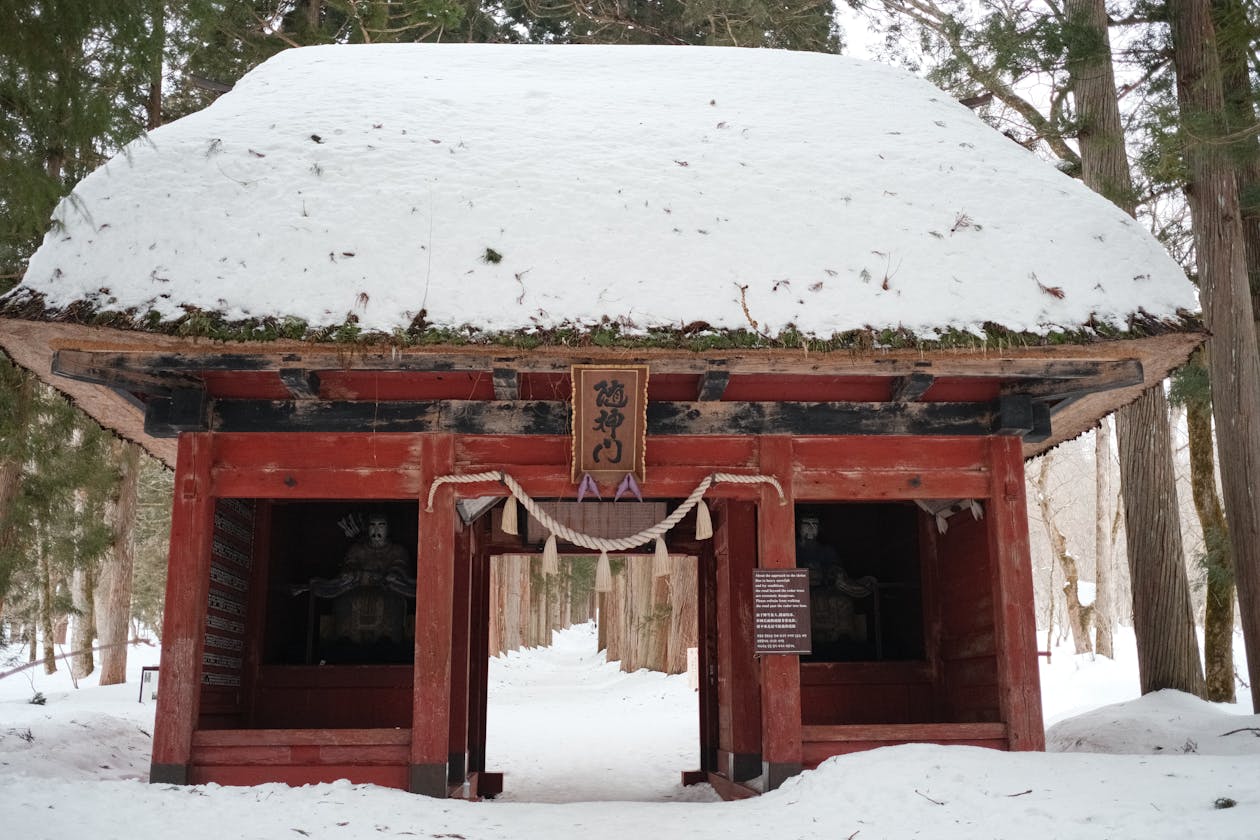
Standing watch over the city of Sendai, Osaki Hachimangu Shrine is a masterpiece of Momoyama architecture designated as a National Treasure. The main hall, adorned with gold leaf and vivid colors against jet-black lacquer, was built by the legendary feudal lord Date Masamune in 1604. For over 400 years, this shrine has served as the spiritual guardian of the Sendai domain.
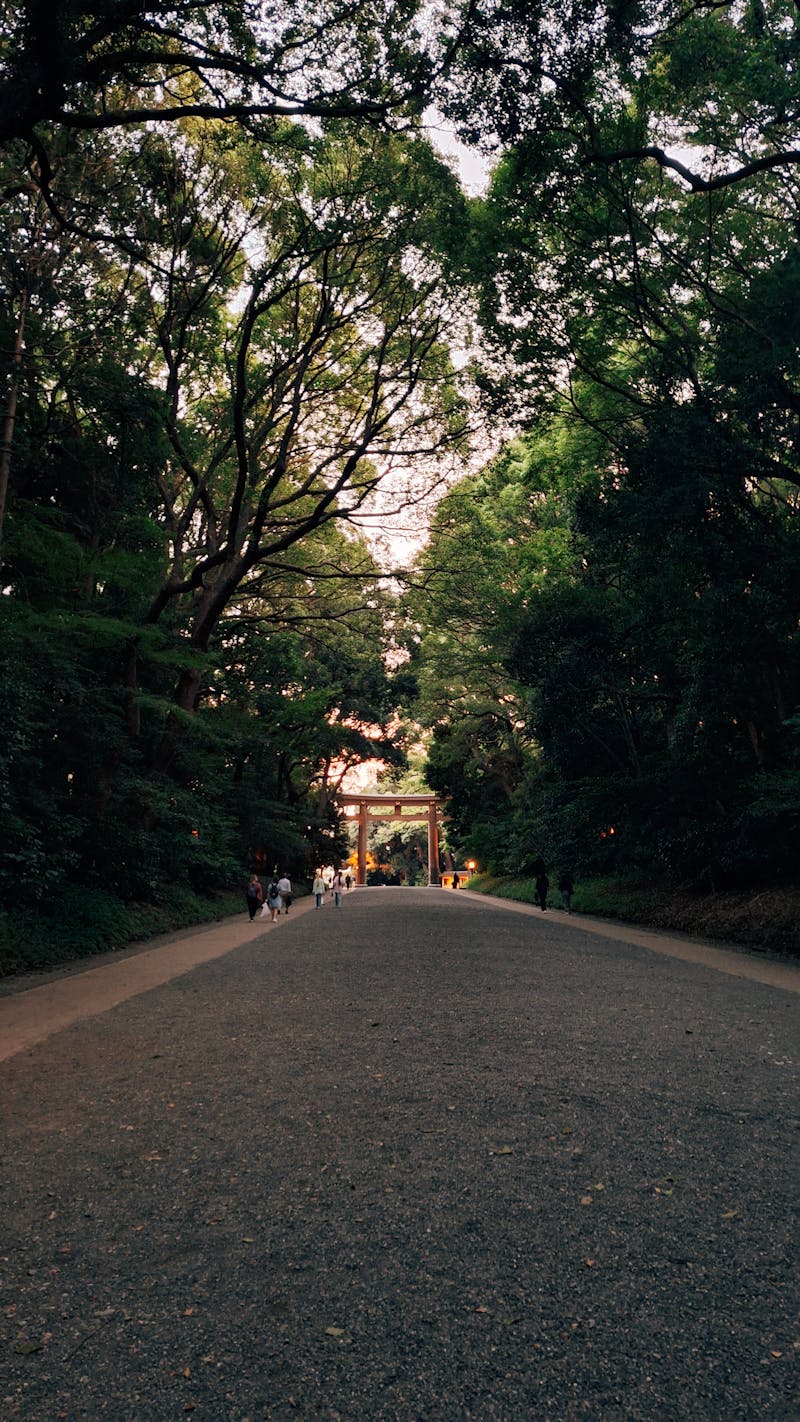
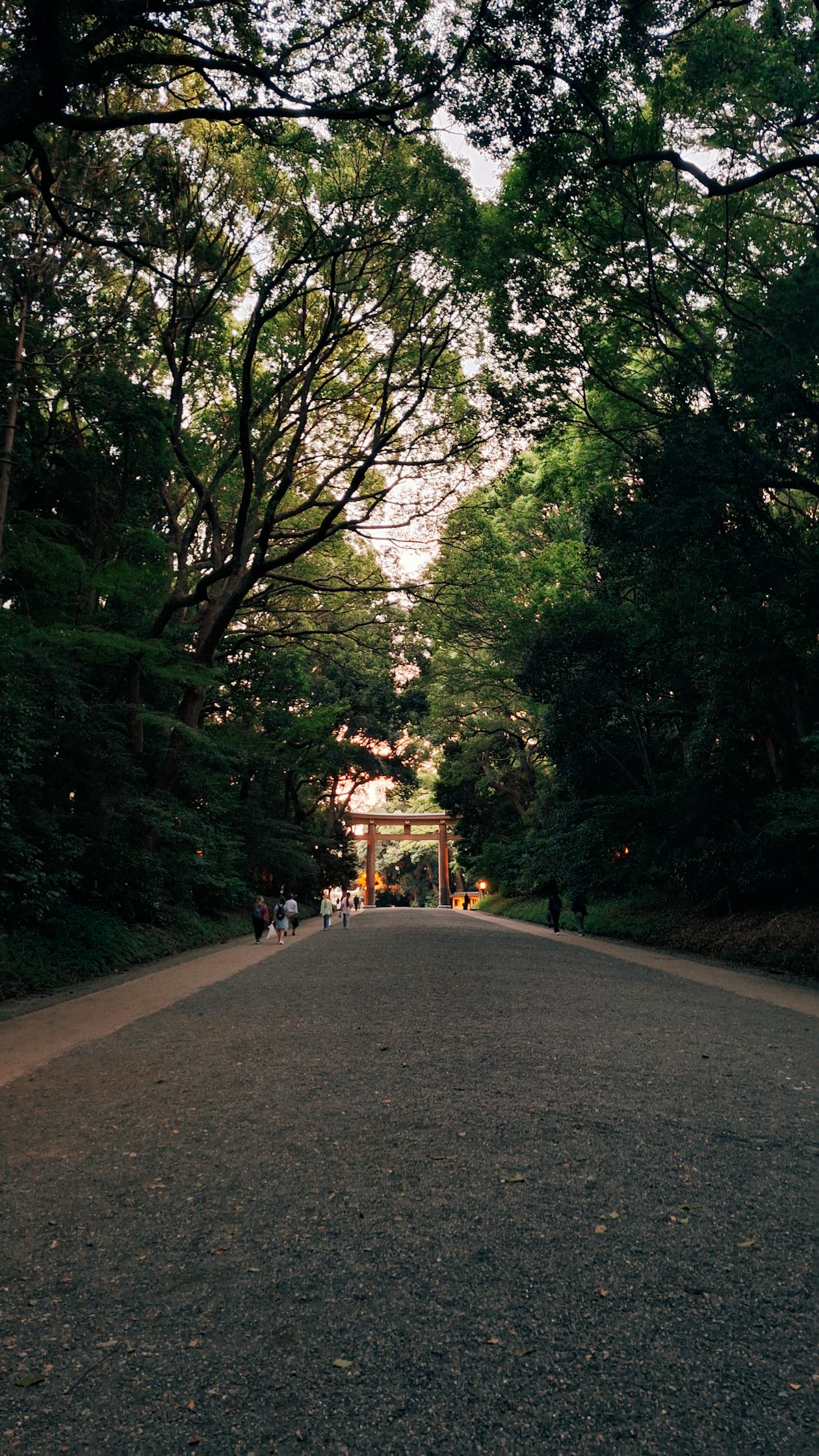
As you step through the shrine gates, a sacred stillness envelops you. Towering cedar trees, some over 400 years old, line the approach, their presence commanding reverence. The urban bustle fades away, replaced by a profound sense of calm that settles into your heart.
The shrine is renowned for its blessings of victory, success, and protection from misfortune. Students preparing for exams, athletes facing competitions, and business professionals seeking success all come to receive the shrine’s powerful energy. The annual “Donto-sai” fire festival on January 14th attracts approximately 100,000 visitors, making it one of Sendai’s most spectacular winter events.
The Allure of This Sacred Site
History and Origins
The origins of Osaki Hachimangu trace back to the Heian period when Sakanoue no Tamuramaro enshrined the deity from Usa Hachimangu Shrine during his campaigns to pacify the Tohoku region. The shrine later came under the patronage of the Osaki clan during the Muromachi period, giving it its current name.
The magnificent buildings standing today were constructed over twelve years beginning in 1604 under the direction of Date Masamune. The lord spared no expense, gathering the finest craftsmen from across Japan to create what would become a defining example of Momoyama period architecture. The “gongen-zukuri” style, where the main hall, connecting hall, and worship hall are joined as one, later influenced the construction of Nikko Toshogu Shrine.
In 1952, the shrine was designated a National Treasure, recognizing its exceptional cultural and historical value as one of Japan’s finest remaining examples of Momoyama architecture.
Architecture and Natural Features
The main hall, stone connecting room, and worship hall are finished in black lacquer, with gold leaf and brilliantly colored carvings throughout. The sculptural work on the main hall alone features over 100 different motifs—peonies, chrysanthemums, phoenixes—executed with breathtaking precision.
The “nagatoko” (long floor), a 30-meter-long building in front of the worship hall, historically served as a rest area for worshippers. Though entry is no longer permitted, its elegant form remains a highlight for visitors.
The approach is lined with magnificent cedar trees, some exceeding 400 years in age. The “Meoto Sugi” (Husband and Wife Cedars)—two trees standing close together—have become a popular spot for those seeking blessings in romantic relationships.
What Makes This Spot Special
Osaki Hachimangu’s greatest distinction is its specialization in “victory fortune.” As Date Masamune founded the shrine for prayers of military victory, it has long been associated with success in all competitive endeavors. Professional baseball players from the Tohoku Rakuten Golden Eagles regularly visit for victory prayers, making the shrine a pilgrimage site for baseball fans.
The annual “Donto-sai” festival on January 14th is a spectacular tradition dating back 300 years. The highlight is the “hadaka mairi” (naked pilgrimage), where participants wearing only traditional loincloths brave the bitter cold to pray at the shrine. This unique festival has been designated an Intangible Folk Cultural Property of Sendai City.
Spiritual Benefits and Effects
Known Spiritual Benefits
Osaki Hachimangu enshrines three deities: Emperor Ojin, Emperor Chuai, and Empress Jingu. As a shrine dedicated to Hachiman, the god of war, it offers various blessings:
Protection from Misfortune: Especially for those in their unlucky years (yakudoshi)
Victory and Success: For examinations, sports, business, and all competitions
Business Prosperity: For entrepreneurs and business owners
Safe Childbirth: Associated with Empress Jingu’s legendary pregnancy
Traffic Safety: Vehicle purification ceremonies available
The Unique Energy of This Site
Osaki Hachimangu is said to possess an energy that “strengthens decision-making ability.” When facing life’s crossroads, the shrine is believed to help clear away doubt and provide the courage to move forward.
The spirit of Date Masamune himself is said to dwell here, offering “the strength to overcome adversity.” Masamune, who lost his right eye to illness as a child yet rose to become the supreme ruler of the Tohoku region, embodied unbreakable determination. That same spirit is believed to inspire courage in today’s visitors.
Visitor Testimonials
“I visited during my job search. Walking through the shrine grounds, my confused thoughts became clear, and I found the determination to pursue my first-choice company. I got the job. I’m filled with gratitude.” (Man in his 30s, Sendai)
“Our family visited before my son’s entrance exams. He passed his first-choice school. He said he held the victory charm throughout the test.” (Woman in her 50s, Tokyo)
Best Times to Visit
Spring (Late March–May)
The shrine grounds are beautifully decorated with approximately 50 cherry trees. Peak bloom occurs around mid-April, with the contrast between the black-lacquered shrine and pink blossoms creating stunning views. Temperatures of 15-20°C (59-68°F) make this an ideal time for visits.
Recommendation: ★★★★★
Summer (June–August)
The deep green approach offers cool respite from the heat. Many visitors combine their trip with the Sendai Tanabata Festival in August. Obon period can be crowded; early morning visits recommended.
Recommendation: ★★★☆☆
Autumn (September–November)
Autumn colors peak from early to mid-November. The golden ginkgo leaves against green cedars and black shrine buildings create a magnificent palette. The Shichi-Go-San season (around November 15) brings crowds.
Recommendation: ★★★★☆
Winter (December–February)
The Donto-sai festival on January 14th is a must-see, attracting 100,000 visitors to Sendai’s largest festival. Extreme cold requires proper preparation. Regular visits outside festival dates are relatively uncrowded.
Recommendation: ★★★★☆ (★★★★★ during Donto-sai)
Best Times of Day
Early Morning (6-8 AM): Few visitors; perfect for quiet contemplation. The shrine bathed in morning light is divine.
Morning (9 AM-Noon): Best time for goshuin (temple stamps) and formal prayers.
Late Afternoon (4-5 PM): Beautiful in the western light. Note: Winter closing time is around 4 PM.
Visitor’s Guide
Basic Worship Etiquette
1. Bow at the first torii gate: Purify your mind before entering sacred space.
2. Walk along the sides of the approach: The center is reserved for the deities.
3. Purify at the temizuya: Rinse left hand, right hand, mouth, left hand again, then handle.
4. At the worship hall: Offer coins, bow twice, clap twice, bow once. Pray silently.
5. Bow when leaving: Turn and bow to the shrine before departing.
Special Points of Interest
National Treasure Buildings: View the main hall, stone room, and worship hall not just from the front, but from the sides and back. Bring binoculars to appreciate the detailed carvings.
Nagatoko (Long Floor): The horizontal building before the worship hall. Entry is prohibited, but the Momoyama architectural style can be appreciated from outside.
Meoto Sugi (Husband and Wife Cedars): Two cedar trees on the approach. Popular for prayers regarding romantic relationships.
Kachi-mamori (Victory Charm): A popular charm for success (¥800). Special Rakuten Eagles-colored versions are also available.
Goshuin (Temple Seal) Information
- Fee: ¥300
- Hours: 9:00-16:30
- Original goshuin books available (¥1,500)
Dress Code and Etiquette
- Comfortable walking shoes recommended (stone paths and gravel)
- No food, drinks, or smoking near National Treasure buildings
- Photography allowed (tripods prohibited)
- Pets not permitted in shrine grounds
Basic Information
Access
Address: 4-6-1 Hachiman, Aoba-ku, Sendai, Miyagi Prefecture
By Train/Bus:
- From JR Sendai Station West Exit Bus Pool #10, take Sendai City Bus bound for “Minami-Yoshinari Danchi,” approximately 20 minutes to “Osaki Hachimangu-mae” stop
- 20-minute walk from Subway Tozai Line “Kawauchi Station”
- Approximately 15 minutes by taxi from Sendai Station (around ¥1,500)
By Car:
- Approximately 15 minutes from Tohoku Expressway “Sendai-Miyagi IC”
- Free parking available (approximately 70 spaces)
Facility Information
- Visiting Hours: 6:00-18:00 (varies by season)
- Prayer Reception: 9:00-16:30
- Admission: Free
- Suggested Duration: 30 minutes for worship; 60-90 minutes for detailed viewing
- Official Website: https://www.oosaki-hachiman.or.jp/
- Phone: 022-234-3606
Area Information
Nearby Attractions
Within Walking Distance:
- Rinno-ji Temple (15-minute walk): A Zen temple associated with the Date clan, famous for its beautiful garden.
- Sendai City Museum (20-minute walk): Houses Date Masamune’s armor and historical artifacts of the Sendai domain.
Within 15-minute Drive:
- Sendai Castle Ruins (Aoba Castle): Famous for the equestrian statue of Date Masamune with panoramic city views.
- Zuihoden: The mausoleum of Date Masamune, showcasing gorgeous Momoyama culture.
Recommended Restaurants
Rikyu Sendai Ekimae Honten
- Cuisine: Gyutan (beef tongue)
- Specialty: Gyutan set meal (from ¥1,650)
- 3-minute walk from Sendai Station
- Hours: 11:00-22:00
Aji no Gyutan Kisuke Ichibancho
- Cuisine: Gyutan (beef tongue)
- Specialty: Charcoal-grilled gyutan set (from ¥1,760)
- 3-minute walk from Subway Hirose-dori Station
- Hours: 11:00-22:00
Zunda Saryo Sendai Station
- Cuisine: Japanese sweets
- Specialty: Zunda Shake (¥330), Zunda Mochi (¥680)
- Inside Sendai Station
- Hours: 9:00-20:00
Café Mozart Atelier
- Cuisine: Café
- Specialty: House-roasted coffee, cake sets (¥1,200)
- 10-minute walk from Osaki Hachimangu
- Hours: 10:00-18:00, closed Tuesdays
Souvenirs and Local Products
- Hagi no Tsuki: Sendai’s signature confection—cream-filled soft sponge cakes
- Sasa-kamaboko: Traditional bamboo-leaf-shaped fish cakes
- Zunda Mochi: Rice cakes with sweet edamame paste
- Gyutan Jerky: Perfect snack with drinks
Model Itineraries
Half-Day Course (Approximately 4 hours)
9:00 Depart Sendai Station
9:30 Visit Osaki Hachimangu
10:30 Tour Zuihoden
11:30 Explore Sendai Castle Ruins
12:30 Gyutan lunch
13:30 Souvenir shopping at Sendai Station
Full-Day Course (Approximately 7 hours)
9:00 Depart Sendai Station
9:30 Visit Osaki Hachimangu
10:30 Tour Rinno-ji Temple
11:30 Sendai City Museum
12:30 Gyutan lunch
13:30 Sendai Castle Ruins
14:30 Tour Zuihoden
15:30 Stroll along Jozenji-dori
16:30 Zunda Shake break
17:00 Souvenir shopping at Sendai Station
Visitor Reviews and Experiences
“The power of the National Treasure overwhelmed me” (Man in his 40s, Kanagawa)
“I visited while sightseeing in Sendai. The black lacquer and gold leaf shrine is far more impressive in person than in photos. The carvings on the main hall are so beautiful you could look at them for hours. The calligraphy on the goshuin was excellent—a wonderful souvenir.”
“Donto-sai is a memory for life” (Woman in her 30s, Miyagi)
“As a local, I participate every year. Watching the hadaka-mairi participants march through the bitter cold is awe-inspiring. When we burn the New Year decorations in the sacred fire, it truly feels like a fresh start to the year.”
“I experienced the power of victory blessings” (Man in his 20s, Sendai)
“I visited many times during my job search. Clutching my victory charm during interviews, I received an offer from my first-choice company. I’ve come back to express my gratitude.”
Frequently Asked Questions
Q: Does the parking lot get crowded?
A: Usually it’s available, but expect extreme congestion during the first three days of January and the Donto-sai festival on January 14th. Public transportation is strongly recommended during Donto-sai.
Q: When can I get a goshuin?
A: Available from 9:00-16:30 at the shrine office. During busy periods, waits of 30 minutes or more are possible.
Q: Are pets allowed?
A: Unfortunately, pets are not permitted in the shrine grounds.
Q: Is wheelchair access available?
A: While there are stairs on the approach, ramps are also provided. Wheelchair access to the worship hall area is possible. Please inquire in advance.
Q: How much time should I allow?
A: About 30 minutes for worship alone. For detailed appreciation of the National Treasure buildings, allow 60-90 minutes.
Nearby Power Spots
- [Matsushima](https://k005.net/en/powerspot/matsushima-en/)
- [Shiogama Shrine](https://k005.net/en/powerspot/shiogama-jinja-en/)
- [Mt. Chokai](https://k005.net/en/powerspot/chokaisan-en/)
- [Chusonji Konjikido](https://k005.net/en/powerspot/chusonji-konjikido-en/)
- [Mt. Haguro](https://k005.net/en/powerspot/haguro-san-en/)
Summary
Osaki Hachimangu Shrine preserves a masterpiece of Momoyama architecture built by Date Masamune, standing as one of Sendai’s most significant spiritual sites.
The National Treasure buildings of extraordinary beauty, the 300-year tradition of the Donto-sai festival, and the powerful blessings of victory—this shrine possesses a mysterious ability to invigorate the spirit and empower visitors to forge ahead.
Whether you face a crucial moment in life, stand before a new challenge, or simply wish to admire magnificent architecture, Osaki Hachimangu warmly welcomes all who seek its blessings.
When visiting Sendai, take time to experience this sacred space, calm your mind, and receive energy for the days ahead.
—
Want to discover the power spot that’s right for you?
Beyond this location, Japan is home to countless power spots. To find the one most suited to you, try our free compatibility assessment (takes just 3 minutes).
→ [Take the Free En Profile Assessment](https://enguide.info)
—
*Information in this article is current as of December 2025. Please verify the latest details on official websites before visiting.*
あなたに最適なパワースポットを知りたい方へ