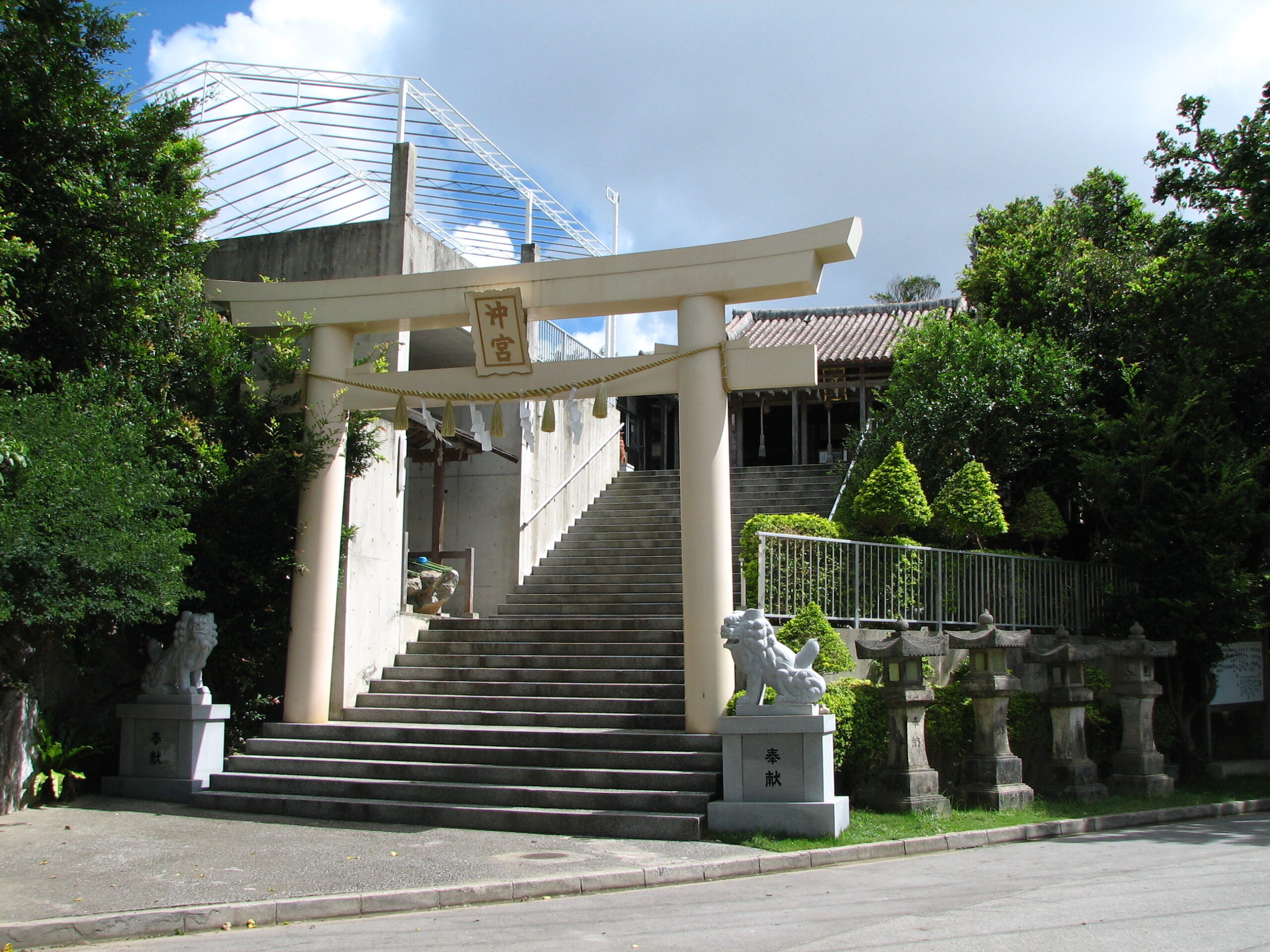
Nestled within Onoyama Park in Naha City, Okinogu Shrine stands as one of Okinawa’s most sacred and historically significant sanctuaries. As one of the “Ryukyu Hassya” (Eight Shrines of Ryukyu), this revered site traces its origins back approximately 1,400 years to the reign of Empress Suiko, making it among the oldest sacred places in Okinawa. Welcoming around 150,000 visitors annually, the shrine is affectionately known by locals as “Okigu” or “Okinomiya.”
The shrine enshrines Amaterasu Omikami (the Sun Goddess) along with several other deities, and is particularly renowned for blessings of matchmaking, safe childbirth, and business prosperity. According to legend, a luminous sacred tree emerged from the sea in Naha Harbor, and this tree was enshrined as “Tenjukukume Ryugu-o Onkami” (the Dragon Palace King Goddess), establishing the shrine’s deep connection to the sea.
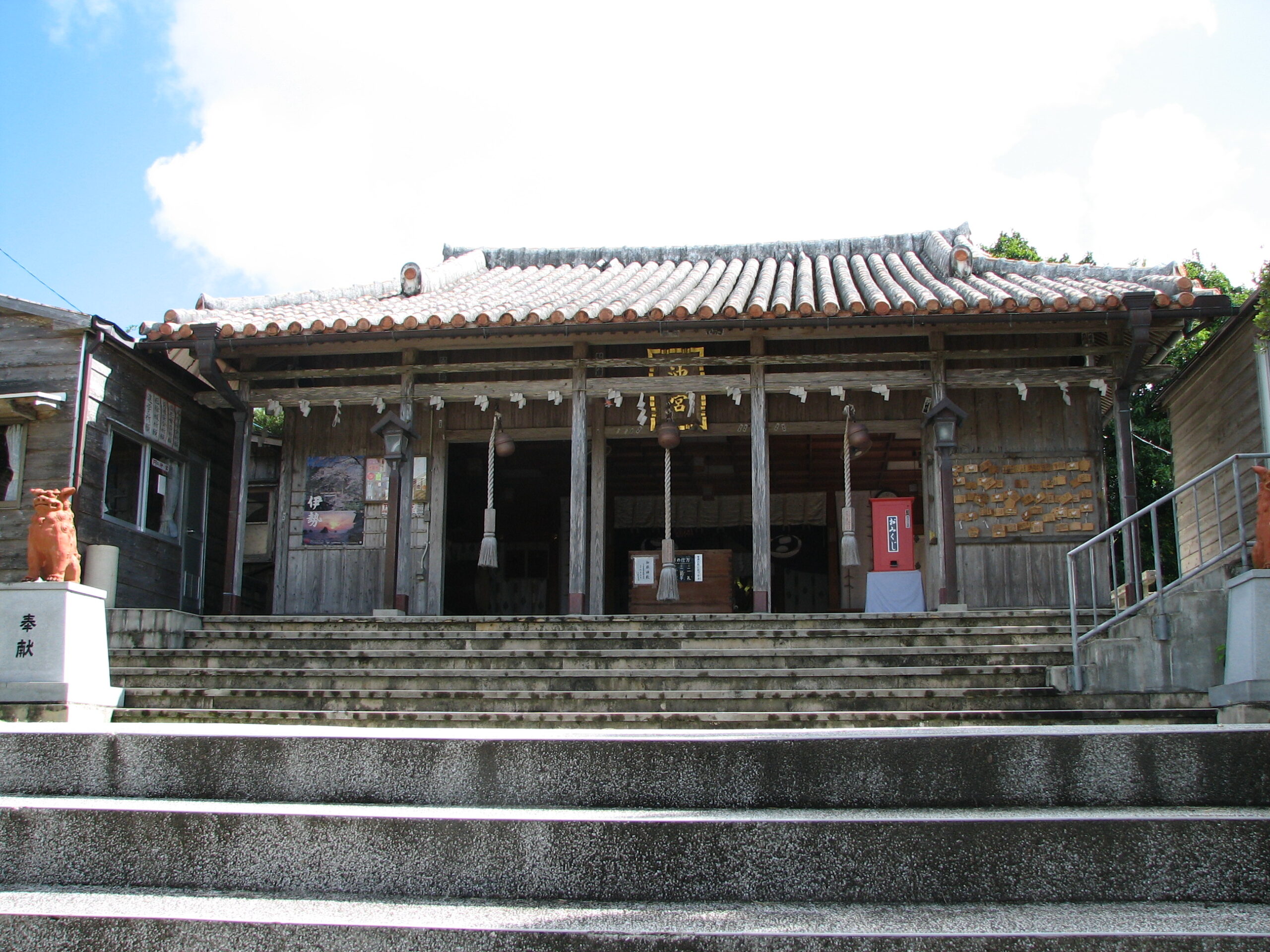
Upon entering the grounds, visitors discover a unique landscape where traditional Okinawan red-tiled architecture harmonizes with subtropical greenery. Behind the main hall lies “Tentouzan Utaki”—a sacred grove that represents the rare fusion of Shinto worship with ancient Ryukyuan spiritual traditions. Located just 10 minutes by car from Naha Airport, Okinogu has become a popular first or last stop for travelers seeking spiritual refreshment during their Okinawa journey.
The Allure of This Sacred Site
History and Origins
Okinogu Shrine’s founding dates back approximately 1,400 years to the reign of Empress Suiko. According to legend, a luminous sacred tree emerged from the depths of Naha Harbor, radiating divine light. This miraculous tree was enshrined as “Tenjukukume Ryugu-o Onkami” (the Dragon Palace King Goddess Who Receives Heaven’s Blessings), marking the shrine’s beginning.
During the Ryukyu Kingdom era, Okinogu was designated as one of the “Ryukyu Hassya” (Eight Shrines of Ryukyu), receiving special reverence from the royal government. These eight shrines—Naminoue, Okinogu, Shikina, Futenma, Sueyoshi, Asato Hachiman, Ameku, and Kin—were sites where the Ryukyu Kingdom conducted official state rituals, representing the highest rank of sacred places.
In 1908, during harbor construction works in Naha, the shrine was relocated from its original seaside location to its current site within Onoyama Park. The shrine buildings were completely destroyed during the 1945 Battle of Okinawa, but through the passionate efforts of local residents, reconstruction was completed in 1961. The current buildings, rebuilt in 1993, beautifully incorporate traditional Okinawan architectural elements.
Architecture and Natural Features
Okinogu’s shrine buildings showcase a distinctive style that blends mainland Japanese shrine architecture with Ryukyuan design elements. The vermillion pillars and red-tiled roof create a striking appearance that glows brilliantly under Okinawa’s strong sunlight. Both the main hall and worship hall are surrounded by walls of Ryukyu limestone, lending a castle-like (gusuku) atmosphere to the sacred precincts.
The grounds are filled with subtropical vegetation, with Banyan trees and Indian Coral trees providing welcome shade. The path leading to “Tentouzan Utaki” behind the main hall passes through dense greenery, creating an atmosphere of profound mystery.
Located within Onoyama Park, the shrine enjoys a green setting despite being in the heart of the city, surrounded by lawns and the Okinawa Cellular Stadium Naha baseball field. Situated on a small hill within the park, the shrine grounds offer views of Naha cityscape and even the distant Kerama Islands.
What Makes This Spot Special
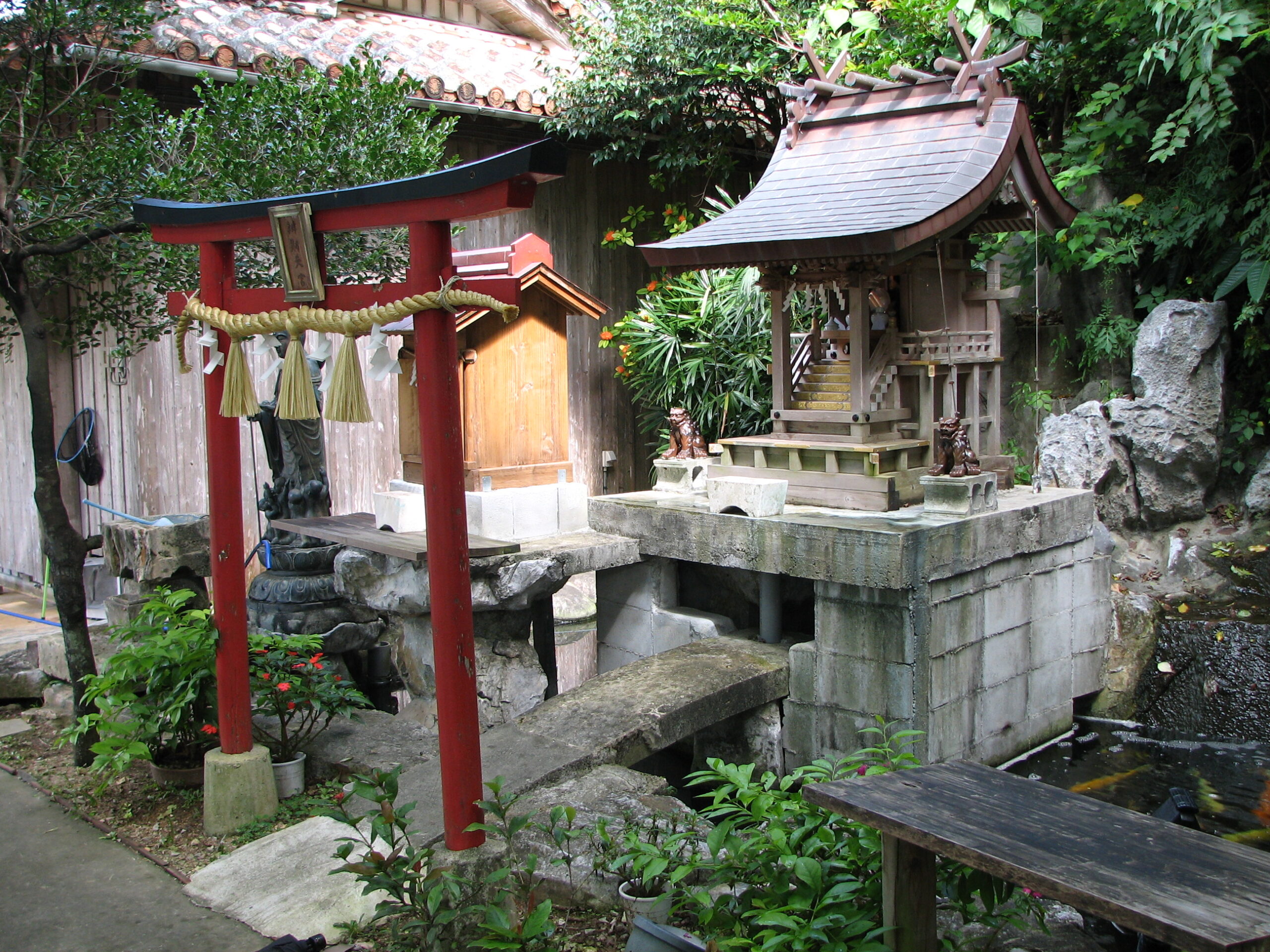
Okinogu’s most distinctive feature is the coexistence of Shinto worship and ancient Ryukyuan utaki (sacred grove) traditions. The “Tentouzan Utaki” spreading behind the main hall has been venerated as sacred ground since the Ryukyu Kingdom era. Giant boulders and caves dot the landscape, each housing enshrined deities.
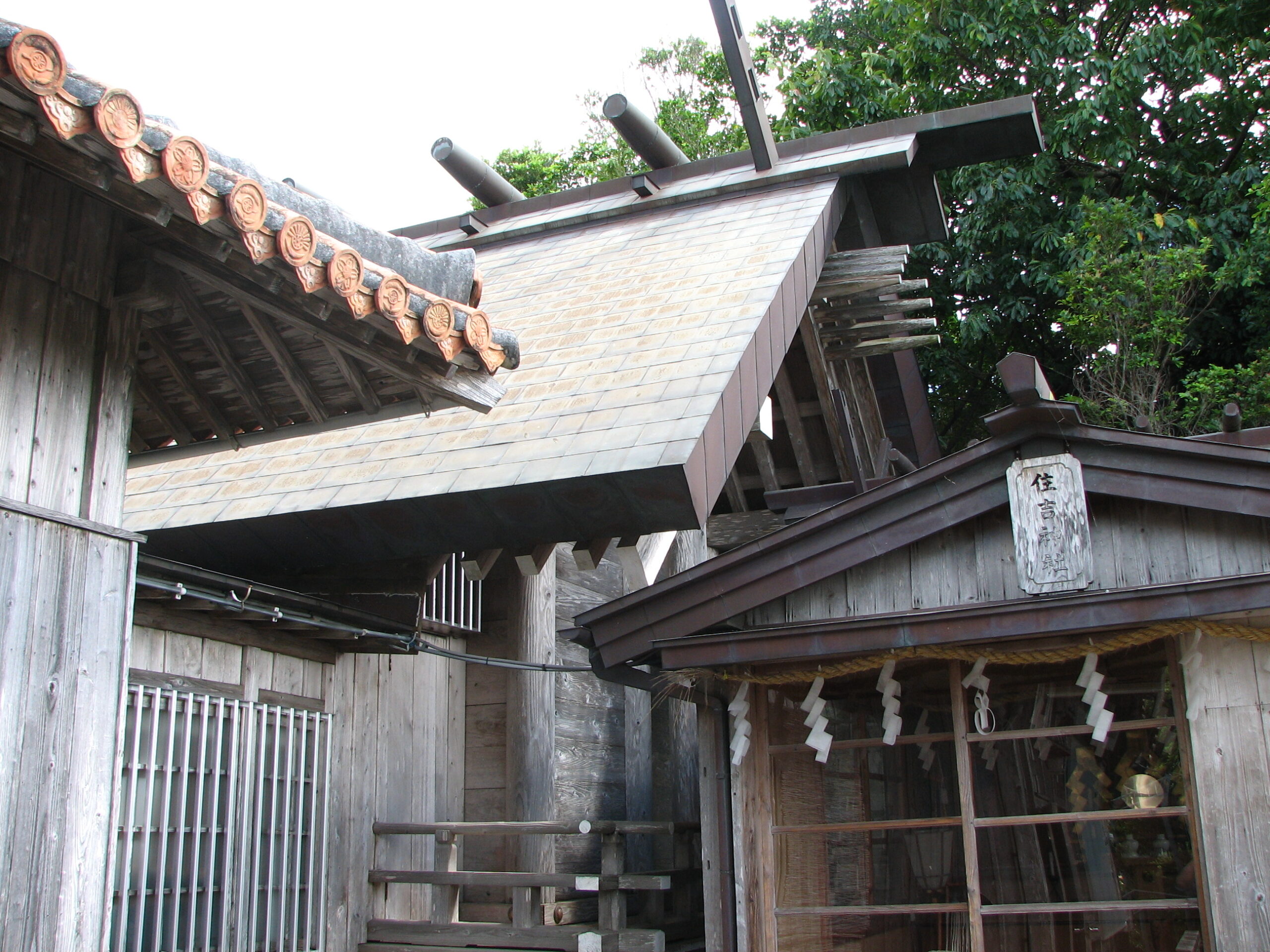
Within the utaki, visitors find multiple worship sites including “Benzaiten-gu” (Goddess of Arts and Fortune), “Suijin” (Water Deity), “Ryujin” (Dragon God), and “Gongendo” (Buddhist worship hall). The opportunity to experience Shinto, Buddhist, and Ryukyuan spiritual traditions within a single precinct is rare even throughout Japan. The innermost area of Tentouzan Utaki is considered such sacred ground that spiritually sensitive visitors often report feeling a distinctly different energy.
Okinogu is also famous as a “matchmaking” power spot. The “Musubi no Ki” (Tree of Connection) on the grounds—two trees that have grown together as one—symbolizes the binding of fates, drawing many visitors seeking romantic connections.
Spiritual Benefits and Effects
Known Spiritual Benefits
Okinogu enshrines Amaterasu Omikami as the principal deity, along with Tenryu Okami, Amekuomi Otomeo Onkami, and the three Kumano deities. These gods offer diverse blessings:
Matchmaking and Romantic Success: The “Musubi no Ki” symbolizes the binding of fates. Beyond romantic relationships, the shrine also blesses connections in business and friendships.
Safe Childbirth and Fertility: The goddess Tenjukukume Ryugu-o Onkami offers blessings for safe delivery and conception. Many pregnant women and couples hoping for children visit this shrine.
Business Prosperity and Financial Fortune: Benzaiten-gu enshrines the goddess of arts and wealth, drawing devotion from business owners and those in entertainment industries.
Safe Voyages and Travel Protection: Given the shrine’s origins from a sacred tree that emerged from the sea, it holds strong connections to maritime deities, making it popular among travelers seeking journey protection.
The Unique Energy of This Site
Okinogu is said to possess particularly strong energies of “purification” and “renewal.” Having been completely destroyed in the Battle of Okinawa yet rising again through reconstruction, the shrine is believed to empower those seeking “recovery from rock bottom” and “fresh starts.”
The deepest reaches of Tentouzan Utaki are considered especially powerful. Many visitors report sensations like “tingling in the palms” or “a warm feeling spreading through the body.” Taking time for quiet deep breathing and inner reflection is recommended in these sacred spaces.
Visitor Testimonials
Many visitors describe a sense of deep calm upon entering the Tentouzan Utaki area, often noting the distinct shift in atmosphere from the main shrine. The site’s history of destruction and reconstruction resonates with worshippers going through difficult transitions, and the shrine is particularly popular among those seeking “fresh starts” in their lives.
Best Times to Visit
Spring (March–May)
Okinawa’s spring arrives earlier than mainland Japan, with temperatures exceeding 20°C (68°F) even in March. The shrine’s Indian Coral trees burst into brilliant red blooms in April, creating a quintessentially tropical scene. Golden Week brings tourist crowds, but early morning visits remain relatively peaceful.
Recommendation: ★★★★☆
Summer (June–August)
After the rainy season ends, July and August bring Okinawa’s iconic blue skies, but temperatures soar above 30°C (86°F). Early morning (8:00-10:00 AM) or evening (4:00-6:00 PM) visits are recommended. The shade within Tentouzan Utaki offers respite from the heat. This is also typhoon season, so weather checks are essential.
Recommendation: ★★★☆☆
Autumn (September–November)
October onward, after typhoon season subsides, offers the best conditions. Comfortable temperatures around 25°C (77°F) and fewer tourists than summer make this ideal. The Annual Grand Festival on November 3rd is the year’s largest ceremony, featuring traditional Ryukyuan dance and lion dance performances.
Recommendation: ★★★★★
Winter (December–February)
Okinawa’s mild winter, with temperatures of 15-20°C (59-68°F), attracts visitors escaping colder climates. New Year’s visits (January 1-3) draw approximately 30,000 worshippers. To avoid crowds, visit after mid-January. Special ceremonies are also held during Lunar New Year (late January to February).
Recommendation: ★★★★☆
Best Times of Day
Early Morning (6:00-8:00 AM): Right after opening, visitors are few and the atmosphere most sacred. The shrine buildings glow beautifully in morning light.
Morning (9:00-11:00 AM): The shrine office is open for goshuin and amulets. Ample time to explore Tentouzan Utaki thoroughly.
Evening (4:00-6:00 PM): The red-tiled roof turns golden in the western sun, creating a mystical atmosphere. Summer heat subsides during these hours.
Visitor’s Guide
Basic Worship Etiquette
1. Before the Torii Gate: Bow slightly before passing through. Walk along the sides of the approach, not the center.
2. Temizuya (Purification Fountain):
– Hold the ladle in your right hand and rinse your left hand
– Transfer to your left hand and rinse your right hand
– Return to your right hand, pour water into your cupped left palm, and rinse your mouth
– Finally, tilt the ladle vertically to rinse the handle
3. Main Hall Worship:
– Quietly offer your monetary offering
– Ring the bell
– Bow twice, clap twice, bow once (nihai-nihakushu-ichihai)
– Convey your gratitude and wishes silently
4. Tentouzan Utaki Worship:
– The utaki is Ryukyuan sacred ground—observe extra reverence
– Place your hands together at each worship site and pray quietly
– Keep photography to a minimum
Highlights and Recommended Route
Suggested Route (Approximately 60 minutes)
1. First Torii Gate (5 min): Begin from the Onoyama Park entrance
2. Temizuya (3 min): Purify body and mind
3. Worship Hall and Main Hall (10 min): Pay respects to the principal deities
4. Musubi no Ki (5 min): Pray for good connections at the Tree of Bonding
5. Tentouzan Utaki Entrance (5 min): Enter the sacred grove path
6. Benzaiten-gu (5 min): Goddess of wealth and arts
7. Ryujin and Suijin (5 min): Dragon and water deities
8. Tentouzan Utaki Innermost Sanctuary (10 min): Prayer at the most sacred area
9. Amulet Office (10 min): Receive goshuin and charms
Goshuin and Amulet Information
Goshuin (Shrine Seal):
- Fee: ¥300
- Hours: 9:00 AM-5:00 PM
- Okinawan-design goshuin books (¥1,500) are popular
Popular Amulets:
- Matchmaking Charm (¥800): Cute pink design
- Safe Childbirth Charm (¥800): For fertility and safe delivery
- Travel Safety Charm (¥500): Perfect companion for Okinawa trips
- Financial Fortune Charm (¥800): Blessings of Benzaiten
Dress Code and Items to Bring
- Comfortable walking shoes (stone steps and slopes in Tentouzan Utaki)
- Hat, parasol, and water essential in summer
- Insect repellent (mosquitoes are common in the subtropical forest)
- Rain gear (for sudden tropical showers)
Basic Information
Access
Address: 44 Onoyama-cho, Naha City, Okinawa
Monorail:
- 5-minute walk from Yui Rail “Onoyama-Koen Station”
- 7-minute walk from Yui Rail “Tsubogawa Station”
Bus:
- 15-minute walk from Naha Bus Terminal
- 3-minute walk from “Onoyama-Koen-mae” bus stop
By Car:
- 10 minutes from Naha Airport
- 10 minutes from Kokusai Street
Parking: Onoyama Park parking lot (free, approximately 300 spaces)
Visiting Information
- Hours: Grounds open freely (shrine office: 9:00 AM-5:00 PM)
- Closed: None
- Admission: Free
- Suggested Duration: 30 minutes to 1 hour
Contact
- Phone: 098-857-3293
- Official Website: https://okinogu.or.jp/
Area Information
Nearby Attractions
Naminoue Shrine (10 min by car)
The foremost of the Ryukyu Eight Shrines. The dramatic shrine perched atop seaside cliffs and adjacent Naminoue Beach are popular destinations. Combined visits with Okinogu make a classic “Ryukyu Eight Shrines pilgrimage” itinerary.
Shuri Castle Park (20 min by car)
Symbol of the Ryukyu Kingdom. While recovering from the 2019 fire, visitors can observe the main hall reconstruction. The Shureimon Gate and castle walls remain intact.
Kokusai Street (10 min by car)
Naha’s main thoroughfare. This 1.6-kilometer street lined with souvenir shops and restaurants is perfect for post-shrine strolling.
Recommended Restaurants
Shuri Soba (15 min by car)
- Famous Okinawa soba restaurant with light, clean broth
- Specialty: Shuri Soba (medium) ¥650
- Hours: 11:30 AM-2:00 PM (or until sold out)
- Closed: Sundays
Jackie Steak House (10 min by car)
- Legendary steak restaurant established over 70 years ago
- Specialty: Tenderloin Steak (200g) ¥2,800
- Hours: 11:00 AM-9:00 PM
- Closed: None
Okashigoten Kokusai Street Matsuo Branch (10 min by car)
- Famous for beni-imo (purple sweet potato) tarts
- Specialty: Beni-imo Tart (6 pieces) ¥720
- Hours: 9:00 AM-10:00 PM
Pork Tamago Onigiri Main Shop (10 min by car)
- Okinawan soul food
- Specialty: Pork Tamago with Deep-fried Tofu ¥390
- Hours: 7:00 AM-5:30 PM
Souvenirs
- Okinogu Sacred Salt: Holy salt for purification rituals
- Matchmaking Charm: Popular among women for its cute design
- Beni-imo Tart: Classic Okinawa souvenir
- Chinsuko: Traditional Ryukyuan cookie
Model Itineraries
Half-Day Course (Approximately 4 hours)
9:00 AM Arrive at Naha Airport
9:30 AM Okinogu Shrine worship
10:30 AM Naminoue Shrine worship
11:30 AM Lunch at Shuri Soba
1:00 PM Kokusai Street shopping and exploration
Full-Day Course (Approximately 8 hours)
9:00 AM Okinogu Shrine worship (including Tentouzan Utaki)
10:30 AM Naminoue Shrine and Naminoue Beach stroll
12:00 PM Lunch at Jackie Steak House
2:00 PM Shuri Castle Park exploration
4:00 PM Kokusai Street shopping
6:00 PM Light dinner at Pork Tamago Onigiri
7:00 PM Return to hotel
What Visitors Say
Okinogu is a popular stop for business travelers passing through Naha Airport, who appreciate being able to visit such a spiritually significant site within a 10-minute drive. The Musubi no Ki (Tree of Connection) is the most-visited spot among younger worshippers seeking romantic blessings.
Repeat visitors consistently praise the Tentouzan Utaki as the highlight, noting that the coexistence of Shinto and Ryukyuan utaki traditions creates a worship experience unlike any mainland shrine. The Okinawan-design goshuin is also a popular collector’s item among shrine stamp enthusiasts.
Visiting Tips for Different Travelers
With Pets
Pets are not permitted within the main shrine grounds. Several pet hotels operate in the Naha area near Kokusai Street. If traveling with a dog, Onoyama Park’s outdoor areas (outside the shrine precincts) offer walking space.
Wheelchair and Stroller Access
The main approach path is paved and relatively accessible. However, the Tentouzan Utaki area has steep stone steps and uneven paths that are not wheelchair-accessible. The main hall and amulet office are reachable without steps.
Rainy Days
The main hall area has covered spaces for worship in rain. Tentouzan Utaki can become slippery when wet—exercise caution. The subtropical foliage looks especially lush in the rain, and there are far fewer visitors.
Photography
The main shrine buildings photograph beautifully in morning or late afternoon light. Photography is permitted throughout, but keep photography to a minimum in the Tentouzan Utaki area out of respect. The Musubi no Ki and vermillion shrine buildings are the most photogenic spots.
Related Power Spots
- [Shikina-gu (Okinawa)](https://k005.net/en/powerspot/shikina-gu-en/) — Fellow Ryukyu Eight Shrine, known for fertility blessings
- [Sefa Utaki](https://k005.net/en/powerspot/sefa-utaki-2/) — Okinawa’s most sacred spiritual site, a UNESCO World Heritage Site
Frequently Asked Questions
Q: Does the parking lot get crowded?
A: The free Onoyama Park parking lot (approximately 300 spaces) is available. It gets crowded on baseball game days but is usually empty otherwise.
Q: Can anyone enter Tentouzan Utaki?
A: Yes, general visitors may enter freely. However, as sacred ground, please observe appropriate reverence during your visit.
Q: Until what time can I receive a goshuin?
A: The shrine office is open 9:00 AM-5:00 PM. Staff may be absent during lunch hours (around 12:00-1:00 PM).
Q: How much time should I allow?
A: About 30 minutes for main hall worship only; plan for about 1 hour if including Tentouzan Utaki.
Nearby Power Spots
- [Sefa Utaki](https://k005.net/en/powerspot/sefa-utaki-2/)
- [Shikina-gu](https://k005.net/en/powerspot/shikina-gu-en/)
- [Takachiho Gorge](https://k005.net/en/powerspot/takachiho-gorge-en/)
Summary
Okinogu Shrine, with approximately 1,400 years of history, stands as one of the Ryukyu Eight Shrines—a uniquely Okinawan power spot where Shinto worship and ancient Ryukyuan utaki traditions merge.
Beyond diverse blessings including matchmaking, safe childbirth, and business prosperity, the Tentouzan Utaki behind the main hall offers direct experience of sacred energies preserved since the Ryukyu Kingdom era. The convenient location—just 10 minutes by car from Naha Airport and accessible by monorail—adds to its appeal.
The shrine’s history of destruction in the Battle of Okinawa followed by determined reconstruction makes it especially meaningful for those seeking “renewal” and “fresh starts.” The distinctive scenery of red-tiled shrine buildings amid subtropical greenery offers a uniquely Okinawan experience unlike mainland shrines.
Whether visiting at the start of your Okinawa trip to pray for travel safety or stopping by at the end to express gratitude, Okinogu Shrine offers spiritual refreshment in this sanctuary where Ryukyuan deities dwell.
—
Want to discover the power spot that’s right for you?
Beyond this location, Japan is home to countless power spots. To find the one most suited to you, try our free compatibility assessment (takes just 3 minutes).
→ [Take the Free En Profile Assessment](https://enguide.info)
—
*Information in this article is current as of December 2025. Please verify the latest details via the official website before visiting.*
あなたに最適なパワースポットを知りたい方へ