Japan’s Iconic Active Volcano: Magnificent Natural Energy
Mount Aso sits at the heart of Kumamoto Prefecture—an active volcano boasting one of the world’s largest calderas, still sending white plumes into the sky. With Mount Takadake (1,592 meters) as its highest peak, the five peaks of Aso overwhelm visitors with their magnificent presence.
White smoke rising from the crater, an emerald-green crater lake, the lush grasslands of Kusasenrigahama—Mount Aso displays the very breath of the Earth itself. Long known as the symbol of “Hi no Kuni” (Land of Fire), Kumamoto Prefecture, this natural power spot draws approximately 3 million visitors annually.
On clear early mornings, sunrise viewed from Kusasenrigahama is exceptional. As morning mist lifts, the silhouettes of Aso’s five peaks illuminate with dawn’s first light, revealing nature’s profound mystery. The unique terrain shaped by volcanic activity, combined with the rich ecosystem flourishing there, makes Mount Aso a truly one-of-a-kind power spot where you can simultaneously experience nature’s raw power and beauty.
Highlights and Attractions
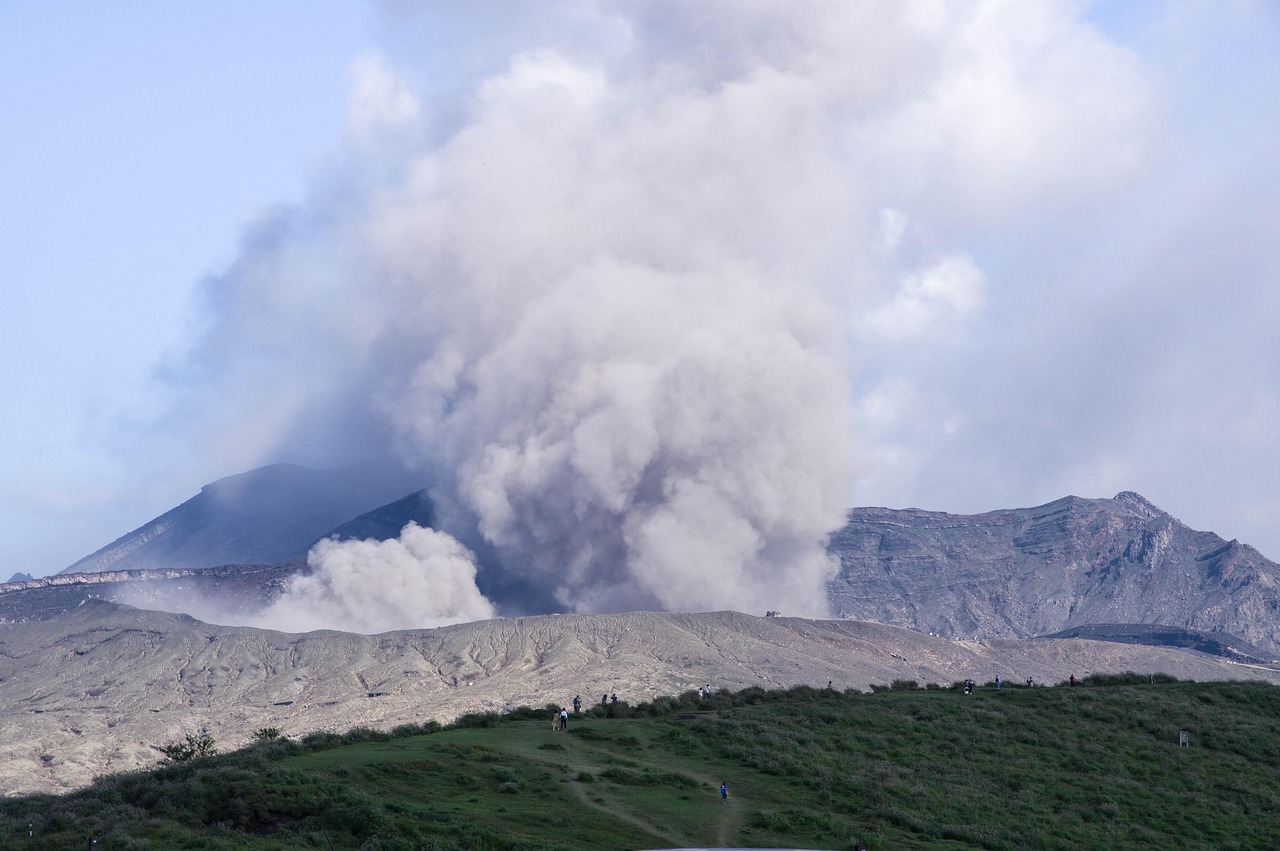
Mount Aso’s defining feature is its world-class caldera, measuring 18 kilometers east to west, 25 kilometers north to south, with a circumference of approximately 128 kilometers. Formed by a massive eruption roughly 90,000 years ago, its scale is virtually unmatched anywhere on Earth.
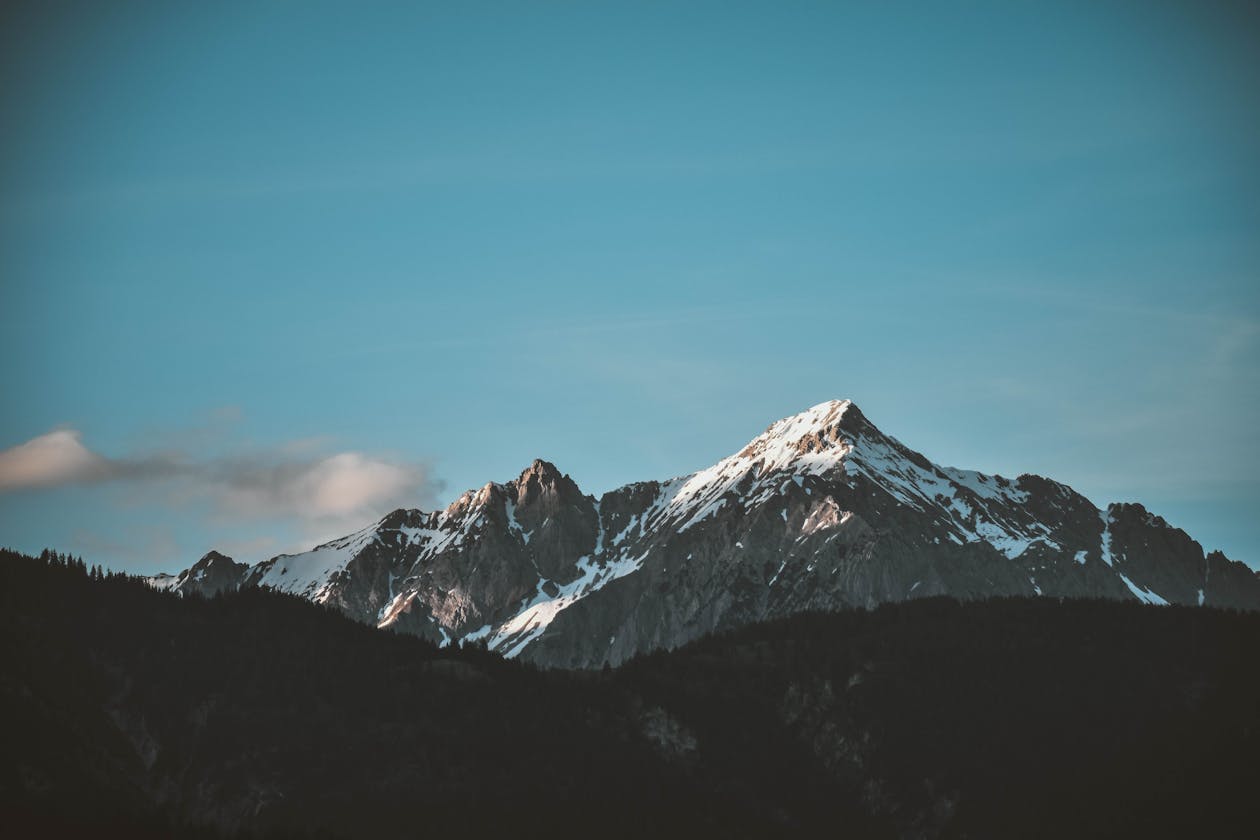
Rising from the caldera’s center are Aso’s Five Peaks (Takadake, Nakadake, Nekodake, Eboshidake, and Kishimadake), creating an otherworldly landscape of mountains floating within a giant bowl. The panoramic view from Daikanbo Observation Point—looking down upon the entire caldera—is stunning, leaving many visitors speechless at its grandeur.
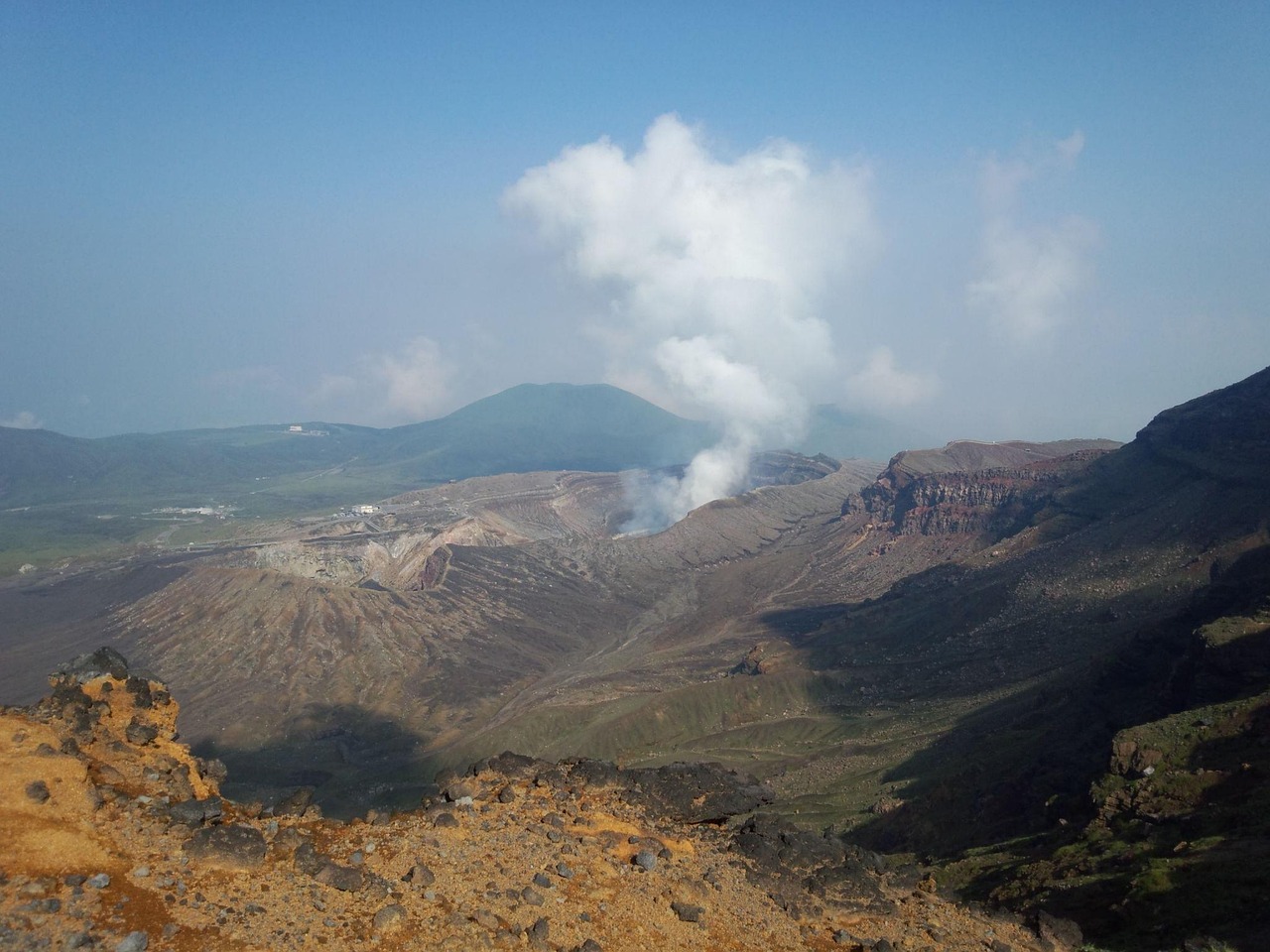
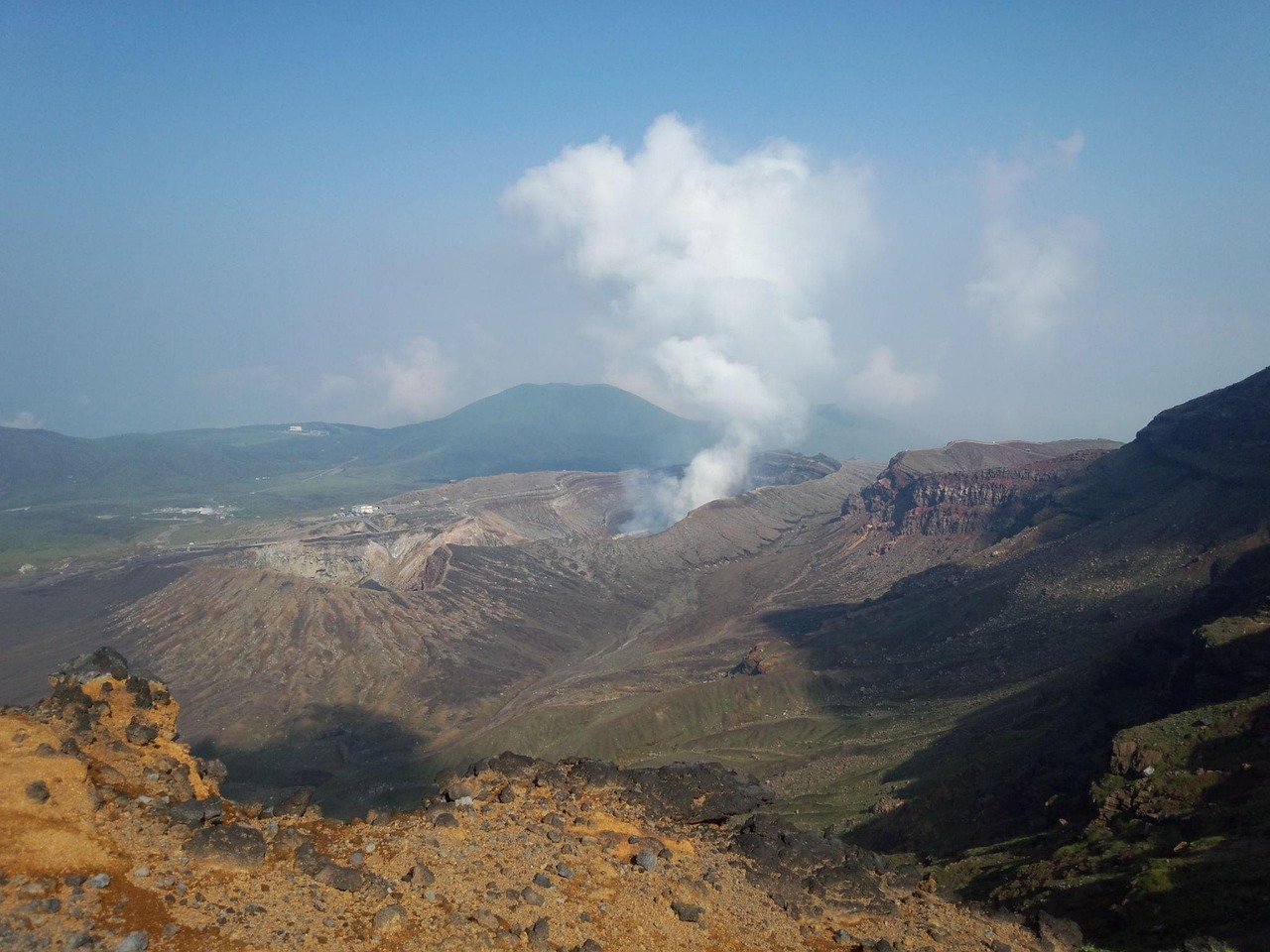
Most notable among Aso’s features is Nakadake Crater, which remains actively volcanic today. At 1,506 meters elevation, Nakadake hosts a massive crater approximately 600 meters in diameter and 130 meters deep. Depending on volcanic activity levels, visitors can observe it up close.
White smoke rises from the crater as sulfur scents drift on the air. The crater floor sometimes reveals “Yudamari”—an emerald-green crater lake whose mystical coloring captivates all who see it. From the crater observation point, you can directly witness the Earth’s internal activity, feeling nature’s overwhelming power firsthand.
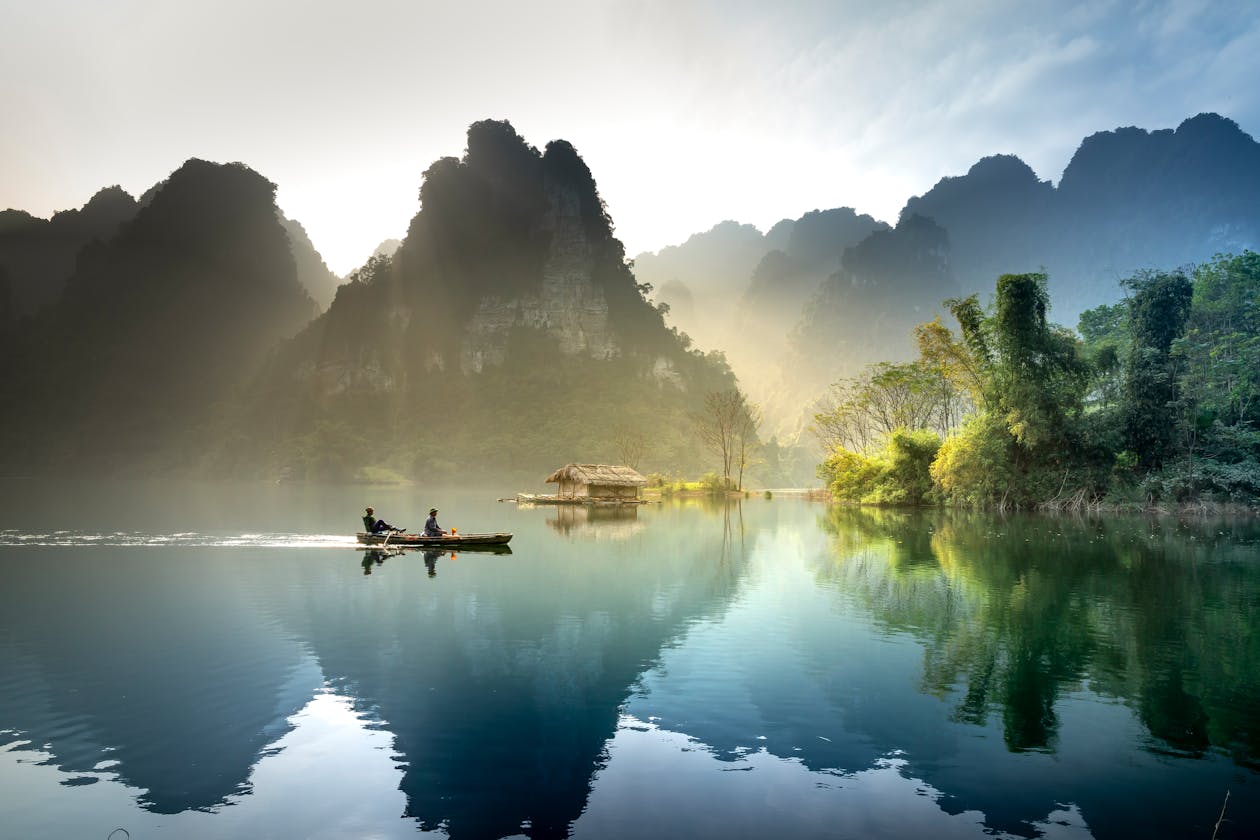
Spreading at the northern foot of Mount Eboshi, Kusasenrigahama is a vast grassland approximately 1 kilometer in diameter. From spring through autumn, verdant green meadows stretch in all directions, with two large ponds at the center. This grassland formed in a crater from volcanic activity roughly 30,000 years ago, now presenting one of Aso’s most pastoral landscapes.
Kusasenrigahama offers horseback riding experiences—swaying on horseback while gazing at Aso’s Five Peaks is an exceptional experience (approximately 2,500 yen for 20 minutes). The landscape transforms through seasons: fresh green in spring, deep green in summer, golden pampas grass in autumn, and snow-white in winter.
At Mount Aso’s base stands Aso Shrine, the head shrine of approximately 450 Aso shrines throughout Japan. Tradition holds its founding in 282 BCE, giving it over 2,300 years of history. The main deity is Takeiwatatsu-no-Mikoto, founder of Aso’s development, affectionately known locally as “Aso Daimyojin.”
Unfortunately, the 2016 Kumamoto Earthquake caused the tower gate and worship hall to collapse, but reconstruction has been progressing—the worship hall was rebuilt in 2023. The tower gate reconstruction continues; when complete, one of Japan’s Three Great Tower Gates will stand again at 18 meters tall.
Along Aso Shrine’s approach stands “Takasago no Matsu,” a giant cedar over 500 years old, known as a power spot for matchmaking. The shrine is surrounded by a temple town offering local specialties like horse meat cuisine and “dagojiru” soup.
Spiritual Benefits and Blessings
As an active volcano, Mount Aso continuously releases the Earth’s internal energy. Since ancient times, it has been associated with blessings of “life force,” “vitality,” and “regeneration”—drawing those facing life transitions or preparing for new challenges.
Seeing smoke rise from the crater makes you feel the Earth is alive. Many report that touching this dynamic energy left them feeling “purified” and “more positive.” Visiting when feeling lost in life or wanting a fresh start often brings a sensation of being encouraged forward.
Aso Shrine is famous for matchmaking blessings. Enshrining Takeiwatatsu-no-Mikoto and family deities, it offers blessings for successful relationships, marital harmony, and strengthening family bonds.
Touching the “Negake-ishi” (wishing stone) on the grounds while making a wish is said to bring fulfillment. The 500-year-old “Takasago no Matsu” cedar is beloved as a symbol of matchmaking and longevity.
Mount Aso’s surroundings feature abundant hot springs, historically popular for therapeutic bathing. The volcanic hot springs are said to help with muscle pain, joint pain, and cold sensitivity.
Aso Shrine also offers health and longevity blessings. Particularly beloved is “Kami no Izumi” (Divine Spring), known as the “water of eternal youth.” Drinking this spring water is said to bring health—many visitors fill bottles to take home.
“The moment I saw the crater, my problems suddenly seemed tiny. Touching nature’s raw power gave me courage.” (Woman in 30s, Fukuoka)
“Three months after buying a matchmaking charm at Aso Shrine, I had a fateful encounter. Now I’m happily married.” (Woman in 20s, Kumamoto)
“Taking a deep breath at Kusasenrigahama felt like cleansing my soul. My everyday stress just blew away.” (Man in 40s, Tokyo)
Best Times to Visit
Late March through May is one of Mount Aso’s most beautiful seasons. Kusasenrigahama’s grass begins turning vivid green, and the five peaks stand beautifully against blue skies.
Mid-to-late April brings cherry blossoms around Aso Shrine. The temple town’s cherry tree avenue is a hidden local gem, with evening illuminations. In early May, the “Hiburi Shinji” fire ritual takes place throughout Aso City, creating mystical rings of flame.
Temperatures around 10-20°C (50-68°F) are comfortable for sightseeing. Mornings and evenings cool down—bring a light jacket. Golden Week brings crowds, but weekdays are relatively peaceful.
After rainy season ends, mid-July through August sees Mount Aso popular as a summer retreat. When lowland temperatures exceed 30°C (86°F), Aso’s summit stays around 25°C (77°F) for comfortable sightseeing.
Kusasenrigahama becomes a carpet of deep green, creating beautiful contrasts with blue skies. Early mornings often bring mystical mist—around 5:30 AM you can catch sunrise illuminating Aso’s Five Peaks, a moving experience.
However, late July through Obon (mid-August) brings tourist crowds. Parking lots often fill by 9 AM—early morning or weekday visits are recommended. Even in summer, mountain peaks get windy and cool—bring a long-sleeved layer.
Autumn is Mount Aso’s most beautiful season. Pampas grass begins coloring in mid-September; by October, Kusasenrigahama transforms into a sea of gold. Pampas grass plumes swaying in the wind against Aso’s Five Peaks silhouettes capture Japan’s original landscape.
Late October through early November brings autumn foliage. Views from Aso Panorama Line and Daikanbo are especially spectacular—mountains painted red and gold contrast beautifully with the caldera’s green.
Temperatures of 5-20°C (41-68°F) are comfortable with high clear-weather rates. Mornings and evenings can drop below 5°C (41°F)—warm clothing is essential. Weekends get crowded, but weekdays allow peaceful enjoyment.
December through February transforms Mount Aso into a snow-covered dreamscape. January and February see heavy snowfall—pure white Kusasenrigahama against the Five Peaks is breathtaking.
Winter brings fewer tourists for quiet enjoyment. Clear days after snowfall are photogenically stunning, popular with camera enthusiasts. Surrounding hot springs feel especially wonderful, with many inns offering snow-viewing baths.
However, temperatures range from -5 to 5°C (23-41°F), requiring serious cold-weather gear. Road closures due to ice and snow can affect Aso mountain roads—check road conditions beforehand. Snow tires or chains are necessary.
Early Morning (5-7 AM): Best for sunrise viewing at Kusasenrigahama. The moment morning mist clears is magical. Almost no tourists—commune with nature in silence.
Mid-Morning (8-11 AM): Ideal for crater viewing. Winds are relatively calm and volcanic plumes more observable. Parking is available before 9 AM.
Afternoon (12-3 PM): High sun position makes great photos. However, winds often strengthen near the crater—prepare for cold and wind.
Late Afternoon (4-6 PM): Aso’s Five Peaks bathed in sunset are spectacular. The evening view from Daikanbo—caldera turning orange—is unspeakably beautiful.
Visiting Guide
Access Nakadake Crater via ropeway or on foot from Aso Summit Terminal.
Aso Ropeway:
- Hours: 9:00 AM – 5:00 PM (varies seasonally)
- Fares: Round trip Adults 1,500 yen, Children 800 yen; One-way Adults 1,000 yen, Children 500 yen
- Duration: Approximately 4 minutes one-way
- Closures: During active volcanic periods, strong winds
Walking Route:
- Duration: Approximately 30 minutes one-way
- Elevation gain: Approximately 100 meters
- Difficulty: Beginner-intermediate (maintained trail)
- Note: Some unstable footing—sneakers or hiking boots recommended
Always check volcanic gas levels before crater viewing. Level 1 or below allows viewing; Level 2 or above restricts crater area access. Check the Aso Volcano Disaster Prevention Council website for current information.
The crater area produces volcanic gas (sulfur dioxide). Note the following:
What to Bring:
- Towel or handkerchief (to cover mouth against volcanic gas)
- Drinking water
- Warm clothing (summit is 5-10°C cooler than lowlands)
- Hat/sunglasses (wind and sun protection)
Precautions:
- Those with asthma or respiratory conditions should avoid approaching the crater
- Volcanic gas accumulates more easily during strong winds
- Limit crater area visits to about 15 minutes
- Helmets are recommended (free rentals available)
- Don’t approach crater edges or climb over barriers
Aso Shrine Worship Protocol
Aso Shrine follows standard Shinto worship customs:
Basic Worship Steps:
1. First Torii Gate: Bow once before passing. Walk along the edges, not center (the deity’s path)
2. Temizuya (Purification Basin): Hold ladle in right hand, wash left; switch hands, wash right; hold in right again, cup water in left to rinse mouth
3. Worship Hall: Offer coins, perform two bows, two claps, one bow
4. Wishing Stone: Touch while silently praying
5. Goshuin (Shrine Seal): Available at office right of worship hall (300 yen)
Attire and Etiquette:
- Avoid flashy or revealing clothing
- No eating, drinking, or smoking on grounds
- Photography allowed (except inside worship hall)
- Maintain quiet as a sacred place
Recommended Viewing Routes
Half-Day Course (3-4 hours):
9:00 AM – Arrive Aso Ropeway Station
9:10 AM – Ropeway to crater
9:15 AM – Crater viewing (15-20 min)
9:40 AM – Move to Kusasenrigahama
10:00 AM – Kusasenrigahama stroll, horseback riding
11:30 AM – Lunch at Aso Summit restaurant
12:30 PM – Move to Daikanbo
1:00 PM – Enjoy caldera views from observation point
Full-Day Course (7-8 hours):
8:00 AM – Aso Shrine worship
9:00 AM – Breakfast in temple town (dagojiru, etc.)
10:00 AM – Kusasenrigahama stroll
11:00 AM – Ropeway to crater
12:00 PM – Lunch at Aso Summit
1:30 PM – Daikanbo Observation Point
3:00 PM – Shirakawa Water Source visit
4:30 PM – Day-use bath at Uchinomaki Onsen
6:00 PM – Finish
Essential Information
Address: 808-5 Kurokawa, Aso City, Kumamoto Prefecture (Aso Summit Terminal)
By Train:
- JR Hohi Line to “Aso Station”
- Sanko Bus from Aso Station bound for “Aso-san Nishi-eki” – about 40 minutes, get off at “Aso-san Nishi-eki” (700 yen one-way)
- 4-5 buses daily; check schedules
- Taxi from Aso Station – about 30 minutes, approximately 4,500 yen
By Car:
- From Kyushu Expressway “Kumamoto IC” via Route 57/Aso Panorama Line – about 60 minutes
- From “Mashiki Kumamoto Airport IC” – about 50 minutes
- From Oita direction via Route 57 – about 90 minutes
- GPS: Search “Aso Summit Terminal”
Basic Information
Hours:
- Aso Ropeway: 9:00 AM – 5:00 PM (varies seasonally; closes 4:30 PM November-February)
- Crater viewing: Varies with volcanic activity (confirm beforehand)
- Aso Shrine: Open worship (office: 9:00 AM – 5:00 PM)
Closures: None (but crater access restrictions possible due to volcanic activity)
Fees:
- Ropeway round trip: Adults 1,500 yen, Children 800 yen
- Crater viewing: Free (ropeway fare only)
- Parking: Aso Summit 500 yen, Kusasenrigahama 500 yen
Time Required: Crater only 1 hour; including Kusasenrigahama 2-3 hours; including Aso Shrine half day
Parking:
- Aso Summit Parking: Approximately 500 cars (500 yen)
- Kusasenrigahama Parking: Approximately 300 cars (500 yen)
- Peak times (Golden Week, autumn foliage) lots can fill by 9 AM
Official Website: https://www.kyusanko.co.jp/aso/
Contact: Aso Information Center TEL 0967-34-1600
Recommended Attire:
- Comfortable clothing (jeans, trekking pants)
- Sneakers or hiking boots (essential for walking to crater)
- Warm layers (summit is 5-10°C cooler)
- Hat/sunglasses
Useful Items:
- Towel/handkerchief (volcanic gas protection)
- Drinking water
- Camera
- Binoculars (for crater and distant views)
- Picnic mat (for resting at Kusasenrigahama)
Area Information
Daikanbo Observation Point (20 minutes by car):
Panoramic viewpoint overlooking the Aso Caldera. The 360-degree view from this 936-meter elevation is stunning. Famous for views where Aso’s Five Peaks resemble a reclining Buddha. The observation point has cafes and souvenir shops—Aso Milk soft serve (400 yen) is popular.
Shirakawa Water Source (25 minutes by car):
Famous spring producing 60 tons of water per minute. Water temperature stays 14°C year-round, selected among Japan’s 100 Famous Waters. The crystal-clear water can be taken home in bottles (free). Nearby teahouses serve tofu and mizu-manju made with spring water. Admission 100 yen.
Aso Farm Land (30 minutes by car):
Health-themed experience park with animal interactions, hot springs, and accommodations. Dome-shaped lodging is particularly popular for families with children. Admission: Adults 1,600 yen.
Komezuka (15 minutes by car):
A small volcano at 954 meters with a beautiful bowl-like cone shape and summit depression. Legend holds it’s where Takeiwatatsu-no-Mikoto stacked rice. Views from Kusasenrigahama including Komezuka are iconic Aso photography spots.
Restaurant Kitayama (Inside Aso Summit Terminal):
Restaurant at 1,200 meters elevation. Famous for “Akaushi Don” (red beef bowl, 1,800 yen)—tender meat from Aso-raised red cattle is exceptional. Dine while viewing Aso’s Five Peaks. Hours: 9:00 AM – 5:00 PM.
Aso Torimiya (3-minute walk from Aso Station):
Izakaya famous for charcoal-grilled local chicken. Lunch features “Jidori Teishoku” (local chicken set, 1,200 yen) with fresh chicken sashimi and karaage. Evenings offer horse sashimi and horse meat dishes. Closed Wednesdays.
Aso Bono-sato Kugino (15 minutes by car):
Buffet restaurant using local vegetables. Lunch buffet (Adults 1,650 yen) features about 40 dishes abundantly using Aso’s fresh vegetables in regional cuisine. Dagojiru, takana-meshi, and dengaku are popular. Hours: 11:00 AM – 3:00 PM.
Kusasenri Rest House (across from Kusasenrigahama Parking):
Rest facility with Kusasenrigahama views. Try “Aso Milk Soft Cream” (400 yen) and “Dagojiru Set” (900 yen). Extensive souvenir corner with Aso specialties. Hours: 9:00 AM – 5:00 PM.
Imakin Shokudo (20 minutes by car, Aso City):
Popular restaurant with waiting lines. Famous for “Akaushi Don” (1,500 yen)—red cattle lean meat seasoned with special sauce is exceptional. Lines form before opening—try weekdays right at opening (11:00 AM) or after 2:00 PM. Closed Wednesdays.
Aso Milk Products: Fresh milk from Aso farms makes popular soft serve, yogurt, and cheese. Available at Michi-no-Eki Aso.
Takana Pickles: Pickled Aso takana greens. Mildly spicy, perfect with rice. Available at Aso Shrine temple town and roadside stations.
Local Sake “Reizan”: Japanese sake brewed with Aso spring water. Clean, refreshing taste.
Horse Meat Products: Horse sashimi, smoked horse meat, etc. Vacuum-packed for transport.
Aso no Tsukasa Villa Park Hotel (20 minutes by car):
Resort hotel on heights overlooking Aso Caldera. Spectacular views from outdoor baths; nights feature star-filled skies. From 15,000 yen with two meals.
Aso Plaza Hotel (15 minutes by car):
Hot spring hotel in Uchinomaki Onsen. Pride in natural-flow hot spring baths—famous as beautifying skin waters. From 12,000 yen with two meals.
Aso Farm Land (30 minutes by car):
Experience resort with distinctive dome accommodations. Popular with families; features animal interactions and activities. From 10,000 yen with two meals.
Pensions/Minshuku: Many available around Mount Aso. From around 7,000 yen with two meals. Homey atmosphere is appealing.
Half-Day Course (4 hours):
9:00 AM – Arrive Aso Summit Parking
9:10 AM – Ropeway to crater (30 min round trip)
9:45 AM – Kusasenrigahama stroll/photos (45 min)
10:30 AM – Rest at Kusasenri Rest House (30 min)
11:00 AM – Move to Daikanbo
11:20 AM – Enjoy views from Daikanbo (40 min)
12:00 PM – Lunch
1:00 PM – Finish
Full-Day Course (8 hours):
8:00 AM – Aso Shrine worship (40 min)
8:45 AM – Breakfast in temple town (45 min)
9:40 AM – Arrive Aso Summit Parking
10:00 AM – Nakadake Crater viewing (1 hour)
11:00 AM – Kusasenrigahama stroll/horseback riding (1.5 hours)
12:30 PM – Lunch at Restaurant Kitayama (1 hour)
1:30 PM – Daikanbo Observation Point (40 min)
2:20 PM – Shirakawa Water Source (40 min)
3:10 PM – Souvenir shopping at Michi-no-Eki Aso (30 min)
3:45 PM – Day bath at Uchinomaki Onsen (1 hour 15 min)
5:00 PM – Finish
Visitor Reviews and Experiences
“I Felt the Earth Living”
Woman in 30s, Tokyo
“I was overwhelmed the moment I saw the crater. The rumbling sounds and volcanic smoke. I truly felt the Earth is alive, and my problems seemed so small. I stopped by Aso Shrine on the way back and prayed with all my heart.”
“Morning Kusasenrigahama Is the Best”
Man in 40s, Fukuoka
“Arrived at Kusasenrigahama at 6 AM. The silhouette of Aso’s Five Peaks floating in morning mist was magical. Taking a deep breath on the empty grassland felt cleansing. I was moved that such a quiet, beautiful place exists.”
“Family Trip Success”
Woman in 30s, Osaka
“Visited with my elementary school child. The horseback riding at Kusasenrigahama was a hit—they want to go again. The crater was impressively powerful, thrilling my child. We stayed at Aso Farm Land and fully enjoyed two days.”
“Spectacular Autumn Colors”
Man in 50s, Kumamoto
“Visited late October. The golden pampas grass contrasting with autumn foliage was beautiful—the view from Daikanbo left me speechless. Being a weekday, there were no crowds and I could photograph leisurely.”
Frequently Asked Questions
Q: Is volcanic activity dangerous to visit?
💡 A: Volcanic activity is constantly monitored. Level 2 or higher restricts crater access. Level 1 or below allows safe viewing. Check the Aso Volcano Disaster Prevention Council website for current information before visiting. During crater viewing, watch for sulfur gas—leave immediately if feeling unwell.
Q: How much time should I allow?
💡 A: Crater viewing only takes 1-1.5 hours; including Kusasenrigahama 2-3 hours. Adding Daikanbo and Aso Shrine requires half to full day for comfortable exploration.
Q: Is it accessible without a car?
💡 A: Buses run from JR Aso Station, but infrequently (4-5 daily). Rental cars or taxis are recommended. Several rental car shops near Aso Station.
Q: Can I bring pets?
💡 A: Outdoor areas like Kusasenrigahama and observation points allow pets (leash required). Aso Shrine grounds don’t permit pets. Ropeway allows pets in carriers.
Q: Can I visit in winter?
💡 A: Yes, but Aso mountain roads may close due to snow and ice. Snow tires or chains are necessary. Check current road conditions before visiting.
Summary
Mount Aso stands as one of Japan’s most powerful natural power spots—an active volcano where you can literally feel the Earth breathing. The world-class caldera, the still-steaming Nakadake Crater, the pastoral Kusasenrigahama grasslands, the ancient Aso Shrine—each element offers unique ways to connect with nature’s primal energy.
The volcanic power emanating from deep within the Earth, the pure spring waters, the fresh highland air—Mount Aso offers revitalization for both body and spirit. Whether you seek new vitality, wish to clear your mind, or simply want to witness one of nature’s most spectacular displays, this “Land of Fire” will not disappoint.
We hope this guide helps you plan your own transformative visit to magnificent Mount Aso.
Information in this article is current as of November 2025. Please verify details on the official website before your visit.
📚 You May Also Like
Explore more sacred places and power spots across Japan in our Japan Power Spots series.
🌏 This article is part of our Japan Power Spots series for international visitors.
Planning your trip to Japan? Bookmark this page for your spiritual journey!