Located in central Sapporo, just a 5-minute walk from Odori subway station, Miyoshi Shrine (Miyoshi Jinja) is a historic shrine founded in 1878 (Meiji 11). With Taiheizan Miyoshi Shrine in Akita Prefecture as its head shrine, it has been cherished as a spiritual anchor for settlers during Hokkaido’s pioneering era.
The principal deity, Miyoshi-no-Okami, is famous as the “God of Victory,” attracting many business professionals and athletes seeking blessings for work fortune, victory in competitions, and business prosperity. The shrine also enshrines Okuninushi-no-Okami and Sukunahikona-no-Okami, meritorious figures in Hokkaido’s development, making it known as a power spot for good fortune and matchmaking.
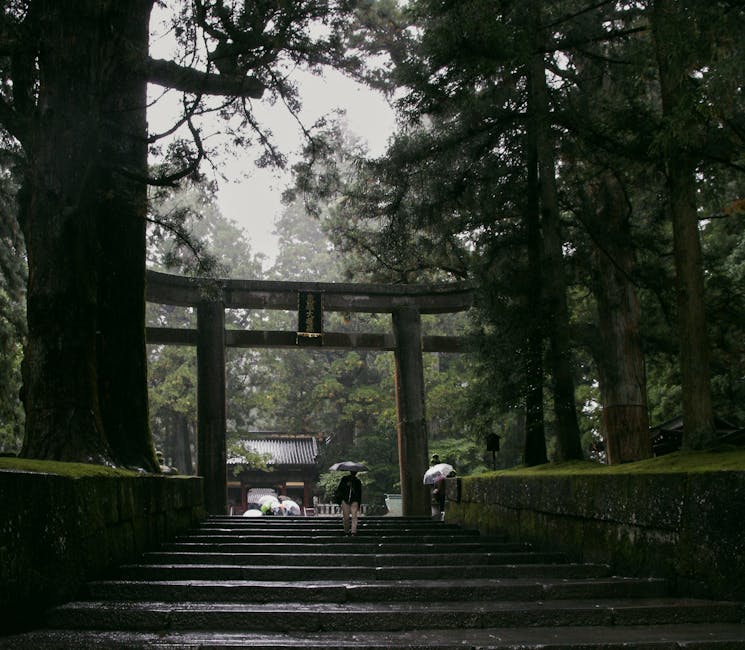
Though located in the heart of Sapporo’s business district, stepping inside the grounds brings a mysterious sense of tranquility. As a power spot for escaping urban noise and centering the mind, it continues to be beloved by locals and tourists alike.
The Allure of This Sacred Site
History and Origins
Miyoshi Shrine’s history began in 1878 (Meiji 11). Settlers from Akita Prefecture enshrined a divided spirit from their homeland’s guardian deity, Taiheizan Miyoshi Shrine.
At the time, Hokkaido’s development was extremely challenging. Harsh cold, untamed land, unfamiliar environment—amid these hardships, the deity brought from their homeland became their spiritual support. The powerful divine virtue of Miyoshi-no-Okami, “victory over any difficulty,” became a great spiritual pillar for those challenging the frontier.
In 1899 (Meiji 32), the shrine relocated to its current location. Since then, it has walked alongside Sapporo’s development, becoming one of the city’s representative shrines, affectionately known as “Sankichi-san.”
Miyoshi-no-Okami is a mountain deity from Akita Prefecture’s Mount Taihei. Worshipped as a strong and competitive deity with courage to face difficulties, the divine virtue of “strength in competitive situations” has earned deep faith from students, athletes, and business professionals.
Architecture and Natural Features
Miyoshi Shrine occupies approximately 4,300 square meters of grounds while being located near Odori Park in Sapporo’s business district. Though surrounded by buildings, the grounds retain abundant greenery, serving as an urban oasis.
The shrine buildings preserve Meiji-era architectural style with a dignified appearance. The worship hall, rebuilt in 1951 (Showa 26), features the practical, sturdy construction characteristic of Hokkaido shrines.
Within the grounds stands a large Ezo Itaya maple tree over 100 years old, displaying beautiful autumn colors each fall. There’s also a wishing stone called “Sankichi no Ishi,” where it’s said wishes come true if you place your hand on the stone while making a wish.
Beside the main hall, “Shusse Inari Shrine” is also enshrined, drawing many visitors seeking blessings for business prosperity and career advancement.
What Makes This Spot Special
What sets Miyoshi Shrine apart is its divine virtue specialized in “victory fortune.”
Miyoshi-no-Okami is also called the “competitive deity,” and visitors never cease coming before crucial competitions. It’s known that professional baseball players and J-League players secretly visit for prayers.
Additionally, the “Miyoshi Shrine Grand Festival” held every May 15 is a seasonal tradition heralding summer’s arrival in Sapporo. Portable shrine processions and food stalls draw many worshippers.
Its excellent accessibility in the city center—where you can drop by during work breaks—is another major attraction. As an “urban power spot,” it has earned deep faith from busy business professionals.
Spiritual Benefits and Effects
Known Spiritual Benefits
Miyoshi Shrine is known for various blessings, with particularly many visitors seeking these prayers:
Victory Fortune & Success in Competition: Miyoshi-no-Okami is the “God of Victory.” Many come to pray for victory at crucial life moments—exams, matches, business negotiations.
Work Fortune & Career Advancement: Given its location in the business district, many visitors pray for work success, promotions, and successful job changes. Combined worship at “Shusse Inari Shrine” in the grounds is recommended.
Business Prosperity: Okuninushi-no-Okami, the god of commerce, is also enshrined, offering blessings for business prosperity. Deep faith exists among Sapporo’s business owners.
Matchmaking & Good Relationships: Sukunahikona-no-Okami is also known as a deity of matchmaking, drawing young women praying for good relationships.
The Unique Energy of This Site
What many visitors sense at Miyoshi Shrine is “forward-looking energy” and “power that supports decision-making.”
Miyoshi-no-Okami’s characteristics of being “competitive” and “facing difficulties head-on” give worshippers strength as well. Especially when harboring doubts or facing major decisions, many report gaining conviction that “this is right” after visiting.
Additionally, despite being in the city center, entering the grounds mysteriously calms the heart, with many experiencing release from daily stress. Perhaps this “stillness” energy stands out precisely because it exists amid the business district’s bustle.
Visitor Testimonials
“I visited during my job search. I came the day before my interview, and my nervousness mysteriously eased. I felt like ‘just being myself.’ The result was a splendid success. I still make monthly visits to express gratitude.” (Man in his 30s, Sapporo)
“I visited before starting my business. Miyoshi-no-Okami’s ‘competitive’ divine virtue gave me the feeling that I couldn’t lose either. Thanks to that, I’ve reached my 5th year in business.” (Woman in her 40s, Sapporo)
Best Times to Visit
Spring (April–May)
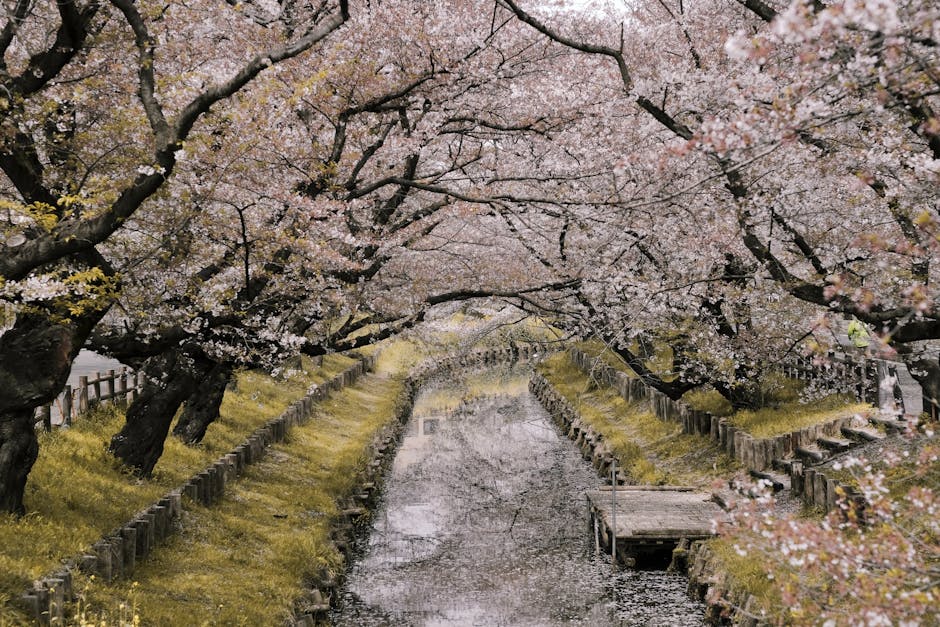
Cherry blossoms peak from late April to early May. The contrast of cherry blossoms and shrine buildings is beautiful. The “Grand Festival” on May 15 is a seasonal tradition heralding early summer in Sapporo, with portable shrine processions and food stalls. Golden Week is lively with tourists, but weekday mornings are quiet for worship.
Recommendation: ★★★★★
Summer (June–August)
Beautiful fresh green season. Mid-June’s “Nagoshi-no-Oharae” features the chinowa ring-passing ritual to purify the first half of the year. Sapporo summers are cool, making it the best tourist season. Visiting alongside Odori Park’s beer garden is recommended.
Recommendation: ★★★★☆
Autumn (September–November)
Autumn colors peak from mid-October to early November. The grounds’ Ezo Itaya maple turns beautiful colors. The Shichi-Go-San season (November) is busy with families, but morning worship is quiet.
Recommendation: ★★★★★
Winter (December–March)
The snow-covered grounds have an elegant atmosphere. New Year’s worship draws about 30,000 visitors from January 1–3. February’s “Setsubun Festival” includes bean-throwing rituals. Despite the harsh cold, worship in the crisp air is exceptional.
Recommendation: ★★★☆☆
Best Times of Day
Early Morning (6:00–8:00 AM): Few worshippers for quiet worship. Business people before work can be seen.
Morning (9:00 AM–12:00 PM): Reception hours for formal prayers. Smoothest time for goshuin stamps.
Lunch Break (12:00–1:00 PM): Office workers from nearby buildings drop by for quick visits.
Evening (4:00–6:00 PM): Worshippers on their way home from work. The evening grounds have charm.
Visitor’s Guide
Basic Worship Etiquette
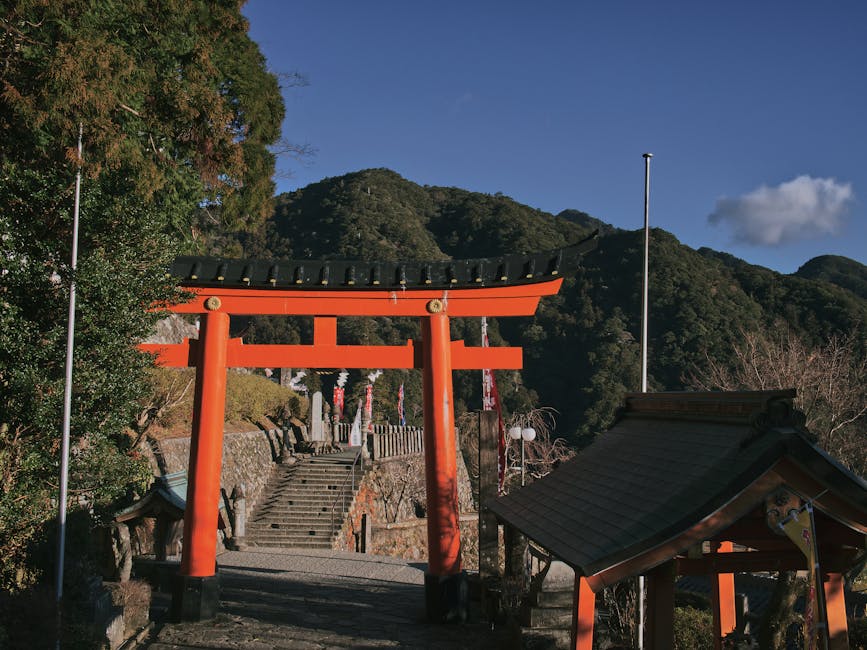
1. Bow at the Torii: Bow slightly before the torii gate before entering the grounds.
2. Walk Along the Edges of the Approach: The center of the approach is the deity’s pathway. Walking along the edges is proper etiquette.
3. Purify at Temizuya: Hold the ladle in your right hand and purify left hand → right hand → mouth → ladle handle in order. Currently may be suspended for infection control.
4. Worship at the Worship Hall: Place offering, ring the bell, two bows, two claps, one bow. Convey your wishes in your heart.
5. Also Visit Shusse Inari Shrine: Don’t forget to worship at Shusse Inari Shrine beside the main hall.
This Spot’s Special Points
Sankichi no Ishi (Wishing Stone): A wishing stone in the grounds. It’s said wishes come true if you place your hand on the stone while wishing. Those wanting to boost victory fortune should definitely stop by.
Shusse Inari Shrine: An Inari shrine beside the main hall. With blessings for business prosperity and career advancement, most visitors worship here together with Miyoshi Shrine.
Goshuin: Available at shrine office (¥500). Characterized by the powerful calligraphy of “Miyoshi Jinja.” Special goshuin available during the Grand Festival period.
Amulets: “Kachi-mamori” (victory fortune) and “Shigoto-mamori” (work fortune) are popular. Also recommended as gifts for business professionals.
Dress Code and What to Bring
- Clothing: Casual wear is fine. Many worshippers in suits given the business district. Dress warmly in winter.
- What to Bring: Goshuin stamp book, wallet (for offerings and goshuin)
- Note: Grounds are non-smoking.
Basic Information
Access
Address: 17 Minami 1-jo Nishi 8-chome, Chuo-ku, Sapporo, Hokkaido
By Train:
- 5-minute walk from Exit 1, “Odori Station” (Tozai, Namboku, Toho subway lines)
- 5-minute walk from Exit 4, “Nishi 11-chome Station” (Tozai subway line)
- 15-minute walk from JR Sapporo Station
By Car:
- Approximately 5 minutes from Sapporo Station
- Parking: None (use nearby coin parking)
Visiting Information
- Worship Hours: Grounds freely accessible (shrine office 9:00 AM–5:00 PM)
- Closed: Open year-round
- Admission: Free
- Prayer Reception: 9:00 AM–4:30 PM (reservations preferred)
- Initial Offering: From ¥5,000
- Duration: 15–30 minutes for worship only
- Official Website: https://miyoshi-jinja.or.jp/
- Contact: 011-251-3443
Area Information
Nearby Attractions
Odori Park (3-min walk)
Sapporo’s representative urban park. A belt-shaped park stretching about 1.5 kilometers featuring Sapporo TV Tower, flower beds, and fountains. Famous for summer beer gardens and winter White Illumination.
Sapporo Clock Tower (10-min walk)
Sapporo’s symbol. A historic building constructed in 1878, designated an Important Cultural Property. The interior is open as a museum.
Hokkaido Shrine (15 min by car)
Hokkaido’s guardian shrine. “Power spot hopping” visiting together with Miyoshi Shrine is popular.
Recommended Restaurants
Tanukikoji Shopping Arcade (5-min walk)
- Sapporo’s largest covered shopping street
- About 200 shops including restaurants and souvenir stores
- Sapporo gourmet like ramen, seafood bowls, and soup curry all gathered
Susukino (10-min walk)
- Northern Japan’s largest entertainment district
- Endless choices: Jingisukan, sushi, izakayas
Rokkatei Sapporo Main Store (7-min walk)
- Representative Hokkaido confectionery shop
- Specialties: Marusei Butter Sandwich, Yuki-ya-Konko
- Café space offers limited sweets
Morihiko Main Store (15-min walk)
- Sapporo-born specialty coffee shop
- Relaxed time in a retro renovated traditional house café
- Hours: 10:00 AM–9:00 PM
Souvenirs & Local Products
- Miyoshi Shrine Amulets: “Kachi-mamori” and “Shigoto-mamori” are popular
- Rokkatei Sweets: Marusei Butter Sandwich is a Hokkaido souvenir standard
- Shiroi Koibito: Well-known Hokkaido confection
- Sapporo Agricultural School Cookies: Hokkaido University-certified milk cookies
Model Itineraries
Half-Day Course (approx. 3 hours)
10:00 AM Miyoshi Shrine worship (30 min)
10:30 AM Odori Park stroll (30 min)
11:00 AM Sapporo Clock Tower visit (30 min)
11:30 AM Lunch and souvenir shopping at Tanukikoji (1.5 hours)
Full-Day Course (approx. 7 hours)
9:00 AM Hokkaido Shrine worship (1 hour)
10:30 AM Miyoshi Shrine worship (30 min)
11:00 AM Odori Park and Clock Tower stroll (1 hour)
12:00 PM Lunch at Tanukikoji (1 hour)
1:00 PM Sapporo Beer Museum (15 min by car, 1.5 hours)
3:00 PM Hitsujigaoka Observation Hill (20 min by car, 1 hour)
4:30 PM Dinner in Susukino
Visitor Reviews and Experiences
“I Feel My Work Fortune Has Improved” (Woman in her 30s, Tokyo)
“I stopped by during a Sapporo business trip. I was surprised that such a quiet shrine exists in the business district. I bought a Kachi-mamori and keep it in my business card holder, and business negotiations seem to go better.”
“Gratitude Visit for Passing Exams” (Woman in her 20s, Sapporo)
“I visited before university entrance exams and passed my first choice. I believe I received Miyoshi-no-Okami’s ‘competitive’ power. Every year during exam season, I come to express gratitude.”
“An Urban Oasis” (Man in his 50s, Sapporo)
“Since my office is nearby, I often visit during lunch breaks. It’s only 15 minutes, but entering the grounds brings a feeling of resetting my heart. I can work hard in the afternoon.”
Frequently Asked Questions
Q: Is there parking?
A: There is no dedicated parking. Please use nearby coin parking lots. Many are available around Odori Park.
Q: Can I receive goshuin stamps?
A: Available at the shrine office from 9:00 AM–5:00 PM (¥500). Special goshuin available during the Grand Festival period.
Q: Do formal prayers require reservations?
A: Reservations are preferred but same-day reception is possible. During New Year’s and Shichi-Go-San seasons, advance reservations are recommended due to crowds.
Q: Can I bring pets?
A: Only small dogs carried or in carriers are allowed. Walking on leash only is not permitted.
Nearby Power Spots
- [Lake Akan](https://k005.net/en/powerspot/akan-lake-en/)
- [Chitose Shrine](https://k005.net/en/powerspot/chitose-jinja-en/)
- [Hokkaido Jingu](https://k005.net/en/powerspot/hokkaido-jingu-en/)
- [Jozankei Shrine](https://k005.net/en/powerspot/jozankei-jinja-en/)
- [Kamui Kotan](https://k005.net/en/powerspot/kamui-kotan-en/)
Summary
Miyoshi Shrine is the “God of Victory” enshrined in Sapporo’s business district. Since its founding in 1878, it has walked alongside Hokkaido’s pioneering history, becoming a spiritual anchor for many Sapporo residents.
Miyoshi-no-Okami’s divine virtues of being “competitive” and “facing difficulties head-on” give powerful energy to us living in modern times. When you want to achieve results at work, face important exams, or need encouragement at life’s crucial moments—Miyoshi Shrine is a power spot that will strongly support you.
The excellent access just 5 minutes from Odori subway station is also attractive. When visiting Sapporo, be sure to stop by Miyoshi Shrine along with Odori Park and the Clock Tower. Taking time to leave urban noise behind and center your mind will surely bring new vitality.
—
Want to discover the power spot that’s right for you?
Beyond this location, Japan is home to countless power spots. To find the one most suited to you, try our free compatibility assessment (takes just 3 minutes).
→ [Take the Free En Profile Assessment](https://enguide.info)
—
*Information in this article is current as of December 2025. Please verify the latest details via the official website before visiting.*
あなたに最適なパワースポットを知りたい方へ