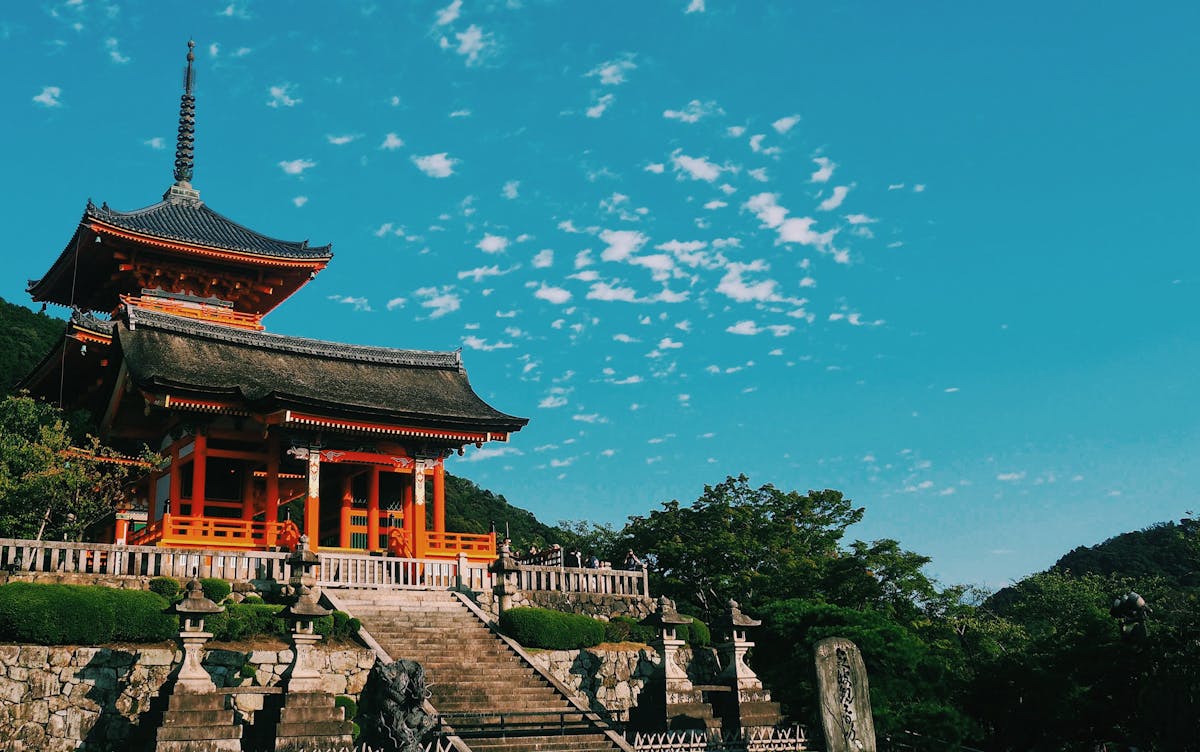
Have you ever heard the Japanese expression “to jump off the stage at Kiyomizu”? This phrase, meaning to take a leap of faith, originates from this very temple. Standing on the famous wooden stage, gazing over the ancient capital of Kyoto, you will understand why millions of pilgrims have been drawn to this sacred place for over 1,200 years.
Kiyomizu-dera, a UNESCO World Heritage Site perched on the slopes of Mount Otowa in eastern Kyoto, offers visitors an extraordinary blend of stunning architecture, spiritual significance, and breathtaking seasonal beauty. Whether you seek academic success, romantic fulfillment, or longevity, the temple’s legendary Otowa Waterfall grants three distinct blessings to those who drink from its waters.
This comprehensive guide covers everything international visitors need to know: from the proper way to drink the sacred waters, to beating the crowds, to discovering the best local restaurants in the charming streets below.
Temple Highlights
The Famous Wooden Stage
The most iconic feature of Kiyomizu-dera is its main hall, featuring a massive wooden stage that juts out 13 meters (43 feet) above the hillside. This architectural marvel was constructed in 1633 without using a single nail, relying instead on 139 zelkova wood pillars interlocked using a traditional technique called “kakezukuri.”
From this stage, visitors enjoy panoramic views of Kyoto city, including Kyoto Tower in the distance. The view transforms dramatically with the seasons: approximately 1,500 cherry trees bloom in spring, while around 1,000 maple trees create a sea of crimson in autumn.
History and Significance
Founded in 778 CE by the monk Enchin, Kiyomizu-dera has survived wars, fires, and earthquakes for over 1,200 years. The temple’s name, meaning “Pure Water Temple,” derives from the Otowa Waterfall that flows through the grounds.
The temple enshrines the Eleven-faced, Thousand-armed Kannon (goddess of mercy), a hidden Buddha statue revealed to the public only once every 33 years. The next viewing is scheduled for 2033.
Key historical facts:
- 778 CE: Temple founded by Enchin
- 1994: Registered as UNESCO World Heritage Site
- Over 5 million: Annual visitors
Spiritual Blessings
Otowa Waterfall: Three Sacred Waters
Located at the base of the main hall, Otowa Waterfall divides into three separate streams, each offering different blessings:
- Left stream: Academic success
- Center stream: Love and relationships
- Right stream: Health and longevity
Proper etiquette for drinking:
1. Take one of the long-handled cups (UV sterilized after each use)
2. Catch water from ONE stream only
3. Take only ONE sip
4. Do not drink from all three streams – this is considered greedy and may weaken the blessing
5. Return the cup to its place
Wait time: During peak hours, expect 20-30 minutes in line. Early morning visits (before 8:00 AM) typically have no wait.
Jishu Shrine: Love and Matchmaking
Within the Kiyomizu-dera grounds sits Jishu Shrine, dedicated to the god of love and matchmaking, Okuninushi. The shrine is famous for its “Love Stones” – two stones placed 10 meters (33 feet) apart.
The love stone challenge: Walk from one stone to the other with your eyes closed. If you reach the second stone successfully, your romantic wish will come true. If someone guides you, you will need help from others to find love.
Note: Jishu Shrine underwent renovation until December 2024. Please check the official website for current access information.
Visitor Testimonials
“I visited Otowa Waterfall before my university entrance exams and drank from the left stream for academic success. On exam day, I felt unusually calm and focused. I passed my first-choice university!” (Woman in her 20s, Osaka)
“I tried the love stone challenge at Jishu Shrine. I lost my way halfway through with my eyes closed, but somehow made it to the other stone. Six months later, I met my husband.” (Woman in her 30s, Tokyo)
Best Time to Visit
Seasonal Guide
Spring (Late March – Early April) ★★★★★
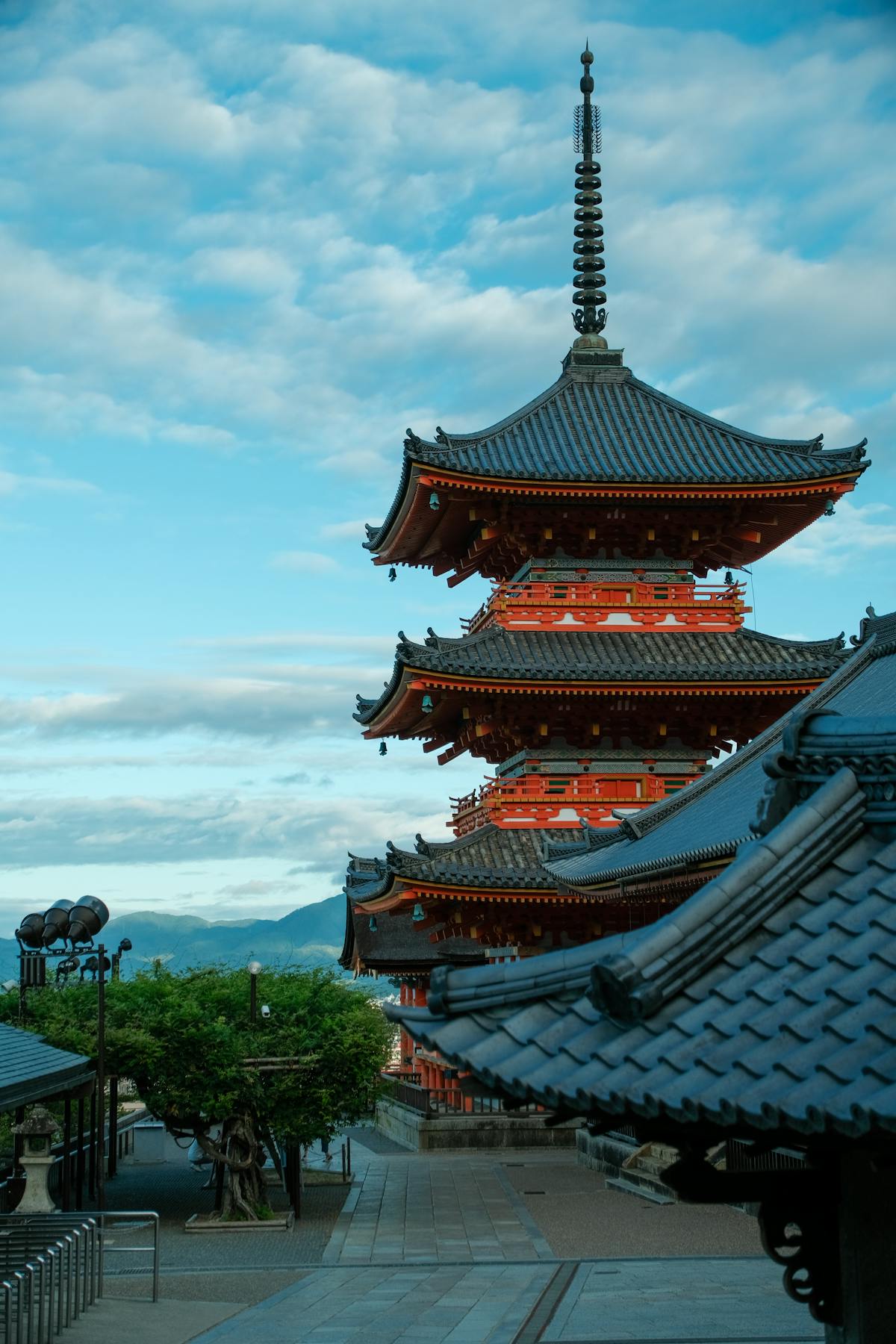
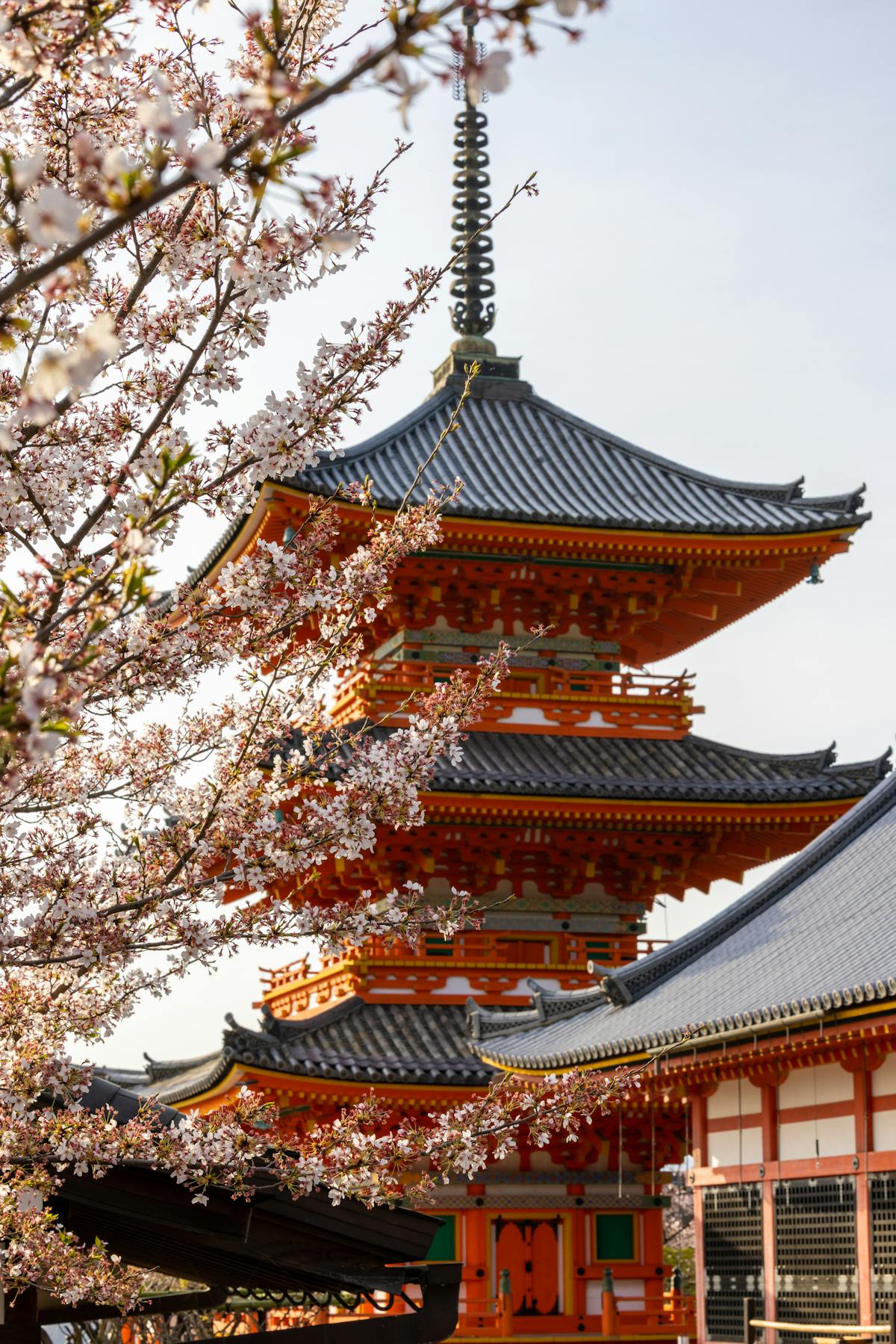
Cherry blossom season transforms the temple into a pink wonderland. Special evening illuminations (18:00-21:30) showcase the blossoms dramatically. Temperatures range 10-18°C (50-64°F). Peak season brings up to 50,000 daily visitors, so arrive at 6:00 AM opening for a peaceful experience.
Summer (June – August) ★★★☆☆
Deep green foliage creates a cool, mystical atmosphere. The “Senni Mairi” (Thousand Day Pilgrimage) in mid-August offers special blessings. Be prepared for temperatures exceeding 35°C (95°F).
Autumn (Mid-November – Early December) ★★★★★
The most spectacular season, when 1,000 maple trees blaze with color. Evening illuminations create magical reflections. The busiest time of year – arrive early morning or after 16:30 to avoid crowds.
Winter (December – February) ★★★★☆
Fewer tourists and a serene atmosphere. Snow-covered scenes (occurring only a few times per year) are exceptionally beautiful. Temperatures range 0-8°C (32-46°F).
Recommended Visiting Hours
- 6:00-7:30 AM: Almost empty, mystical morning mist
- 8:00-11:00 AM: Best light for photography
- 1:00-3:00 PM: Combine with nearby restaurants
- After 4:00 PM: Sunset views over Kyoto (when no evening illumination)
Avoiding Crowds
Busiest periods: Cherry blossom season, November (autumn leaves), Golden Week, New Year holidays
Best days: Tuesday and Wednesday
Secret tip: The hour before closing is surprisingly peaceful
Visiting Information
Access
Address: 1-294 Kiyomizu, Higashiyama-ku, Kyoto City, Kyoto Prefecture
From Kyoto Station:
- City Bus #100 or #206 to “Kiyomizu-michi” or “Gojo-zaka” stop (15 minutes, ¥230)
- Walk uphill 10 minutes to temple entrance
From Kiyomizu-Gojo Station (Keihan Line):
- 25-minute walk uphill
From Gion-Shijo Station (Keihan Line):
- 25-minute walk through historic streets
By car: Not recommended. No temple parking available. Nearby lots charge ¥1,000-1,500 per day and fill quickly.
Basic Information
| Item | Details |
|——|———|
| Hours | 6:00 AM – 6:00 PM (varies seasonally; until 9:30 PM during illuminations) |
| Admission | Adults ¥400, Elementary/Junior High ¥200 |
| Duration | Quick visit 40 min, thorough exploration 1.5-2 hours |
| Official website | https://www.kiyomizudera.or.jp/ |
| Phone | 075-551-1234 |
Special Evening Illuminations
Spring: Late March – Early April (cherry blossom lighting)
Autumn: Mid-November – Early December (autumn leaves lighting)
Hours: 6:00 PM – 9:30 PM (last entry 9:00 PM)
Admission: ¥400
The illuminated stage combined with the blue “Light of Compassion” beam projecting into the sky creates an unforgettable experience unique to Kiyomizu-dera.
Nearby Attractions
Ninenzaka and Sannenzaka Streets
These historic stone-paved lanes leading to Kiyomizu-dera are lined with traditional shops, tea houses, and souvenir stores housed in preserved machiya townhouses.
Ninenzaka (Two-Year Slope): 100 meters long
Sannenzaka (Three-Year Slope): 150 meters long
Local legend says stumbling on these slopes brings bad luck (2 or 3 years respectively), but don’t worry – it’s just folklore encouraging you to watch your step. Do wear comfortable shoes as the stone steps can be slippery.
Yasaka Pagoda
This five-story pagoda, officially called Hokanji Temple, is one of Kyoto’s most photographed landmarks. At 46 meters tall, it creates a stunning backdrop when viewed from Ninenzaka.
Recommended Restaurants
1. Okutan Kiyomizu (Yudofu/Tofu)
- Specialty: Traditional tofu kaiseki (¥3,300)
- History: Over 380 years old
- Distance: 3-minute walk from temple
- Hours: 11:00 AM – 4:30 PM (L.O.), closed Thursdays
2. Saryo Tsujiri Kodaiji (Matcha Sweets)
- Specialty: Premium matcha parfait (¥1,500)
- Distance: 10-minute walk
- Hours: 10:00 AM – 6:00 PM
3. Nishio Yatsuhashi Kiyomizu (Sweets/Souvenirs)
- Specialty: Fresh yatsuhashi sweet rice crackers (from ¥350)
- History: Over 300 years old
- Distance: 5-minute walk
- Hours: 8:00 AM – 6:00 PM
4. Inoda Coffee Kiyomizu
- Specialty: “Arabian Pearl” coffee (¥680)
- Atmosphere: Retro Kyoto coffee house
- Distance: 8-minute walk
- Hours: 9:00 AM – 5:00 PM
5. Akoya Chaya (Pickles/Ochazuke)
- Specialty: Ochazuke buffet with 20+ pickles (¥1,650)
- Distance: 7-minute walk
- Hours: 11:00 AM – 4:00 PM (or sold out)
Suggested Itineraries
Half-Day Tour (4 hours)
“`
10:00 – Arrive at Kiyomizu-dera, explore main hall (90 min)
11:30 – Otowa Waterfall and Jishu Shrine
12:00 – Walk down Ninenzaka and Sannenzaka
12:30 – Lunch at Okutan (tofu kaiseki)
13:30 – View Yasaka Pagoda, head toward Gion
14:00 – End
“`
Full-Day Kyoto Eastern Mountains Tour (7 hours)
“`
9:00 – Kiyomizu-dera (90 min)
10:30 – Jishu Shrine love stone challenge
11:00 – Ninenzaka/Sannenzaka shopping
12:00 – Lunch at Akoya Chaya
13:30 – Kodaiji Temple (Hideyoshi and Nene)
14:30 – Nene-no-Michi path
15:00 – Yasaka Shrine
15:30 – Hanamikoji Street in Gion
16:00 – Coffee break near Gion-Shijo Station
17:00 – End
“`
Frequently Asked Questions
Q: How long should I spend at Kiyomizu-dera?
A: 40 minutes for the main hall only, 60-90 minutes including Otowa Waterfall and Jishu Shrine, 2-3 hours for thorough exploration plus nearby streets.
Q: Is the temple wheelchair/stroller accessible?
A: Limited accessibility. There is a wheelchair ramp from the Niomon Gate to the main hall, but many areas have stairs. Contact the temple in advance for specific needs.
Q: Are pets allowed?
A: No, except for service animals.
Q: Can I get a goshuin (temple stamp)?
A: Yes, available at multiple locations including the main hall and Otowa Waterfall (¥300 each). Expect 30+ minute waits during busy periods.
Q: What should I wear?
A: Comfortable walking shoes are essential – the temple grounds include many stairs and slopes. Dress respectfully (no revealing clothing).
Q: Is Kiyomizu-dera suitable for children?
A: Yes, children enjoy the impressive wooden stage and climbing the stairs. The Otowa Waterfall is a fun, interactive activity for kids. Strollers are difficult to use due to stairs; a baby carrier is recommended.
Q: Can I visit on rainy days?
A: Yes, but be careful as stone paths become slippery. The main hall has covered areas. Rainy days have fewer crowds and create a mystical atmosphere with mist over the valley.
Conclusion
Kiyomizu-dera stands as one of Japan’s most magnificent spiritual sites, offering visitors the chance to experience over 1,200 years of history, stunning architecture, and powerful blessings.
The nail-less wooden stage overlooking Kyoto, the three sacred waters of Otowa Waterfall, the love stones of Jishu Shrine – each element of this temple complex invites you to take your own leap of faith toward a better future.
You don’t need the courage to literally jump from the stage. Simply open your heart to the accumulated spiritual energy of this remarkable place. Stand where millions of pilgrims have stood before you, breathe in the mountain air, and let Kiyomizu-dera work its ancient magic.
For the most transformative experience, consider arriving at 6:00 AM opening. In those quiet morning moments, with mist rising from the valley and not another soul in sight, you’ll understand why this temple has captured hearts for more than a millennium.
Want to discover the power spot that’s right for you?
Beyond this location, Japan is home to countless power spots. To find the one most suited to you, try our free compatibility assessment (takes just 3 minutes).
→ [Take the Free En Profile Assessment](https://enguide.info)
*Information in this article is accurate as of January 2025. Please check the official website for the latest details before your visit.*
Nearby Power Spots
- [Fushimi Inari Taisha](https://k005.net/en/powerspot/fushimi-inari-day-trip-osaka-en/)
- [Seimei Shrine](https://k005.net/en/powerspot/seimei-shrine-kyoto-day-trip-en/)
- [Nachi Falls](https://k005.net/en/powerspot/nachi-falls-en/)
- [Sumiyoshi Taisha](https://k005.net/en/powerspot/sumiyoshi-taisha-en/)
- [Atsuta Shrine](https://k005.net/en/powerspot/atsuta-jingu-en/)
あなたに最適なパワースポットを知りたい方へ