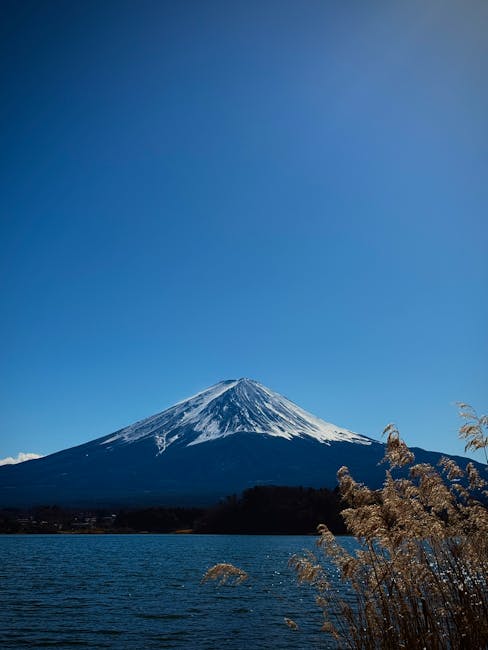
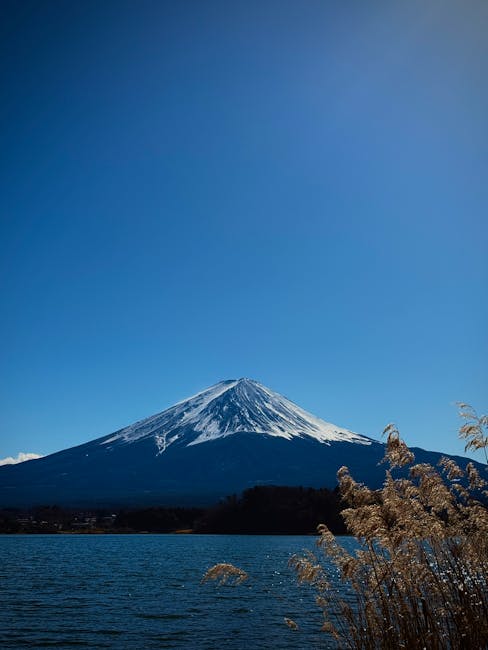
Located in Fujikawaguchiko Town, Minamitsuru District, Yamanashi Prefecture, Lake Kawaguchi is a beautiful lake with the longest shoreline among the Fuji Five Lakes. At approximately 830 meters elevation, with a circumference of about 21 kilometers and maximum depth of about 15 meters, the “Inverted Fuji” (Sakasa Fuji) reflected on the lake surface is an iconic Japanese landscape that draws tourists from around the world.
Long flourishing as a base for Mount Fuji worship, shrines and temples including Kawaguchi Asama Shrine dot the lakeside. This place where Mount Fuji’s spiritual power and the lake’s energy intersect is known as a power spot for purification of body and mind and wish fulfillment.
Cherry blossoms and Mount Fuji in spring, fresh greenery and lavender in summer, autumn foliage in fall, and snow-capped views in winter—Lake Kawaguchi, reflecting the seasonal faces of Mount Fuji, is one of Japan’s premier power spots where natural beauty and mystical energy merge.
The Allure of This Sacred Site
History and Origins
Lake Kawaguchi’s history is intertwined with Mount Fuji worship. In ancient times, it was called “Mikami no Umi” (Lake of the Gods), a sacred place where ascetic practitioners purified themselves before climbing Mount Fuji.
During the Heian period, Asama worship venerating Mount Fuji as a sacred deity flourished, and Kawaguchi Asama Shrine, built in 864 (Jogan 6) to pacify Mount Fuji following its eruption, became the center of faith in this area. The “Oshi” culture preserved at the shrine—a unique religious practice of guiding pilgrims up Mount Fuji and providing lodging—was registered as a component of the World Cultural Heritage “Fujisan” in 2013.
During the Edo period, confraternities called “Fujiko” dedicated to Mount Fuji worship spread nationwide, and Lake Kawaguchi prospered as a starting point for Mount Fuji climbing, bustling with many pilgrims. Even today, the Oshi houses along the lakeside retain traces of that era.
From the Meiji period onward, the area also developed as a tourist destination. It was designated as part of Fuji-Hakone-Izu National Park in 1950, and in 2013, registered as World Cultural Heritage under “Fujisan—Sacred Place and Source of Artistic Inspiration,” with Lake Kawaguchi as one of its component sites.
Architecture and Natural Features
Lake Kawaguchi is the second largest of the Fuji Five Lakes and has the longest shoreline (approximately 21 kilometers). The lake surface elevation is about 830 meters, area is 5.48 square kilometers, and maximum depth is about 15 meters.
The lake’s greatest feature is its beautiful reflection of Mount Fuji. Particularly on windless early mornings, the “Inverted Fuji” reflected on the lake surface is an iconic Japanese landscape depicted even in Katsushika Hokusai’s ukiyo-e prints. Excellent viewpoints including Ubuyagasaki and Oishi Park are scattered around the lake.
The Kawaguchi-ko Ohashi Bridge spans the northern shore, and from this 500-meter-long bridge, visitors can enjoy a grand panorama of Mount Fuji and the lake. When opened in 1971 it was a toll bridge, but passage is now free.
Shrines related to Mount Fuji worship, including Kawaguchi Asama Shrine and Fuji Omuro Sengen Shrine, are enshrined along the lakeside. Particularly, the giant cedar grove at Kawaguchi Asama Shrine, some over 1,200 years old, is known as a powerful power spot.
What Makes This Spot Special
What sets Lake Kawaguchi apart from other lakes is its “unity with Mount Fuji.”
Mount Fuji has been revered as a sacred peak since ancient times, and its spiritual power is said to extend to the surrounding lakes. Lake Kawaguchi is a dammed lake formed by Mount Fuji’s volcanic activity, literally “connected by water” to Mount Fuji. Its spiritual energy is said to be extremely powerful.
Additionally, the “Inverted Fuji” can only be seen under special conditions—when there is no wind and the air is clear. There is a tradition that those who see the Inverted Fuji will have their wishes granted.
Oshino Hakkai, where Mount Fuji’s underground water springs forth, is also nearby, making this an area with particularly strong water energy. It could be called an ideal power spot for those seeking purification and healing.
Spiritual Benefits and Effects
Known Spiritual Benefits
While Lake Kawaguchi is a natural power spot, it is said to offer the following benefits connected to Mount Fuji worship:
Mind-Body Purification & Refreshment: Mount Fuji’s spiritual energy and the lake’s water energy are said to wash away fatigue and negative energy accumulated in body and mind. Particularly effective when walking along the lakeside and taking deep breaths.
Wish Fulfillment & Good Fortune: Since “Fuji” can be read as “immortal” in Japanese, Mount Fuji has long been believed to have the power to fulfill wishes. When the Inverted Fuji is visible, wishes are said to be especially likely to come true.
Matchmaking & Romance: Shrines along the lakeside are said to offer blessings for good relationships. Particularly, the “Utsukushiishi” (Beautiful Stone) at Kawaguchi Asama Shrine is said to bring beauty and good matches to those who touch it.
Creativity & Inspiration: Many artists have found inspiration in this place. It is known as a place beloved by literary figures including Osamu Dazai and Akiko Yosano.
The Unique Energy of This Site
What many visitors sense at Lake Kawaguchi is a “grand sense of scale” and “inner tranquility.”
Facing the majestic Mount Fuji, one realizes how small daily worries really are. This experience resets the heart and brings new perspectives.
Many also report that simply gazing at the lake surface calms the heart and makes it easier to enter a meditative state. Water energy has purifying properties and is said to wash away negative emotions.
Visitor Testimonials
“I visited when I was stuck at work. The moment I saw the Inverted Fuji at dawn, tears came unexpectedly and my heart felt cleansed. That experience was a turning point.” (Man in his 40s, Tokyo)
“I was uncertain about marriage when I visited with a friend. After worshipping at Kawaguchi Asama Shrine, a mysterious conviction that ‘this is the one’ arose in me.” (Woman in her 30s, Kanagawa)
Best Times to Visit
Spring (April–May)
The contrast of cherry blossoms and Mount Fuji is beautiful. Peak blooming is mid to late April, when the “Fuji-Kawaguchiko Sakura Festival” is held. About 200 cherry trees line the lakeside. Golden Week is crowded, but early mornings are relatively empty.
Recommendation: ★★★★★
Summer (June–August)
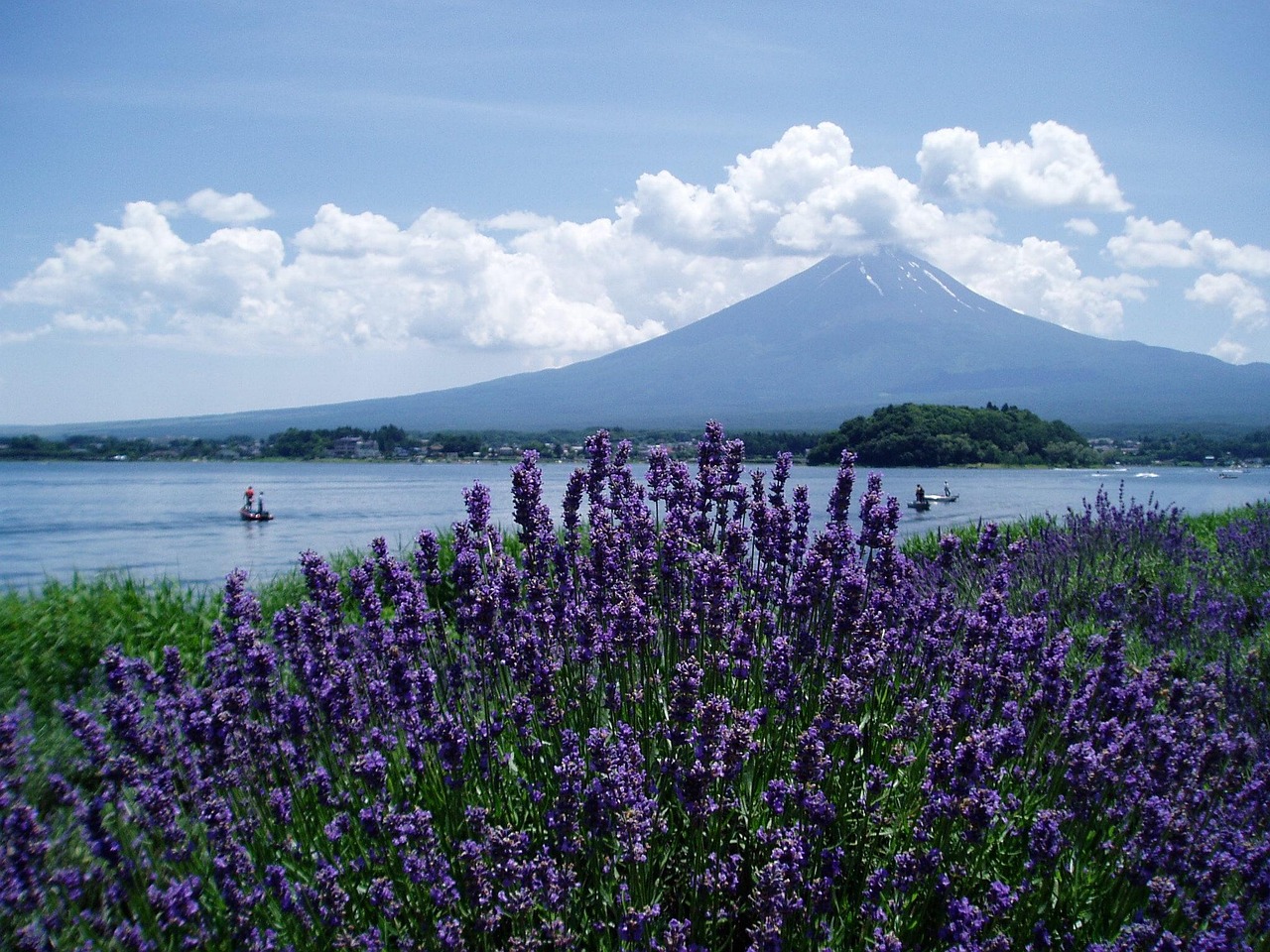
Late June to mid-July features the “Kawaguchiko Herb Festival” with lavender in bloom. The sight of approximately 100,000 lavender plants with Mount Fuji is spectacular. August is the Mount Fuji climbing season, attracting many hikers.
Recommendation: ★★★★☆
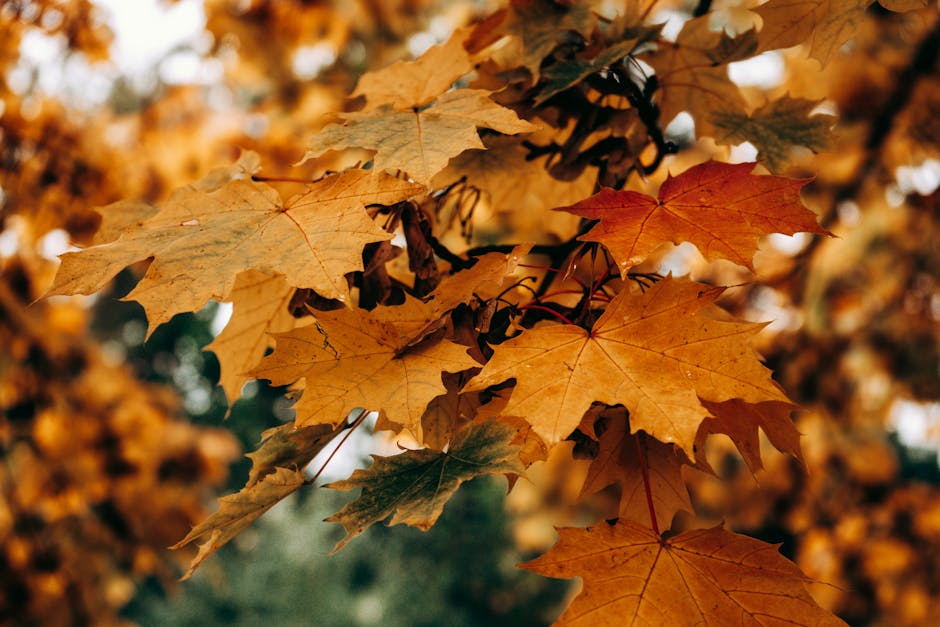
Autumn (September–November)
Famous as an autumn foliage destination. Peak is early to mid-November, with the “Fuji Kawaguchiko Momiji Festival” held. The illuminated Momiji Corridor is fantastical. A good season for seeing the Inverted Fuji.
Recommendation: ★★★★★
Winter (December–March)
The most beautiful season for snow-capped Mount Fuji. Clear air makes the Inverted Fuji easier to see. January–February features “Kawaguchiko Winter Fireworks,” offering fireworks with Mount Fuji. Despite severe cold, fewer tourists.
Recommendation: ★★★★☆
Best Times of Day
Early Morning (5:00–7:00 AM): Best time for Inverted Fuji. When there’s no wind and the lake surface is mirror-calm. Popular with photographers.
Morning (8:00 AM–12:00 PM): Tourist facilities open. Recommended for cruise boats and ropeway.
Afternoon (1:00–5:00 PM): Clouds tend to form, sometimes hiding Mount Fuji. However, the evening “Aka-Fuji” (Red Fuji) is not to be missed.
Evening–Night: Mount Fuji dyed in sunset “Aka-Fuji” is spectacular. Stargazing is also possible at night.
Visitor’s Guide
How to Enjoy Lake Kawaguchi
Multiple shrines and power spots surround Lake Kawaguchi. Try exploring with this recommended course:
1. Visit Kawaguchi Asama Shrine
About 10 minutes by car from Kawaguchiko Station. An ancient shrine established in 864 with Mount Fuji as its sacred deity. The giant cedars in the grounds are 800–1,200 years old. Touch the “Utsukushiishi” and pray for good relationships. After worship, consider extending your walk to “Haha no Shirataki” waterfall (about 30 minutes on foot).
2. View Inverted Fuji at Ubuyagasaki
The most famous spot for photographing Inverted Fuji. Early morning is best, but on windless days it can sometimes be seen during the day. Free parking available.
3. Lake Kawaguchi Sightseeing Boat “Ensoleillé”
About 20-minute cruise viewing Mount Fuji from the lake. Adults ¥1,000. Operates 9:00 AM–4:30 PM (varies by season).
4. Kachi Kachi Ropeway
About 3 minutes to Fujimidai Station (elevation 1,075 meters). The observation deck offers a grand panorama of Lake Kawaguchi and Mount Fuji. Round trip ¥900.
5. Lavender and Mount Fuji at Oishi Park
Summer season only, but enjoy spectacular views of approximately 100,000 lavender plants with Mount Fuji. Free admission.
Spending Time as a Power Spot
Deep Breathing by the Lakeside: While gazing at Mount Fuji, breathe slowly and deeply. Take in the pure air and Mount Fuji’s spiritual energy.
Enjoy the Time Waiting for Inverted Fuji: Waiting quietly by the lakeside early morning is itself a meditative experience. Even if you don’t see it, the tranquility is healing.
Pray at Kawaguchi Asama Shrine: At this sacred site of Mount Fuji worship, quietly convey your wishes.
Dress Code and What to Bring
- Clothing: The lakeside is cooler than lowlands, so bring layers even in summer. Comfortable walking shoes essential.
- What to Bring: Camera, sunscreen (summer), warm clothing (early mornings in autumn/winter/spring)
- Note: If aiming for early morning Inverted Fuji, staying overnight and preparing for the next morning is recommended.
Basic Information
Access
Address: Fujikawaguchiko Town, Minamitsuru District, Yamanashi Prefecture
By Car:
- From Tokyo: About 10 minutes from Kawaguchiko IC on Chuo Expressway
- From Shizuoka: Tomei Expressway → Gotemba IC → Route 138 → about 50 minutes
- Parking: Multiple lots around the lake (free to ¥500)
By Public Transportation:
- Fuji Kyuko Bus “Kawaguchiko Station” from Shinjuku Station, about 1 hour 45 minutes
- JR Chuo Line “Otsuki Station” → Fujikyu Railway about 1 hour → “Kawaguchiko Station”
Visiting Information
- Viewing Hours: 24 hours (varies by facility)
- Closed: None (varies by facility)
- Admission: Free for lakeside walks
- Duration: 2–3 hours for lakeside only, half to full day including surrounding facilities
- Official Website: https://www.fujisan.ne.jp/ (Fujikawaguchiko Tourism Federation)
- Contact: Fujikawaguchiko Town Tourism Division 0555-72-3168
Area Information
Nearby Attractions
Oshino Hakkai (20 min by car)
Eight ponds where Mount Fuji’s underground water springs forth. A World Cultural Heritage component site. The highly transparent water and thatched-roof scenery is quintessential Japanese landscape. Free admission (some paid facilities).
Fuji-Q Highland (10 min by car)
An amusement park famous for thrill rides. World-class attractions including FUJIYAMA and Do-Dodonpa. Free admission (attractions separate).
Saiko Iyashi no Sato Nenba (15 min by car)
A recreated village of thatched-roof traditional houses. Japanese countryside scenery spreads out with Mount Fuji in the background. Admission ¥500.
Recommended Restaurants
Houtou Fudo (lakeside)
- Famous restaurant for Yamanashi specialty “Houtou” noodles
- Specialty: Fudo Houtou (¥1,200)
- Hours: 11:00 AM–7:00 PM
Lake Bake Bakery (5 min by car)
- Bread and coffee with views of Mount Fuji
- Specialties: Croissant (¥280), various stone-oven breads
- Hours: 9:00 AM–5:00 PM
Herb Garden Travel Diary (near Oishi Park)
- About 200 varieties of herbs with Mount Fuji
- Free admission, café on site
- Hours: 9:00 AM–5:30 PM
Kawaguchiko Cheesecake Garden (lakeside)
- Mount Fuji-shaped cheesecake is popular
- Specialty: Rich Cheesecake (¥400)
- Hours: 9:00 AM–6:00 PM
Souvenirs & Local Products
- Shingen Mochi: Yamanashi’s representative confection. Kinako and black syrup combination
- Houtou: Regional cuisine with thick noodles in miso. Gift sets available
- Mount Fuji Goods: Abundant Mount Fuji-themed goods and sweets
- Kawaguchiko Wine: Wine from local wineries
Model Itineraries
Half-Day Course (approx. 4 hours)
9:00 AM Arrive at Kawaguchiko Station
9:30 AM Kachi Kachi Ropeway to observation deck (1 hour)
10:30 AM Lake Kawaguchi sightseeing boat (30 min)
11:15 AM View Inverted Fuji spot at Ubuyagasaki
12:00 PM Lunch at Houtou Fudo
1:00 PM Return to Kawaguchiko Station
Full-Day Course (approx. 8 hours)
8:00 AM See early morning Inverted Fuji (Ubuyagasaki)
9:00 AM Kawaguchi Asama Shrine worship (1 hour)
10:30 AM Kachi Kachi Ropeway
11:30 AM Lunch (Houtou)
1:00 PM Oshino Hakkai (1.5 hours)
3:00 PM Oishi Park stroll
4:30 PM Rest at lakeside café
5:30 PM End viewing sunset Mount Fuji
Visitor Reviews and Experiences
“Moved by the Inverted Fuji” (Couple in their 50s, Osaka)
“On a November early morning, miraculously there was no wind, and we could see a perfect Inverted Fuji. The divine beauty was beyond words—we found ourselves putting our hands together in prayer. A memory for a lifetime.”
“Felt Mount Fuji’s Power” (Woman in her 30s, Tokyo)
“I visited when I couldn’t decide about changing jobs. Looking at the majestic Mount Fuji, I thought ‘I was worrying about such small things’ and felt relieved. Now I’m fulfilled at my new workplace.”
“Want to Visit Through All Seasons” (Man in his 40s, Kanagawa)
“Spring cherry blossoms, summer lavender, autumn foliage, winter snow Fuji—each season has different beauty. I visit multiple times a year with my camera.”
Frequently Asked Questions
Q: When can I see the Inverted Fuji?
A: Best when there’s no wind and the lake surface is calm, around sunrise. Autumn to winter when the air is clear is easiest, but it may not be visible if conditions aren’t right.
Q: What about accommodation around Lake Kawaguchi?
A: Many options including hot spring ryokan, resort hotels, and pensions. Staying lakeside is recommended for early morning Inverted Fuji viewing.
Q: Is Mount Fuji visible year-round?
A: Summer tends to have clouds, and it’s often not visible. Clear days from autumn to winter to spring are the best viewing seasons.
Q: Is it enjoyable with children?
A: Fuji-Q Highland, sightseeing boats, and the ropeway are facilities children can enjoy.
Nearby Power Spots
- [Sado Gold Mine](https://k005.net/en/powerspot/sado-kinzan-en/)
- [Suwa Taisha](https://k005.net/en/powerspot/suwa-taisha-en/)
- [Atsuta Shrine](https://k005.net/en/powerspot/atsuta-jingu-en/)
- [Enoshima Shrine](https://k005.net/en/powerspot/enoshima-jinja-en/)
- [Hakone Shrine](https://k005.net/en/powerspot/hakone-jinja-en/)
Summary
Lake Kawaguchi is one of Japan’s premier power spots, revered since ancient times as a sacred place of Mount Fuji worship. The “Inverted Fuji” reflected on the lake surface, Kawaguchi Asama Shrine along the shore, and Mount Fuji’s changing seasonal expressions—all combine to purify visitors’ hearts and give new vitality.
This place where Mount Fuji’s spiritual power and the lake’s water energy intersect is said to offer various benefits including purification of body and mind, wish fulfillment, and matchmaking. Particularly, the emotion of seeing the Inverted Fuji is exceptional. Making a wish at that moment, it will surely come true.
Access from Tokyo in about 2 hours is also attractive. While day trips are sufficient, overnight stays are recommended for Inverted Fuji viewing. Spring cherry blossoms, summer lavender, autumn foliage, winter snow Fuji—whichever season you visit, you’re sure to have an unforgettable experience.
—
Want to discover the power spot that’s right for you?
Beyond this location, Japan is home to countless power spots. To find the one most suited to you, try our free compatibility assessment (takes just 3 minutes).
→ [Take the Free En Profile Assessment](https://enguide.info)
—
*Information in this article is current as of December 2025. Please verify the latest details via the official website before visiting.*
あなたに最適なパワースポットを知りたい方へ