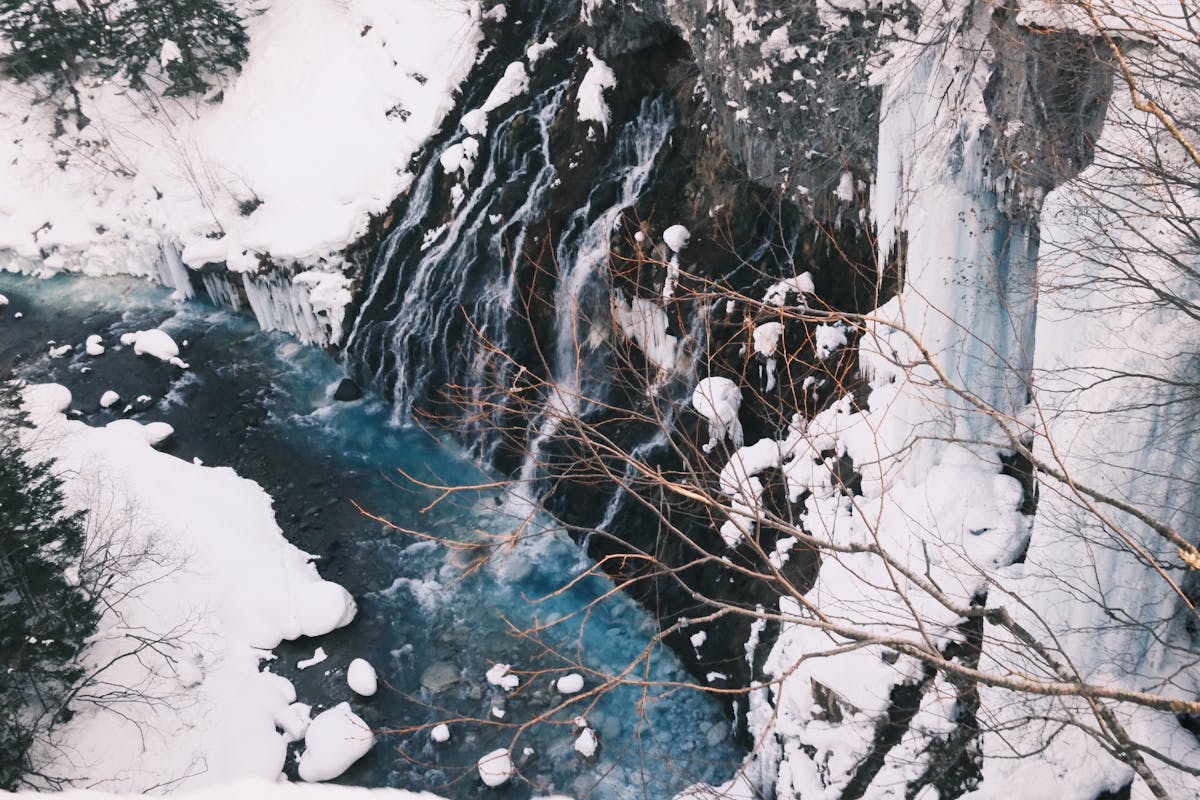
Located at the western edge of Asahikawa City, Hokkaido, where the Ishikari River winds through the mountains, lies Kamui Kotan. In the Ainu language, “Kamui Kotan” means “the place where gods dwell,” and this land has been revered as a sacred site by the Ainu people since ancient times.
The Ishikari River flows as rapids here, with mysterious rock formations lining both banks. It is said that Ainu people always offered prayers when passing through this area. The “pothole group” at the river bottom was formed over approximately 10,000 years and is designated as a Hokkaido Natural Monument.
Today, the former JR Hakodate Main Line has been converted into a cycling road, allowing visitors to enjoy beautiful scenery throughout the seasons, including cherry blossoms in spring and autumn foliage. As one of Hokkaido’s premier power spots, it is a sacred place visited by those seeking purification and renewal of body and mind.
The Allure of This Sacred Site
History and Origins
Kamui Kotan’s history is intertwined with Ainu spiritual beliefs. As the name “Kamui Kotan” indicates, the Ainu people believed that gods (Kamui) resided in this place.
The sight of the Ishikari River suddenly narrowing at this point and flowing as rapids is truly a display of nature’s power. It is said that when Ainu people passed through this treacherous section in their dugout canoes, they always offered prayers for safe passage. There is also a legend that an evil god (Nitne Kamui) lived here and attacked travelers, so people approached this place with reverence and awe.
In the Meiji era, this area became a key point in Hokkaido’s development. In 1898 (Meiji 31), the former JR Hakodate Main Line was opened, and Kamui Kotan Station was established. The railway line running through the steep terrain along the Ishikari River represented the pinnacle of civil engineering technology of that time.
In 1969 (Showa 44), Kamui Kotan Station was closed following the opening of a new route, but the station building and platform have been preserved. Today, the former railway track has been developed into the “Asahikawa Cycling Road.”
Architecture and Natural Features
Kamui Kotan’s most distinctive feature is the unique gorge scenery created by the Ishikari River. Strange rock formations called “Kamui-iwa” (God Rocks) line both banks, revealing complex geological structures including green tuff and andesite lava.
At the river bottom lies the “Kamui Kotan Pothole Group.” These circular holes were carved into the bedrock by river vortices starting approximately 10,000 years ago. The larger ones exceed 2 meters in diameter, and their formation is estimated to have taken thousands to over 10,000 years. They were designated as a Hokkaido Natural Monument in 1938 (Showa 13).
Kamui Ohashi Bridge is a suspension bridge built in 1938, measuring approximately 78 meters in length. The contrast between the red bridge structure, surrounding greenery, and the emerald green of the Ishikari River is beautiful, making it an iconic view of Kamui Kotan.
The former Kamui Kotan Station building is a restoration of the wooden station built in 1901 (Meiji 34). Its retro atmosphere is popular, and steam locomotives (D51, C57, and 9600 types) are also on display.
What Makes This Spot Special
What sets Kamui Kotan apart from other power spots is its combination of deep history as an “Ainu sacred site” and the mystical landscape created by “nature’s fury.”
This place, which the Ainu people named “the place where gods dwell,” is more than just a scenic spot. The rapids of the Ishikari River carving rock and forming potholes—contemplating the mind-boggling span of time involved helps us realize how small human worries really are.
Additionally, walking along the abandoned railway line offers a nostalgic atmosphere. A place where many people once passed through is now wrapped in silence—experiencing this “flow of time” is said to have a healing effect on the heart.
Spiritual Benefits and Effects
Known Spiritual Benefits
While Kamui Kotan is not a shrine or temple but an Ainu sacred site and natural power spot, it is said to offer the following effects:
Mind-Body Purification & Reset: The pure flow of the Ishikari River and the sacred air are said to purify body and mind. Particularly effective for those carrying stress and fatigue.
Renewal & Fresh Start: Just as the Ainu people offered prayers here and overcame difficulties, this place is believed to give power of renewal to those facing life transitions or challenges.
Enhanced Decision-Making & Intuition: In this place where nature’s fury and tranquility coexist, the mind becomes clear and intuition is sharpened. Popular with those facing important decisions.
Warding Off Evil & Protection: In Ainu legend, this was a place where evil gods resided, but for that very reason, it is also said to have powerful purification and protective powers.
The Unique Energy of This Site
What many visitors sense at Kamui Kotan is the “overwhelming power of nature” and “tranquility transcending time.”
Gazing at the rapids of the Ishikari River, one keenly feels the power of nature that human strength cannot overcome. This experience, conversely, brings a lightness of heart that comes from “letting go of things beyond our control.”
Also, standing before potholes that took over 10,000 years to form helps us realize how short human time perception really is. Many report that their daily worries become relativized and their hearts feel lighter.
Visitor Testimonials
“I visited when I was considering divorce. Watching the rapids, I came to think ‘sometimes it’s important to go with the flow.’ After that, my marriage naturally improved.” (Woman in her 40s, Sapporo)
“When I was entrusted with a major project at work, I was hesitant about decisions. After spending about 2 hours here, my head cleared and I could see the direction to take.” (Man in his 30s, Tokyo)
Best Times to Visit
Spring (Late April–May)
Known as a cherry blossom viewing spot with approximately 3,000 cherry trees in bloom. Peak viewing is early to mid-May. The contrast between the former station building, Kamui Ohashi Bridge, and cherry blossoms is beautiful and popular with photographers. Golden Week is crowded, but weekdays are relatively quiet.
Recommendation: ★★★★★
Summer (June–August)
Fresh greenery is beautiful, ideal season for cycling. The emerald green of the Ishikari River appears even more vivid. The cool gorge breeze is pleasant, perfect for escaping summer heat. Insect repellent is essential.
Recommendation: ★★★★☆
Autumn (September–October)
Famous for autumn foliage. Peak is early to mid-October, with gradients of red, yellow, and green coloring the gorge. The combination of Kamui Ohashi Bridge and autumn leaves is spectacular. Best season for photography.
Recommendation: ★★★★★
Winter (November–March)
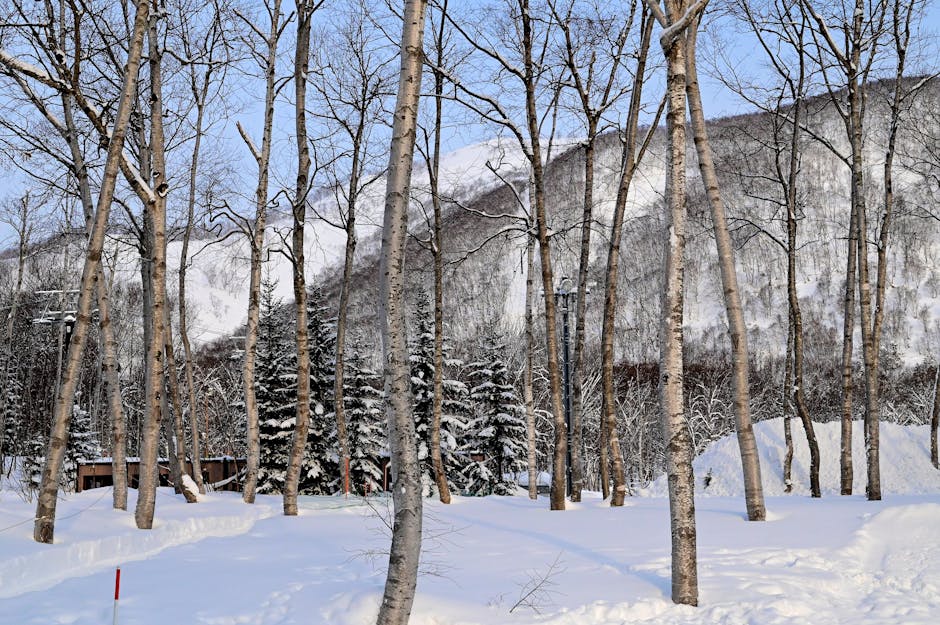
The snow-covered gorge has a solemn atmosphere. However, the cycling road is closed, and Kamui Ohashi Bridge may be closed to traffic during some periods. With proper cold-weather preparation, you can have this silent power spot all to yourself.
Recommendation: ★★☆☆☆
Best Times of Day
Early Morning (6:00–8:00 AM): May see mystical scenery with morning mist. Few people, best time to feel the sacred site atmosphere.
Morning (9:00 AM–12:00 PM): Good lighting conditions, ideal for photography. If cycling, the cool morning is recommended.
Afternoon (1:00–5:00 PM): Tourist numbers increase. Parking lot may become crowded.
Evening (5:00–7:00 PM): Kamui Ohashi Bridge and the gorge bathed in sunset light are beautiful.
Visitor’s Guide
How to Enjoy Kamui Kotan
Kamui Kotan is an Ainu sacred site, so there are no formal worship rituals like at a shrine, but it’s important to visit with respect.
1. Cross Kamui Ohashi Bridge
From the parking lot, cross Kamui Ohashi Bridge to reach the former station area. The view from the suspension bridge is spectacular. You can look down at the rapids and emerald green waters of the Ishikari River. Stop on the bridge and take a deep breath.
2. Visit the Former Kamui Kotan Station Building
See the retro wooden station building and the displayed steam locomotives (D51, C57, 9600 types). Feel the history of Hokkaido’s pioneering days. The station building has a rest area inside.
3. Observe the Pothole Group
A short walk from the station building leads to a point where you can observe the potholes in the riverbed. Visibility varies depending on water level and weather, so clear days are recommended.
4. Explore the Cycling Road
A cycling road utilizing the former JR Hakodate Main Line track. Walking is also possible, with tunnel remains and other features. Round trip takes about 2 hours.
Spending Time as a Power Spot
Take Time to Gaze at the Ishikari River: Watch the rapids and empty your mind. Surrendering to nature’s rhythm resets the heart.
Be Conscious of Deep Breathing: Fill your lungs with the sacred air. Deep breathing is especially effective on Kamui Ohashi Bridge or along the river.
Pray Quietly: This is a sacred site where Ainu people offered prayers. Even without speaking aloud, try conveying gratitude or wishes in your heart.
Dress Code and What to Bring
- Clothing: Comfortable walking shoes are essential. The gorge area is cool, so bring a light jacket even in summer.
- What to Bring: Camera, drinks, insect repellent spray (summer)
- Note: Some areas along the river are slippery. Stay within barriers. This is bear territory, so carrying a bell provides peace of mind.
Basic Information
Access
Address: Kamui Kotan, Kamui-cho, Asahikawa City, Hokkaido
By Car:
- Approximately 20 minutes from central Asahikawa (via National Route 12)
- Approximately 2 hours from Sapporo (via Hokkaido Expressway → Fukagawa IC)
- Parking: Approximately 50 spaces (free)
By Public Transportation:
- Approximately 30-minute taxi ride from JR Hakodate Line “Asahikawa Station” (approximately ¥4,000)
- Asahikawa Denki Kido Bus to “Kamui Kotan” stop (limited service, confirm schedule)
Visiting Information
- Visiting Hours: 24 hours (no lighting at night)
- Closed: None (some areas closed in winter)
- Admission: Free
- Duration: 1–2 hours for walking only, 3–4 hours including cycling
- Official Website: https://www.city.asahikawa.hokkaido.jp/ (Asahikawa City official)
- Contact: Asahikawa Tourism Convention Association 0166-23-0090
Area Information
Nearby Attractions
Asahiyama Zoo (30 min by car)
One of Japan’s most popular zoos. Known for behavioral exhibits, with popular attractions including penguin walks and polar bear diving. A full-day combined course with Kamui Kotan is recommended.
Ueno Farm (25 min by car)
One of Hokkaido’s representative gardens. See “Hokkaido Garden” where British-style gardening meets Hokkaido’s climate. Open late April to mid-October.
Snow Crystal Museum (20 min by car)
A museum themed on snow. The ice corridor and Snow Crystal Room are fantastical. Also popular as a wedding venue.
Recommended Restaurants
Asahikawa Ramen Village (20 min by car)
- Eight famous Asahikawa ramen shops gathered in one place
- Recommendations: Santouka, Aoba, Baikoken
- Hours: 11:00 AM–8:00 PM (varies by shop)
Daikokuya (25 min by car)
- Long-established Jingisukan (lamb BBQ) restaurant in Asahikawa
- Specialty: Fresh Lamb Jingisukan (¥1,200 per serving)
- Hours: 5:00 PM–11:00 PM
cafe good life (20 min by car)
- Popular cafe in Asahikawa
- Specialties: House-roasted Coffee (¥550), Homemade Cake (¥600)
- Hours: 10:00 AM–6:00 PM
Michi-no-Eki Asahikawa (15 min by car)
- Local produce and processed goods available
- Food court serves Asahikawa ramen too
- Hours: 9:00 AM–7:00 PM
Souvenirs & Local Products
- Kibana: Asahikawa confection. White chocolate sandwiched between almond galettes
- Asahikawa Ramen: Fresh noodle gift sets are popular
- Taisetsu Craft Beer: Craft beer brewed with Daisetsuzan snowmelt water
- Asahikawa Furniture: High-quality furniture made from Hokkaido wood
Model Itineraries
Half-Day Course (approx. 4 hours)
10:00 AM Arrive at Kamui Kotan parking lot
10:15 AM Cross Kamui Ohashi Bridge, visit former station (45 min)
11:00 AM Explore cycling road (1 hour)
12:00 PM Head to Asahikawa City
12:30 PM Lunch at Ramen Village
2:00 PM End
Full-Day Course (approx. 8 hours)
9:00 AM Arrive at Kamui Kotan
9:15 AM Kamui Ohashi Bridge, former station, pothole group viewing (1.5 hours)
10:45 AM Explore cycling road (1.5 hours)
12:30 PM Lunch at Michi-no-Eki Asahikawa
2:00 PM Asahiyama Zoo (2.5 hours)
4:30 PM Ueno Farm (1 hour)
5:30 PM Jingisukan at Daikokuya
7:00 PM End
Visitor Reviews and Experiences
“Felt the Power of the Ainu Sacred Site” (Man in his 50s, Tokyo)
“Visiting power spots is my hobby, but Kamui Kotan was special. Watching the rapids of the Ishikari River, my heart mysteriously calmed. I think I understand why the Ainu people called this a sacred place.”
“The Combination of Cherry Blossoms and Abandoned Railway Is Amazing” (Woman in her 30s, Asahikawa)
“I visit every cherry blossom season. Approximately 3,000 cherry trees, the retro station building, steam locomotives—everywhere you look makes a great picture. Tourist numbers have increased, but it still feels like a hidden gem.”
“My Heart Was Reset” (Woman in her 40s, Osaka)
“I visited when I was at my limit from work stress. Seeing the potholes and feeling the flow of 10,000 years made my own worries seem trivial. By the time I left, my heart felt lighter.”
Frequently Asked Questions
Q: Does the parking lot get crowded?
A: Usually empty, but crowded during cherry blossom (May) and autumn foliage (October) seasons. Early morning is recommended.
Q: Can I go cycling?
A: The cycling road is available from late April to late October. Rental bicycles must be rented in Asahikawa City (not available on-site).
Q: Are there bears?
A: This is bear territory. Avoid traveling alone and carry a bell. Be especially careful in early morning and evening.
Q: Can I visit in winter?
A: You can reach the parking lot, but Kamui Ohashi Bridge and the cycling road may be closed. Check with Asahikawa City in advance.
Nearby Power Spots
- [Lake Akan](https://k005.net/en/powerspot/akan-lake-en/)
- [Chitose Shrine](https://k005.net/en/powerspot/chitose-jinja-en/)
- [Hokkaido Jingu](https://k005.net/en/powerspot/hokkaido-jingu-en/)
- [Jozankei Shrine](https://k005.net/en/powerspot/jozankei-jinja-en/)
- [Miyoshi Shrine](https://k005.net/en/powerspot/miyoshi-jinja-en/)
Summary
Kamui Kotan, meaning “the place where gods dwell” in Ainu language, is one of Hokkaido’s premier power spots. The gorge scenery created by the rapids of the Ishikari River, the potholes formed over 10,000+ years, and the nostalgic abandoned railway scenery—all combine to purify and reset visitors’ hearts.
This land, where Ainu people have offered prayers as a sacred site, has “something” that connects with us living in modern times. Facing the overwhelming power of nature relativizes daily worries and lightens the heart—this is the kind of experience you can have here.
Just 20 minutes by car from central Asahikawa, access is convenient. Combine it with Asahiyama Zoo and Asahikawa ramen for a full visit. The cherry blossom and autumn foliage seasons especially offer perfect timing to experience both natural beauty and spiritual power simultaneously.
—
Want to discover the power spot that’s right for you?
Beyond this location, Japan is home to countless power spots. To find the one most suited to you, try our free compatibility assessment (takes just 3 minutes).
→ [Take the Free En Profile Assessment](https://enguide.info)
—
*Information in this article is current as of December 2025. Please verify the latest details via the official website before visiting.*
あなたに最適なパワースポットを知りたい方へ