Quick Facts
| Question | Answer |
|———-|——–|
| Admission | Free |
| Hours | 5:00 AM – varies by season |
| Time needed | 3-4 hours (both shrines) |
| Best season | Spring (Mar-May) or Autumn (Oct-Nov) |
| English support | Limited signage, no audio guide |
| Phone | 0596-24-1111 |
—
Find Your Guide
What brings you to Ise Jingu? Choose your path:
| If you are… | Read this guide |
|—————|—————–|
| Need bus/train details | [Access Guide: Bus Routes 51/55 & Timetables](/en/powerspot/ise-jingu-access-en/) |
| First time in Japan, need trip planning | [Day Trip from Osaka: Complete Guide](/en/powerspot/ise-jingu-first-time-visitors-en/) |
| Traveling with a pet | [Pet Policy & Daycare Options](/en/powerspot/ise-jingu-pets-en/) |
| Photography focused | [Photography Guide: Rules & Best Spots](/en/powerspot/ise-jingu-photography-en/) |
| Interested in history & spirituality | Continue reading below |
—
In This Guide
- [Why Ise Jingu is Special](#what-makes-this-place-special) – History, architecture, traditions
- [Spiritual Significance](#spiritual-benefits-and-blessings) – Blessings and visitor experiences
- [Best Times to Visit](#best-times-to-visit) – Seasons, times of day, crowds
- [Visitor Etiquette](#visitor-guide-etiquette-and-practical-tips) – How to pray, what to wear
- [Food & Shopping](#nearby-attractions-and-dining) – Okage Yokocho, local specialties
- [Practical Info](#basic-information) – Access, hours, parking
—
Experience the Spiritual Heart of Japan at Ise Grand Shrine
Ise Grand Shrine, known as “Ise Jingu” in Japanese, is considered the most sacred and prestigious shrine in all of Japan—a place every Japanese person hopes to visit at least once in their lifetime. Nestled in the tranquil forests of Ise City, Mie Prefecture, this magnificent shrine complex boasts approximately 2,000 years of history and enshrines Amaterasu-Omikami, the Sun Goddess and ancestral deity of the Japanese Imperial family. The shrine complex centers around two main sanctuaries: the Inner Shrine (Naiku) dedicated to Amaterasu-Omikami, and the Outer Shrine (Geku) dedicated to Toyouke-Omikami, the goddess of agriculture and food. Together with 125 associated shrines, they form one of the most important religious sites in Japan.
As you walk through the sacred grounds, the gentle murmur of the Isuzu River accompanies your steps while ancient cedar trees, some hundreds of years old, tower overhead. If you arrive at dawn around 5:00 AM, you might witness Shinto priests in pristine white robes quietly making their way along the misty paths—a scene that seems to transport you back through centuries of Japanese history. In that moment, the noise of everyday life fades away, replaced by a profound sense of peace and spiritual clarity.
Ise Grand Shrine is far more than a tourist destination; it represents the very heart of Japanese spiritual culture, a place that reminds visitors of the deep connections between nature, tradition, and the human spirit. After their visit, many people describe feeling as though “their posture has straightened” or “their heart has become lighter”—testimonies to the transformative power of this sacred place.
What Makes This Place Special
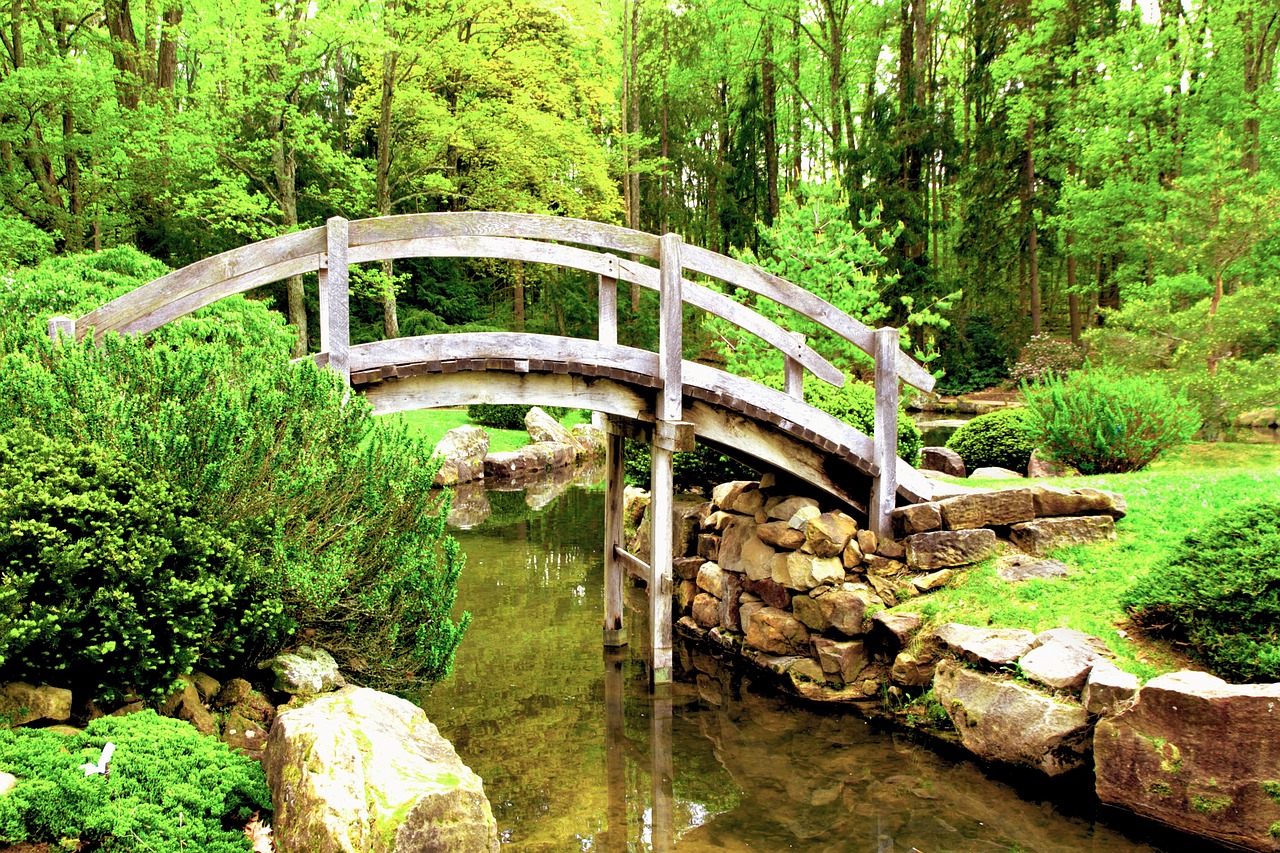
The official name of Ise Grand Shrine is simply “Jingu” (The Shrine). The prefix “Ise” is added to distinguish it from other shrines throughout Japan. According to ancient records, the shrine was established approximately 2,000 years ago during the reign of Emperor Suinin, when the Sun Goddess Amaterasu-Omikami is said to have declared, “This is the land where I wish to dwell.” The Inner Shrine (Naiku) enshrines Amaterasu-Omikami, the supreme deity of Shinto mythology and the divine ancestor of the Japanese Imperial family. This connection to the Imperial household has given the shrine its unparalleled status in Japanese religious culture. Each October, during the Kannamesai festival, a sacred ceremony is held to offer the first harvest of rice to the goddess, with an Imperial envoy sent directly from the Emperor. The Outer Shrine (Geku) is dedicated to Toyouke-Omikami, the deity responsible for preparing sacred food for Amaterasu-Omikami. As the guardian of food, clothing, and shelter, Toyouke-Omikami is deeply revered for blessings related to daily life and prosperity. The traditional order of pilgrimage is to visit the Outer Shrine first, then proceed to the Inner Shrine. Perhaps the most remarkable tradition at Ise Jingu is the “Shikinen Sengu”—the complete rebuilding of all shrine buildings every 20 years. This extraordinary practice has continued unbroken for over 1,300 years, ensuring that ancient construction techniques, sacred rituals, and spiritual traditions are faithfully transmitted to each new generation. The most recent rebuilding ceremony took place in 2013 (the 62nd Shikinen Sengu), with the next scheduled for 2033. The shrine buildings exemplify “Yuiitsu-Shinmei-zukuri,” the oldest and purest form of Shinto shrine architecture, which preserves the design of ancient Japanese rice storehouses. Remarkably, the structures are built entirely without nails, using only traditional wooden joinery techniques. The unpainted, natural cypress wood—called “shiraki”—is left in its pristine state without any coloring or lacquer, embodying an austere beauty that speaks to the Japanese aesthetic of elegant simplicity. The Inner Shrine grounds encompass approximately 5,500 hectares (about 13,600 acres)—equivalent to roughly 1,200 Tokyo Domes. An astounding 90% of this vast area consists of sacred forest, where cedar and cypress trees over 300 years old create a primeval atmosphere that feels as though you’ve stepped into an ancient woodland untouched by time. The Uji Bridge, spanning 101.8 meters (334 feet) across the crystal-clear Isuzu River, serves as the gateway between the ordinary world and the sacred realm. As you cross this bridge, you can tangibly feel the transition from the everyday into something transcendent. Interestingly, the bridge’s railings are cylindrical on the inner side and square on the outer side—symbolizing the concept of “round within, square without,” a principle of maintaining inner flexibility while presenting a dignified exterior. The approach to the main sanctuary is paved with white gravel that produces a satisfying “crunch, crunch” sound with each step. Lining both sides of the path, magnificent ancient trees over 400 years old stand in solemn rows, their branches filtering sunlight into beautiful cascades of dappled light. Ise Grand Shrine differs from virtually every other shrine in Japan in several distinctive ways. First, you will notice the absence of guardian lion-dogs (komainu) or elaborate decorations that typically adorn shrine entrances. This striking simplicity is intentional—it embodies the shrine’s essential principle of “purity” in its most fundamental form. Additionally, photography is strictly prohibited at the main sanctuaries. This rule exists to encourage visitors to experience the sacred space not through a camera lens, but with their hearts and all their senses. While you cannot capture images, this restriction allows you to fully absorb the atmosphere through sight, sound, smell, and feeling. Despite welcoming approximately 9 million visitors annually, the shrine grounds maintain a remarkable sense of tranquility. This peaceful atmosphere is created by the vast expanse of the sacred forest and the natural reverence that visitors seem to feel upon entering. There is also a distinctive philosophy regarding prayer at Ise Jingu. Rather than making personal requests or wishes, visitors are encouraged to express gratitude for their daily blessings. Instead of praying “Please grant me success” or “Please give me wealth,” the traditional approach is to offer thanks: “I am grateful for being alive today” or “Thank you for the blessings in my life.” This practice of gratitude-focused prayer is said to bring a deep sense of inner peace to those who embrace it. The shrine is also frequented by celebrities, athletes, and business leaders who visit to pray for success at crucial moments in their careers. It has been featured extensively in media and stands at the center of Japan’s “power spot” phenomenon.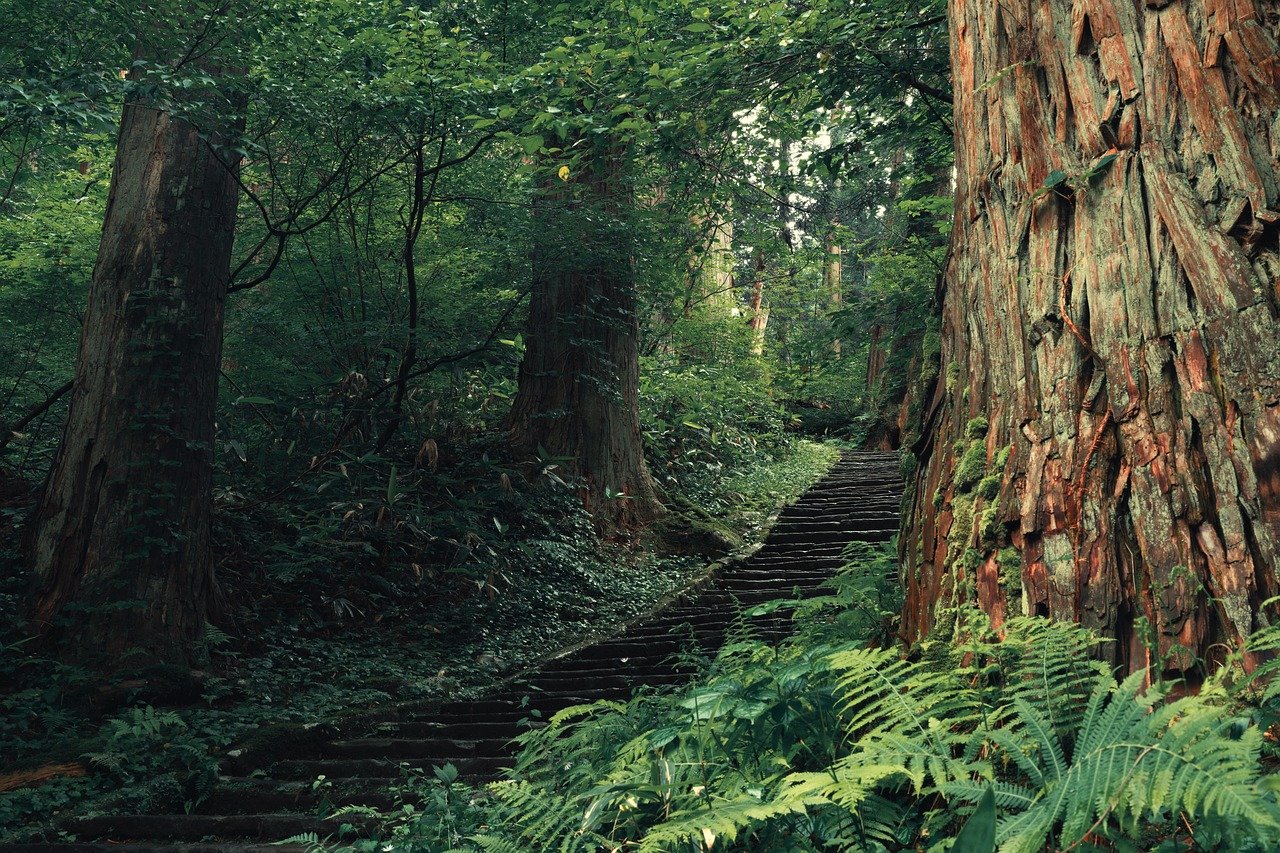
Architectural Beauty and Natural Splendor
What Makes This Shrine Truly Unique
Spiritual Benefits and Blessings
Ise Grand Shrine is believed to bestow a wide variety of spiritual benefits upon visitors: Good Fortune and New Beginnings: Many people choose to visit Ise Jingu when embarking on new chapters in their lives—starting a new job, changing careers, getting married, or launching a business. It is believed that visiting during these pivotal moments helps guide one toward positive outcomes and auspicious paths. Purification and Cleansing: The shrine is renowned for its powerful purifying energy, capable of cleansing accumulated negative energy and refreshing both mind and body. Many visitors report that after their visit, they feel “lighter in heart” or that “mental fog has cleared away.” Family Safety and Longevity: Ise Jingu is also revered as a place to pray for the health and well-being of one’s family. The Outer Shrine’s deity Toyouke-Omikami, as the guardian of food, clothing, and shelter, is particularly associated with blessings for stable, prosperous daily life. Business Prosperity: Countless business leaders and entrepreneurs make pilgrimages to Ise Jingu, especially at the beginning of each year, to pray for success and prosperity in their enterprises. The shrine has long been associated with blessings for commercial endeavors. Academic Success: Students and their families frequently visit before important examinations. Many report that the visit helped them approach their tests with a calm, focused mind. Ise Grand Shrine is said to possess particularly strong energy related to “renewal and new beginnings.” This may be connected to the Shikinen Sengu tradition—the constant coexistence of “newness” and “ancient tradition” through the rebuilding every 20 years creates a unique spiritual atmosphere. Many visitors describe experiencing enhanced “clarity of decision-making” after their visit. When standing at life’s crossroads, a pilgrimage to Ise Jingu has helped countless people see their path forward more clearly. Numerous testimonies speak of gaining insight into difficult decisions after spending time in the sacred grounds. The sense of “spiritual purification” is also commonly reported. Whether it’s the moment of purifying your hands in the Isuzu River, the meditative walk along the gravel path, or standing before the main sanctuary—each experience contributes to a profound feeling of being cleansed and renewed. *”I visited when I was lost in my thirties, unsure about my life direction. After praying at the main sanctuary, an inexplicable calm washed over me. Three months later, I encountered a new career opportunity that changed my life. Whether it was coincidence or not, I will never forget that feeling of ‘everything will be alright’ that I experienced there.”* — Woman, 40s, Osaka *”I arrived at the Inner Shrine at 5:30 AM. Walking through the morning mist, with only birdsong and the crunch of gravel beneath my feet, I was moved to tears. An overwhelming sense of gratitude for simply being alive welled up within me naturally.”* — Man, 50s, Tokyo *”Our family visited before my exam. Rather than praying for success, I found myself thinking, ‘I should trust in the effort I’ve put in.’ I ended up passing my first-choice school.”* — Woman, 20s, AichiThe Distinctive Spiritual Power of This Place
Testimonials from Visitors
Best Times to Visit
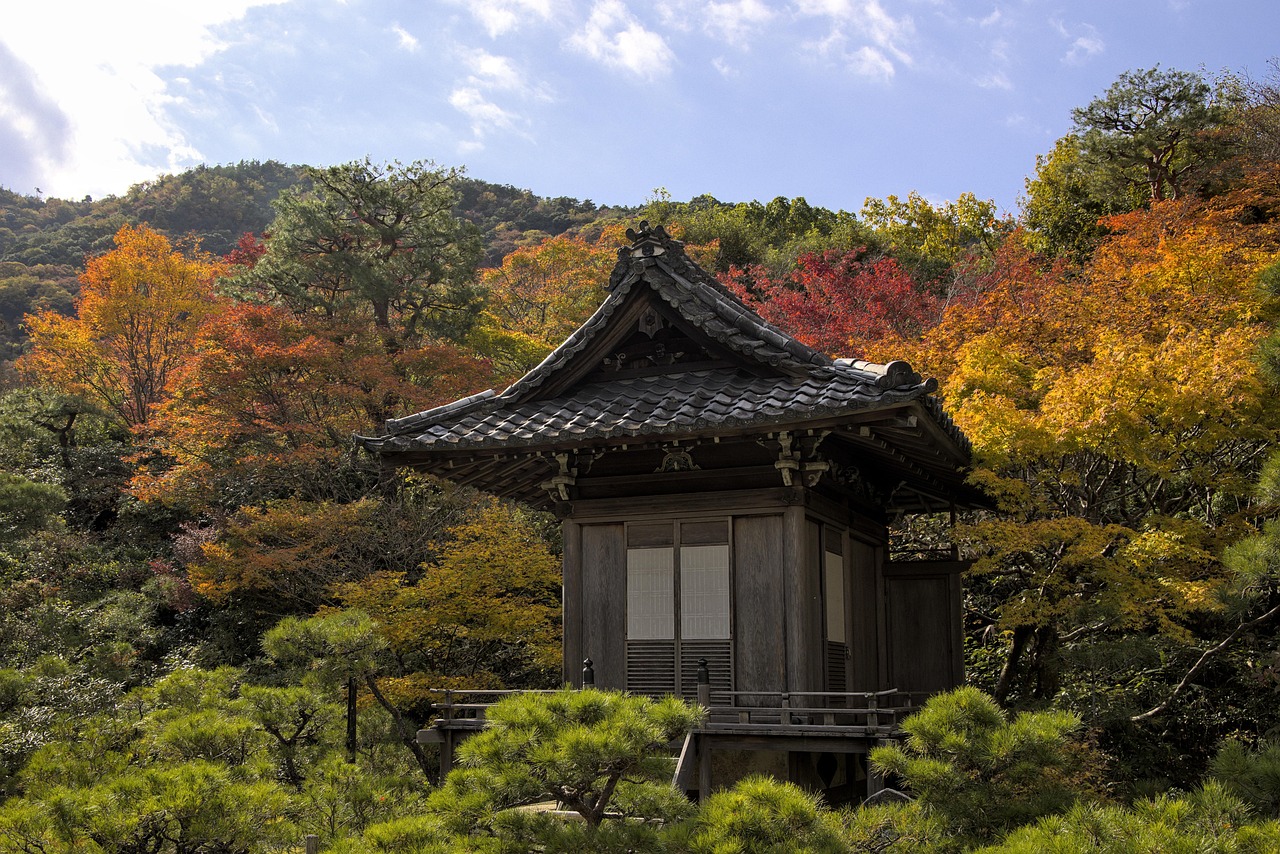
Spring is one of the most pleasant seasons to visit Ise Grand Shrine, with cherry blossoms and fresh greenery creating a beautiful backdrop. From late March to early April, approximately 350 cherry trees burst into bloom along the Isuzu River, and watching cherry blossom petals dance along the approach path is a breathtaking sight. The climate is mild, with daytime temperatures ranging from 15–22°C (59–72°F). Early mornings can still be cool, so bringing a light jacket is advisable. While Golden Week (late April to early May) sees heavy crowds, weekdays remain relatively peaceful, allowing for a more contemplative visit. May brings verdant new growth that is almost dazzling in its intensity, offering excellent conditions for forest bathing (shinrin-yoku). The refreshing air of this season is particularly invigorating. The rainy season (tsuyu) from mid-June to mid-July brings frequent precipitation, but visiting during the rain offers its own unique charm—the fragrance of the wet forest and the peaceful sound of raindrops create a different kind of sacred atmosphere. Temperatures range from 25–32°C (77–90°F) with high humidity, making heat stroke prevention essential. From late July through August, the shrine sees increased visitors due to summer holidays. Afternoon sun can be intense, making the long walk along the approach quite exhausting. Early morning visits between 6:00–8:00 AM are highly recommended during this season. Summer in Ise is accompanied by the chorus of cicadas, and various summer festivals and fireworks displays are held in the area, offering opportunities to experience the full flavor of a Japanese summer. Along with spring, autumn is considered the best season for visiting Ise Grand Shrine. While September retains some summer heat, from October onward the weather stabilizes, with pleasant temperatures of 18–25°C (64–77°F) making for comfortable exploration. From mid to late November, the autumn foliage reaches its peak, painting the shrine grounds in brilliant shades of red and gold. The autumn colors along the Isuzu River at the Inner Shrine are particularly stunning, causing many visitors to pause and admire the view. October brings the Kannamesai festival, when the entire shrine complex is enveloped in a solemn, sacred atmosphere. Visiting during this time allows you to experience an even deeper sense of the shrine’s spiritual significance. Winter at Ise Grand Shrine offers a crisp, clear atmosphere and quiet solitude that is perfect for contemplative visits. Temperatures range from 5–12°C (41–54°F), occasionally dropping near freezing in the early morning. Warm clothing is essential, but the trade-off is fewer visitors and more intimate access to the sacred spaces. Important Note: The New Year period from January 1–7 sees approximately 600,000 visitors for hatsumode (first shrine visit of the year), creating extreme congestion. If you wish to avoid crowds, mid-January onward is much more peaceful. February sees the first plum blossoms beginning to bloom, hinting at the coming spring. There is something moving about sensing the vitality of new life even amid the winter cold. Early Morning (5:00–7:00 AM): This is the most highly recommended time to visit. With minimal visitors, you can experience the mystical morning mist and profound sacred atmosphere. Only the sounds of birdsong and gravel underfoot break the silence—truly a transcendent experience. Morning (8:00–11:00 AM): Tourists begin to arrive, but crowds remain manageable. The angle of the light is beautiful, making this an ideal time for photography (in permitted areas). Afternoon (12:00–3:00 PM): This is the peak crowding period. On weekends and holidays, the approach paths can become quite congested. In hot weather, the sun is also at its strongest. Best avoided if possible. Late Afternoon (4:00 PM–closing): As evening approaches, crowds begin to thin. The slanting afternoon light filtering through the trees creates an enchanting, almost mystical atmosphere. Just be mindful of closing times, which vary by season.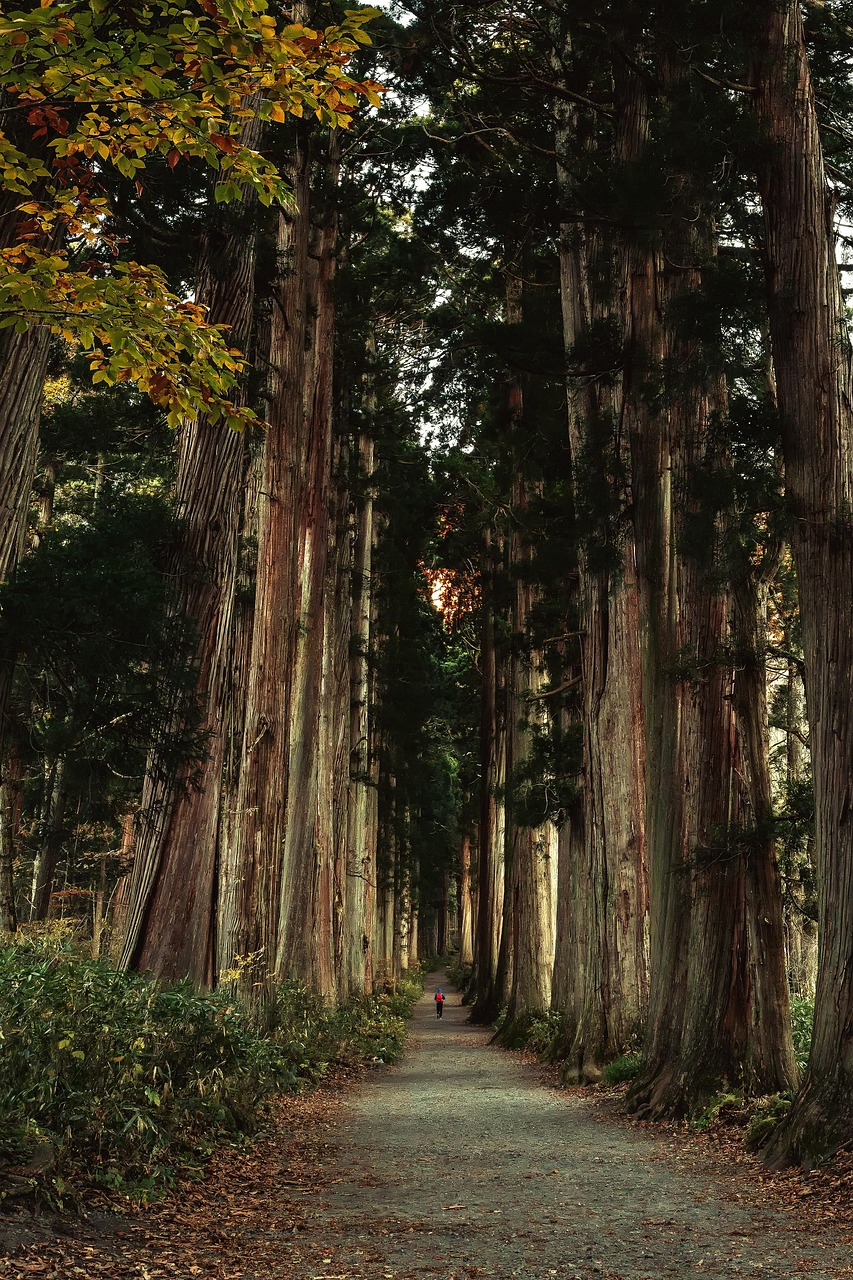
Summer (June–August) ★★★☆☆
Autumn (September–November) ★★★★★
Winter (December–February) ★★★★☆
Best Times of Day
Tips for Avoiding Crowds
Visitor Guide: Etiquette and Practical Tips
Ise Grand Shrine has specific protocols for proper worship that visitors should follow: 1. Visit Order: The traditional pilgrimage sequence is to visit the Outer Shrine (Geku) first, then the Inner Shrine (Naiku). The two are approximately 10 minutes apart by car or 20 minutes by bus. 2. Passing Through the Torii Gate: Bow once before the torii gate, then walk through along the side—the center path is considered the pathway for the deities. 3. Purification at the Temizuya (Water Basin): 4. Walking the Approach: Walk along the edges of the gravel path, not the center. Take your time and enjoy the satisfying sound of the gravel beneath your feet. 5. Worship at the Main Sanctuary: At the Inner Shrine (Naiku): At the Outer Shrine (Geku): Amulets and Goshuin (Shrine Stamps): Photography Guidelines: Recommended Clothing: Clothing to Avoid: Useful Items to Bring: Prohibited Activities and Important Notes:
Special Points of Interest
Appropriate Attire and Manners
Photography Rules (Summary)
Quick answer: Photography is prohibited from the stone steps onward at both shrines.
| Where | Photography |
|——-|————-|
| Uji Bridge, approach paths, Isuzu River | OK |
| Main sanctuary (beyond stone steps) | Prohibited |
| Drones | Prohibited everywhere |
The good news: 90% of the shrine grounds are photo-friendly, including the iconic Uji Bridge and 400-year-old cedar avenue.
For photographers: Our complete guide covers exact boundaries, 6 best photo spots with GPS coordinates, sunrise times by season, and a 60-minute shooting route.
[Read the Full Photography Guide →](/en/powerspot/ise-jingu-photography-en/)
—
Pet Policy (Summary)
Quick answer: No pets allowed. Guide dogs and service animals only.
| Animal | Allowed? |
|——–|———-|
| Pets (any size) | No |
| Guide dogs | Yes |
| Service dogs | Yes |
| Emotional support animals | No |
Don’t cancel your trip. There’s a pet daycare (Wanpaku) just 5 minutes from the Inner Shrine where you can leave your dog while you visit.
For pet owners: Our complete guide includes verified daycare facilities with phone numbers, prices, booking instructions for non-Japanese speakers, and sample itineraries.
[Read the Full Pet Policy Guide →](/en/powerspot/ise-jingu-pets-en/)
—
Basic Information
| From | To | Method | Time | Cost | Need detailed bus timetables, platform numbers, or taxi fares? [Read the Full Access Guide →](/en/powerspot/ise-jingu-access-en/) — – January–April, September: 5:00 AM – 6:00 PM – Inner Shrine: Uji-Urata Parking (free, approximately 280 spaces)
|——|—–|——–|——|——|
| Ujiyamada Stn | Naiku | Bus 51/55 | 16-22 min | ¥520 |
| Iseshi Stn | Naiku | Bus 51/55 | 15-20 min | ¥430 |
| Iseshi Stn | Geku | Walk | 5 min | Free |
| Nagoya | Iseshi | Kintetsu | 1h 20min | ¥2,770 |
| Osaka Namba | Iseshi | Kintetsu | 1h 40min | ¥3,300 |Basic Information
– May–August: 5:00 AM – 7:00 PM
– October–December: 5:00 AM – 5:00 PM
– Outer Shrine: Geku Parking Areas 1–3 (free, approximately 400 spaces)
– *Note: Paid parking lots also available, especially during weekends and peak seasons*
Nearby Attractions and Dining
Okage Yokocho (Adjacent to Inner Shrine): A charming shopping and dining district that recreates the atmosphere of Edo-period Japan. This is the perfect place to enjoy Ise’s famous foods, including Akafuku mochi, Ise udon, and tekone-zushi. With approximately 50 shops and restaurants, you could easily spend hours exploring. Oharai-machi (Adjacent to Inner Shrine): An 800-meter shopping street extending from the Uji Bridge, lined with souvenir shops and restaurants. This historic district has served pilgrims for centuries. Meoto Iwa at Futami Okitama Shrine (15 min by car): Famous “Wedded Rocks” connected by a sacred rope (shimenawa). This shrine is associated with marital harmony and relationship blessings. Traditionally, pilgrims would visit here first for purification before proceeding to Ise Jingu—a practice called “hamamairi.” Ise-Shima Skyline (20 min by car): A scenic drive to the 555-meter summit of Mt. Asama, offering panoramic views of Ise Bay and, on clear days, even Mt. Fuji in the distance. Toba Aquarium (25 min by car): One of Japan’s largest aquariums, home to approximately 1,200 species including dugongs and sea otters. Akafuku Honten (Inner Shrine area, Okage Yokocho) Fukusuke (Oharai-machi) Sushikyu (Okage Yokocho) Isuzugawa Cafe (Oharai-machi) Butasute (Okage Yokocho) Half-Day Course (3–4 hours) Full-Day Course (7–8 hours)Recommended Restaurants and Cafes
Souvenirs and Local Products
Accommodation
Suggested Itineraries
Visitor Reviews and Experiences
“It helped me through a major life transition” (Woman, 42, Kanagawa)
I visited Ise Jingu when I had decided to change careers. The moment I put my hands together in prayer at the main sanctuary, a feeling naturally arose: “It’s okay, move forward.” Three months later, I found my ideal workplace. I feel as though the gods gave me a gentle push forward.
“The early morning visit was like entering another world” (Man, 55, Osaka)
I arrived at the Inner Shrine at 5:30 AM. Walking through the morning mist on an almost deserted path was like wandering into a different dimension. The crunch of gravel underfoot, the songs of birds, the scent of the trees—I experienced the sacredness with all five senses. It remains the most memorable shrine visit of my life.
“Our family bonds grew stronger” (Woman, 38, Aichi)
We visited as a family of four with our two elementary school children. Even the kids were overcome by the shrine’s atmosphere and naturally became quiet during worship. Afterwards, we had so much fun exploring Okage Yokocho together—it became a day that truly strengthened our family bonds.
“Less crowded than expected” (Man, 29, Tokyo)
I visited during Golden Week expecting massive crowds, but because the grounds are so vast, the worship experience was more comfortable than I anticipated. However, Okage Yokocho was extremely crowded—I waited an hour for lunch. Next time, I’ll come early on a weekday.
Frequently Asked Questions
Q1: How long does a visit take?
A: The Outer Shrine takes approximately 30 minutes to 1 hour; the Inner Shrine takes 1–2 hours. If you include exploring Okage Yokocho, plan for at least 3–4 hours. For a thorough, unhurried visit, a half-day to full day is recommended.
Q2: Do the parking lots get crowded?
A: On weekends, holidays, and during peak seasons (New Year, Golden Week, Obon), parking lots often fill up by 9:00 AM. Early morning arrival (before 7:00 AM) or weekday visits are recommended. Numerous paid parking facilities are also available.
Q3: Where can I receive a Goshuin (shrine seal)?
A: Goshuin are available at the office (授与所) after worship at both the Inner and Outer Shrines. Each costs ¥300. During busy periods, there may be a wait.
Q4: Is it wheelchair accessible?
A: Both the Outer and Inner Shrines are barrier-free accessible, making wheelchair visits possible. However, the gravel approach paths can make wheelchair movement challenging, so traveling with an assistant is recommended.
Q5: Can I bring my dog or cat to Ise Jingu?
A: No. Pets are strictly prohibited. The only animals allowed are certified guide dogs and service animals. [See our complete Pet Policy Guide](/en/powerspot/ise-jingu-pets-en/) for daycare options near the shrine.
Q6: Is English signage available?
A: Basic English signage exists at key points. No official audio guide. [See our First-Time Visitor’s Guide](/en/powerspot/ise-jingu-first-time-visitors-en/) for tips on navigating without Japanese.
Q7: Where exactly is photography prohibited?
A: Photography is prohibited from the stone steps (石段) onward at both shrines. [See our Photography Guide](/en/powerspot/ise-jingu-photography-en/) for exact boundaries, best spots, and sunrise times.
Q8: Can I use a tripod or drone?
A: Tripods OK before 7 AM. Drones completely prohibited. [See our Photography Guide](/en/powerspot/ise-jingu-photography-en/) for detailed rules.
Q9: Are guide dogs allowed at Ise Jingu?
A: Yes. Guide dogs, hearing dogs, and service dogs are welcome. [See our Pet Policy Guide](/en/powerspot/ise-jingu-pets-en/) for details.
Q10: How do I get to Ise Jingu from Osaka?
A: Kintetsu Limited Express from Osaka Namba, 1 hour 40 minutes, ¥3,300 one way. [See our Access Guide](/en/powerspot/ise-jingu-access-en/) for bus routes, timetables, and platform numbers.
Find Your New Beginning at Ise Grand Shrine
Ise Grand Shrine is the spiritual homeland of Japan, a sacred place where 2,000 years of history live and breathe in the present day. Visitors come to express gratitude, to purify their hearts, and to gather energy for new beginnings and the journey ahead.
The murmur of the Isuzu River, the ancient cedars reaching toward the sky, the satisfying crunch of gravel underfoot, and the profound silence of the sacred space—time spent at Ise Jingu allows you to forget the noise of everyday life and offers a precious opportunity to commune with yourself.
After their visit, many people share that they feel “lighter in heart,” “more positive in outlook,” or that they “gained clarity about their direction in life.” Perhaps this is because of the special energy the shrine possesses, or perhaps it’s the resonance between that energy and the pure hearts of those who visit.
When you face a turning point in life, when you want to organize your thoughts, or when you simply want to spend meaningful time with someone important to you—Ise Grand Shrine will always welcome you with open arms.
—
*Information current as of January 2026. Please verify the latest information on the official website before your visit.*
*This article is part of our Japan Power Spots series, introducing sacred and spiritually significant places throughout Japan for international visitors.*
💡 あなたに最適なパワースポットを知りたい方は
無料の相性診断をお試しください(3分で完了)
📚 この記事を読んだ方におすすめ
※ 関連記事はWordPress管理画面で設定してください