In the heart of Sapporo lies a sacred realm encompassed by 60 hectares of primeval forest. Hokkaido Jingu Shrine, established in 1869 alongside the colonization of Hokkaido, serves as the grand guardian shrine of Japan’s northern frontier. Approximately 1.8 million visitors make pilgrimages here annually, making it the most revered shrine in all of Hokkaido.
Adjacent to Maruyama Park, the shrine grounds are a natural treasure where Ezo squirrels and over 80 species of wild birds make their home. Walking along the approach, the sounds of the city vanish, replaced by crisp air and the fragrance of ancient forest. Early morning visitors are particularly moved by the divine sight of the shrine buildings emerging from the morning mist.
This shrine, imbued with the prayers of pioneers who tamed the untamed wilderness, has become a power spot renowned for blessing “new beginnings” and “bold ventures.” It’s especially popular among those embarking on career changes, starting businesses, or relocating—anyone standing at the threshold of a new chapter in life.
The Allure of This Sacred Site
History and Origins
Hokkaido Jingu’s predecessor was the “Hokkaido Chinza Shinsai,” established in Tokyo in 1869. At that time, the Meiji government was promoting Hokkaido’s development as a national project, necessitating a shrine to enshrine guardian deities for the colonization effort.
In 1871, the shrine was relocated to Sapporo. Its permanent establishment at the current Maruyama location came in 1889. Originally called “Sapporo Shrine,” it was renamed “Hokkaido Jingu” in 1964 when Emperor Meiji was enshrined as an additional deity.
The main deities are Okunitama no Kami, Onamuchi no Kami, Sukunahikona no Kami, and Emperor Meiji. The first three, known as the “Three Deities of Development,” are gods governing land development and prosperity, and have watched over Hokkaido’s growth since the beginning.
Architecture and Natural Features
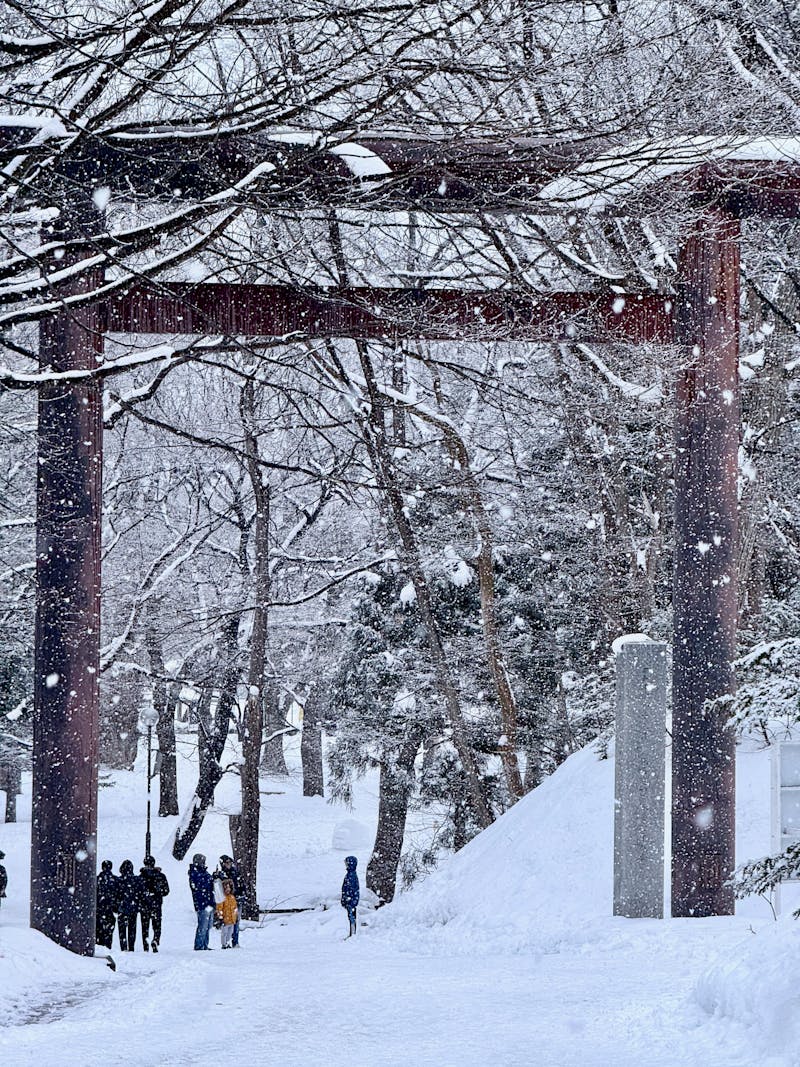
The main sanctuary follows the “shinmei-zukuri” style—the same architectural form used at Ise Grand Shrine. The cypress bark roof and pristine white buildings create a pure beauty that stands brilliantly against Hokkaido’s snowy landscape. The snow-draped shrine on a winter morning is breathtakingly divine.
The grounds span approximately 60 hectares of preserved primeval forest. Centuries-old Japanese elms and Mongolian oaks tower overhead while Ezo squirrels, Ezo red foxes, and about 80 species of wild birds inhabit this natural paradise.
In spring, approximately 1,400 cherry and plum trees burst into bloom, making this Hokkaido’s premier flower-viewing destination. Seeing cherry blossoms and plum blossoms simultaneously is a spectacle unique to Hokkaido’s climate.
What Makes This Spot Special
Hokkaido Jingu’s most distinctive feature is its abundance of energy for “pioneering” and “new beginnings.” The prayers and determination of Meiji-era pioneers who challenged untamed wilderness still dwell within this shrine.
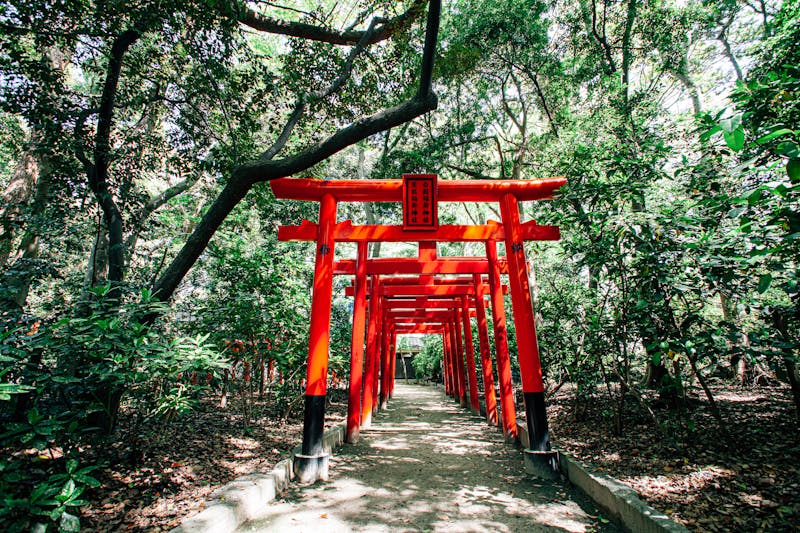
The orientation of the torii gates holds special meaning as well. The second torii faces northeast (the demon’s gate direction), symbolizing prayers for Hokkaido’s continued development and national defense awareness toward Russia.
The shrine is also famous as a “matchmaking” power spot. The Kaitaku Shrine within the grounds attracts many young couples seeking romantic fulfillment. The “love fortune” (koi-mikuji) is popular as a Hokkaido souvenir.
Spiritual Benefits and Effects
Known Spiritual Benefits
Hokkaido Jingu enshrines the Three Development Deities and Emperor Meiji, offering various blessings:
Good Fortune: For those starting new ventures
Matchmaking: Not just romance, but also business and friendship connections
Financial Prosperity: For business success
Family Safety: Prayers for family happiness and protection
Protection from Misfortune: For those in unlucky years
Safe Childbirth: For expectant mothers
The Unique Energy of This Site
Hokkaido Jingu is said to contain energy that “encourages challenges.” Perhaps the courage and decisiveness of pioneers who carved civilization from wilderness transmits to today’s visitors.
It’s especially recommended for those facing major life decisions—career changes, starting businesses, relocating, or marriage. Many report feeling “a push forward” or “finally finding clarity.”
The shrine also possesses strong “purification” power, as if concentrating Hokkaido’s vast natural energy, making it popular with those seeking to reset mind and body.
Visitor Testimonials
“I visited before deciding to transfer from Tokyo to Sapporo. Walking through the grounds, my anxiety transformed into ‘let’s do this’ determination, and I took the leap. Now I’m loving life in Hokkaido.” (Man in his 30s, now living in Sapporo)
“Six months after receiving a matchmaking charm at Kaitaku Shrine, I had a fateful encounter. We’re getting married next year.” (Woman in her 20s, Tokyo)
Best Times to Visit
Spring (Late April–May)
A Hokkaido-unique spectacle with cherry and plum blossoms blooming simultaneously. Approximately 1,400 cherry trees color the grounds, peaking in early May. Golden Week is crowded, but weekdays offer more peaceful visits. Temperature: 10-18°C.
Recommendation: ★★★★★
Summer (June–August)
Walking through the deep green primeval forest is refreshing. The “Sapporo Festival” (Hokkaido Jingu Festival) from June 14-16 draws approximately 1 million visitors. Portable shrines parade through streets lined with food stalls, painting all of Sapporo in festival colors.
Recommendation: ★★★★☆ (★★★★★ during Sapporo Festival)
Autumn (September–November)
Autumn colors peak from mid-October to early November. Golden ginkgo avenues contrast beautifully with crimson maples. The Shichi-Go-San season brings crowds.
Recommendation: ★★★★☆
Winter (December–February)
Snow-covered shrine buildings possess divine beauty. Approximately 800,000 visitors come for New Year’s worship. The Snow Festival period in February brings many tourists, but mid to late January is relatively uncrowded.
Recommendation: ★★★★☆
Best Times of Day
Early Morning (6-8 AM): Best chance to encounter Ezo squirrels. Shrine buildings emerging from morning mist are mystical.
Morning (9 AM-Noon): Optimal for formal prayers and receiving charms.
Late Afternoon (3-5 PM): Beautiful approach bathed in western light. Winter closing is around 4 PM.
Visitor’s Guide
Basic Worship Etiquette
1. Enter from the main approach: Bow at the first torii gate and calm your mind before entering.
2. Purify at the temizuya: Rinse left hand, right hand, mouth, left hand again, then handle.
3. Walk along the sides: The center path is reserved for the deities.
4. At the Main Sanctuary: Offer coins, bow twice, clap twice, bow once. Pray silently.
5. Visit Kaitaku Shrine: Those seeking romantic blessings should visit after the Main Sanctuary.
Special Points of Interest
Kaitaku Shrine: A 3-minute walk from the Main Sanctuary. This shrine honors 37 pioneers who contributed to Hokkaido’s development. Famous as a matchmaking power spot with popular “love fortunes” (¥200).
Third Torii Gate: Also called the Park Entrance torii, this is the entrance from Maruyama Park side. Entering here offers about 10 minutes of forest bathing to the Main Sanctuary.
Jingu Tea House: A rest area within the grounds. The specialty “Hangan-sama” (grilled rice cake, ¥100) is perfect after worship.
Ezo Squirrels: Many inhabit the grounds. You may spot these adorable creatures on the approach, especially in early morning.
Goshuin (Temple Seal) Information
- Fee: ¥500
- Hours: 9:00-17:00 (varies by season)
- Two types: Hokkaido Jingu and Kaitaku Shrine
- Original goshuin books (¥2,000)
Dress Code and Etiquette
- Sturdy walking shoes essential (gravel paths and stairs)
- In winter, prepare thoroughly for cold (non-slip shoes recommended)
- Feeding wild animals prohibited
- Pets not permitted in shrine grounds
Basic Information
Access
Address: 474 Miyagaoka, Chuo-ku, Sapporo, Hokkaido
By Train/Bus:
- Subway Tozai Line to “Maruyama Koen Station,” Exit 3, 15-minute walk
- JR Bus to “Jingu-mae” stop, 1-minute walk
- Approximately 15 minutes by taxi from Sapporo Station (around ¥1,500)
By Car:
- Approximately 20 minutes from Sapporo Expressway “Sapporo-Kita IC”
- Approximately 25 minutes from Doo Expressway “Sapporo IC”
Facility Information
- Visiting Hours: 6:00-17:00 (varies by season; until 19:00 in summer)
- Closed: None
- Admission: Free
- Suggested Duration: 30-40 minutes for worship; 60-90 minutes including grounds
- Parking: Approximately 170 spaces (free except New Year’s)
- Official Website: http://www.hokkaidojingu.or.jp/
- Phone: 011-611-0261
Area Information
Nearby Attractions
Within Walking Distance:
- Maruyama Park (adjacent): A 70-hectare natural park home to Ezo and Siberian squirrels. Famous for cherry blossoms in spring.
- Maruyama Zoo (15-minute walk): Hokkaido’s premier zoo featuring popular polar bears and red pandas (admission ¥800).
Within 15-minute Drive:
- Odori Park: A 1.5km park running through central Sapporo, home to the Sapporo TV Tower.
- Mt. Moiwa: One of Japan’s New Three Great Night Views. Ropeway access to summit.
Recommended Restaurants
Rokkatei Jingu Tea House
- Cuisine: Japanese sweets, café
- Specialty: Hangan-sama (grilled rice cake, ¥100), Marusei Butter Sandwich
- Inside shrine grounds
- Hours: 9:00-17:00
Morihiko Honten
- Cuisine: Coffee house
- Specialty: House-roasted coffee, gateau chocolate
- Budget: ¥800-1,200
- 5-minute walk from Maruyama Koen Station
- Hours: 10:00-20:00
Genghis Khan Daruma Honten
- Cuisine: Genghis Khan (grilled lamb)
- Specialty: Genghis Khan (from ¥850 per serving)
- 5-minute walk from Susukino Station
- Hours: 17:00-23:00
- *Reservations recommended; essential Hokkaido experience*
Soup Curry GARAKU
- Cuisine: Soup curry
- Specialty: Tender chicken leg and vegetable soup curry (¥1,480)
- Tanukikoji 7-chome
- Hours: 11:30-15:30, 17:00-21:30
Souvenirs and Local Products
- Shiroi Koibito: Hokkaido’s signature souvenir—white chocolate sandwich cookies
- Marusei Butter Sandwich: Rokkatei’s legendary butter cream cookie sandwich
- Royce Nama Chocolate: Smooth, melt-in-your-mouth fresh chocolate
- Jaga Pokkuru: Hokkaido-exclusive potato snack
Model Itineraries
Half-Day Course (Approximately 4 hours)
9:00 Depart Maruyama Koen Station
9:20 Hokkaido Jingu worship
10:00 Kaitaku Shrine visit
10:20 Hangan-sama at Jingu Tea House
10:40 Maruyama Zoo tour
12:30 Coffee at Morihiko
13:30 Souvenir shopping at Sapporo Station
Full-Day Course (Approximately 8 hours)
9:00 Hokkaido Jingu worship
10:00 Maruyama Park stroll
11:00 Maruyama Zoo
13:00 Soup curry lunch
14:30 Odori Park, TV Tower
16:00 Mt. Moiwa Ropeway for sunset/night view
18:30 Genghis Khan dinner
20:30 Souvenir shopping at Sapporo Station
Visitor Reviews and Experiences
“The shrine that gave me a turning point” (Woman in her 40s, Tokyo)
“I visited while considering relocating to Hokkaido. Walking through the primeval forest, ‘I want to start a new life here’ naturally welled up inside me. Now I’m running the café I always dreamed of in Sapporo.”
“Healed by Ezo squirrels” (Man in his 30s, Osaka)
“Visiting early morning, I encountered Ezo squirrels on the approach. Their cuteness cleansed my soul. It’s a wonderful space where nature and sacredness harmonize—impossible to experience in the city.”
“We felt the matchmaking blessing” (Couple in their 20s, Sapporo)
“We visited Kaitaku Shrine when we first started dating. A year later, we were engaged, and now we’ve returned as a married couple to give thanks. The love fortune was accurate too—we were amazed.”
Frequently Asked Questions
Q: How much time should I allow for worship?
A: About 30-40 minutes for the Main Sanctuary and Kaitaku Shrine. Including grounds exploration and tea house rest, allow 60-90 minutes.
Q: Does the parking lot get crowded?
A: Usually available, but extremely crowded during New Year’s first three days, cherry blossom season (GW), and Sapporo Festival. Public transportation recommended.
Q: What should I be careful of when visiting in winter?
A: Watch for icy surfaces. Non-slip shoes or attachable spikes provide peace of mind. Also dress warmly.
Q: Will I definitely see Ezo squirrels?
A: As wild animals, sightings aren’t guaranteed. Early morning offers the best chances. Note that feeding is prohibited.
Q: Are pets allowed?
A: Unfortunately, pets are not permitted in the shrine grounds.
Nearby Power Spots
- [Lake Akan](https://k005.net/en/powerspot/akan-lake-en/)
- [Chitose Shrine](https://k005.net/en/powerspot/chitose-jinja-en/)
- [Jozankei Shrine](https://k005.net/en/powerspot/jozankei-jinja-en/)
- [Kamui Kotan](https://k005.net/en/powerspot/kamui-kotan-en/)
- [Miyoshi Shrine](https://k005.net/en/powerspot/miyoshi-jinja-en/)
Summary
Hokkaido Jingu Shrine has walked alongside the development of Hokkaido since the Meiji era, serving as the grand guardian shrine of Japan’s northern frontier.
A sacred realm embraced by 60 hectares of primeval forest, shrine buildings imbued with pioneers’ prayers, and rich nature where Ezo squirrels frolic freely—this shrine overflows with energy for “new beginnings” and “challenges.”
For those starting a new chapter in life, those seeking courage before a major decision, or those wanting to refresh mind and body, Hokkaido Jingu warmly watches over your ventures and grants you courage.
When visiting Hokkaido, please take time in this sacred forest to feel the power of deities who have guarded the northern frontier for over 150 years.
—
Want to discover the power spot that’s right for you?
Beyond this location, Japan is home to countless power spots. To find the one most suited to you, try our free compatibility assessment (takes just 3 minutes).
→ [Take the Free En Profile Assessment](https://enguide.info)
—
*Information in this article is current as of December 2025. Please verify the latest details on official websites before visiting.*
あなたに最適なパワースポットを知りたい方へ