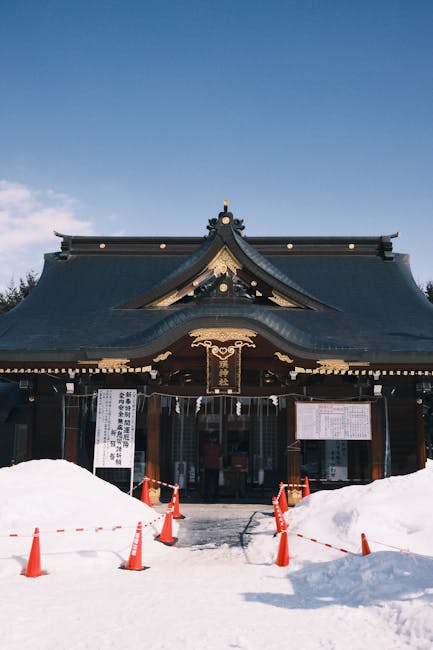
Located in the heart of Chitose City, Hokkaido, on a verdant hill leading to Lake Shikotsu, Chitose Shrine (Chitose Jinja) is a venerable shrine with approximately 300 years of history. Just 15 minutes by car from New Chitose Airport, stepping into the shrine grounds instantly envelops visitors in a serene atmosphere.
The enshrined deities are Toyoukehime-no-Okami (goddess of food and agriculture) and Ichichishimahime-no-Mikoto (goddess of beauty and wisdom). Known for blessings of bountiful harvests, business prosperity, and matchmaking, the shrine is particularly famous for its sacred spring water called “Saiwai no Mizu” (Water of Happiness), which many visitors seek for its fortune-bringing powers.
As the shrine that gave this auspiciously named area its name, “Chitose” meaning “thousand years,” it is beloved by those praying for longevity, health, and happiness. With exceptional access, it’s the perfect power spot to visit at the beginning or end of your Hokkaido trip.
The Allure of This Sacred Site
History and Origins
Chitose Shrine’s founding dates back to 1723 (Kyoho 8). At that time, this area was called “Shikotsu” (Ainu for “large depression”), but because it sounded like “shi-kotsu” (death bones), and because many cranes flew to the area, the name was changed to “Chitose” (thousand years) from the phrase “cranes live a thousand years.” This shrine is said to be the origin of the place name.
Originally a small shrine enshrining Benzaiten, it was relocated to its current location in 1789 (Kansei 1). Later, in 1875 (Meiji 8), it was renamed Chitose Shrine and has been revered as the guardian deity of the region.
From the Meiji to Taisho eras, Chitose developed with the settlement of tondenhei (soldier-farmers), and the shrine played an important role as the spiritual pillar of the community. The current shrine buildings were reconstructed in 1974 (Showa 49), featuring the simple yet powerful style characteristic of Hokkaido shrines.
The enshrined deity Toyoukehime-no-Okami is the same deity worshipped at Ise Grand Shrine’s Outer Shrine (Geku), governing food, clothing, and shelter. Ichichishimahime-no-Mikoto is a goddess of beauty and wisdom associated with Benzaiten. These two deities are believed to bring abundance and happiness to worshippers.
Architecture and Natural Features
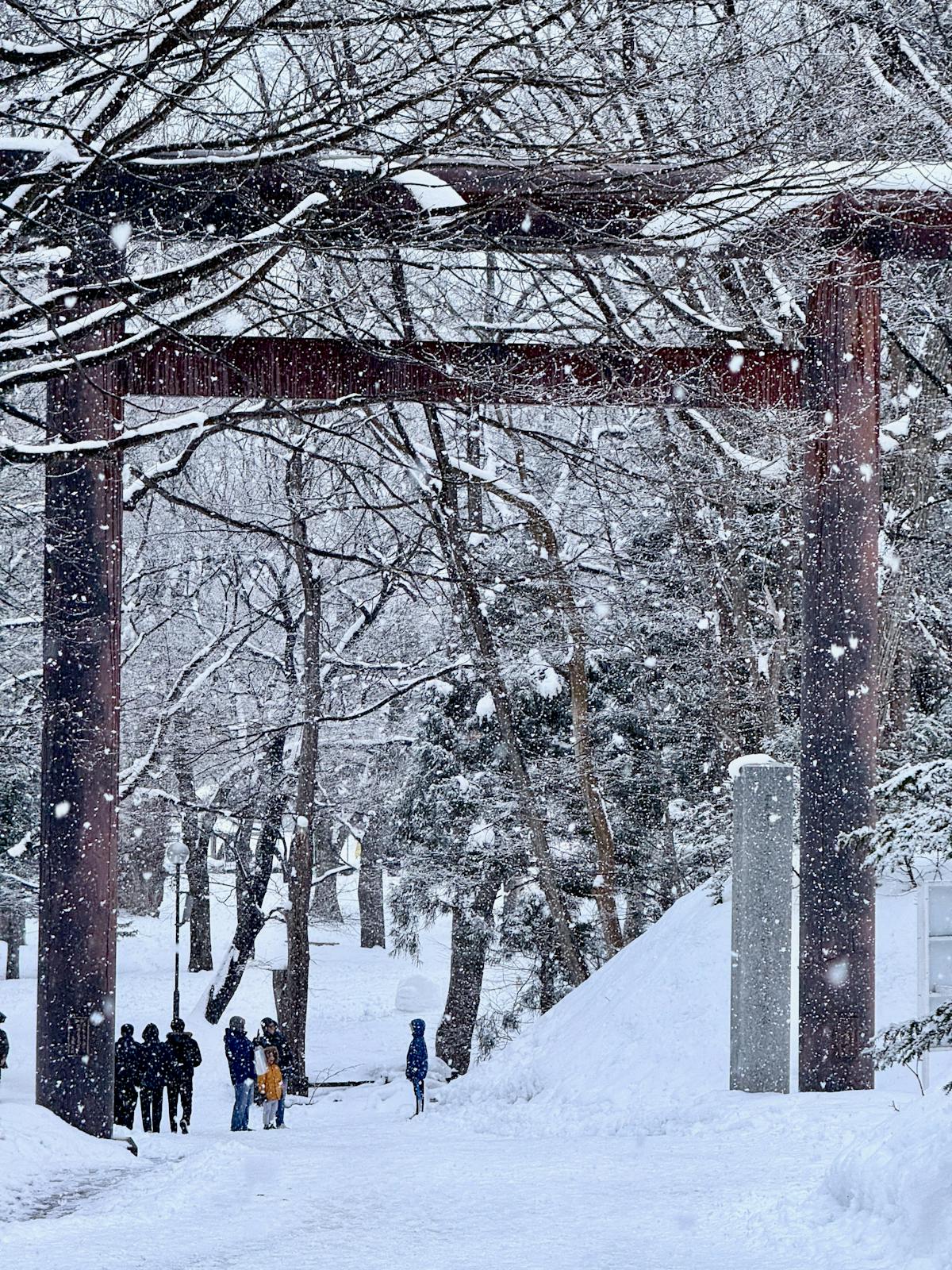
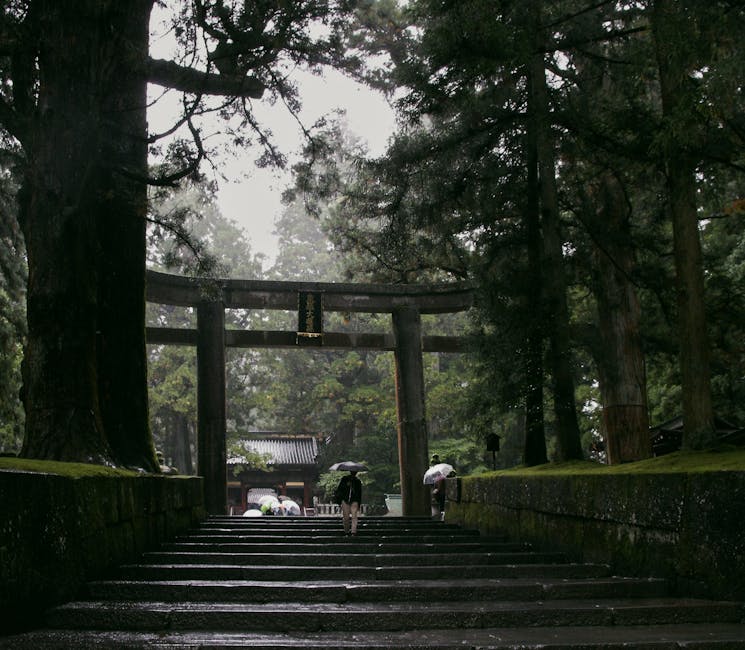
Chitose Shrine is situated on a small hill overlooking the Chitose River. Climbing the stone steps of the approach, visitors enter grounds surrounded by yew and oak trees over 100 years old, wrapped in a tranquility unexpected in the middle of a city.
The shrine buildings exemplify typical Hokkaido shrine architecture, with a simple structure based on the shinmei-zukuri style. The practical, sturdy construction is characteristic of shrines adapted to snowy regions. The chigi (forked finials) and katsuogi (decorative logs) of the worship hall against the blue sky evoke the refreshing spirit of Hokkaido.
The most notable feature of the grounds is “Saiwai no Mizu” (Water of Happiness). This sacred spring water, welling up beside the main hall, has been revered as spiritually powerful since ancient times. Said to emerge from underground water veins connected to Lake Shikotsu over decades, it maintains a year-round temperature of about 7°C and remarkable clarity. Many worshippers bring empty bottles to take this water home.
The grounds also feature an ancient yew tree called the “Tree of Happiness,” said to bring good fortune to those who touch it.
What Makes This Spot Special
What sets Chitose Shrine apart from other shrines is undoubtedly its auspicious connection—being the origin of the name “Chitose.”
“Chitose” means “thousand years,” symbolizing longevity, health, and lasting happiness. By worshipping at this shrine, visitors are believed to partake in this power. Many locals visit for life milestones such as weddings and Shichi-Go-San (children’s blessing ceremony).
Its proximity to New Chitose Airport is also a major attraction. Many visitors pray for safe travels and good fortune at the start of their Hokkaido trip, then stop by again on their way back to express gratitude—serving as a “guardian deity of travel.”
Many people take “Saiwai no Mizu” home to use for tea or coffee, allowing them to incorporate this power into their daily lives—another reason for its popularity.
Spiritual Benefits and Effects
Known Spiritual Benefits
Chitose Shrine is known for various blessings:
Matchmaking & Good Relationships: Ichichishimahime-no-Mikoto is identified with Benzaiten and is believed to have the power to help with romantic success and finding good matches. Particularly popular among young women.
Business Prosperity & Career Fortune: Toyoukehime-no-Okami is a deity of industry. Many business professionals visit seeking success in their enterprises and improved work fortune.
Health & Longevity: Many pray for good health and long life, inspired by the name “Chitose” (thousand years). Particularly supported by elderly worshippers.
Fortune & Blessings: “Saiwai no Mizu” is famous as sacred water for good fortune. Drinking this water or carrying it is said to improve one’s luck.
Travel Safety: Due to its proximity to New Chitose Airport, many worshippers pray for safe journeys.
The Unique Energy of This Site
What many worshippers sense at Chitose Shrine is a “gentle, soothing energy.”
A calm flow of ki, nurtured by Hokkaido’s vast nature, envelops the grounds. It is said to have the effect of dissolving anxiety and tension, calming the heart.
Additionally, “Saiwai no Mizu” is believed to have special purifying powers. Many people feel as though negative energy is washed away when they cleanse their hands with this water.
Visitor Testimonials
“I visited while job hunting. The moment I purified my hands with Saiwai no Mizu, a sense of reassurance washed over me. Shortly after, I received an offer from my desired company.” (Woman in her 30s, Sapporo)
“I visit every year at the start of the business year. I feel like receiving the power of the name Chitose helps me stay healthy throughout the year.” (Man in his 50s, Chitose)
Best Times to Visit
Spring (April–May)
Cherry blossoms begin blooming from late April, reaching peak around early May. The contrast between cherry blossoms and shrine buildings is beautiful. Golden Week is crowded, but weekdays are relatively quiet.
Recommendation: ★★★★☆
Summer (June–August)
The most beautiful season for greenery. Trees are in full leaf, and the grounds are covered in cool shade. “Saiwai no Mizu” feels especially refreshing, rejuvenating body and mind. Perfect for enjoying Hokkaido’s short summer.
Recommendation: ★★★★★
Autumn (September–November)
Peak autumn colors from mid to late October. The ancient yew and oak trees changing colors give the grounds a serene atmosphere. The Shichi-Go-San season (November) brings many families.
Recommendation: ★★★★★
Winter (December–March)
The snow-covered grounds have a solemn atmosphere. About 30,000 people visit for hatsumode (New Year’s worship) from January 1–3. Despite the severe cold, worship in the crisp air is exceptional. The Setsubun Festival (February) is also popular.
Recommendation: ★★★☆☆
Best Times of Day
Early Morning (6:00–8:00 AM): Locals come for morning walks and worship. Quiet and refreshing atmosphere for unhurried worship.
Morning (9:00 AM–12:00 PM): Shrine office opens. Best time to receive goshuin stamps and omamori charms.
Afternoon (1:00–4:00 PM): Tourist numbers increase, but still relatively quiet.
Evening (4:00–6:00 PM): The shrine buildings bathed in sunset light are beautiful. Great for photography.
Visitor’s Guide
Basic Worship Etiquette
1. Bow at the Torii: Bow slightly before passing through the torii gate.
2. Walk Along the Edges of the Approach: The center of the approach is the path for deities. Walk along either edge.
3. Purify at the Temizuya: Hold the ladle in your right hand and purify left hand → right hand → mouth → ladle handle in order.
4. Worship at the Main Hall: Place your offering, ring the bell, bow twice, clap twice, bow once. Convey your wishes in your heart.
5. Purify with Saiwai no Mizu: After worship, cleanse your hands at “Saiwai no Mizu” beside the main hall. You can bring an empty bottle to take some home.
This Spot’s Special Features
Saiwai no Mizu: Sacred spring water located behind and to the right of the main hall. The pure spring water is free to take home. Bringing an empty bottle is recommended.
Tree of Happiness: An ancient yew tree in the grounds. Said to bring good fortune to those who touch it.
Goshuin: Available at the shrine office (initial offering ¥300). Features bold calligraphy of “Chitose Jinja.”
Omamori Charms: “Chitose-mamori” (longevity/health) and “Enmusubi-mamori” (matchmaking) are popular. “Travel Safety” charms are also well-received given the shrine’s proximity to the airport.
Dress Code and What to Bring
- Clothing: No special requirements, but comfortable shoes are recommended as there are stone steps. Bundle up warmly in winter.
- What to Bring: Goshuin stamp book, empty bottle (for Saiwai no Mizu), offering coins
- Note: No smoking on grounds. Pets must be carried or in carriers.
Basic Information
Access
Address: 1 Machi, Chitose City, Hokkaido
By Car:
- Approximately 15 minutes from New Chitose Airport
- Approximately 50 minutes from Sapporo City (via Hokkaido Expressway)
- Parking: Approximately 30 spaces (free)
By Public Transportation:
- 15-minute walk from JR Chitose Line “Chitose Station”
- 5-minute taxi ride from Chitose Station (approximately ¥700)
Visiting Information
- Worship Hours: Grounds freely accessible (shrine office 9:00 AM–5:00 PM)
- Closed: None (shrine office has occasional closures)
- Admission: Free
- Prayer Reception: 9:00 AM–4:00 PM (reservations recommended)
- Initial Offering: Prayers from ¥5,000
- Duration: 20–30 minutes for worship only
- Official Website: https://chitose-jinja.com/
- Contact: 0123-23-2542
Area Information
Nearby Attractions
Lake Shikotsu (25 min by car)
Japan’s northernmost non-freezing lake. Boasting top-class transparency in Japan, popular for canoeing and diving. Shikotsu Onsen is also available. Half-day combined course with Chitose Shrine recommended.
Salmon Hometown Chitose Aquarium (10 min by car)
One of Japan’s largest freshwater aquariums where you can observe salmon swimming up the Chitose River. Admission ¥800. Popular with families.
Michi-no-Eki Salmon Park Chitose (10 min by car)
Roadside station with fresh local produce and seafood. Famous for salmon dishes. Convenient for souvenir shopping.
Recommended Restaurants
Yanagibashi (10-min walk)
- Long-established soba restaurant in Chitose
- Specialties: Tempura Soba (¥1,200), Duck Nanban Soba (¥1,400)
- Hours: 11:00 AM–3:00 PM, 5:00 PM–8:00 PM
Kirin Beer Hokkaido Chitose Brewery Tour (15 min by car)
- Free fresh beer tasting after brewery tour (reservations required)
- Tour duration: Approximately 60 minutes
- Reservations: Via official website
Cafe Aoyama (15-min walk)
- Cafe with relaxing atmosphere
- Specialties: Homemade Cheesecake (¥550), Blend Coffee (¥450)
- Hours: 10:00 AM–6:00 PM
Kaiten-zushi Toriton Chitose (10 min by car)
- Representative Hokkaido conveyor belt sushi chain
- Recommendations: Seared Salmon, Live Scallop
- Hours: 11:00 AM–10:00 PM
Souvenirs & Local Products
- Chitose Tsuru: Local sake. Also used as sacred sake at Chitose Shrine
- Lake Shikotsu Chip (Himemasu): Kokanee salmon from Lake Shikotsu. Smoked version is popular
- Yoitomake: Hokkaido confection. Roll cake made with haskap berries
- Morimoto: Confectionery company founded in Chitose. “Taiyo Ippai no Jelly” is popular
Model Itineraries
Half-Day Course (approx. 4 hours)
10:00 AM Arrive at New Chitose Airport
10:30 AM Chitose Shrine worship (30 min)
11:15 AM Lunch at Yanagibashi (1 hour)
12:30 PM Salmon Hometown Chitose Aquarium (1 hour)
1:45 PM Souvenir shopping at Michi-no-Eki
2:30 PM Head to airport
Full-Day Course (approx. 8 hours)
9:00 AM Chitose Shrine worship (30 min)
10:00 AM Lake Shikotsu drive (25 min travel + 1 hour exploring)
11:30 AM Day bathing at Shikotsu Onsen
1:00 PM Lunch
2:30 PM Kirin Beer brewery tour
4:00 PM Michi-no-Eki Salmon Park
5:30 PM Dinner at Kaiten-zushi Toriton
7:00 PM New Chitose Airport
Visitor Reviews and Experiences
“We Visit at the Start and End of Every Hokkaido Trip” (Couple in their 40s, Tokyo)
“We worship here first to pray for travel safety, then stop by for thanks on our way back—it’s become our family tradition. We take Saiwai no Mizu home and make tea with it. It mysteriously calms our hearts.”
“Felt the Matchmaking Blessings” (Woman in her 20s, Sapporo)
“I visited on a friend’s recommendation. Three months later, I met my current boyfriend. It might be coincidence, but I visit regularly out of gratitude.”
“Convenient Near the Airport” (Man in his 30s, Osaka)
“I stop by whenever I use New Chitose Airport for business trips. It only takes 15 minutes, perfect for spare time before a flight. It calms my heart.”
Frequently Asked Questions
Q: Does the parking lot get crowded?
A: Weekdays are empty, but during hatsumode (January 1–3), even temporary parking fills up. Public transportation is recommended for New Year’s visits.
Q: Can I take Saiwai no Mizu home?
A: Yes, you can take it home for free. Please bring an empty bottle. It is drinkable, pure spring water.
Q: What are the goshuin reception hours?
A: Available during shrine office hours (9:00 AM–5:00 PM). Due to occasional closures, calling ahead is recommended if you definitely want to receive one.
Q: How much is a taxi from New Chitose Airport?
A: Approximately ¥2,500–3,000. Alternatively, take JR to Chitose Station and taxi from there (approximately ¥700).
Nearby Power Spots
- [Lake Akan](https://k005.net/en/powerspot/akan-lake-en/)
- [Hokkaido Jingu](https://k005.net/en/powerspot/hokkaido-jingu-en/)
- [Jozankei Shrine](https://k005.net/en/powerspot/jozankei-jinja-en/)
- [Kamui Kotan](https://k005.net/en/powerspot/kamui-kotan-en/)
- [Miyoshi Shrine](https://k005.net/en/powerspot/miyoshi-jinja-en/)
Summary
Chitose Shrine is a Hokkaido power spot with approximately 300 years of history, the origin of the auspicious place name “Chitose.” Just 15 minutes by car from New Chitose Airport, it has become a favorite spot to visit at the beginning and end of Hokkaido trips.
The enshrined deities Toyoukehime-no-Okami and Ichichishimahime-no-Mikoto are believed to provide various blessings including business prosperity, matchmaking, and health/longevity. In particular, “Saiwai no Mizu” attracts many worshippers as a power spot for good fortune.
Calming your heart in the quiet grounds and purifying yourself with the clear sacred water—such peaceful moments will heal your daily fatigue and give you renewed vitality.
When visiting Hokkaido, be sure to stop by Chitose Shrine and receive the power of longevity and happiness befitting the name “Chitose.” If you take Saiwai no Mizu home, you can continue to feel its blessings even at home.
—
Want to discover the power spot that’s right for you?
Beyond this location, Japan is home to countless power spots. To find the one most suited to you, try our free compatibility assessment (takes just 3 minutes).
→ [Take the Free En Profile Assessment](https://enguide.info)
—
*Information in this article is current as of December 2025. Please verify the latest details via the official website before visiting.*
あなたに最適なパワースポットを知りたい方へ