In the heart of Nagoya lies a sacred forest spanning 190,000 square meters. Atsuta Jingu Shrine enshrines one of Japan’s Three Imperial Regalia—the legendary Kusanagi no Mitsurugi (Grass-Cutting Sword)—making it one of the nation’s most revered and powerful spiritual sites. With a history spanning over 1,900 years, this shrine commands a level of veneration second only to Ise Grand Shrine.
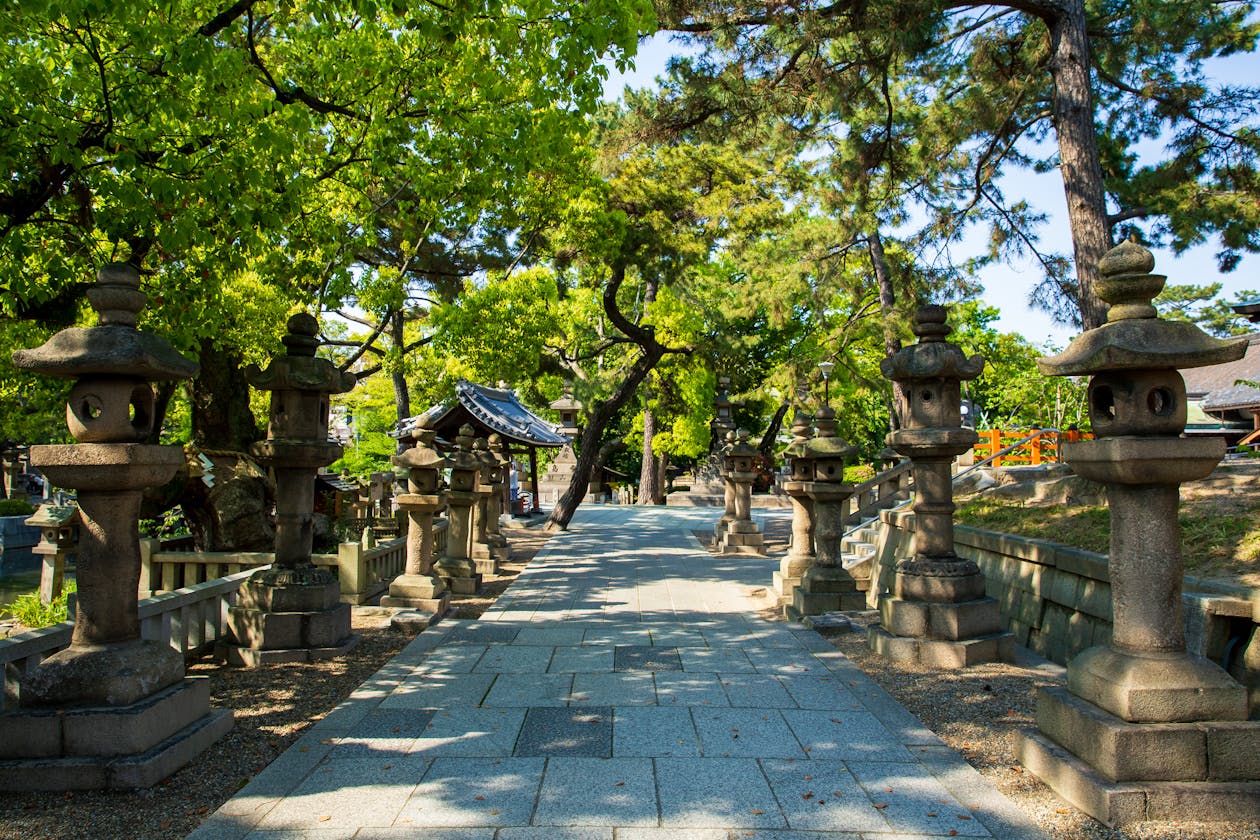
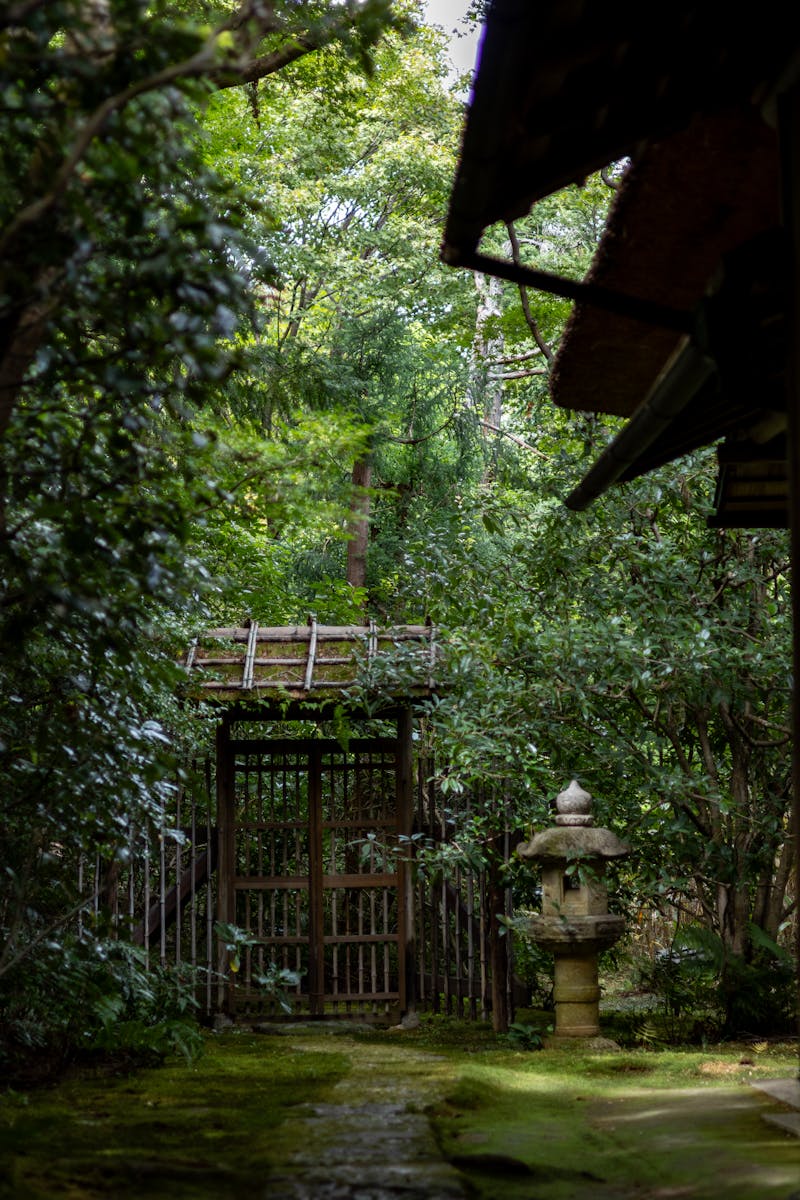
Upon entering the shrine grounds, the city noise vanishes as if by magic. Ancient camphor trees, some over 1,000 years old, tower overhead, while approximately 6,000 trees create a primeval forest atmosphere in the middle of metropolitan Nagoya. Walking along the approach, surrounded by deep green, visitors naturally feel their minds and bodies being purified.
This is where the legendary warlord Oda Nobunaga prayed for victory before the Battle of Okehazama in 1560—and won against overwhelming odds. That same powerful energy continues to draw approximately 6.5 million visitors annually, seeking blessings for success, protection, and new beginnings.
The Allure of This Sacred Site
History and Origins
Atsuta Jingu’s founding dates to 113 AD during the reign of Emperor Keiko. According to legend, when Prince Yamato Takeru died on his return journey from his eastern campaigns, his consort Princess Miyasuhime enshrined the sacred Kusanagi sword at Atsuta.
The Kusanagi no Mitsurugi, also known as Ama-no-Murakumo-no-Tsurugi (Sword of the Gathering Clouds of Heaven), is one of the Three Imperial Regalia alongside the Yata Mirror and Yasakani Jewel. These sacred treasures, bestowed by the Sun Goddess Amaterasu, symbolize the legitimate succession of Japan’s imperial throne.
In 1560, Oda Nobunaga prayed at Atsuta Jingu before the Battle of Okehazama. With merely 3,000 soldiers, he achieved a miraculous victory over Imagawa Yoshimoto’s army of 25,000. In gratitude, Nobunaga donated the “Nobunaga-bei” (Nobunaga Wall), which still stands in the shrine grounds as one of Japan’s three great earthen walls.
Architecture and Natural Features
The main sanctuary’s architecture follows the distinctive “Owari-zukuri” style—a graceful combination of gabled roof with a Chinese-style curved gable unique to this region. The current buildings, reconstructed in 1955, faithfully preserve the solemn atmosphere of ancient design.
The shrine grounds contain approximately 6,000 trees, creating a forest-like atmosphere. The most famous is the “Great Camphor Tree” (Okusu), estimated to be over 1,000 years old with a trunk circumference of about 7.7 meters. Tradition holds it was planted by the great monk Kobo Daishi himself. Touching this tree is said to impart its powerful life force.
The Treasure Hall houses approximately 4,000 artifacts, including National Treasures and Important Cultural Properties. Its collection of swords and blades is among the finest in Japan.
What Makes This Spot Special
Atsuta Jingu’s most distinctive blessing is for “victory” and “career success.” As the Okehazama story demonstrates, this shrine is believed to grant powerful energy when facing crucial challenges.
As a shrine housing one of the Three Imperial Regalia, Atsuta possesses exceptionally strong “purification” and “renewal” energy. Those feeling exhausted in mind and body, or seeking a fresh start, often experience profound reset effects after visiting.
The “Atsuta Matsuri” festival on June 5th attracts approximately 250,000 visitors, making it Nagoya’s largest celebration. About 1,000 fireworks illuminate the night sky while the grounds glow with dedicated lanterns.
Spiritual Benefits and Effects
Known Spiritual Benefits
Atsuta Jingu’s main deity is Atsuta Okami, considered identical to Amaterasu Omikami, the Sun Goddess. The shrine offers various blessings:
National Peace and World Harmony: As guardian of the Imperial Regalia
Protection and Good Fortune: Powerful purifying energy
Victory and Success: Linked to Oda Nobunaga’s legacy
Family Safety: Prayers for family happiness and protection
Business Prosperity: For entrepreneurs and business success
Matchmaking: Available at the Bekku Hachikengu sub-shrine
The Unique Energy of This Site
Atsuta Jingu is said to contain energy that “strengthens decision-making power.” Drawing on the Kusanagi sword’s power to “cut through,” the shrine helps visitors break through difficult situations and forge new paths.
Because it enshrines a “sword” among the Three Regalia, Atsuta is also believed to possess strong power to “sever negative connections.” It’s recommended for those wishing to break free from bad habits or unhealthy relationships.
Visitor Testimonials
“I visited when unsure about changing jobs. After placing my hand on the Great Camphor Tree and praying, my mind mysteriously cleared, and I found the courage to take the leap. Now I’m thriving in my new workplace.” (Man in his 40s, Nagoya)
“I came for a victory prayer before starting my business. Walking through the grounds, my anxiety transformed into determination. Thanks to that energy, my business is thriving.” (Woman in her 30s, Tokyo)
Best Times to Visit
Spring (Late March–May)
Cherry blossom season is spectacular, with approximately 200 trees throughout the grounds peaking in early April. The fresh green season (May) is equally beautiful, offering lovely contrast between young leaves and shrine architecture. Temperatures of 15-22°C are ideal for visits.
Recommendation: ★★★★★
Summer (June–August)
The Atsuta Matsuri on June 5th is unmissable—Nagoya’s largest festival with 250,000 visitors, featuring fireworks and lantern offerings. However, Nagoya summers are extremely hot; take precautions against heatstroke during daytime visits.
Recommendation: ★★★★☆ (★★★★★ during Atsuta Matsuri)
Autumn (September–November)
Autumn colors peak from mid to late November. The grounds take on a serene atmosphere perfect for contemplative visits. The Shichi-Go-San season (around November 15) brings crowds.
Recommendation: ★★★★☆
Winter (December–February)
New Year’s draws approximately 2.3 million visitors—extremely crowded. From mid-January onward, the shrine is relatively quiet, allowing peaceful worship in crisp winter air.
Recommendation: ★★★☆☆
Best Times of Day
Early Morning (6-8 AM): Few visitors; the sacred atmosphere is yours alone. Ideal for prayers at the Great Camphor Tree.
Morning (9 AM-Noon): Best time for formal prayers and visiting the Treasure Hall.
Late Afternoon (4-5 PM): Beautiful in western light. Winter closing is around 4 PM.
Visitor’s Guide
Basic Worship Etiquette
1. Enter through the South Gate: The formal approach begins here. Calm your mind before entering.
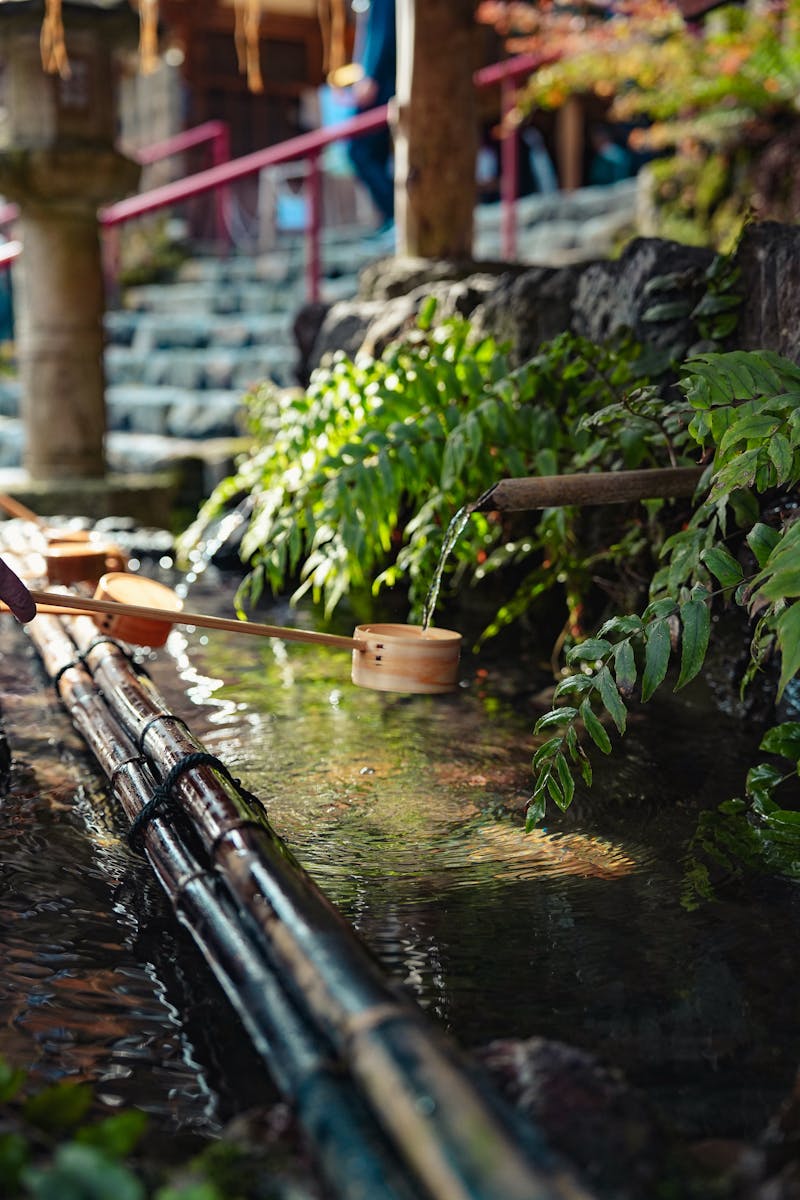
2. Purify at the temizuya: Rinse left hand, right hand, mouth, left hand again, then handle.
3. Walk along the sides: The center path is reserved for the deities.
4. At the Main Sanctuary: Bow twice, clap twice, bow once. Pray silently.
5. Visit sub-shrines: If time permits, visit Hachikengu and Kamichikama Shrine.
Special Points of Interest
Great Camphor Tree (Power Spot): This 1,000+ year-old giant, reportedly planted by Kobo Daishi, is believed to impart its life force to those who touch it.
Nobunaga Wall: The earthen wall donated by Nobunaga after his Okehazama victory. One of Japan’s three great earthen walls with about 400 years of history.
Shimizu-sha: A spring on the north side of the Main Sanctuary. Legend holds that washing your face with this water brings beautiful skin—popular among female visitors.
Treasure Hall: Houses approximately 4,000 artifacts including National Treasures. The sword collection is exceptional (admission ¥300).
Goshuin (Temple Seal) Information
- Fee: ¥300
- Hours: 8:30-16:30
- Multiple goshuin available at Main and sub-shrines
- Original goshuin books (¥1,500)
Dress Code and Etiquette
- Comfortable walking shoes recommended (extensive grounds)
- No food, drinks, or smoking near the Main Sanctuary
- Photography permitted in general areas only (not the main hall)
- Pets not permitted in shrine grounds
Basic Information
Access
Address: 1-1-1 Jingu, Atsuta-ku, Nagoya, Aichi Prefecture
By Train:
- Meitetsu Nagoya Main Line to “Jingu-mae Station,” 3-minute walk
- JR Tokaido Main Line to “Atsuta Station,” 8-minute walk
- Subway Meijo Line to “Jingu-nishi Station,” 7-minute walk
- From Nagoya Station: 6 minutes by JR, 7 minutes by Meitetsu
By Car:
- 5 minutes from Nagoya Expressway “Hotta Exit”
- 20 minutes from Tomei Expressway “Nagoya IC”
Facility Information
- Visiting Hours: Grounds open 24 hours (Treasure Hall 9:00-16:30)
- Closed: None (Treasure Hall closed last Wed/Thu of each month, Dec 25-31)
- Admission: Grounds free (Treasure Hall ¥300)
- Suggested Duration: 40 minutes for worship; 90-120 minutes for full exploration
- Parking: Approximately 400 spaces (free, but closed during New Year’s)
- Official Website: https://www.atsutajingu.or.jp/
- Phone: 052-671-4151
Area Information
Nearby Attractions
Within Walking Distance:
- Shirotori Garden (15-minute walk): The largest Japanese garden in the Tokai region, beautiful in all seasons (admission ¥300)
- Atsuta Jingu Park (5-minute walk): A green park perfect for strolling and resting
Within 15-minute Drive:
- Nagoya Castle: Famous for its golden shachihoko (dolphin-fish ornaments). The reconstructed Honmaru Palace is a must-see.
- Osu Kannon & Osu Shopping District: Nagoya’s premier shopping area with excellent dining options.
Recommended Restaurants
Atsuta Horaiken Jingu-ten
- Cuisine: Hitsumabushi (grilled eel on rice)
- Specialty: Hitsumabushi (¥3,990)
- 5-minute walk from Atsuta Jingu
- Hours: 11:30-14:00, 16:30-20:30, closed Wednesdays
- *The birthplace of Nagoya’s famous hitsumabushi*
Miya Kishimen Jingu-ten
- Cuisine: Kishimen (flat wheat noodles)
- Specialty: Miya Kishimen (¥800)
- Inside Atsuta Jingu grounds
- Hours: 9:00-16:30
- *Perfect for a light meal after worship*
Yabaton Nagoya Station Esca
- Cuisine: Miso Katsu (miso-sauced pork cutlet)
- Specialty: Waraji Tonkatsu Set (¥1,650)
- Nagoya Station underground Esca
- Hours: 11:00-22:00
Konparu Osu Honten
- Cuisine: Kissaten (classic coffee shop)
- Specialty: Shrimp Fry Sandwich (¥850), iced coffee
- 3-minute walk from Subway Osu Kannon Station
- Hours: 8:00-21:00
Souvenirs and Local Products
- Kiyome Mochi: Classic Atsuta Jingu souvenir—elegant rice cakes filled with sweet bean paste
- Uiro: Nagoya’s signature confection with a chewy texture
- Tebasaki: Nagoya’s famous chicken wings, available vacuum-packed
- Hatcho Miso: Red miso from nearby Okazaki, perfect for cooking
Model Itineraries
Half-Day Course (Approximately 4 hours)
9:00 Begin Atsuta Jingu visit
9:40 Prayer at Great Camphor Tree
10:00 Treasure Hall tour
10:40 Hitsumabushi lunch at Atsuta Horaiken
12:00 Shirotori Garden stroll
13:30 Souvenir shopping at Nagoya Station
Full-Day Course (Approximately 8 hours)
9:00 Atsuta Jingu visit
10:00 Treasure Hall tour
11:00 Hitsumabushi at Atsuta Horaiken
12:30 Nagoya Castle tour
14:30 Osu Shopping District exploration
16:00 Shrimp Fry Sandwich at Konparu
17:00 Souvenir shopping at Nagoya Station
Visitor Reviews and Experiences
“I felt the power of the Great Camphor Tree” (Woman in her 50s, Kanagawa)
“On my first visit, the presence of the Great Camphor Tree overwhelmed me. When I placed my hand on the trunk and closed my eyes, my body mysteriously warmed and I felt energy surging. The fatigue from daily life seemed to lift away.”
“Victory blessings at Nobunaga’s legendary site” (Man in his 30s, Osaka)
“I visited before a certification exam. Standing before Nobunaga’s Wall and pressing my palms together, I renewed my determination to ‘win my own battle.’ I passed. I’ll definitely return to give thanks.”
“The hitsumabushi was amazing too” (Couple in their 40s, Tokyo)
“After worship, we had hitsumabushi at Horaiken. The restaurant atmosphere was wonderful, making for a great Nagoya memory. The kishimen inside the shrine grounds was also delicious.”
Frequently Asked Questions
Q: How much time should I allow for worship?
A: About 30-40 minutes for the Main Sanctuary only. Including the Treasure Hall and sub-shrines, allow 90-120 minutes.
Q: Does the parking lot get crowded?
A: Usually available, but the parking lot closes during the first three days of New Year. Surrounding paid lots also fill up; public transportation is recommended.
Q: How many types of goshuin are available?
A: Besides the Main Sanctuary goshuin, you can receive stamps at sub-shrines (Hachikengu, Kamichikama Shrine, etc.)—about 5-6 types total.
Q: Are pets allowed?
A: Unfortunately, pets are not permitted in the shrine grounds.
Q: Is stroller access available?
A: Yes. The grounds are relatively flat with good accessibility features.
Nearby Power Spots
- [Ise Grand Shrine](https://k005.net/en/powerspot/ise-jingu-access-en/)
- [Mt. Norikura](https://k005.net/en/powerspot/norikuradake-en/)
- [Enoshima Shrine](https://k005.net/en/powerspot/enoshima-jinja-en/)
- [Fushimi Inari Taisha](https://k005.net/en/powerspot/fushimi-inari-day-trip-osaka-en/)
- [Hakone Shrine](https://k005.net/en/powerspot/hakone-jinja-en/)
Summary
Atsuta Jingu Shrine, enshrining the legendary Kusanagi sword of the Three Imperial Regalia, stands as one of Japan’s most prestigious power spots.
With 1,900 years of history, the 1,000-year-old Great Camphor Tree, and Oda Nobunaga’s historic wall, this shrine possesses a mysterious energy that grants visitors “victory power” and “decision-making strength,” helping them cut through difficulties ahead.
Whether facing life’s greatest challenges, seeking a fresh start, or simply wanting to reset mind and body, Atsuta Jingu gently supports your back and grants courage to move forward.
When visiting Nagoya, take time to experience this sacred forest and feel the deep power of prayer accumulated over 1,900 years of history.
—
Want to discover the power spot that’s right for you?
Beyond this location, Japan is home to countless power spots. To find the one most suited to you, try our free compatibility assessment (takes just 3 minutes).
→ [Take the Free En Profile Assessment](https://enguide.info)
—
*Information in this article is current as of December 2025. Please verify the latest details on official websites before visiting.*
あなたに最適なパワースポットを知りたい方へ