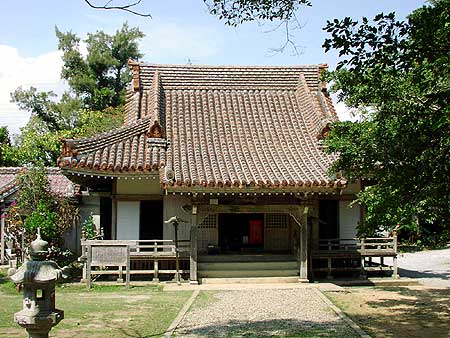
What if someone told you there’s a shrine hidden inside a cave?
Kin-gū (金武宮), located in Kin Town on Okinawa’s east coast, is one of the prestigious “Ryukyu Hassya” — the eight shrines specially protected by the Ryukyu Kingdom. But unlike any other shrine in Japan, Kin-gū has no traditional shrine building. Its sacred deity is enshrined deep within a 270-meter limestone cave called Nisshu-dō.
This guide covers everything you need to know to have the best experience at Kin-gū, from navigating the cave to enjoying Kin Town’s famous taco rice afterward.
—
What Makes Kin-gū Special
The Only “Cave Shrine” Among the Ryukyu Eight
The Ryukyu Hassya (琉球八社) are eight shrines that received special patronage from the Ryukyu Kingdom: Naminoue-gū, Oki-no-gū, Shikina-gū, Futenma-gū, Sueyoshi-gū, Asato Hachiman-gū, Ameku-gū, and Kin-gū. Among these eight, Kin-gū is the only one without a proper shrine building.
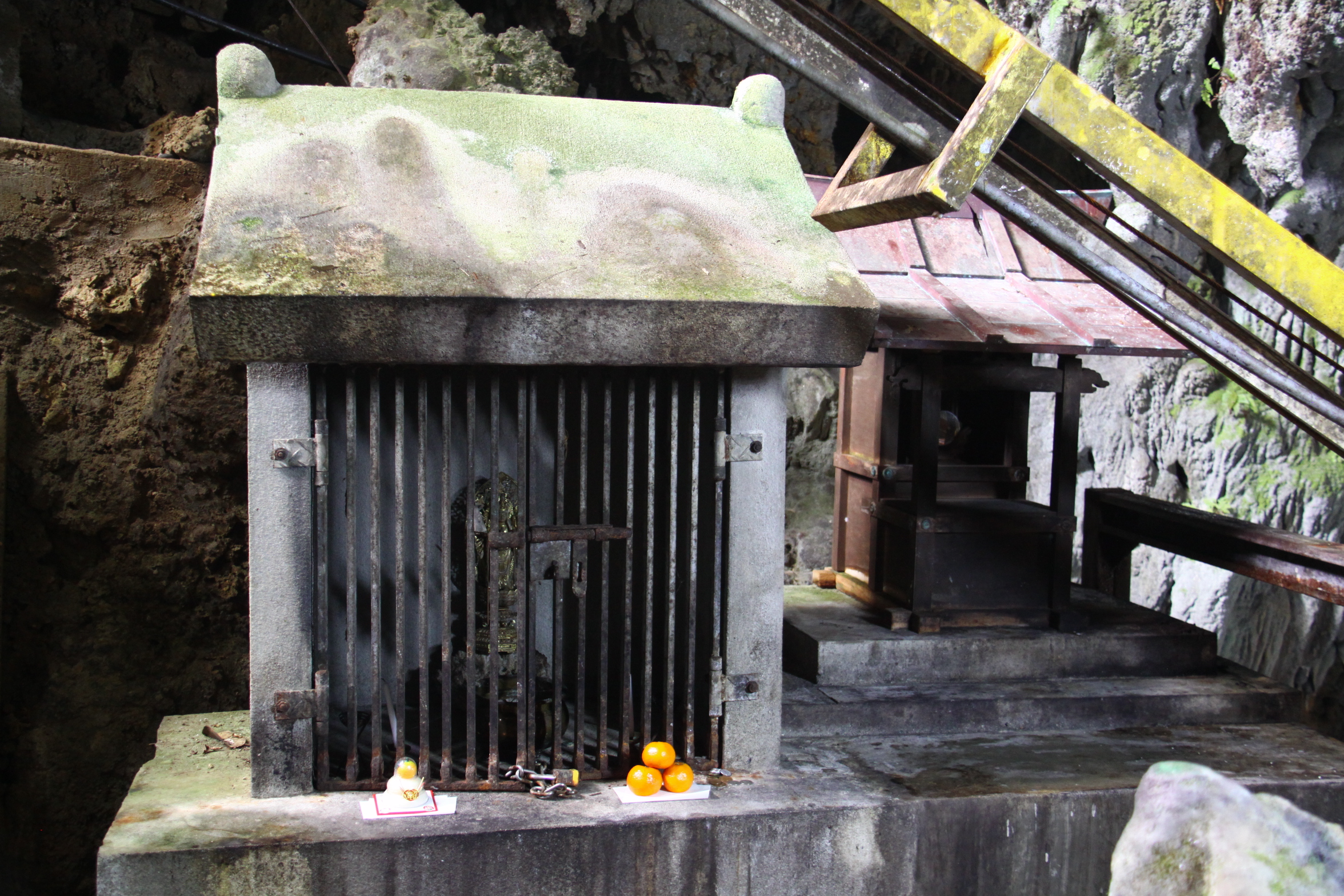
The story begins with Nisshu Shōnin, a Shingon Buddhist monk from the Muromachi period. According to legend, he set out to sea from Fudarakusan-ji Temple in Kishū (present-day Wakayama Prefecture) and drifted ashore at this location. Sensing spiritual energy in the cave he discovered, he enshrined Kannon Bodhisattva here, establishing both Kin Kannonji Temple and Kin-gū.
Where Temple and Shrine Coexist
One of Kin-gū’s most fascinating aspects is that a Shinto shrine exists within the grounds of a Buddhist temple. This reflects Okinawa’s tradition of shinbutsu-shūgō (the syncretic blending of Shinto and Buddhism). You enter through the temple grounds, descend into the cave, and find the shrine’s sacred object deep within.
A Sanctuary Shaped by Nature
The Nisshu-dō cave stretches approximately 270 meters underground. The temperature inside stays around 18°C (64°F) year-round — a refreshing escape from Okinawa’s tropical heat. Stalactites hang from the ceiling, underground water flows beneath your feet, and dim light filters through the entrance. There’s nothing artificial here, which is precisely why many visitors report feeling a powerful spiritual energy.
Part of the cave also serves as an awamori (Okinawan rice spirit) aging cellar. The naturally stable temperature and humidity create perfect conditions for aging koshu (aged awamori). This unique coexistence of a sacred site and a liquor storehouse is yet another thing that makes Kin-gū one of a kind.
—
Spiritual Benefits
Kin-gū enshrines the three deities of Kumano, and visitors come seeking various blessings:
- Bountiful harvest — Protecting the agricultural lands of Kin
- Safe voyages — Essential for island-dwelling Okinawans
- Good health — Associated with the cave’s pure, mineral-rich air
- Fertility and safe childbirth — Linked to the shapes of stalactites within the cave
Visitors frequently describe feeling an immediate change in atmosphere upon entering the cave — a sudden stillness and calm. Some report a warm sensation when praying at the inner sanctuary.
That said, spiritual connections are personal. Some people feel drawn to cave sanctuaries like Kin-gū, while others resonate more with open-air seaside sacred sites.
—
Best Time to Visit
Seasonal Guide
| Season | Rating | Notes |
|——–|——–|——-|
| Winter (Dec-Feb) | ★★★★★ | Okinawa’s best season. Fewer tourists, pleasant 20°C weather |
| Spring (Mar-Apr) | ★★★★ | Before rainy season. Comfortable and mild |
| Autumn (Oct-Nov) | ★★★★ | After typhoon season. Cooler and less crowded |
| Summer (May-Sep) | ★★★ | Cave is cool inside but travel between sites is hot. Typhoon risk |
Day and Time
- Weekday mornings are ideal, especially right after the 7:00 AM opening when you’ll likely have the cave to yourself
- Weekends see more family visitors, but it still rarely feels crowded
- The site closes at 4:00 PM, so arrive by 3:00 PM at the latest
Time Needed
- Temple grounds only: 15-20 minutes
- Including the cave: 40-60 minutes
- Including a taco rice stop: 2-3 hours
—
Visitor’s Guide
Step-by-Step Walkthrough
1. Enter through Kin Kannonji’s main gate — Look for the red tile roof
2. Pay respects at the main hall — Greet Kannon Bodhisattva first
3. Head to the cave entrance on the right side of the grounds
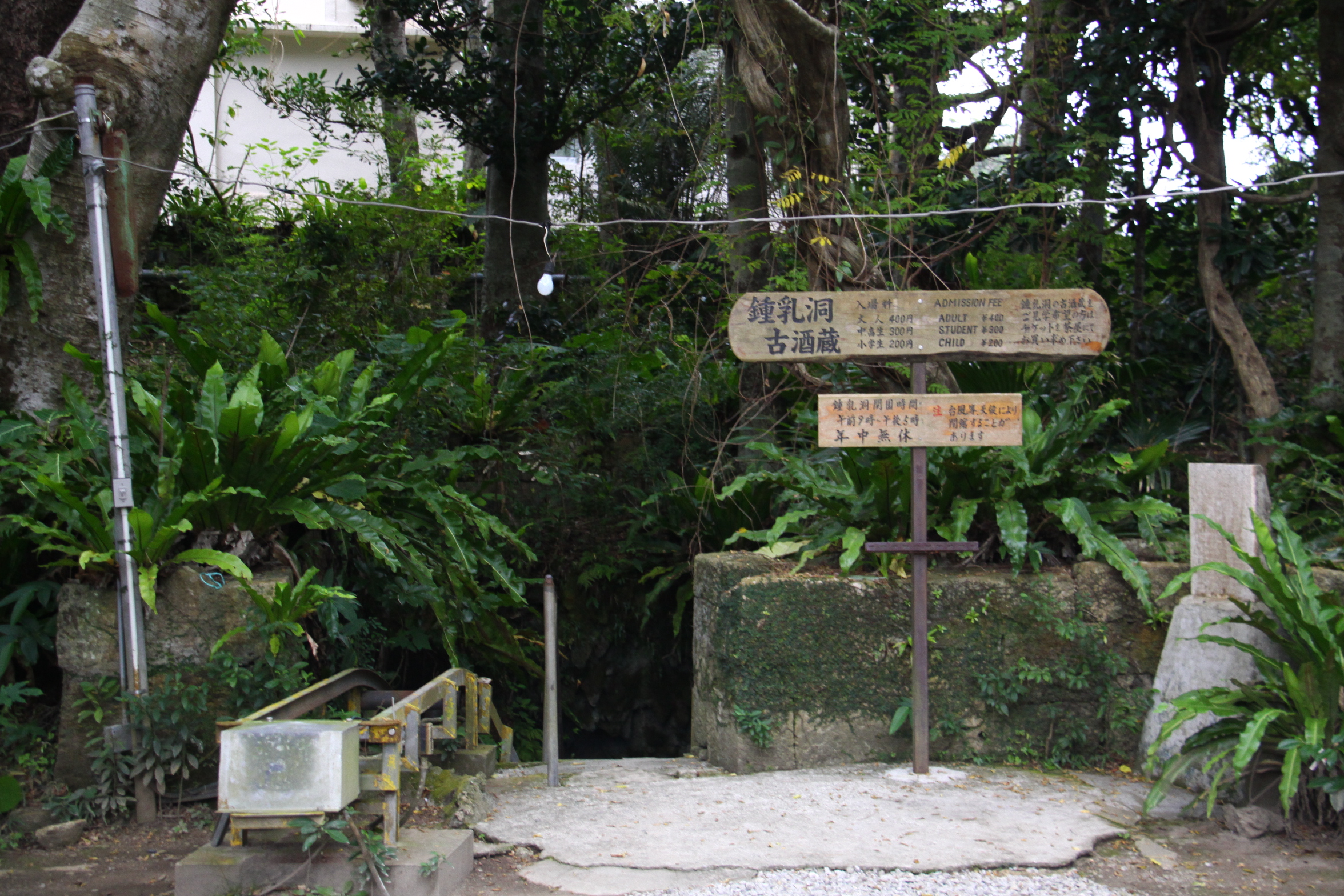
4. Purchase a ticket at the Kannon Chaya teahouse (¥400 for adults)
5. Descend the stairs into the cave — watch your step
6. Pray at Kin-gū’s inner sanctuary — the shrine’s sacred heart
7. View the awamori aging cellar — rows of aging spirits on wooden shelves
8. Return to the surface — the Okinawan sunlight will feel dazzling
What to Wear and Bring
- Sturdy, non-slip shoes (essential) — the cave floor can be wet and slippery
- Light jacket — it’s 18°C inside, a big contrast with outdoor temperatures
- Towel — the cave is humid
- Camera — low light inside, so a flash or fast lens helps
Etiquette
- The cave is a sacred space — keep voices low and don’t run
- Don’t touch the stalactites (they’re still growing)
- Remove hats and bow at prayer spots
- Check with staff about flash photography rules
Goshuin (Temple Seal)
Kin-gū (the shrine) does not offer goshuin. You can receive one from Kin Kannonji (the temple) instead — ask at the reception desk (¥300).
—
Essential Information
| Detail | Information |
|——–|————|
| Official name | Kin-gū (金武宮) |
| Address | 222 Kin, Kin Town, Kunigami District, Okinawa |
| Hours | 7:00 AM – 4:00 PM |
| Closed | Open year-round |
| Admission | Temple grounds free; Cave: ¥400 adults, ¥300 junior high, ¥200 elementary |
| Parking | Free, approximately 20 spaces |
| Enshrined deity | Three Kumano deities |
| Founded | Muromachi period (16th century) |
| Classification | One of the Ryukyu Hassya (Eight Shrines of Ryukyu) |
| Phone | 098-968-2411 (Kin Kannonji Temple) |
Getting There
By car (recommended):
- From Naha: Take the Okinawa Expressway to Kin IC, then approximately 15 minutes on local roads
- Total drive time from Naha: approximately 1 hour
- Free parking available at the temple
By bus:
- From Naha Bus Terminal: Take Okinawa Bus Route 77 (Nago East Line), approximately 1.5 hours to “Kin” bus stop, then 10 minutes on foot
- Note: Bus frequency is limited — renting a car is strongly recommended
—
Nearby Attractions
Kin Town: Birthplace of Taco Rice
A visit to Kin-gū isn’t complete without taco rice, Okinawa’s iconic fusion dish. Kin Town is where taco rice was invented in 1984 — born from the idea of serving affordable, filling meals to American servicemen stationed nearby.
Top Taco Rice Spots
| Restaurant | Must-Try | Details |
|———–|———-|———|
| King Tacos (Kin Main Store) | Taco Rice Cheese Vegetables (from ¥600) | The original. Enormous portions |
| Parlor Senri | Taco Rice | The actual birthplace of taco rice. Local favorite |
King Tacos is about 5 minutes by car from Kin-gū — perfect for a post-worship lunch.
Other Nearby Spots
| Spot | Distance | Highlights |
|——|———-|———–|
| Nature Mirai-kan | 5 min by car | Canoeing, BBQ facilities, camping |
| Okukubi River Mangroves | 10 min by car | Kayak through mangrove forests |
| Onna Village Area | 20 min by car | Resort hotels, marine sports |
Half-Day Itinerary
“`
9:00 AM Depart Naha (via Okinawa Expressway)
10:00 AM Visit Kin-gū & Kin Kannonji Temple (1 hour)
11:00 AM Taco rice lunch at King Tacos
12:00 PM Mangrove kayak experience at Okukubi River (2 hours)
2:00 PM Head to Onna Village area for beach time
“`
—
Visitor Reviews
Here’s what actual visitors have said:
> “The moment you enter the cave, you feel completely cut off from the outside world. It’s cool, quiet, and there’s this strange sense of peace.”
> — Google Maps review
> “Visited as part of my Ryukyu Hassya pilgrimage. The atmosphere is completely different from the other seven shrines — this one is in a league of its own. The awamori cellar is a fascinating bonus.”
> — Google Maps review
> “I came to Kin Town for taco rice, but decided to check out Kin-gū too. The cave was far more mystical than I expected. Glad I came, but watch your step — it’s slippery!”
> — Google Maps review
—
Frequently Asked Questions
Q: What’s the difference between Kin-gū and Kin Kannonji?
A: Kin-gū is a Shinto shrine; Kin Kannonji is a Buddhist temple. They share the same grounds, with the shrine’s sacred object enshrined inside the cave on the temple premises. This reflects Okinawa’s tradition of blending Shinto and Buddhist practices.
Q: Can I visit without a car?
A: Yes, via Okinawa Bus Route 77 from Naha (about 1.5 hours). However, bus frequency is limited, so renting a car gives you much more flexibility.
Q: Is the cave accessible with a stroller?
A: No — there are stairs inside the cave. Baby carriers are recommended. Take extra care with small children as surfaces can be slippery.
Q: Can I visit on rainy days?
A: Absolutely — the cave is unaffected by weather, making it an excellent rainy-day activity. You’ll also find fewer visitors during rain.
Q: Is there an English-language guide available?
A: Signage inside the cave is primarily in Japanese. Consider using a translation app or researching beforehand (this article should help!).
—
Summary
Kin-gū is the only shrine among the Ryukyu Eight Shrines — and perhaps in all of Japan — where the sacred deity is enshrined inside a natural limestone cave.
The experience of praying deep underground, surrounded by stalactites formed over tens of thousands of years, with only the sound of flowing water and the cool cave air, is unlike any other shrine visit in Japan. It’s a place where you feel the sacred through all five senses.
Pair your visit with taco rice — Kin Town’s signature dish — and a mangrove kayak adventure, and you have one of Okinawa’s most unique and memorable day trips.
—
We hope this guide helps you plan your visit to Kin-gū.
*Information in this article is current as of April 2026. Please check official sources for the latest details before your visit.*
—
Want to discover which power spots are best for you?
Japan has hundreds of spiritual power spots, each with different energies. To find the ones that match your personal profile, try our free compatibility diagnosis (takes just 3 minutes).
あなたに最適なパワースポットを知りたい方へ