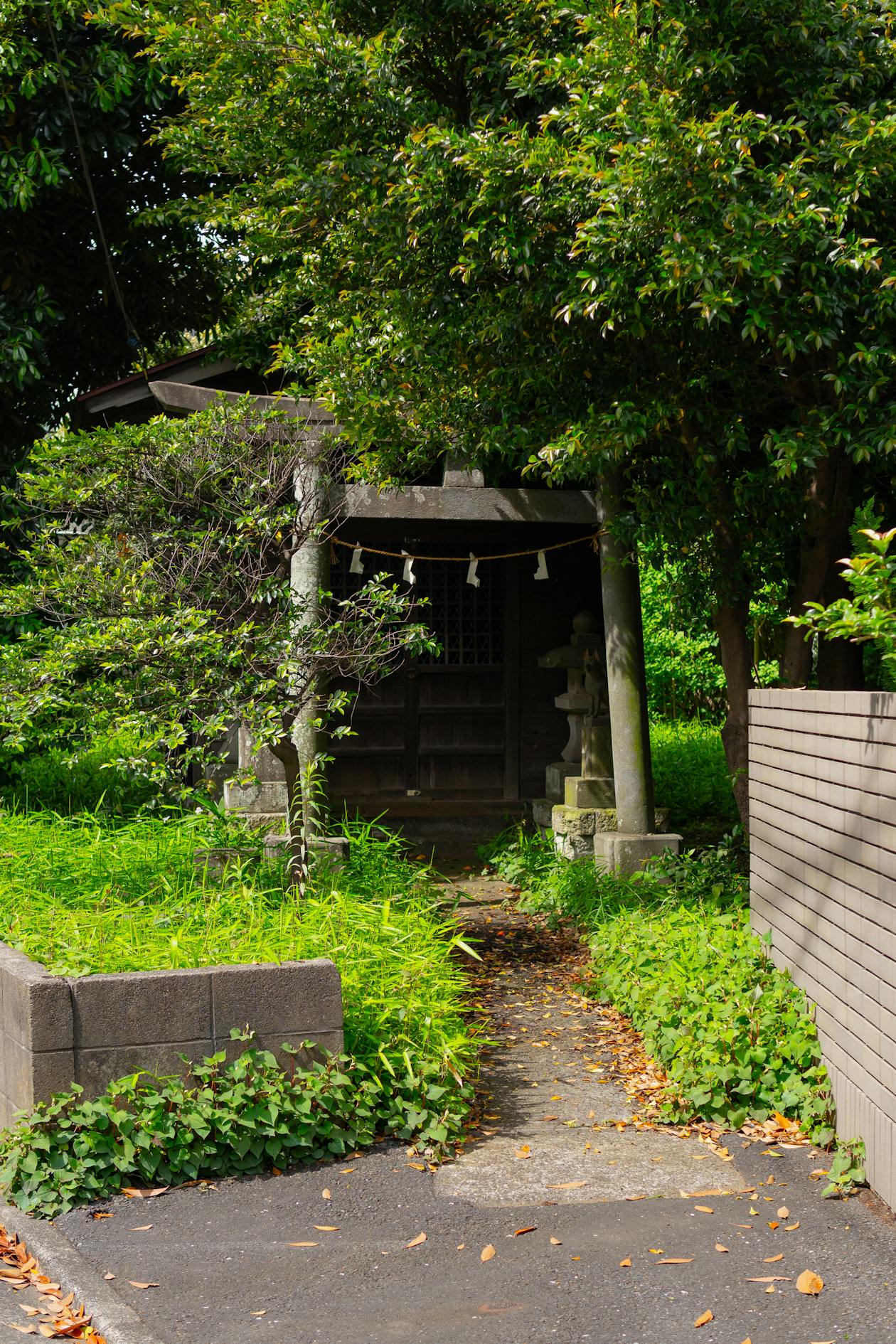
A 15-minute drive from central Naha leads you to a quiet residential neighborhood in Hantakawa—and to one of Okinawa’s most mysterious sacred sites. Shikina-gū is one of the Ryukyu Hassya (Eight Official Shrines) designated by the Ryukyu Kingdom, and behind its modest main hall lies a limestone cave (gama) that has been the center of prayer and healing for over 500 years.
Founded after a Ryukyu prince recovered from a grave illness through prayers offered at this very cave, the shrine carries a powerful legacy of health restoration and spiritual renewal. With the UNESCO World Heritage-listed Shikina-en Garden just a 10-minute walk away, this area offers one of the richest concentrations of Ryukyu culture in all of Naha.
What Makes This Spot Special
One of the Ryukyu Hassya: Eight Royally Sanctioned Shrines
Shikina-gū holds the distinction of being one of the Ryukyu Hassya—eight shrines granted official status under the Ryukyu Kingdom’s “kansya” system. Alongside Naminoue-gū, Oki-gū, Sueyoshi-gū, Asato Hachiman-gū, Ameku-gū, Futenma-gū, and Kin-gū, it received direct patronage from the royal court. From 1644 onward, the Ryukyu king himself visited three times per year—a level of reverence that speaks to the shrine’s spiritual significance.
The Sacred Limestone Cave Behind the Main Hall
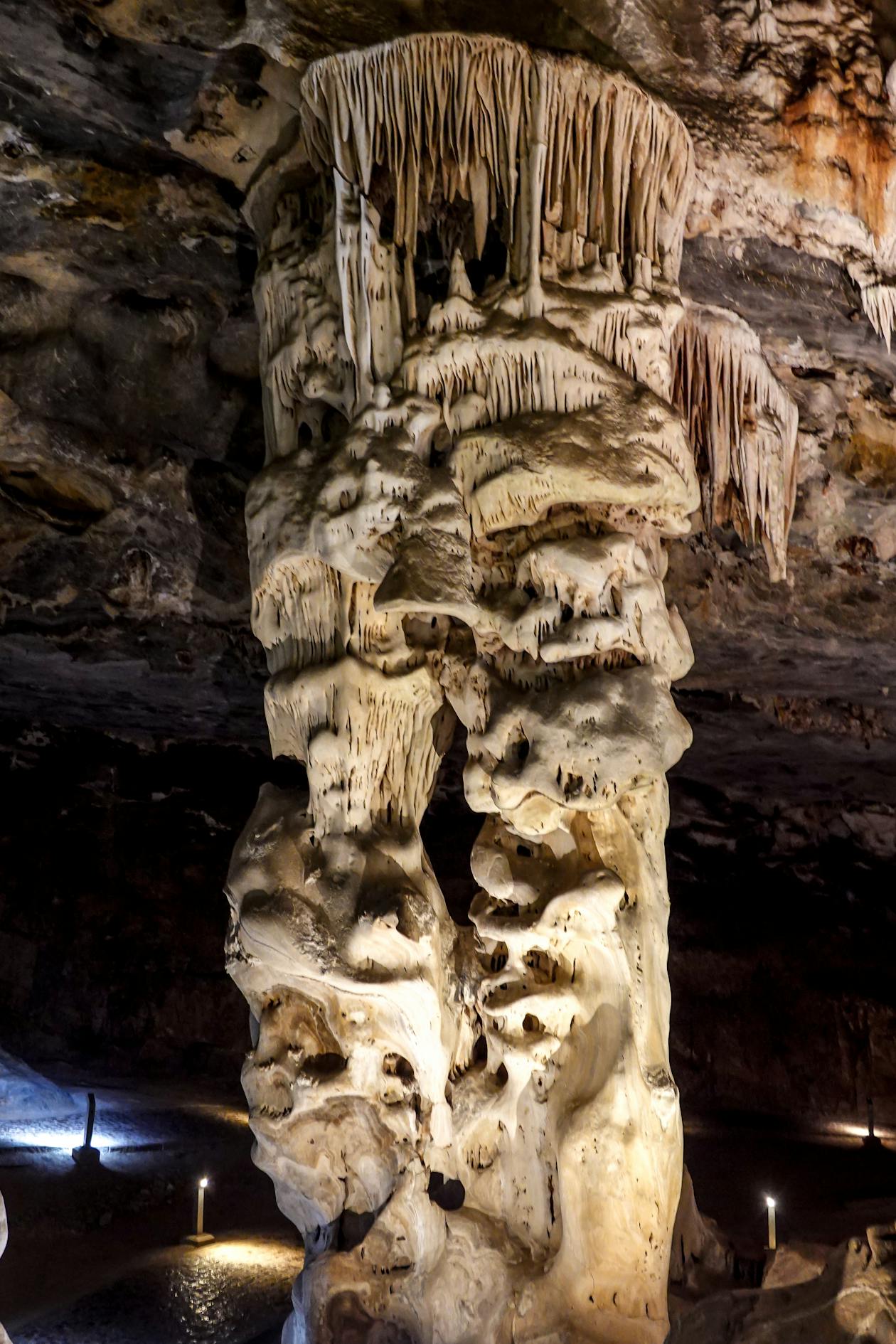
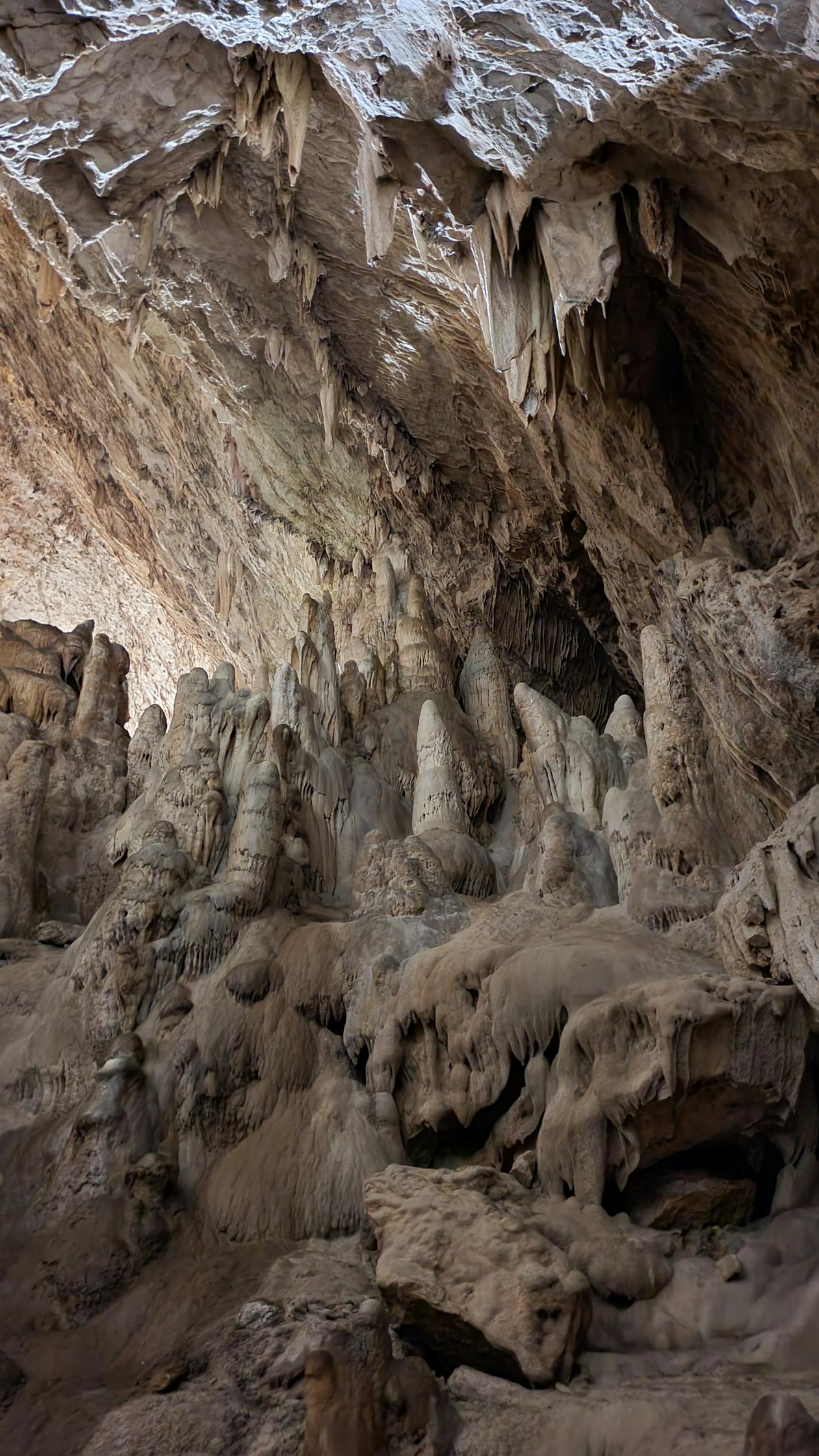
The true heart of Shikina-gū lies behind the worship hall: a natural limestone cave formed over millennia from Okinawa’s coral rock. Inside, stalactites intertwine with the roots of subtropical trees, creating an otherworldly landscape that feels untouched by time. This cave is considered the most spiritually concentrated point in the entire shrine grounds.
The cave is normally closed behind an iron gate. It opens to the public only during the monthly Tsukimai-sai rituals on the 1st and 15th of each month—making each visit a genuinely rare experience.
The Prince’s Healing: A 500-Year-Old Origin Story
According to the historical chronicle Irō Setsuden, around 1500, the eldest son of King Shō Gen fell gravely ill. Following a divine revelation, prayers were offered continuously at this cave—and the prince recovered. This miraculous healing led to the enshrinement of the Kumano deities and the formal establishment of Shikina-gū. Unlike many shrine legends, this one traces directly to a documented royal family event.
Where Mainland Shinto Meets Okinawan Earth Worship
The enshrined deities are the three Kumano gods (Izanami, Hayatama-no-o, Kotosaka-no-o), connecting the shrine to the great Kumano tradition of mainland Japan. Yet the cave worship at its core is distinctly Okinawan—a fusion of imported Shinto with the island’s ancient gama-based spirituality. This cultural layering gives Shikina-gū an atmosphere you won’t find at any mainland shrine.
Spiritual Benefits
Healing & Health — The shrine’s founding miracle. Locals have come here for centuries seeking recovery from illness and ongoing health protection.
Safe Childbirth & Fertility — The cave is sometimes likened to the womb of the earth, making it a natural site for prayers related to new life and safe delivery.
Relationship Blessings — Izanami is the goddess of creation and bonds. Visitors pray here for harmonious relationships in all forms.
Protection from Misfortune — Kotosaka-no-o’s divine power is sought by those at life’s crossroads, looking to clear obstacles and turn circumstances around.
Best Times to Visit
Year-Round Access (Subtropical Climate)
Okinawa’s mild climate makes Shikina-gū accessible throughout the year. Unlike mainland Japan, there are no dramatic cherry blossom or autumn foliage seasons—so timing depends more on weather and events.
Spring (March–May) ★★★★★
The best season overall. Temperatures hover around 22–26°C, and before the rainy season begins (usually mid-May), sunny skies are common. Shikina-en Garden is at its most beautiful.
Autumn (October–November) ★★★★★
After typhoon season, the weather stabilizes at a pleasant 24–27°C. Fewer tourists than summer, making for peaceful visits.
Winter (December–February) ★★★★☆
Okinawan winters are mild at 15–20°C—a light jacket is all you need. Hatsumode (New Year’s visits) draw local crowds, but weekdays outside the first three days are quiet.
Summer (June–September) ★★★☆☆
The rainy season (mid-May to late June) and typhoon season (July–September) require careful planning. Temperatures exceed 30°C, so visit early morning if possible.
Special Dates
The 1st and 15th of every month (Tsukimai-sai): The only days the sacred cave is open. If you want the full Shikina-gū experience, plan your trip around these dates.
Recommended Hours
9:00–11:00 AM: Before the subtropical heat intensifies. Shikina-en Garden also opens at 9:00.
Around 5:00 PM on weekdays: The priest is most likely to be present for goshuin (stamp) requests.
Visitor’s Guide
Recommended Route (30 minutes–2 hours)
1. Torii gate and approach — A compact but well-maintained stone path
2. Temizuya — Purification fountain
3. Main hall (Haiden) — The rebuilt 2013 structure features Okinawa’s distinctive red roof tiles. Bow twice, clap twice, bow once
4. Sacred cave (Gama) — Viewable from outside daily; enter only during monthly rituals on the 1st and 15th
5. Walk 10 minutes to Shikina-en Garden (UNESCO World Heritage) for a stroll through Ryukyu royal gardens
Goshuin (Temple Stamp) Information
Shikina-gū is known as the hardest goshuin to obtain among all eight Ryukyu Hassya shrines. The priest is not always on-site, so calling ahead is essential.
- Fee: ¥300–500 (confirm in advance)
- Availability: Irregular (most likely weekday evenings)
- Recommendation: Always call before visiting if you want a goshuin
Practical Tips
- The grounds are small—be considerate if other visitors are present
- Wear sturdy shoes if entering the cave (slippery surfaces)
- Okinawa’s UV index is intense year-round—bring sunscreen, a hat, and water
Essential Information
| Detail | Info |
|——–|——|
| Official Name | Shikina-gū (識名宮) |
| Address | 4-1-43 Hantakawa, Naha, Okinawa |
| Enshrined Deities | Izanami, Hayatama-no-o, Kotosaka-no-o |
| Admission | Free |
| Hours | Grounds always open (office hours irregular) |
| Parking | Very limited (2–3 spaces); use Shikina-en Garden’s free lot instead |
Nearby Attractions
Shikina-en Garden (UNESCO World Heritage) — 10-Minute Walk
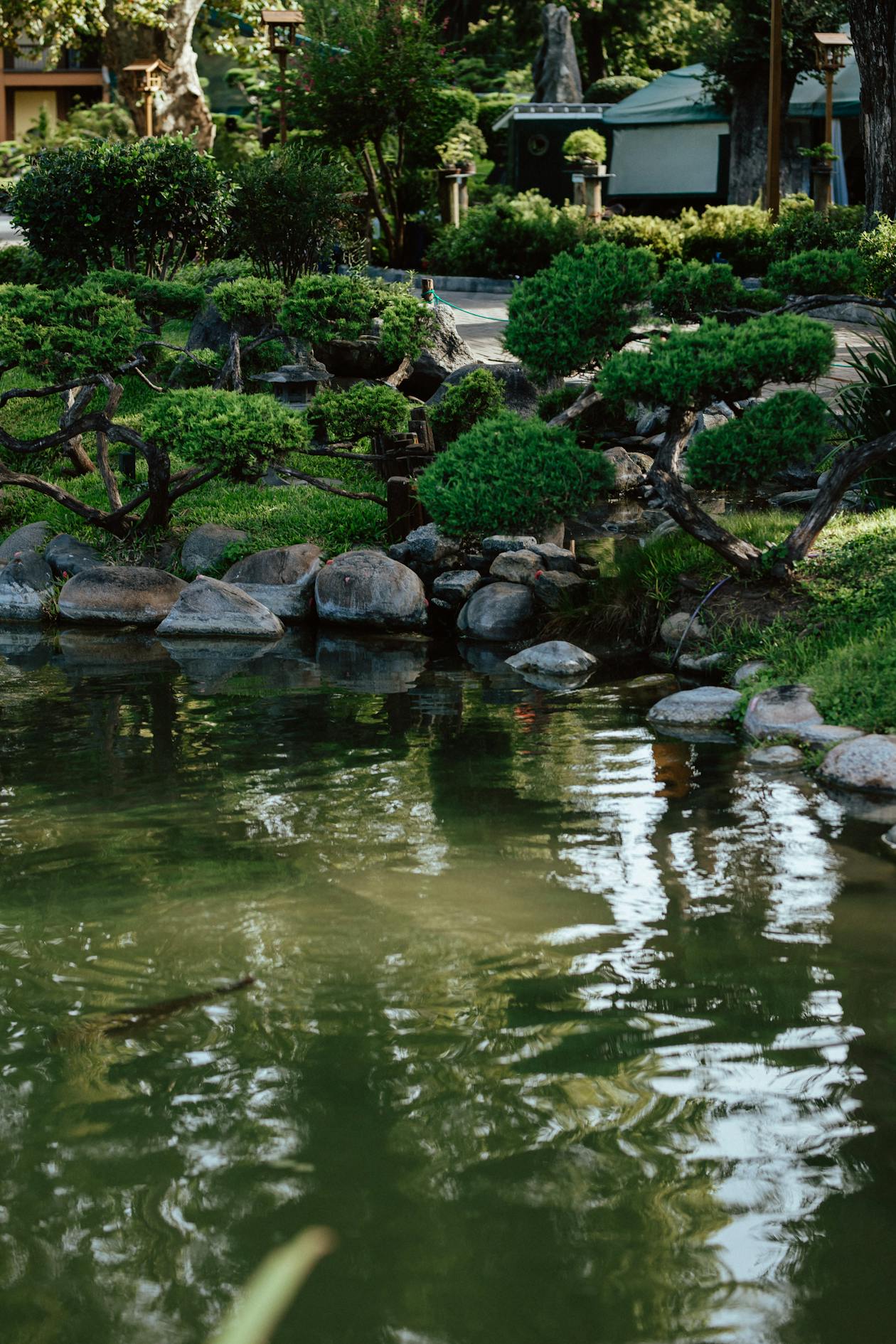
An absolute must-visit when at Shikina-gū. This strolling garden was built in 1799 as the Ryukyu royal family’s largest villa and was registered as a UNESCO World Heritage Site in 2000. The Chinese-style hexagonal pavilion floating on the pond, the red-tiled palace, and the fusion of Japanese and Chinese garden design are unlike anything on mainland Japan.
- Hours: 9:00–17:30 (until 17:00 October–March)
- Admission: ¥400 adults, ¥200 children
- Closed: Wednesdays (or following day if Wednesday is a holiday)
- Parking: Free and spacious — also useful for Shikina-gū visits
Shuri Castle — 15-Minute Drive
The symbol of the Ryukyu Kingdom. Following the 2019 fire, the main hall is under reconstruction (expected completion: autumn 2026). The castle park, Shureimon gate, and panoramic views remain accessible.
Recommended Cultural Route
Shuri Castle → Tamaudun Royal Mausoleum → Kinjo Stone-Paved Road → Shikina-gū → Shikina-en Garden
A 3 km journey through 500 years of Ryukyu culture. Allow 2–3 hours on foot, or 5–15 minutes between stops by car.
Dining Nearby
- Ishidatami Chaya Shinju: A renovated traditional house along the historic Madama-michi road from Shureimon. Taco rice, Okinawa soba, and homemade cakes
- Hantakawa area: Local eateries serving Okinawa soba and champuru set meals at reasonable prices
Visitor Impressions
What visitors mention most consistently is the startling contrast between the ordinary residential neighborhood and the spiritual atmosphere within.
Google Maps reviews highlight comments like “a small shrine, but the moment you step near the cave, the air completely changes” and “I visited all eight Ryukyu Hassya, and this one left the deepest impression.”
A recurring frustration is the difficulty of obtaining a goshuin—”the priest wasn’t there when I visited” appears in multiple reviews. The solution is simple: call ahead. Those who timed their visit to the monthly ritual on the 1st or 15th report that “the stalactites and tree roots intertwined in the cave are something photos cannot capture.”
FAQ
Q. Is there parking?
A. The shrine has space for only 2–3 cars. Your best option is the free parking lot at Shikina-en Garden, a 10-minute walk away.
Q. Can I enter the cave?
A. The cave is normally closed behind an iron gate. It is only accessible during the monthly ritual on the 1st and 15th of each month.
Q. Can I get a goshuin?
A. Yes, but the priest’s schedule is irregular. Call ahead to confirm availability. This is considered the most difficult goshuin to obtain among the Ryukyu Hassya.
Q. Can I combine this with Shikina-en Garden?
A. Absolutely—it’s only a 10-minute walk. Budget 40–60 minutes for Shikina-en and 20–30 minutes for Shikina-gū.
Q. How do I get here from Naha Airport?
A. By car: approximately 40 minutes. By public transit: take the Yui Rail to Shuri Station, then a taxi (about 15 minutes) or bus to Hantakawa.
Summary
Shikina-gū is not a shrine that commands attention with grand architecture or famous festivals. Its power lies in the quiet—the 500-year-old limestone cave behind the main hall, the intertwining of Kumano Shinto with Okinawan earth worship, the footsteps of Ryukyu kings who came to pray in this very place.
Pair it with the UNESCO-listed Shikina-en Garden next door, and you have one of Naha’s most rewarding cultural detours. Time your visit to the 1st or 15th of the month to enter the sacred cave, and you’ll experience a side of Okinawa that most tourists never see.
—
Discover Your Ideal Power Spot
Japan is home to countless spiritual sites beyond this one.
Take our free compatibility quiz to find the power spot that resonates most with you (takes just 3 minutes).
あなたに最適なパワースポットを知りたい方へ