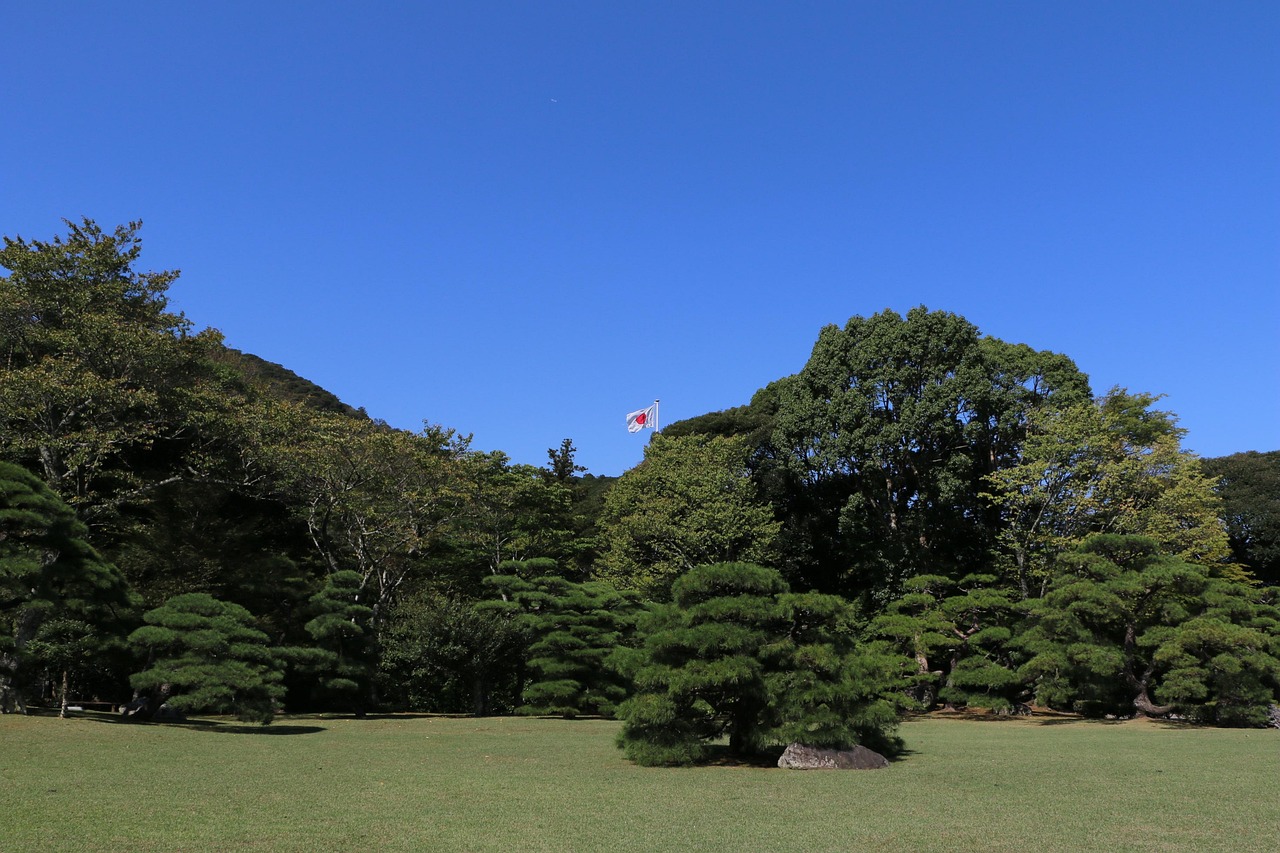
Quick Answer: Can I Take Photos at Ise Jingu?
Yes, but with strict limits.
| Question | Answer |
|———-|——–|
| Main sanctuary | Prohibited (from stone steps onward) |
| Approach paths | Yes |
| Uji Bridge | Yes |
| Isuzu River | Yes |
| Torii gates | Yes (except innermost) |
| Tripod | Yes, before 7 AM only |
| Drone | Prohibited everywhere |
Key rule: Photography stops at the stone steps (石段). Beyond that point, put your camera away.
What Makes Ise Jingu Different
At most Japanese shrines (Fushimi Inari, Meiji Jingu, Itsukushima), you can photograph the main building. Not at Ise Jingu.
Why the Strict Rules?
- Sacred treasures: The shrine houses objects too sacred for public viewing
- Imperial connection: Ancestral shrine of the Japanese Imperial family
- Ritual purity: Photography disrupts the spiritual atmosphere
- 1,300 years of tradition: These rules aren’t new
What Happens If You Break the Rules?
- Staff will approach and say “satsuei kinshi” (撮影禁止)
- You’ll be asked to delete the photos
- Repeated violations may result in being asked to leave
- No exceptions for “just one quick shot”
The Exact No-Photo Boundaries
Inner Shrine (Naiku) 内宮
“`
[PROHIBITED ZONE]
================
Main Sanctuary
↑
—-石段 (Stone Steps)—-
↑
[LAST PHOTO POINT]
↑
Outer Torii Gate (photographable)
↑
Cedar Tree Avenue (photographable)
↑
Isuzu River (photographable)
↑
Uji Bridge (photographable)
“`
Simple rule: You can photograph everything up to the bottom of the stone steps. Once you see the stairs leading up to the main sanctuary, stop.
Outer Shrine (Geku) 外宮
Same rule applies:
- The approach, torii gates, and shrine buildings visible from distance: OK
- Beyond the final torii gate before the main sanctuary: Prohibited
6 Best Photo Spots (With GPS)
Spot 1: Uji Bridge (宇治橋)
| Detail | Information |
|——–|————-|
| What to capture | 101.8m wooden bridge with mountain backdrop |
| Best time | Sunrise, or misty mornings |
| Best season | Any (especially autumn for foliage) |
| Tripod | Yes, before 7 AM |
| GPS | 34.4547, 136.7259 |
Pro tip: Position yourself at the far end for the classic straight-on shot. The bridge faces east—perfect for sunrise.
Spot 2: Isuzu River Purification Area (御手洗場)
| Detail | Information |
|——–|————-|
| What to capture | Crystal-clear water, stone steps, reflections |
| Best time | Morning light (8-10 AM) |
| Best season | Autumn (foliage reflects in water) |
| Tripod | Yes, but don’t block worshippers |
| GPS | 34.4552, 136.7268 |
Pro tip: Long exposure (1-2 seconds) creates silky water effect. Use ND filter.
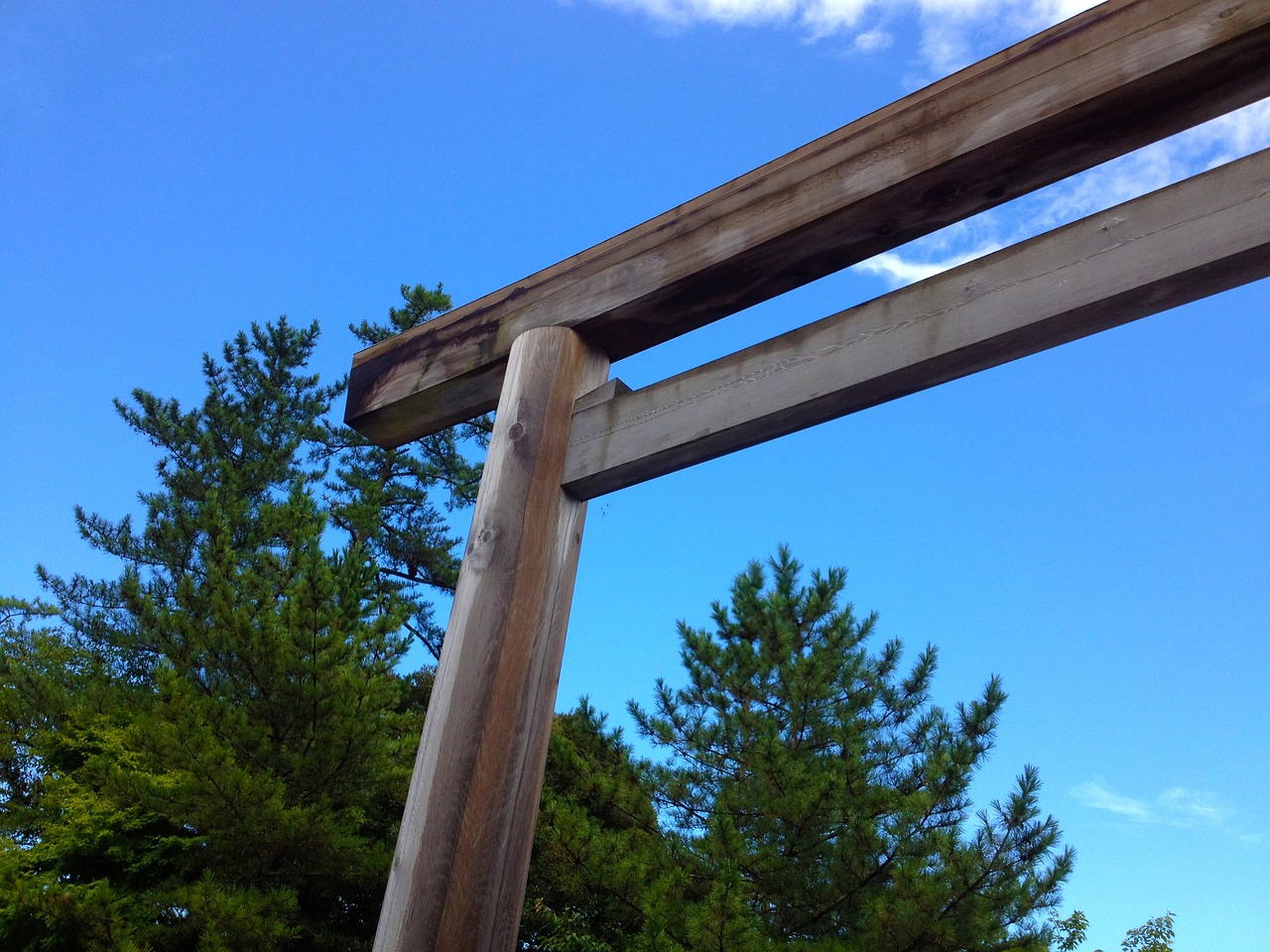
Spot 3: First Torii Gate
| Detail | Information |
|——–|————-|
| What to capture | Massive wooden gate framing the approach |
| Best time | Early morning (fewer people) |
| Best season | Any |
| Tripod | Yes, before 7 AM |
| GPS | 34.4549, 136.7264 |
Pro tip: Stand far back for a centered shot. Include people for scale.
Spot 4: Cedar Tree Avenue (杉並木)
| Detail | Information |
|——–|————-|
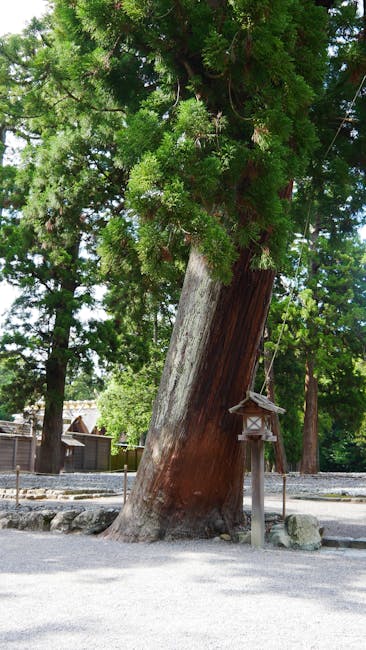
| What to capture | 400-year-old trees, dappled light, forest atmosphere |
| Best time | Mid-morning (9-11 AM) for light rays |
| Best season | Any (misty days are magical) |
| Tripod | Difficult (narrow path) |
| GPS | Along approach from bridge to sanctuary |
Pro tip: Look UP. The canopy shots are unique to Ise. Overcast days avoid harsh shadows.
Spot 5: Stone Lanterns (燈籠)
| Detail | Information |
|——–|————-|
| What to capture | Rows of moss-covered lanterns |
| Best time | Overcast days (even lighting) |
| Best season | Summer (moss is greenest) |
| Tripod | Yes |
| GPS | Various locations along approach |
Pro tip: Use a telephoto lens (70-200mm) to compress the rows.
Spot 6: Kazahinomi-no-miya (風日祈宮)
| Detail | Information |
|——–|————-|
| What to capture | Small bridge, forest path, quieter atmosphere |
| Best time | Anytime |
| Best season | Spring (fresh green) or autumn |
| Tripod | Yes |
| GPS | 34.4558, 136.7245 |
Pro tip: Less crowded than main approach. Good for contemplative shots.
Sunrise Times by Season
Plan your early morning shoot:
| Month | Sunrise | Recommended Arrival | Shrine Opens |
|——-|———|———————|————–|
| January | 7:00 AM | 6:30 AM | 5:00 AM |
| February | 6:40 AM | 6:10 AM | 5:00 AM |
| March | 6:05 AM | 5:35 AM | 5:00 AM |
| April | 5:25 AM | 4:55 AM | 5:00 AM |
| May | 4:50 AM | 4:20 AM | 5:00 AM |
| June | 4:40 AM | 4:10 AM | 5:00 AM |
| July | 4:50 AM | 4:20 AM | 5:00 AM |
| August | 5:10 AM | 4:40 AM | 5:00 AM |
| September | 5:35 AM | 5:05 AM | 5:00 AM |
| October | 6:00 AM | 5:30 AM | 5:00 AM |
| November | 6:25 AM | 5:55 AM | 5:00 AM |
| December | 6:50 AM | 6:20 AM | 5:00 AM |
Golden hour lasts about 30-40 minutes after sunrise.
Morning Mist: When & How
The famous “mystical mist” at Ise Jingu:
Best Conditions
- Season: Autumn and early winter (October-December)
- Weather: Clear night followed by calm morning
- Temperature: Large difference between night and morning
- Humidity: High
How to Predict
- Check weather forecast for “fog” or “mist”
- Cool nights (below 10°C) + calm winds = higher chance
- The Isuzu River creates localized mist even on clear days
Reality Check
Mist is not guaranteed. Even in perfect conditions, it may not appear. Don’t plan your entire trip around it—consider it a bonus if it happens.
60-Minute Photography Route
Efficient route hitting all major spots without backtracking:
Arrival: 5:00 AM (Before Sunrise)
| Time | Location | What to Shoot | Duration |
|——|———-|—————|———-|
| 5:00 | Uji Bridge (south end) | Set up for sunrise | 20 min |
| 5:20 | Uji Bridge (walk across) | Bridge details, river | 10 min |
| 5:30 | First Torii Gate | Gate with soft morning light | 5 min |
| 5:35 | Approach path | Cedar trees, light rays | 10 min |
| 5:45 | Isuzu River purification | Water reflections | 10 min |
| 5:55 | Stone steps | LAST PHOTO | 5 min |
| 6:00 | Main sanctuary | Experience (no photos) | — |
If You Have More Time
- Kazahinomi-no-miya: Add 20 minutes (quieter, photogenic bridge)
- Outer Shrine (Geku): Add 45-60 minutes (different atmosphere)
- Okage Yokocho: Opens 9:30 AM (street photography)
Tripod Rules
When Tripods Are Allowed
- Before 7:00 AM: Generally OK anywhere in permitted areas
- After 7:00 AM: Discouraged (you block pathways)
Where to Use
| Location | Tripod OK? |
|———-|————|
| Uji Bridge | Yes (early morning) |
| Approach paths | Difficult (narrow) |
| Isuzu River area | Yes |
| Stone lantern areas | Yes |
Etiquette
- Move if you’re blocking worshippers
- Don’t set up in the center of paths
- Be ready to hand-hold if staff approach
Drone Photography
Completely prohibited. No exceptions.
- The entire Ise Jingu complex (thousands of hectares) is a no-fly zone
- This includes the surrounding forest
- Penalties can include confiscation and fines
Phone Photography Tips
Not everyone carries a mirrorless camera. For smartphone shooters:
Settings
- Flash: OFF (always)
- Shutter sound: OFF if possible (disturbs atmosphere)
- Live Photos: OFF (captures audio which may include prayers)
- HDR: ON (helps with high contrast forest scenes)
Composition Tips
- Use the rule of thirds grid
- Include the path/bridge leading into frame
- Portrait mode works well for torii gates
- Panorama mode for the cedar avenue
What Photos Can You Actually Get?
Since you can’t photograph the main sanctuary, what makes Ise Jingu worth the trip for photographers?
Unique to Ise
- Uji Bridge at sunrise: Iconic shot, nowhere else like it
- Untouched ancient forest: 400-year-old cedars
- Pristine Shinto architecture: No paint, no decoration—pure wood
- Spiritual atmosphere: The “feeling” in photos is different
Sample Images
Browse real visitor photos:
- Instagram: #isejingu
- Instagram: #伊勢神宮
- Flickr: Ise Jingu
Recommended Gear
Essential
- Wide-angle lens (16-35mm or equivalent)
- Telephoto (70-200mm for lantern compression)
- Polarizing filter (reduces reflections on water)
Nice to Have
- ND filter (long exposure for Isuzu River)
- Tripod (light, compact)
- Rain cover (weather changes quickly)
Leave at Home
- Drone
- Flash
- Selfie stick (discouraged near sacred areas)
Frequently Asked Questions
Q: Can I photograph the shrine buildings from a distance?
You can photograph structures visible from permitted areas, but not the main sanctuary, even with a telephoto lens from afar. Staff will notice.
Q: What about video?
Same rules as photography. No video beyond the stone steps.
Q: Can I photograph the Shikinen Sengu (rebuilding ceremony)?
Special events have additional restrictions. The ceremony itself is not open to general photography.
Q: Is there a photo permit I can get?
No. The rules apply to everyone, including professional photographers.
Q: What’s the penalty for taking prohibited photos?
You’ll be asked to delete them. Repeated violations = asked to leave. No legal penalty, but deeply disrespectful.
Related Guides
- Ise Jingu Complete Guide – Full shrine information
- Ise Jingu from Osaka – Day trip planning
- Ise Jingu Pet Policy – Traveling with pets
Nearby Power Spots
Summary
Ise Jingu offers unique photographic opportunities, but respect is essential. Key points to remember:
- Photography is prohibited beyond the stone steps at both Naiku and Geku main sanctuaries
- Best time: Early morning (5:00-7:00 AM) for soft light and fewer crowds
- Top spots: Uji Bridge at sunrise, cedar-lined paths with light rays, Isuzu River reflections
- Bring: Wide-angle lens, polarizing filter, and respect for sacred spaces
- Leave behind: Drones (completely prohibited), flash, and selfie sticks
The most meaningful photos at Ise Jingu capture the atmosphere of ancient spirituality—misty morning light filtering through 800-year-old cedars, the simplicity of unpainted wooden architecture, and the peaceful flow of the Isuzu River.
*Last updated: January 2026*
*Sunrise times are approximate. Check timeanddate.com for exact times on your visit date.*
あなたに最適なパワースポットを知りたい方へ