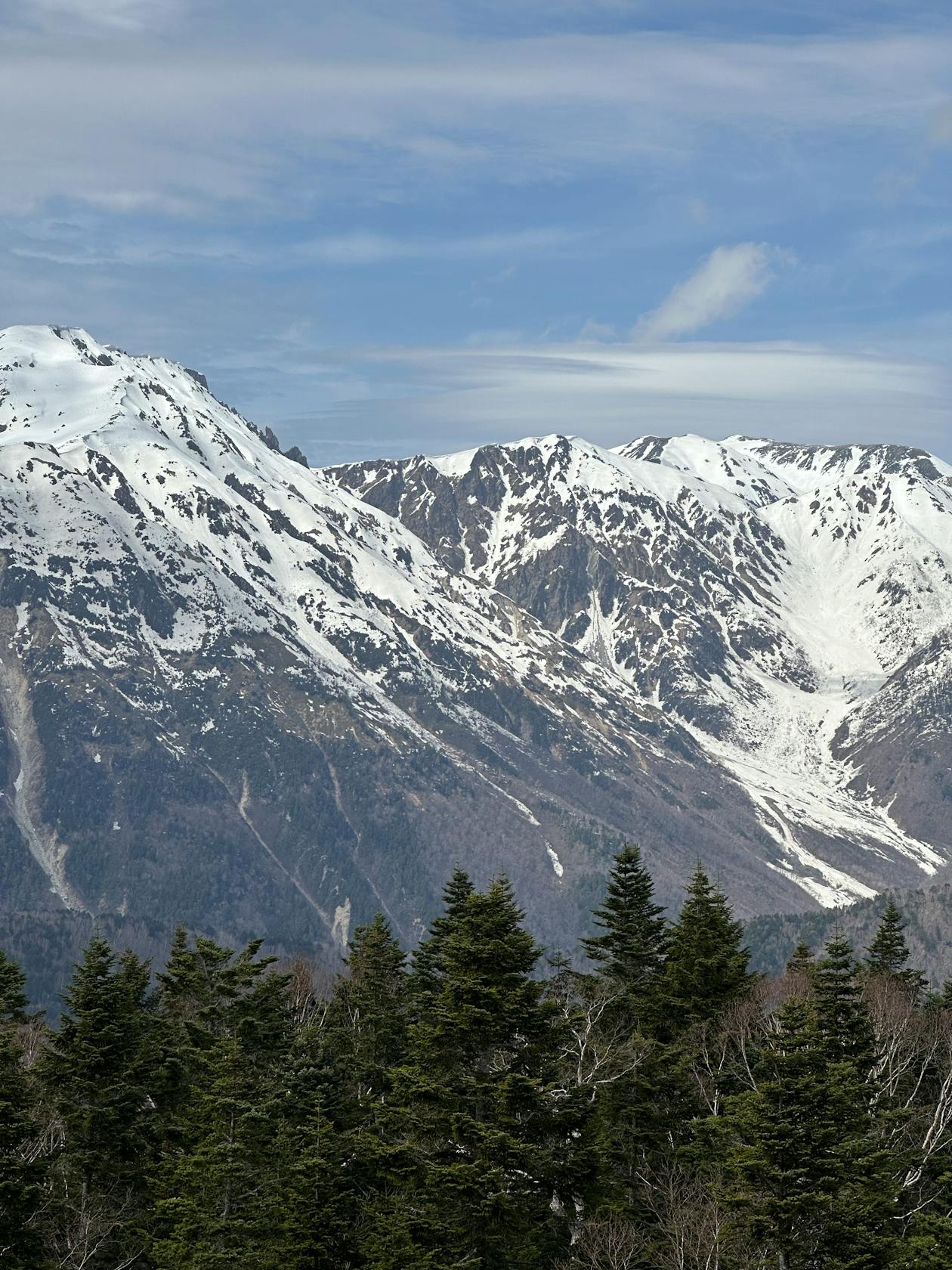
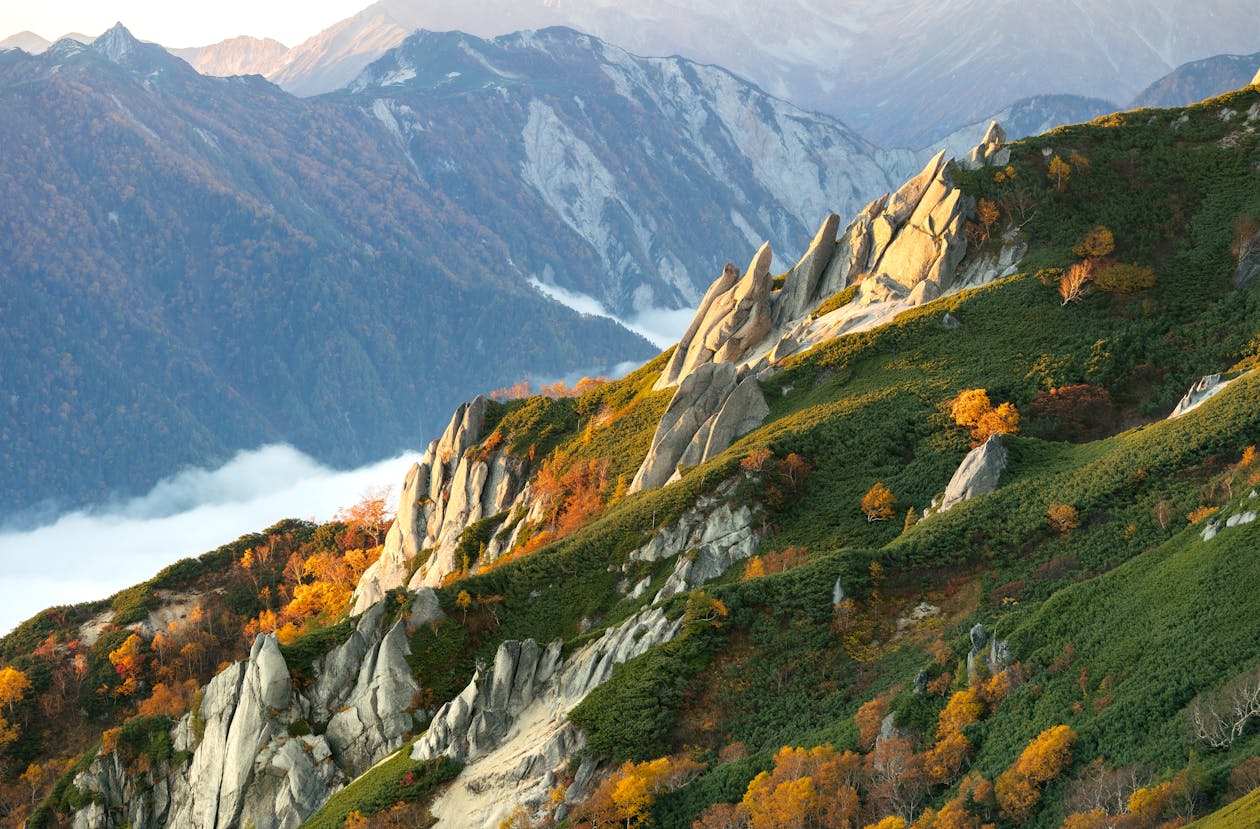
Step off the shuttle bus at Tatamidaira (2,702m) and the world transforms: a sea of clouds stretches to the horizon, 3,000-meter peaks pierce the sky, and the air carries a purity that only exists above the treeline. This is Mount Norikura—a massive volcanic complex of 23 peaks, 7 lakes, and 8 plateaus at the southern end of Japan’s Northern Alps.
What makes Norikura extraordinary among Japan’s sacred mountains is its accessibility. Private cars are banned, but shuttle buses carry visitors directly to 2,702m. From there, the summit shrine at Kengamine (3,026m) is just a 90-minute hike away. For a 3,000-meter peak, that’s remarkably achievable—making this one of Japan’s few alpine spiritual sites that welcomes beginners and experienced hikers alike.
What Makes This Spot Special
A Summit Shrine at 3,026 Meters
The Norikura Hongu Shrine stands at the very top of Kengamine, Norikura’s highest peak. Enshrining Amaterasu-Omikami, Isotakeru-no-Okami, Okami-no-Okami, and Oyamatsumi-no-Okami, it represents centuries of mountain worship (shugendo) tradition. Reaching the summit is itself considered an act of spiritual purification.
For those who cannot make the summit hike, the Nakanomiya (middle shrine) at Tatamidaira offers worship and goshuin stamps during the summer season.
A 3,000m Peak That Beginners Can Reach
Very few mountains above 3,000 meters in Japan offer this level of accessibility. The elevation gain from Tatamidaira to Kengamine is only 324 meters over 2.5 km. The trail is well-maintained, and under good conditions, even first-time mountain hikers can reach the summit in about 90 minutes. This “open sacred peak” quality is what sets Norikura apart.
Four Seasons, Four Completely Different Experiences
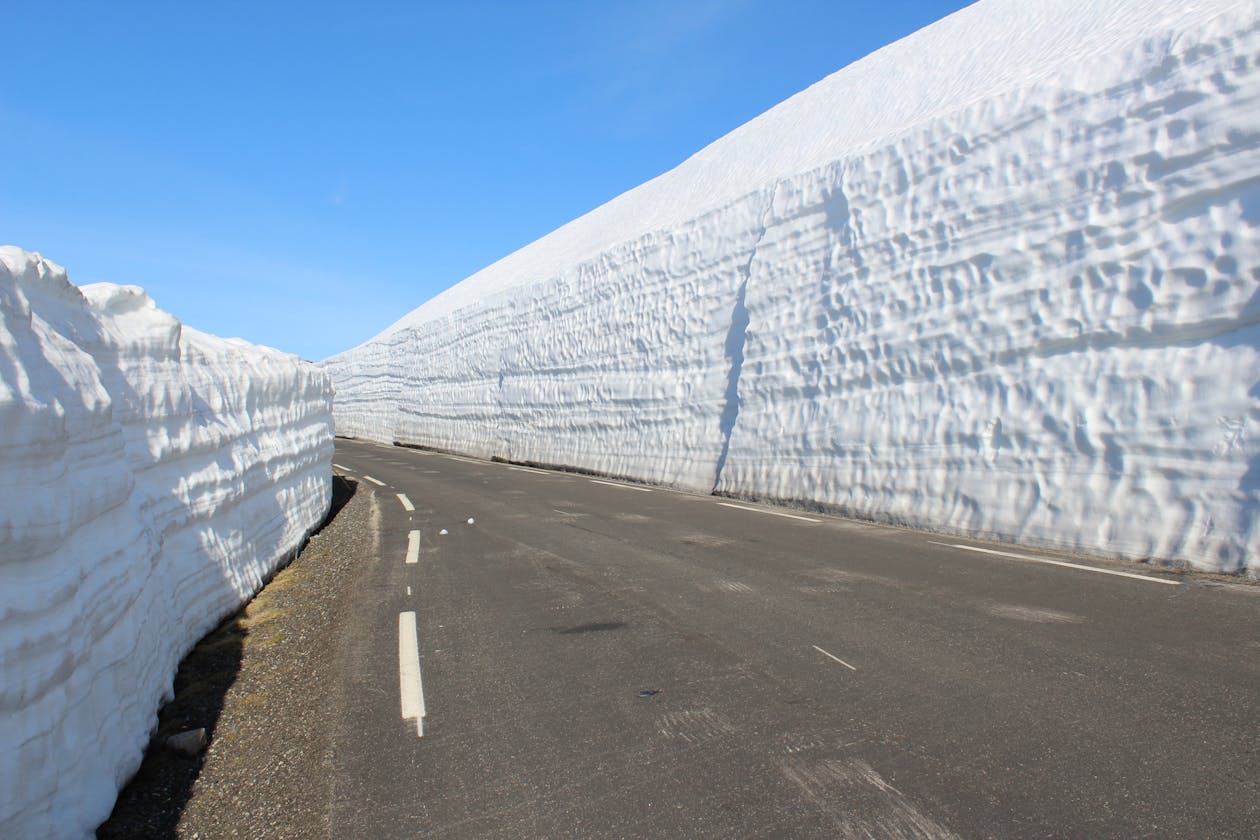
Spring (May–June): Snow walls up to 10 meters high line the Norikura Echo Line road shortly after it opens on May 15. The bus rides between towering corridors of snow.
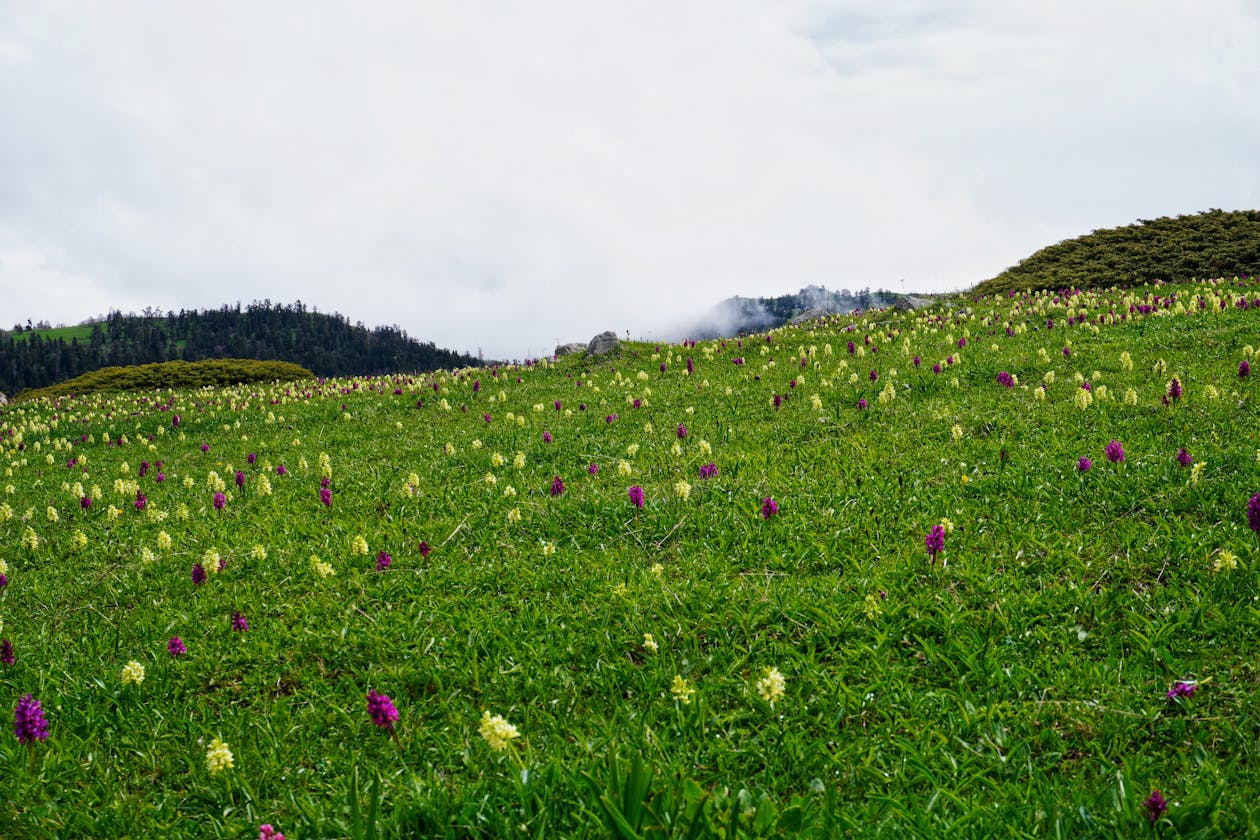
Summer (July–August): The Tatamidaira flower meadow bursts with roughly 30 species of alpine flowers—komakusa, chinguruma, and hakusan-ichige among them. A boardwalk loop takes about 40 minutes.
Autumn (September–October): Crimson and gold spread from the summit downward. The nanakamado (rowan) and dakekanba (birch) around Tatamidaira create one of the most spectacular mountain color shows in Japan.
Winter: Roads close, but backcountry skiers access the slopes from Norikura Kogen. General visitors should wait for the spring opening.
Spiritual Benefits
Purification of Mind and Body — The pristine air at 3,000 meters and the 360-degree alpine panorama wash away accumulated stress. Mountain worship teaches that the act of climbing itself cleanses the spirit.
Power for New Beginnings — Reaching a summit under your own power is a profound psychological reset. Visitors seeking fresh starts—after career changes, illness recovery, or major life transitions—find special meaning in the Norikura climb.
Goal Achievement & Resolve — Making a wish at the summit shrine carries a different weight than at a lowland shrine. The effort required to get there transforms intention into commitment.
Best Times to Visit
Summer (July–August) ★★★★★
Peak season. Alpine flowers are in bloom, weather is most stable, and all facilities are open. However, temperatures at Tatamidaira are only 10–15°C even in midsummer—warm layers are essential.
The Obon holiday period (August 10–16) sees extreme shuttle bus crowds with waits exceeding 2 hours. Early July or late August are the sweet spots.
Autumn (Mid-September–Mid-October) ★★★★★
Peak foliage runs from late September to early October. The dakekanba birch around Kuraigahara turns brilliant gold. Watch for early-morning frost after mid-October.
Spring (May 15–June) ★★★★☆
The snow corridor experience is unique and unforgettable—walls of snow towering on both sides of the bus. Note that summit trails may still be snow-covered and impassable during this period.
Best Time of Day
Early morning (first bus): Sunrise hikes are popular. Daikoku-dake is particularly famous for its sunrise views, with special “goraiko” buses running in summer.
Before noon: Mountain fog typically rolls in after lunch. For the best panoramic views, complete your summit push by midday.
Visitor’s Guide
Recommended Route (3–5 hours)
1. Tatamidaira Bus Terminal (2,702m) — Arrive and spend 15–20 minutes acclimatizing to the altitude
2. Flower Meadow — Stroll the boardwalk loop (about 40 minutes, July–August)
3. Kata-no-Koya mountain hut — Rest stop with water and restrooms (30 minutes from Tatamidaira)
4. Kengamine Summit (3,026m) — Rocky scramble for the final 30 minutes. Watch your footing on the loose rocks
5. Norikura Hongu Shrine — Worship at the summit with 360-degree alpine views
6. Descent — About 40 minutes to Kata-no-Koya, then 20 minutes to Tatamidaira
Easier Alternatives (1–2 hours)
If the summit feels too ambitious, these viewpoints are easily reached from Tatamidaira:
- Maou-dake: 15 minutes. The easiest panoramic viewpoint
- Fujimi-dake: 25 minutes. Beautiful views of Fuketsu-ga-ike crater lake
- Daikoku-dake: 20 minutes. Famous sunrise spot
Goshuin (Shrine Stamp)
- Available at Nakanomiya (Tatamidaira) during summer season only
- Fee: ¥300–500 (confirm on site)
- Season: Approximately July–September
Critical Safety Notes
- Altitude sickness is real: Headaches, dizziness, and nausea can occur above 2,700m. Move slowly and stay hydrated
- Warm clothing is mandatory: Even in August, temperatures are 10–15°C with wind chill near 0°C
- Weather changes fast: Afternoon thunderstorms are common. Always carry rain gear
- Hiking boots recommended: The final approach to Kengamine involves loose rocks (gare-ba). Trail shoes are insufficient
- No pets allowed: For environmental protection
Essential Information
| Detail | Info |
|——–|——|
| Name | Mount Norikura (乗鞍岳 / Norikuradake) |
| Location | Takayama, Gifu / Matsumoto, Nagano |
| Elevation | 3,026m (Kengamine summit) |
| Tatamidaira | 2,702m |
| Hiking season | July–October |
| Private car access | Prohibited (shuttle bus only) |
| Shuttle bus (Gifu side) | Honoki-daira or Hirayu to Tatamidaira (approx. ¥3,400 round trip) |
| Shuttle bus (Nagano side) | Norikura Kogen to Tatamidaira (approx. ¥2,300 round trip) |
| Parking | Honoki-daira (free, approx. 1,500 spaces) |
Nearby Attractions
Norikura Kogen Onsen — Post-Hike Hot Springs
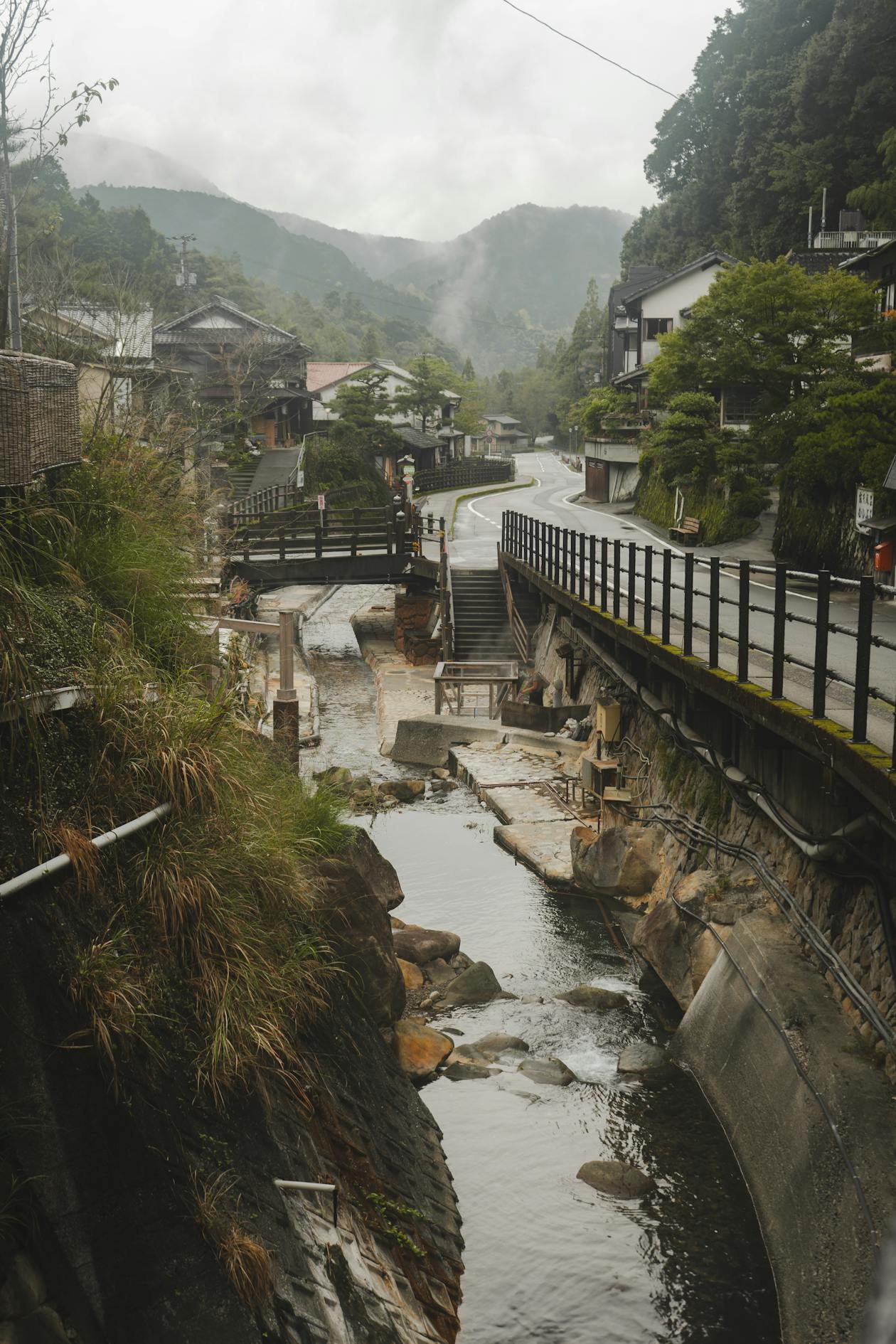
The perfect way to end a Norikura day. This highland hot spring area features milky-white sulfur springs spread across roughly 57 accommodation facilities. Many offer day-use bathing—the local tradition is to soak away the mountain fatigue before heading home.
Shirahone Onsen — A Hidden Hot Spring Since the Kamakura Period
A 20-minute drive from Norikura Kogen. The milky sulfur springs here have been legendary for over 800 years—locals say “three days of bathing prevents colds for three years.” One of Japan’s most atmospheric mountain hot spring villages.
Hirayu Onsen — Gateway to Okuhida
The Gifu-side access point for Norikura. With over 40 hot spring sources, it’s ideal for pre- or post-hike stays. The Hirayu Bus Terminal connects directly to the Norikura shuttle bus.
Suggested Itineraries
1-Night/2-Day Plan:
- Day 1: Stay at Hirayu Onsen or Norikura Kogen
- Day 2: First bus to Tatamidaira → Summit → Descend → Onsen → Return
2-Night/3-Day Relaxed Plan:
- Day 1: Explore Kamikochi (1 hour by bus)
- Day 2: Mount Norikura summit hike
- Day 3: Shirahone Onsen → Return home
Visitor Impressions
Google Maps reviewers consistently mention the “instant other-world feeling” upon arriving at Tatamidaira: “The sea of clouds visible the moment you step off the bus is worth the trip alone.”
First-time summit hikers report: “The sense of achievement at 3,026m exceeded my expectations” and “The last 30 minutes to Kengamine were tough, but the 360-degree panorama made everything worthwhile.”
Cautionary notes appear too: “Afternoon fog rolled in and visibility dropped to zero” and “We waited 2 hours for the bus during Obon.” The takeaway: move early and avoid peak holiday periods.
FAQ
Q. Can beginners hike to the summit?
A. Yes. The trail from Tatamidaira to Kengamine takes about 90 minutes with a 324m elevation gain. The last 30 minutes involve rocky terrain. Wear hiking boots and bring warm layers. If unsure, try Maou-dake (15 minutes) for an easy panoramic experience.
Q. Can I drive to the top?
A. No. Private vehicles are prohibited for environmental protection. Park at Honoki-daira (Gifu side, free, 1,500 spaces) or Norikura Kogen (Nagano side) and take the shuttle bus.
Q. Do I really need warm clothing in summer?
A. Absolutely. Tatamidaira temperatures are 10–15°C in August, with wind chill near freezing. Bring a fleece and windbreaker at minimum.
Q. What if it rains?
A. Foggy conditions can eliminate all views. If weather looks poor, consider redirecting to Norikura Kogen or Shirahone Onsen for hot spring visits instead.
Q. How do I get here from Tokyo or Osaka?
A. From Tokyo: Shinkansen to Nagano or Matsumoto, then bus to Norikura Kogen (total approx. 4 hours). From Osaka/Nagoya: Train to Takayama, then bus to Honoki-daira (total approx. 4–5 hours).
Summary
Mount Norikura is that rare thing: a 3,000-meter sacred peak that doesn’t require mountaineering experience to reach. The shuttle bus delivers you to cloud level, and from there, 90 minutes of walking brings you to a summit shrine with views that stretch to the Japan Sea.
Whether you come for the alpine flowers of summer, the snow corridors of spring, or the blazing autumn colors, Norikura rewards every visit differently. And when you descend, some of Japan’s finest mountain hot springs await at the bottom. It’s a complete mountain spiritual experience—accessible, profound, and endlessly varied.
—
Discover Your Ideal Power Spot
Japan is home to countless spiritual sites beyond this one.
Take our free compatibility quiz to find the power spot that resonates most with you (takes just 3 minutes).
あなたに最適なパワースポットを知りたい方へ