Perched on a hilltop in Naha City, Shikina-gu is one of the prestigious “Ryukyu Eight Shrines” (Ryukyu Hassha) dating back to the Ryukyu Kingdom era. Legend holds it was founded following the successful prayer for a prince’s birth by King Sho Seni, son of King Sho En who established the Second Sho Dynasty, giving the shrine approximately 500 years of history.
Adjacent to the World Heritage Site “Shikinaen Garden,” this shrine harmoniously blends lush green grounds with Okinawa’s distinctive red-tiled shrine buildings. Known for blessings of fertility, safe childbirth, and matchmaking, locals affectionately call it “Shichinanu Udun.”
About 15 minutes by car from central Naha, it’s conveniently located for combining with visits to Shuri Castle and Shikinaen Garden. Won’t you experience Okinawa’s unique spiritual power at this sacred site where Ryukyuan deities dwell?
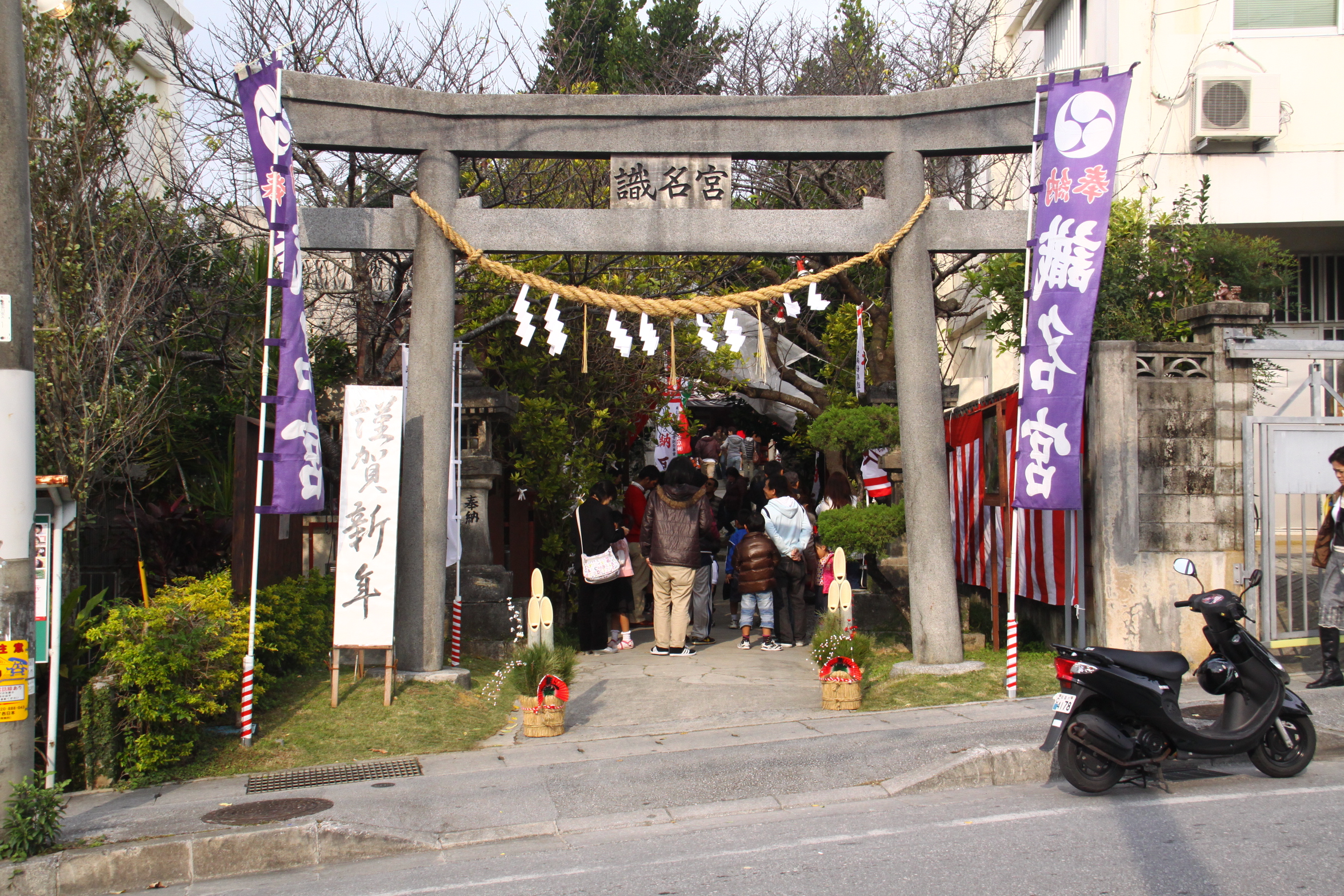
The Allure of This Sacred Site
History and Origins
Shikina-gu’s founding dates to the early 16th century during King Sho Shin’s reign. When King Sho Seni, third prince of King Sho En who founded the Second Sho Dynasty, was troubled by not being blessed with children, he prayed at the cave in Shikina where a deity was enshrined. A prince was subsequently born, and in gratitude for this divine blessing, shrine buildings were constructed—marking the shrine’s beginning.
The principal deities are the Kumano Gongen (Izanami-no-Mikoto, Hayatama-no-O-no-Mikoto, and Kotosaka-no-O-no-Mikoto). During the Ryukyu Kingdom era, Kumano worship spread to Okinawa, and shrines enshrining Kumano Gongen were established throughout the islands. Among these, Shikina-gu had particularly strong ties to the royal family and received national patronage as one of the “Ryukyu Eight Shrines.”
The Ryukyu Eight Shrines refers to eight shrines that the Ryukyu Kingdom specially revered: Naminoue Shrine, Okinomiya, Shikina-gu, Sueyoshi Shrine, Asato Hachimangu, Futenma Shrine, Ameku Shrine, and Kin-gu. Faith continued even after the abolition of the feudal domain system in the Meiji era, and they remain spiritual anchors for Okinawan people to this day.
Architecture and Natural Features
Shikina-gu’s shrine buildings are characterized by Okinawa’s distinctive red tiles and white plaster walls. The main hall is wooden construction, inheriting shrine architectural traditions while incorporating Ryukyuan building styles. Though destroyed in the Battle of Okinawa during World War II, it was rebuilt in 1968.
Within the grounds is a spring called “Shikina-no-I” (Shikina Well). This well has been revered as sacred water since ancient times, and worshippers can be seen drawing and taking water home. With abundant water flow, it has nourished people’s lives since the Ryukyu Kingdom era.
Behind the main hall lies a limestone cave called “Shikina-do,” considered the sacred birthplace of Shikina-gu. While currently off-limits, many people offer prayers near the cave entrance. The surroundings are enveloped in subtropical trees, with distinctly Okinawan vegetation like banyan trees and coral trees flourishing.
What Makes This Spot Special
Shikina-gu’s greatest distinction is its particularly strong reputation for fertility and safe childbirth blessings. Given that its founding stems from a successful prayer for a prince’s birth, worshippers seeking children have visited continuously since ancient times. Within the grounds is a “Fertility Stone” (Kosazuke-ishi)—rubbing this stone is believed to bring blessings of children.
Its adjacency to the World Heritage Site “Shikinaen Garden” is another major attraction. Shikinaen was a royal villa of the Ryukyu royal family, featuring beautiful gardens incorporating Chinese garden styles. Visiting together with Shikina-gu worship allows experiencing both Ryukyu Kingdom culture and faith.
During the annual festival held in the ninth lunar month, Ryukyuan dances and traditional martial arts are dedicated, offering opportunities to experience Okinawa’s traditional culture.
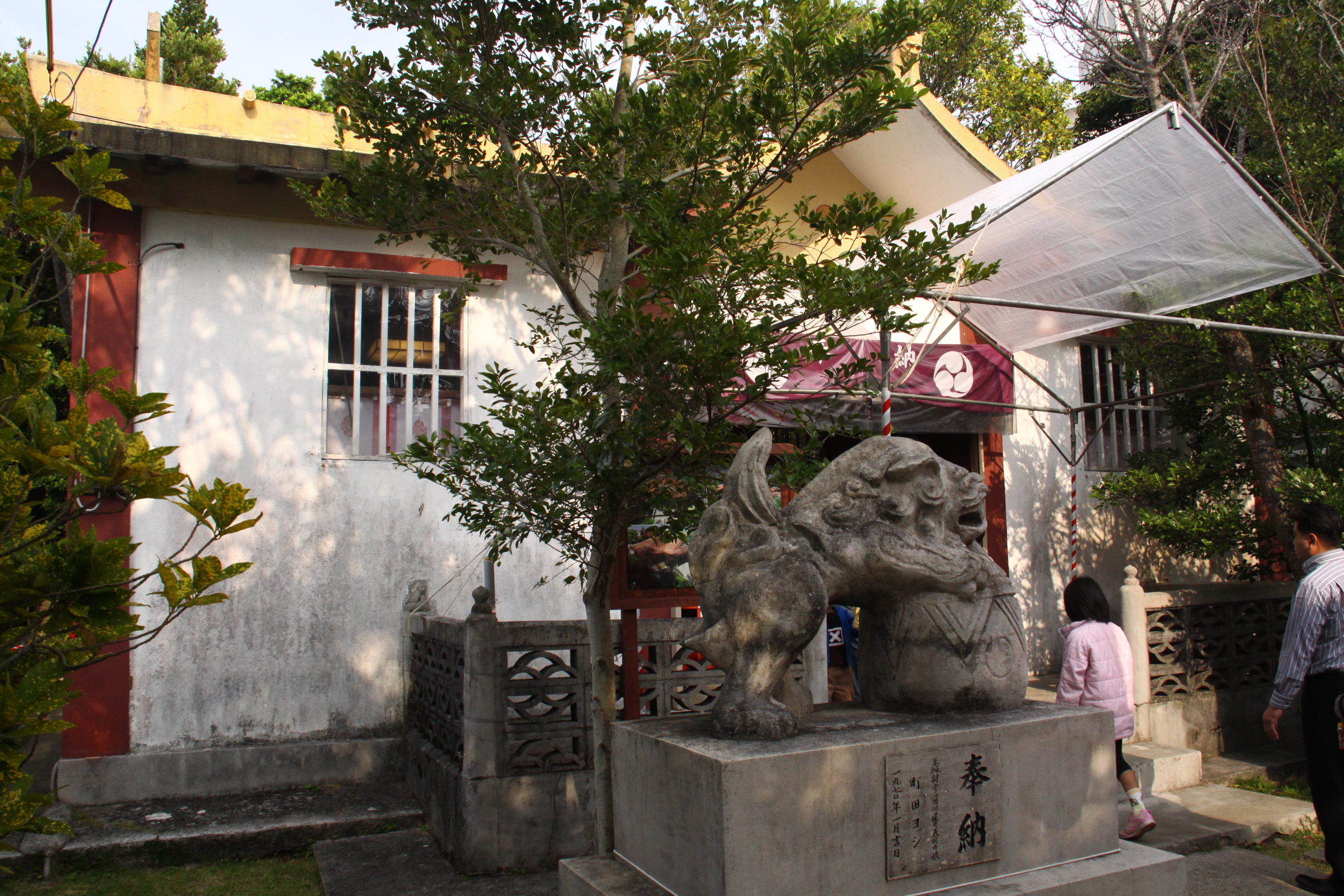
Spiritual Benefits and Effects
Known Spiritual Benefits
Fertility and Safe Childbirth: Shikina-gu’s greatest blessing. Given the origin story of successful prayer for a prince’s birth, many couples hoping for children visit.
Matchmaking: Many worshippers seeking good relationships visit, and the shrine enjoys particularly strong support from younger generations.
Recovery from Illness: Kumano Gongen is also known as a healing deity, and many visit for health prayers.
Family Safety: Local people regularly worship to pray for family happiness and safety.
Protection from Evil and Good Fortune: Many visit at life turning points to ward off misfortune and invite new luck.
The Unique Energy of This Site
Shikina-gu is a place filled with energies of “birth” and “new beginnings.” As evidenced by its strong fertility blessings, it is said to have power that supports new life, new paths in life, and new challenges.
Shikina-do (the limestone cave) in particular is considered the source of energy welling up from the earth, and offering prayers nearby is said to make wishes more likely to come true. The sacred water of Shikina-no-I is believed to have the power to purify the body and refresh both mind and body.
Many worshippers report feeling the distinctive “ki” (energy) unique to Okinawan sacred sites, making this known as a place offering spiritual experiences different from mainland Japanese shrines.
Visitor Testimonials
Many couples visit the fertility stone with hopes of starting a family, and it remains one of the most popular spots within the grounds. Worshippers often describe a sense of warm, peaceful energy throughout the shrine—quite different from the solemn atmosphere of mainland Japanese shrines. The subtropical setting and bright, open grounds contribute to what many call “a uniquely Okinawan spiritual experience.”
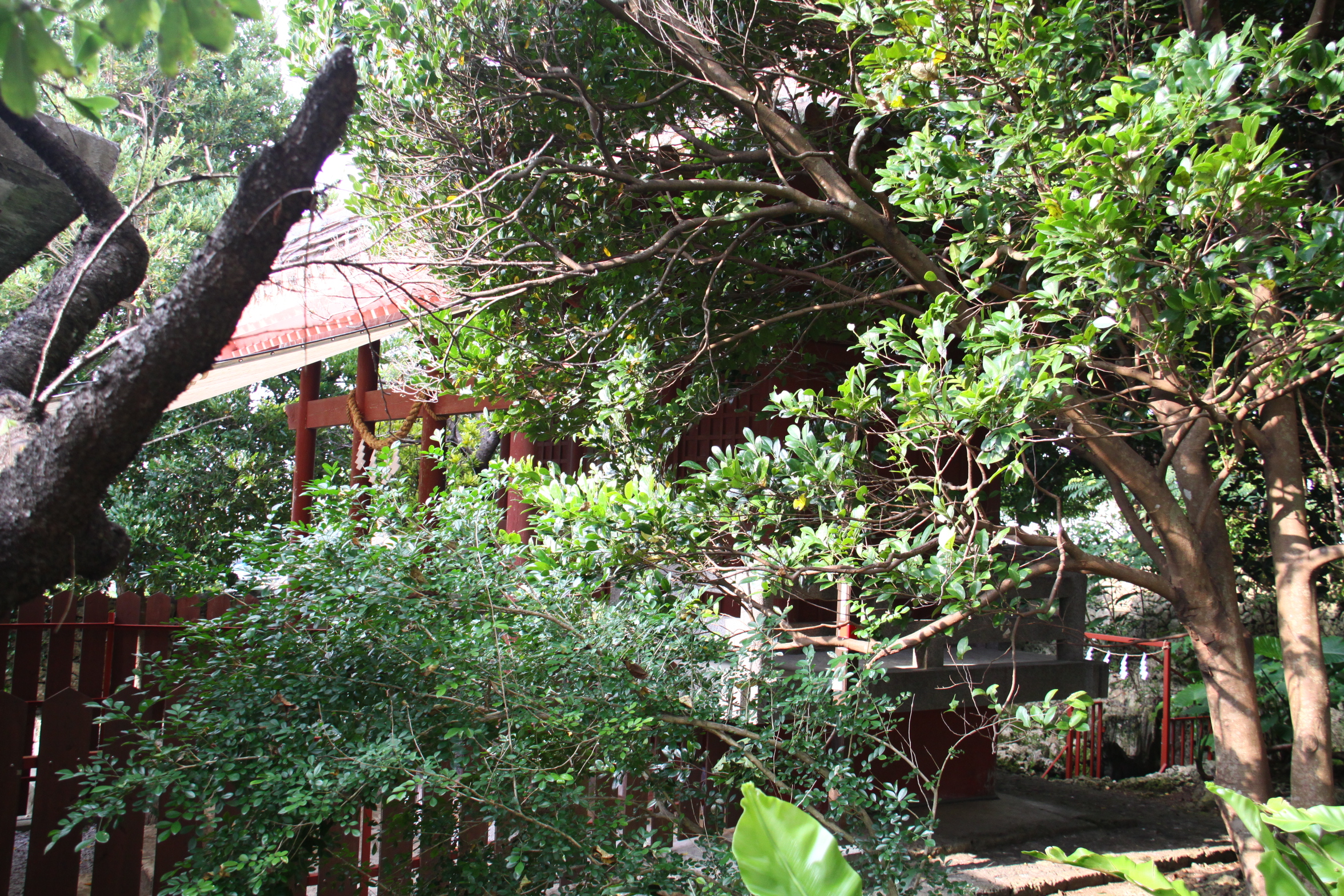
Best Times to Visit
Spring (March–May)
Okinawa warms up from March, and flowers in the grounds begin blooming. Coral tree flowers peak April-May. Temperatures of 22-26°C (72-79°F) make for pleasant weather. Golden Week is crowded; weekdays recommended.
Recommendation: ★★★★☆
Summer (June–August)
After the rainy season ends (late June onward), clear skies continue. However, temperatures often exceed 30°C (86°F), requiring heat precautions. The grounds have abundant shade and are relatively cool. Early morning or evening worship recommended.
Recommendation: ★★★☆☆
Autumn (September–November)
Typhoon season (September-October) requires weather attention. November has temperatures of 22-25°C (72-77°F), ideal for sightseeing. The lunar September festival features dedicated Ryukyuan dances worth seeing.
Recommendation: ★★★★★
Winter (December–February)
Okinawa’s winter is pleasant at 15-20°C (59-68°F). Fewer tourists allow peaceful worship. New Year worship sees crowds of local worshippers.
Recommendation: ★★★★☆
Best Times of Day
Early Morning (7:00-9:00 AM): Few visitors allow worship in refreshing air. You can also see locals’ morning worship scenes.
Morning (9:00 AM-Noon): Amulet office is open; ideal time for charms and goshuin.
Afternoon (2:00-4:00 PM): Many tourists combining visits with Shikinaen Garden.
Late Afternoon (4:00-6:00 PM): Sunset beautifully illuminates the grounds. Recommended for those wanting peaceful worship atmosphere.
Visitor’s Guide
Basic Worship Etiquette
1. Passing Through the Torii: Bow once before entering and walk along the edge. At Shikina-gu, Okinawan-style worship is also respected.
2. Purification at the Temizuya: Take the ladle in your right hand to rinse your left, switch hands to rinse your right, switch again to pour water into your cupped left palm for rinsing your mouth, then rinse the ladle handle.
3. Worship: Two bows, two claps, one bow. In Okinawa, pressing palms together and praying slowly is also traditionally practiced.
Highlights and Recommended Route
Recommended Order:
1. Pass through torii, purify at temizuya
2. Worship at main hall
3. Rub fertility stone (for those seeking children)
4. Draw sacred water from Shikina-no-I
5. Offer prayers near Shikina-do entrance
6. Receive charms at amulet office
Goshuin Information:
- Regular goshuin (¥500)
- Reception hours: 9:00 AM-5:00 PM
- May be pre-written in some cases
Popular Amulets:
- Fertility Charm (¥800): Most popular amulet
- Safe Childbirth Charm (¥800): Popular with expectant mothers
- Matchmaking Charm (¥800): For seeking good relationships
- Health Charm (¥800): For recovery from illness and longevity
Dress Code and Items to Bring
- No particular dress restrictions, but avoid revealing clothing as this is a sacred place
- Comfortable shoes recommended as grounds have gravel paths and stone steps
- In summer, don’t forget hat, parasol, and hydration
- Shikina-do is off-limits; do not cross barriers
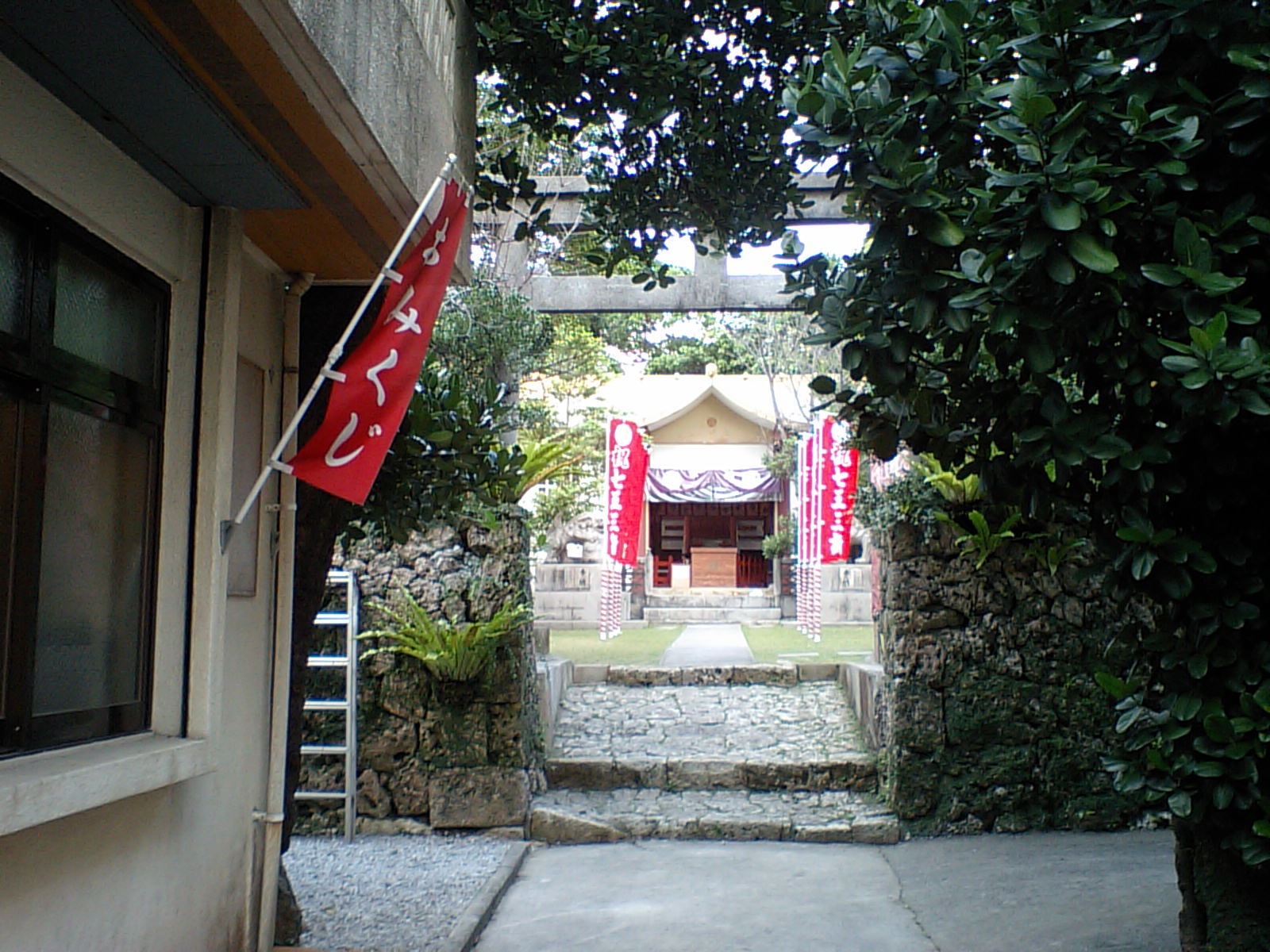
Basic Information
Access
Address: 4-1-43 Hantagawa, Naha City, Okinawa Prefecture
By Car:
- From Naha Airport: Approximately 20 minutes
- From Shuri Castle: Approximately 10 minutes
- Parking available (free, approximately 20 spaces)
By Bus:
- From Naha Bus Terminal: City bus to “Shikina” or “Shikinaen-mae,” 5-minute walk
By Monorail + Bus:
- From Yui Rail “Shuri Station”: Bus approximately 10 minutes
Visiting Information
- Hours: Grounds freely accessible (Amulet office 9:00 AM-5:00 PM)
- Closed: Open year-round
- Admission: Free
- Duration: Approximately 30 minutes to 1 hour
- Phone: 098-853-7225
- Official Website: None
Area Information
Nearby Attractions
Shikinaen Garden (5-min walk)
World Heritage-registered royal villa of the Ryukyu royal family. Beautiful gardens incorporating Chinese garden styles offer stroll-style pond garden views. Admission ¥400.
Shuri Castle Park (10 min by car)
Former royal castle of the Ryukyu Kingdom. Restoration progresses after the 2019 fire. The main hall is under reconstruction, but castle walls and Sonohyan Utaki Stone Gate can be viewed.
Kinjo-cho Stone-Paved Road (10 min by car)
Stone-paved road from Ryukyu Kingdom times continuing from Shuri Castle. The approximately 300m road is a nationally designated Important Cultural Property with preserved atmospheric townscape.
Tamaudun (10 min by car)
Royal mausoleum and World Heritage Site where successive kings of the Second Sho Dynasty rest. Admission ¥300.
Recommended Restaurants
Shikina Soba
- 3-minute walk from Shikina-gu
- Specialties: Okinawa Soba (¥700), Soki Soba (¥850)
- Hours: 11:00 AM-3:00 PM
- Closed: Wednesdays
Makabe Chinar Tea House
- Near Shikinaen, traditional house café
- Specialties: Sanpin Tea Set (¥600), Brown Sugar Zenzai (¥500)
- Hours: 10:00 AM-5:00 PM
- Closed: Mondays
Shuri Soba
- Near Shuri Castle, popular local shop
- Specialties: Shuri Soba (¥600), Jushi (¥200)
- Hours: 11:30 AM-2:00 PM (closes when sold out)
- Closed: Sundays
Bukubuku Chaya Karei
- Shuri area, traditional Ryukyu frothy tea
- Specialty: Bukubuku Tea (¥800), with chinsuko cookies
- Hours: 10:00 AM-6:00 PM
- Closed: Tuesdays
Souvenirs
- Chinsuko: Traditional Okinawan confection
- Beni-imo Tart: Popular purple sweet potato sweets
- Ryukyu Glass: Colorful Okinawan traditional craft
- Awamori: Okinawa’s traditional distilled spirit; aged kusu also popular
Model Itineraries
Half-Day Course (Approximately 4 hours)
9:00 AM Shuri Castle Park tour (90 min)
10:45 AM Kinjo-cho stone-paved road stroll (30 min)
11:30 AM Lunch at Shuri Soba
1:00 PM Shikina-gu worship (30 min)
1:45 PM Shikinaen Garden tour (60 min)
3:00 PM Return
Full-Day Course (Approximately 7 hours)
9:00 AM Shuri Castle Park tour (90 min)
10:45 AM Tamaudun tour (30 min)
11:30 AM Lunch in Shuri area
1:00 PM Kinjo-cho stone-paved road stroll (30 min)
2:00 PM Shikina-gu worship (45 min)
3:00 PM Shikinaen Garden tour (75 min)
4:30 PM Rest at Bukubuku Tea House
5:30 PM To central Naha
What Visitors Say
Shikina-gu is beloved by locals for daily worship, Shichi-Go-San celebrations, and miyamairi (first shrine visits for newborns). Many visitors on Ryukyu Eight Shrines pilgrimages note the distinctly Okinawan atmosphere—bright and tropical compared to mainland shrines. The combination with adjacent Shikinaen Garden is frequently praised as one of the best ways to experience Ryukyu Kingdom history and culture in a single visit.
Those hoping for fertility blessings often make the fertility stone their primary destination, and the shrine sees a steady stream of couples throughout the year. Visitors generally recommend allowing extra time to simply sit in the grounds and take in the quiet energy of the place.
Visiting Tips for Different Travelers
With Pets
Pets are generally not permitted inside the shrine grounds. If visiting Okinawa with a pet, consider using a pet hotel in the Naha area. Several options are available near Kokusai-dori Street, approximately 15 minutes by car from the shrine.
Wheelchair and Stroller Access
The main approach path is paved, but some areas have gravel and stone steps. The main hall area is accessible with assistance, though the path to Shikina-do cave is steep and not wheelchair-accessible. Strollers can navigate most of the main grounds.
Rainy Days
The shrine grounds are open-air, so an umbrella is essential. However, a rainy day visit has its own charm—the subtropical foliage glistens, and there are far fewer visitors. Combine with a rainy-day visit to indoor areas of Shikinaen Garden for a full experience.
Photography
Early morning (7:00-8:00 AM) offers the best light on the red-tiled shrine buildings. The torii gate and main hall are the most popular photo spots. No photography restrictions in the general grounds, but be respectful of worshippers.
Goshuin Collectors
Shikina-gu offers a single goshuin design (¥500) at the amulet office (9:00 AM-5:00 PM). During busy periods, pre-written versions may be provided. Consider also collecting goshuin at Naminoue Shrine and Okinomiya to complete a Ryukyu Eight Shrines collection.
Related Power Spots
- Okinogu (Okinawa) — Another of the Ryukyu Eight Shrines, located in Naha’s Onoyama Park
- Sefa Utaki — Okinawa’s most sacred spiritual site, a UNESCO World Heritage Site
Frequently Asked Questions
Q: Is there a combined ticket with Shikinaen?
A: No combined ticket. Shikina-gu is free; Shikinaen requires separate admission of ¥400.
Q: Is there parking?
A: The shrine has dedicated parking for approximately 20 cars (free). Shikinaen also has parking.
Q: Can I receive goshuin?
A: Yes, available at the amulet office for ¥500. May be pre-written; please inquire in advance.
Q: Can I visit Shikina-do?
A: The interior of Shikina-do is currently off-limits. Offering prayers near the entrance is possible.
Q: Is it easy to visit with children?
A: Yes, the grounds are relatively flat and easy to visit with children. Strollers can be used, though some areas have gravel paths.
Nearby Power Spots
Summary
Shikina-gu is one of the “Ryukyu Eight Shrines” with approximately 500 years of history from the Ryukyu Kingdom era, and one of Okinawa’s premier power spots known for fertility and safe childbirth blessings. This shrine, with origins in successful prayer for a prince’s birth, particularly empowers those wishing for new life and new beginnings.
With Okinawa-style red-tiled shrine buildings, Shikina-no-I with its welling sacred water, and the mystical Shikina-do cave—and its location adjacent to the World Heritage Site Shikinaen—visitors can experience both Ryukyu Kingdom culture and faith.
About 15 minutes by car from central Naha with convenient access combining with Shuri Castle sightseeing. When visiting Okinawa, please refresh your body and mind at this sacred site where Ryukyuan deities dwell.
—
Want to discover the power spot that’s right for you?
Beyond this location, Japan is home to countless power spots. To find the one most suited to you, try our free compatibility assessment (takes just 3 minutes).
→ Take the Free En Profile Assessment
—
*Information in this article is current as of December 2025. Please verify the latest details via the official website before visiting.*
あなたに最適なパワースポットを知りたい方へ