Perched atop Mount Mitake (929m) in Ome City, Tokyo, Musashi Mitake Shrine stands as one of the Kanto region’s premier power spots with approximately 2,000 years of history. Said to have been founded during the era of Emperor Sujin, this venerable sanctuary has gathered faith since ancient times as a “Sacred Mountain of Kanto.” Despite being accessible in about 2 hours from central Tokyo, visitors can experience the deep world of mountain worship here.
The principal deities are Kushimachi-no-Mikoto, Onamuchi-no-Mikoto, Sukunahikona-no-Mikoto, and Yamato Takeru-no-Mikoto. Particularly famous is the legend that during Yamato Takeru’s eastern expedition, he was guided by a divine dog “Oinu-sama” of Mount Mitake, making this shrine known as a sacred place for dog lovers. The annual “Dog Blessing Ceremony” draws many pet owners and their beloved dogs from across Japan.
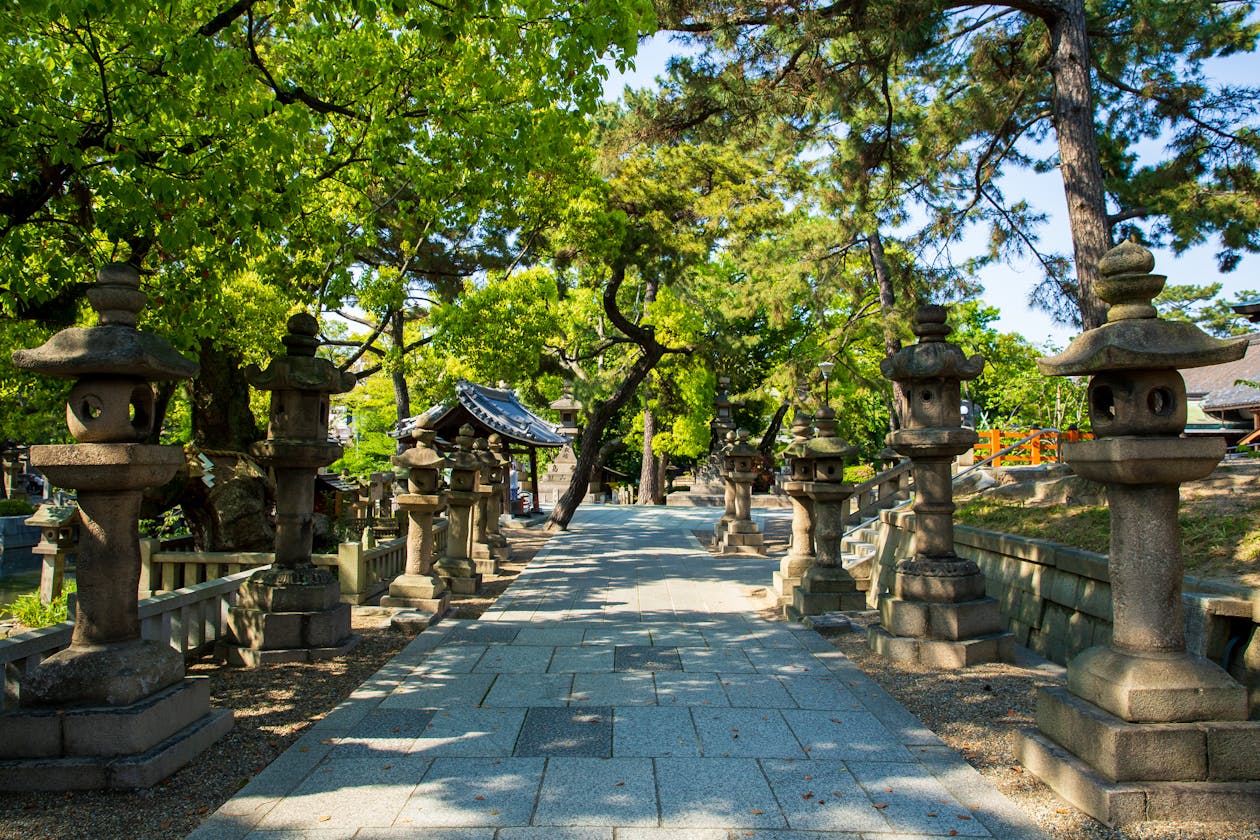
Taking the cable car up the mountain and walking the approach path, visitors are enveloped in a sacred forest where giant trees stand, including the “Jindai Keyaki” zelkova estimated to be approximately 1,000 years old. Upon reaching the summit, magnificent vermillion shrine buildings appear alongside panoramic views of the Kanto Plain. Popular both as a power spot and hiking destination, the shrine offers the unique appeal of worshipping while enjoying nature through the seasons.
The Allure of This Sacred Site
History and Origins
Musashi Mitake Shrine’s founding is said to date to the era of Emperor Sujin, the 10th emperor (around 97 BCE). The shrine has gathered faith since ancient times as a sacred mountain of Musashi Province, flourishing particularly from the Heian period onward as a holy site for mountain asceticism (Shugendo).
The legend of Yamato Takeru is this shrine’s most famous origin story. During his eastern expedition, Yamato Takeru lost his way on Mount Mitake and was guided by a white wolf. This divine dog is enshrined as “Okuchi-no-Makami” (Great Mouth True God) and remains affectionately known as “Oinu-sama” today. Shrines enshrining wolves as deities are rare, making this one of the reasons worshippers visit from across the country.
During the Kamakura period, the shrine received deep reverence from warrior clans, with Hatakeyama Shigetada said to have built the shrine buildings. In the Edo period, faith communities called “Mitake-ko” spread throughout the Kanto region, with many commoners making pilgrimages to Mount Mitake. Even today, approximately 25 lodging houses called “Oshi-no-Ie” remain on the mountain, welcoming worshippers.
Due to the separation of Shinto and Buddhism in the Meiji era, what was formerly “Musashi Mitake Daigongen” became the present “Musashi Mitake Shrine.” However, traces of mountain worship remain throughout, preserving the atmosphere of Shugendo asceticism.
Architecture and Natural Features
Musashi Mitake Shrine’s buildings boast magnificent architecture despite being located on a mountain summit. The main hall retains architectural elements from the Muromachi period, while the worship hall was rebuilt during the Kansei era (1789-1801) of the Edo period. The contrast between vermillion shrine buildings and deep green forest leaves a profound impression on visitors.
The most famous feature within the grounds is the “Jindai Keyaki,” a zelkova tree estimated to be approximately 1,000 years old. This giant tree with a trunk circumference of about 8.2 meters and height of about 30 meters is designated a Natural Monument of Japan. Located along the approach path, its overwhelming presence seems to welcome worshippers like a guardian.
Mount Mitake stands at 929 meters, with views from the summit extending to the Kanto Plain, Chichibu mountain range, and on clear days to Mount Fuji. Within the mountain lies “Rock Garden,” a moss-covered ravine popular as a hiking course along the clear stream. The mountain is also known for its Japanese woodland anemone colony, with approximately 50,000 flowers blooming in August.
What Makes This Spot Special
Musashi Mitake Shrine’s greatest feature is the “Oinu-sama” worship and “Dog Blessing Ceremony.” Based on the legend of the divine dog guiding Yamato Takeru, dogs are permitted on the grounds, making this a sacred place for dog lovers. On the second Sunday of each month, a “Dog Blessing Ceremony” is held, drawing pet owners from across the country praying for their pets’ health and longevity.
Additionally, approximately 25 “Oshi-no-Ie” (lodging houses) line the mountaintop, allowing visitors to stay overnight while worshipping—another distinctive feature. Oshi were priests connecting shrines with believers, and these lodging houses preserve Mount Mitake’s traditional culture dating from the Edo period. Guests can enjoy shojin ryori (Buddhist vegetarian cuisine) while experiencing the atmosphere of mountain worship.
Pilgrimage to the inner shrine is also popular. The inner shrine on Oguna-no-Mine can be reached with about 20 minutes of hiking from the main hall and is known as a place where stronger power can be felt.
Spiritual Benefits and Effects
Known Spiritual Benefits
Musashi Mitake Shrine allows worshippers to receive diverse blessings from multiple principal deities.
Protection from Evil and Misfortune: Okuchi-no-Makami, or “Oinu-sama,” is said to have the power to ward off disasters and keep evil at bay. Particularly efficacious against fire and theft.
Fortune and Disaster Prevention: As a blessing from Kushimachi-no-Mikoto, the shrine offers power to open up good fortune and ward off calamities.
Business Prosperity and Matchmaking: As blessings from Onamuchi-no-Mikoto (Okuninushi-no-Mikoto), the shrine offers benefits for business success and romantic connections.
Health and Longevity: Sukunahikona-no-Mikoto is known as a deity of medicine, offering blessings for recovery from illness and long healthy life.
Pet Health: Due to the “Oinu-sama” worship, many pet owners visit seeking blessings for their pets’ (especially dogs’) health, longevity, and safety.
The Unique Energy of This Site
Musashi Mitake Shrine is a place filled with energies of “protection” and “purification.” As a sacred site for mountain worship, it is said to have the power to cleanse body and spirit, away from the bustle of the city.
The areas before the main hall and at the inner shrine are particularly known as spots where strong energy can be felt. Many people report feeling warmth spreading through their bodies when praying quietly while taking deep breaths.
Visitor Testimonials
> “The walks around Mount Mitake, including the Stone Garden Trail, are among the most beautiful in all of Tokyo. Stunning scenery in the mountain valley.”
> — Japan Travel review
> “The shrine’s buildings are fascinating, with the main hall adorned with intricate and colorful carvings. I thoroughly enjoyed strolling around the grounds that extend back into the forest while soaking up the serenity.”
> — TripAdvisor review
> “You can escape the hustle and bustle to pristine countryside—and it’s reachable from central Tokyo in just over an hour for around 1,000 yen by train.”
> — Tokyo Cheapo review
(Based on visitor reviews from TripAdvisor, Japan Travel, and Tokyo Cheapo)
Best Times to Visit
Spring (March–May)
Katakuri flowers bloom from mid to late April, and rhododendrons in May. Fresh green leaves are beautiful, and temperatures of 10-18°C (50-64°F) make this ideal for hiking. Golden Week is crowded, so weekdays are recommended.
Recommendation: ★★★★☆
Summer (June–August)
Japanese woodland anemone colonies from early to mid-August are spectacular. Approximately 50,000 flowers bloom, attracting flower enthusiasts from across the country. The summit is 5-8°C cooler than the city, making it ideal for escaping summer heat. However, summer vacation period is crowded.
Recommendation: ★★★★★
Autumn (September–November)
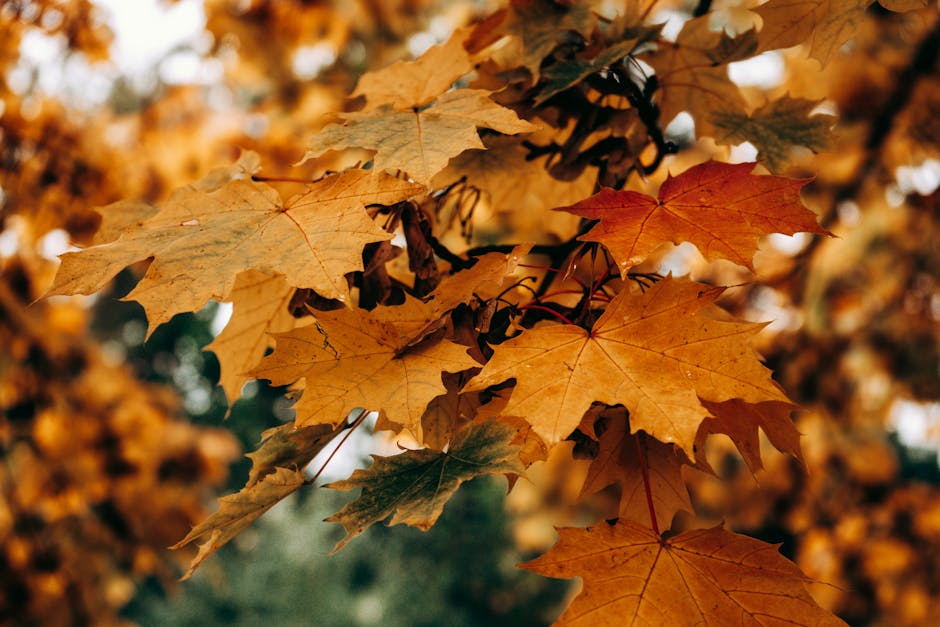
Autumn foliage season from late October to mid-November paints the approach and grounds in reds and yellows with exceptional beauty. Temperatures of 8-15°C (46-59°F) are ideal for hiking. The “Autumn Grand Festival” in November features yabusame (mounted archery) ceremonies.
Recommendation: ★★★★★
Winter (December–February)
Fewer visitors make this ideal for peaceful worship. Temperatures of 0-5°C (32-41°F) require warm clothing. Crampons may be needed when there’s snow. The first three days of New Year bring approximately 30,000 visitors, and the summit is popular for viewing the first sunrise.
Recommendation: ★★★☆☆
Best Times of Day
Early Morning (8:00-10:00 AM): Visit with the first cable car. Experience the sacred atmosphere wrapped in morning mist.
Morning (10:00 AM-Noon): Less crowded for leisurely worship. Amulet office is open.
Late Afternoon (3:00-4:00 PM): Beautiful time to see shrine buildings lit by western light. Note the last cable car departure time.
Visitor’s Guide
Basic Worship Etiquette
1. Cable Car: From Takimoto Station to Mitake-san Station (approximately 6 minutes)
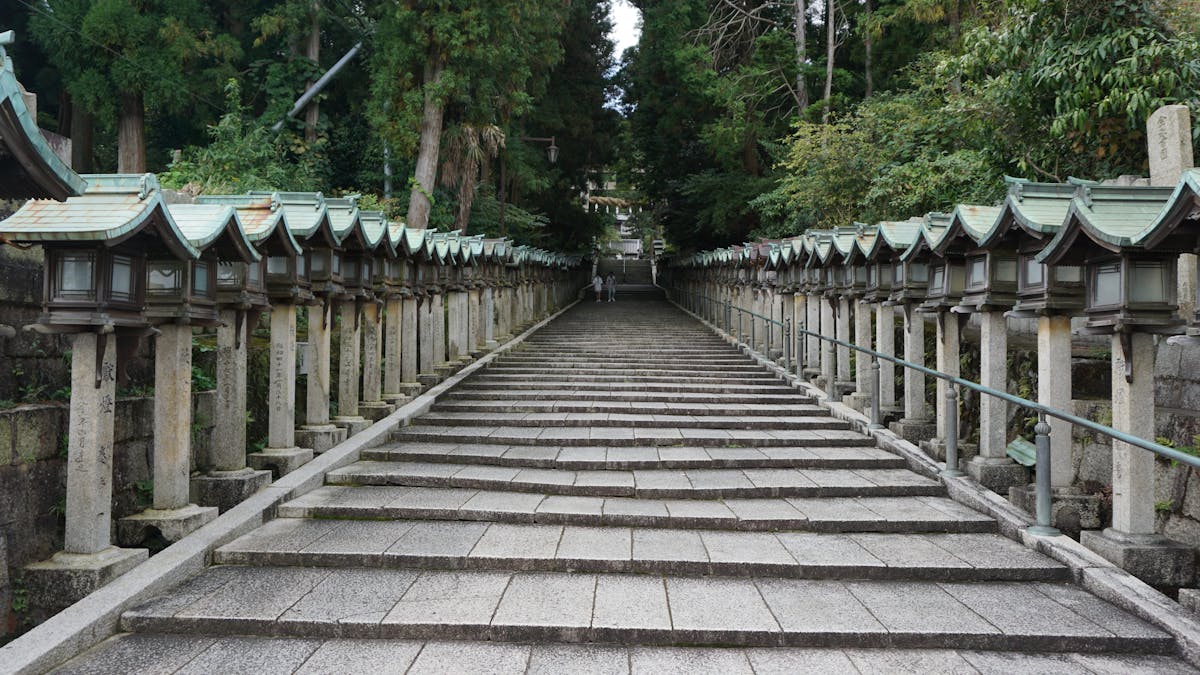
2. Walk the Approach: Approximately 25 minutes from Mitake-san Station to the shrine. Jindai Keyaki along the way.
3. Temizuya (Purification Fountain):
– Hold the ladle in your right hand and rinse your left hand
– Transfer to your left hand and rinse your right hand
– Return to your right hand, pour water into your cupped left palm, and rinse your mouth
– Tilt the ladle vertically to rinse the handle
4. Worship at the Main Hall:
– Quietly offer your monetary offering
– Ring the bell
– Bow twice, clap twice, bow once
Highlights and Recommended Route
Suggested Route (Approximately 3-4 hours)
1. Takimoto Station → Cable Car (6 min): To Mitake-san Station
2. Mitakedaira Observatory (10 min): Panoramic view of Kanto Plain
3. Walk the Approach (20 min): Pass through shopping street and Oshi houses
4. Jindai Keyaki (5 min): Receive power from the 1,000-year-old giant
5. Zuishin Gate (3 min): Pass through the solemn gate
6. Worship Hall & Main Hall (15 min): Worship the principal deities
7. Okuchi-no-Makami Shrine (Oinu-sama) (10 min): Worship the dog guardian deity
8. Inner Shrine (Optional) (40 min round trip): For those seeking stronger power
9. Amulet Office (10 min): Receive goshuin and charms
10. Rock Garden (Optional) (90 min): Ravine hiking
Goshuin and Amulet Information
Goshuin (Shrine Seal):
- Fee: ¥500
- Hours: 9:00 AM-4:00 PM
- Two types available: main shrine and inner shrine
Popular Amulets:
- Oinu-sama Mamori (¥800): Pet health, protection from evil
- Yakuyoke Mamori (¥800): Ward off disasters
- Enmusubi Mamori (¥800): Attract good connections
- Dog Katashiro (¥500): Write wishes on dog-shaped paper charm for your pet
Dress Code and Items to Bring
- Hiking boots or trekking shoes recommended
- Comfortable walking shoes even if using cable car
- Bring jacket as summit is 5-8°C cooler than base
- Hat and water essential in summer
- Warm clothing in winter (gloves, knit cap)
- Leash required if bringing dogs
Basic Information
Access
Address: 176 Mitakesan, Ome City, Tokyo
Train & Cable Car:
- From JR Ome Line “Mitake Station”: Bus approximately 10 minutes to “Cable-shita”
- Mitake Tozan Tetsudo Cable Car from “Takimoto Station” approximately 6 minutes to “Mitake-san Station”
- 25-minute walk from Mitake-san Station to shrine
By Car:
- 40 minutes from Ken-O Expressway Ome IC
- Paid parking near Takimoto Station (¥1,500/day, approximately 140 spaces)
Visiting Information
- Hours: Grounds open freely (Amulet office 9:00 AM-4:00 PM)
- Cable Car: 7:30 AM-6:30 PM (varies by season) One-way ¥600, Round-trip ¥1,130
- Closed: None
- Admission: Free
- Duration: 2 hours for worship only, 4-5 hours including Rock Garden
Contact
- Phone: 0428-78-8500
- Official Website: https://musashimitakejinja.jp/
Area Information
Nearby Attractions
Rock Garden (30-min walk)
A ravine with beautiful mossy rocks and clear stream. Approximately 1.5km hiking course with highlights including Tengu Rock and Ayahiro Falls.
Nagao-daira Observatory (15-min walk)
Spectacular viewpoint overlooking the Kanto Plain. Famous for cherry blossoms in spring and autumn foliage.
Mount Hinode (approximately 60-min walk)
Popular hiking course traversable from Mount Mitake. Excellent views from the summit.
Recommended Restaurants
Komadori Shop (Approach)
- Famous for handmade soba and sashimi konnyaku
- Specialties: Tempura Zaru Soba (¥1,400), Sashimi Konnyaku (¥400)
- Hours: 10:00 AM-4:00 PM
- Closed: Irregular
Momijiya (Approach)
- Established over 100 years
- Specialties: Walnut Soba (¥1,200), Oden (¥500)
- Hours: 10:00 AM-4:00 PM
- Closed: Thursdays
Mitake Sanso (Lodging House)
- Lunch available without staying
- Specialty: Wild Vegetable Set (¥1,500)
- Hours: 11:30 AM-2:00 PM
- Closed: Confirm in advance
Hashimotoya (In front of Mitake Station)
- Dining after descending
- Specialties: Katsudon (¥950), Tororo Soba (¥900)
- Hours: 11:00 AM-5:00 PM
- Closed: Tuesdays
Souvenirs
- Oinu-sama Goods: Stickers, plushies, etc.
- Mitakesan Sake: Local specialty sake
- Wasabi Pickles: Okutama specialty
- Handmade Konnyaku: Available on approach
Model Itineraries
Half-Day Course (Approximately 4 hours)
9:30 AM Arrive at Mitake Station
9:45 AM Bus to Cable-shita
10:00 AM Board cable car
10:30 AM Jindai Keyaki, approach stroll
11:00 AM Worship at Musashi Mitake Shrine
12:00 PM Lunch on approach
1:00 PM Descend by cable car
1:30 PM Depart from Mitake Station
Full-Day Course (Approximately 7 hours)
8:30 AM Arrive at Mitake Station
9:00 AM Board cable car
9:30 AM Worship at Musashi Mitake Shrine
10:30 AM Pilgrimage to inner shrine
11:30 AM Rock Garden hiking
1:00 PM Lunch at Nagao-daira Observatory
2:00 PM Approach stroll, souvenirs
3:00 PM Descend by cable car
3:30 PM Depart from Mitake Station
Visitor Reviews and Experiences
> “Following a peaceful experience at the shrine, we began an approximately two-hour mountainside hike through thick forest and into a mountain valley—absolutely stunning.”
> — Japan Travel review
> “The shrine is calm and sacred, and the rock garden is filled with moss and worth visiting. For the true Japanese spiritualist, Mount Mitake is a place to commune with nature.”
> — TripAdvisor review
Practical tips from reviewers: take the cable car up and hike down to save energy. The Rock Garden Trail is a must-see. Staying at one of the traditional pilgrim lodges (shukubo) on the mountain is a unique experience. Bring layers as it’s noticeably cooler at the summit.
(Based on visitor reviews from TripAdvisor and Japan Travel)
Frequently Asked Questions
Q: Can I bring my dog for worship?
A: Yes, dogs are welcome for worship. Dogs can ride the cable car together (pet fee applies). Leash is required.
Q: Can I worship without hiking gear?
A: Using the cable car and walking the approach, worship is possible without special equipment. However, comfortable walking shoes are essential. Hiking boots are recommended if going to the inner shrine or Rock Garden.
Q: Can I stay at a lodging house?
A: Yes, there are approximately 25 Oshi-no-Ie (lodging houses). Advance reservation is required. Many offer shojin ryori (Buddhist vegetarian cuisine).
Q: How crowded is the cable car?
A: It gets crowded during autumn foliage season (October-November) and Japanese woodland anemone season (August). Early morning departures are recommended.
Summary
Musashi Mitake Shrine is one of Tokyo’s premier power spots with approximately 2,000 years of history, standing atop Mount Mitake, a sacred mountain of Kanto.
The legend of “Oinu-sama” guiding Yamato Takeru makes this a sacred place for dog lovers, drawing worshippers from across the country. As a shrine that permits dogs on the grounds and holds monthly “Dog Blessing Ceremonies,” it has become a special place for pet owners praying for their pets’ health and longevity.
With highlights including the 1,000-year-old Jindai Keyaki, 25 mountaintop lodging houses, and the moss-covered Rock Garden ravine, there’s much to see. Using the cable car, even those lacking hiking confidence can easily worship. The accessibility of about 2 hours from central Tokyo makes it ideal for day-trip power spot visits.
Protection from evil, fortune, matchmaking, pet health—the deities of Mount Mitake warmly welcome those seeking various blessings. Please experience the power radiating from this sacred mountain of Kanto.
—
Want to discover the power spot that’s right for you?
Beyond this location, Japan is home to countless power spots. To find the one most suited to you, try our free compatibility assessment (takes just 3 minutes).
→ Take the Free En Profile Assessment
—
Information in this article is current as of December 2025. Please verify the latest details via the official website before visiting.
あなたに最適なパワースポットを知りたい方へ