Standing at the eastern tip of the Shimane Peninsula in the port town of Mihonoseki, Miho Shrine serves as the head shrine of approximately 3,385 Ebisu shrines (those enshrining Kotoshironushi-no-Kami) throughout Japan, per the shrine’s official figures. The principal deities, Mihotsuhime-no-Mikoto and Kotoshironushi-no-Kami, are revered as a goddess of agriculture and “Ebisu-sama” — the god of business prosperity and fishing abundance.
While the exact founding date is unknown, the shrine appears in the “Izumo no Kuni Fudoki” compiled in 733 CE, confirming a history of at least 1,300 years. A tradition called “Ebisu-Daikoku Ryomairi” (dual pilgrimage to Ebisu and Daikoku) holds that visiting both Izumo Taisha (Daikoku-sama / Okuninushi) and Miho Shrine (Ebisu-sama / Kotoshironushi — Okuninushi’s son) is the proper way to receive the full blessing of this parent-child pair of deities.
The main hall, in the distinctive “Miho-zukuri” (or “Hiyoku-Taisha-zukuri”) style — two Taisha-zukuri halls connected by a “Shozoku-no-ma” (Robing Room) — is designated as a National Important Cultural Property (reconstructed in 1813). Daily at 8:30 AM, the “Asa-mike-sai” (Morning Food Offering Ceremony) is held, and at 3:30 PM the “Yu-mike-sai” (Evening Offering Ceremony) follows. Both can be observed free of charge from outside the worship hall — a precious encounter with rituals maintained for over 1,300 years.
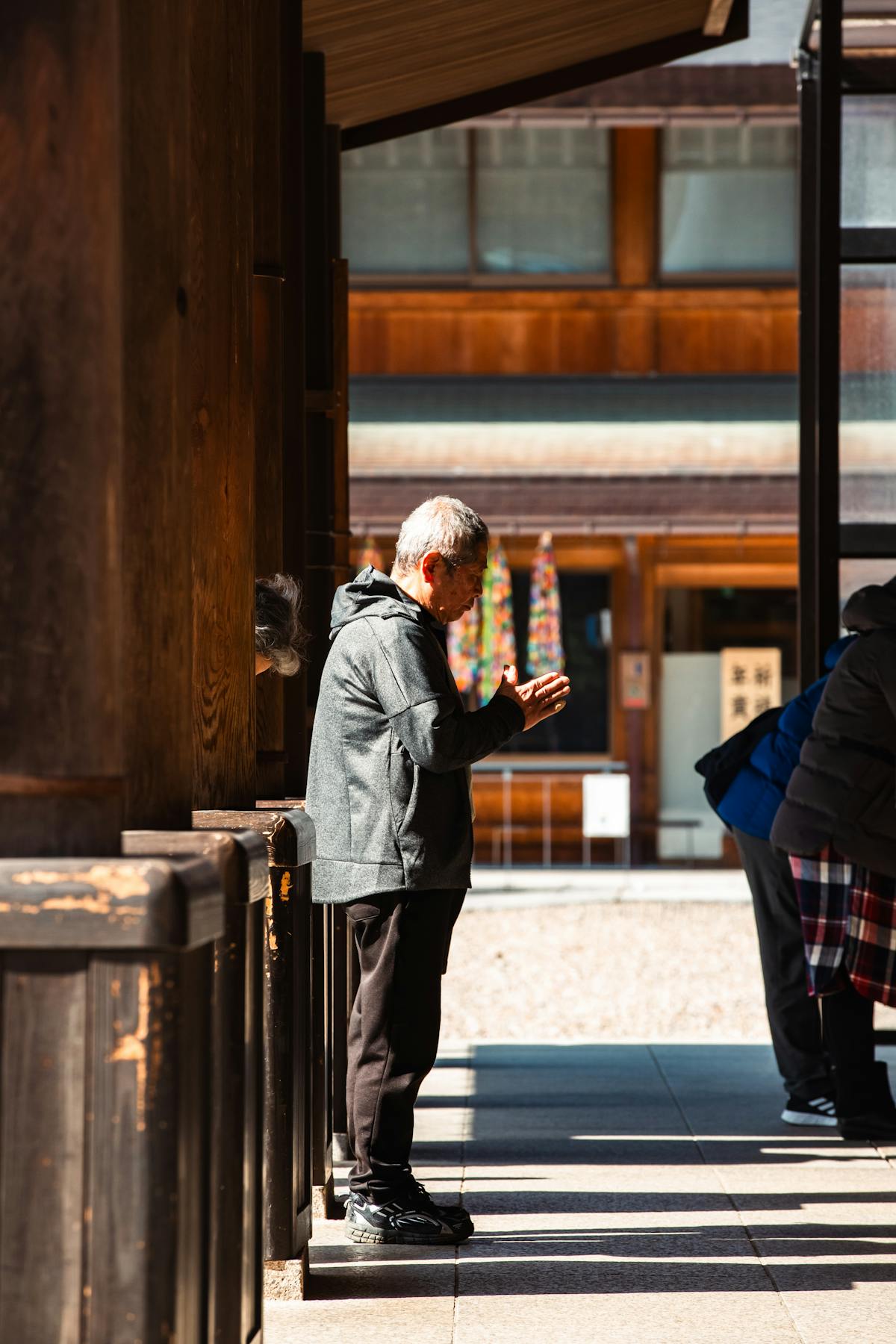
The Allure of This Sacred Site
History and Origins
While Miho Shrine’s exact founding date is unknown, it was recorded as “Miho-sha” in the Izumo no Kuni Fudoki compiled in 733 CE, confirming a history spanning at least 1,300 years.
The principal deity Kotoshironushi-no-Kami is the son of Okuninushi (the deity of Izumo Taisha) and played a crucial role in the mythology of “Kuniyuzuri” (the transfer of the land). According to legend, Kotoshironushi was fishing at Mihonoseki when approached by messengers from Amaterasu regarding the transfer of the land, whereupon he hid himself beneath the sea. From this mythological episode, Kotoshironushi became identified with “Ebisu-sama,” worshipped as a god of good fortune who brings the bounty of the sea.
The other principal deity, Mihotsuhime-no-Mikoto, is a daughter of Takamimusubi-no-Kami of Takamagahara (the High Plain of Heaven) and consort of Okuninushi. She is revered as a goddess of agriculture who governs rice cultivation, as well as a deity of marital harmony.
From the medieval period onward, the shrine flourished alongside Mihonoseki’s prosperity as a crucial maritime hub, receiving devoted worship from kitamaebune ship owners and merchants. During the Edo period, it enjoyed the patronage of the Matsudaira clan, lords of Matsue Domain. The current shrine buildings were reconstructed in 1813.
Architecture and Natural Features
Miho Shrine’s main hall (honden) features a unique architectural style called “Miho-zukuri” (or “Hiyoku-Taisha-zukuri”), designated as a National Important Cultural Property — reconstructed in 1813. Based on the “Taisha-zukuri” style represented by Izumo Taisha, the distinctive structure consists of two main halls standing side by side — enshrining Mihotsuhime-no-Mikoto on the left and Kotoshironushi-no-Kami on the right — connected by the “Shozoku-no-ma” (Robing Room).
The cypress bark roofs with chigi (crossed finials) and katsuogi (horizontal roof logs) are beautiful, and the walls feature polychrome carvings. The worship hall (haiden), rebuilt in 1928 under the design supervision of Itō Chūta, welcomes visitors with its impressive irimoya-zukuri (hip-and-gable) construction — note that the worship hall is a Registered Tangible Cultural Property (not an Important Cultural Property like the main hall).
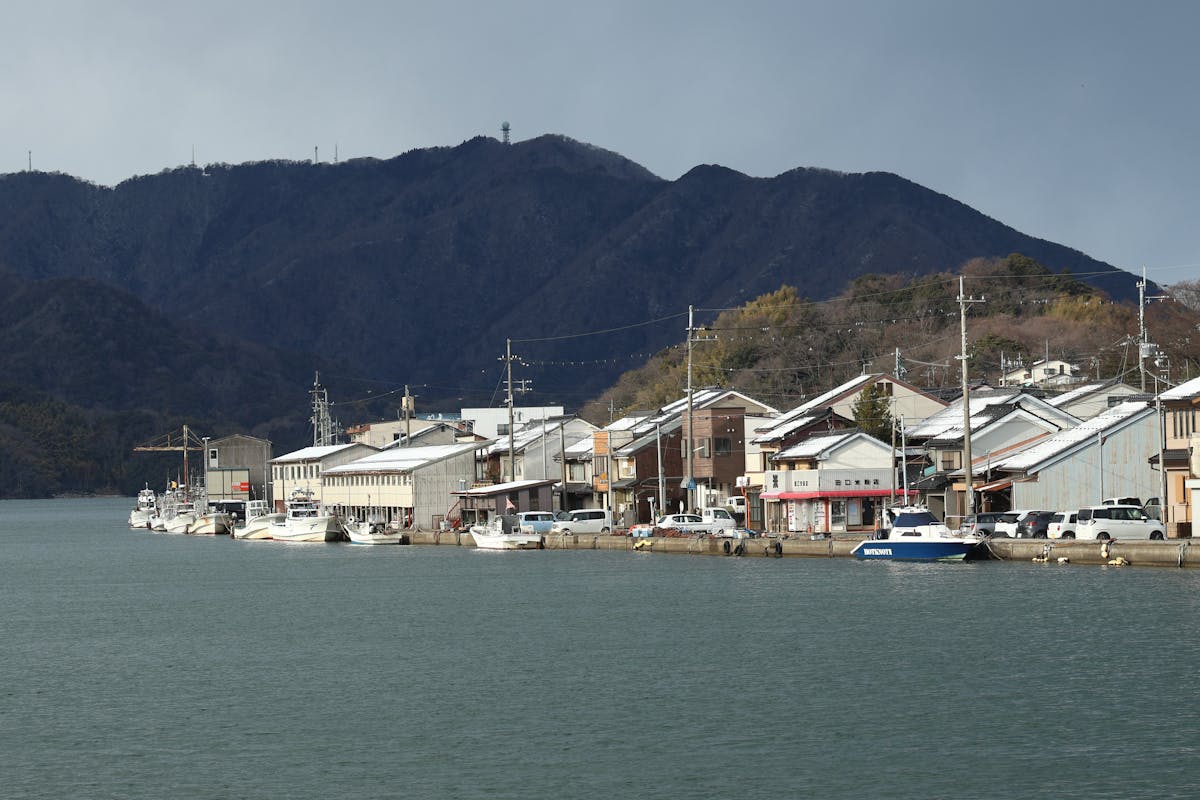
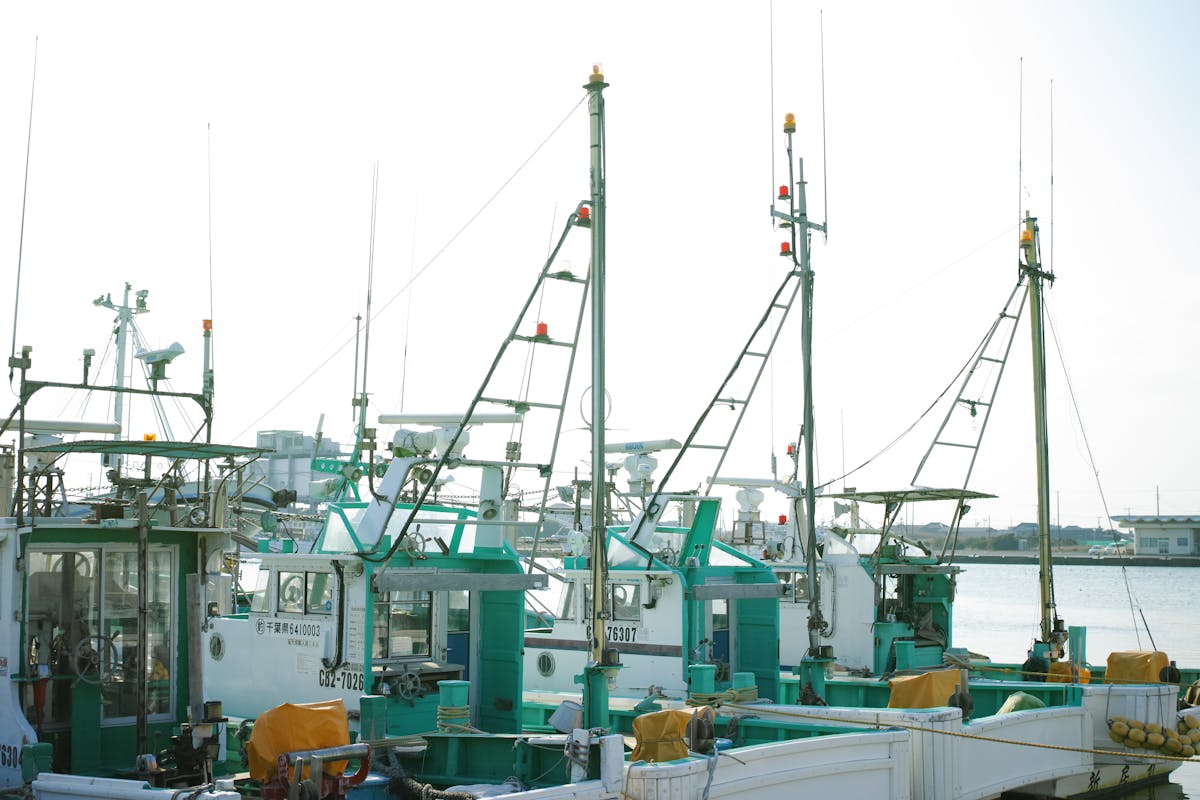
Behind the shrine rises Mount Aoshimagaki, revered as sacred ground that served as a stage for mythology. From the shrine grounds, visitors can enjoy panoramic views of Miho Bay, and on clear days can see as far as the Oki Islands. Descending the stone steps of the approach path brings you immediately to the active fishing port, where working boats come and go in a lively scene.
What Makes This Spot Special
Miho Shrine’s daily ceremonies are its greatest attraction:
- “Asa-mike-sai” (Morning Offering) — daily at 8:30 AM, offering food to the deities with prayers of gratitude
- “Yu-mike-sai” (Evening Offering) — daily at 3:30 PM, repeating a similar ritual
Both are observable free of charge from outside the worship hall (timing may shift on festival days).
The “Ebisu-Daikoku Ryomairi” (dual pilgrimage) combining Izumo Taisha and Miho Shrine is promoted by the local tourism association as a complete pilgrimage. Okuninushi (Daikoku-sama, the father deity at Izumo Taisha) and Kotoshironushi (Ebisu-sama, the son deity here) form a parent-child pair — pilgrims traditionally consider visiting only one of the two as “katamairi” (incomplete pilgrimage).
Miho Shrine is also known as the shrine of “narimono” (musical instruments), with a strong tradition of instrument dedications. The shrine’s storage building houses 846 dedicated instruments designated as National Important Tangible Folk Cultural Property — viewable by advance appointment.
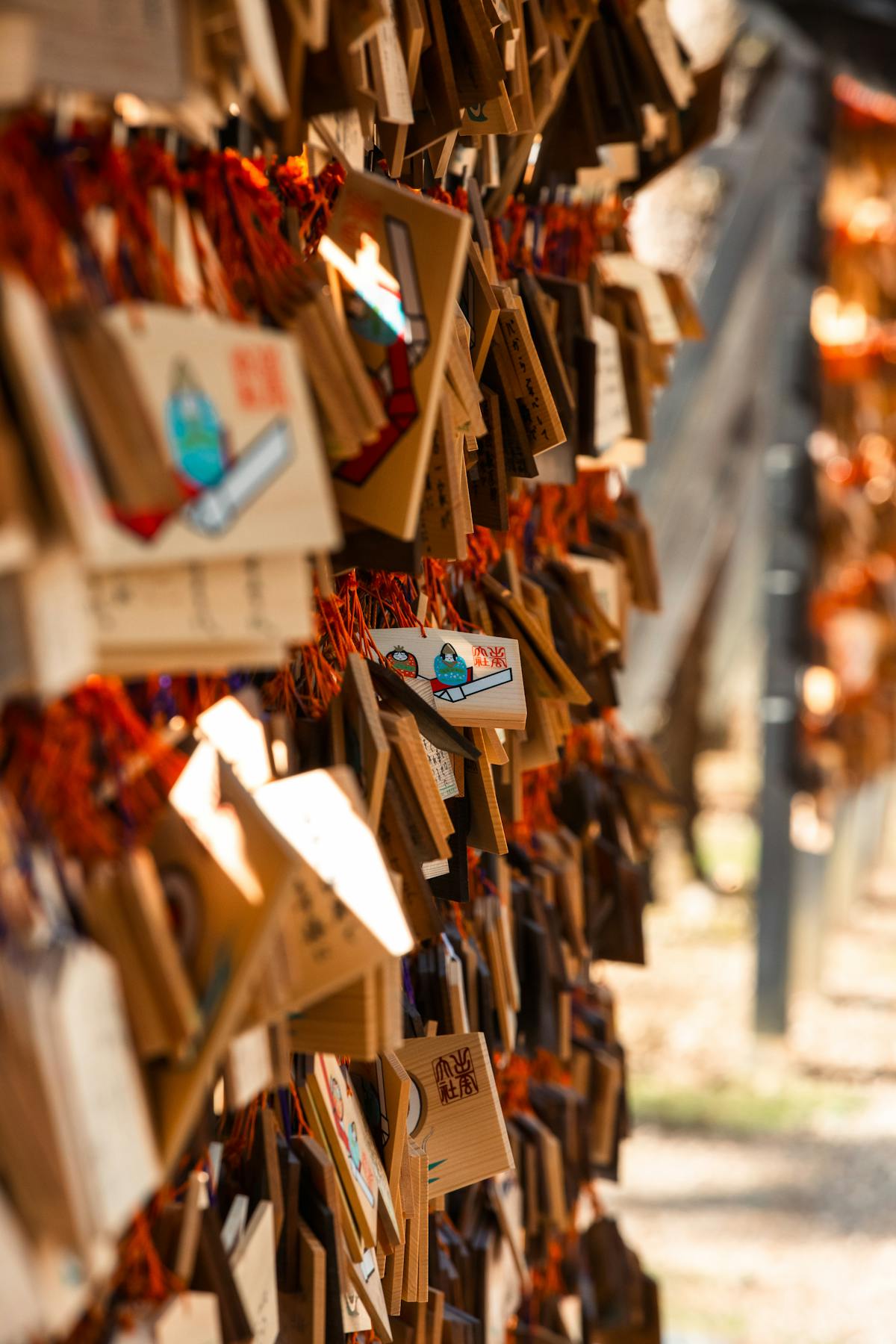
Spiritual Benefits and Effects
Known Spiritual Benefits
As the shrine enshrining Kotoshironushi-no-Kami (Ebisu-sama), Miho Shrine is known for diverse blessings.
Business Prosperity and Success: As one of the Seven Lucky Gods, Ebisu-sama is most famous as the deity of business prosperity. Merchants and business owners from across Japan make frequent pilgrimages here.
Abundant Catches and Maritime Safety: Following the mythology of the deity fishing at Mihonoseki, the shrine receives deep devotion from fishing industry professionals, who continuously visit for prayers for large catches and maritime safety.
Bountiful Harvest: As Mihotsuhime-no-Mikoto governs rice cultivation, blessings for agricultural prosperity are also available.
Marital Harmony and Matchmaking: As Okuninushi and Mihotsuhime-no-Mikoto are divine spouses, blessings for harmonious marriage and successful romantic connections can be received.
Progress in Music and Performing Arts: Given the tradition of instrument dedications, many visitors come seeking improvement in music and artistic pursuits.
The Unique Energy of This Site
Miho Shrine is said to be filled with energies of “beginnings” and “prosperity.” Visiting when starting new businesses, changing careers, or becoming independent is believed to attract favorable circumstances.
Particularly, completing the “Ryomairi” dual pilgrimage with Izumo Taisha is said to bestow both “the power to create connections (Izumo Taisha)” and “the power to make business prosper (Miho Shrine),” drawing many visitors at turning points in their businesses and lives.
Visitor Testimonials
> “A peaceful and spiritual place—one of the quietest shrines you’ll ever visit. The path to the shrine feels so sacred, with the scent of the ocean drifting through.”
> — TripAdvisor review
> “It was wonderful—you can even see the sea. The scenery where the mountains embrace the sea and the city is very soothing.”
> — TripAdvisor review
*(Based on visitor reviews from TripAdvisor)*
Best Times to Visit
Spring (March–May)
The cherry blossom season in April beautifully colors the grounds. Comfortable temperatures of 15-20°C (59-68°F) make this pleasant for visiting, and as the beginning of tourist season, it’s relatively uncrowded. The “Aoshimagaki Shinji” on April 7th is the shrine’s largest festival, featuring ceremonies reenacting the Kuniyuzuri mythology.
Recommendation: ★★★★☆
Summer (June–August)
Summer brings pleasant sea breezes and stunning views of Miho Bay. The “Miho Shrine Summer Festival” in August draws local crowds. Temperatures reach 28-32°C (82-90°F), but the seaside location keeps it relatively cool. Morning worship during the cool Asa-mike-sai time is recommended.
Recommendation: ★★★☆☆
Autumn (September–November)
October to November offers the most pleasant temperatures of 15-22°C (59-72°F). While autumn colors are limited, the clear air enhances the beauty of Miho Bay and Mount Aoshimagaki views. The “Morotabune Shinji” on December 3rd is designated an Important Intangible Folk Cultural Property and is worth witnessing.
Recommendation: ★★★★★
Winter (December–February)
Overcast skies typical of the Sea of Japan coast are common, but the rough winter sea combined with the shrine’s solemn atmosphere creates a unique appeal. Temperatures of 5-10°C (41-50°F) require warm clothing. Fewer visitors make this ideal for peaceful worship. The “Hatsu-Ebisu-sai” (New Year Ebisu Festival) runs January 1-8 — including the Yoi-Ebisu (Jan 6), Hon-Ebisu (Jan 7), and Zan-Ebisu (Jan 8) days, with daiko drums and various rituals.
Recommendation: ★★★☆☆
Best Times of Day
Early Morning (8:00-8:30 AM): Timing your visit with the Asa-mike-sai is highly recommended. Arrive before the 8:30 AM ceremony start to worship in a solemn atmosphere.
Morning (9:00-11:00 AM): After the Asa-mike-sai, enjoy leisurely exploration of the grounds in the refreshing air. The amulet office is open for charms and goshuin.
Late Afternoon (4:00-5:00 PM): The shrine buildings lit by western light and the evening views of Miho Bay are beautiful. Excellent for photography.
Visitor’s Guide
Basic Worship Etiquette
1. Torii Gate: Bow before passing through. Walk along the sides of the approach.
2. Temizuya (Purification Fountain):
– Hold the ladle in your right hand and rinse your left hand
– Transfer to your left hand and rinse your right hand
– Return to your right hand, pour water into your cupped left palm, and rinse your mouth
– Tilt the ladle vertically to rinse the handle
3. Worship at the Main Hall:
– Quietly offer your monetary offering
– Ring the bell
– Standard practice: two bows, two claps, one bow (nihai-nihakushu-ichihai)
– Note: Izumo Taisha uses two bows, four claps, one bow — the shrine’s official site doesn’t explicitly state Miho’s practice, so follow on-site signage if present
Highlights and Recommended Route
Suggested Route (Approximately 60 minutes)
1. Stone Step Approach (5 min): Climb the steps with your back to the sea
2. Torii Gate & Temizuya (3 min): Purify body and mind
3. Worship Hall (10 min): Pay respects to the principal deities
4. Main Halls (Important Cultural Property) (5 min): Admire the unique Miho-zukuri architecture
5. Okage-no-Ido Well (5 min): Make a wish
6. Auxiliary Shrines (10 min): Kyakujin-sha, Inari-sha, etc.
7. Amulet Office (10 min): Receive goshuin and charms
8. Asa-mike-sai Viewing (20 min): Begins at 8:30 AM (if visiting at that time)
Goshuin and Amulet Information
Goshuin (Shrine Seal):
- Available at the amulet office. Fee not officially published — confirm on-site.
- Hours: 8:30 AM onward (closing time not officially published)
- Receiving goshuin from both Miho Shrine and Izumo Taisha for “Ryomairi” is popular
Popular Amulets:
- Business Prosperity Charm (¥800): Receive Ebisu-sama’s blessings
- Tai (Sea Bream) Charm (¥800): Auspicious item featuring the fish held by Ebisu-sama
- Music Charm (¥500): Unique to this shrine of instruments
- Couple’s Charm (¥1,000): Pair of charms for marital harmony
Dress Code and Items to Bring
- Comfortable walking shoes (stone steps on the approach)
- Hat, parasol, and water essential in summer
- Warm clothing in winter (sea wind is cold)
- Camera (for capturing the scenic Miho Bay views)
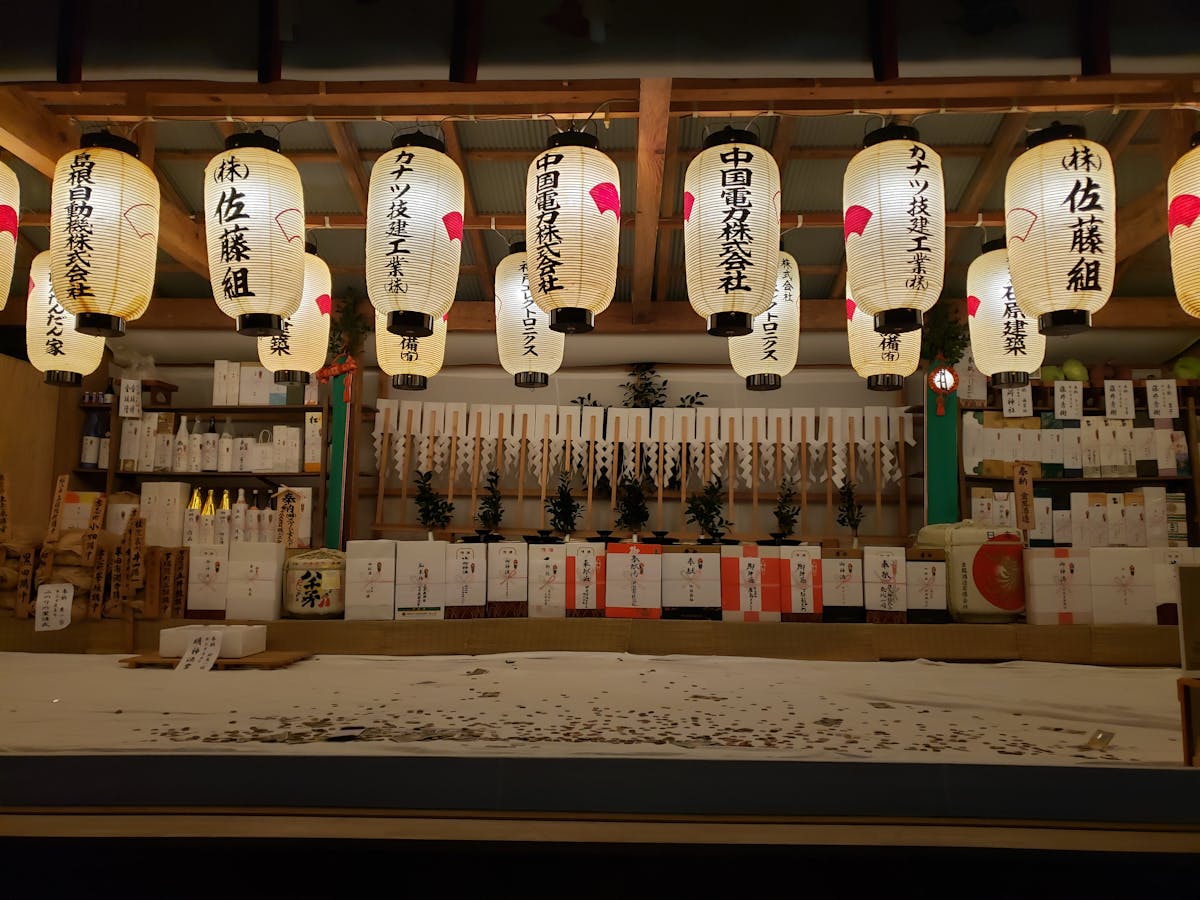
Basic Information
Access
Address: 608 Mihonoseki, Mihonoseki-cho, Matsue City, Shimane Prefecture
By Car:
- 40 minutes from San’in Expressway Yonago IC
- 30 minutes from central Matsue
- 50 minutes from Izumo Taisha
Public Transportation — From JR Matsue Station (timetable effective April 1, 2026):
- Ichibata Bus (Manbara Line) from Matsue Station Platform 2 to Mihonoseki Terminal (Manbara Bus Terminal): approximately 43-47 minutes, ¥850 one-way
- Transfer to Mihonoseki Community Bus (Mihonoseki Line) to Miho: approximately 29 minutes, ¥200 (high school students and younger ¥100)
- Total travel time approximately 72-76 minutes plus transfer wait. Total fare ¥1,050.
Public Transportation — From JR Sakaiminato Station:
- Mihonoseki Community Bus (Sakaiminato Line) from Sakaiminato Station to Ui Tosenba: about 10-11 minutes, ¥200
- Transfer to Mihonoseki Line to Miho: about 15 minutes, ¥200
- Total fare ¥400 (most direct route from Sakaiminato).
> Check latest timetables on the Mihonoseki Tourism Guide.
Parking: Free, approximately 30 spaces. During New Year holiday season, temporary parking with free shuttle bus is provided.
Visiting Information
- Grounds: Open freely, no time restrictions
- Amulet office: 8:30 AM onward (closing time not officially published)
- Asa-mike-sai (Morning Ceremony): Daily at 8:30 AM
- Yu-mike-sai (Evening Ceremony): Daily at 3:30 PM
- Closed: None
- Admission: Free
- Suggested Duration: 40-60 minutes (80 minutes including a ceremony viewing)
Contact
- Phone: 0852-73-0506
- Official Website: http://mihojinja.or.jp/
Area Information
Nearby Attractions
Mihonoseki Lighthouse (5 min by car)
The oldest stone lighthouse in the San’in region, selected as one of the World’s 100 Historic Lighthouses. The adjacent buffet offers panoramic views extending to the Oki Islands.
Sakaiminato Mizuki Shigeru Road (20 min by car)
Hometown of Mizuki Shigeru, creator of “GeGeGe no Kitaro.” The approximately 800-meter shopping street features 177 bronze yokai (supernatural creature) statues.
Izumo Taisha (50 min by car)
Partner shrine for Ryomairi. Known as the head shrine for matchmaking, visiting both shrines is said to double blessings.
Recommended Restaurants
Fresh Seafood Direct from Mihonoseki Port (within 5-min walk)
Fukumakan
- Restaurant of a traditional inn established over 100 years ago
- Specialties: Premium Seafood Bowl (¥2,200), Nodoguro Salt-Grilled Set (¥3,300)
- Hours: 11:30 AM-2:00 PM
- Closed: Irregular
Nakaura
- Dining hall run by local fishermen
- Specialties: Squid Bowl (¥1,200), Daily Sashimi Set (¥1,500)
- Hours: 11:00 AM-2:00 PM
- Closed: Wednesdays
Aoishibataki Street Teahouse
- Rest stop in Mihonoseki’s historic district
- Specialties: Matcha Set (¥600), Zenzai sweet red bean soup (¥500)
- Hours: 10:00 AM-4:00 PM
- Closed: Tuesdays
Tairyo Ichiba Nakaura (15 min by car)
- Fresh seafood sales and dining in Sakaiminato
- Specialties: Crab Soup Set (¥1,800), Seafood BBQ
- Hours: 8:00 AM-5:00 PM
- Closed: Tuesdays
Souvenirs
- Ebisu-sama Tai Senbei: Miho Shrine’s signature auspicious crackers
- Izumo Soba: Shimane’s representative specialty noodles
- Nodoguro Dried Fish: Premium dried fish from the Sea of Japan
- Business Prosperity Charm: Miho Shrine original
Model Itineraries
Half-Day Course (Approximately 4 hours)
8:00 AM Arrive at Miho Shrine
8:30 AM View Asa-mike-sai ceremony
9:00 AM Grounds worship & receive goshuin
10:00 AM Mihonoseki Lighthouse
11:00 AM Seafood lunch at Fukumakan
12:00 PM Stroll Aoishibataki Street
12:30 PM Depart
Full-Day Ryomairi Course (Approximately 8 hours)
8:00 AM Arrive at Miho Shrine
8:30 AM View Asa-mike-sai ceremony
9:30 AM Grounds worship
10:30 AM Mihonoseki Lighthouse
11:30 AM Explore Sakaiminato Mizuki Shigeru Road
12:30 PM Lunch at Tairyo Ichiba
2:00 PM Travel to Izumo Taisha
3:00 PM Worship at Izumo Taisha
5:00 PM Depart
Visitor Reviews and Experiences
> “The Aoisatabatake-dori stone-paved road preserves the charm of the Edo period. Walking from the port to the shrine feels like stepping back in time.”
> — Travel review
Practical tips from reviewers: combine your visit with Izumo Taisha for the traditional “Ryomairi” dual pilgrimage. The morning kagura performances are a highlight—check the schedule in advance. The nearby port area has excellent fresh seafood.
*(Based on visitor reviews from TripAdvisor and travel blogs)*
Frequently Asked Questions
Q: Is the Asa-mike-sai held every day?
A: Yes, it is performed every morning at 8:30 AM for approximately 20 minutes. Visitors can observe free of charge. However, as it is a sacred ceremony, please refrain from entering or exiting midway.
Q: For the Ryomairi with Izumo Taisha, which should I visit first?
A: There’s no specific rule, but a popular route is to visit Miho Shrine first to catch the Asa-mike-sai, then head to Izumo Taisha afterward.
Q: Does the parking lot get crowded?
A: Weekdays are mostly empty. During New Year’s and festival days, it can be crowded, so public transportation is recommended.
Q: Can I view the instruments in the storage building?
A: Yes, by calling the shrine office in advance to make a reservation. The collection includes 846 instruments designated as National Important Tangible Folk Cultural Property.
Q: How long does it really take from Matsue Station?
A: From JR Matsue Station, take the Ichibata Bus to Mihonoseki Terminal (~43-47 min, ¥850), then transfer to the Community Bus to Miho (~29 min, ¥200). Total ~75 minutes plus transfer wait, ¥1,050 one-way. Plan accordingly.
Q: Is the main hall really an Important Cultural Property?
A: Yes — the main hall (honden) is a National Important Cultural Property, reconstructed in 1813 in the unique “Miho-zukuri” style (two Taisha-zukuri halls connected by a Robing Room). The worship hall (haiden) built in 1928 is a Registered Tangible Cultural Property (a different designation).
Nearby Power Spots
Summary
Miho Shrine is Shimane Prefecture’s representative power spot, boasting over 1,300 years of history as the head shrine of approximately 3,000 Ebisu shrines nationwide.
Beyond receiving diverse blessings including business prosperity, abundant catches, and marital harmony, the greatest attraction is experiencing the world of mythology through the daily “Asa-mike-sai” ceremony. The “Ryomairi” dual pilgrimage with Izumo Taisha, offering both matchmaking and business prosperity blessings, draws an endless stream of visitors at turning points in their businesses and lives.
The shrine buildings in the distinctive “Miho-zukuri” style designated as an Important Cultural Property, the spectacular views of Miho Bay spread before you, and the charming atmosphere of the active fishing port—this sacred space where everything harmonizes gently calms visitors’ hearts and gives courage to take new steps forward.
With surrounding attractions including Sakaiminato’s Mizuki Shigeru Road and Mihonoseki Lighthouse, taking a full day to explore leisurely is recommended. May Ebisu-sama’s blessings bring an abundant catch of good fortune to your life.
—
Want to discover the power spot that’s right for you?
Beyond this location, Japan is home to countless power spots. To find the one most suited to you, try our free compatibility assessment (takes just 3 minutes).
→ Take the Free En Profile Assessment
—
*Information in this article is current as of May 2026. Please verify the latest details on the Miho Shrine official site and the Mihonoseki Tourism Guide before visiting.*
あなたに最適なパワースポットを知りたい方へ