A Magnificent World Heritage Site Enshrining Tokugawa Ieyasu
Nikko Toshogu Shrine in Nikko City, Tochigi Prefecture, stands as one of Japan’s most magnificent religious sites. Dedicated to Tokugawa Ieyasu, the founder of the Edo Shogunate, this shrine has attracted devoted visitors for over 400 years since its establishment in 1617. In 1999, it was inscribed as a UNESCO World Heritage Site as part of “Shrines and Temples of Nikko,” recognizing its extraordinary artistic and historical significance.
The shrine’s buildings overflow with ornate carvings, lacquerwork, and gold leaf decoration. Famous landmarks include the “See No Evil, Speak No Evil, Hear No Evil” Three Monkeys, the “Sleeping Cat” carving, and the spectacular Yomeimon Gate—a designated National Treasure. The grounds contain 55 structures, of which 8 are National Treasures and 34 are Important Cultural Properties.

With sacred Mount Nantai (634 meters) as its backdrop and surrounded by ancient cedar groves, Nikko Toshogu represents a unique fusion of Tokugawa Ieyasu’s deified spirit as “Tosho Daigongen” with the profound spiritual power of Mount Nikko’s natural landscape. Approximately 2 million visitors come annually seeking blessings for career advancement, victory in competition, and longevity.
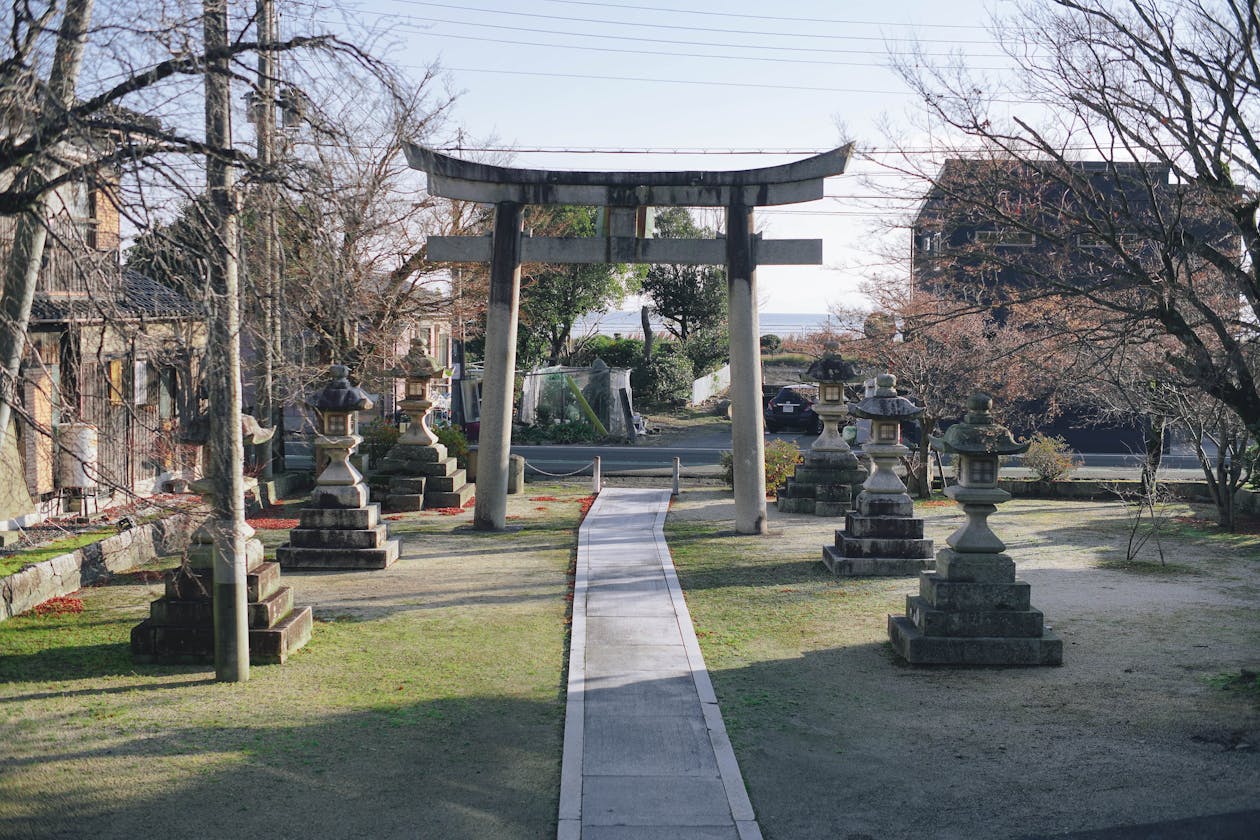
Highlights and Attractions
The Overwhelming Beauty of Yomeimon Gate
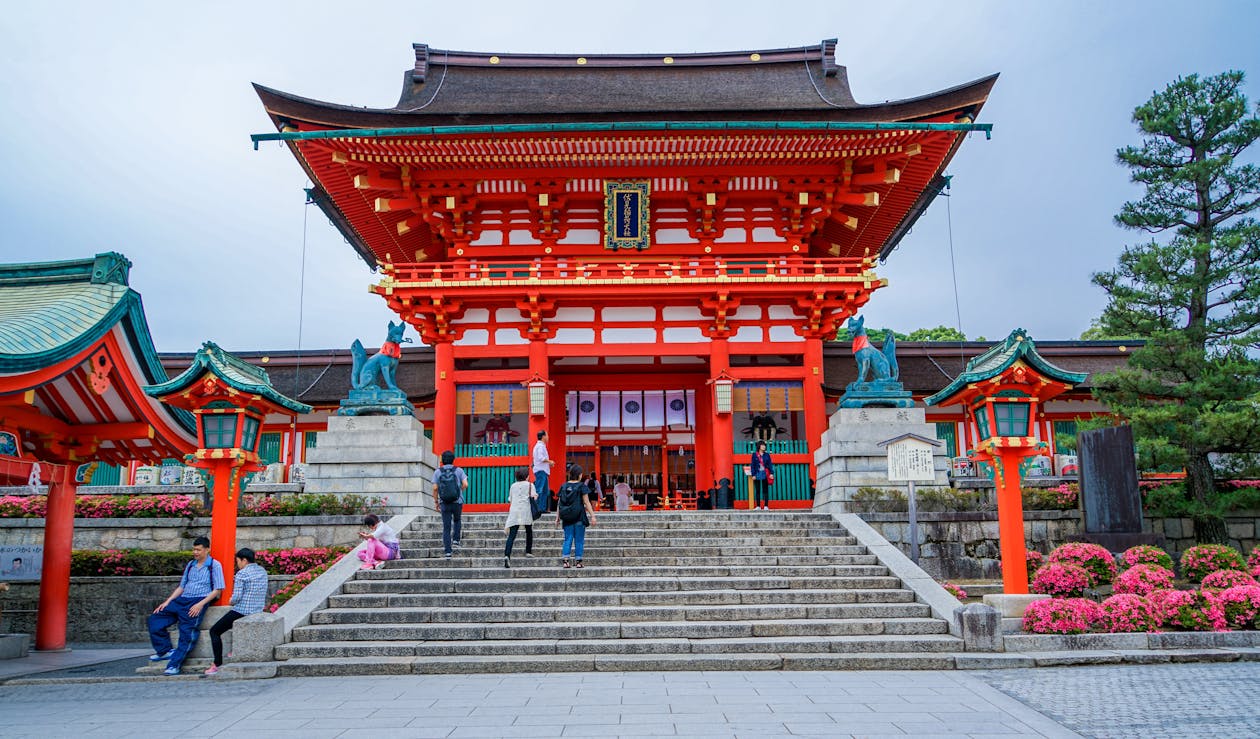
The undeniable highlight of Nikko Toshogu is Yomeimon Gate, a designated National Treasure. This two-story structure stands 11.1 meters tall and 7 meters wide, featuring an astounding 508 individual carvings. Dragons, kirins, Chinese lions, sages, and intricate arabesque patterns—the level of detail is breathtaking.
Yomeimon is also called “Higurashi-no-mon” (Twilight Gate), meaning one could gaze upon it from dawn to dusk without growing weary—such is its beauty. This artistic mastery has been celebrated since the Edo period. Major restoration work completed between 2017-2019 revived the gate’s original vivid colors.
Covered in gold leaf and polychrome brilliance, Yomeimon gleams golden in sunlight, projecting the majesty befitting a gateway to the divine. Many visitors sense a change in the atmosphere upon passing through—a palpable transition into sacred space.
The Main Hall Enshrining Tokugawa Ieyasu
Beyond Yomeimon lies the National Treasure main hall and worship hall. Finished in black lacquer with gold leaf, this solemn structure houses Ieyasu’s divine seat. The ceiling features a painting of a dragon called “Nakiryu” (Crying Dragon)—clapping hands directly beneath it produces an echo that sounds like a dragon’s voice.
Beyond the main hall, the Okusha (Inner Shrine) houses Ieyasu’s remains. Reached by climbing 207 stone steps to a higher elevation, the view of Nikko from above is spectacular. Okusha is considered the most sacred location where Ieyasu rests, and visitors often sense particularly strong spiritual energy here.
The Three Monkeys: Wisdom for Life
The sacred stable (Shinkyusha) features eight carved panels depicting the stages of human life through monkey imagery. The most famous is “See No Evil, Speak No Evil, Hear No Evil”—the Three Wise Monkeys.
These monkeys represent the teaching that children should be protected from evil sights, words, and sounds. In modern times, they’re also interpreted as wisdom about not meddling in others’ affairs—popular among business professionals. This is one of the shrine’s most photographed spots.
The Sleeping Cat Guarding the Path to Okusha
On the way from Yomeimon to Okusha, you’ll find the National Treasure “Sleeping Cat” (Nemuri Neko) in the transom of the East Corridor. Attributed to master craftsman Hidari Jingoro, this small carving—merely 20 centimeters long—captivates visitors with its exquisite craftsmanship and peaceful expression.
The sleeping cat symbolizes a peaceful world where even cats can rest easy. However, some observe that one eye appears slightly open, ready to pounce at any moment—representing Ieyasu’s ever-vigilant nature. Behind it are carved sparrows, conveying that “the world is so peaceful that cats sleep, and sparrows play without fear.”

Sacred Space Surrounded by Nature

The shrine grounds are surrounded by cedar trees over 400 years old. Approximately 13,000 cedar trees line both sides of the approach, forming the world’s longest tree-lined avenue, recognized by Guinness World Records.
These cedars were planted over more than 20 years by Matsudaira Masatsuna as an offering to Lord Ieyasu. Rising over 30 meters tall, these ancient trees create a solemn atmosphere that purifies visitors’ hearts and invokes reverence. Early morning, when sunlight filters through the cedar corridor, creates especially mystical scenes that attract many photographers.
Spiritual Benefits and Blessings
Career Advancement and Victory
Tokugawa Ieyasu, enshrined at Nikko Toshogu, triumphed through the Warring States period and unified Japan under the Edo Shogunate. For this reason, the shrine is especially powerful for career advancement and victory in competition.
Business professionals, students facing exams, and athletes before important matches frequently visit. Many report “receiving a promotion,” “passing my exam,” and “succeeding in a crucial presentation”—establishing this as a powerful spot for decisive victories.
Longevity and Recovery from Illness
Ieyasu lived to 75—extraordinarily long for his era. Known for careful health management and avid study of medicinal herbs, he’s associated with blessings for longevity and recovery from illness. Many visit praying for health.
Okusha, where Ieyasu rests, is said to concentrate the strongest energy. Visitors constantly come seeking recovery from illness or maintaining good health. Testimonies include “recovering from serious illness” and “my elderly parent regaining vitality.”
Family Safety and Prosperity of Descendants
The Tokugawa family governed through 15 generations, maintaining 265 years of peace. Visitors seek blessings for family safety and prosperity of descendants from this legacy of long-term stability.
Family visits are said to deepen family bonds. Many come for children’s shrine celebrations (Omiya-mairi, Shichi-Go-San). The grounds include auxiliary shrines offering blessings for fertility and safe childbirth.
Academic Success
Ieyasu valued learning and protected many scholars. The Edo period saw widespread education with temple schools (terakoya) flourishing nationwide. Thus, academic success blessings are also offered. During exam season, many students and parents visit.
Reports of “passing my first-choice university” and “passing certification exams on the first try” are numerous, establishing the shrine’s reputation for scholarly blessings.
Visitor Testimonials
*”I visited before my promotion exam and passed. I feel I received Lord Ieyasu’s power.”* (Man in 40s, Tokyo)
*”I climbed to Okusha and prayed for health at Lord Ieyasu’s grave. Afterward, long-standing health issues improved.”* (Woman in 50s, Saitama)
*”I was overwhelmed by Yomeimon’s beauty. Just viewing the artwork felt purifying for my soul.”* (Woman in 30s, Kanagawa)
Best Times to Visit
Spring (March-May) ★★★★★
Mid-April through early May is one of Nikko Toshogu’s most beautiful seasons. Cherry blossoms and azaleas bloom throughout the grounds and surrounding areas, creating a festive atmosphere.
The “Nikko Toshogu Spring Grand Festival” occurs in late April, featuring traditional yabusame (horseback archery) and the “Hyakumono-Zoroi Sennin Musha Gyoretsu” (Thousand Samurai Procession). The main festival on May 17-18 is especially grand, with over 1,000 participants in armor and period costumes recreating Edo-era processions.
Temperatures around 10-20°C (50-68°F) are comfortable for sightseeing. However, Golden Week brings crowds—weekday visits are recommended. Opening time (8-9 AM) offers quieter worship.
Summer (June-August) ★★★☆☆
After rainy season ends, July through August sees Nikko popular as a summer retreat. When Tokyo exceeds 35°C (95°F), Nikko stays around 28°C (82°F) for comfortable sightseeing.
Cedar grove shade is especially cool—even midsummer feels refreshing. Early morning is particularly pleasant; around 5 AM you can enjoy crisp air with birdsong.
However, late July through Obon (mid-August) brings tourist crowds. Afternoon thunderstorms are common in August—morning visits recommended. Bring a folding umbrella.
Autumn (September-November) ★★★★★
Autumn is Nikko Toshogu’s most beautiful season. From mid-October through early November, autumn colors peak, creating stunning contrasts between the cedar avenue and red maple leaves.
The autumn colors along Irohazaka slope are among Japan’s finest. Late October through early November draws many visitors. Yomeimon framed by autumn leaves makes exceptional photographs.
The Autumn Grand Festival on October 17 features yabusame and processions similar to spring. Temperatures of 5-18°C (41-64°F) are comfortable, though mornings and evenings cool down—bring layers. During peak foliage, parking fills quickly—public transportation is recommended.
Winter (December-February) ★★★☆☆
Winter transforms Nikko Toshogu with snow, creating a mystical atmosphere. January through February sees heavy snowfall; Yomeimon covered in snow against its gold leaf is unforgettable.
Winter brings fewer tourists, making it a hidden gem for quiet worship. Just after snowfall, early mornings can offer the entire grounds to yourself. However, temperatures range from -5 to 5°C (23-41°F)—serious cold-weather gear is essential.
Special winter events include Setsubun Festival (February 3) and New Year’s hatsumode. New Year’s visits are extremely crowded but offer a sacred atmosphere for welcoming the new year. Watch for icy paths—wear non-slip footwear.
Best Time Slots
Early Morning (8-9 AM): Immediately after opening is best. Few tourists allow quiet worship. Sunlight filtering through cedars creates mystical photo opportunities.
Mid-Morning (9-11 AM): Before group tours arrive. Leisurely viewing of Yomeimon and main hall. Sunlight illuminates the grounds beautifully, making gold leaf sparkle.
Afternoon (12-3 PM): Most crowded period. Avoid during foliage season and holidays. However, changing light angles reveal different expressions than morning.
Late Afternoon (3 PM-closing): Sunset bathing Yomeimon turns it golden—beautiful in a different way than morning. Crowds thin toward closing for peaceful worship.
Worship Guide
Basic Worship Route
Standard worship route for Nikko Toshogu (approximately 90-120 minutes):
1. Stone Torii Gate: 9-meter granite gate donated by Kuroda Nagamasa. Bow once before passing through
2. Five-Story Pagoda: 36 meters tall, donated by Sakai Tadakatsu. Unique construction with center pillar suspended above ground
3. Front Gate (Niomon): Vermilion gate flanked by Nio guardian statues
4. Three Sacred Storehouses (Sanjinko): Three warehouses storing portable shrines and ritual garments. Upper storehouse features imaginary “elephant” carvings
5. Sacred Stable (Shinkyusha): Where sacred horses are kept. Location of Three Monkeys (photo spot)
6. Temizuya: Purification basin—cleanse hands and mouth
7. Yomeimon Gate: The National Treasure gate. Take time to appreciate carvings (20-30 minutes)
8. Worship Hall & Main Hall: Offer coins, worship with two bows, two claps, one bow
9. Sleeping Cat: Look in the East Corridor transom (small—don’t miss it)
10. Okusha: Climb 207 stone steps (30-minute round trip). Worship at Ieyasu’s grave
11. Goshuin: Receive shrine seal at office beside worship hall (300 yen)
Worship Etiquette
Temizu (Purification):
1. Hold ladle in right hand, wash left hand
2. Switch to left hand, wash right hand
3. Hold in right hand again, cup water in left palm to rinse mouth
4. Finally, tilt ladle to wash the handle
Worship at the Hall:
1. Offer coins quietly (5-yen coins are popular for “go-en” = “good fortune”)
2. Ring the bell
3. Two bows (deep bows)
4. Two claps
5. One bow (deep bow)
6. Pray silently
Photography Etiquette:
- Inside worship/main halls: no photography
- Exterior and carvings: photography allowed
- Don’t obstruct other worshippers
- No flash (cultural property protection)
What to Wear and Bring
Recommended Attire:
- Casual is fine (avoid revealing clothing)
- Comfortable walking shoes (essential for Okusha)
- Dress for weather conditions
Useful Items:
- Camera (to capture carving details)
- Goshuin book (shrine seal collection)
- Drinking water (especially summer/Okusha visits)
- Folding umbrella (weather changes quickly)
- Cash (admission fees, omamori purchases)
Admission and Hours
Admission:
- Adults/High school: 1,300 yen
- Elementary/Junior high: 450 yen
- Combined ticket (Toshogu + Treasure Hall): Adults 2,100 yen
Hours:
- April-October: 8:00 AM – 5:00 PM
- November-March: 8:00 AM – 4:00 PM
- Open year-round
Essential Information
Access
Address: 2301 Sannai, Nikko City, Tochigi Prefecture
By Train:
- From JR Nikko Station/Tobu Nikko Station, take Tobu Bus bound for “Chuzenji Onsen” or “Yumoto Onsen” for about 5 minutes, get off at “Shinkyo,” then 8-minute walk
- Or 35-minute walk from Tobu Nikko Station (about 2.5 km)
- Bus fare: 310 yen one-way
By Car:
- From Nikko-Utsunomiya Road “Nikko IC,” take Route 119 for about 2 km (5 minutes)
- GPS: Search “Nikko Toshogu” or phone “0288-54-0560”
Parking
Nikko Toshogu Visitor Parking:
- Regular cars: 200 spaces (600 yen/day)
- Hours: 8:00 AM – 5:00 PM
Nearby Municipal Parking:
- Nikko City Nishi-Sando Parking Lot #1: 50 spaces (500 yen/day)
- Nikko City Nishi-Sando Parking Lot #2: 100 spaces (500 yen/day)
During peak times (autumn foliage, holidays), lots often fill by 9 AM—arrive early or use public transportation.
Contact
Nikko Toshogu Shrine Office:
- Phone: 0288-54-0560
- Official website: https://www.toshogu.jp/
- Check for current hours and events
Area Information
Nearby Attractions
Nikko Futarasan Shrine (5-minute walk):
Adjacent to Toshogu, this shrine is central to Nikko mountain worship. Famous for matchmaking, its “Enmusubi-no-Sasa” (matchmaking bamboo) and heart-shaped ema tablets are popular. Admission 200 yen.
Nikko-san Rinnoji Temple (7-minute walk):
A Tendai Buddhist temple founded in 766. The Sanbutsudo hall houses three 8-meter Buddha statues. Part of the World Heritage “Shrines and Temples of Nikko.” Admission 400 yen.
Shinkyo Bridge (10-minute walk):
A beautiful vermilion bridge over the Daiya River. One of Japan’s Three Most Unusual Bridges, it’s a symbol of Nikko tourism. Crossing is 300 yen, but viewing from below is free and spectacular.
Kegon Falls (30 minutes by car):
One of Japan’s Top Three Waterfalls, dropping 97 meters. Take the elevator (570 yen round trip) down to the observation deck to experience the waterfall’s power up close.
Lake Chuzenji (25 minutes by car):
One of Japan’s highest-altitude natural lakes at 1,269 meters. Enjoy cruise boats, rowing, and fishing. Many hot spring inns nearby.
Recommended Restaurants and Cafes
Meiji-no-Yakata (15-minute walk):
A restaurant in a Meiji-era Western-style building. Specialties include “Nikko Rainbow Trout Meuniere” (2,200 yen) and “Special Cheesecake” (600 yen). Elegant lunch in classic atmosphere. Hours: 11:00 AM – 7:30 PM.
Nikko Sakaeya – Fried Yuba Manju (5-minute walk):
Famous for Nikko’s specialty fried yuba manju (200 yen each). Crispy outside, chewy inside—a perfect post-worship snack. Hours: 9:00 AM – 5:00 PM.
Nikko Kanaya Hotel (12-minute walk):
Japan’s oldest resort hotel, established 1873. Lunch options include “Rainbow Trout Sautee” (3,500 yen) and famous “100-Year Curry Rice” (2,300 yen). Hotel tours available. Lunch: 11:30 AM – 2:30 PM.
Yuba Soba Dokoro Heike (8-minute walk):
Specializing in Nikko’s famous yuba (tofu skin). The “Yuba Sampler Set” (1,800 yen) offers five yuba dishes. “Tempura Soba” (1,400 yen) is also popular. Hours: 11:00 AM – 5:00 PM, closed Wednesdays.
Cafe de Savoie (10-minute walk):
Café near Shinkyo Bridge with views of Daiya River. Self-roasted coffee (600 yen) and homemade cakes (from 500 yen) are popular. Peaceful spot for rest. Hours: 10:00 AM – 5:00 PM, closed Thursdays.
Souvenirs and Local Products
Nikko-bori (Nikko Carvings): Traditional craft since Edo period. Wooden items carved with distinctive patterns using a pull-carving knife. Trays, saucers, mirrors are popular.
Nikko Yuba: Tofu skin with rich soybean flavor. Fresh, dried, or simmered varieties available. Long-lasting simmered yuba makes ideal souvenirs.
Nikko Rusk: Crispy with refined sweetness. Toshogu limited-edition packaging makes great gifts.
Toshogu Original Goods: Omamori and accessories featuring Three Monkeys and Sleeping Cat motifs. Available at shrine offices on the grounds.
Accommodations
Nikko Kanaya Hotel (12-minute walk):
Historic classic hotel established 1873. Einstein once stayed here. Features hot springs for elegant relaxation. From 25,000 yen with two meals.
Nikko Station Hotel Classic (Nikko Station direct connection):
Conveniently connected to Tobu Nikko Station. Reasonably priced with popular breakfast buffet. From 8,000 yen with breakfast.
Oku-Nikko Yumoto Onsen (40 minutes by car):
Nikko’s inner hot spring village at 1,500 meters elevation. Features milky white, sulfur-rich spring water flowing directly from the source. Quiet, nature-surrounded setting ideal for recuperation. From 12,000 yen with two meals.
Minshuku/Pensions: Many available throughout Nikko City. From around 7,000 yen with two meals. Homey atmosphere is appealing.
Model Itineraries
Half-Day Course (4 hours):
9:00 AM – Arrive Tobu Nikko Station
9:15 AM – Shinkyo Bridge visit (15 min)
9:35 AM – Arrive Nikko Toshogu
9:40 AM – Begin worship (Yomeimon, Main Hall, Okusha – 2 hours)
11:40 AM – Goshuin/omamori purchase
12:00 PM – Lunch in temple town (yuba cuisine, etc.)
1:00 PM – Finish
Full-Day Course (7 hours):
9:00 AM – Arrive Tobu Nikko Station
9:15 AM – Shinkyo Bridge
9:35 AM – Nikko Toshogu worship (2 hours)
11:40 AM – Futarasan Shrine (40 min)
12:20 PM – Rinnoji Sanbutsudo (40 min)
1:00 PM – Lunch at Meiji-no-Yakata (1 hour)
2:00 PM – Travel to Kegon Falls (40-min bus)
2:40 PM – Kegon Falls viewing (40 min)
3:20 PM – Lake Chuzenji stroll (1 hour)
4:20 PM – Return journey
Visitor Reviews and Experiences
“Moved by Yomeimon’s Beauty”
Woman in 30s, Tokyo
*”Even more impressive and beautiful than photos suggested. Each of the 508 carvings has its own story—I never tired of looking. Having a guide explain things deepened my understanding.”*
“Career Prayer Answered”
Man in 40s, Saitama
*”I visited before my promotion exam and asked Lord Ieyasu for success. Three months later, I was promoted to section chief. Maybe coincidence, but I feel I received his power for this crucial moment.”*
“Worth Climbing to Okusha”
Woman in 50s, Kanagawa
*”The 207 stone steps were challenging, but the sense of accomplishment at the top and the serene atmosphere before Ieyasu’s grave were exceptional. It felt like my spirit was being cleansed.”*
“Spectacular Autumn Colors”
Man in 60s, Chiba
*”Visited early November. The contrast of Yomeimon with autumn foliage was magnificent—I couldn’t stop taking photos. Expected crowds, but going early on a weekday allowed relatively leisurely viewing.”*
Frequently Asked Questions
Q: How much time should I allow?
A: For Toshogu alone, plan 90 minutes to 2 hours. Add 30 minutes for Okusha round trip. Those wanting to appreciate carvings or take many photos should allow about 3 hours. If including Futarasan Shrine and Rinnoji, plan half to a full day.
Q: Is wheelchair worship possible?
A: The grounds have many steps, making wheelchair access difficult. However, with an attendant, reaching Yomeimon is possible. Contact the shrine office (0288-54-0560) in advance—staff may be able to assist. Accessibility improvements are ongoing.
Q: Can I receive a goshuin (shrine seal)?
A: Yes, at the office beside the worship hall (300 yen). Wait times may occur during crowding. Goshuin books available for purchase if forgotten (from 1,500 yen). Original Toshogu-design goshuin books are popular.
Q: Can I bring pets?
A: Pets are generally not allowed on the grounds. Guide dogs and service animals are permitted. With pets, enjoy the cedar avenue walks outside the shrine area.
Q: Can I enjoy a rainy day visit?
A: Rainy-day Toshogu has its own charm. Rain-wet vermilion and gold leaf shine beautifully, showing different expressions than sunny days. However, stairs become slippery—wear non-slip footwear. Umbrellas are fine on the grounds but be mindful of others during crowded times.
Nearby Power Spots
Summary
Nikko Toshogu stands as one of Japan’s most spectacular religious sites—a UNESCO World Heritage masterpiece where artistic brilliance meets profound spiritual power. The gilded splendor of Yomeimon Gate, the wisdom of the Three Monkeys, the peaceful Sleeping Cat, the sacred cedar avenue—every element invites deep appreciation.
As the shrine of Tokugawa Ieyasu, who unified Japan after decades of civil war and established 265 years of peace, Nikko Toshogu offers powerful blessings for those seeking victory in competition, career advancement, good health, and family prosperity.
Whether you come for spiritual blessings, artistic appreciation, or historical connection to Japan’s remarkable past, Nikko Toshogu rewards visitors with an unforgettable experience.
We hope this guide helps you plan your visit to this extraordinary World Heritage treasure.
*Information in this article is current as of November 2025. Please verify details on the official website before your visit.*
あなたに最適なパワースポットを知りたい方へ