Where Gods Gather: Japan’s Supreme Shrine for Connecting Destinies
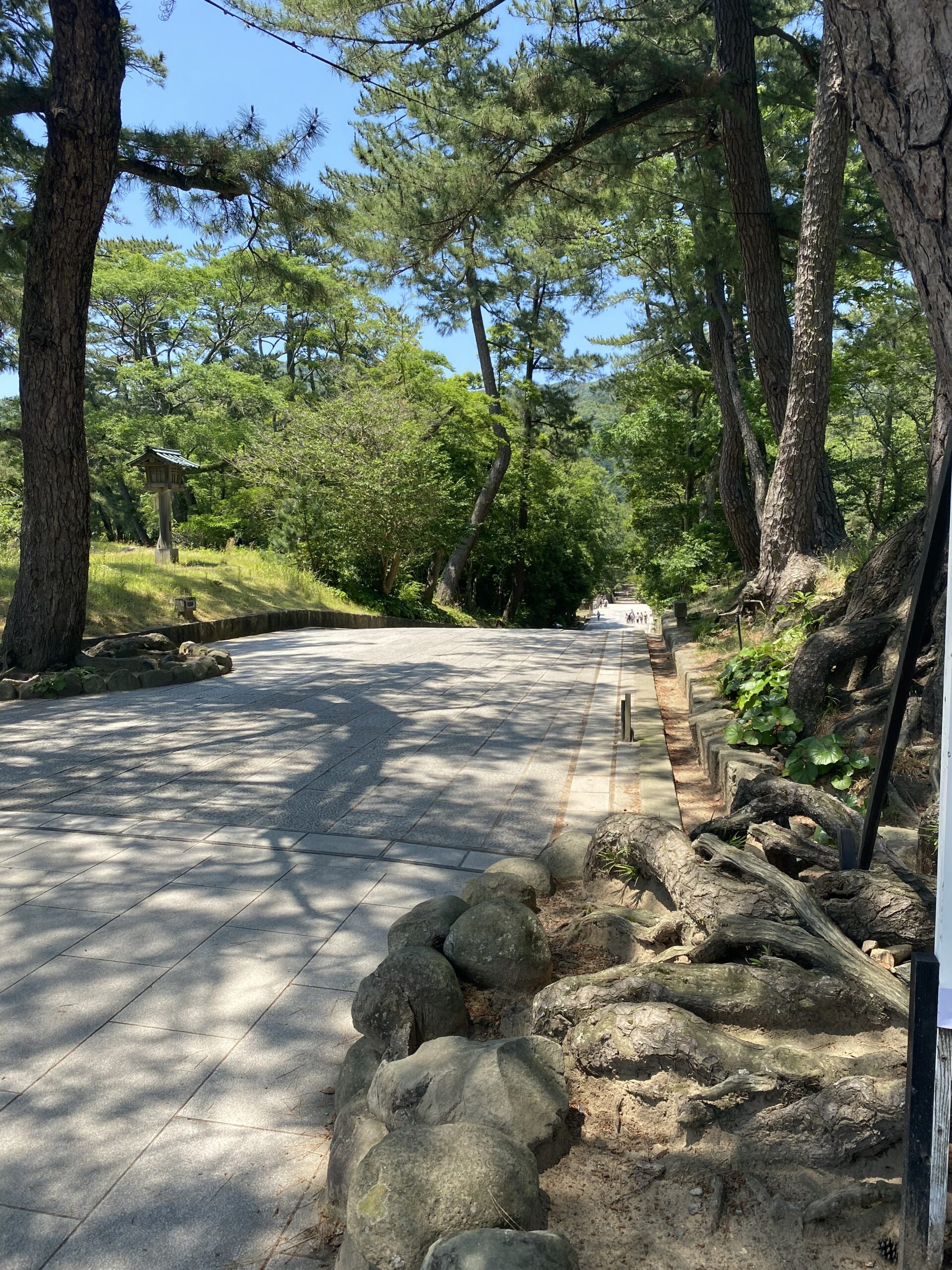
In Izumo City, Shimane Prefecture—the mythological heartland of Japan—stands Izumo Taisha (formally read “Izumo Oyashiro,” commonly “Izumo Taisha”), one of the nation’s most ancient and revered shrines. Its origins are recorded in the Kojiki, Japan’s oldest historical chronicle, dating back to the age of myths.
The shrine’s most striking feature is its massive shimenawa (sacred rope) at the worship hall—at 13.6 meters long and weighing 5.2 tons, it’s among the largest in Japan. The solemn main sanctuary, the vast sacred grounds—Izumo Taisha’s majestic atmosphere overwhelms all who visit.
The enshrined deity is Okuninushi-no-Okami (Great Lord of the Land), affectionately known as “Daikoku-sama.” Famous for the myth of yielding his land to the heavenly gods, Okuninushi is worshipped nationwide as the supreme deity of “en-musubi” (connection of destinies). Here, “en” doesn’t just mean romantic love—it encompasses all meaningful connections: business relationships, friendships, family bonds, and every fortunate encounter in life.
Each October by the lunar calendar, eight million gods from across Japan gather at Izumo Taisha to discuss the fates of mortals. While the rest of Japan calls this month “Kannazuki” (Month Without Gods), Izumo alone calls it “Kamiarizuki” (Month With Gods). During this special period, Izumo Taisha overflows with divine power.
Walking the approach path, standing before the great shimenawa, placing your hands together toward the main sanctuary—many worshippers describe feeling an inexplicable sense of peace and a premonition of meaningful encounters to come.
Highlights and Attractions
A Sacred Site Where Japanese Mythology Lives On
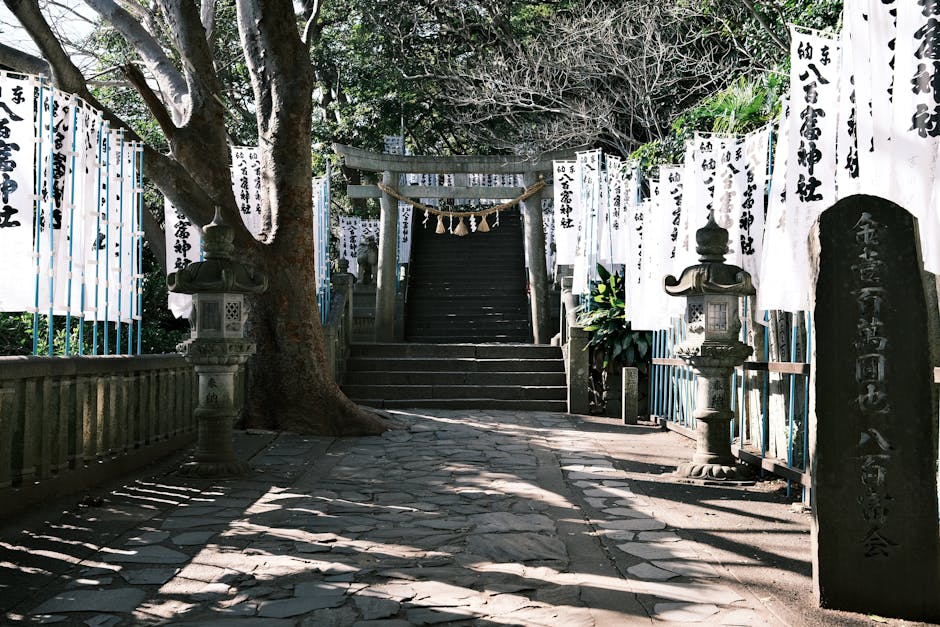
The history of Izumo Taisha stretches back to the age of Japanese mythology. According to the Kojiki and Nihon Shoki, when Okuninushi-no-Okami yielded his dominion over the earthly realm to the heavenly gods, they promised to build him a magnificent shrine in recognition of his virtue—this is said to be the origin of Izumo Taisha.
Okuninushi developed the land, taught agriculture and medicine, and worked with numerous other deities to enrich the nation. In the process, he formed countless connections—which is why he came to be revered as the supreme deity of en-musubi (destiny connection).
The most famous myth involving Okuninushi is “The White Hare of Inaba.” The kind-hearted deity helped an injured rabbit, and later won the hand of the beautiful Princess Yakami. This tale established Okuninushi’s reputation as a deity of romantic success.
Within the shrine grounds, you’ll find the “Statue of Divine Compassion” depicting Okuninushi helping the white hare. Many visitors pray here for connection and romance.
Architecture of Overwhelming Presence
Izumo Taisha’s main sanctuary is built in the “Taisha-zukuri” style—Japan’s oldest form of shrine architecture. This unique style, found only at Izumo Taisha, has been designated a National Treasure.
The current main sanctuary was constructed in 1744, standing approximately 24 meters tall. However, according to tradition, the ancient Izumo Taisha once soared to 48 meters—some legends claim 96 meters! In the year 2000, massive pillar remains discovered on the grounds proved these legends were no mere fantasy.
The shimenawa at the worship hall measures 13.6 meters long and weighs 5.2 tons—one of Japan’s largest. This enormous sacred rope serves as a boundary between the divine realm and the human world. Standing beneath it and looking up, visitors are invariably awestruck.
Particularly noteworthy is the orientation of the deity’s seat. While most shrine deities face south, Okuninushi faces west—toward Inasa Beach, the legendary site where he yielded his dominion. This unique arrangement sets Izumo Taisha apart from all other major shrines.
The Story of Four Torii Gates
The formal approach to Izumo Taisha differs from the commonly used entrance. The official path begins at the Ugabashi Grand Torii Gate, about 2 kilometers southeast of the main shrine.
The first torii, Ugabashi Grand Torii, is an enormous reinforced concrete gate standing 23 meters tall. About 1 kilometer beyond lies the second gate, Seidamari Grand Torii. Most visitors begin their pilgrimage here.
From Seidamari Grand Torii, a descending path continues—a rare feature among Japanese shrines. This is because Izumo Taisha is built on gently undulating terrain rather than flat ground.
Continuing down brings you to the third gate, Pine Approach Torii. From here, a 250-meter avenue of centuries-old pine trees creates a majestic pathway. Some of these pines were planted by Emperor Showa, adding to the sacred atmosphere.
After passing through the fourth gate, the Bronze Torii, you enter the sacred precinct containing the worship hall and main sanctuary.
Proper etiquette on the approach is also unique. While most shrines recommend walking down the center, Izumo Taisha recommends the left side. This is because Okuninushi’s seat faces west, making the left side the “front” from the visitor’s perspective.
Auxiliary Shrines Throughout the Grounds
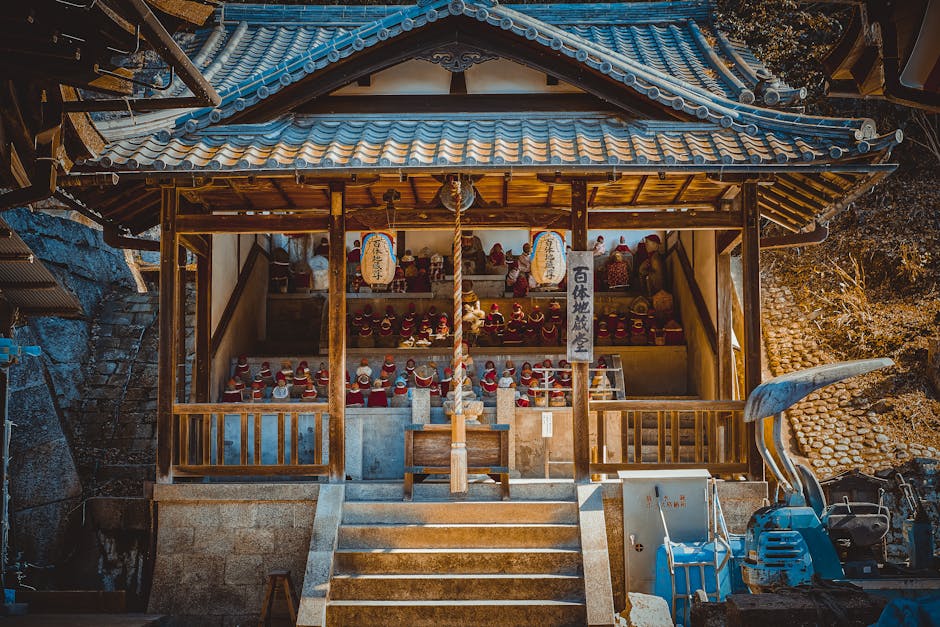
The grounds of Izumo Taisha feature numerous auxiliary shrines surrounding the main sanctuary, each enshrining deities connected to Okuninushi. Visiting these shrines offers various additional blessings.
Soga-no-Yashiro: Located directly behind the main sanctuary at the foot of Mount Yakumo, this shrine is dedicated to Susanoo-no-Mikoto, considered Okuninushi’s divine father. Many believe this is the most powerful spot within Izumo Taisha.
Uji-no-Yashiro: Four shrines on the east side of the main sanctuary enshrine Okuninushi’s ancestral deities and divine children.
Jukusha (Nineteen Shrines): Long narrow structures flanking the main sanctuary east and west serve as lodging for the gods who gather from across Japan during Kamiarizuki. Their doors remain closed except during this month.
Kagura-den: Famous for its massive shimenawa, this building hosts weddings and sacred music performances.
Spiritual Benefits and Blessings
Japan’s Supreme En-musubi: Connecting All Destinies
Izumo Taisha’s most famous blessing is, unquestionably, en-musubi (connection of destinies). As the deity who oversees all connections throughout Japan, Okuninushi is believed to possess extraordinary power.
Here, “en-musubi” encompasses far more than romance and marriage. It includes career opportunities, friendships, family relationships, and even connecting with one’s own potential—all meaningful encounters in life.
Connections formed at Izumo Taisha are said to be particularly strong. Many couples dream of holding their wedding ceremony at this sacred site.
Fertility, Safe Childbirth, and Family Harmony
Okuninushi is known for having fathered many children, giving the shrine powerful blessings for fertility and safe delivery. Many couples hoping to conceive and expecting mothers visit to pray.
The shrine also strengthens family bonds and promotes household harmony. Many who struggle with family relationships report feeling lighter after worshipping here.
Business Prosperity and Abundant Harvests
As a deity of land development, Okuninushi also offers blessings for business success and bountiful harvests. Farmers and business owners have particular devotion here, and many entrepreneurs visit to pray for their ventures’ success.
General Happiness and Good Fortune
As “Daikoku-sama,” Okuninushi brings happiness to people and guides them toward good fortune and positive outcomes. Many visit Izumo Taisha during life transitions, new beginnings, or before major decisions to seek divine guidance.
Visitor Experiences
*”Three months after visiting Izumo Taisha, I met someone through a chance encounter. We started dating and married a year later. I’ll never forget the strange sense of peace I felt there.”* (35-year-old woman from Hiroshima)
*”After struggling with infertility for years, I prayed at Izumo Taisha for a child. Six months later, I was pregnant. I safely delivered a healthy baby.”* (38-year-old woman from Tokyo)
*”I visited while contemplating a career change. The moment I placed my hands together before the great shimenawa, I felt a sudden certainty: ‘Now is the time.’ I changed jobs and now work in what I consider my calling.”* (42-year-old man from Osaka)
Best Times to Visit
Spring (March-May) ★★★★★
Spring at Izumo Taisha brings beautiful cherry blossoms and fresh greenery in comfortable weather. From late March to early April, cherry trees throughout the grounds reach full bloom. The trees along the Pine Approach are particularly stunning.
Temperatures range from 10-20°C (50-68°F), ideal for worship. However, cherry blossom season and Golden Week bring crowds. Early morning visits on weekdays (7-9 AM) are recommended.
May’s fresh greenery season offers crisp, clear air for refreshing mind and body.
Summer (June-August) ★★★☆☆
The June rainy season sees fewer visitors, allowing for quiet worship. Rainy-day Izumo Taisha has its own charm, with vibrant green colors.
July and August reach around 30°C (86°F), but sea breezes keep conditions relatively comfortable. Early morning (6-8 AM) or late afternoon (after 4 PM) visits are recommended.
Summer vacation brings families, but the spacious grounds absorb crowds well.
Autumn (September-November) ★★★★★
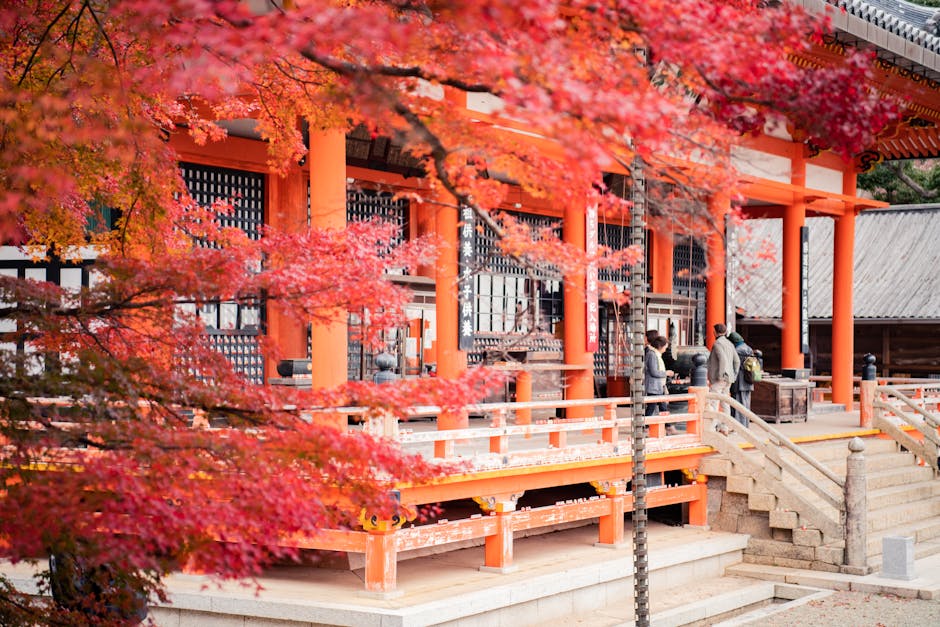
Autumn is the ideal season for Izumo Taisha worship. In the tenth lunar month, the Kamiari Festival welcomes gods gathering from across Japan (around November by the modern calendar). Special rituals are performed, and divine power is said to reach its peak.
The festival period is crowded, but attending once in a lifetime is worthwhile. You can participate in special ceremonies like the En-musubi Taisai (Grand Festival of Destiny Connection).
October through November brings comfortable temperatures of 15-20°C (59-68°F). On clear autumn days, shrine buildings against blue skies make perfect photographs.
Winter (December-February) ★★★☆☆
Winter brings fewer visitors and profound tranquility. Temperatures around 5-10°C (41-50°F) occasionally bring snow. Snow-covered grounds create an otherworldly atmosphere.
New Year’s hatsumode (first shrine visit) brings large crowds. Avoid January 1-3 if possible; conditions calm down after mid-January.
While cold, worshipping in crisp winter air creates a bracing, mind-clearing experience.
Recommended Time Slots
Early Morning (6-8 AM): The most quiet, sacred atmosphere. Morning light illuminates the approach, and the air feels cleansing.
Mid-Morning (8-11 AM): Before tour buses arrive. Allows for leisurely worship.
Midday (11 AM-3 PM): Most crowded, especially on weekends and holidays.
Late Afternoon (3-5 PM): Beautiful soft light. Crowds begin to thin.
Worship Guide
Izumo Taisha’s Unique Worship Protocol
Izumo Taisha has distinctive worship customs different from other shrines.
Ni-hai, Shi-hakushu, Ichi-hai (Two Bows, Four Claps, One Bow)
While most shrines use “two bows, two claps, one bow,” Izumo Taisha requires four claps. Only Izumo Taisha and Usa Shrine in Oita Prefecture observe this special protocol.
1. Two Bows: Bow deeply twice
2. Four Claps: Clap your hands four times
3. Prayer: With hands together, pray sincerely
4. One Bow: Bow deeply once
Why four claps? Various theories exist: representing “shiawase” (happiness, with “shi” meaning four), or symbolizing the four seasons.
Worship Route
Start at Seidamari Grand Torii: The entrance most visitors use. Bow once before entering the grounds.
Descending Path: Walk down the gentle slope. Stay on the left side.
Harae-no-Yashiro: A small shrine on the left side of the descending path. Properly, you should purify yourself here before proceeding. Many visitors miss this—don’t skip it.
Pine Approach: A majestic avenue of centuries-old pine trees. Walk slowly and calm your heart.
Bronze Torii: Pass through the fourth gate and the worship hall comes into view.
Temizuya (Purification Fountain): Located before the worship hall. Properly cleanse hands and mouth.
Worship Hall: Pay respects at the impressive shimenawa-adorned hall. Use the four-clap protocol.
Yatsushamon Gate: Beyond the worship hall, before the main sanctuary. Regular visitors can come no closer than this. Worship once more here.
Soga-no-Yashiro: Behind the main sanctuary, at the foot of Mount Yakumo. Said to be Izumo Taisha’s most powerful spot. There’s a custom of offering sand from Inasa Beach here and taking sacred sand in return.
Visit Auxiliary Shrines: If time permits, worship at the various auxiliary shrines.
Kagura-den: View the other massive shimenawa at the sacred music hall.
Attire and Etiquette
Recommended Attire:
- Clean, neat clothing
- Comfortable walking shoes
- Avoid excessive skin exposure
What to Avoid:
- Sandals, flip-flops
- Miniskirts, short pants
- Overly flashy clothing
Worship Etiquette:
- Walk on the left side of the approach, not center
- Speak quietly
- Take photos without disturbing other worshippers
- Photography inside the main sanctuary is prohibited
Charms and Shrine Seals
Izumo Taisha offers numerous en-musubi-related charms:
En-musubi Thread: Red and white threads; sewing them into clothing is said to bring good connections (1,000 yen)
En-musubi Charm: The classic matchmaking amulet (1,000 yen)
Goshuin (Shrine Seal): Available at the office beside the worship hall (300 yen). Goshuin books also sold (from 1,500 yen).
Essential Information
Access
Address: 195 Kizukihigashi, Taisha-cho, Izumo City, Shimane Prefecture 699-0701
By Train:
- Ichibata Railway “Izumo Taisha-mae Station” – 10-minute walk
- From JR Izumo-shi Station, Ichibata Bus bound for Izumo Taisha – about 25 minutes to terminal
By Car:
- From San’in Expressway “Izumo IC” – about 15 minutes
- GPS: Search “Izumo Taisha” or phone number “0853-53-3100”
By Air:
- From Izumo Enmusubi Airport by taxi – about 30 minutes (approximately 4,000 yen)
- Airport bus to Izumo-shi Station, then Ichibata Bus to Izumo Taisha
Basic Information
Worship Hours:
- March-October: 6:00 AM – 8:00 PM
- November-February: 6:30 AM – 8:00 PM
- Open year-round
Admission: Free
Treasure Hall:
- Hours: 8:30 AM – 4:30 PM
- Admission: Adults 300 yen, University/High school 200 yen, Elementary/Junior high 100 yen
Time Required:
- Standard visit: 60-90 minutes
- Thorough visit: 120-180 minutes
Parking:
- Multiple free parking areas near Izumo Taisha (approximately 400 spaces total)
- Weekends and holidays get crowded; early arrival recommended
Contact:
- Phone: 0853-53-3100
- Official website: https://izumooyashiro.or.jp/
Goshuin (Shrine Seal): Available (300 yen)
Accessibility: Wheelchair worship possible. Loaner wheelchairs available. Accessible restrooms provided.
Area Information
Nearby Attractions
Inasa Beach (5 minutes by car):
The sacred beach where the land-yielding myth took place. Bentenjima island features a small shrine to Toyotamahiko-no-Mikoto. Famous for stunning sunsets and selected as one of Japan’s 100 Best Beaches. Visitors collect sand here to offer at Soga-no-Yashiro, then take sacred sand in return.
Ancient Izumo History Museum (10-minute walk):
Adjacent to Izumo Taisha. Features a replica of the ancient giant shrine, actual pillar remains discovered in 2000, and exhibits deepening understanding of the shrine’s history (admission 620 yen).
Shimane Winery (10 minutes by car):
Watch wine-making using Shimane Prefecture grapes. Free tastings available. BBQ restaurant on site.
Hinomisaki Shrine (15 minutes by car):
Traditionally visited together with Izumo Taisha. Notable for its beautiful vermilion-painted buildings. Nearby Hinomisaki Lighthouse is Japan’s tallest.
Matsue Castle (40 minutes by car):
A National Treasure castle. Spectacular views from the keep. Enjoy the castle town atmosphere.
Recommended Restaurants and Cafes
Arakiya (3-minute walk):
The oldest Izumo soba restaurant. Famous for three-tiered “warigo soba” (800 yen). Over 300 years in business, visited by the Imperial Family. Hours: 11:00 AM – 5:00 PM, closed Wednesdays. Expect waiting times at this popular spot.
Tanakaya (2-minute walk):
Famous Izumo soba shop. Excellent kamaage soba (hot pot style, 900 yen). Prime location right before Izumo Taisha. Hours: 11:00 AM – 5:00 PM, closed Thursdays.
Kaneya (5-minute walk):
Izumo claims to be zenzai’s (sweet red bean soup) birthplace, and this shop serves refined Izumo zenzai (700 yen). Hours: 10:00 AM – 5:00 PM, irregular holidays.
Starbucks Izumo Taisha (3-minute walk):
A beautiful Japanese-style Starbucks. Perfect for post-worship relaxation, with large tatami seating areas. Hours: 8:00 AM – 8:00 PM, open daily.
Nihon Zenzai Gakkai Ichigo-ten (5-minute walk):
Operated by an “academy” promoting Izumo-originated zenzai. Authentic Izumo zenzai (500 yen). Also features zenzai history exhibits. Hours: 10:00 AM – 5:00 PM, closed Wednesdays.
Souvenirs and Local Products
En-musubi Chopsticks: A signature Izumo Taisha souvenir. Couple’s sets are popular (from 1,500 yen).
Tawara Manju: Buns shaped like rice bales, inspired by Okuninushi’s traditional depiction seated on rice bales. An Izumo classic (box of 10 around 1,000 yen).
Izumo Soba: Enjoy Izumo soba at home. Available dried, semi-dried, or fresh.
Shijimi Clams: Large clams from Lake Shinji. A local specialty.
Accommodations
Takenoya Ryokan (2-minute walk):
Historic inn directly in front of Izumo Taisha. Established in the Meiji era. Offers wedding packages at Izumo Taisha. From 15,000 yen per person with two meals.
Masuya Ryokan (3-minute walk):
Inn with Taisho-era romantic atmosphere. Close to Izumo Taisha, convenient for early morning worship. From 12,000 yen per person with two meals.
Tamatsukuri Onsen (30 minutes by car):
Hot spring resort famous for beauty-enhancing waters. Many visitors combine it with Izumo Taisha. Numerous ryokan available, 12,000-25,000 yen with two meals.
Matsue Shinjiko Onsen (40 minutes by car):
Hot springs along Lake Shinji shores. Enjoy views while bathing. From 10,000-20,000 yen with two meals.
Model Itineraries
Half-Day Course (About 4 hours)
9:00 AM – Arrive at Izumo Taisha, worship (90 min)
10:30 AM – Ancient Izumo History Museum (60 min)
11:30 AM – Izumo soba lunch at Arakiya (60 min)
12:30 PM – Visit Inasa Beach (30 min)
1:00 PM – Depart Izumo
Full-Day Course (About 8 hours)
8:00 AM – Collect sand at Inasa Beach
8:30 AM – Izumo Taisha worship (offer sand at Soga-no-Yashiro, 120 min)
10:30 AM – Ancient Izumo History Museum (60 min)
11:30 AM – Izumo soba lunch (60 min)
12:30 PM – Hinomisaki Shrine & Lighthouse (90 min)
2:00 PM – Shimane Winery wine tasting (60 min)
3:00 PM – Travel to Tamatsukuri Onsen, bathe (90 min)
5:00 PM – Head to Matsue City
Visitor Reviews and Experiences
*”Six months after receiving an en-musubi charm, I met a wonderful partner. We were engaged a year later. My dream is to have our wedding at Izumo Taisha.”* (30-year-old woman from Fukuoka)
*”When I performed the four-clap worship, I felt mysteriously lighter. Long-standing relationship troubles smoothly resolved afterward.”* (45-year-old woman from Kyoto)
*”The power at Soga-no-Yashiro is truly incredible. I offered sand from Inasa Beach and took sacred sand home. After that, a major career opportunity came my way.”* (38-year-old man from Tokyo)
*”I visited during Kamiarizuki. Participating in the special rituals, I strongly felt the presence of the gods. No matter how many times I visit Izumo Taisha, I discover something new and moving.”* (52-year-old woman from Osaka)
Frequently Asked Questions
Q1: How much time should I allow?
A: A standard visit takes 60-90 minutes. For thorough worship including auxiliary shrines, allow 120-180 minutes. Add 60 minutes if visiting the Ancient Izumo History Museum.
Q2: What is Kamiarizuki? When is it?
A: Kamiarizuki (Month With Gods) is the period in the tenth lunar month when gods from across Japan gather at Izumo Taisha. By the modern calendar, this falls around November (exact dates vary yearly). Special rituals are performed during this time.
Q3: What do I do with the sand from Inasa Beach?
A: Collect a small amount of sand at Inasa Beach and offer it in the wooden box beneath Soga-no-Yashiro. Then take a small amount of the shrine’s sand home. This sand is believed to have purifying and protective properties—scatter it at the four corners of your home.
Q4: Can I receive a goshuin (shrine seal)?
A: Yes, available at the office beside the worship hall (300 yen). Special limited goshuin are offered during Kamiarizuki and other special periods.
Q5: Can I have a wedding ceremony here?
A: Yes, Izumo Taisha performs wedding ceremonies. Contact the shrine office for inquiries (phone: 0853-53-3100). Due to high demand, book well in advance.
Nearby Power Spots
Summary
Izumo Taisha stands as Japan’s supreme shrine for en-musubi—the divine connection of destinies. For over 1,300 years, Okuninushi-no-Okami has woven the threads of fate binding people to meaningful encounters, opportunities, and relationships.
The unique four-clap worship, the awe-inspiring massive shimenawa, the mysterious westward-facing deity, the gathering of eight million gods—everything about Izumo Taisha sets it apart as extraordinary among Japan’s sacred sites.
Whether you seek romantic connection, career opportunities, family harmony, or simply guidance at a crossroads in life, Izumo Taisha offers profound spiritual power to all who visit with sincere hearts.
We hope this guide helps you plan your pilgrimage to this extraordinary sanctuary.
May Okuninushi-no-Okami weave wonderful connections into the fabric of your life.
*Information in this article is current as of November 2025. Please verify details on the official website before your visit.*
あなたに最適なパワースポットを知りたい方へ