Where 785 Stone Steps Lead to the Guardian of the Seas
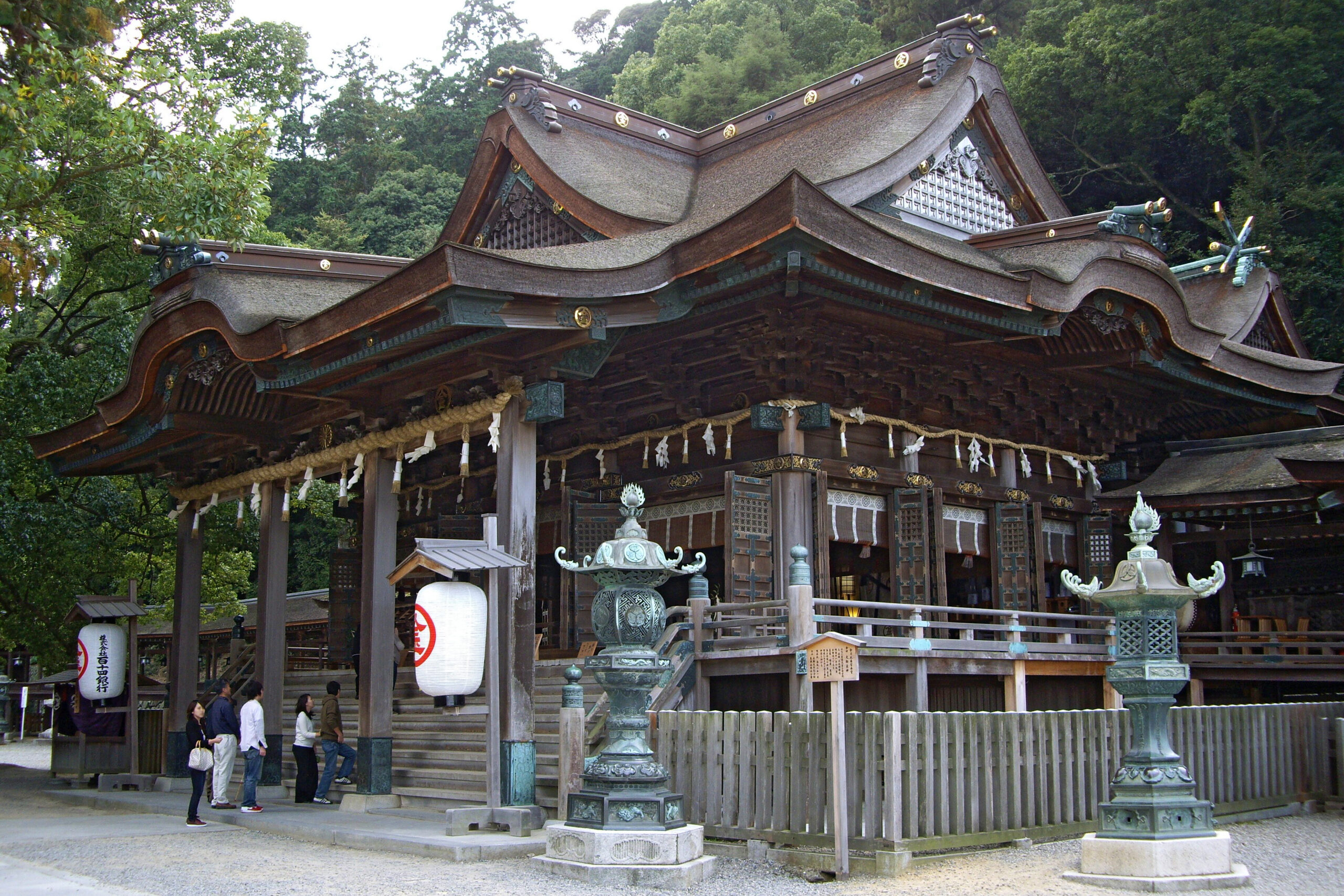
Nestled on the slopes of Mount Zozu in Kotohira Town, Kagawa Prefecture, Kotohira-gu Shrine—affectionately known as “Konpira-san” by locals—is one of Japan’s most beloved pilgrimage destinations. Famous for its remarkable 785 stone steps leading to the main hall (and 1,368 steps to the inner shrine), this sacred site has drawn millions of visitors for over 1,300 years.
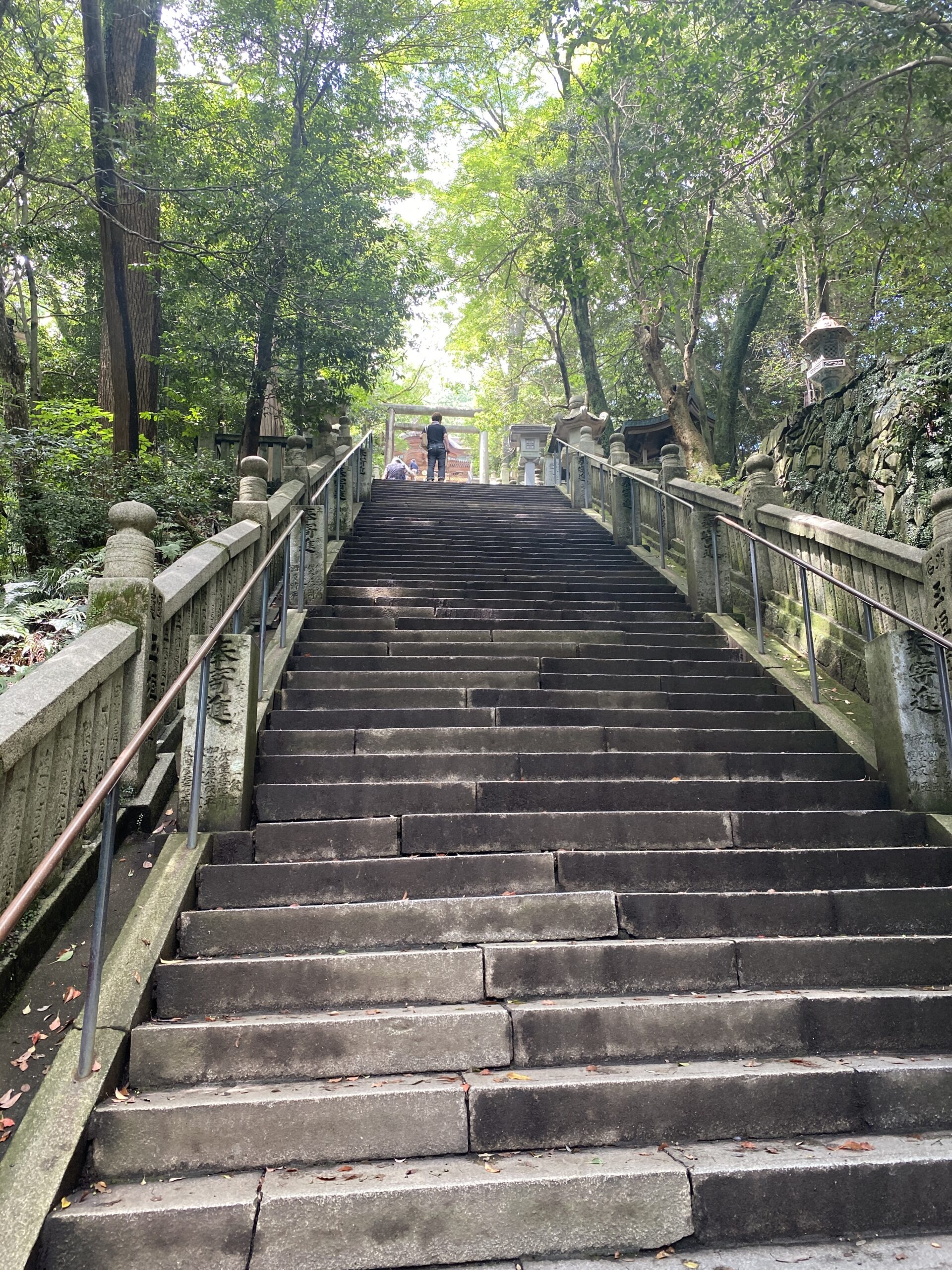
Looking up from the base of the mountain, the stone steps disappear into lush greenery above. As you climb, step by step, the bustling approach lined with souvenir shops and tea houses gradually gives way to profound tranquility. Five minutes in, ten minutes—you begin to feel your everyday worries melting away, replaced by a growing sense of clarity and peace.
Kotohira-gu enshrines Omononushi-no-kami (the Great Deity of Things) and Emperor Sutoku. Omononushi is particularly revered as the guardian deity of maritime safety, having protected sailors and fishermen for centuries. During the Edo period (1603-1868), “Konpira mairi” (pilgrimage to Konpira) was considered a once-in-a-lifetime journey that every Japanese person hoped to make.
Upon reaching the main hall, turn around to behold a breathtaking panorama of the Sanuki Plain spreading below, with the Seto Inland Sea glimmering in the distance. The sense of accomplishment from conquering 785 steps, combined with the spectacular view and the overwhelming spiritual energy accumulated through centuries of devoted worship—it’s an experience that touches visitors to their very core.
Highlights and Attractions
Over 1,300 Years of History as Guardian of the Seas
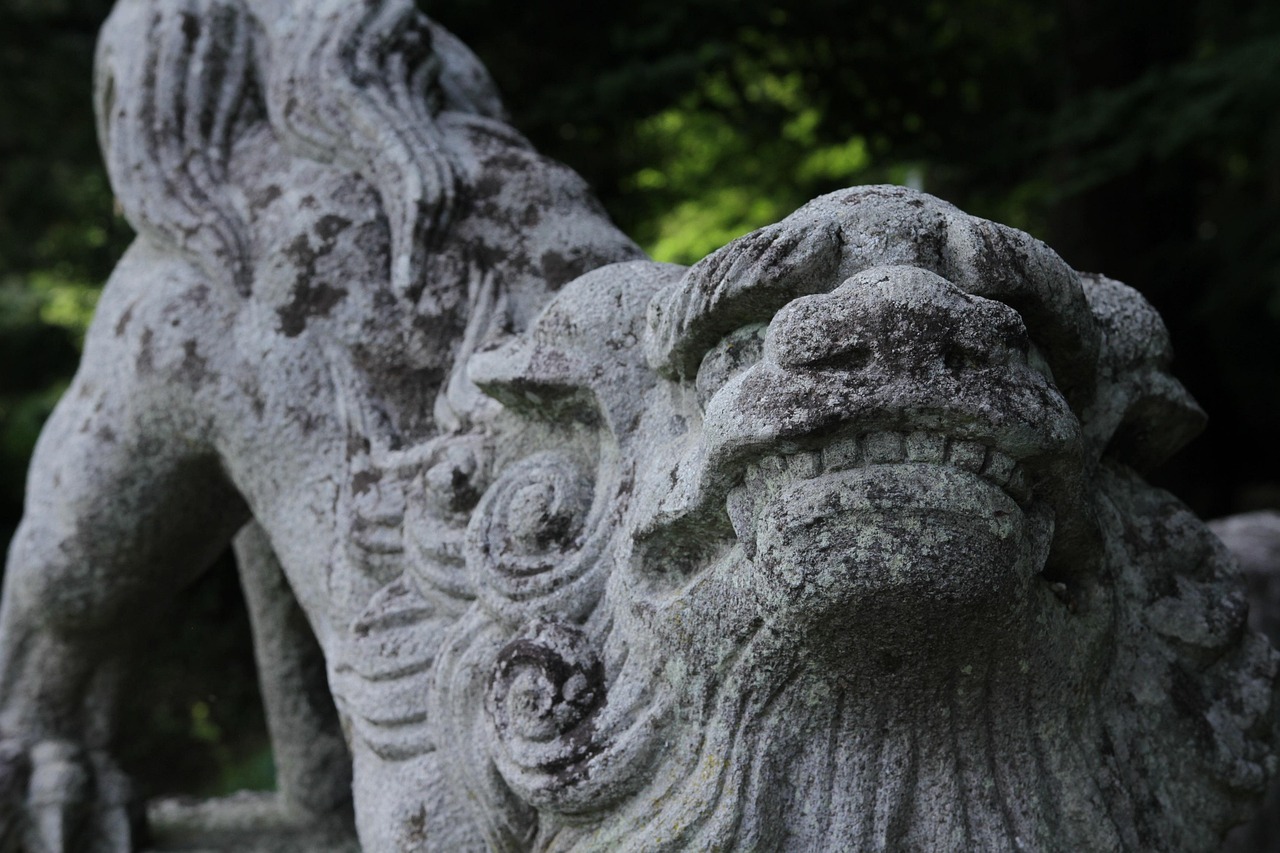
The origins of Kotohira-gu date back to 701 CE (the first year of the Taiho era), making it over 1,300 years old. The shrine was established on Mount Kotohira, originally a training ground for yamabushi (mountain ascetic priests), to enshrine Omononushi-no-kami.
Omononushi, also the principal deity of Omiwa Shrine in Nara, is revered as a guardian of land development, agriculture, commerce, and especially maritime navigation. At Kotohira-gu, the “ocean deity” aspect is particularly emphasized. During the Edo period, the shrine became so popular among sailors that a folk song called “Konpira Fune Fune” (Konpira Ships) spread throughout Japan.
The other enshrined deity, Emperor Sutoku, was a tragic figure who was exiled to Sanuki after his defeat in the Hogen Rebellion of 1156. Enshrined here since the Meiji period, he is venerated as a deity of learning and the performing arts.
The Story Told by 785 Stone Steps
The most distinctive feature of Kotohira-gu is undoubtedly its long stone stairway. From the Ichinozaka Torii gate at the base to the main hall, you’ll climb 785 steps. If you continue to the inner shrine (Izutama Shrine), that number rises to 1,368. This stairway pilgrimage is itself a form of spiritual practice—a journey of purification.
The approach can be divided into several distinct sections:
Ichinozaka Torii to Daimon Gate (Steps 0-365): This initial stretch runs through the lively temple town. Historic souvenir shops, udon restaurants, and traditional sweet shops line both sides, offering plenty of temptations before your climb. For those concerned about their stamina, palanquins carried by porters are available (round trip from around 7,000 yen).
Daimon to Asahi-sha (Steps 365-628): After passing through the Daimon Gate, the sacred atmosphere intensifies dramatically. Impressive stone lanterns line both sides of the path, now surrounded by trees in peaceful silence. Along the way, you’ll encounter important cultural properties including the Shoin study hall and Ema-do (votive tablet hall). At step 628, you’ll reach the magnificent Asahi-sha, built in 1837 entirely from zelkova wood with temple-like grandeur.
Asahi-sha to Main Hall (Steps 628-785): Beyond Asahi-sha comes the final ascent. Encouraged by occasional glimpses of scenery through the trees, you climb the remaining steps until—at step 785—you finally arrive at the main worship hall.
From the main hall, the Sanuki Plain spreads before you, and on clear days, you can see all the way to the Seto Inland Sea. This combination of breathtaking views, sense of accomplishment, and the sacred presence emanating from the main sanctuary creates profound impressions that stay with visitors forever.
Main Hall to Inner Shrine (Steps 785-1,368): For those with extra time and energy, the inner shrine (Izutama Shrine) awaits. From the main hall, it’s another 583 steps—1,368 total. This section sees far fewer pilgrims, offering a quiet mountain path. The views from the inner shrine are even more spectacular, with 360-degree panoramic vistas.
Cultural Treasures and Must-See Spots
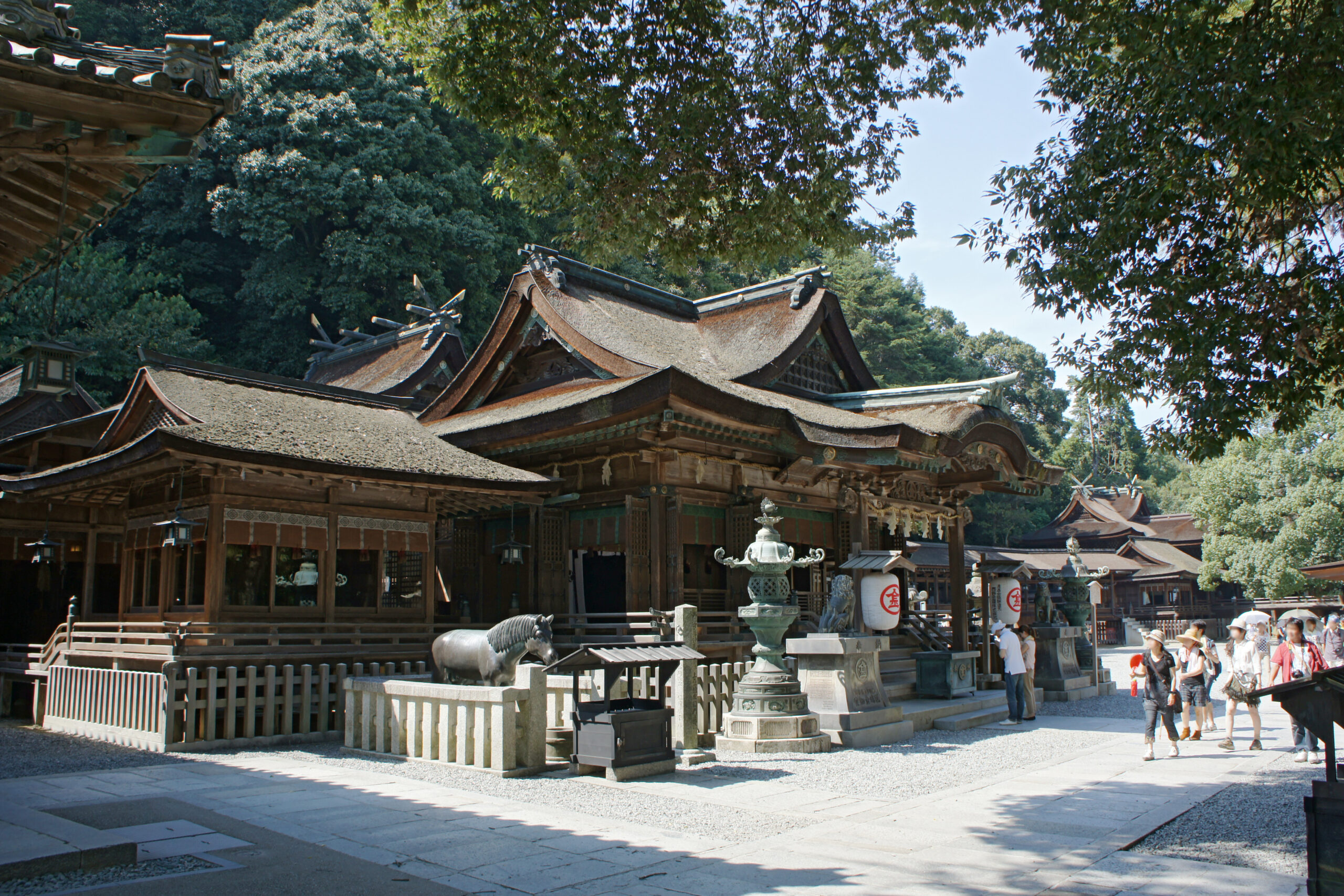
The shrine grounds contain numerous important cultural properties and noteworthy sights:
Omote-shoin and Oku-shoin: These Edo-period study halls feature exceptional fusuma (sliding door) paintings by renowned artists including Maruyama Okyo. Okyo’s “Tigers at Play” is particularly famous (replicas displayed in the treasure hall; originals shown only during special exhibitions).
Ema-do (Votive Tablet Hall): This hall displays numerous large votive tablets donated since the Edo period. Ship-themed tablets predominate, telling the story of the shrine’s connection to maritime worship.
Asahi-sha: This magnificent zelkova-wood structure features exquisite carvings and serves as one of the shrine’s most impressive buildings—and a popular photography spot.
Treasure Hall: Houses art and artifacts passed down through the shrine’s history, including works by Maruyama Okyo, swords, ceramics, and other treasures (admission 800 yen).
Beauty Through Four Seasons
Kotohira-gu reveals different beautiful faces throughout the year:
Spring (March-May): Cherry blossoms burst into bloom along the approach. The cherry tree-lined path near Daimon Gate is particularly stunning, drawing many hanami (flower viewing) visitors.
Early Summer (June): Hydrangeas add color along the stone steps, lending a gentle atmosphere to the rainy season.
Autumn (Mid-to-Late November): Peak autumn foliage season transforms the approach with red and golden leaves. The area around Asahi-sha is especially renowned for its fall colors.
Winter (December-February): Fewer visitors make this the ideal season for quiet, contemplative worship. Occasional snowfall creates an otherworldly atmosphere with the shrine dressed in white.
Spiritual Benefits and Blessings
Maritime Safety and Protection for Travelers
Kotohira-gu’s most famous blessing is maritime safety and protection for sea voyages. Since the Edo period, sailors and fishermen have offered prayers here for safe return from their journeys at sea. Today, people involved in maritime work or planning overseas travel frequently visit to pray for safety.
By extension, the shrine also offers protection for all travel and transportation safety, including road travel by car.
Business Success and Commercial Prosperity
As Omononushi is also the deity of commerce and industry, the shrine is popular among business owners and merchants praying for commercial success and business prosperity. During the Edo period, making a pilgrimage to Konpira was a status symbol for merchants, and the shrine was considered essential for prayers for business growth.
Today, entrepreneurs visit to pray for new business success, company prosperity, and favorable business negotiations.
Fortune Opening and Misfortune Warding
Completing the climb of those many stone steps is believed to purify mind and body, bringing good fortune and protection from misfortune. The process of climbing step by step becomes like spiritual training—a time for facing oneself—leaving many visitors feeling spiritually cleansed.
The shrine is particularly recommended for visiting before major life transitions or when starting new endeavors.
Academic Success and Artistic Achievement
Because Emperor Sutoku is enshrined here, visitors also pray for academic success and improvement in artistic pursuits. Many students preparing for exams and those involved in arts and performance visit to seek blessings.
Visitor Experiences
*”The sense of accomplishment when I finally reached step 785 was indescribable. Looking out at the view from the main hall, I reflected on my life journey and renewed my resolve for the future.”* (42-year-old man from Tokyo)
*”With an overseas assignment coming up, I visited to pray for safety. I kept the omamori (protective charm) with me always, and completed my three-year posting safely.”* (38-year-old woman from Osaka)
*”I came to pray before starting a new business venture. During the climb, I repeatedly confirmed my determination. Since then, the business has grown steadily.”* (50-year-old man from Fukuoka)
Best Times to Visit
Spring (March-May) ★★★★★
Spring at Kotohira-gu is highly recommended for its beautiful cherry blossoms and pleasant weather. From late March to early April, the cherry trees along the approach reach full bloom. The cherry tree-lined avenue near Daimon Gate is especially beautiful—climbing the steps while enjoying hanami is a special experience.
Temperatures range from 15-20°C (59-68°F), ideal for climbing. However, the cherry blossom season brings crowds, so early morning visits on weekdays (7-9 AM) are recommended.
Golden Week (late April to early May) is also crowded, but fresh green foliage makes it a refreshing time to visit.
Summer (June-August) ★★☆☆☆
June’s rainy season brings hydrangeas to the approach. Be careful on wet, slippery steps, but the atmosphere has its own misty charm.
July and August bring temperatures exceeding 30°C (86°F), making the climb very sweaty work. Early morning (6-8 AM) or late afternoon (after 4 PM) visits are strongly recommended. Avoid midday climbs and bring plenty of water.
Summer vacation brings family crowds.
Autumn (September-November) ★★★★★
Autumn rivals spring as the ideal season for visiting Kotohira-gu. September still holds summer’s warmth, but October through November sees temperatures drop to around 20°C (68°F), making for very comfortable climbing.
Mid-to-late November brings peak autumn colors as trees along the approach turn red and gold. The foliage around Asahi-sha is particularly beautiful and draws many visitors. Fall foliage weekends are crowded, but weekdays are relatively quiet.
On clear autumn days, the Seto Inland Sea is clearly visible from the main hall, offering spectacular views.
Winter (December-February) ★★★☆☆
Winter brings fewer visitors, making it an excellent time for quiet, contemplative worship. Temperatures around 5-10°C (41-50°F) mean the climb warms you up, though warm clothing is essential for mornings and evenings.
New Year brings major crowds. Avoid January 1-3 if possible. After mid-January, crowds diminish.
Occasional snowfall creates magical scenery, though exercise extreme caution on icy steps or consider postponing your visit.
Recommended Time Slots
Early Morning (6-8 AM): The quietest, most refreshing time. Morning sunlight illuminates the steps, and the atmosphere is particularly sacred. Perfect for avoiding crowds.
Mid-Morning (8-11 AM): Relatively cool, before tour buses arrive. Allows for leisurely worship.
Midday (11 AM-3 PM): Most crowded period. Group tourists are numerous, and summer heat is oppressive. Best avoided.
Late Afternoon (3-5 PM): Beautiful soft afternoon light. Crowds begin to thin for more peaceful visits.
Worship Guide
Tips for Conquering the Stone Steps
Here are tips for successfully climbing all 785 steps:
1. Pace Yourself: Starting too fast leads to exhaustion later. Climb slowly at a steady pace. Aim to reach the main hall in 30-40 minutes.
2. Take Breaks: Benches and tea houses dot the route. Rest without pushing yourself. The Daimon Gate (step 365) and Asahi-sha (step 628) make good rest stops.
3. Stay Hydrated: Essential, especially in summer. While vendors sell drinks along the way, bringing your own water bottle is recommended.
4. Mind Your Breathing: Deep, slow breathing while climbing helps prevent fatigue.
5. Consider the Palanquin: For those lacking stamina, elderly visitors, or anyone feeling unwell, the palanquin service is available (one-way to Daimon Gate 3,800 yen, round trip 7,000 yen).
Worship Procedure
Ichinozaka Torii Gate (Starting Point): Bow once here before beginning your climb. Save the souvenir shops for your return.
Daimon Gate (Step 365): This Important Cultural Property marks your entry into the sacred precinct.
Temizuya (Water Purification Basin): Located just past Daimon Gate. Here you purify hands and mouth:
1. Hold the ladle in your right hand, wash your left hand
2. Switch to left hand, wash your right hand
3. Hold in right hand again, cup water in left palm to rinse your mouth
4. Wash your left hand once more
5. Tilt ladle to wash the handle, replace it
Shoin and Ema-do: Admire these Important Cultural Properties as you pass.
Asahi-sha (Step 628): You may worship here. Use the “ni-hai, ni-hakushu, ichi-hai” format (two bows, two claps, one bow).
Main Hall (Step 785): At last, the main worship hall:
1. Offer money in the offertory box (any amount; 5-yen or 50-yen coins are considered auspicious)
2. Ring the bell
3. Bow deeply twice
4. Clap hands twice
5. Pray silently from your heart
6. Bow deeply once
Charms and Tablets: The shrine office at the main hall offers various omamori (protective charms) and ema (votive tablets). The “Yellow Happiness Charm” is particularly popular (1,000 yen).
What to Wear and Bring
Recommended Attire:
- Comfortable sneakers or hiking shoes (essential)
- Easy-to-move-in clothes (jeans, athletic wear)
- Hat (especially in summer)
- Towel (for sweat)
What to Avoid:
- High heels or sandals (steps can be uneven)
- Business suits or dress shoes (uncomfortable, you’ll sweat)
Useful Items to Bring:
- Drinking water (500ml-1 liter)
- Towel or refreshing wipes
- Hat
- Sunscreen
- Walking stick (bamboo canes available free at Ichinozaka)
- Small change (for offerings, vending machines)
Essential Information
Access
Address: 892-1 Kotohira-cho, Nakatado-gun, Kagawa Prefecture 766-8501
By Train:
- JR Dosan Line “Kotohira Station” – 20-minute walk to Ichinozaka Torii
- Kotoden Kotohira Line “Kotoden-Kotohira Station” – 15-minute walk to Ichinozaka Torii
The walk from both stations to Ichinozaka Torii is a gentle uphill slope. Taxi takes about 5 minutes (approximately 700 yen).
By Car:
- From Takamatsu Expressway “Zentsuji IC” – about 15 minutes
- From Takamatsu Expressway “Sakaide IC” – about 30 minutes
- GPS: Search “Kotohira-gu” or phone number “0877-75-2121”
By Bus:
- Airport limousine bus from Takamatsu Airport bound for Kotohira – about 45 minutes – get off at “Kinsankaku-mae” – 5-minute walk
Basic Information
Worship Hours:
- April-September: 6:00 AM – 6:00 PM
- October-March: 6:00 AM – 5:00 PM
- Open year-round
Admission: Free
Treasure Hall:
- Hours: 8:30 AM – 5:00 PM
- Admission: Adults 800 yen, High school 500 yen, Elementary/Junior high 300 yen
Time Required:
- Main Hall round trip: About 90-120 minutes
- Inner Shrine round trip: About 180-240 minutes
Parking:
- Municipal lot: 100 regular cars, 500 yen/day
- Additional private lots nearby (300-500 yen/day)
- Weekends and holidays get crowded; early arrival recommended
Contact:
- Phone: 0877-75-2121
- Official website: https://www.konpira.or.jp/
Goshuin (Shrine Seal): Available (Main Hall and Inner Shrine, 500 yen each)
Accessibility: Wheelchair access is difficult due to stone steps. Palanquin service available (advance reservation recommended).
Area Information
Nearby Attractions
Former Konpira Grand Theater (Kanamaru-za) (10-minute walk):
Japan’s oldest surviving kabuki theater, designated as an Important Cultural Property. This venue preserves the atmosphere of Edo-period kabuki and hosts the annual “Shikoku Konpira Kabuki” each spring. Tours available (500 yen).
Nakanoya Udon School (5 minutes by car):
Popular facility offering hands-on Sanuki udon-making experiences. In about one hour, you can make and taste your own hand-made udon (1,700 yen, reservation required). Take-home options available.
New Reoma World (15 minutes by car):
One of the largest theme parks in Shikoku and Chugoku regions. Features attractions, illuminations, and hot springs. Great for families.
Marugame Castle (25 minutes by car):
One of Japan’s 12 remaining original castle keeps. Known as “the castle of stone walls,” the view from the keep is spectacular.
Recommended Restaurants and Cafes
Toraya (Along the approach):
Historic udon restaurant along Kotohira-gu’s approach, established in the Meiji era. Famous for “Kamaage Udon” (hot pot udon, 650 yen). Enjoy authentic Sanuki udon with firm, chewy noodles. Hours: 8:00 AM – 5:00 PM, open daily.
Kamitsubaki (Along the approach):
Café-restaurant operated by Shiseido. Modern interior serving creative cuisine using local Sanuki ingredients. Lunch sets from 1,800 yen, with extensive café menu. Hours: 10:00 AM – 5:00 PM, irregular holidays. Perfect for mid-climb refreshment.
Kyuman Honpo Ishidanya (Approach entrance):
Original shop for Kotohira’s specialty “Kyuman” sweet. These small buns filled with egg yolk-flavored bean paste make perfect souvenirs (130 yen each, box of 10 for 1,350 yen). Eat-in available with tea. Hours: 8:00 AM – 5:00 PM, open daily.
Udon Ichiba Kotohira Branch (3 minutes by car):
Popular self-service udon restaurant loved by locals. Kake udon (plain) from 250 yen. Great selection of tempura and rice balls. Excellent value—a local favorite. Hours: 10:00 AM – 3:00 PM, closed Thursdays.
Kotohira Kadan (5-minute walk):
Restaurant in a historic ryokan offering Sanuki regional cuisine including “Honetuski-dori” (bone-in chicken) and “Sanuki Udon Kaiseki” courses (from 2,500 yen). Hours: 11:30 AM – 2:00 PM, reservations recommended.
Souvenirs and Local Products
Kyuman: Kotohira’s signature sweet with gentle egg yolk-flavored bean paste. Keeps about 5 days.
Yellow Happiness Charm: Original Kotohira-gu protective charm for traffic safety and good fortune.
Sanuki Udon: Take authentic Sanuki udon home. Available in dried, semi-dried, and fresh varieties.
Wasanbon: Kagawa’s traditional premium sugar. Elegantly sweet, perfect with tea.
Accommodations
Kotohira Grand Hotel Sakura no Sho (5-minute walk):
Hot spring ryokan near Kotohira-gu with rooms featuring private open-air baths. Praised for kaiseki cuisine using seasonal Sanuki ingredients. From 15,000 yen per person with two meals.
Kotohira Kadan (5-minute walk):
Prestigious ryokan with over 400 years of history. Features sukiya-style rooms, beautiful gardens, and refined cuisine. From 30,000 yen per person with two meals. Perfect for special occasions.
Kotohira Onsen Onyado Shikishimakan (3-minute walk):
Budget-friendly hot spring ryokan. Closest to Kotohira-gu, convenient for early morning worship. From 10,000 yen per person with two meals.
Business Hotels (Near Kotohira Station):
Several business hotels available at 5,000-7,000 yen for room only.
Model Itineraries
Half-Day Course (About 4 hours)
9:00 AM – Arrive at Kotohira Station, head to Ichinozaka
9:30 AM – Begin climbing stone steps
10:30 AM – Arrive at Main Hall, worship (30 min)
11:00 AM – Begin descent
11:45 AM – Lunch at udon restaurant along approach (45 min)
12:30 PM – Browse souvenir shops (30 min)
1:00 PM – Return to Kotohira Station
Full-Day Course (About 8 hours)
8:00 AM – Arrive at Kotohira Station
8:15 AM – Begin climb (enjoy early morning tranquility)
9:15 AM – Arrive at Main Hall, worship
9:45 AM – Head toward Inner Shrine
10:45 AM – Arrive at Inner Shrine, enjoy panoramic views
11:45 AM – Begin descent
1:00 PM – Lunch at approach café
2:00 PM – Treasure Hall visit (60 min)
3:00 PM – Kanamaru-za theater tour (60 min)
4:00 PM – Hot spring bath or udon-making experience
6:00 PM – Return to Kotohira Station
Visitor Reviews and Experiences
*”I visited with my parents, both in their 60s. We used the palanquin to Daimon Gate, then climbed at our own pace. Reaching the main hall together became a lifetime memory.”* (45-year-old woman from Hyogo)
*”I made it all the way to the inner shrine. The 1,368 steps were honestly exhausting, but the 360-degree panorama from the inner shrine was absolutely breathtaking! Beyond the main hall, there were few other pilgrims, and I enjoyed the peaceful mountain path.”* (32-year-old man from Ehime)
*”I visited during cherry blossom season. The sakura along the steps were in full bloom—so beautiful I forgot the difficulty of climbing. I took my time, resting at tea houses along the way.”* (55-year-old woman from Okayama)
*”I started at 6:30 AM. In the early morning silence, I reached the main hall barely meeting another soul. The way morning sun illuminated the stone steps was mystical. I’m so glad I came.”* (28-year-old man from Tokyo)
Frequently Asked Questions
Q1: How many steps are there? How long does it take?
A: 785 steps to the Main Hall, about 90-120 minutes round trip. To reach the Inner Shrine is 1,368 steps, about 180-240 minutes round trip. Times vary based on fitness level and rest breaks.
Q2: Can children or elderly visitors climb?
A: Healthy visitors of any age can do it, but don’t overdo it. Palanquins are available to Daimon Gate (step 365), round trip 7,000 yen. For small children, baby strollers cannot be used—a baby carrier is necessary.
Q3: Can I visit in the rain?
A: Light rain is fine, but be careful of slippery steps. For heavy rain or typhoons, postponing your visit is recommended for safety.
Q4: Can I receive a goshuin (shrine seal)?
A: Yes, available at both the Main Hall and Inner Shrine (500 yen each). Goshuin books are also sold (from 1,500 yen).
Q5: Is there parking?
A: Yes, municipal and private lots are available. Fees range from 300-500 yen per day. Weekends and holidays are crowded; early arrival is recommended.
Nearby Power Spots
Summary
Kotohira-gu Shrine, affectionately known as “Konpira-san,” has watched over travelers and those seeking fortune for over 1,300 years. The journey up 785 stone steps is not merely exercise—it’s a form of spiritual practice, a gradual purification of the heart and mind.
Each step brings you closer to the sacred—and to yourself. The merchants’ calls fade, the temple town’s bustle gives way to forest silence, and by the time you reach the main hall, everyday concerns seem to have been left far below. The panoramic view of the Sanuki Plain and Seto Inland Sea awaits as your reward.
Whether you come seeking maritime safety, business success, academic achievement, or simply a reset for your spirit, Kotohira-gu offers something profound for every visitor.
We hope this guide helps you plan your own memorable pilgrimage to Konpira-san.
*Information in this article is current as of November 2025. Please verify details on the official website before your visit.*
あなたに最適なパワースポットを知りたい方へ